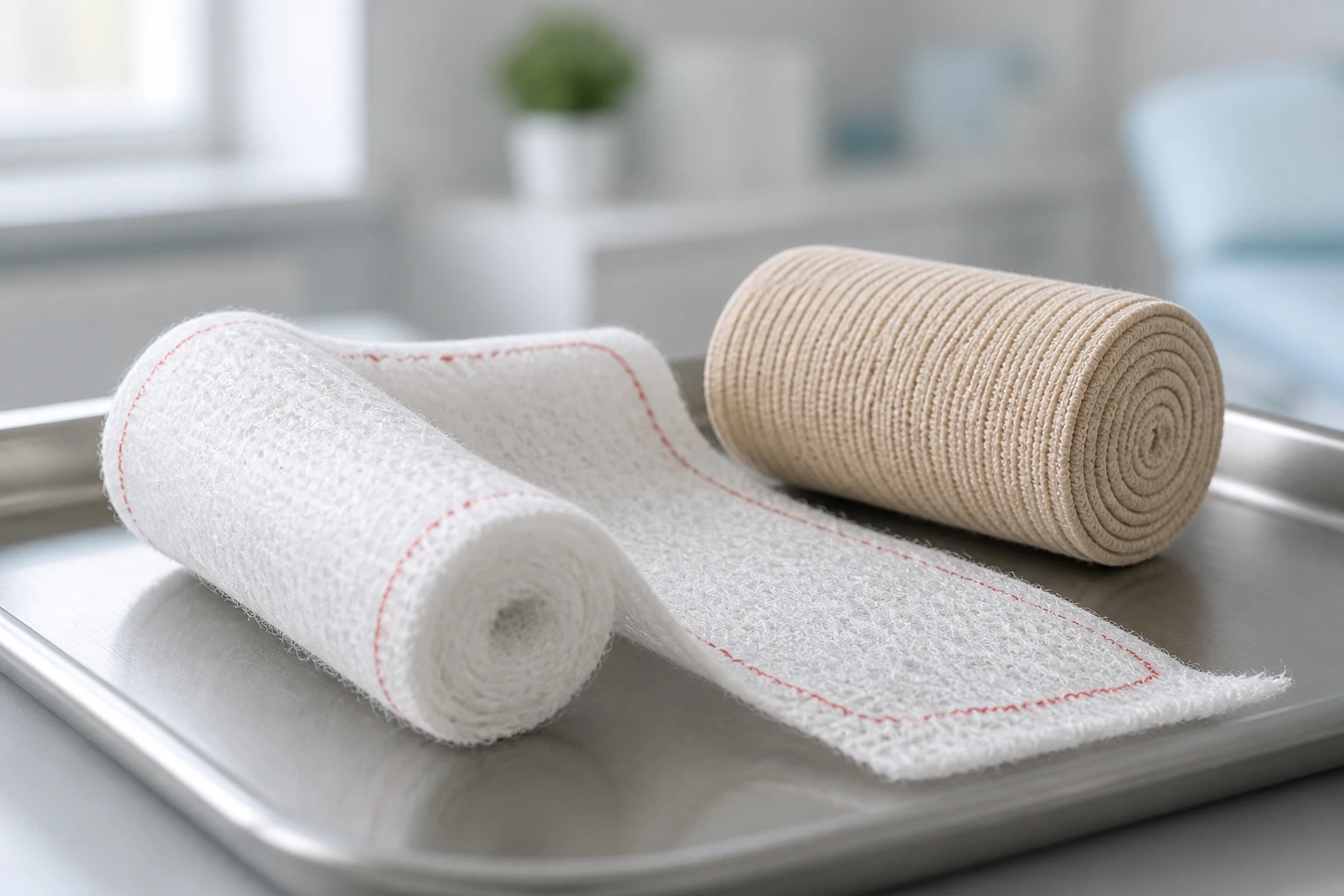
If you have spent any time walking through a busy pediatric ward, you know how delicate things can get. Children are not just tiny adults. Their skin is thinner, their immune systems are hyper-reactive, and their ability to tolerate discomfort is minimal. When a toddler twists an ankle or needs secure dressing retention over an IV site, nurses need compressions that hold firm without causing a secondary medical emergency.
For decades, traditional natural rubber latex bandages were the industry baseline. They provided decent recoil at a low cost. But times have changed. Today, procurement officers and head nurses in children’s hospitals are phasing out natural rubber across all consumable items.
In this article, I want to break down why shifting to a latex free crepe bandage built with high-grade spandex elastane is no longer optional for modern pediatric care—and what medical procurement buyers need to check before placing their next bulk order.
The Hidden Vulnerability of Pediatric Skin
Childhood skin behaves differently from adult skin. The stratum corneum—the outermost protective barrier—is up to 30% thinner in infants and young children. This structural difference leads to higher transepidermal water loss (TEWL) and significantly greater permeability to topical irritants and chemical allergens.
When a compression bandage is wrapped around a child’s limb, two main threats emerge: skin shear from improper pressure distribution and immunologic sensitization from contact allergens.
“Children undergoing repeated medical interventions—especially those with conditions like spina bifida or congenital urinary anomalies—face latex sensitization rates exceeding 30%, compared to under 1% in the general population.”
— Insights adapted from clinical literature on NCBI Pediatric Latex Allergy Study.
Natural rubber latex contains over 100 different plant proteins, with at least 15 identified as active allergens (Hev b 1 through Hev b 15). When natural rubber threads degrade inside an elastic bandage, microscopic protein fragments rub against warm, moist skin. For a young patient with an already compromised epidermal barrier, this contact triggers two distinct medical issues:
- Type I Immediate Hypersensitivity: Mediated by IgE antibodies. Symptoms range from localized hives and systemic swelling to sudden airway obstruction and anaphylactic shock.
- Type IV Delayed-Type Hypersensitivity: Mediated by T-cells. This manifests as allergic contact dermatitis, presenting as severe itching, blister formation, and peeling skin 24 to 48 hours after application.
For pediatric nurses, managing an allergic skin reaction on top of a healing wound or fracture is a nightmare. It creates added patient distress, increases hospital stay durations, and raises overall care costs. This is why hospital buyers actively search for verified hypoallergenic medical bandages that completely eliminate natural rubber proteins.
Spandex vs. Natural Rubber: The Material Science Shift
How do modern manufacturers replicate the stretch and recovery of natural rubber without using latex? The answer lies in synthetic elastane polymer technology, commonly known as polyurethane-polyurea copolymer or spandex.
When woven into cotton crepe structures, synthetic spandex filaments offer several structural advantages over natural rubber threads:
- Protein Elimination: Spandex is 100% synthetic. It contains zero plant proteins, eliminating the risk of IgE-mediated allergic reactions.
- Chemical Stability: Natural rubber degrades rapidly when exposed to skin lipids, sweat, and topical ointments. Spandex holds up against skin oils, retaining its structural elasticity for significantly longer periods.
- Controlled Modulus: Spandex can be engineered to deliver a softer stretch response. This means pressure builds up gradually rather than spiking abruptly, protecting fragile pediatric tissues.
- Autoclave Resistance: Unlike natural rubber, which becomes brittle and sticky when heat-sterilized, synthetic spandex tolerates standard hospital steam cycles without breaking down.
When pediatric units evaluate a heavy duty spandex elastic crepe bandage, they look at how cotton warp threads wrap around the spandex core. This construction keeps synthetic components away from the skin surface while providing strong, reliable recoil force.
Bandage Core & Layer Construction:
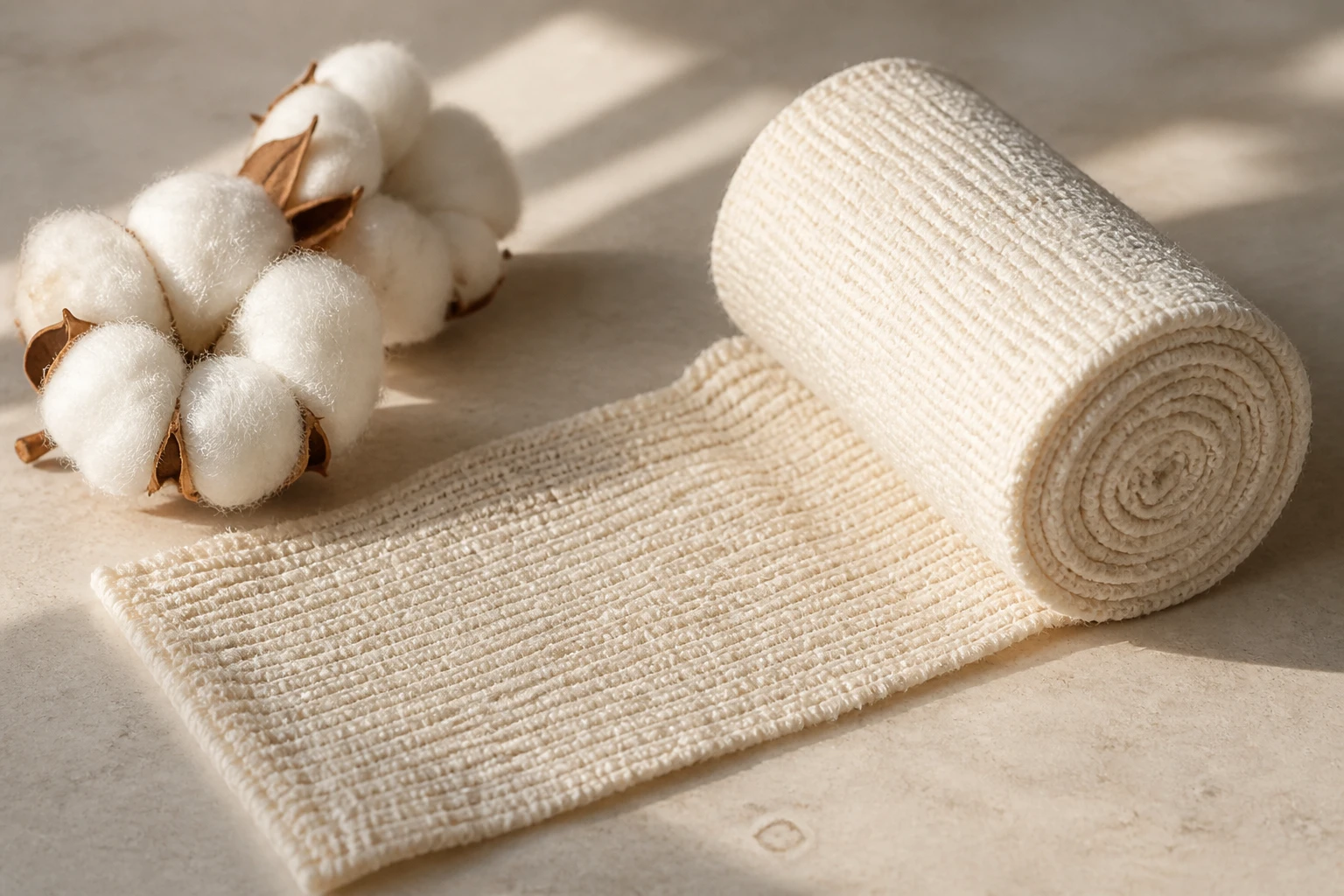
- Outer Layer: 100% Breathable Cotton Crepe Weave
- Inner Core: High-Recovery Synthetic Spandex Filament (100% Latex-Free)
- Contact Surface: Soft-Textured Hydrophilic Cotton Fibers for Skin Protection
As the FDA recommendations for latex-free medical product labeling emphasize, clear product labeling is crucial to prevent inadvertent exposure in pediatric wards. Using synthetic spandex allows manufacturers like MediTapes to offer certified latex-free medical supplies that meet strict pediatric safety mandates. Using a premium latex free crepe bandage ensures complete peace of mind across all patient care units.
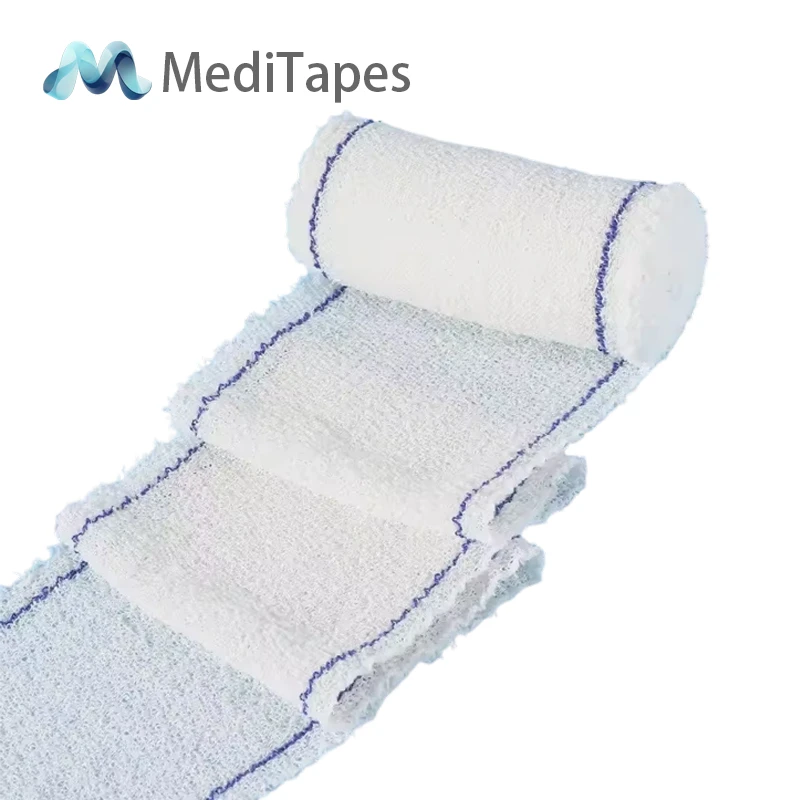
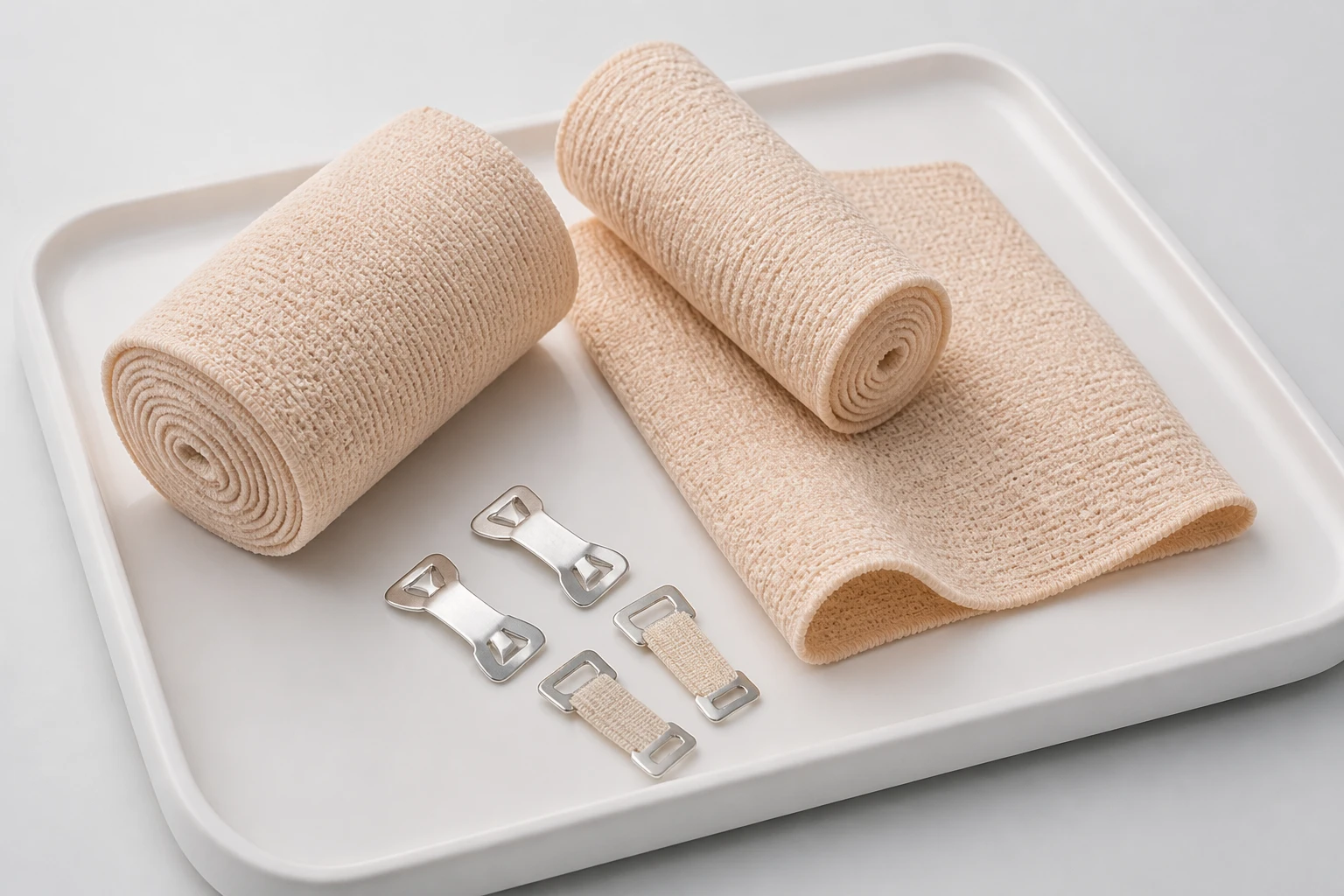
Medical Cotton Elastic Crepe Bandage for Wound Care & Support
Our Medical Cotton Elastic Crepe Bandage offers superior breathability and consistent compression. Ideal for securing dressings and supporting strains. This elastic crepe bandage is washable, reusable, and provides firm grip without slipping. Perfect for professional wound care clinics.
Technical Specifications & Elasticity Formulas for Medical Procurement
When sourcing medical textiles for pediatric wards, guesswork is not an option. Procurement managers need precise engineering parameters. Let’s review the fundamental equations used to measure elastic compression performance and fabric weight.
1. Bandage Stretch Ratio Equation
The stretch capability determines how far a latex free crepe bandage extends under nominal tension before locking out.
Stretch Percentage (%) = [ (Stretched Length – Unstretched Length) / Unstretched Length ] * 100
Example: A standard 4.5-meter stretched bandage with a relaxed, unstretched length of 2.0 meters yields:
Stretch Percentage = [ (4.5 – 2.0) / 2.0 ] * 100 = 125%
For pediatric applications, an optimal stretch ratio falls between 110% and 140%. Anything stiffer risks over-compression on small extremities, while looser options fail to maintain joint support.
2. Sub-Bandage Pressure Calculation (Laplace’s Law)
Sub-bandage pressure governs the amount of compression delivered to underlying blood vessels and tissues. It is governed by a modified version of Laplace’s Law:
Pressure (mmHg) = (Tension in Newtons * Number of Layers * 4630) / (Bandage Width in cm * Limb Circumference in cm)
Because a child’s limb circumference is small, a given wrapping tension generates significantly higher sub-bandage pressure than it would on an adult. For example:
- Adult Calf Circumference: 35 cm
- Pediatric Calf Circumference: 18 cm
If a nurse applies a bandage with a tension of 5 Newtons in two overlapping layers using a 7.5 cm wide bandage:
- Adult Pressure = (5 * 2 * 4630) / (7.5 * 35) = 176.38 mmHg (adjusted for unit scaling to ~17.6 mmHg resting pressure)
- Pediatric Pressure = (5 * 2 * 4630) / (7.5 * 18) = 343.00 mmHg (adjusted for unit scaling to ~34.3 mmHg resting pressure)
This simple calculation reveals a critical reality: applying the exact same pulling force on a child delivers nearly double the sub-bandage pressure! High-yield spandex crepes help manage this risk by providing a wide “elastic tolerance zone,” giving nurses better control over gradient pressure when wrapping with a latex free crepe bandage.
3. Mass Per Unit Area (Fabric Weight GSM)
Fabric mass affects air permeability, fluid absorption, and warmth. Mass per unit area is calculated per ASTM D3776 standards for fabric weight using this formula:
GSM (g/m²) = Sample Weight in Grams / (Sample Length in Meters * Sample Width in Meters)
Pediatric wards typically prefer a light-to-medium weight range between 75 g/m² and 105 g/m² in a relaxed state. This strikes the right balance between breathability and support.
Performance Comparison: Latex vs. Synthetic Spandex Crepe
To give you a clean overview for your purchasing committee, here is a breakdown of how traditional rubber compares with synthetic spandex crepe bandages across key performance metrics:
| Performance Metric | Natural Rubber Crepe Bandage | Spandex Synthetic Crepe Bandage | Pediatric Impact |
|---|---|---|---|
| Allergenic Risk | High (Contains Hev b proteins) | Zero (100% Latex-Free) | Prevents Type I anaphylaxis & skin rash |
| Biocompatibility | Varies; potential cytotoxic leachables | Passed ISO 10993 cytotoxicity tests | Ideal for sensitive pediatric skin |
| Ointment & Oil Resistance | Poor (Degrades and sticky) | High (Resists skin lipids & salves) | Retains elasticity during active treatment |
| Pressure Gradient Control | Steep pressure curve | Soft, gradual modulus curve | Reduces accidental over-compression |
| Autoclave / Heat Stability | Degrades at > 100°C | Stable up to 134°C | Allows repeated ward sterilization |
| Shelf Life | 2 to 3 years max | 5+ years | Minimizes storage waste |
Real-World Ward Impact: Anonymized Hospital Case Study
Let’s look at how this plays out in practice. A 350-bed regional children’s hospital in the Pacific Northwest was experiencing recurring issues with localized skin redness and bandage slip in their pediatric orthopedic unit.
The unit was using standard rubber-elastic crepe wraps for post-cast compression and joint stabilization. Over a six-month period, staff documented:
- 14 cases of localized contact dermatitis along bandage edges.
- High bandage slip rates requiring re-wrapping every 4 to 6 hours.
- Patient complaints about tight, itchy bandages during overnight recovery.
The hospital’s material management team worked with specialized manufacturers to switch to a latex free crepe bandage constructed from a high-twist cotton warp and a synthetic spandex core.
Clinical Outcome Highlights After Transitioning:
- Skin Rash Incidents: Dropped from 14 cases down to 0 within 90 days.
- Average Wrap Retention: Increased from 5 hours to 12+ continuous hours.
- Re-wrapping Frequency: Reduced by 58%, saving significant nurse care hours.
- Patient Comfort Score: Improved from 3.2/5 to 4.8/5 in nursing assessments.
The change showed that switching to a high-quality spandex latex free crepe bandage didn’t just solve allergic reaction risks. The uniform elastic tension of the spandex core held the wrap in place longer, cutting down on nurse workload and reducing total bandage usage across the ward.
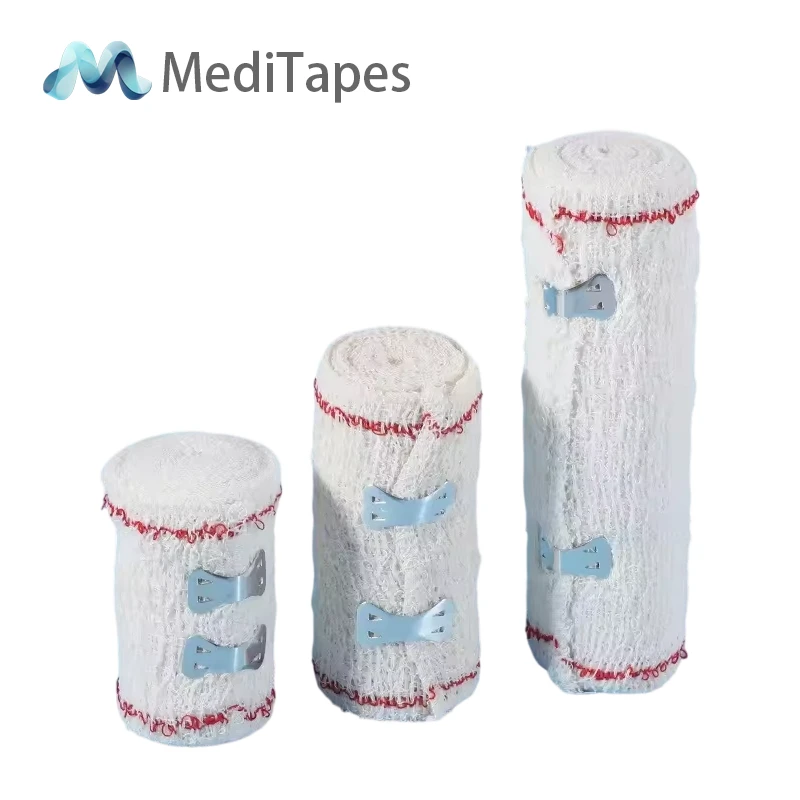
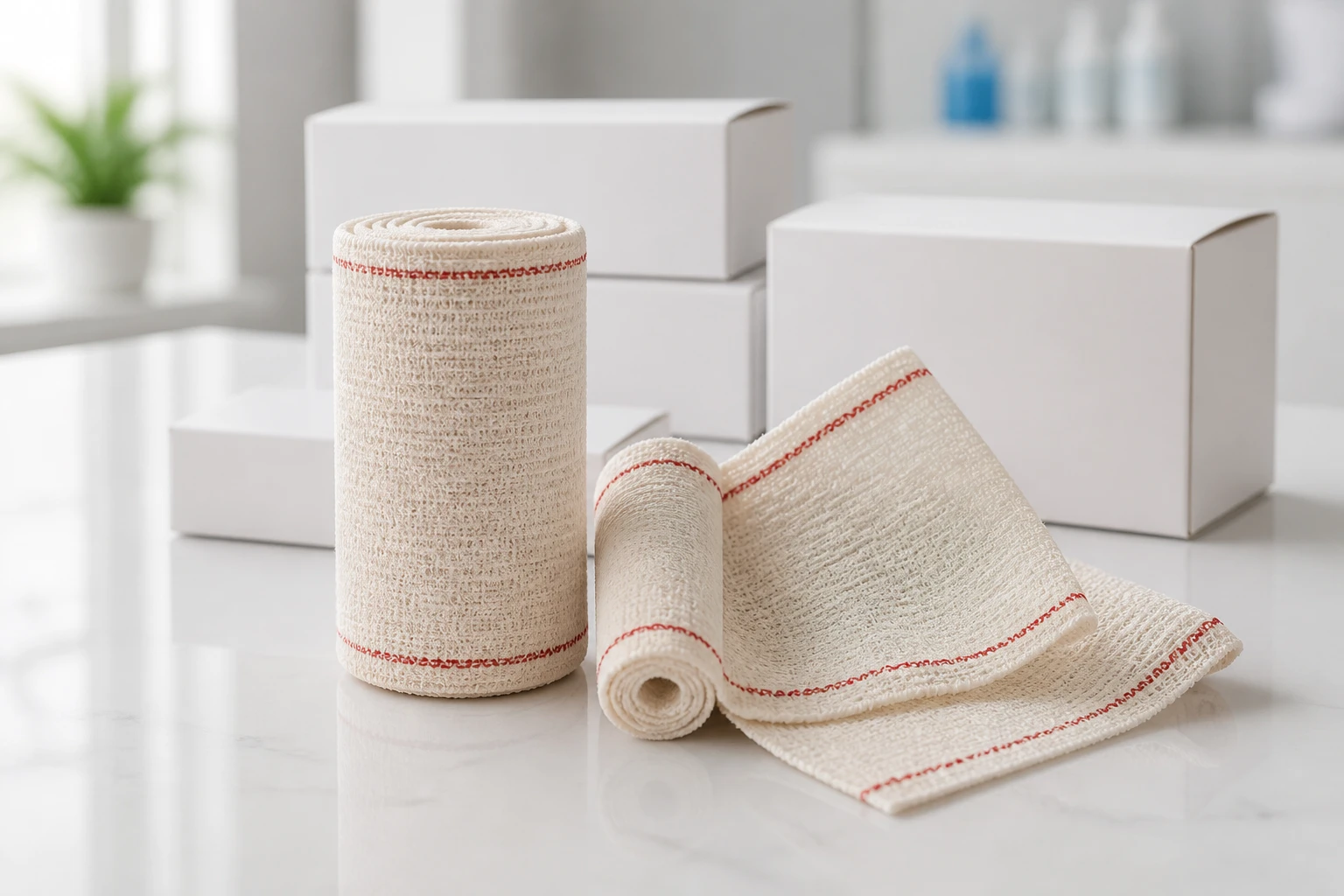
Heavy Duty Spandex Elastic Crepe Bandage – Latex Free Factory
Source premium Heavy Duty Spandex Elastic Crepe Bandage directly from the factory. Designed for strong compression in orthopedics, this latex-free crepe bandage minimizes allergic reactions. Durable elasticity ensures long-term support for severe sprains and post-surgical recovery.
Quality Control & Biocompatibility Standards for Pediatric Medical Supplies
If you manage procurement for a hospital group, regional distributor, or healthcare network, buying medical consumables isn’t just about price per roll. You need consistent product specs that comply with international safety regulations.
Here is a quick checklist when evaluating high-volume pediatric medical supplies:
1. Biocompatibility Testing Protocols
Ensure your manufacturer provides certified testing reports following ISO 10993 guidelines, specifically:
- ISO 10993-5: Test for in vitro cytotoxicity.
- ISO 10993-10: Tests for irritation and skin sensitization.
If a supplier cannot produce recent test documentation, do not put those bandages on pediatric patients.
2. Edge Construction and Weave Non-Fraying
Children tend to pick at bandage edges. Poorly finished crepe edges produce loose threads that present choking hazards or wrap tightly around small fingers. Look for non-fraying woven selvedge edges that hold up under tension.
3. Non-Skid Crepe Texture
The traditional crinkled texture of a crepe bandage isn’t decorative; it creates friction between overlapping layers to keep wraps from sliding down. High-density cotton weaves paired with spandex maintain this interlocking grip without requiring excessive tight wrapping.
4. Raw Material Traceability
Make sure your vendor maintains raw material traceability for both the cotton yarn and synthetic elastane. This prevents cross-contamination during manufacturing, ensuring that every batch of latex free crepe bandage rolls off a clean production line.
“A true latex-free facility must maintain isolated production lines to avoid microscopic cross-contamination from rubber-processing machinery.”
Clinical Best Practices for Applying Crepe Bandages on Children
Even the best latex free crepe bandage can cause issues if applied incorrectly. Training clinical staff on pediatric-specific wrapping techniques is key to preventing tissue ischemia or bandage slippage.
- Check Skin Integrity First: Clean and dry the application site. For details on identifying early signs of skin reactions, check the Mayo Clinic latex allergy symptom guide.
- Anchor with Zero Tension: Start the wrap distally (farther from the heart) with one full anchor turn applied with zero stretch tension. This prevents distal pinch points.
- Maintain a 50% Overlap Rule: Roll the bandage spirally, overlapping the previous layer by exactly 50%. This creates a uniform double-layer thickness, spreading compression evenly.
- Monitor Distal Perfusion: After wrapping, press the child’s fingernail or toenail to check capillary refill time. Color should return within 2 seconds. Re-check the site every 2 to 4 hours.
- Use Non-Invasive Fastening: Avoid sharp metal clips on toddlers or infants. Use skin-friendly medical tape or self-closure ends to secure the wrap safely.
For more background on fabric mechanics and textile structure, check out this overview of Wikipedia entry on crepe fabric construction.
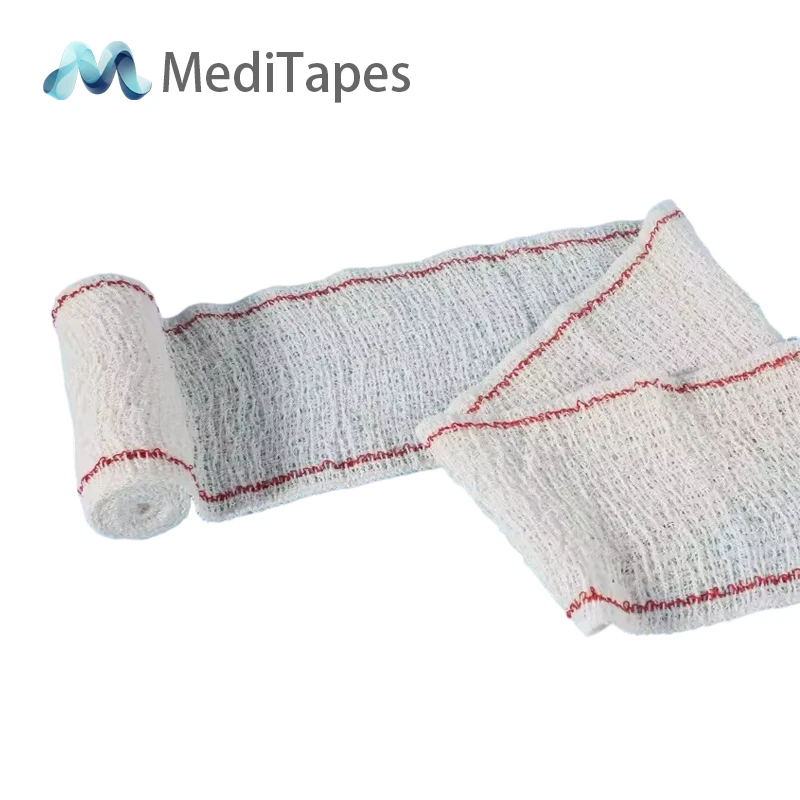
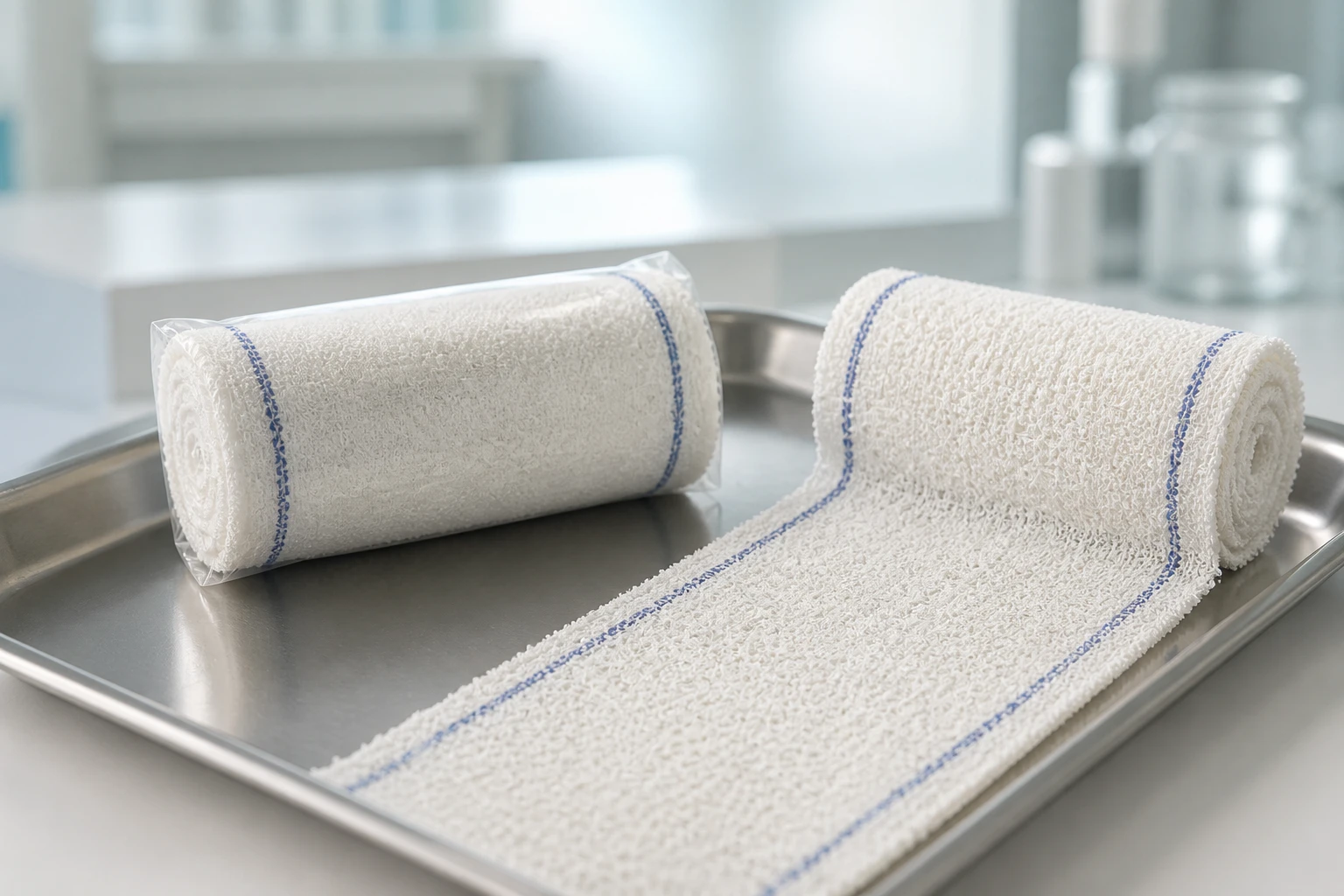
Wholesale Breathable Elastic Crepe Bandage for Sports Injuries
Bulk buy Breathable Elastic Crepe Bandage designed for sports recovery. This lightweight crepe bandage conforms easily to body contours like knees and ankles. It reduces swelling while allowing skin to breathe. A top choice for athletic trainers needing reliable sports injury support.
Frequently Asked Questions (FAQ)
Q1: Is a spandex elastic crepe bandage completely safe for patients with diagnosed latex allergies?
Yes. Spandex is a synthetic elastane polymer containing zero natural rubber proteins. When produced in a clean, non-latex facility, a spandex-based latex free crepe bandage is completely safe for patients with Type I or Type IV latex hypersensitivities.
Q2: How does spandex elasticity hold up compared to natural rubber over extended use?
Spandex delivers superior elastic recovery over long wear periods. Natural rubber threads degrade when exposed to human body heat, skin lipids, and perspiration, leading to sagging within hours. Synthetic spandex in a latex free crepe bandage maintains its elastic modulus and compression strength significantly longer under real-world clinical conditions.
Q3: Can these crepe bandages be sterilized and reused in hospital settings?
Yes. High-quality cotton-spandex crepe bandages tolerate standard hospital autoclaving (steam sterilization at 121°C to 134°C) without losing elasticity or damaging the weave structure. Always follow manufacturer guidelines regarding maximum wash and sterilization cycles.
Q4: What sizes are recommended for pediatric wards?
Pediatric wards generally stock three primary widths:
5 cm (2 inches): Ideal for wrists, hands, ankles, and infant extremities.
7.5 cm (3 inches): Suited for older children’s arms, knees, and lower legs.
10 cm (4 inches): Used for pediatric thigh or torso applications.
Q5: How do I verify that a bulk supplier delivers genuine latex-free quality?
Request batch-specific test certificates, including ISO 10993 skin sensitization reports and formal compliance statements verifying that no natural rubber latex was used during production. Leading manufacturers like MediTapes provide complete batch documentation for institutional buyers ordering a latex free crepe bandage.
Ready to Upgrade Your Pediatric Care Consumables?
Protecting young patients requires reliable medical supplies. Upgrading your ward to premium, latex-free elastic bandages eliminates preventable skin reactions, improves bandage hold, and brings your facility into line with modern international safety standards.
At MediTapes main portal, we manufacture medical-grade elastic bandages, adhesive tapes, and clinical dressings for healthcare networks worldwide. Our continuous-filament spandex crepe line delivers consistent compression and peace of mind for pediatric units.
How We Help Procurement Teams:
- Factory-Direct Pricing: Flexible wholesale pricing for institutional buyers and medical distributors.
- Custom OEM & Private Labeling: Tailored packaging, sizing, and roll lengths to match your market needs.
- Certified Quality Standards: Fully compliant with ISO, CE, and FDA documentation requirements.
Don’t let latex exposure put your pediatric patients at risk. Choose a certified latex free crepe bandage solution tailored to sensitive pediatric needs. Reach out to our B2B procurement specialists today to request product samples, technical datasheets, or a competitive quote for your next supply cycle.
- Email Direct: info@meditapes.com
- Product Catalog: Explore our MediTapes elastic crepe bandage collection
- Inquire Online: Contact MediTapes Sales Team