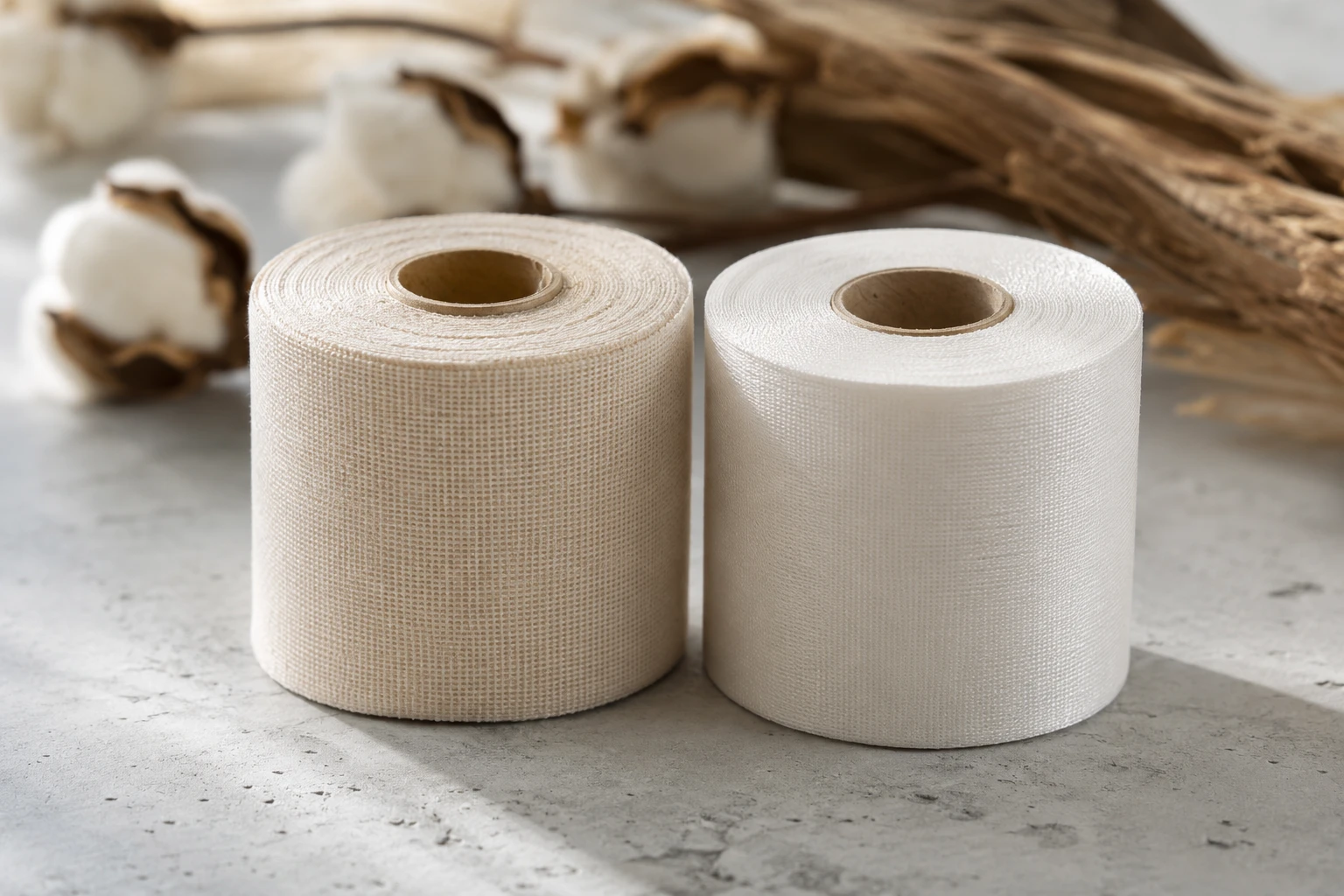
Look, if you’ve spent any time around orthopedic wards or busy rehab departments, you already know that rigid adhesive tape for hospitals isn’t just another supply item — it’s one of those everyday tools that can make or break patient outcomes. I’ve watched clinicians use it for everything from stabilizing a fresh ankle fracture to supporting post-op knees, and the difference it makes is huge.
After 12+ years working with hospitals and medical distributors across Asia and Europe, I’ve seen what actually works in real clinical settings. So let’s talk straight about how clinical adhesive tape und hospital joint tape are being used today, why certain techniques outperform others, and what medical device agents need to understand before they start pushing medizinisches Fixierpflaster to new accounts.
Why Rigid Tape Still Dominates Certain Hospital Departments
Despite all the fancy braces and orthopedic gadgets that hit the market every year, rigid adhesive tape remains a first-line tool in many hospitals. Why? Because it’s fast, cheap, customizable, and — when applied correctly — incredibly effective.
In orthopedic departments, we’re talking about tapes with high tensile strength that limit unwanted joint movement while still allowing functional motion. The most common applications I’ve seen include:
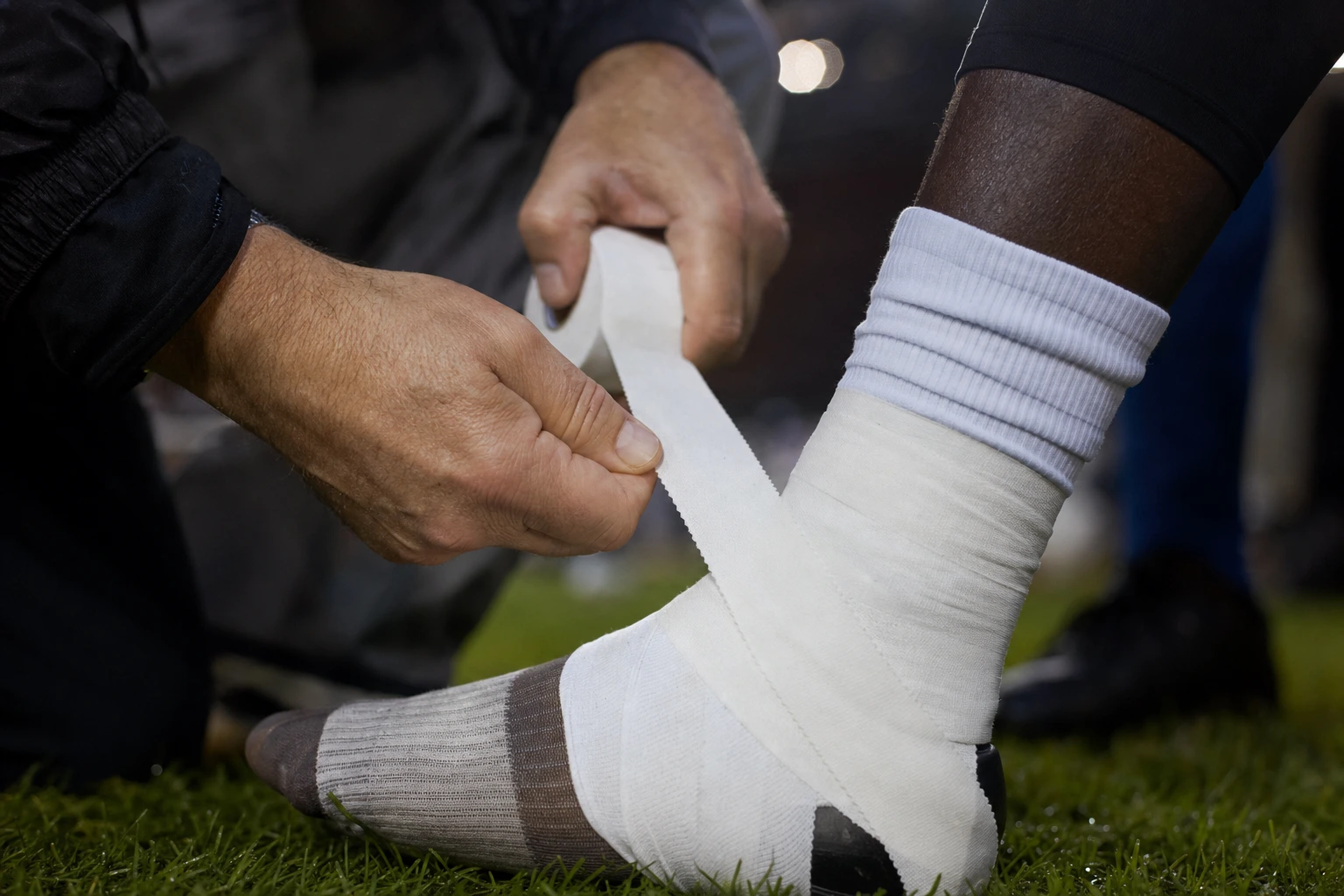
- Acute ankle sprains (especially Grade 2)
- Patellar tracking issues
- Post-operative support after ACL or meniscus repair
- Rib fractures and sternal precautions
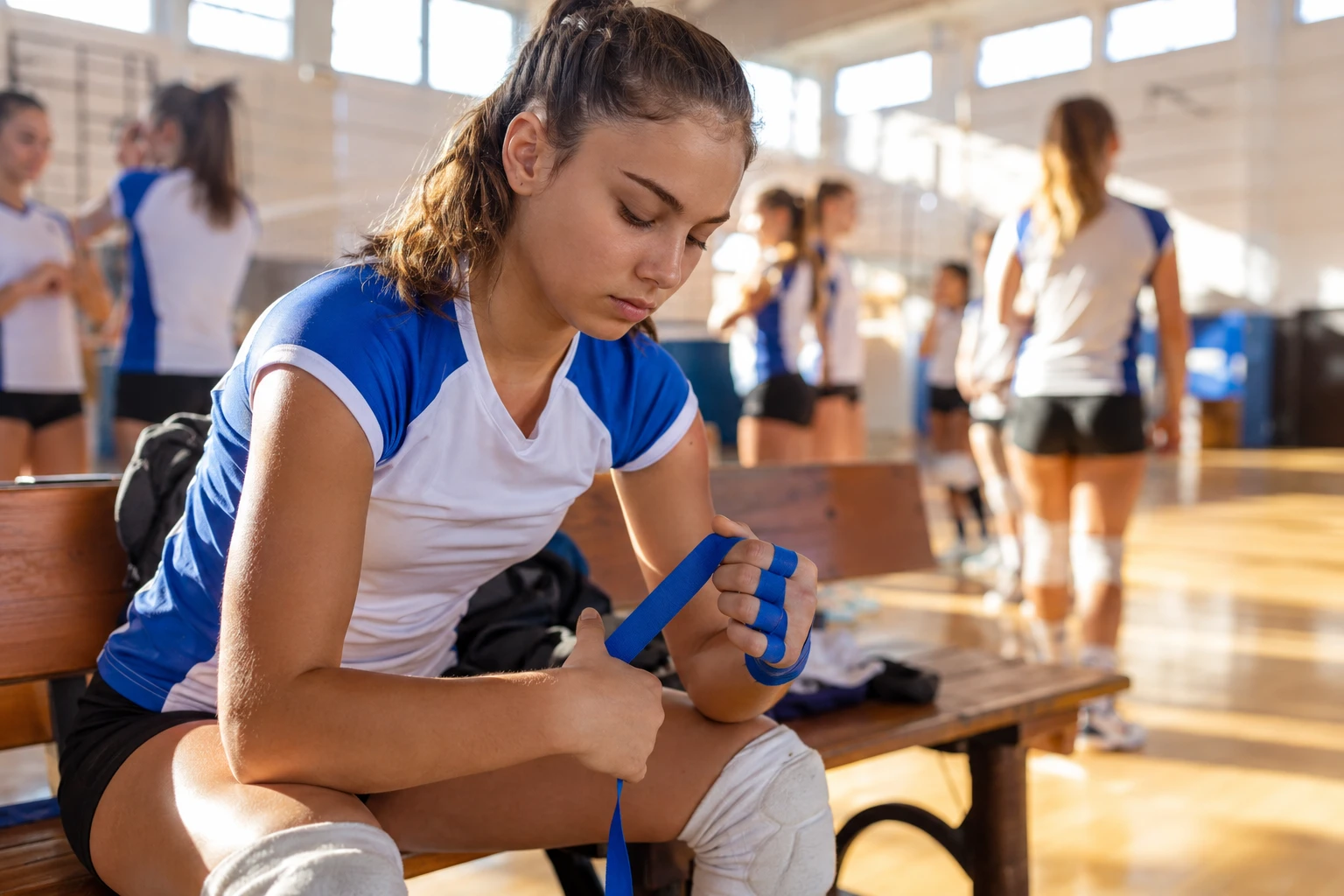
- Thumb and wrist stabilization
What surprises a lot of new distributors is how much rigid adhesive tape for hospitals is still preferred over elastic alternatives in acute trauma settings. The firm support gives doctors and physiotherapists confidence that the joint won’t move into dangerous ranges during early healing.
Key Differences Between Rigid and Elastic Tapes in Clinical Practice
| Merkmal | starre Klebeband | Elastic/Kinesiology Tape |
|---|---|---|
| Dehnung | 0–5% | 140–180% |
| Hauptfunktion | Mechanical support & immobilization | Sensory feedback & swelling control |
| Typical Hospital Use | Acute injury, post-op, fracture support | Rehabilitation phase, edema |
| Duration of Application | 24–72 hours | 3–5 Tage |
| Common Departments | Orthopedics, Emergency, Sports Med | Physio, Rehab, Lymphatic |
This table isn’t theory — it’s what I’ve observed across 40+ hospitals I’ve worked with. The mechanical limitation provided by rigid tape is simply irreplaceable in certain scenarios.
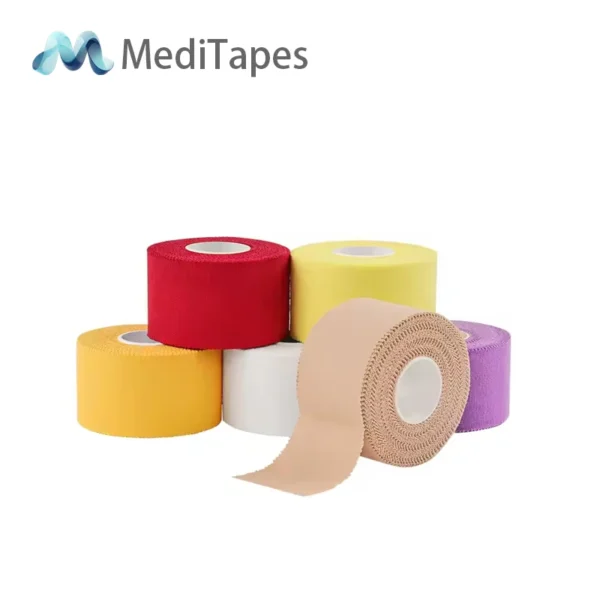
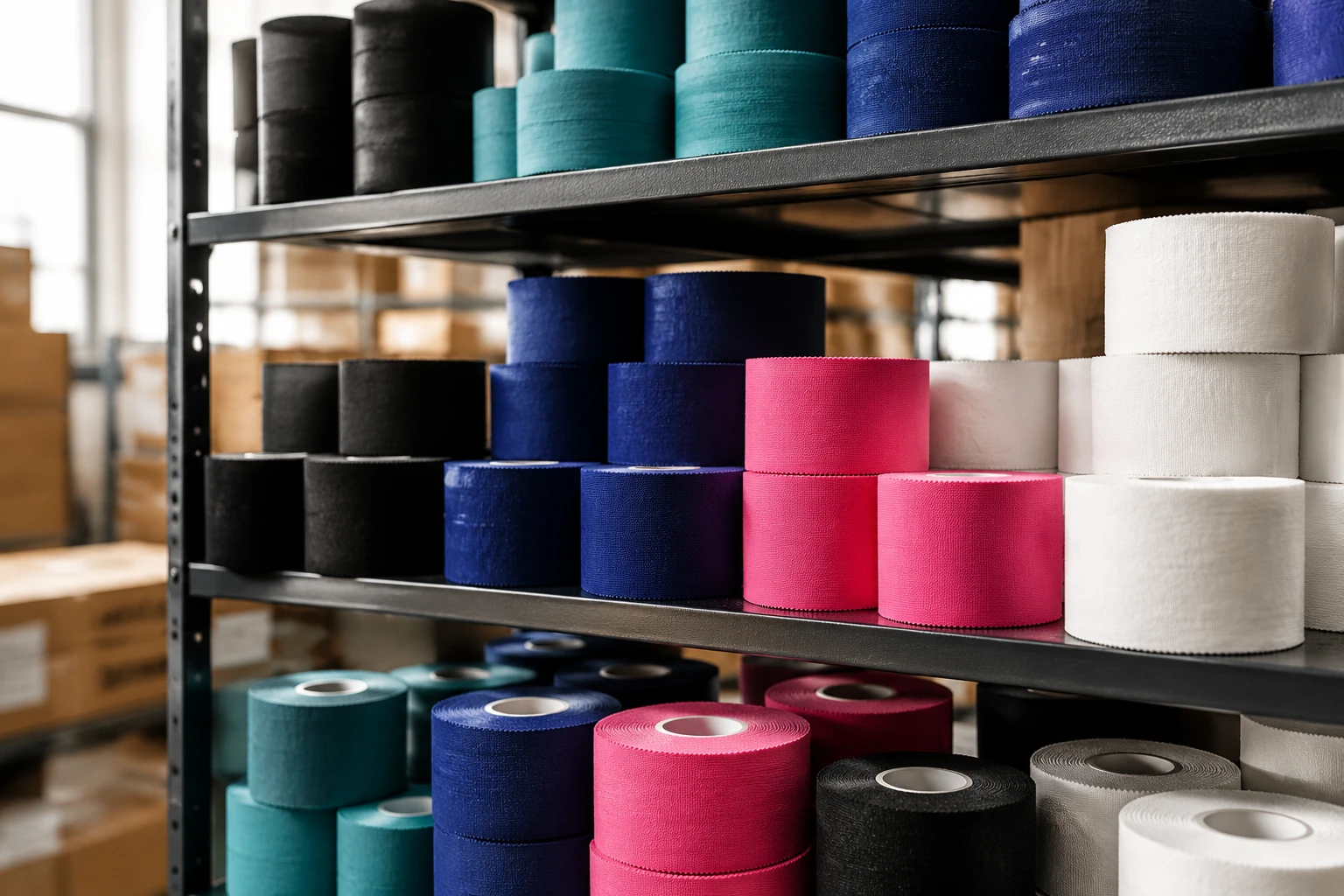
Großhandel für starres Sporttape aus farbiger Baumwolle – Bulk-Lieferung
Suchen Sie hochwertiges farbiges Baumwoll-Sporttape für Ihren Lagerbestand? Unser unelastisches Strapping-Tape verfügt über gezackte Kanten für einfaches Abreißen und starke Fixierung. Dieses atmungsaktive Baumwoll-Sporttape ist ideal für Großbestellungen und garantiert Langlebigkeit für Athleten. Kontaktieren Sie uns für Großhandelspreise.
Clinical Applications That Actually Move Product
1. Orthopedic Fracture Management
One of the strongest use cases for hospital joint tape is in conservative management of stable fractures — particularly in hands, wrists, and feet. A senior orthopedic consultant I worked with in Singapore used rigid tape combined with a volar splint for boxer’s fractures. Patients loved it because they could shower and still had decent function. Sales of that specific medizinisches Fixierpflaster went up 38% in that hospital within six months.
2. Sports Medicine & Acute Ligament Injuries
In hospital-affiliated sports clinics, rigid tape is still the gold standard for immediate return-to-play decisions. The classic “basket-weave” ankle taping technique using rigid adhesive tape remains incredibly popular. I’ve seen physiotherapists tape over 30 athletes per weekend during tournament season.
3. Post-Surgical Rehabilitation
Here’s where things get interesting. Many surgeons now want controlled stress on repaired tissues earlier than before. This has created a hybrid approach where rigid adhesive tape for hospitals is used in a more targeted way — not to completely immobilize, but to create “check-reins” that prevent excessive varus/valgus or rotational stress.
I remember one case where a rehab department switched from bulky braces to strategically placed rigid tape strips after total knee replacements. Patient comfort scores went up, and the hospital saved roughly €17 per patient on bracing costs. Small change, big money when you scale it.
Application Techniques That Experienced Clinicians Swear By
Let me share some practical details that most product brochures completely miss.
First, skin prep is everything. In busy hospitals, clinicians sometimes skip this step when they’re under pressure. Big mistake. I always recommend:
- Clean skin with alcohol wipes
- Apply adhesive spray or milk of magnesia for extra grip (especially on sweaty athletes)
- Use underwrap on sensitive skin — but understand it reduces the tape’s mechanical effectiveness by about 30%
The tension you apply matters more than most people admit. Too tight and you risk skin breakdown or compartment issues. Too loose and you’ve wasted everyone’s time. After years of watching different techniques, I’ve found that 50–70% of maximum tension on the first anchor strips usually gives the best balance.
Choosing the Right Rigid Tape for Hospital Settings
Not all rigid tapes are created equal. From a distributor’s perspective, here’s what actually matters to clinical buyers:
- Aggressive zinc oxide adhesive that stays stuck for 48+ hours even with sweating patients
- Strong cotton backing that tears easily by hand (time pressure in ER is real)
- Consistent 38mm or 50mm widths — hospitals hate switching between weird sizes
- Low latex or latex-free options — this is now non-negotiable in most Western hospitals
Unsere Farbiges Sporttape aus Baumwollgewebe range at MediTapes was specifically developed with these exact pain points in mind. The fabric has the right amount of give without compromising the rigid support that orthopedics demand.
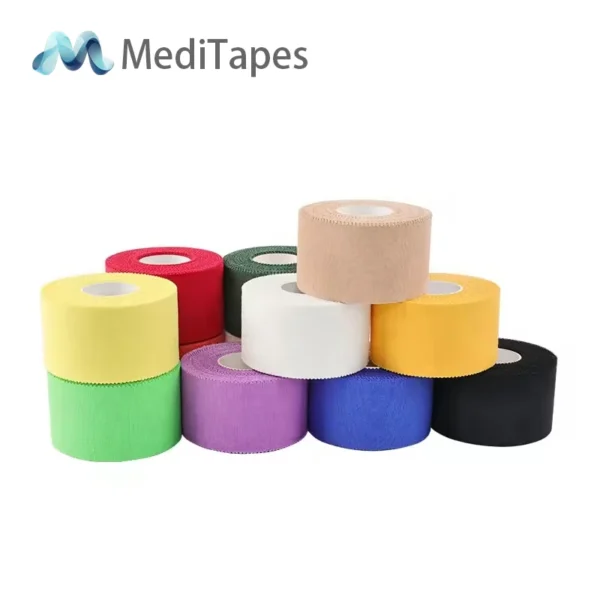
Baumwoll-Sporttape mit Wellenschliffkante für Box- & Kletterschutz
Schützen Sie Hände und Gelenke mit unserem hochwertigen Baumwoll-Sporttape. Dieses Sporttape aus Baumwolle ist mit einer Wellenschliffkante versehen und lässt sich ganz ohne Schere abreißen. Perfekt für Boxbandagen und zum Klettern, bietet es überlegenen Halt und Unterstützung. Erhältlich in Rot, Blau, Schwarz und weiteren Farben.
Common Mistakes That Kill Tape Performance
I see these errors constantly:
- Applying tape directly over hairy skin without clipping first
- Starting with excessive tension instead of building it gradually
- Not rounding the edges of the tape — this is the fastest way to get tape edges peeling
- Using the wrong width for the body part (I’ve seen people try to tape a thumb with 50mm tape — painful to watch)
Getting these basics right separates the hospitals that get great results from those that think “tape doesn’t work.”
Training Your Hospital Customers Effectively
If you’re a medical device agent, your real value isn’t just selling boxes of rigid adhesive tape for hospitals. It’s teaching proper application.
The hospitals that use the most tape are usually the ones where physiotherapists and nursing staff have been properly trained. Consider offering lunch-and-learn sessions focused on:
- Basic ankle and wrist taping
- McConnell taping for patellofemoral pain
- Rib fracture taping techniques
- When to use rigid tape versus kinesiology tape
These sessions consistently lead to higher reorder rates because clinicians become confident and start using more product.
Real-World Results We’ve Seen
One European distributor we work with focused exclusively on rehabilitation departments for 18 months. By combining high-quality clinical adhesive tape with regular training, their monthly hospital tape sales grew from €2,400 to over €11,000 in that period. The key wasn’t selling harder — it was making their customers better at using the product.
Another orthopedic hospital in Southeast Asia reduced their monthly spend on walking boots by 47% after their physio team adopted targeted rigid taping protocols for stable ankle fractures. The clinical outcomes were comparable, but patient satisfaction was significantly higher.
Ready to Expand Your Hospital Tape Sales?
If you’re a medical device distributor looking to grow your orthopedic and rehabilitation business, understanding these practical applications of rigid adhesive tape for hospitals is essential.
The hospitals aren’t looking for another supplier — they’re looking for partners who actually understand their daily challenges.
Drop us a message through our Kontaktseite oder senden Sie uns eine E-Mail an info@meditapes.com. We’re happy to share our hospital case studies, application guides, and discuss how our Farbiges Sporttape aus Baumwollgewebe range might fit into your current portfolio.
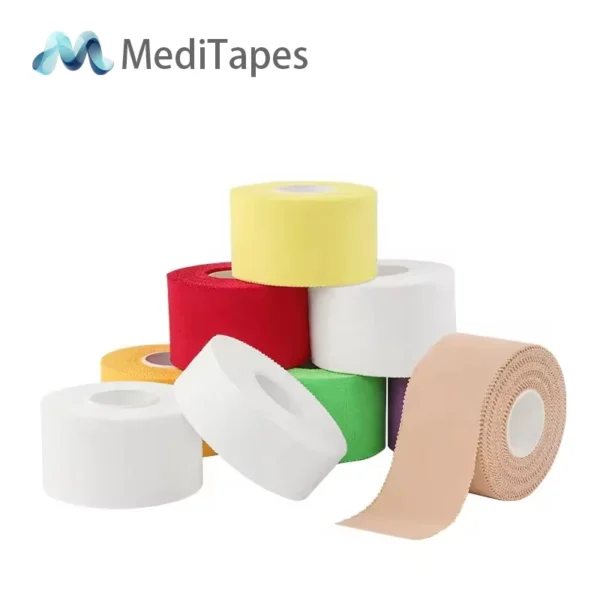
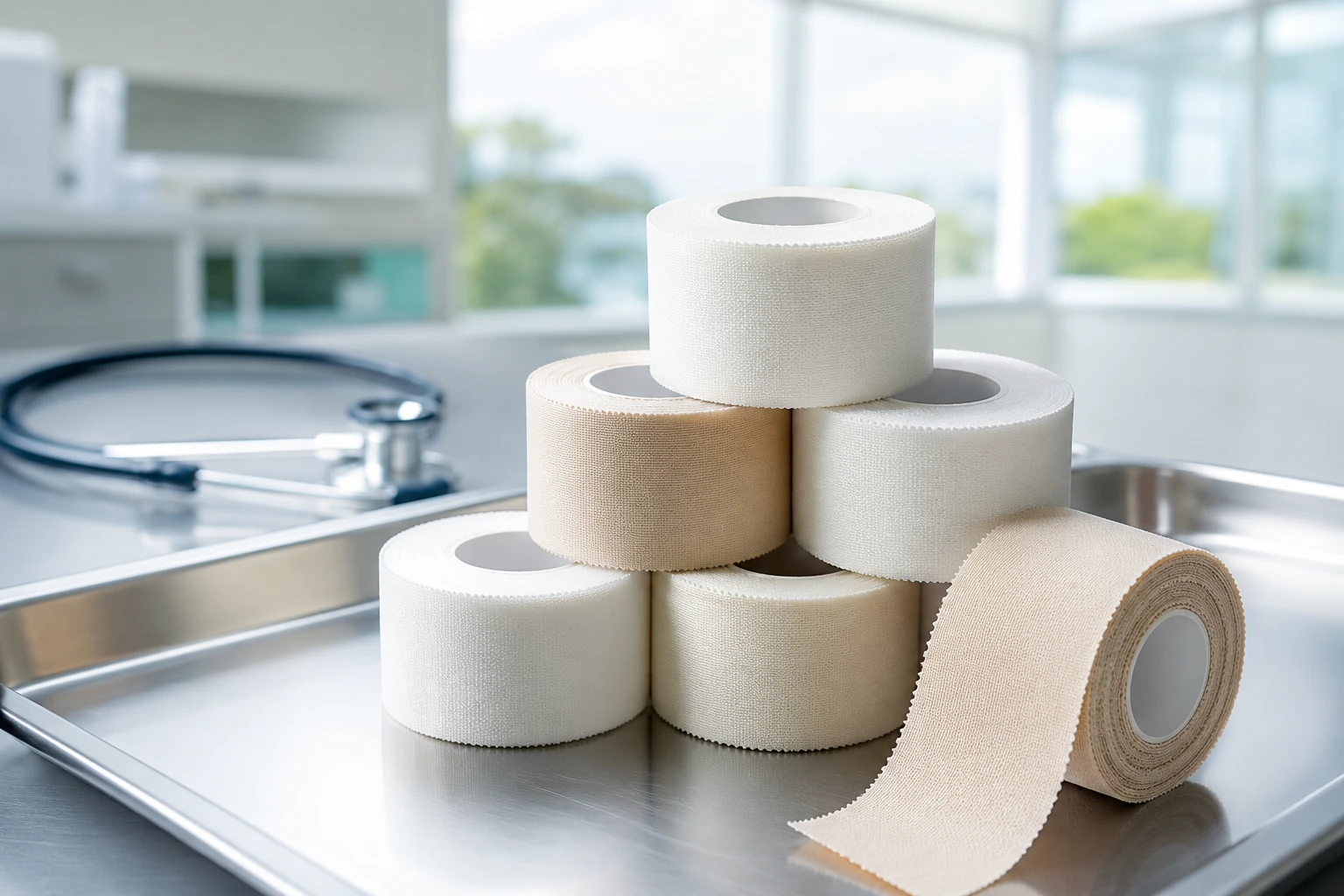
Zinkoxid-Sporttape, medizinisches starres Baumwolltape für die Physiotherapie
Medizinisches Zinkoxid-Sporttape bietet maximale Gelenkimmobilisierung. Dieses unelastische, starre Baumwolltape ist latexfrei und hypoallergen, was es sicher für empfindliche Haut macht. Ein unverzichtbares Baumwoll-Sporttape für Physiotherapiepraxen und Rehabilitationszentren.
Häufig gestellte Fragen
How long can rigid adhesive tape stay on a patient in hospital?
In most clinical settings, we recommend 24–72 hours maximum. Beyond that, skin irritation becomes a genuine risk, especially in elderly or diabetic patients. Always assess skin condition before re-taping.
What’s the difference between rigid adhesive tape and sports tape?
Functionally very little in hospital settings. The main difference is usually the adhesive strength and color options. Hospital-grade medizinisches Fixierpflaster tends to have a more aggressive adhesive designed for longer wear and less active patients.
Is rigid tape still relevant with so many new braces on the market?
Absolutely. In fact, many hospitals are moving back toward tape for certain applications because it’s more cost-effective and allows for precise, patient-specific support that off-the-shelf braces simply can’t match.
Can rigid tape be used on pediatric patients?
Yes, but with modifications. We generally recommend gentler adhesives and shorter wear times. The mechanical principles remain the same, but tension must be significantly reduced.