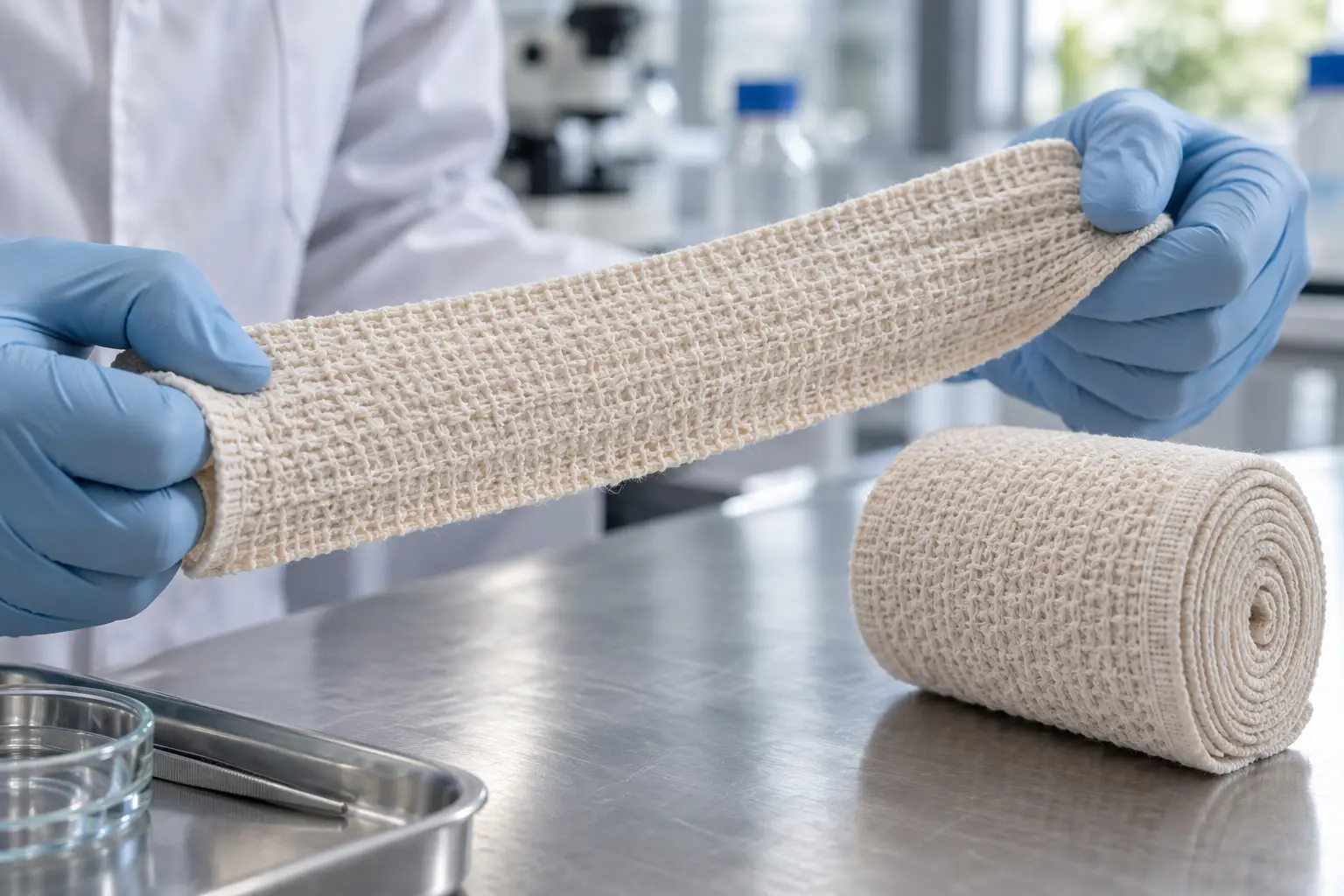
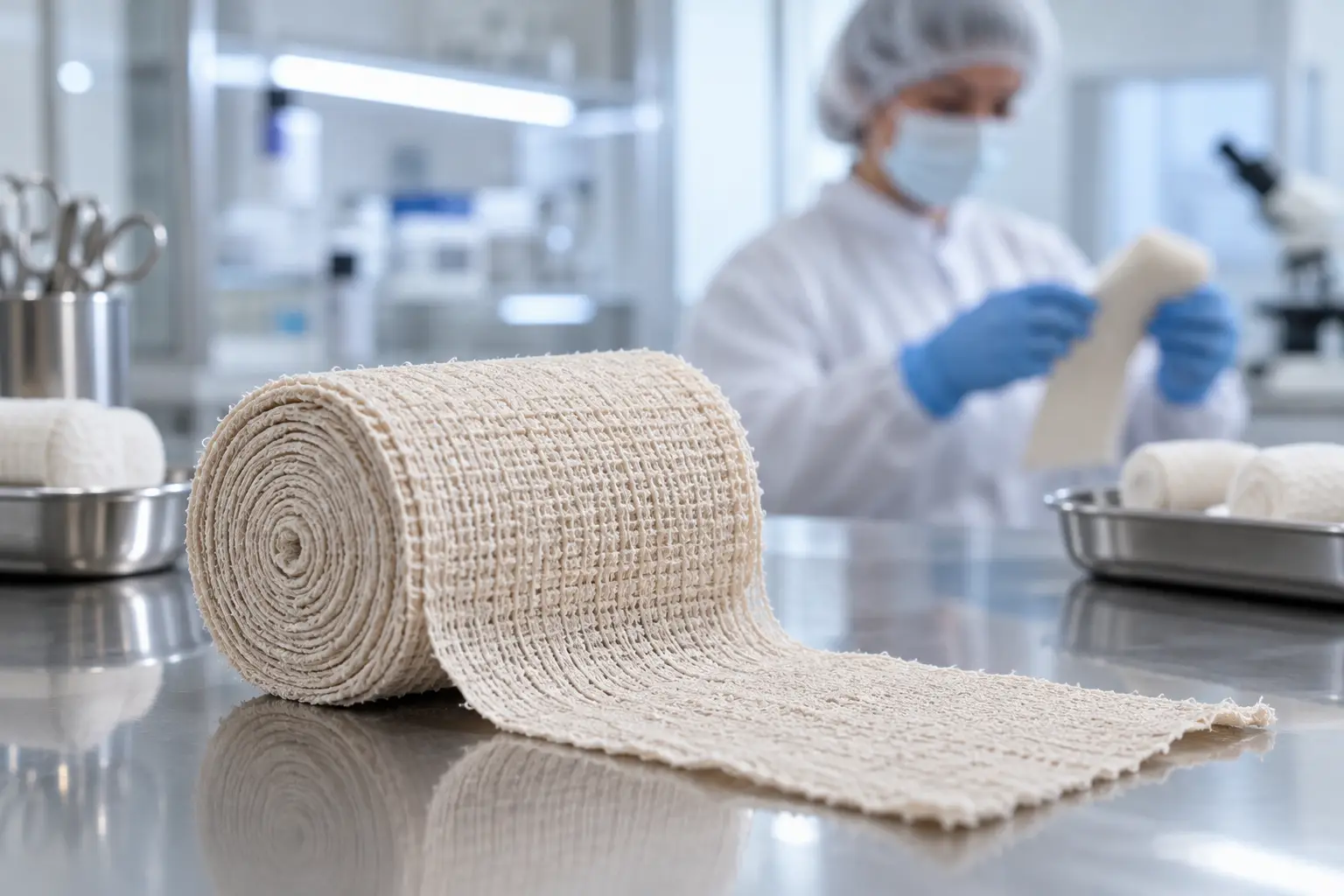
Mire, si ha pasado algún tiempo en salas de ortopedia o departamentos de rehabilitación ocupados, ya sabrá que cinta adhesiva rígida para hospitales no es simplemente un artículo de suministro más; es una de esas herramientas cotidianas que pueden determinar el éxito o el fracaso de los resultados de los pacientes. He visto a clínicos usarla para todo, desde estabilizar una fractura de tobillo reciente hasta dar soporte a rodillas postoperatorias, y la diferencia que marca es enorme.
Tras más de 12 años trabajando con hospitales y distribuidores médicos en Asia y Europa, he visto lo que realmente funciona en entornos clínicos reales. Así que hablemos claro sobre cómo cinta adhesiva clínica y cinta articular hospitalaria se están utilizando hoy en día, por qué ciertas técnicas superan a otras y qué deben entender los agentes de dispositivos médicos antes de empezar a promocionarlas aplicaciones de cinta de fijación médica a nuevas cuentas.
Por qué la cinta rígida sigue predominando en ciertos departamentos hospitalarios
A pesar de todos los sofisticados aparatos ortopédicos y dispositivos que salen al mercado cada año, la cinta adhesiva rígida sigue siendo una herramienta de primera línea en muchos hospitales. ¿Por qué? Porque es rápida, económica, personalizable y, cuando se aplica correctamente, increíblemente eficaz.
En los departamentos de ortopedia, hablamos de cintas con alta resistencia a la tracción que limitan el movimiento articular no deseado permitiendo al mismo tiempo el movimiento funcional. Las aplicaciones más comunes que he visto incluyen:
- Esguinces de tobillo agudos (especialmente de Grado 2)
- Problemas de alineación rotuliana
- Soporte postoperatorio tras reparación de LCA o menisco
- Fracturas de costillas y precauciones esternales
- Estabilización de pulgar y muñeca
Lo que sorprende a muchos nuevos distribuidores es cuánto cinta adhesiva rígida para hospitales se sigue prefiriendo a las alternativas elásticas en entornos de trauma agudo. El soporte firme brinda a los médicos y fisioterapeutas la confianza de que la articulación no se moverá en rangos peligrosos durante la fase inicial de curación.
Diferencias clave entre cintas rígidas y elásticas en la práctica clínica
| Característica | cinta adhesiva rígida | Cinta elástica / de kinesiología |
|---|---|---|
| Estirarse | 0–51 % | 140–180% |
| Función Principal | Soporte mecánico e inmovilización | Retroalimentación sensorial y control de la inflamación |
| Uso hospitalario típico | Lesión aguda, posoperatorio, soporte de fracturas | Fase de rehabilitación, edema |
| Duración de la aplicación | 24–72 horas | 3–5 días |
| Departamentos comunes | Ortopedia, Urgencias, Medicina Deportiva | Fisioterapia, Rehabilitación, Linfático |
Esta tabla no es teoría; es lo que he observado en más de 40 hospitales con los que he trabajado. La limitación mecánica que proporciona la cinta rígida es simplemente insustituible en ciertos escenarios.

Venta al por mayor de cinta de flejado rígida, suministro a granel de cinta deportiva de algodón de colores
¿Busca cinta deportiva de algodón de color de alta calidad para su inventario? Nuestra cinta rígida de sujeción cuenta con bordes dentados para un rasgado fácil y una fijación fuerte. Ideal para pedidos al por mayor, esta cinta deportiva de algodón transpirable garantiza durabilidad para los atletas. Contáctenos para precios al por mayor.
Aplicaciones clínicas que realmente impulsan la venta de productos
1. Manejo de fracturas ortopédicas
Uno de los casos de uso más sólidos para cinta articular hospitalaria es en el manejo conservador de fracturas estables, particularmente en manos, muñecas y pies. Un consultor ortopédico sénior con el que trabajé en Singapur utilizó cinta rígida combinada con una férula volar para fracturas de boxeador. A los pacientes les encantó porque podían ducharse y aún mantenían una funcionalidad decente. Las ventas de ese aplicaciones de cinta de fijación médica aumentaron un 381 % en ese hospital en un plazo de seis meses.
2. Medicina deportiva y lesiones agudas de ligamentos
En clínicas deportivas afiliadas a hospitales, la cinta rígida sigue siendo el estándar de oro para las decisiones de retorno inmediato al juego. La técnica clásica de vendaje de tobillo en “tejido de cesta” (basket-weave) que utiliza cinta adhesiva rígida sigue siendo increíblemente popular. He visto a fisioterapeutas vendar a más de 30 atletas por fin de semana durante la temporada de torneos.
3. Rehabilitación posquirúrgica
Aquí es donde las cosas se ponen interesantes. Muchos cirujanos ahora desean una tensión controlada en los tejidos reparados antes de lo que se solía permitir. Esto ha dado lugar a un enfoque híbrido en el que cinta adhesiva rígida para hospitales se utiliza de forma más específica: no para inmovilizar por completo, sino para crear “riendas de control” que eviten un estrés excesivo en varo/valgo o rotacional.
Recuerdo un caso en el que un departamento de rehabilitación sustituyó las ortesis voluminosas por tiras de cinta rígida colocadas estratégicamente tras artroplastias totales de rodilla. Las puntuaciones de comodidad del paciente aumentaron y el hospital ahorró aproximadamente 17 € por paciente en costes de ortesis. Un cambio pequeño, pero un ahorro significativo a gran escala.
Técnicas de aplicación avaladas por clínicos experimentados
Permítanme compartir algunos detalles prácticos que la mayoría de los folletos de productos omiten por completo.
En primer lugar, la preparación de la piel lo es todo. En hospitales con gran volumen de trabajo, los clínicos a veces omiten este paso cuando están bajo presión. Es un gran error. Siempre recomiendo:
- Limpiar la piel con toallitas con alcohol
- Aplicar spray adhesivo o leche de magnesia para un agarre extra (especialmente en atletas que sudan)
- Usar prevendaje en pieles sensibles, pero tenga en cuenta que reduce la eficacia mecánica de la cinta en aproximadamente un 30 %
La tensión aplicada importa más de lo que la mayoría admite. Si es excesiva, existe riesgo de lesiones cutáneas o problemas compartimentales. Si es insuficiente, se pierde el tiempo. Tras años observando diversas técnicas, he comprobado que aplicar entre un 50 y un 70 % de la tensión máxima en las primeras tiras de anclaje suele ofrecer el mejor equilibrio.
Cómo elegir la cinta rígida adecuada para entornos hospitalarios
No todas las cintas rígidas son iguales. Desde la perspectiva del distribuidor, esto es lo que realmente importa a los compradores clínicos:
- Adhesivo de óxido de zinc de fuerte fijación que permanezca adherido durante más de 48 horas, incluso en pacientes que sudan
- Soporte de algodón resistente que se rasgue fácilmente a mano (la presión del tiempo en urgencias es una realidad)
- Anchos uniformes de 38 mm o 50 mm — los hospitales detestan tener que alternar entre tamaños inusuales
- Opciones bajas en látex o sin látex — esto es actualmente innegociable en la mayoría de los hospitales occidentales
Nuestra cinta Cinta deportiva de tela de algodón de colores La gama en MediTapes fue desarrollada específicamente teniendo en cuenta estos puntos de dolor exactos. El tejido tiene la elasticidad justa sin comprometer el soporte rígido que exige la ortopedia.
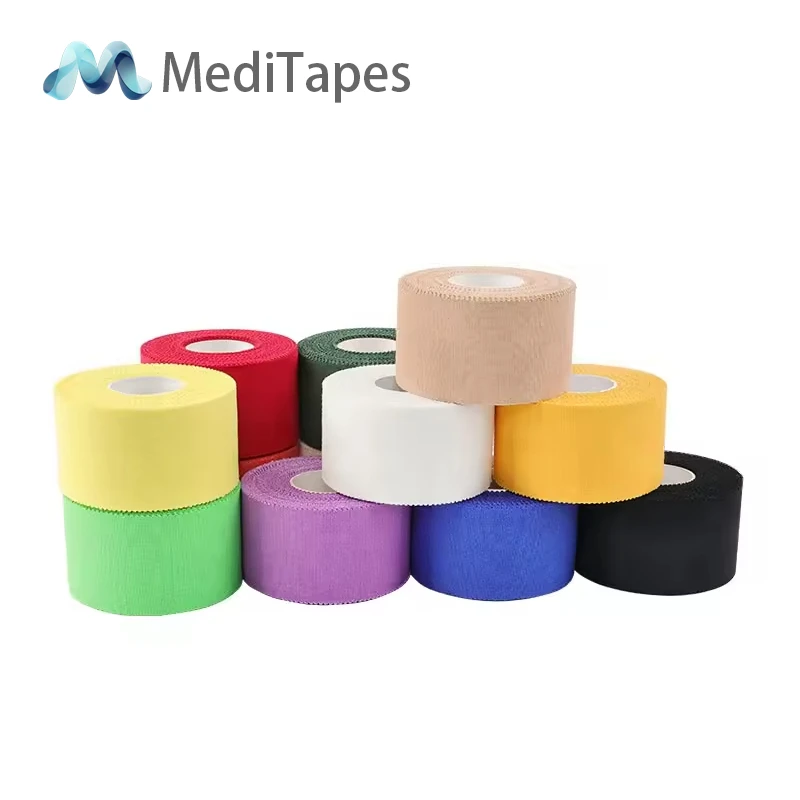
Cinta atlética de algodón con borde dentado para protección en boxeo y escalada
Proteja sus manos y articulaciones con nuestra cinta atlética de algodón de primera calidad. Diseñada con un borde dentado, esta cinta deportiva de algodón se rasga fácilmente sin tijeras. Perfecta para vendajes de boxeo y escalada, ofrece un agarre y soporte superiores. Disponible en rojo, azul, negro y más.
Errores comunes que arruinan el rendimiento del vendaje
Veo estos errores constantemente:
- Aplicar la cinta directamente sobre piel con vello sin recortarlo primero
- Comenzar con una tensión excesiva en lugar de aumentarla gradualmente
- No redondear los bordes de la cinta; esta es la forma más rápida de que los bordes se despeguen
- Usar el ancho incorrecto para la parte del cuerpo (he visto a personas intentar vendar un pulgar con cinta de 50 mm; es doloroso de ver)
Dominar estos aspectos básicos diferencia a los hospitales que obtienen excelentes resultados de aquellos que piensan que “el vendaje no funciona”.”
Capacitar a sus clientes hospitalarios de manera efectiva
Si usted es un agente de dispositivos médicos, su verdadero valor no es solo vender cajas de cinta adhesiva rígida para hospitales. Es enseñar la aplicación adecuada.
Los hospitales que más vendaje utilizan suelen ser aquellos donde los fisioterapeutas y el personal de enfermería han sido capacitados adecuadamente. Considere ofrecer sesiones de “almuerzo y aprendizaje” centradas en:
- Vendaje básico de tobillo y muñeca
- Vendaje McConnell para el dolor patelofemoral
- Técnicas de vendaje para fracturas de costilla
- Cuándo usar cinta rígida frente a cinta de kinesiología
Estas sesiones conducen consistentemente a mayores tasas de pedidos repetidos porque los médicos ganan confianza y comienzan a usar más producto.
Resultados del mundo real que hemos visto
Un distribuidor europeo con el que trabajamos se centró exclusivamente en departamentos de rehabilitación durante 18 meses. Al combinar alta calidad cinta adhesiva clínica con capacitación regular, sus ventas mensuales de cinta hospitalaria crecieron de 2.400 € a más de 11.000 € en ese período. La clave no fue vender más agresivamente, sino lograr que sus clientes fueran mejores en el uso del producto.
Another orthopedic hospital in Southeast Asia reduced their monthly spend on walking boots by 47% after their physio team adopted targeted rigid taping protocols for stable ankle fractures. The clinical outcomes were comparable, but patient satisfaction was significantly higher.
Ready to Expand Your Hospital Tape Sales?
If you’re a medical device distributor looking to grow your orthopedic and rehabilitation business, understanding these practical applications of cinta adhesiva rígida para hospitales is essential.
The hospitals aren’t looking for another supplier — they’re looking for partners who actually understand their daily challenges.
Drop us a message through our página de contacto o envíenos un correo electrónico a info@meditapes.com. We’re happy to share our hospital case studies, application guides, and discuss how our Cinta deportiva de tela de algodón de colores range might fit into your current portfolio.
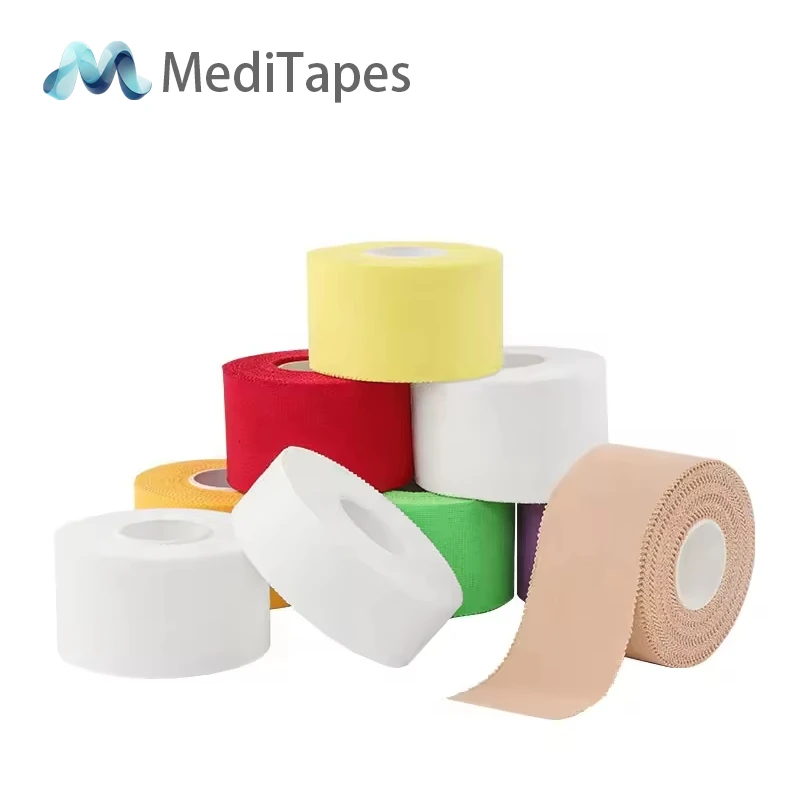
Cinta deportiva de óxido de zinc, cinta de algodón rígida de grado médico para fisioterapia
La cinta deportiva de óxido de zinc de grado médico proporciona la máxima inmovilización articular. Esta cinta de algodón rígida y no elástica no contiene látex y es hipoalergénica, lo que la hace segura para pieles sensibles. Cinta deportiva de algodón esencial para clínicas de fisioterapia y centros de rehabilitación de lesiones.
Preguntas frecuentes
¿Cuánto tiempo puede permanecer la cinta adhesiva rígida en un paciente en el hospital?
En la mayoría de los entornos clínicos, recomendamos un máximo de 24 a 72 horas. Transcurrido ese tiempo, la irritación cutánea representa un riesgo real, especialmente en pacientes de edad avanzada o diabéticos. Evalúe siempre el estado de la piel antes de volver a aplicar el vendaje.
¿Cuál es la diferencia entre la cinta adhesiva rígida y la cinta deportiva?
Funcionalmente, hay muy poca diferencia en entornos hospitalarios. La diferencia principal suele ser la fuerza adhesiva y las opciones de color. El de grado hospitalario aplicaciones de cinta de fijación médica tiende a tener un adhesivo más fuerte diseñado para un uso más prolongado y pacientes menos activos.
¿Sigue siendo relevante el vendaje rígido con tantas nuevas órtesis en el mercado?
Absolutamente. De hecho, muchos hospitales están volviendo al uso de cintas para ciertas aplicaciones porque es más rentable y permite un soporte preciso y específico para el paciente que las férulas estándar simplemente no pueden igualar.
¿Se puede utilizar cinta rígida en pacientes pediátricos?
Sí, pero con modificaciones. Generalmente recomendamos adhesivos más suaves y tiempos de uso más cortos. Los principios mecánicos siguen siendo los mismos, pero la tensión debe reducirse significativamente.