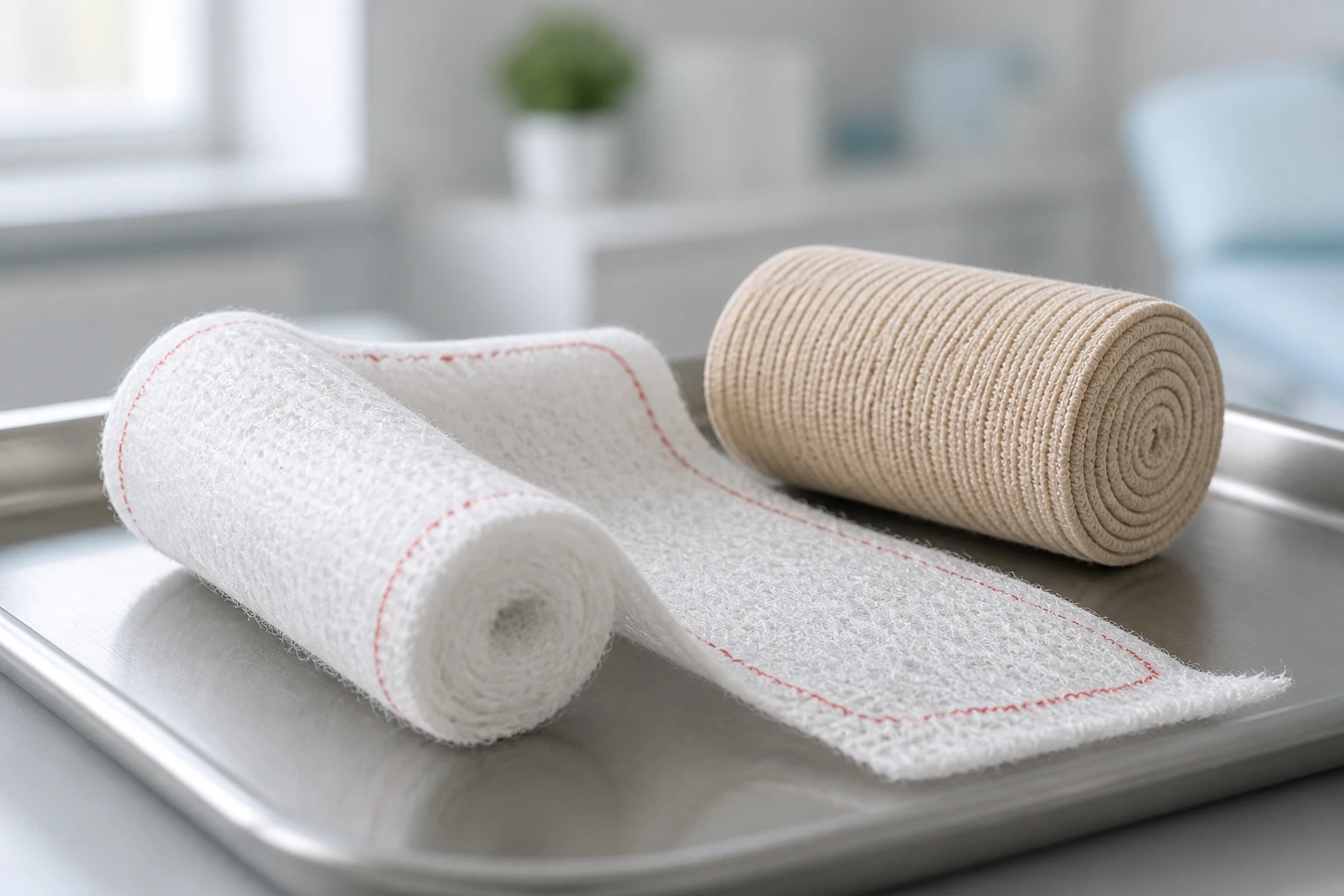
Wenn Sie die Beschaffung für eine Sportmarke, ein Medizinalversorgungsunternehmen oder einen klinischen Distributor leiten, ist die Wahl von Hotmelt- vs. Zinkoxid-Tape nicht nur ein technisches Detail. Es ist eine massive Geschäftsentscheidung, die direkten Einfluss auf Ihren Markenruf, Rückgaberaten und Gewinnmargen hat. Der falsche Schritt in der Hotmelt- vs. Zinkoxid-Tape Entscheidung kann zu klinischen Ausfällen, frustrierten Athleten und Lagern voller unverkäuflicher Inventare führen.
Betrachten wir die Fakten zur Hotmelt- vs. Zinkoxid-Tape. Jede Übersee-Fabrik behauptet, ihr Band haftet perfekt und verursacht niemals Reizungen. Aber wenn Sie seit einiger Zeit Sportmedizin-Versorgungen importieren, wissen Sie, dass das Marketingflick ist. Wenn aktive Athleten schwitzen oder Physiotherapeuten enge Bandagierung unter starkem Gelenkstress anwenden, rutschen billige Klebstoffe. Sie schmelzen, hinterlassen einen klebrigen, widerlichen schwarzen Rückstand auf der Haut und verursachen schmerzhafte rote Hautausschläge.
Also warum hält die Hotmelt- vs. Zinkoxid-Tape Debatte B2B-Käufer weiterhin nachts wach? Es liegt am klassischen Kampf, die anfänglichen Beschaffungskosten mit tatsächlicher Feldleistung in Einklang zu bringen. Um eine informierte Entscheidung zu treffen, müssen wir an den Verkaufsprospekten vorbeisehen. Wir werden die chemischen Unterschiede untersuchen, einige Kosten-für-Ausfall-Mathematik durchführen, enthüllen, wie einige Fabriken Ecken kürzen, und Ihnen helfen, die genaue Klebstoffformel für Ihre Zielkäufer auszuwählen.
Die Wissenschaft der Haftung: Heißschmelze vs. Zinkoxid-Band Grundlagen
Wenn Sie die rohe Chemie von Hotmelt- vs. Zinkoxid-Tape, analysieren, betrachten Sie zwei völlig verschiedene Klebstofftechnologien. Viele Käufer werden verwirrt bei der Bewertung von Hotmelt- vs. Zinkoxid-Tape weil beide Rollen sich klebrig anfühlen, wenn Sie sie bei Raumtemperatur aus der Schachtel ziehen. Unter dem Mikroskop ist das strukturelle Verhalten von Hotmelt- vs. Zinkoxid-Tape völlig anders.
Klebstoffschicht-Zerlegung
- Heißschmelzkleber (Hot Melt): Synthetische Kautschukpolymere (SIS/SBS) + C5/C9 Kohlenwasserstoff-Klebstoffe + Weichmacheröle.
- Zinkoxid: Naturkautschuk-Latex + feste Kolophonium-Esterharze + 10% bis 20% reines Zinkoxid-Pulver.
Gewebter Rücklagen
- Gewebte Baumwolle oder Viskosefasern (typischerweise im Bereich von 30-Faden bis 60-Faden-Dichte).
Um die Kerndynamik von Hotmelt- vs. Zinkoxid-Tape, zu verstehen, müssen wir betrachten, wie diese Klebstoffe hergestellt und auf die Geweberücklage aufgetragen werden.
Heißschmelze ist ein thermoplastischer Haftklebstoff. Er verwendet synthetische Blockcopolymere, normalerweise Styrol-Isopren-Styrol (SIS) oder Styrol-Butadien-Styrol (SBS), gemischt mit synthetischen Klebstoffharzen. Dieser Klebstoff ist bei Raumtemperatur fest. Um ihn aufzutragen, erhitzt die Fabrik die Blockcopolymere auf etwa 150°C bis 180°C in einem Schmelztank. Die geschmolzene Flüssigkeit wird dann durch eine Schlitzdüse direkt auf den Baumwollstoff extrudiert und sofort mit gekühlten Stahlrollen abgekühlt. Dieser hochgeschwindigkeits, lösemittelfreie Prozess hält die Produktionskosten sehr niedrig, weshalb Heißschmelze-Sportband auf dem Einzelhandelsmarkt so weit verbreitet verfügbar ist.
Im Gegensatz dazu ist traditioneller Zinkoxid-Klebstoff eine lösemittelbasierte Naturkautschuk-Formulierung. Der Prozess beginnt mit rohen Naturkautschukblättern, die mechanisch geknetet werden, um ihr Molekulargewicht zu reduzieren. Dann werden feste Harze, Antioxidantien und eine große Menge reines Zinkoxid-Pulver (üblicherweise zwischen 10% und 20% des gesamten Klebstoffgewichts) in organischen Lösungsmitteln wie Hexan oder Toluol gelöst.
Diese flüssige Verbindung wird auf den Stoff aufgetragen, der dann durch einen großen, mehrstufigen Trocknungsofen läuft, um die Lösungsmittel sicher zu verdampfen. Dieser langsame, energieintensive Prozess erfordert ausgefeilte Lösungsmittel-Rückgewinnungssysteme. Er ist teurer und stark reguliert, liefert jedoch eine hochstabile, langkettige Polymer-Klebstoffmatrix.
Bei der Bewertung Hotmelt- vs. Zinkoxid-Tape, denken Sie daran, dass Hotmelt auf einer physikalischen Abkühlphase zum Bonden setzt, während Naturkautschuk-Zinkoxid auf langkettiger chemischer Kohäsion beruht. Dieser grundlegende Unterschied erklärt, warum der eine Klebstoff erweicht und abrutscht, wenn die Haut warm und nass wird, während der andere seinen Halt beibehält.
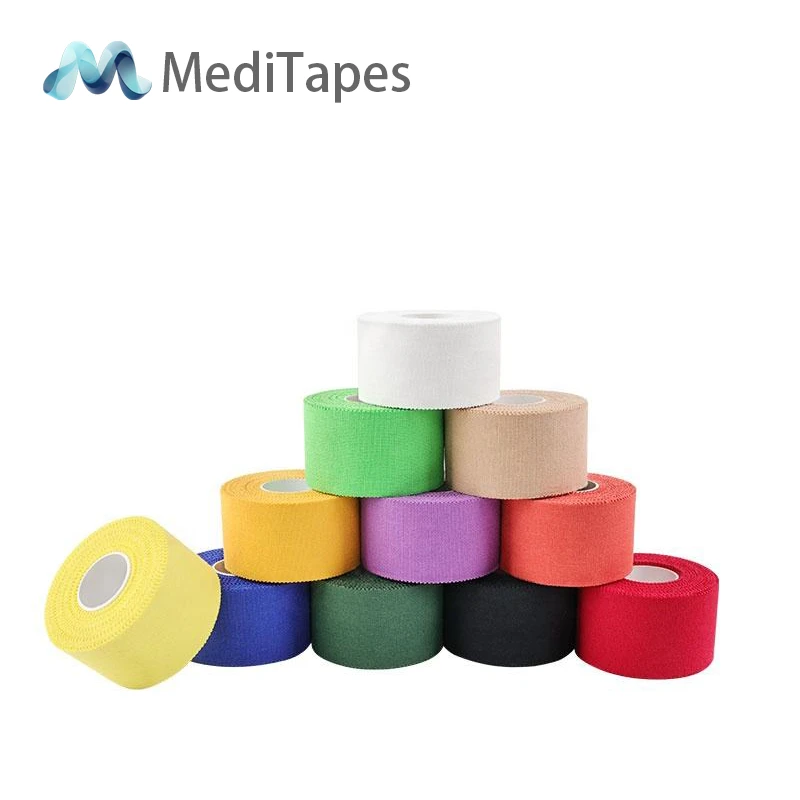
Strapazierfähiges Baumwoll-Sporttape, starres Klebeband für Knöchelbandagen
Sorgen Sie für Spitzenleistung mit strapazierfähigem Baumwoll-Sporttape. Dieses starre Klebeband wurde speziell für Knöchelverbände und Gelenkunterstützung entwickelt und hält Schweiß sowie intensiven Bewegungen stand. Unser langlebiges Baumwoll-Sporttape ist die erste Wahl zur Vorbeugung von Sportverletzungen.
Hotmelt-Sportband: Der hochklebende Budget-Sparer
Schauen wir uns nun die erste große Option in der Hotmelt- vs. Zinkoxid-Tape Landschaft genauer an. Wenn Ihr Unternehmen auf volumenstarke, kostensensitive Einzelhandelskanäle fokussiert ist, sehen sich hier die Hotmelt- vs. Zinkoxid-Tape Wirtschaftlichkeitsfaktoren sehr attraktiv aus.
Synthetischer Kautschuk-Klebstoff (SIS-Copolymer) -> Hohe Anfangsklebkraft -> Niedrigere Stückkosten
Warum Hotmelt-Sportband die Standard-Formel im Einzelhandel ist
In Labortests zeigt, Heißschmelze-Sportband eine extrem hohe Anfangsklebkraft, die oft als “Quick Stick” bezeichnet wird. Da synthetische Kautschukpolymere bei Raumtemperatur hoch kompliant sind, passen sie sich fast sofort mit sehr wenig Druck an trockene Haut an.
Wenn Sie an Budget-Fitnessstudios, Amateurnachwuchs-Ligen oder Discount-Einzelhändler des Massenmarkts verkaufen, Heißschmelze-Sportband ist die kosteneffektivste Wahl. Sie ermöglicht es Ihnen, gesunde Einzelhandelsmargen zu wahren und gleichzeitig den Verkaufspreis niedrig genug für gelegentliche Verbraucher zu halten.
Der Herstellungsprozess für Hotmelt ist hochautomatisiert und verwendet keine flüchtigen Lösungsmittel. Das bedeutet, dass Fabriken die Linien mit hohen Geschwindigkeiten und minimalen Ausfallzeiten betreiben können. Wenn Sie schnell eine Werbe-Serie von Sportbinden auf Lager bringen müssen, hält Hotmelt Ihre Anfangsinvestition niedrig.
Allerdings hat Hotmelt einige deutliche Leistungsgrenzen. Bei unseren Vergleichstests von Hotmelt- vs. Zinkoxid-Tape unter Hochfeuchtigkeitsbedingungen hatten synthetische Hotmelt-Klebstoffe Schwierigkeiten. Wenn ein Athlet schwitzt, wird das Wasser zwischen dem nicht-porösen synthetischen Kautschukkleber und der Haut eingeschlossen. Diese Feuchtigkeitsbarriere bricht die Bindung des SIS-Synthetikkautschuks ab.
Schlimmer noch: Wenn die Körperwärme während intensiver körperlicher Aktivität über 37°C steigt, erweichen die synthetischen Polymere. Das Band beginnt unter Spannung zu rutschen, lässt die Gelenke des Athleten ungestützt und hinterlässt einen klebrigen, gummiartigen Rückstand, der sehr schwer zu entfernen ist.
Naturkautschuk-Zinkoxid-Band: Den besten Kleber für Sportband finden
Lassen Sie uns den Fokus auf die Premium-Seite der Hotmelt- vs. Zinkoxid-Tape Markt. Wenn Ihre Zielgruppe professionelle Sporttrainer, Elite-Sportvereine, Physiotherapeuten oder orthopädische Spezialisten umfasst, ist die Hotmelt- vs. Zinkoxid-Tape Wahl viel einfacher. Diese Fachleute fordern fast immer einen echten Zinkoxid-Klebstoff.
Naturkautschuk + Zinkoxid-Pulver -> Hohe Kohäsion -> Keine Rückstände & Schweißresistenz
Warum Profis echten Zinkoxid-Klebstoff fordern
Was macht Naturkautschuk-Zinkoxid zum Industriestandard und zum besten Kleber für Sportbandagen? Es kommt darauf an, wie es unter extremen, realen Sportbedingungen performs.
Wenn ein Physiotherapeut starres Verbandband anlegt, um ein stark verstauchtes Sprunggelenk für ein Rugby-Spiel zu stützen, unterliegt dieses Band massiven Scherkräften. Der Naturkautschuk in dieser Seite des Hotmelt- vs. Zinkoxid-Tape Vergleich bietet außergewöhnliche Kohäsionsfestigkeit. Die langen, natürlichen Gummipolymerketten dehnen sich oderscheren nicht unter kontinuierlicher mechanischer Belastung.
Der eigentliche Vorteil ergibt sich jedoch aus dem in den Naturkautschuk eingemischten Zinkoxidpulver. Zinkoxid ist ein klassischer Hautschutz. Es hilft, medizinisch kleberbedingte Hautverletzungen (MARSI) zu verhindern, die schmerzhafte Hautabschürfungen und Blasen umfassen.
Das Zinkoxidpulver neutralisiert sauren Schweiß und blockiert Feuchtigkeit, was dazu beiträgt, Juckreiz und Rötungen zu verhindern. Diese hautfreundliche Eigenschaft ist ein wichtiges Verkaufsargument beim Vergleich Hotmelt- vs. Zinkoxid-Tape. Das Zinkoxid schafft eine atmungsaktive, trockene Barriere, die den Kleber stabil hält, selbst wenn ein Athlet stark schwitzt. Wenn das Spiel vorbei ist, lässt sich das Band sauber in einem Stück abziehen und hinterlässt keine klebrigen Rückstände. Das ist das Premium-Erlebnis, das Profisportler erwarten.
Der Nachteil sind die Kosten. Die Beschaffung von Premium-Naturkautschuklatex und die Verarbeitung mit industriellen Lösungsmittellinien erhöhen Zeit und Aufwand in der Produktion. Für Einkaufsleiter bedeutet dies einen höheren Preis pro Rolle.
Bandkleber-Vergleich: Heißschmelze vs. Zinkoxid-Band-Leistung
Um Ihnen den Vergleich Ihrer Optionen zu erleichtern, haben wir eine direkte Bandkleber-Vergleich -Matrix zusammengestellt. Wenn Sie einen Vorschlag für Ihr Einkaufsteam vorbereiten, können Sie diese Daten nutzen, um Ihre Kaufentscheidungen zu untermauern.
Leistungsvergleichsmatrix
| Leistungskennzahl | Heißschmelze-Sportband (Synthetischer Kautschuk) | Naturkautschuk-Zinkoxid-Band (Lösungsmittelbasiert) | Standard-Industrietestverfahren |
|---|---|---|---|
| Anfangshaftung (Schneller Halt) | Sehr hoch (Haftet sofort auf trockener Haut) | Moderat (Benötigt Körperwärme für vollständige Bindung) | PSTC-101 / ASTM D3330 |
| Scherfestigkeit (Haltkraft) | Moderat (Kann unter hoher Gelenkbelastung verrutschen) | Extrem hoch (Naturkautschuk widersteht Scherung) | PSTC-107 / ASTM D3654 |
| Schweiß- und Feuchtigkeitsbeständigkeit | Niedrig bis moderat (Wasser bricht die synthetische Bindung) | Hoch (Zinkoxid absorbiert Schweißfeuchtigkeit) | Interner Nasskammertest |
| Hautirritationsrisiko (MARSI) | Moderat bis hoch (Synthetische Harze können reizen) | Niedrig (Zinkoxid beruhigt und schützt die Haut) | ISO 10993-10 Hautsensibilisierung |
| Klebrige Rückstände auf der Haut | Hoch (Hinterlässt oft klebrige schwarze Rückstände) | Null (Lässt sich sauber in einem Stück abziehen) | Visuelle Bewertung der Peel-Rückstände |
| Betriebstemperaturbereich | 10°C bis 38°C (Kleber erweicht über 38°C) | -10°C bis 65°C (Stabil über alle Temperaturen) | Thermischer Schertest |
| Lagerhaltbarkeit | 12 bis 18 Monate (Anfällig für Oxidation) | 36+ Monate (Stabil bei ordnungsgemäßer Lagerung) | Beschleunigter Alterungstest |
| Relative Produktionskosten | Basislinie (1,0x Kostenindex) | Premium (1,5x bis 1,9x Kostenindex) | Durchschnittlicher Fabrik-Rechnungsbetrag |
Wie dieser Hotmelt- vs. Zinkoxid-Tape Vergleich zeigt, ist Heißschmelze-Sportband für kurzfristige Anwendungen mit geringem Schweißaufkommen hochwirksam, bei denen der Stückpreis der Hauptfaktor ist. Für schwere Belastungen und professionelle Leistung verschiebt sich das Hotmelt- vs. Zinkoxid-Tape Gleichgewicht hin zu lösungsmittelbasiertem Naturkautschuk-Zinkoxid.
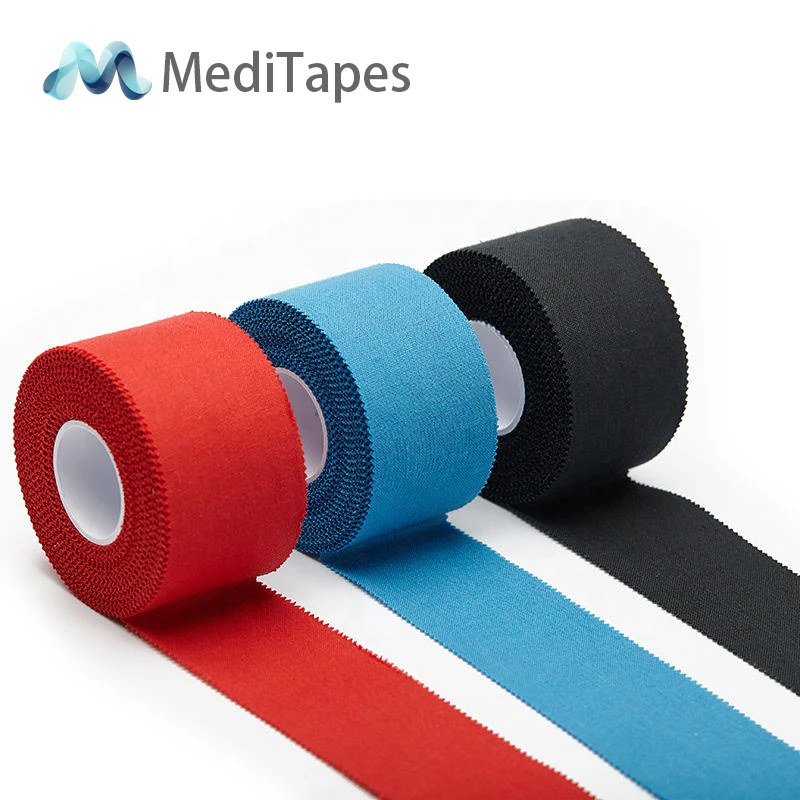
OEM-Hersteller von Sport-Tapes aus Baumwollgewebe in kundenspezifischen Farben
Bauen Sie Ihre Marke mit unserem farbigen Baumwollgewebe-Sporttape auf. Als führendes Werk bieten wir OEM-Dienstleistungen für individuelle Breiten, Längen und Verpackungen an. Dieses stark haftende Baumwoll-Sporttape kann an die Teamfarben angepasst werden. Werden Sie unser Partner für eine zuverlässige Fertigung.
Die Rechnung: Berechnungen zur Abwägung von Kosten und Leistung
Um die finanziellen Auswirkungen von Hotmelt- vs. Zinkoxid-Tape, ", schauen Sie über den upfront Rechnungsbetrag hinaus. Ein häufiger Einkaufsfehler ist, die günstigste verfügbare Rolle zu kaufen, um diese Ersparnisse bei Kundenretouren, Rückerstattungsanfragen und Imageschäden für Ihre Marke zu verlieren.
Schauen wir uns die finanzielle Seite von Hotmelt- vs. Zinkoxid-Tape mit ein paar einfachen, praktischen Formeln an.
Formel 1: Klebstoff-Leistungswert (APV)
Wir verwenden diese Formel, um zu messen, wie ein Klebstoff im Vergleich zu seiner rückstandsfreien Entfernung abschneidet:
APV = (PSTC-101 Peel-Stärke * Schweiß-Retentions-Faktor) / Rückstands-Score
- Peel-Stärke: Gemessen in Newton pro 24mm (N/24mm) nach PSTC-101 Normen.
- Schweiß-Retentions-Faktor: Ein Wert von
0.1(rutscht bei Nässe sofort ab) bis1.0(hält bei starkem Schwitzen die volle Haftung). - Rückstands-Score: Bewertet von
1(perfekt saubere Entfernung) bis5(stark klebrige Rückstände auf der Haut).
Setzen wir typische Branchendurchschnitte für beide Optionen ein:
- Heißschmelzband: Peel-Haftung =
14 N/24mm, Schweiß-Retention =0.3, Rückstands-Score =4APV = (14 * 0,3) / 4 = 1,05
- Zinkoxid-Band: Peel-Haftung =
11 N/24mm, Schweiß-Retention =0.9, Rückstands-Score =1APV = (11 * 0,9) / 1 = 9,90
Obwohl das Heißschmelzband auf trockenen Oberflächen eine höhere initiale Peel-Stärke zeigt, ist sein tatsächlicher Leistungswert unter sportlicher Belastung aufgrund von Schweißversagen und Hautrückständen viel niedriger.
Schauen wir uns nun die Gesamteinkaufskosten (TCP) pro 10.000 Rollen an, die Fehlerquoten und Kundenbindungskosten berücksichtigen:
Formel 2: Gesamteinkaufskosten (TCP)
TCP = (Stückpreis * 10.000) + (Fehlerrate * 10.000 * Ersatzkosten) + Markenreputationsstrafe
Vergleichen wir zwei Geschäftsszenarien.
Szenario A: Import von preiswertem Heißschmelz-Sportband
- Stückpreis: $0,80 pro Rolle
- Fehler-/Rückgaberate: 8% (aufgrund von Schweißablösung und Hautausschlägen im Sommer)
- Ersatzkosten (inkl. Versand & Kundenservice-Zeit): $4,50 pro zurückgegebener Rolle
- Markenreputationsstrafe (geschätzt aus verlorenen Stammkunden): $2.500
TCP = ($0,80 * 10.000) + (0,08 * 10.000 * $4,50) + $2.500
TCP = $8.000 + $3.600 + $2.500 = $14.100
Effektive Kosten pro Rolle = $1,41
Szenario B: Beschaffung von Premium-Zinkoxid-Band aus Naturkautschuk
- Stückpreis: $1,25 pro Rolle
- Fehler-/Rückgaberate: 0,2% (hochstabile, hautverträgliche Formel)
- Ersatzkosten: $4,50 pro zurückgegebener Rolle
- Markenreputationsstrafe: $0 (hohe Kundenbindung und positive Mundpropaganda)
TCP = ($1,25 * 10.000) + (0,002 * 10.000 * $4,50) + $0
TCP = $12.500 + $90 + $0 = $12.590
Effektive Kosten pro Rolle = $1,26
Diese Berechnungen zeigen, wie eine metrikgesteuerte Hotmelt- vs. Zinkoxid-Tape Analyse kann Ihnen helfen, Geld zu sparen. Obwohl das Premium-Zinkoxid-Band einen 56% höheren Anschaffungspreis pro Einheit, hatte, waren die tatsächlichen Beschaffungskosten $1,510 niedriger pro Charge, da Sie die Kosten für Beschwerden, Rückerstattungen und verlorene Käufer vermieden haben.
Die Hybrid-Betrugsmasche: Fälschliche Hot-Melt-vs.-Zinkoxid-Band-Etiketten erkennen
Hier ist ein Branchengeheimnis, das Ihnen viele Hersteller der unteren Preisklasse und Handelsunternehmen nicht sagen werden: Einige Lieferanten kennzeichnen ihre Klebstoffspezifikationen falsch.
Aufgrund der wachsenden Nachfrage nach hautfreundlichen Sportbandagen stellen einige Fabriken einen Hybridklebstoff her. Sie nehmen eine günstige synthetische Hot-Melt-Basis, fügen eine kleine Menge Zinkoxidpulver hinzu (oft weniger als 2%), um den Kleber weiß zu färben, und vermarkten ihn dann als “Premium-Zinkoxid-Band” zu einem höheren Preis.
Diese Praxis kann Käufer verwirren und die Grenzen von Hotmelt- vs. Zinkoxid-Tape. verwischen. Der Käufer zahlt einen Premium-Preis, erhält aber weder die natürliche Gummikohäsionsfestigkeit noch die Schweißbeständigkeit. Wenn Sie Ihr Unternehmen vor falsch etikettierten Produkten schützen möchten, können Sie diese beiden einfachen Tests in Ihrem Büro durchführen.
Test 1: Der Geruchstest
- Echtes Naturkautschuk-Zinkoxid-Band: Hat einen starken, charakteristischen, süßen und medizinischen Gummigeruch. Dies ist der klassische Geruch in einer Sporttrainingshalle.
- Günstiges Hot-Melt-Band: Ist praktisch geruchlos oder hat einen leichten, plastischen Paraffinwachsgeschmack. Wenn Ihr “Zinkoxid-Band” keinen Gummigeruch hat, handelt es sich sehr wahrscheinlich um einen synthetischen Hot-Melt-Klebstoff.
Test 2: Der Ofentest
- Schneiden Sie einen 10 cm langen Streifen des Bandes ab und kleben Sie ihn auf ein sauberes Stück Pappe oder Kunststoff.
- Legen Sie es für 30 Minuten in einen Toaster-Ofen oder Heizschrank bei 50 °C (122 °F).
- Nehmen Sie es heraus und versuchen Sie, es abzuziehen.
Echtes Naturkautschuk-Zinkoxid-Band behält seine trockene, feste strukturelle Haftung. Wenn der Klebstoff zu einer klebrigen, matschigen Masse geschmolzen ist, die vom Trägermaterial abgleitet, halten Sie eine Hot-Melt-Formel in der Hand. Echte Zinkoxid-Klebstoffe erweichen oder brechen bei normalen Körper- und Witterungstemperaturen nicht ab.
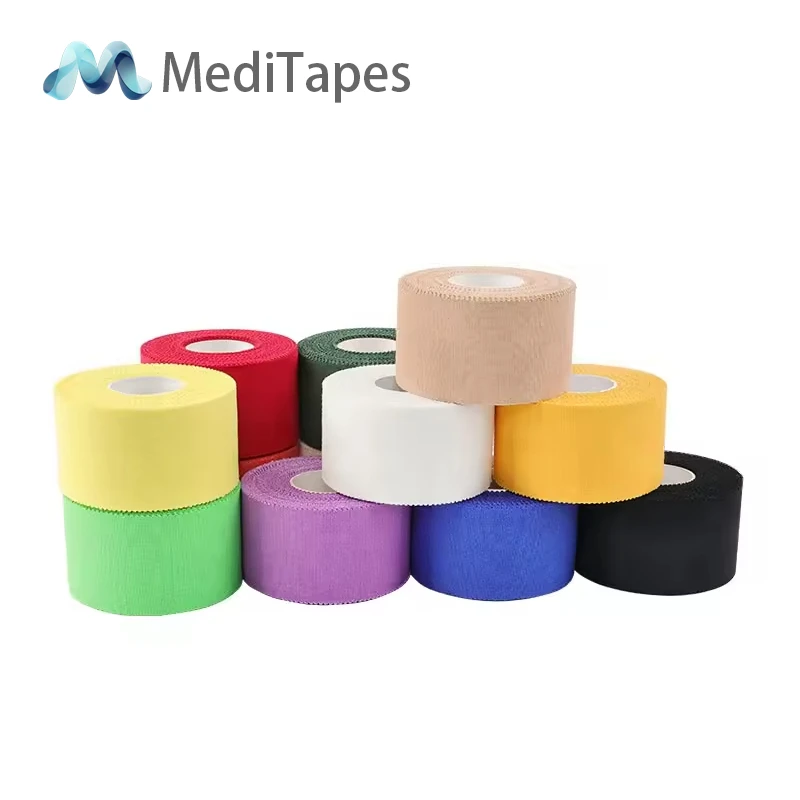
Baumwoll-Sporttape mit Wellenschliffkante für Box- & Kletterschutz
Schützen Sie Hände und Gelenke mit unserem hochwertigen Baumwoll-Sporttape. Dieses Sporttape aus Baumwolle ist mit einer Wellenschliffkante versehen und lässt sich ganz ohne Schere abreißen. Perfekt für Boxbandagen und zum Klettern, bietet es überlegenen Halt und Unterstützung. Erhältlich in Rot, Blau, Schwarz und weiteren Farben.
Marktstrategie: Hot-Melt-vs.-Zinkoxid-Band auf Ihre Käufer abstimmen
Als B2B-Importeur sollte Ihre Wahl von Hotmelt- vs. Zinkoxid-Tape darauf abgestimmt sein, wer bei Ihnen kauft. Es ist wichtig, das richtige Gleichgewicht zwischen Kosten und Leistung für jeden Segment Ihres Marktes zu finden.
Auswahl nach Zielmarkt
- Zielmarkt: Einsteiger-Retail & Fitnessstudios
- Bevorzugte Wahl: Hot-Melt-Sportband
- Hauptfokus: Leuchtende Farben, hohe Anfangshaftung und niedrige Verkaufspreise.
- Empfohlenes Produkt: farbiges Baumwollgewebe-Sporttape. Diese Linie verwendet eine raffinierte Hot-Melt-Formulierung, um eine hervorragende Anfangshaftung in einer breiten Palette lebendiger Farben für Verkaufsräume zu bieten.
- Zielmarkt: Elite-Sportvereine, Physiotherapeuten & medizinische Distributoren
- Bevorzugte Wahl: Naturkautschuk-Zinkoxid-Band
- Hauptfokus: Hohe Schweißbeständigkeit, Hautverträglichkeit und rückstandsfreie, saubere Entfernung.
- Empfohlenes Produkt: Schweres, steifes Baumwoll- oder Viskose-Trägermaterial mit lösemittelbasiertem Zinkoxid-Klebstoff.
Wenn Sie versuchen, Heißschmelzband an professionelles medizinisches Personal zu verkaufen, werden sie schnell jede Schweißrutschung oder Hautreizung bemerken. Dies kann Ihre Verträge und Ihren Ruf gefährden. Klinische Käufer mit hohen Margen sind oft bereit, mehr für konsistente Qualität zu zahlen.
Warum Umweltvorschriften den Markt verändern
Es gibt einen weiteren Faktor, der die Hotmelt- vs. Zinkoxid-Tape Landschaft verändert: Umweltvorschriften.
Da lösemittelbasierte Zinkoxidklebstoffe organische Lösungsmittel wie Toluol oder Hexan erfordern, müssen Fabriken in fortschrittliche Lösungsmittel-Rückgewinnungs- und Luftfilteranlagen investieren. In den letzten Jahren hat die Durchsetzung von Umweltvorschriften in Produktionszentren mehrere Niedrigstufenfabriken geschlossen, die Lösungsmitteldämpfe in die Luft abgeblasen haben.
Dies hat echtes Naturkautschuk-Zinkoxidband schwerer machbar von nicht zertifizierten Lieferanten zu beziehen. Es ist entscheidend, mit einem etablierten, konformen Hersteller wie Medi-Tapes zusammenzuarbeiten, der vollständig lizenzierte, umweltfreundliche Lösungsmittel-Rückgewinnungsanlagen hat. Dies gewährleistet eine stabile, langfristige Lieferkette, die nicht plötzlich durch Fabrikschließungen unterbrochen wird.
Häufig gestellte Fragen zu Heißschmelz vs. Zinkoxidband
F1: Was ist günstiger, Hotmelt- oder Zinkoxid-Klebeband?
Beim Vergleich der Anschaffungskosten pro Einheit von Hotmelt- vs. Zinkoxid-Tape, ist Hotmelt immer die wirtschaftlichere Wahl. Im Durchschnitt ist die Herstellung einer Standardrolle aus synthetischem Hotmelt-Sporttape um 30% bis 50% kostengünstiger als die einer echten lösungsmittelbasierten Naturkautschuk-Zinkoxid-Rolle. Dies liegt daran, dass Hotmelt-Beschichtungsanlagen mit höheren Geschwindigkeiten laufen, weniger Energie benötigen und keine teuren organischen Lösungsmittel oder hohen Konzentrationen an aktivem Zinkoxidpulver verwenden.
Q2: Verursachen Hotmelt-Tapes im Vergleich zu Zinkoxid-Tapes Hautreizungen?
Yes, in the Hotmelt- vs. Zinkoxid-Tape safety profile, hot melt carries a higher risk of causing skin irritation (such as contact dermatitis or skin stripping). The synthetic resins used in hot melt do not breathe well and can trap moisture against the skin. True zinc oxide tape uses natural rubber and active zinc oxide powder, which helps soothe the skin, neutralizes sweat acidity, and reduces redness and allergic reactions.
Q3: Wie kann ich Hotmelt-Klebeband von Zinkoxid-Klebeband in meinem Lager unterscheiden?
Die einfachste Methode zur Identifizierung Hotmelt- vs. Zinkoxid-Tape ohne Labor erfolgt durch den Geruchs- und Hitzetest. Zinkoxid-Klebeband aus Naturkautschuk hat einen ausgeprägten, medizinischen Gummigeruch. Hot-Melt-Klebeband ist praktisch geruchlos oder hat einen leichten, plastischen Geruch. Wenn Sie zusätzlich einen Streifen Hot-Melt-Klebeband auf 50 °C (122 °F) erhitzen, wird der Klebstoff weich und klebrig, während echter Zinkoxid-Klebstoff trocken und stabil bleibt.
Q4: Was ist die beste Wahl bei schweißtreibenden Bedingungen im Vergleich von Hot-Melt- zu Zinkoxid-Tape?
For high-moisture and heavy-sweat situations, the winner of the Hotmelt- vs. Zinkoxid-Tape matchup is zinc oxide. Natural rubber-based zinc oxide adhesives feature high internal cohesion that does not break down when exposed to sweat, water, or high body humidity. In contrast, synthetic hot melt adhesives can lose their grip and slide off the skin once moisture gets trapped underneath the tape.

Großhandel für starres Sporttape aus farbiger Baumwolle – Bulk-Lieferung
Suchen Sie hochwertiges farbiges Baumwoll-Sporttape für Ihren Lagerbestand? Unser unelastisches Strapping-Tape verfügt über gezackte Kanten für einfaches Abreißen und starke Fixierung. Dieses atmungsaktive Baumwoll-Sporttape ist ideal für Großbestellungen und garantiert Langlebigkeit für Athleten. Kontaktieren Sie uns für Großhandelspreise.
Bereit, Ihr Inventar zu aktualisieren? Lassen Sie uns über Heißschmelz vs. Zinkoxidband sprechen
Wenn Sie noch die Vor- und Nachteile von Hotmelt- vs. Zinkoxid-Tape für Ihre nächste Importsendung abwägen, müssen Sie das nicht allein bewältigen.
Bei Medi-Tapes, wir haben Jahre damit verbracht, unsere Klebstoffformulierungen in unseren hochmodernen Einrichtungen zu verfeinern. Wir verwenden keine billigen, generischen Kleberezepturen. Egal ob Sie ein kosteneffektives, hochsichtbares Einzelhandelsprodukt oder ein Elite-Grade, krankenhaussicheres Verpackungsband benötigen, wir formulieren und beschichten alles in-house, um konsistente Qualität zu gewährleisten.
Wir verstehen, dass jeder Markt einzigartige Anforderungen hat. Eine Formel, die für eine professionelle europäische Rugby-Liga gut funktioniert, könnte für eine Discount-Einzelhandelskette zu teuer sein. Deshalb bietet unser Team vollständige Anpassung. Wir können das Klebstoffbeschichtungsmaß (gemessen in Gramm pro Quadratmeter, oder GSM) anpassen, die Peel-Haftungsstufen auf Ihren Zielmarkt abstimmen und ein verkaufsfertiges Verpackungsangebot bereitstellen, das Ihrer Marke hilft, sich abzuheben.
Lassen Sie uns Ihnen helfen, die richtige Hotmelt- vs. Zinkoxid-Tape Balance zu finden, um Ihre Margen gesund zu halten und Ihre Kunden zufrieden zu stellen.
Um zu beginnen, besuchen Sie unsere Kontaktseite, um Kontaktieren Sie das MediTapes-Teamm direkt oder schreiben Sie uns eine E-Mail an info@meditapes.com. Erzählen Sie uns von Ihrer Zielgruppe, und wir senden Ihnen ein vollständiges B2B-Preissheet sowie ein kostenloses individuelles Muster-Kit, damit Sie eigene Bürotests durchführen können. Lassen Sie uns gemeinsam eine zuverlässige Lieferkette aufbauen.