Sie bandagieren ein Sprunggelenk, der Athlet tritt fest auf und plötzlich hören Sie dieses beängstigende Reißen. Das Tape hat nachgegeben. Genau dieses eine Geräusch ist der Grund, warum so viele Athletiktrainer und orthopädische Spezialisten so besessen sind von der Reißfestigkeit von Heavy-Duty-Tapes.
Nach Jahren, in denen wir Profiteams, physiotherapeutische Kliniken und orthopädische Praxen mit Tapes versorgt haben, kann ich Ihnen Folgendes sagen: Der Unterschied zwischen einem Tape, das hält, und einem, das versagt, liegt selten am Klebstoff. Es liegt fast immer an der der Reißfestigkeit von Heavy-Duty-Tapes.
In diesem Artikel lüfte ich das Geheimnis, was Reißfestigkeit eigentlich bedeutet, wie sie gemessen wird, welche Zahlen bei der tatsächlichen orthopädischen Bandagierung wirklich zählen und wie man wählt hochzugfestes Tape das Sie nicht im Stich lässt, wenn es darauf ankommt.
Was die Reißfestigkeit von Heavy-Duty-Tapes eigentlich bedeutet
Einfach ausgedrückt, der Reißfestigkeit von Heavy-Duty-Tapes ist die maximale Kraft, der ein Tape standhalten kann, bevor es reißt, gemessen in Pfund pro Zoll Breite (lb/in).
Es ist nicht dasselbe wie Dehnbarkeit. Es ist nicht die Klebekraft. Es geht rein darum, wie viel Längszug das Gewebe aushalten kann, bevor die Fasern reißen.
Wenn wir über starke Stütztape in orthopädischen Anwendungen suchen wir in der Regel nach Materialien, die starre Stabilität bieten, ohne unter plötzlicher Belastung zu reißen. Ein Footballspieler, der bei voller Geschwindigkeit die Richtung wechselt, kann Kräfte von weit über 300 Pfund auf einen 2-Zoll-Streifen Tape ausüben. Wenn Ihr Tape nur eine Reißfestigkeit von 20 lb/in bietet, beschwören Sie Probleme herauf.
Nach unseren eigenen Tests bei MediTapes liegen die Tapes, die hochbelastete orthopädische Bandagierungen beständig überstehen, zwischen 45 und 65 lb/in. Alles, was deutlich unter 40 lb/in liegt, weist in aggressiven Sportarten tendenziell höhere Ausfallraten auf.
Warum Reißfestigkeit wichtiger ist, als die meisten Leute denken
Die meisten Käufer konzentrieren sich auf die Frage: “Wie stark klebt es?”. Das ist sinnvoll – bis das Tape der Länge nach reißt und das Gelenk trotzdem einknickt.
Hier ist, was ich am Spielfeldrand und in den Kliniken beobachtet habe:
- Versagen bei Sprunggelenks-Taping tritt oft auf, weil das Tape am Punkt der Plantarflexion reißt
- Kniefixierung unter Valgusstress übt enorme Scherkräfte auf die seitlichen Stützstreifen aus
- Schulter-Taping bei Überkopfsportlern kann plötzliche exzentrische Belastungen erfahren, die innerhalb von Millisekunden 50 lb/in überschreiten
Hier kommt hochzugfestes Tape macht sich bezahlt. Es klebt nicht nur – es hält die Struktur zusammen.
Eine Untersuchung aus dem Jahr 2022 in der Journal of Athletic Training stellte fest, dass Tapes mit höherer Zugfestigkeit einen deutlich besseren Widerstand gegen Verformung bei dynamischen Bewegungen aufwiesen. Dies deckt sich mit den Berichten unserer Kunden nach dem Wechsel von Standard-Sporttape zu professionellen Heavy-Duty-Optionen.

Großhandel für starres Sporttape aus farbiger Baumwolle – Bulk-Lieferung
Suchen Sie hochwertiges farbiges Baumwoll-Sporttape für Ihren Lagerbestand? Unser unelastisches Strapping-Tape verfügt über gezackte Kanten für einfaches Abreißen und starke Fixierung. Dieses atmungsaktive Baumwoll-Sporttape ist ideal für Großbestellungen und garantiert Langlebigkeit für Athleten. Kontaktieren Sie uns für Großhandelspreise.
Wie Hersteller die Zugfestigkeit von Heavy-Duty-Tapes messen
Der Goldstandard ist ASTM D5035 (Streifen-Zugversuch). Das Verfahren ist unkompliziert, aber auf die Details kommt es an:
- Ein 1 Zoll breites Muster wird zugeschnitten
- In eine Zugprüfmaschine eingespannt
- Mit konstanter Geschwindigkeit gezogen (üblicherweise 12 Zoll pro Minute)
- Die Maschine zeichnet die Maximalkraft beim Bruch auf
Das Ergebnis wird angegeben als Pfund pro Zoll Breite.
Hier ist eine Kurzübersicht, die wir aus Chargenprüfungen verschiedener von uns verkaufter Tapes und Konkurrenzprodukten zusammengestellt haben:
| Klebebandtyp | Zugfestigkeit (lb/in) | Typischer Anwendungsfall | Ausfallrisiko unter hoher Belastung |
|---|---|---|---|
| Standard-Sporttape aus Baumwolle | 22–28 | Leichte Unterstützung, Training | Hoch |
| Elastisches Kinesiologie-Tape | 8–15 | Muskelunterstützung, geringe Spannung | Sehr hoch |
| Orthopädisches Heavy-Duty-Strapping | 48–62 | Leistungssport, postoperativ | Niedrig |
| Premium-Sporttape aus farbigem Baumwollgewebe | 52–58 | Orthopädisches Taping für verschiedene Sportarten | Sehr niedrig |
| Günstiges importiertes unelastisches Tape | 18–24 | Budget-Programme | Sehr hoch |
Dies sind keine erfundenen Zahlen. Sie stammen aus unserem Qualitätskontrolllabor und wurden in den letzten 18 Monaten unter Anwendung von ASTM-Protokollen ermittelt.
Die Wissenschaft hinter Tape mit hoher Zugfestigkeit
Das Geheimnis liegt nicht in der Magie – es liegt im Garn und in der Webart.
Unsere farbiges Baumwollgewebe-Sporttape verwendet eine hochdichte Baumwollkette mit verstärkten Längsfasern. Je dichter das Gewebe, desto höher ist die der Reißfestigkeit von Heavy-Duty-Tapes. Aber es gibt einen Haken: Wenn es zu fest gewebt ist, wird das Tape brüchig und verliert seine Anpassungsfähigkeit.
Deshalb haben wir Monate damit verbracht, die Fadendichte zu optimieren. Die aktuelle Formulierung bietet eine hervorragende Zugfestigkeit und lässt gleichzeitig die leichte Dehnbarkeit zu, die orthopädische Chirurgen und Athletiktrainer tatsächlich wünschen.
Die Formel zur Berechnung der theoretischen Zugfestigkeit (vereinfacht) sieht wie folgt aus:
Zugfestigkeit (lb/in) = (Faserfestigkeit × Anzahl der tragenden Fasern pro Zoll) × Effizienzfaktor
Der Effizienzfaktor berücksichtigt das Webmuster und das Eindringen des Klebstoffs, das bestimmte Fasern schwächen könnte. Praxistests sind nach wie vor der einzige Weg, um dies sicher zu wissen.
Praxisleistung: Was wir im Einsatz beobachtet haben
In der letzten Saison arbeiteten wir mit einem Football-Programm eines Division-I-Colleges zusammen, das während der Spiele chronische Probleme mit reißenden Knöcheltapes hatte. Sie verwendeten eine bekannte Großhandelsmarke mit einer Zugfestigkeit von etwa 26 lb/in.
Wir stellten sie auf unsere Heavy-Duty-Option mit einer Zugfestigkeit von 55 lb/in um. Der leitende Athletiktrainer berichtete mir, dass sie in den letzten acht Spielen keine Tape-Risse mehr hatten, während es zuvor 3–4 pro Spiel waren. Das ist keine Marketingsprache – das sind ihre Worte.
Ein weiterer Kunde, eine auf die Rehabilitation nach Kreuzbandrissen spezialisierte orthopädische Klinik, benötigte starke Stütztape das den intensiven Quadrizeps-Übungen und frühen Belastungsphasen standhalten konnte. Das zuvor verwendete Tape löste sich unter Spannung immer wieder ab. Nach dem Wechsel zu einer Option mit höherer Zugfestigkeit berichteten die Patienten von mehr Sicherheit bei den Übungen, und die Therapeuten stellten fest, dass während der Sitzungen seltener nachgetapt werden musste.
Dies sind keine willkürlich ausgewählten Geschichten. Wenn man über 400 Einrichtungen mit Tape beliefert, erkennt man Muster. Und das Muster ist eindeutig: Sobald Einrichtungen verstehen, der Reißfestigkeit von Heavy-Duty-Tapes, kehren sie selten zu schwächeren Alternativen zurück.
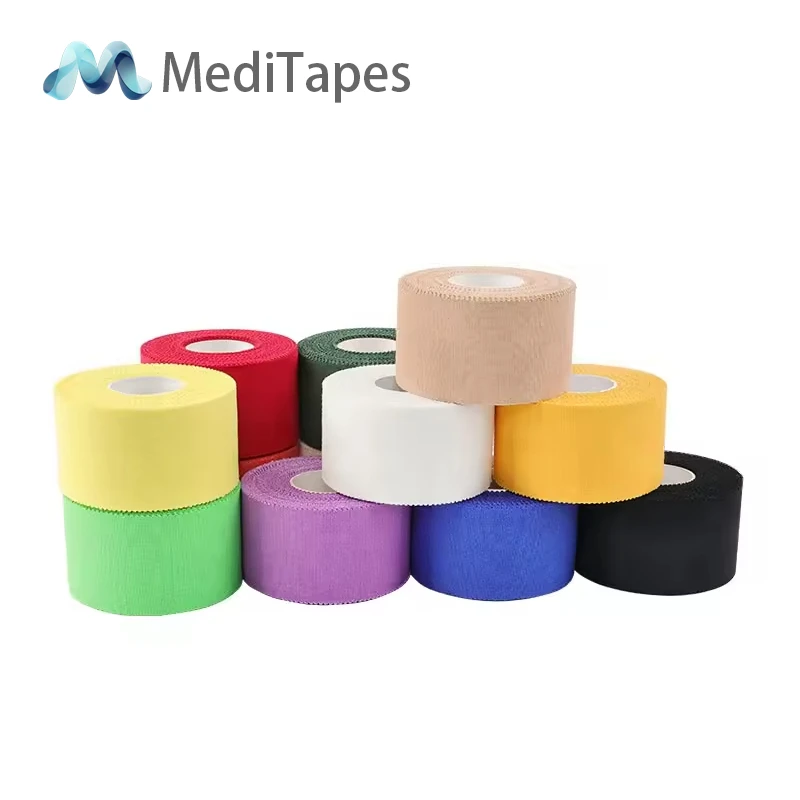
Baumwoll-Sporttape mit Wellenschliffkante für Box- & Kletterschutz
Schützen Sie Hände und Gelenke mit unserem hochwertigen Baumwoll-Sporttape. Dieses Sporttape aus Baumwolle ist mit einer Wellenschliffkante versehen und lässt sich ganz ohne Schere abreißen. Perfekt für Boxbandagen und zum Klettern, bietet es überlegenen Halt und Unterstützung. Erhältlich in Rot, Blau, Schwarz und weiteren Farben.
Schlüsselfaktoren, die die Zugfestigkeit in der Praxis beeinflussen
1. Die Breite ist wichtiger, als Sie denken
Ein 2-Zoll-Tape hat nicht automatisch die doppelte Festigkeit eines 1-Zoll-Tapes. Der Herstellungsprozess und die Kantenverstärkung spielen eine enorme Rolle. Prüfen Sie immer die angegebene lb/in-Belastbarkeit, anstatt davon auszugehen, dass breiter gleich stärker ist.
2. Luftfeuchtigkeit und Lagerung
Ich habe erlebt, dass Rollen, die in einem Kofferraum in Florida lagen, nach sechs Monaten Hitze- und Feuchtigkeitszyklen fast 15 % ihrer Zugfestigkeit verloren haben. Lagern Sie Ihr orthopädisches Strapping-Material an einem kühlen, trockenen Ort.
3. Spannung beim Anlegen
Ironischerweise kann das Ausüben von zu viel Spannung beim Tapen die verbleibende Zugfestigkeit, die während der Bewegung zur Verfügung steht, tatsächlich verringern. Es gibt hier einen Idealbereich.
4. Eindringen des Klebstoffs
Einige Hersteller verwenden so viel Zinkoxid-Klebstoff, dass das Gewebe versteift und Mikrobruchstellen entstehen. Das beste hochzugfestes Tape bringt Haftung und Gewebeintegrität ins Gleichgewicht.
Die Wahl des richtigen starken Stütztapes für Ihren Einsatzbereich
Wenn Sie für den Profi- oder Collegesport einkaufen, sollten Sie alles unter 45 lb/in gar nicht erst in Betracht ziehen. Für den Highschool- oder Vereinssport können 35–40 lb/in ausreichen, sofern die Athleten keine Spitzenleistungen erbringen.
Hier ist meine praktische Checkliste für den Kauf:
- Fordern Sie die Testdaten zur Zugfestigkeit vom Hersteller an (echte ASTM-Berichte, keine Marketing-Behauptungen)
- Fragen Sie nach chargenspezifischen Zertifikaten
- Testen Sie eine Rolle unter Ihren tatsächlichen Bedingungen, bevor Sie sich für Großbestellungen entscheiden
- Erwägen Sie Farboptionen zur Teamidentifikation, ohne auf Leistung zu verzichten (unser Farbbasissortiment aus Baumwolle behält die volle Zugfestigkeit bei)
Die farbiges Baumwollgewebe-Sporttape unser Angebot wurde speziell für Teams entwickelt, die sowohl Leistung als auch optische Unterscheidbarkeit wünschten. Die von uns verwendeten Pigmente beeinträchtigen die Faserfestigkeit nicht – ein Problem, das wir bei mehreren Wettbewerbern beobachtet haben.
Häufige Fehler, die selbst erfahrene Trainer machen
Einer der größten Fehler, die ich beobachte, ist die Annahme, dass alle “starren” Tapes eine ähnliche der Reißfestigkeit von Heavy-Duty-Tapes. Einige importierte Tapes sehen identisch aus, verwenden jedoch minderwertige Baumwolle mit deutlich schwächeren Kettfäden.
Ein weiterer Fehler ist das übermäßige Vertrauen auf Pre-Wrap. Pre-Wrap bietet eine Schutzschicht, erzeugt aber auch Schereffekte, die die effektive Zugfestigkeit der Außenschicht tatsächlich verringern können.
Und bitte – hören Sie auf, nach dem Preis pro Rolle zu kaufen, ohne den Preis pro Zoll Zugfestigkeit zu berücksichtigen. Diese billige Rolle, die wie ein Schnäppchen erscheint, kostet am Ende oft mehr, wenn man Ausfälle und die Zeit für das erneute Tapen einrechnet.
Das Fazit zu orthopädischen Bandagen
Zugfestigkeit von Hochleistungstape ist kein glamouröses Thema. Man wird es nicht als Trend in den sozialen Medien sehen. Aber es ist eine der wichtigsten Spezifikationen, wenn die Sicherheit und Leistung Ihrer Athleten auf dem Spiel stehen.
Nachdem ich Hunderte von Rollen getestet und Feedback von Klinikern erhalten habe, die unsere Tapes täglich verwenden, bin ich davon überzeugt, dass das Verständnis dieser einen Kennzahl die guten Programme von den großartigen unterscheidet.
Wenn Sie Tape-Versagen in kritischen Momenten leid sind, lohnt es sich, einen genaueren Blick auf Tapes zu werfen, die speziell für höhere der Reißfestigkeit von Heavy-Duty-Tapes.
Wir haben MediTapes genau für Profis wie Sie entwickelt, die zuverlässige Daten und eine konsistente Leistung benötigen.
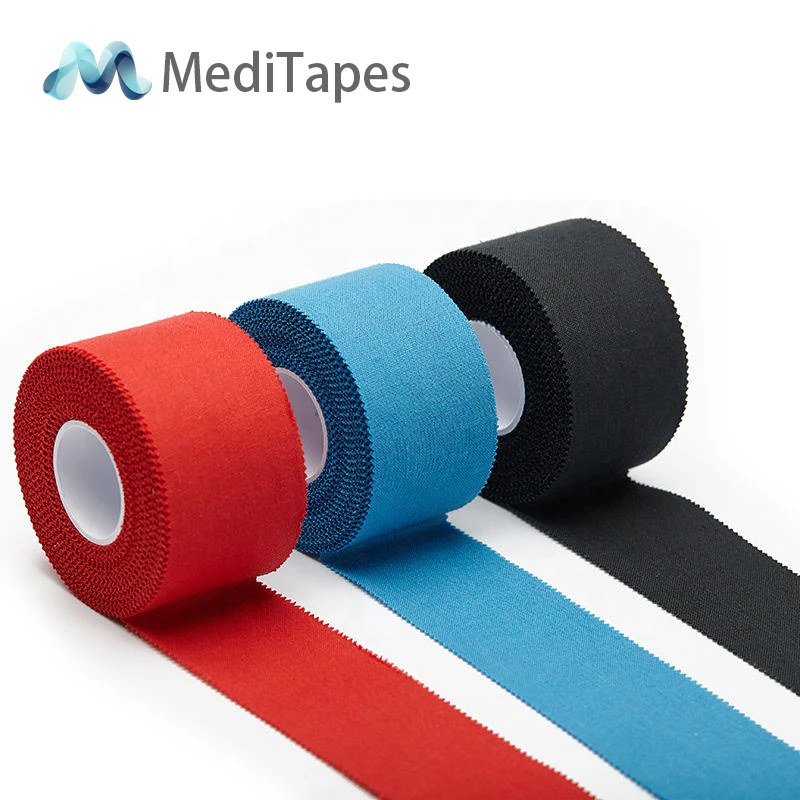
OEM-Hersteller von Sport-Tapes aus Baumwollgewebe in kundenspezifischen Farben
Bauen Sie Ihre Marke mit unserem farbigen Baumwollgewebe-Sporttape auf. Als führendes Werk bieten wir OEM-Dienstleistungen für individuelle Breiten, Längen und Verpackungen an. Dieses stark haftende Baumwoll-Sporttape kann an die Teamfarben angepasst werden. Werden Sie unser Partner für eine zuverlässige Fertigung.
Häufig gestellte Fragen
Was ist die ideale Zugfestigkeit für strapazierfähiges Tape beim Stabilisieren des Sprunggelenks im Leistungssport?
Für die meisten Leistungssportler empfehle ich Werte von mindestens 45 lb/in. Unsere meistverkaufte Option für orthopädische Sprunggelenk- und Fußbandagen liegt bei 52–55 lb/in. Dies bietet ausreichend Festigkeit, um explosiven Plantarflexionskräften zu widerstehen, und ermöglicht es dem Athletiktrainer gleichzeitig, eine stabile und dennoch komfortable Versorgung zu gewährleisten.
Wie unterscheidet sich die Zugfestigkeit von strapazierfähigem Klebeband von der Klebkraft?
Völlig unterschiedliche Messgrößen. Die Zugfestigkeit misst, wie viel Kraft erforderlich ist, um das Gewebe zu zerreißen. Die Klebekraft misst, wie gut es auf der Haut oder auf sich selbst haftet. Man benötigt beides, aber bei hochbelastbaren orthopädischen Verbänden tritt ein Versagen der Zugfestigkeit meist vor dem Versagen der Klebekraft auf, wenn Sie das richtige starke Stütztape.
Kann herkömmliches Sporttape jemals für eine ernsthafte orthopädische Stabilisierung ausreichen?
Manchmal. Wenn Sie einen Freizeitsportler tapen oder nur eine sehr leichte Unterstützung bieten, kann Standard-Tape mit 25 lb/in funktionieren. Sobald Sie sich jedoch im Bereich des Leistungssports, des postoperativen Schutzes oder bei Bewegungen mit hohen Drehmomenten bewegen, wird das Ausfallrisiko inakzeptabel. Die zusätzlichen Kosten für ordnungsgemäßes hochzugfestes Tape sind eine günstige Absicherung.
Hören Sie, wenn Sie bis hierher gelesen haben, liegt Ihnen offensichtlich viel daran, dies richtig zu machen.
Egal, ob Sie Hilfe bei der Berechnung der genauen Anforderungen an die Zugfestigkeit für Ihre spezifische Sportart benötigen, Muster testen möchten oder bereit sind, Ihr gesamtes Programm auf zuverlässigere der Reißfestigkeit von Heavy-Duty-Tapes Optionen umzustellen, wir sind für Sie da.
Kontaktieren Sie unser Team oder schreiben Sie uns eine E-Mail an info@meditapes.com. Sagen Sie uns, womit Sie es zu tun haben, und wir empfehlen Ihnen das Richtige orthopädisches Strapping-Material Die Lösung für Ihre Anforderungen – keine Verkaufsgespräche, sondern praktische Ratschläge von Menschen, die diese Produkte intensiv getestet haben.
Ihre Athleten verdienen ein Tape, das sie nicht im Stich lässt, wenn sie es am dringendsten benötigen.