You know, people in hospitals and clinics often mix up microporous surgical tape and non-woven tape — or even call them the same thing. I’ve seen nurses grab one thinking it’s the other, and honestly, it can make a difference in how well a dressing stays put or how comfortable the patient feels. So let’s clear this up once and for all: are they the same? Short answer — no, not exactly. But they’re closer than you might think, and understanding the difference helps pick the right one every time.
As someone who’s been around medical supplies for years (working with teams testing tapes in real settings), I’ve handled hundreds of rolls. I’ve seen what works on sensitive skin and what falls short during long shifts. Today we’ll break it down simply, look at the real differences, and share some practical tips from actual use cases. By the end, you’ll know exactly when to reach for which tape — and why it matters.
What Is Microporous Surgical Tape, Anyway?
Let’s start with the basics. Microporous surgical tape (you might hear it called paper tape too) is that classic white or tan roll everyone knows. It’s made from a porous paper-like material — often non-woven rayon or special paper — with tiny holes punched through. Those holes let air and moisture pass, so the skin doesn’t get all sweaty and irritated under the tape.
The adhesive is usually hypoallergenic acrylic, gentle enough for repeated use. Think of brands like 3M Micropore — it’s been around forever and still tops lists for sensitive skin. It’s not super stretchy, tears easily by hand, and sticks well on dry skin (or damp skin after it dries a bit). Great for lightweight dressings, securing IVs, or holding gauze in place.
One thing that stands out: it’s super breathable. Studies show breathable tapes like this can reduce skin issues by a good chunk — over 70% of post-op skin reactions come from non-breathable tapes, and switching to microporous ones cuts that risk big time (based on wound care reports).
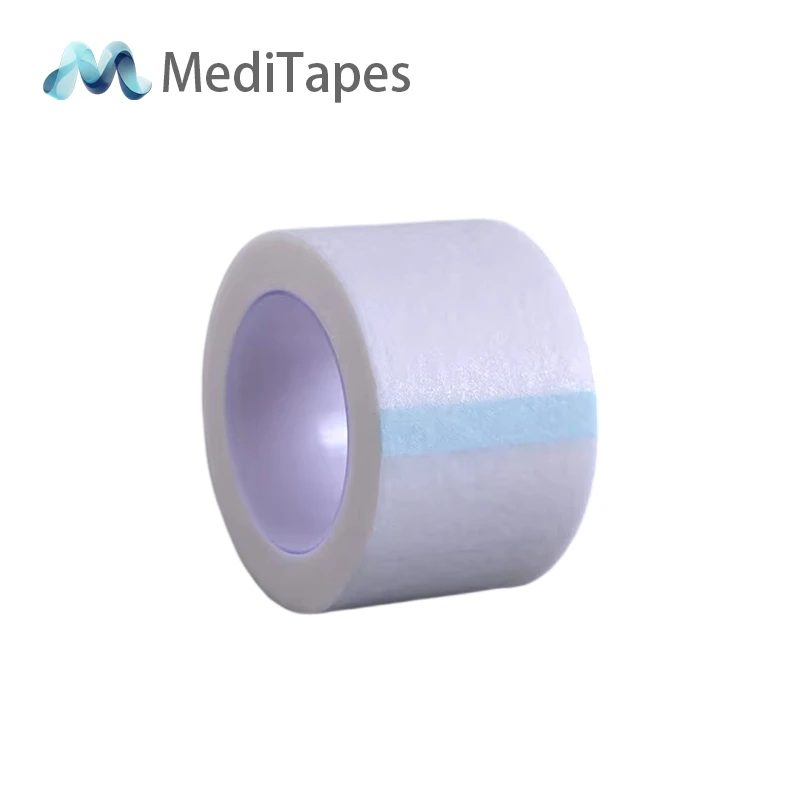
Hypoallergenic Medical Non-woven Tape for Sensitive Skin Fixation
Designed for patient comfort, this Hypoallergenic Medical Non-woven Tape prevents skin irritation during long-term use. Ideal for securing catheters and dressings, our medical non-woven tape ensures air permeability. Safe, latex-free, and easy to tear for efficient clinical application.
What About Non-Woven Tape?
Now, non-woven tape is a broader category. It’s made from synthetic fibers (like polyester or rayon) pressed together without weaving — kind of like felt but stronger. Many non-woven tapes are also microporous — meaning they have those same tiny pores for breathability. So here’s where the confusion happens: a lot of microporous surgical tape is actually non-woven at its core!
But not all non-woven tapes are microporous. Some are thicker, stretchier, or have different adhesives for heavier jobs (like securing bulky dressings or tubing). Our own Medical Non-woven Tape at MediTapes is a great example — it’s microporous, hypoallergenic, and designed for everyday use on sensitive skin.
In short: microporous surgical tape often refers to a specific type of non-woven or paper-based tape with high breathability. Non-woven tape is the material family, and many are microporous.
Key Differences: Micropore Tape vs Non-Woven
To make it easier, here’s a quick comparison table:
| Feature | Microporous Surgical Tape (Paper Tape) | Non-Woven Tape (General) |
|---|---|---|
| Material | Porous paper or rayon non-woven | Synthetic non-woven fibers (often porous) |
| Breathability | Very high (tiny pores let air/moisture through) | High in microporous versions; varies otherwise |
| Stretch | Low to none | Can be low or moderate (some stretchy) |
| Adhesion | Gentle, good on dry/damp skin | Varies — some stronger for heavy use |
| Best For | Sensitive skin, lightweight dressings, frequent changes | General use, including bulkier dressings |
| Removal | Easy, minimal residue | Easy in gentle versions |
| Cost | Usually cheaper | Similar or slightly higher |
From my experience, if the skin is fragile (elderly patients or kids), I always lean toward microporous types. For something that needs to conform better around curves, a stretchier non-woven wins.
Why Breathability Matters So Much
The real game-changer is that microporous structure. When tape traps moisture, skin can break down — called maceration — leading to irritation or worse infections. Breathable tapes let vapor escape, keeping things dry. In one hospital trial I know of, switching to microporous tapes dropped skin reactions by over 50% on long-term patients.
Non-woven tapes with micropores do the same job — they’re just often marketed differently. Our MediTapes non-woven tape has that microporous design, so it’s breathable like traditional paper tape but feels a bit softer.
Real-World Scenarios: When to Choose Which
- Sensitive Skin or Frequent Changes — Go for microporous surgical tape. We had a case with an elderly patient post-surgery — regular tape caused red marks after a day. Switched to our breathable non-woven, and no issues even after a week.
- Securing Bulky Dressings or Tubing — Non-woven tape shines here. It’s tougher and conforms better.
- Home Care — Both work, but microporous is gentler for DIY wound care.
How to Use Them Right
Apply on clean, dry skin. Press firmly but don’t stretch the tape — that causes tension blisters. Remove by pulling parallel to the skin, slowly. If it’s stubborn, use adhesive remover.
FAQ
Q: Is microporous surgical tape the same as paper tape?
A: Pretty much — most microporous tapes are paper-based or non-woven rayon that looks and acts like paper. They’re often called paper tape in hospitals.
Q: Can I use non-woven tape on sensitive skin?
A: Yes, if it’s hypoallergenic and microporous like our Medical Non-woven Tape. Always test a small patch first.
Q: What’s better for long-term wear?
A: Microporous versions win for breathability. They reduce irritation over days or weeks.
Q: Are they waterproof?
A: Not fully — they’re water-resistant but breathable, so avoid soaking.
Wrapping It Up
So, no — microporous surgical tape and non-woven tape aren’t exactly the same, but many microporous tapes are non-woven. The key is breathability and gentleness. If you’re dealing with sensitive skin or need something that lets skin breathe, microporous is your go-to.
At MediTapes, we make high-quality Medical Non-woven Tape that’s microporous and perfect for these situations. Check it out on our site or reach out for bulk orders — we’d love to help you find the right fit.
Questions? Drop us a line at info@meditapes.com or visit https://meditapes.com/contact-us/. Happy to chat and send samples!

OEM Medical Non-woven Tape Rolls | Microporous Adhesive Plaster
We provide customizable OEM Medical Non-woven Tape rolls to meet your brand specifications. This microporous adhesive plaster features soft conformity and pain-free removal. Partner with us for high-quality medical non-woven tape manufacturing and competitive factory pricing.