If you’re just getting into sourcing medical supplies, especially tapes, you might’ve come across surgical PE tape and wondered what the big deal is. Well, it’s one of those everyday essentials in hospitals and clinics that doesn’t get much hype but does a ton of work quietly. I’ve dealt with these products for years through suppliers and feedback from distributors, and let me tell you, once you understand it, stocking the right kind can make your clients pretty happy.
What Exactly is Surgical PE Tape?
So, surgical PE tape – also called medical PE tape or transparent surgical tape – is basically a clear adhesive tape made from polyethylene film, that’s the “PE” part. Polyethylene is a tough, flexible plastic that’s perforated with tiny holes for breathability. It’s coated with a gentle, hypoallergenic adhesive that sticks well but doesn’t rip skin when you take it off.
The PE tape definition is straightforward: it’s a transparent, perforated plastic tape designed for medical use, often waterproof and easy to tear by hand. Unlike opaque tapes, you can see right through it, which is super handy for checking wounds or IV sites without peeling everything back.
From what I’ve seen, most rolls come in widths like 1 inch, 2 inches, or 3 inches, and lengths around 10 yards. It’s lightweight, latex-free, and leaves no sticky residue – big wins for patient comfort.
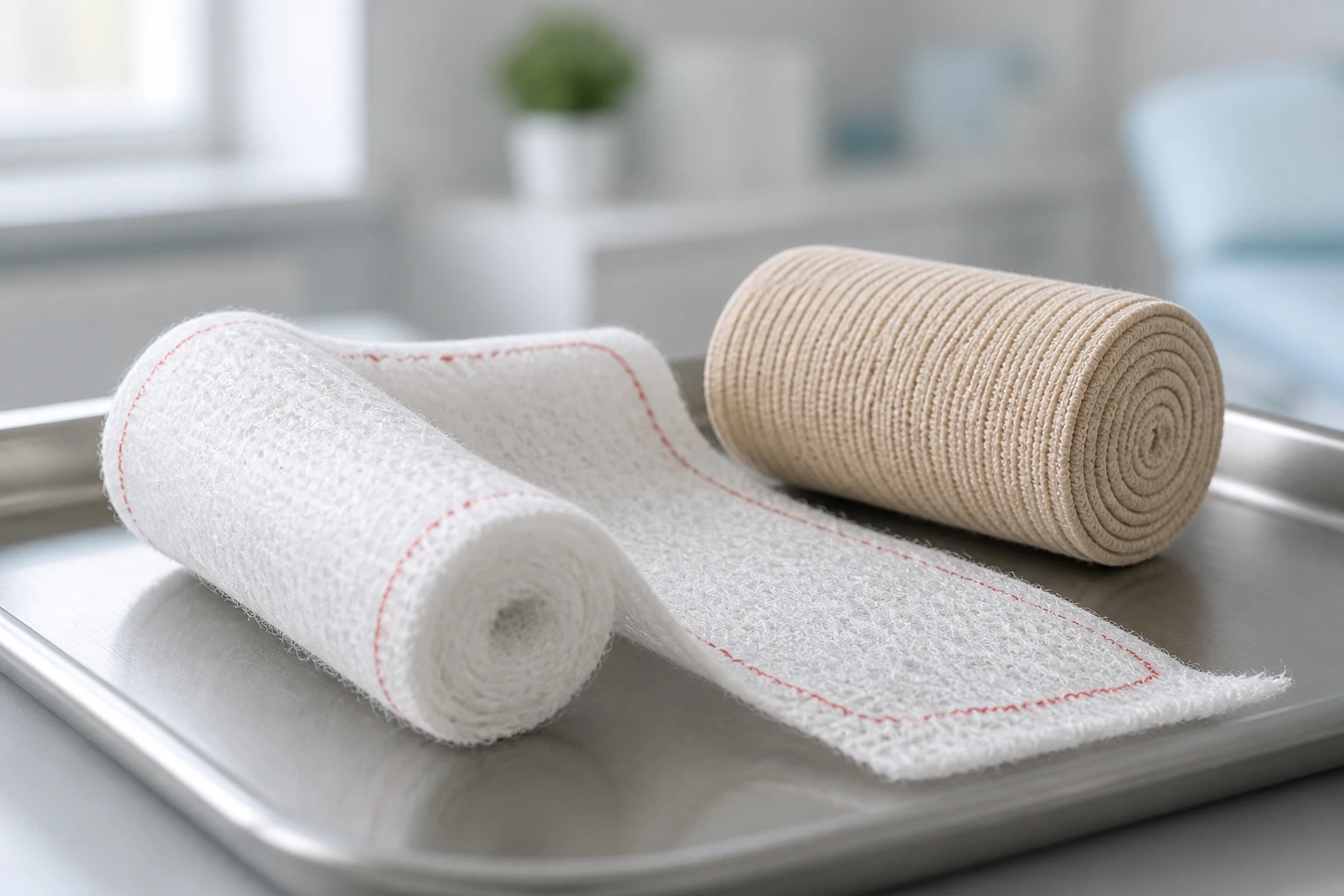
These rolls show the typical clear, perforated look – easy to spot why it’s called transparent surgical tape.
The Material Breakdown: Why PE Stands Out
Polyethylene film is the star here. It’s thin yet strong, stretches a bit to conform to skin, and those micro-perforations let air and moisture vapor pass through. That means less chance of skin getting soggy or macerated underneath.
The adhesive is usually acrylic-based, hypoallergenic, and low-irritation. It holds firm on dry or slightly damp skin but peels off gently. No latex, so allergy risks are low.
Compared to other materials, PE offers a nice balance. It’s more waterproof than paper tapes and clearer than cloth ones. According to market reports, the global medical adhesive tapes sector hit around USD 9.3 billion in 2023, growing steadily because of demand for reliable, skin-friendly options like this.
One thing I’ve noticed from handling batches: good PE tape tears straight in both directions without scissors, which nurses love in a rush.
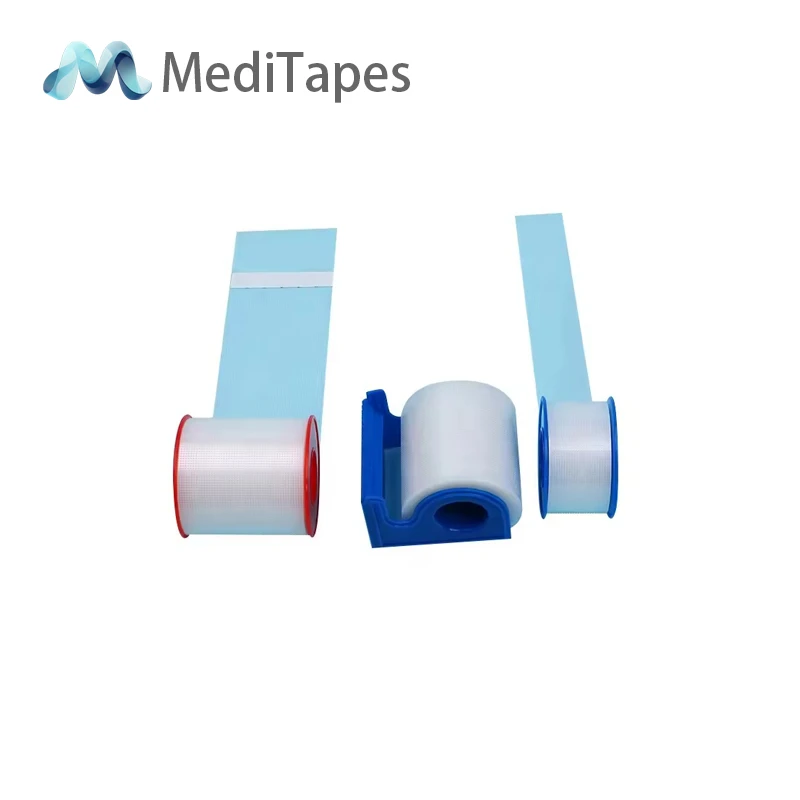
Waterproof Surgical PE Tape – Strong Adhesion for Tubing & IVs
Ensure critical device security with our Waterproof Surgical PE Tape. Engineered for moisture resistance, this heavy-duty Surgical PE Tape holds catheters and tubing firmly even in damp conditions. A reliable choice for surgery and ICU, offering durable fixation you can trust.
Key Features:
– Water-resistant barrier.
– High tensile strength for device fixation.
Key Features of Surgical PE Tape
Let’s list out what makes a solid surgical PE tape tick:
- Transparency: See the wound or insertion site without removal.
- Breathability: Perforations prevent buildup of moisture.
- Water Resistance: Holds up in showers or sweaty conditions.
- Hypoallergenic Adhesive: Gentle on sensitive skin, minimal irritation.
- Easy Tear: Bidirectional perforations for quick application.
- No Residue: Comes off clean, no goo left behind.
- Flexibility: Conforms to body contours, good for joints or fingers.
These aren’t just buzzwords – they come from real specs on products like our Surgical PE Tape at MediTapes.
You can see how it applies smoothly and stays clear on skin.
Common Uses in Medical Settings
Surgical PE tape shines in everyday hospital tasks. It’s great for:
- Securing IV lines and catheters – transparent so you monitor for redness or swelling.
- Holding lightweight dressings over wounds.
- Fixing tubing or drains post-surgery.
- Stabilizing finger splints or small devices.
- General fixation where you need visibility.
In one case I heard from a distributor partner, a clinic switched to waterproof PE versions for their dialysis patients – fewer changes needed, happier folks all around.
It’s not for heavy-duty pulling, though – that’s where cloth tapes come in. But for monitoring and light securement, it’s spot on.
Comparing Surgical PE Tape to Other Types
New distributors often ask how it stacks up against paper or cloth tapes. Here’s a quick table to make it clearer:
| Feature | Surgical PE Tape (Transparent) | Paper Tape (Micropore) | Cloth Tape (Durapore) |
|---|---|---|---|
| Transparency | High – fully clear | Low – opaque | None – white/fabric |
| Breathability | Good (perforated) | Excellent | Moderate |
| Water Resistance | High | Low | Moderate |
| Adhesion Strength | Medium | Low to medium | High |
| Gentleness on Skin | Very gentle | Gentlest | Can be stronger pull |
| Best For | IV securement, monitoring | Sensitive skin, long wear | Heavy dressings, movement |
| Easy Removal | Yes, minimal residue | Yes | Sometimes residue |
PE hits that sweet spot for visibility and protection. Paper’s awesome for fragile skin but falls off if wet. Cloth holds like crazy but hides what’s underneath.
Visual comparisons like these help see the differences side by side.
Benefits for Patients and Healthcare Pros
Patients love it because it’s comfy – doesn’t tug hairs or irritate much. Nurses appreciate the quick tear and clear view; no constant rechecking by removing dressings.
From experience, switching to quality PE tape reduces skin tears in elderly patients. One anonymous story from a hospital buyer: they cut tape-related complaints by half after stocking perforated transparent versions.
Market-wise, with surgeries topping 310 million globally each year, demand for reliable tapes like this keeps climbing. The adhesive tapes market was valued at about USD 9.3 billion in 2023, per industry reports.
How to Choose the Right Surgical PE Tape
For distributors new to this:
- Look for medical-grade PE film.
- Check for hypoallergenic certification.
- Ensure bidirectional tear.
- Opt for waterproof if clients deal with moist environments.
- Stock various sizes – 1″ and 2″ are hot sellers.
At MediTapes, our waterproof surgical PE tape checks all boxes – breathable, strong adhesion, gentle removal.
Application Tips and Best Practices
Applying it right makes a difference:
- Clean and dry the skin first.
- Tear or cut the length needed.
- Apply without stretching too much – avoids blisters.
- Press firmly for good stick.
- Remove slowly, in hair growth direction.
For tricky spots like elbows, use extra pieces for security.
Potential Drawbacks and When to Avoid
It’s not perfect for everything. If you need super strong hold for bulky dressings, go cloth. On very oily skin, adhesion might slip a bit. Rare allergies happen, though hypoallergenic minimizes that.
Always have alternatives stocked.
Real-World Scenarios
Picture a busy ER: nurse secures an IV with transparent PE tape, checks the site easily without disturbing it. Or post-op ward: dressing stays put, skin breathes, healing goes smooth.
One distributor shared how a pediatric clinic loved it for kids – less scary than white tapes, and parents could see the boo-boo healing.
Why Stock Surgical PE Tape?
As a distributor, it’s a steady seller. Low cost, high turnover. Clients reorder often because it’s used daily.
If you’re building your catalog, start with reliable suppliers like us at MediTapes. Check out our full range at https://meditapes.com/.
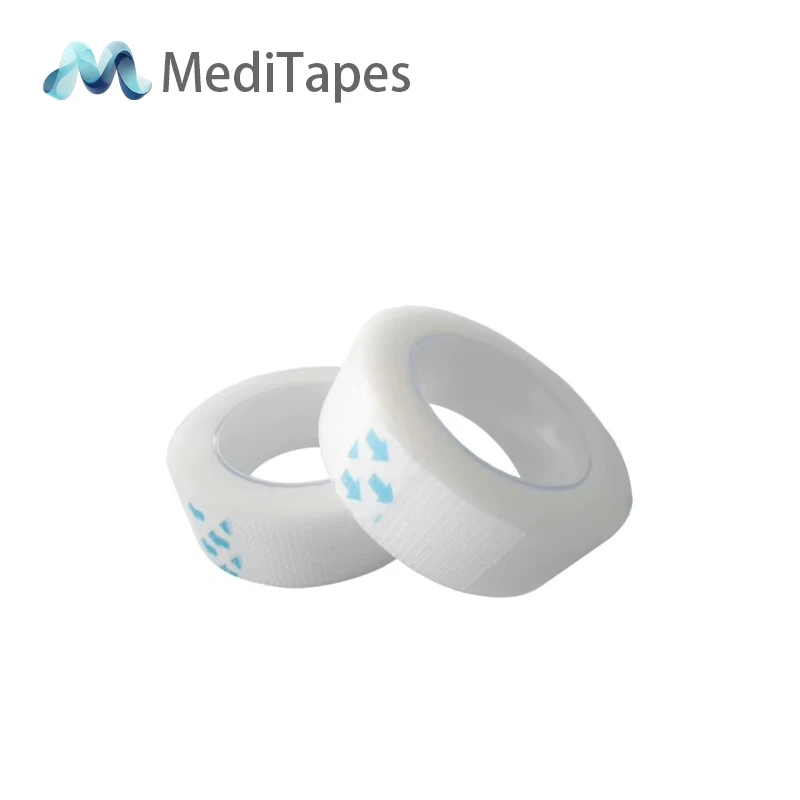
Easy Tear Surgical PE Tape – Perforated Plastic Medical Tape Bulk
Maximize efficiency with our Easy Tear Surgical PE Tape, featuring a perforated design for quick, bi-directional tearing. This transparent Surgical PE Tape requires no scissors, making it ideal for emergency response. We supply bulk Surgical PE Tape for cost-effective stocking.
Key Features:
– Bi-directional easy tear.
– Serrated edge option available.
FAQ
What is the difference between surgical PE tape and regular clear tape?
Surgical versions use medical-grade materials, hypoallergenic adhesive, and perforations for breathability. Regular office tape isn’t safe for skin or sterile needs.
Is surgical PE tape waterproof?
Many are, like our waterproof options. They resist showers but still breathe.
Can you use surgical PE tape on sensitive skin?
Yeah, it’s designed for that – gentle adhesive, low irritation. Great for elderly or kids.
How long can surgical PE tape stay on?
Usually up to a few days, depending on conditions. Change if it loosens or as per protocol.
Where can I get quotes for bulk surgical PE tape?
Head over to our contact page at https://meditapes.com/contact-us/ or email info@meditapes.com. We’d love to chat about your needs.
If this cleared things up or you’ve got questions, drop us a line. Stocking the right tapes can really help your clients provide better care – and that’s what it’s all about.