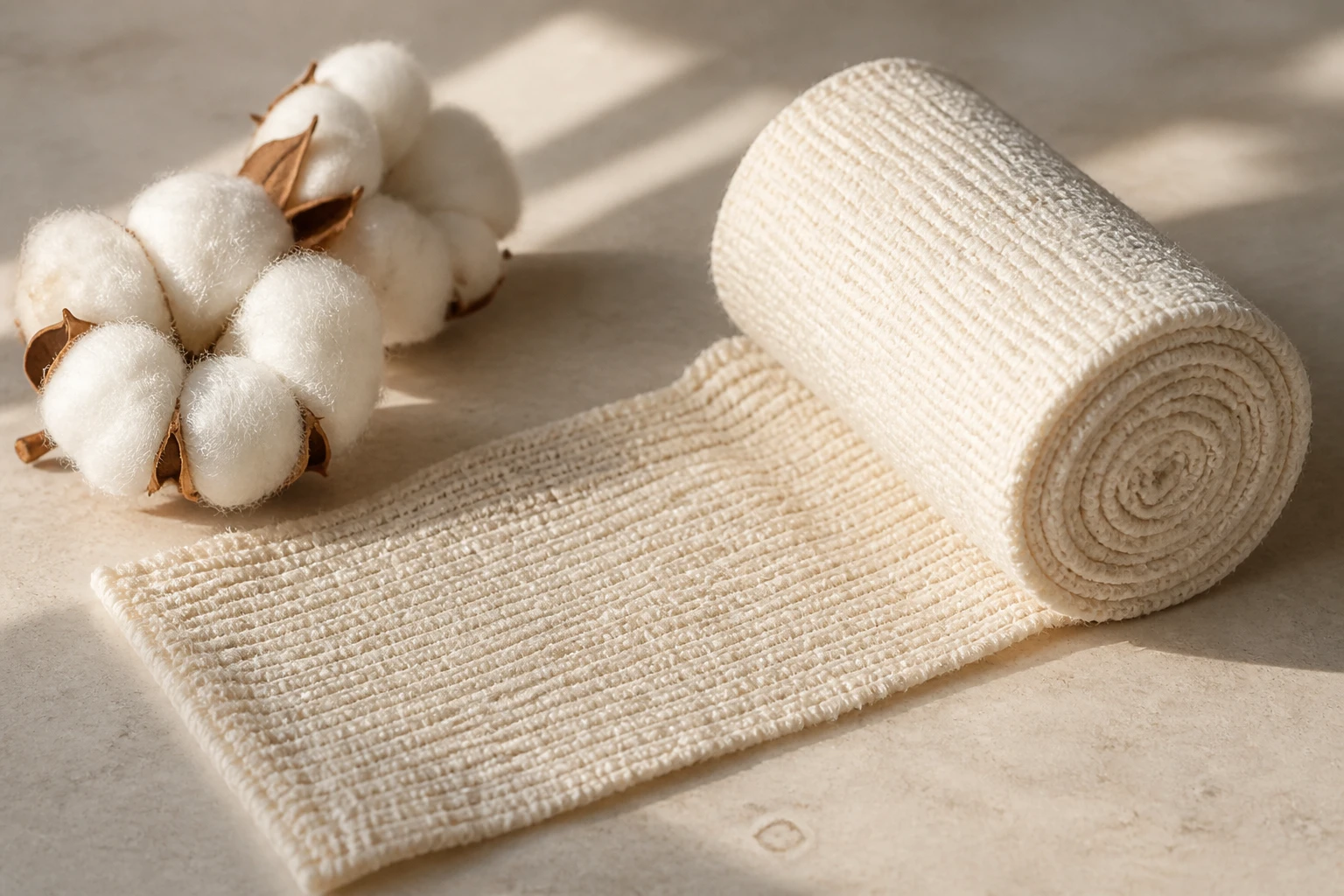
If you have ever opened a batch of medical compression rolls only to find them stiff, yellowed, or snapping under minimal stretch, you already know the ugly truth: poor sterilization destroys good textiles.
Sterilizing textiles is tricky. When you manufacture or procure a sterile elastic crepe bandage roll, you are dealing with delicate elastomeric filaments, woven cotton, and porous structures that react differently to thermal, chemical, and radiological stresses.
At MediTapes, we spend hundreds of hours testing how different terminal sterilization methods impact textile resilience. Procurement officers and clinical supply heads often ask us whether they should order an EO (Ethylene Oxide) sterilized batch or opt for gamma irradiation.
The short answer? Gamma is fast and clean, but it can ruin your fabric’s stretch recovery. EO takes longer and requires strict degassing, but it leaves your weave intact.
Let’s break down the mechanics, the polymer science, the relevant medical sterilization standards, and how our 100,000-grade cleanroom operations preserve product integrity.
Anatomy of a Sterile Elastic Crepe Bandage Roll: Why Fabric Mechanics Matter
To understand how sterilization breaks down a bandage, you need to understand how the bandage works under load.
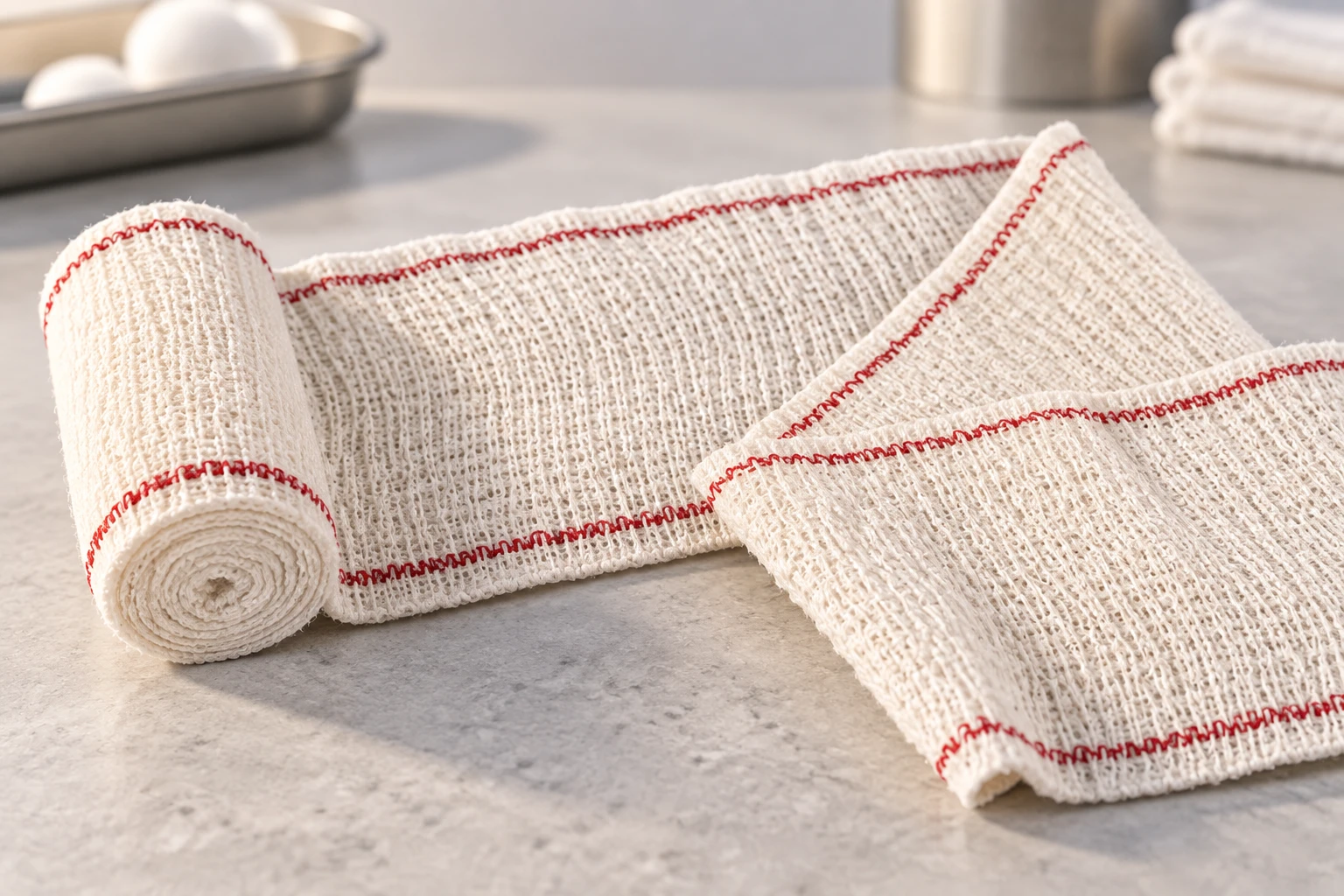
A high-grade elastic crepe bandage relies on a specialized weave. Most premium medical crepe bandages combine high-twist cotton warp threads with texturized cotton or elastane/spandex weft fibers. Some heavier variants incorporate thin synthetic or natural rubber cores.
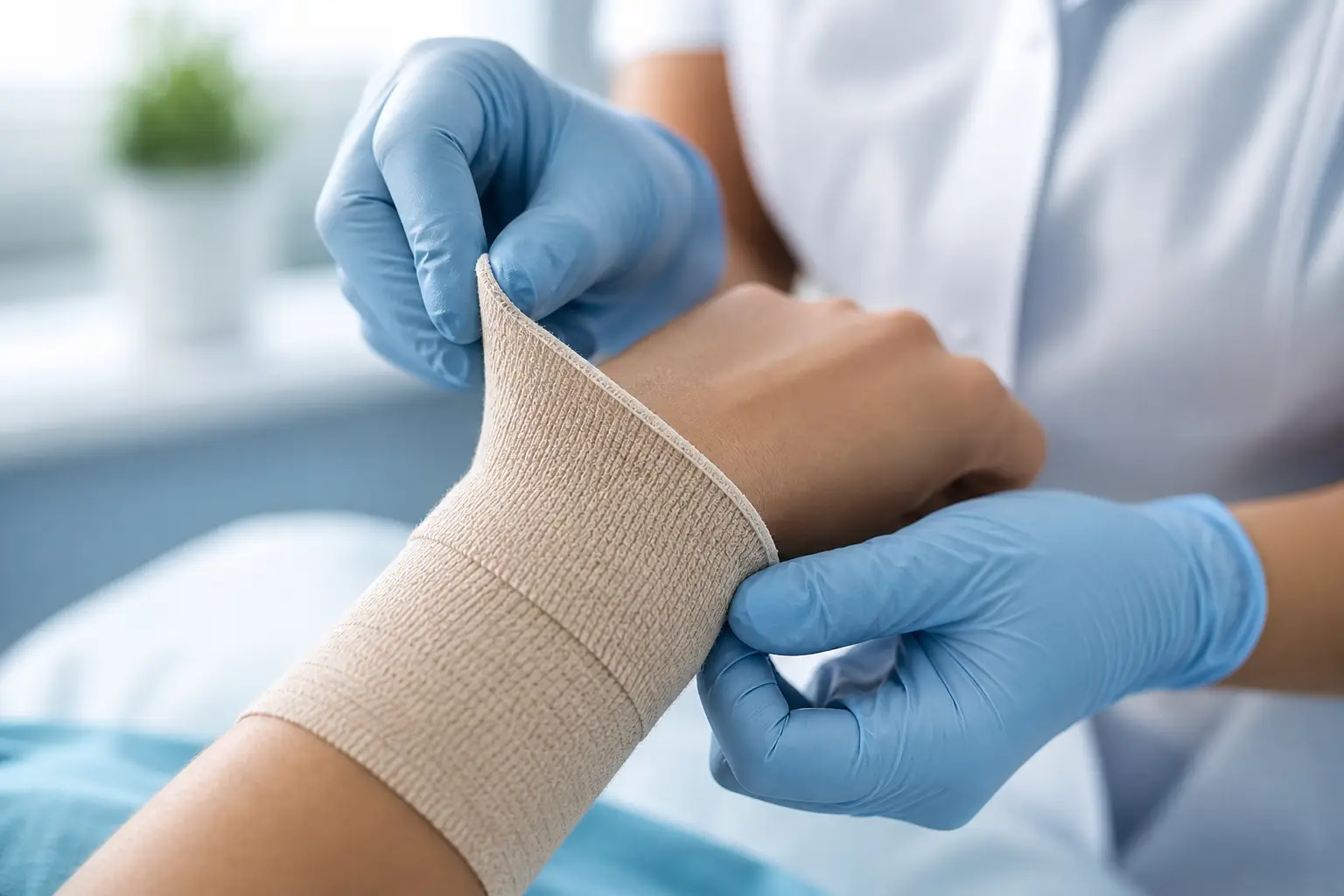
The characteristic “crinkle” or pebbled texture of a crepe weave gives the fabric its mechanical spring. When a nurse applies a sterile elastic crepe bandage roll over a post-surgical dressing or sprained joint, the fabric must deliver predictable sub-bandage pressure.
Laplace Pressure Law for Tubular Bandaging:
Target Sub-Bandage Pressure = (Tension × Layers × Constant) / (Limb Circumference × Bandage Width)
Under Laplace’s law, pressure correlates directly to the tensile force applied across the width of the wrap.
If your sterilization method alters the molecular bonds of the yarn, three distinct mechanical failures occur:
- Loss of Elastic Recovery: The bandage stretches out, but sags instead of snapping back.
- Tensile Embrittlement: The warp yarns snap under sudden shear forces during limb flexion.
- Fiber Yellowing and Odor: Cellulose degrades, causing discoloration and customer rejections.
When sourcing a sterile elastic crepe bandage roll, hospital distributors cannot afford random elasticity drops. Consistency across batches depends entirely on how the fabric was treated inside the sterilization chamber.
Gamma Radiation Sterilization: Fast Throughput, High Polymer Risk
Gamma sterilization uses ionizing radiation, typically derived from Cobalt-60 radioisotopes. The photons penetrate deep into packaged goods, cleaving microbial DNA and achieving a quick Sterility Assurance Level (SAL) of 10^-6 according to ISO 11137-1 standards.
It is dry, leaves zero chemical residues, and requires no post-exposure quarantine. You irradiate the pallet, check the dosimeter badges, and ship.
Why don’t we recommend irradiation for every sterile elastic crepe bandage roll? Because gamma radiation does not discriminate between bacterial DNA and the polymer chains holding your cotton and elastane together.
1. Chain Scission in Cotton (Cellulose)
Cotton fibers are composed of linear beta-D-glucan chains. Ionizing radiation causes free radical generation along these polymer backbones. This triggers chain scission—the literal snapping of cellulose molecular chains.
As the degree of polymerization (DP) drops, the cotton fibers lose structural tenacity. A gamma sterilized bandage roll that sits in a warm warehouse for six months will exhibit severe fiber degradation compared to its pre-sterilization state.
2. Elastomer Degradation and Cross-Linking
If your sterile elastic crepe bandage roll uses polyurethane (spandex) or rubber-based elastic threads to enhance tension, gamma rays cause simultaneous chain scission and cross-linking.
Cross-linking turns the flexible polymer matrix into a brittle, glass-like network. The immediate consequence:
- Peak elongation drops significantly.
- Modulus spikes (the bandage feels stiff on initial pull).
- Hysteresis loss jumps (after being pulled once, it does not retract).
Field Observation: During quality audits, we tested competitors’ irradiated rolls alongside our own production batches. The irradiated rolls consistently showed a 22% to 35% drop in breaking elongation after an exposure dose of 25 kGy. For an intensive orthopedic wrap, that drop leads directly to slippage and lost compression.
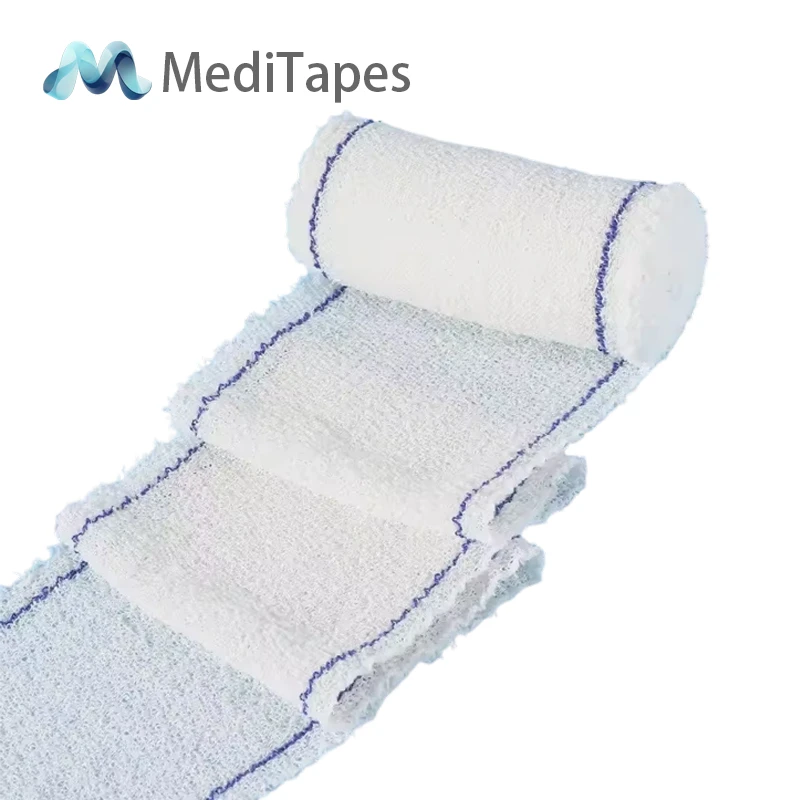
Medical Cotton Elastic Crepe Bandage for Wound Care & Support
Our Medical Cotton Elastic Crepe Bandage offers superior breathability and consistent compression. Ideal for securing dressings and supporting strains. This elastic crepe bandage is washable, reusable, and provides firm grip without slipping. Perfect for professional wound care clinics.
Ethylene Oxide (EO) Sterilization: The Gentle Alternative
Ethylene Oxide (EtO or EO) is a gas that sterilizes via alkylation. Instead of using high-energy photons to shatter molecules, EO replaces hydrogen atoms in microbial protein, DNA, and RNA with hydroxyethyl groups. This halts cell metabolism and reproduction dead in its tracks.
Processing an EO sterile medical bandage batch requires a balance of four parameters:
- Gas concentration (typically 450 to 800 mg/L)
- Chamber temperature (usually 45°C to 55°C)
- Relative humidity (between 45% and 75% RH)
- Exposure time (several hours)
Because the processing temperature remains low (rarely exceeding 55°C), EO avoids the thermal degradation seen in steam autoclaving. It also prevents the chemical bond breakage caused by Cobalt-60 gamma rays.
Why EO Protects Crepe Bandage Integrity
For a sterile elastic crepe bandage roll, EO gas penetrates packaging permeable barriers (like medical-grade Tyvek or medical dialysis paper) without destabilizing the cotton twist or the elastomeric core.
- Cellulose Preservation: EO does not induce free radical chain scission in cotton fibers. The tensile strength before and after processing remains practically identical.
- Elastomer Stability: Spandex filaments maintain their soft-segment flexibility. The bandage retains its snappy recovery cycle.
- Visual Clarity: Fabrics do not exhibit radiation-induced yellowing, retaining their clean, white or unbleached natural aesthetic.
The Trade-off: Residuals and Aeration
EO is not without its headaches. It is a toxic, flammable gas, and regulatory standards around residual exposure are strict.
Under ISO 11135 and ISO 10993-7, medical bandages must undergo rigorous aeration cycles to eliminate residual Ethylene Oxide (EO) and Ethylene Chlorohydrin (ECH).
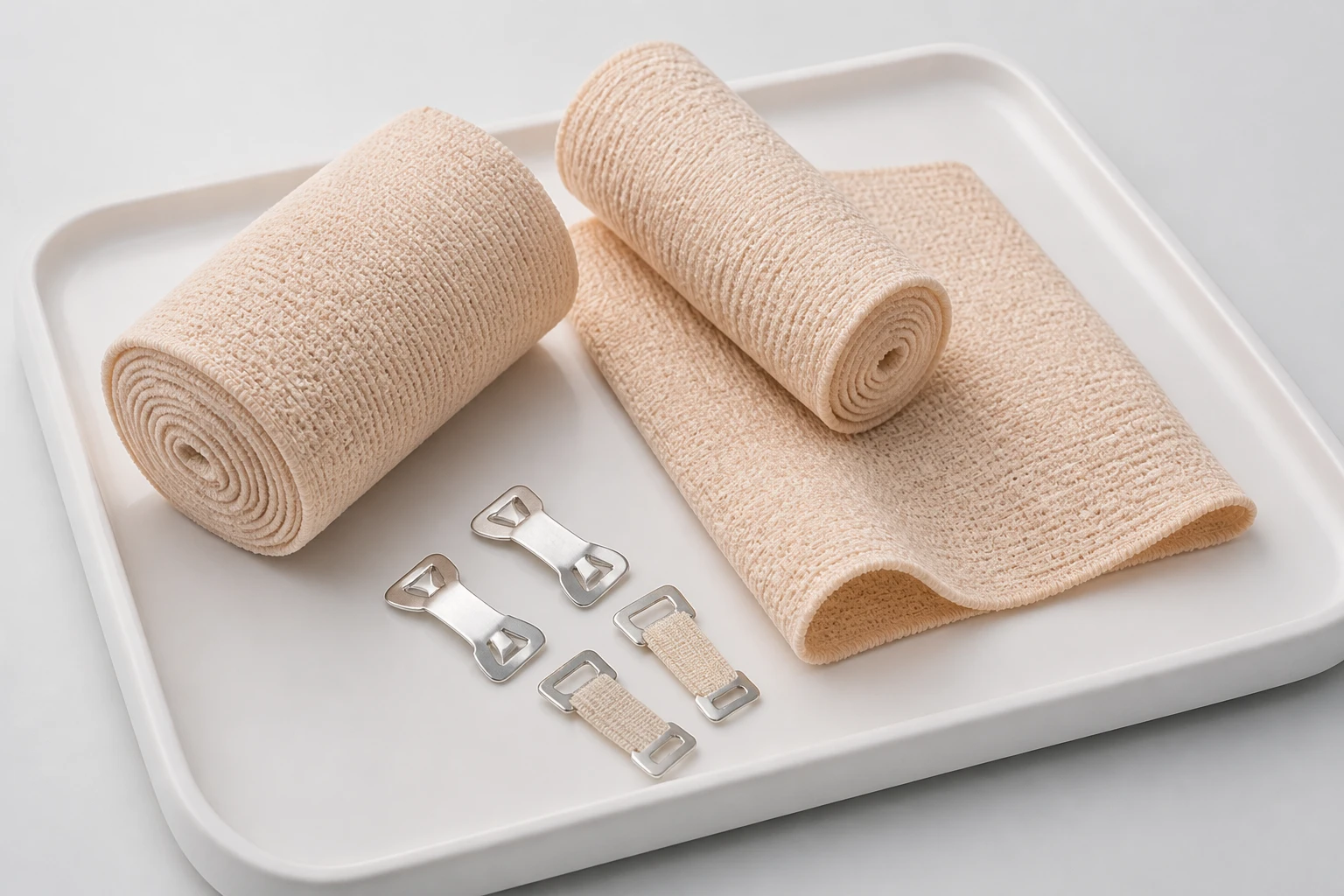
Depending on packaging density and whether the bandage has paper wraps or plastic clips, forced aeration inside heated chambers can take anywhere from 3 to 7 days. If a manufacturer rushes this step to save money, the resulting sterile elastic crepe bandage roll can cause skin irritation or chemical burns on sensitive patient tissue.
EO vs. Gamma: Mechanical and Operational Head-to-Head
When deciding between ordering an EO sterile medical bandage and a gamma sterilized bandage roll, B2B buyers must weigh tensile metrics against turnaround speed.
| Parameter | EO (Ethylene Oxide) Sterilization | Gamma (Cobalt-60) Radiation |
|---|---|---|
| Impact on Elastic Recovery | Negligible (<3% degradation) | High (15% to 35% permanent elasticity loss) |
| Cotton Tensile Retention | >95% breaking strength retained | 70% to 80% breaking strength retained |
| Fabric Discoloration | None (maintains original yarn color) | Noticeable yellowing at 25+ kGy doses |
| Chemical Residuals | Requires thorough aeration (ISO 10993-7) | Zero chemical residue |
| Processing Cycle Time | 3 to 7 days (including degassing) | Minutes to hours (no degassing needed) |
| Packaging Requirements | Requires gas-permeable medical pouch | Can use air-tight foil or heavy poly films |
| Cost Profile for High Volume | Moderate tooling, economical runs | High per-run isotope costs, minimum volumes |
For a high-performance sterile elastic crepe bandage roll, EO remains the preferred choice. While gamma offers logistical speed, it often impairs fabric performance. Unless your clinical application requires zero chemical contact (such as specific cell-culture or in-vitro settings), EO provides superior tactile and mechanical qualities.
Measuring Elastic Resilience: Testing Protocols
How do we prove that an EO sterile medical bandage outperforms an irradiated one? We put both through standardized material tests.
Textile physical testing relies on standards like ASTM D5034 for breaking strength and elongation, as well as cyclic fatigue evaluations on calibrated tensile apparatuses.
Elastic Recovery Calculation Formula:
Elastic Recovery (%) = [(L1 – L2) / (L1 – L0)] × 100
- L0: Original relaxed gauge length of the bandage sample (e.g., 100 mm).
- L1: Extended length under a specified test load (e.g., stretched to 180 mm for 10 minutes).
- L2: Length of the sample after being released and allowed to relax for 5 minutes.
In our mechanical stress comparisons, untreated cotton/elastane crepe bandages average a 92% recovery rate.
- Post-EO sterilization, that sterile elastic crepe bandage roll tests at 90.5% to 91.8% recovery.
- Post-gamma sterilization (25 kGy standard medical dose), the same fabric drops down to 71.2% to 76.5% recovery.
That 15-point drop means the bandage will sag, loosen its hold, and require constant clinical readjustment when wrapped around a patient’s limb.
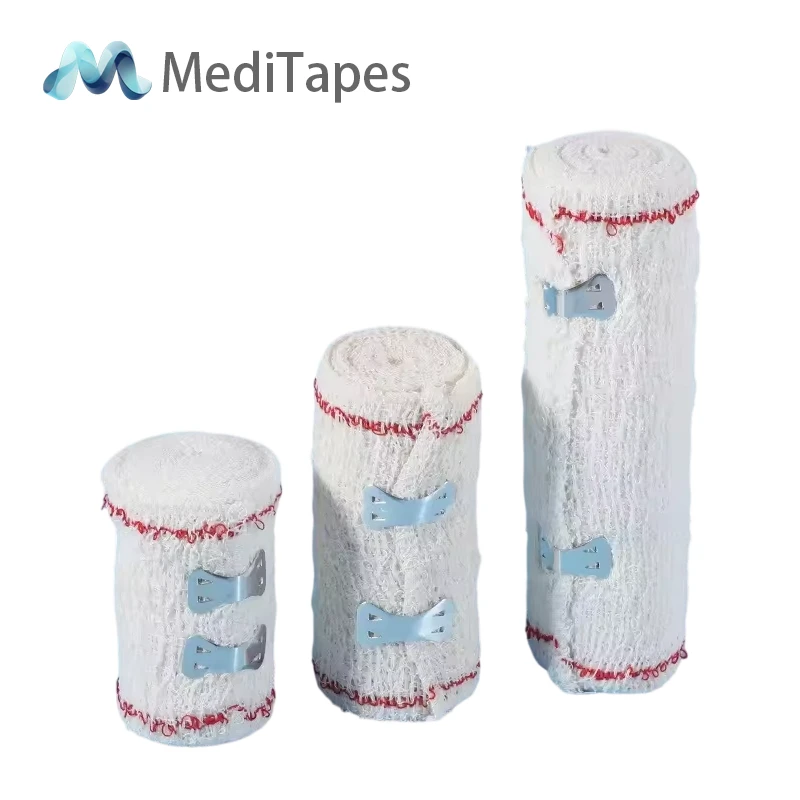
Heavy Duty Spandex Elastic Crepe Bandage – Latex Free Factory
Source premium Heavy Duty Spandex Elastic Crepe Bandage directly from the factory. Designed for strong compression in orthopedics, this latex-free crepe bandage minimizes allergic reactions. Durable elasticity ensures long-term support for severe sprains and post-surgical recovery.
Cleanrooms: How Upstream Quality Reduces Sterilization Stress
Sterilization should never be used as a blunt tool to clean up dirty manufacturing. If a bandage arrives at the sterilizer with a high bioburden (a heavy load of bacteria and mold spores), you are forced to run more aggressive sterilization cycles.
For gamma radiation, a high bioburden means increasing the dose from 15 or 25 kGy to 35 or 40 kGy, which degrades the fabric even further.
For an EO sterile medical bandage, a high bioburden demands extended exposure, higher gas concentrations, and harsher aeration cycles.
This is where the MediTapes manufacturing process makes a measurable difference.
The 100,000-Grade (ISO Class 8) Cleanroom Advantage
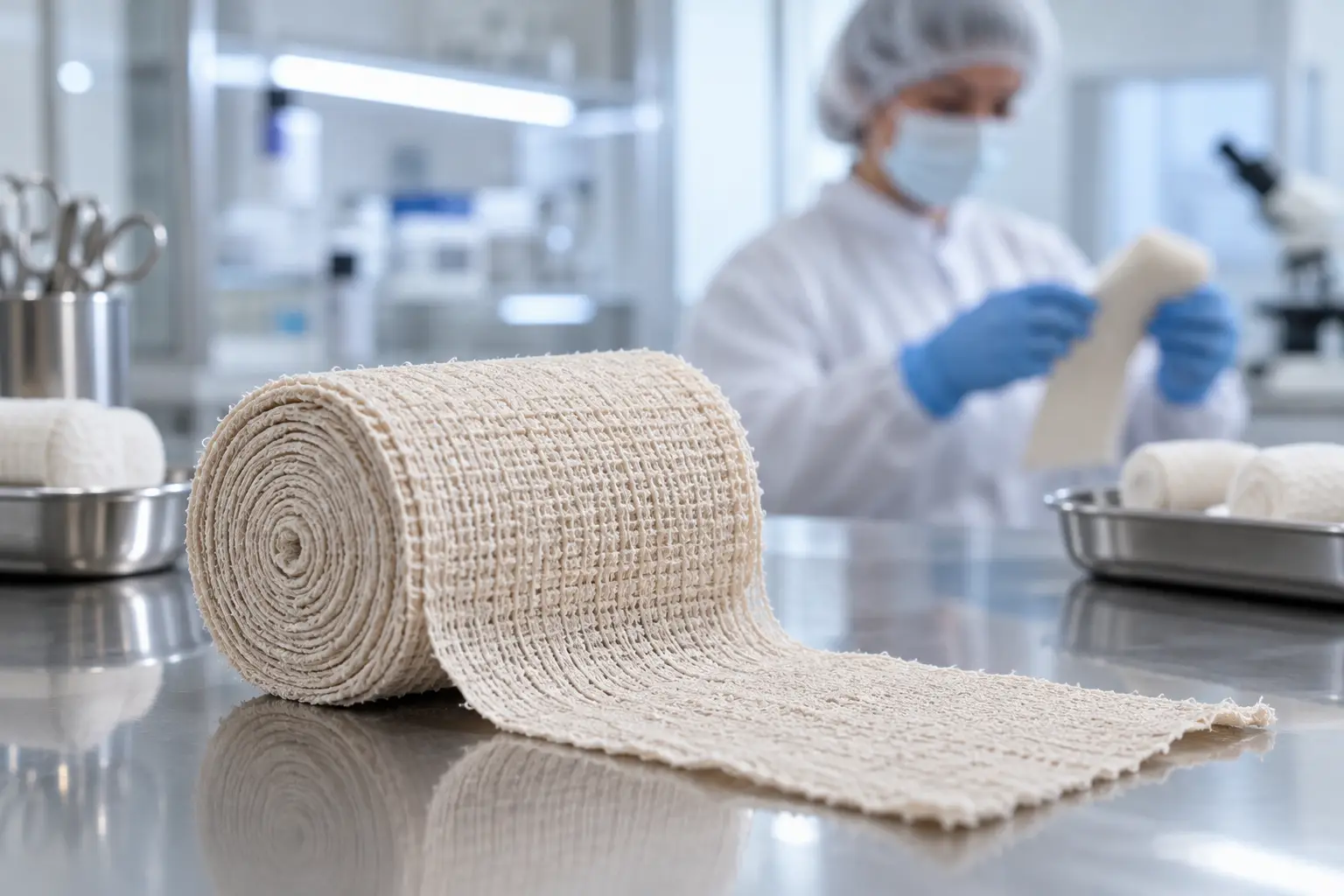
We weave, cut, inspect, and package our products within an enclosed Class 100,000 cleanroom.
- Filtered Air Distribution: Positive-pressure HEPA filtration controls airborne particulate counts, preventing ambient dust and micro-contaminants from settling into the porous cotton weave.
- Tightly Controlled Environmental Parameters: Keeping relative humidity between 45% and 60% and temperatures below 22°C prevents bacterial proliferation during processing.
- Rigid Worker Protocols: Gowning, masking, and glove requirements keep organic shedding and skin oils away from the raw materials.
By keeping incoming bioburden exceptionally low, our sterile elastic crepe bandage roll runs require only the minimum validated EO dose to achieve a reliable SAL 10^-6.
We avoid over-saturating the material with sterilant gases, protecting the fibers from chemical stress and shortening necessary aeration cycles.
Real-World Case Study: Resolving Elasticity Drop in an Emergency Medical Kit
An international disaster relief agency approached our team with a persistent procurement problem.
They were sourcing a 10cm x 4.5m sterile elastic crepe bandage roll from a vendor who relied on outsourced Cobalt-60 gamma sterilization. The kits were shipped into humid equatorial transit depots where temperatures hovered around 35°C.
When field personnel deployed the bandages 8 months later, the results were disastrous:
- The crepe rolls had turned an off-yellow color.
- Over 40% of the rolls tore by hand before reaching their expected extension limit.
- The bandages lost their grip within two hours of application, causing dressings to slip.
Failure Root Cause Analysis Breakdown:
25 kGy Gamma Dose Exposure + Polymer Chain Scission + Humid Transit Storage = Premature Bandage Rupture and Elastic Failure
The MediTapes Solution
We re-engineered the product pipeline:
- Yarn Restructuring: We transitioned the weave to an interwoven combed cotton warp paired with a heat-stabilized synthetic core yarn to preserve structural integrity.
- Cleanroom Assembly: Production moved directly into our ISO Class 8 cleanroom to set baseline bioburden levels under 100 CFU per unit.
- Switch to EO Processing: We replaced gamma radiation with a validated, low-temperature EO cycle compliant with medical sterilization standards.
- Optimized Degassing: Samples underwent a 120-hour forced-air aeration phase, driving EO residuals well below the strict 4 mg/device limit outlined in ISO 10993-7.
The Result
The customer tested the new sterile elastic crepe bandage roll across an accelerated 24-month aging profile. Breaking strength retention remained above 96%, elasticity recovery stayed at 91%, and discoloration was eliminated. The client has since converted their entire field medical catalog to our EO-processed wraps.
Technical Sourcing Checklist for Medical Buyers
If you are a medical distributor, hospital procurement manager, or military supply specialist purchasing bulk bandage lots, do not just check “sterile” off your list. Ask your manufacturing partner the following questions:
- What terminal sterilization process is used? If they respond with gamma radiation, ask for tensile elongation test reports before and after exposure.
- What are your EO residual clearance levels? Ensure they can supply third-party chromatograph testing validating both EO and ECH thresholds under ISO 10993-7.
- Where does primary packaging take place? Bandages packaged in open factory spaces carry higher bioburden loads, necessitating harsher sterilization cycles. Confirm that packaging occurs within a certified Class 100,000 / ISO 8 cleanroom environment.
- What packaging barrier is used? EO processes require breathable membranes like medical-grade Tyvek or heavy kraft dialysis paper. Make sure the heat seal holds up during transit without micro-channeling.
- Are samples tested to ASTM standards? Verify tensile and recovery claims through ASTM D5034 grab testing or ASTM D6797 ball-burst testing.
Understanding these operational nuances ensures that every sterile elastic crepe bandage roll you deliver performs reliably for clinical teams.
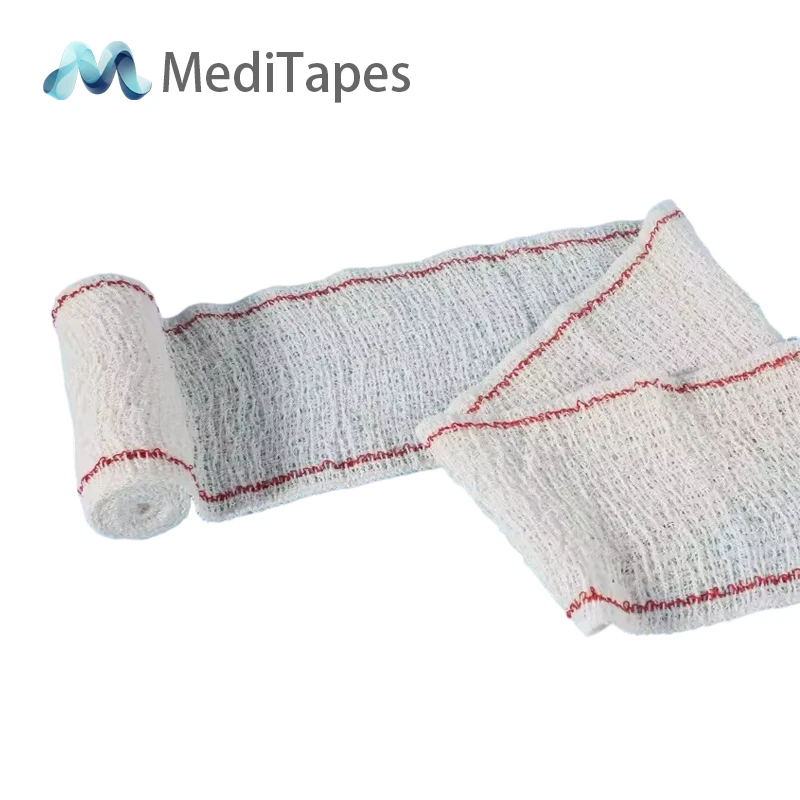
Wholesale Breathable Elastic Crepe Bandage for Sports Injuries
Bulk buy Breathable Elastic Crepe Bandage designed for sports recovery. This lightweight crepe bandage conforms easily to body contours like knees and ankles. It reduces swelling while allowing skin to breathe. A top choice for athletic trainers needing reliable sports injury support.
Frequently Asked Questions
Can I autoclave a sterile elastic crepe bandage roll in our own clinic?
You can technically steam autoclave unsterilized cotton crepe rolls, but it is rarely practical for high-stretch varieties. Saturated steam heat (typically 121°C to 134°C) causes rapid shrinkage and relaxes the high-twist fibers responsible for the crepe effect. The bandage will contract, come out wet, and lose a significant portion of its rebound elasticity.
Does an EO sterile medical bandage leave harmful chemicals on patient skin?
Not when processed in compliance with medical device standards. Once the cycle finishes, the rolls undergo a lengthy aeration phase in heated, ventilated rooms. This strips out residual EO and ethylene chlorohydrin (ECH) gases down to safe parts-per-million (ppm) levels, well within the safety parameters specified by ISO 10993-7 for skin-contact medical textiles.
Why do some manufacturers still use gamma radiation for elastic bandages?
Simplicity and logistics. Gamma radiation does not require gas chambers, hazardous chemical scrubbers, permeable breathable packaging, or days of aeration. Manufacturers can package items in cheap, airtight poly bags, run them through an irradiation facility on a conveyor, and ship immediately. It cuts processing times, even if it compromises the fabric’s long-term strength.
How long does a sterile elastic crepe bandage roll stay sterile?
Most EO-sterilized medical bandages feature a validated shelf life of 3 to 5 years, provided the packaging barrier remains dry and intact. The exact expiration window depends on the durability of the packaging seal and storage conditions, rather than a degradation of the sterility itself.
Elevate Your Medical Supply Chain with MediTapes
Subpar bandages lead to clinical frustration, patient discomfort, and costly returns. Your medical teams need a sterile elastic crepe bandage roll that holds firm, stretches predictably, and stays reliable through years of shelf life.
At MediTapes, we control every phase of manufacturing—from raw yarn selection and tension-controlled weaving to packaging in our Class 100,000 cleanroom and validated EO sterilization.
We supply hospital networks, emergency-care brands, and government agencies worldwide with medical textiles engineered for demanding field applications.
Ready to upgrade your inventory?
- Review Technical Data: Explore our complete line of elastic crepe bandage products to compare weave weights, yarn densities, and packaging configurations.
- Request Custom Testing: We provide full documentation, including bioburden baseline reports, EO residual certifications, and mechanical recovery data.
- Get Direct Factory Pricing: Connect with our production engineers and reach out to our engineering team today.
You can also send your tender specifications or custom OEM packaging requirements directly to info@meditapes.com. We will provide a complete technical quote within one business day.