The Real Headache with Latex in Bandages
You know how it goes in a busy clinic or hospital—someone grabs a cohesive bandage to wrap a sprain or hold down a dressing, and everything seems fine until a patient or staff member starts itching like crazy. Latex allergies aren’t rare, especially among folks who work around medical supplies every day. Studies show that anywhere from 8% to 12% of healthcare workers have some sensitivity to natural rubber latex, with rates sometimes hitting higher in certain groups.
Back in the day, latex was everywhere because it’s stretchy and cheap. But now? Things have changed big time. Procurement teams can’t just order what worked yesterday—they have to think about patient safety first, and that means switching to latex-free cohesive bandage products whenever possible.
At MediTapes, we’ve seen this shift firsthand over the years supplying hospitals and clinics. We’ve helped teams move away from old-school options and land on reliable, hypoallergenic bandage wraps that don’t trigger reactions. It’s not just about avoiding complaints; it’s about keeping everyone safe and compliant.
What Makes Latex Such a Problem in Healthcare?
Latex comes from natural rubber, and the proteins in it can cause reactions ranging from mild skin irritation to full-blown anaphylaxis in severe cases. Healthcare workers, especially nurses and techs who handle gloves and bandages daily, face repeated exposure. Data from reliable sources like the CDC and NIOSH point to sensitization rates in the 8-12% range for regular users.
Patients aren’t immune either. Kids with multiple surgeries, folks with spina bifida, or anyone with a history of allergies to certain foods (like bananas or avocados—cross-reactivity is a thing) can react badly. Even a simple wrap around a sprained ankle can turn into a nightmare if it contains latex.
That’s why latex-free cohesive bandage options have become non-negotiable in many settings. They use synthetic materials that give the same stretch and self-adhering grip without the risky proteins.
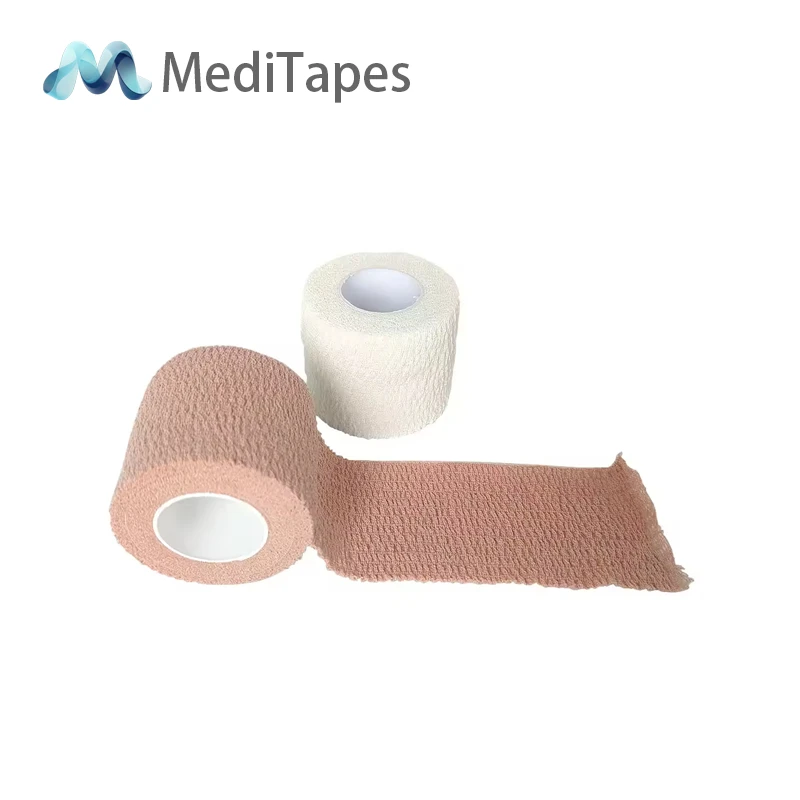
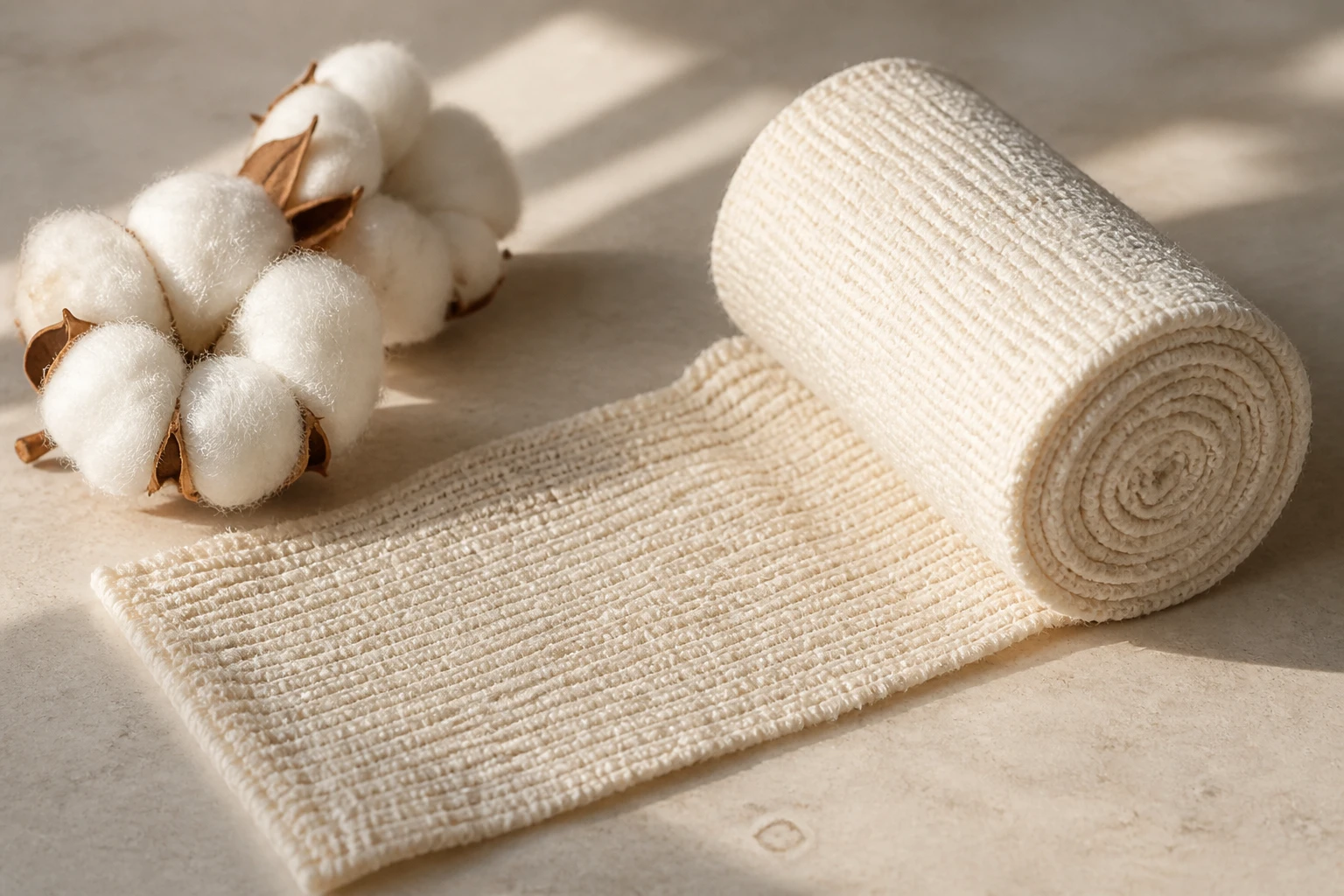
Cotton Cohesive Bandage – Breathable Self Adherent Wrap for First Aid
Our Cotton Cohesive Bandage offers superior breathability and comfort for first aid care. This self-adherent wrap sticks only to itself, not skin, ensuring pain-free removal. Ideal for securing dressings, it provides reliable compression without clips. A must-have cotton bandage for medical supply stocks.
Current Trends Shaping Medical Procurement Choices
Procurement isn’t the same as it was five years ago. Buyers now look hard at patient safety, compliance, and long-term costs. Trends show a strong push toward hypoallergenic and low-allergen products, especially in the US and Europe where standards are tough.
Regulations like FDA guidelines discourage claims like “latex-free” in absolute terms (they recommend “Not made with natural rubber latex” instead, because trace contamination can’t always be ruled out 100%). But the message is clear: minimize risk.
In Europe, similar high standards apply, with emphasis on low-sensitization materials. Procurement teams face pressure to meet these while controlling budgets. The good news? Switching to latex-free cohesive bandage often cuts down on returns, complaints, and even staff sick days from reactions.
We’ve noticed more RFPs specifically calling out hypoallergenic requirements. It’s not a fad—it’s how the industry protects people and avoids liability.
Key Benefits of Switching to Latex-Free Cohesive Bandages
Let’s get practical. Here’s why these bandages make sense for everyday use:
- Zero Allergy Risk from Latex Proteins — No more worrying about reactions. Staff and patients stay comfortable.
- Same Performance, Better Safety — They stretch, conform to awkward spots like ankles or wrists, and hold without clips or tape.
- Breathable and Comfortable — Many modern options wick moisture and feel light, so they can stay on longer without issues.
- Versatile Applications — Great for sports wraps, post-op support, securing IVs, or even vet work.
- Cost Savings Over Time — Fewer adverse events mean less downtime and fewer product swaps.
In one mid-sized clinic we work with, they switched entirely to our latex-free cohesive bandage line after a couple of staff reactions. Within months, they reported zero related incidents and better staff satisfaction. No big drama—just smooth operations.
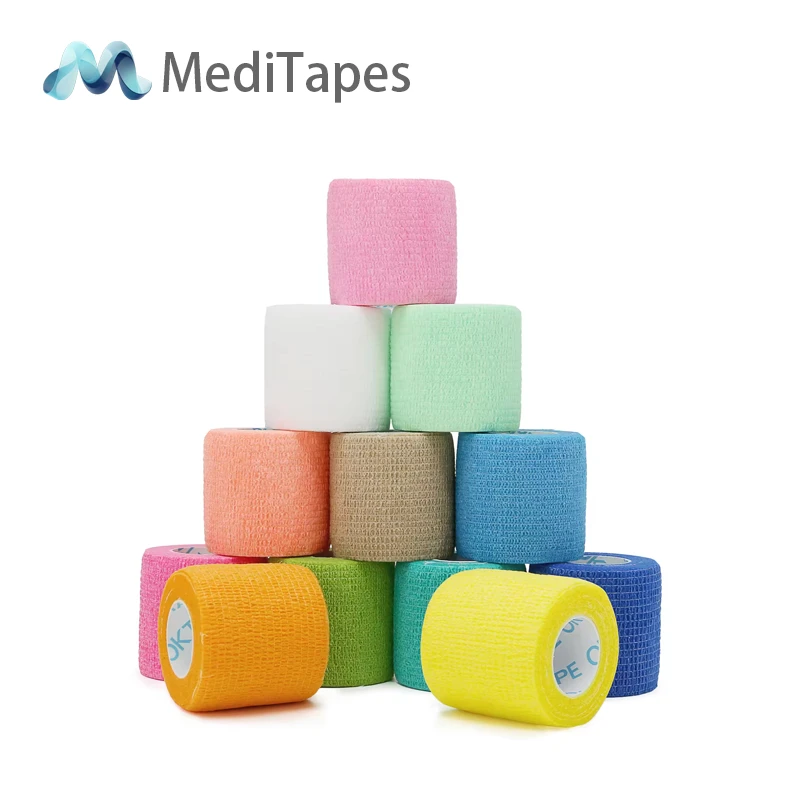
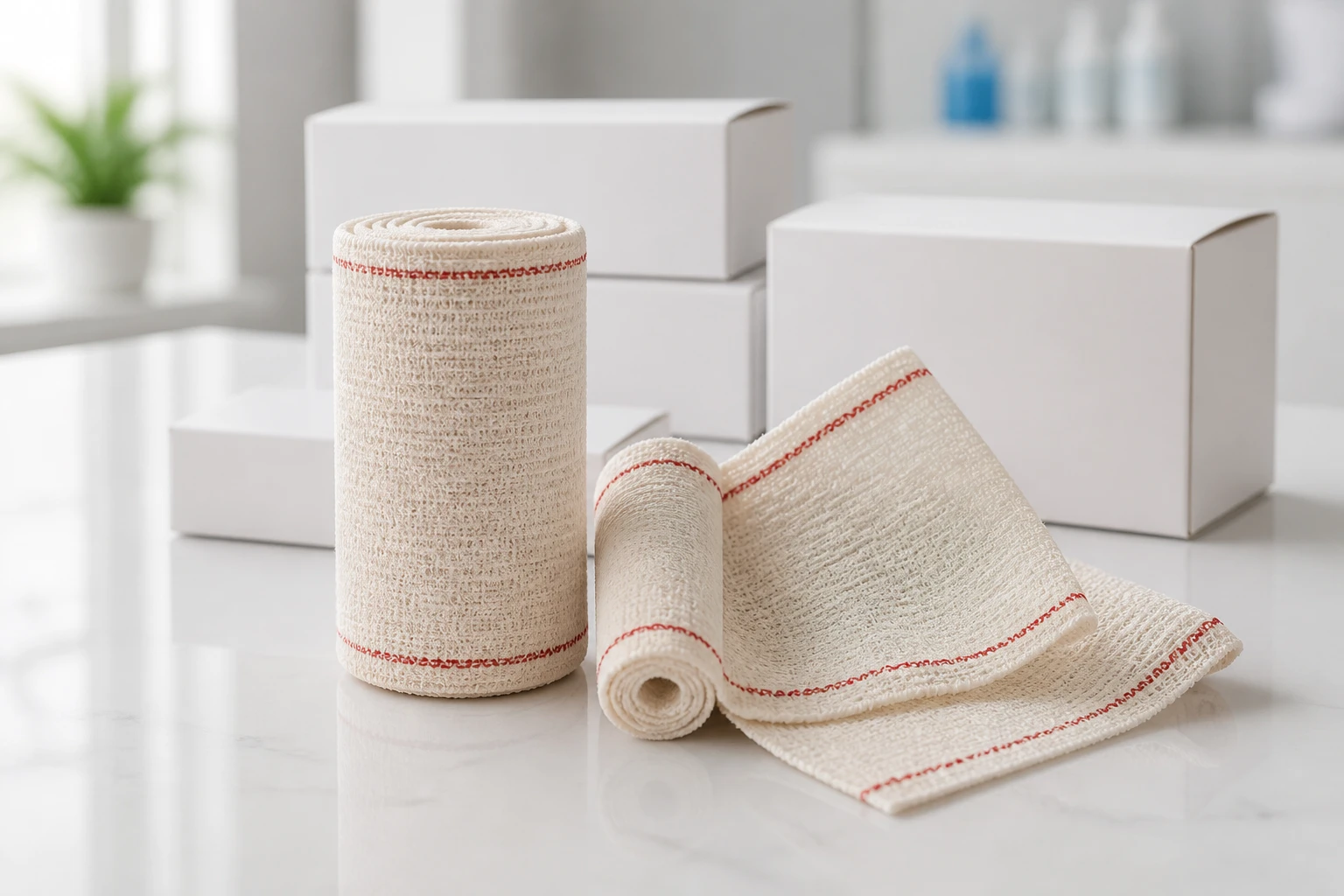
Non-woven Cohesive Bandage Wholesale – Self Adherent Wrap for Medical
Premium Non-woven Cohesive Bandage tailored for medical use. This self-adherent wrap adheres to itself, not skin. Breathable, lightweight, and easy to tear by hand. Ideal for securing dressings and supporting joints without clips. Bulk pricing available for distributors.
Comparing Latex vs. Latex-Free Cohesive Bandages
Here’s a quick side-by-side look at what matters most when choosing:
| Feature | Traditional Latex Cohesive | Latex-Free Cohesive Bandage |
|---|---|---|
| Allergy Risk | High (8-12% sensitization in HCWs) | Very Low (synthetic materials) |
| Stretch & Adhesion | Excellent | Excellent (modern formulas match or exceed) |
| Compliance with Standards | May not meet EU/US hypoallergenic prefs | Aligns with FDA “Not made with natural rubber latex” guidance |
| Patient Comfort | Can irritate sensitive skin | Hypoallergenic, skin-friendly |
| Long-Term Cost | Potential hidden costs from reactions | Lower risk of returns/complaints |
| Availability | Still common | Growing fast in procurement |
The table shows it clearly—latex-free cohesive bandage wins on safety without sacrificing function.
Real-World Scenarios Where They Shine
Picture this: a busy ER doc wrapping a kid’s sprained wrist. The last thing anyone wants is an allergic flare-up adding to the stress. Or in physical therapy, where patients reuse wraps over weeks—hypoallergenic materials keep things irritation-free.
We’ve supplied facilities doing everything from ortho rehab to home care kits. One sports clinic shared how they color-code their latex-free cohesive bandage rolls for different teams. Bright colors make it fun for athletes, and zero latex worries mean no one sits out from a preventable reaction.
Another hospital procurement manager told us they bundled these with other supplies—made their whole order safer and simpler.
Ready to Make the Switch? Here’s How to Start
If you’re in procurement or managing supplies, start small. Test a few rolls of latex-free cohesive bandage from a trusted source. See how they perform in your setting.
At MediTapes, our cohesive wraps are designed exactly for this—strong hold, easy tear, and fully not made with natural rubber latex. They meet the high standards for US and European markets, focusing on low-allergen materials.
Want to chat about samples, bulk pricing, or how these fit your needs? Drop us a line at info@meditapes.com or head over to our contact page: https://meditapes.com/contact-us/. We’re happy to help you sort through options and get quotes fast.
Your team and patients will thank you for making safety a priority.
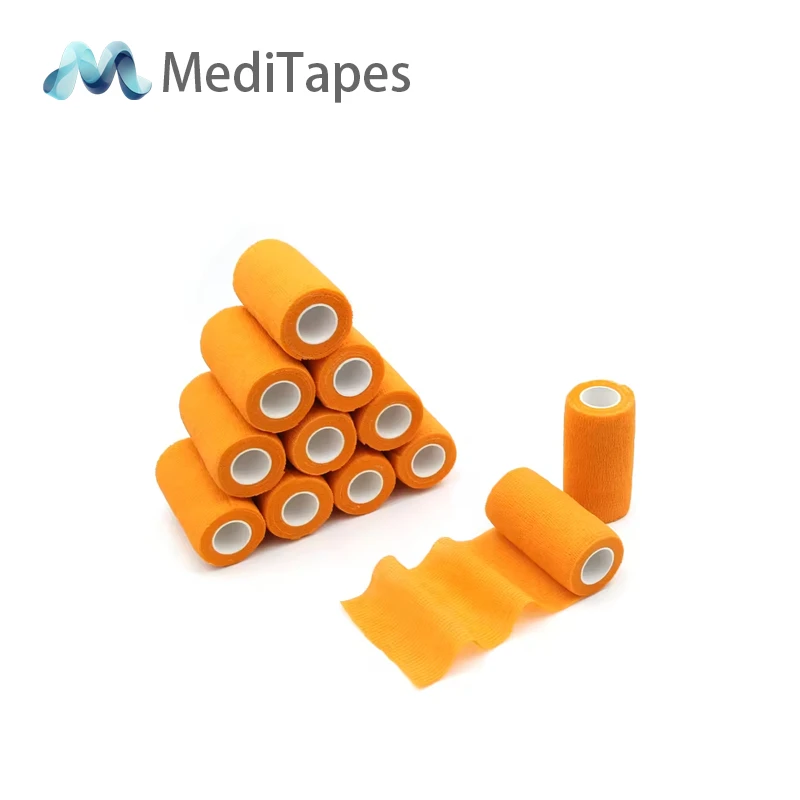
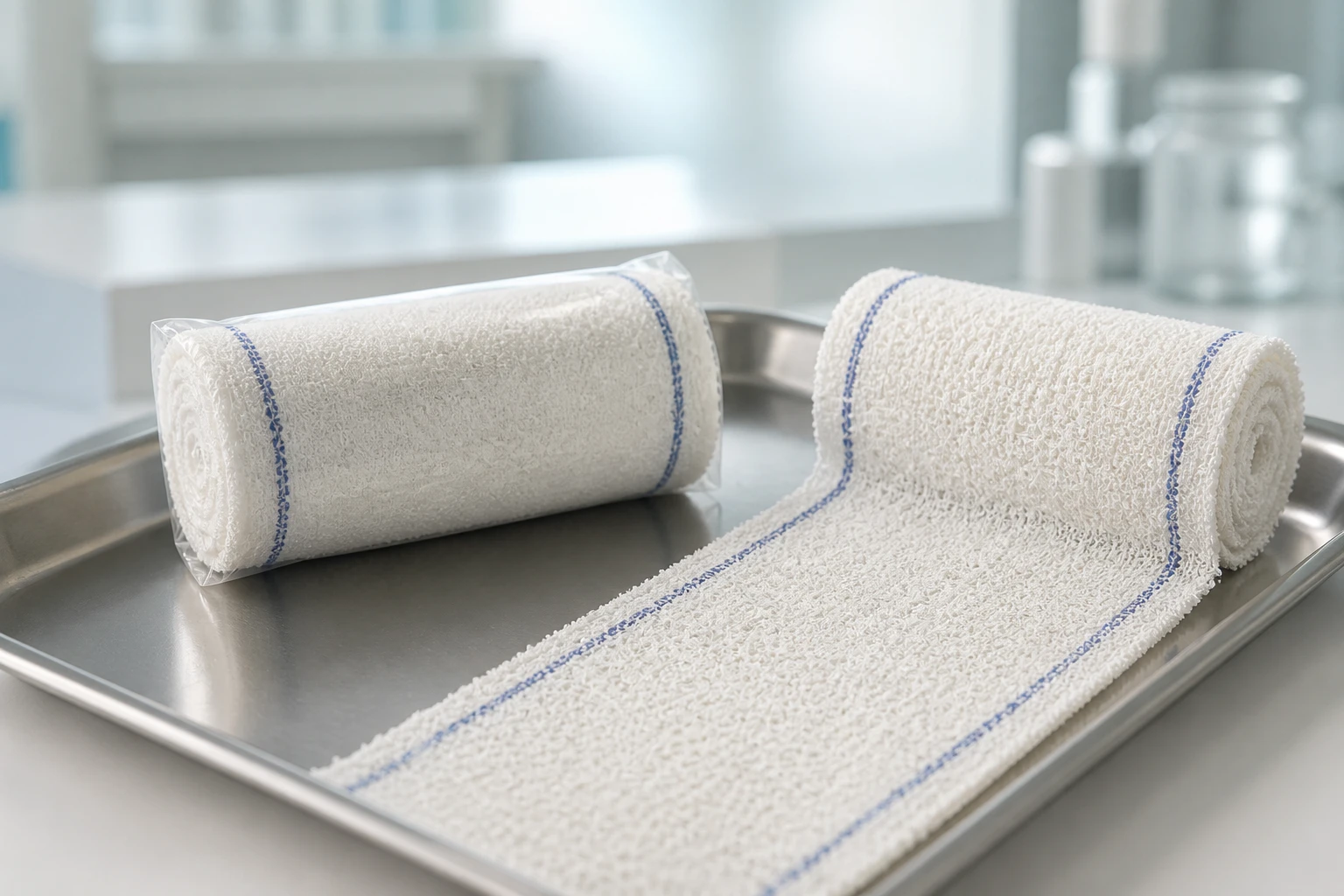
Sterile Non-Woven Cohesive Bandage – First Aid Kit Self Adhesive Wrap
Individually wrapped Sterile Non-Woven Cohesive Bandage for safety. Essential for every first aid kit self-adhesive wrap inventory. Prevents cross-contamination in emergency scenarios. Soft, flexible, and hand-tearable. Stock your kits with our reliable sterile cohesive bandage.
FAQ
Q: Are all latex-free cohesive bandages truly hypoallergenic?
A: Most modern latex-free cohesive bandage products are made with synthetic materials that greatly reduce irritation risks. They’re a solid choice for sensitive skin, but always patch-test if a patient has extreme sensitivities. Our MediTapes options prioritize skin-friendliness.
Q: Do latex-free versions hold up as well as traditional ones?
A: Yep—they stretch, conform, and stick to themselves just as good (or better in some cases). We’ve tested them in real clinics, and they handle compression and support without slipping.
Q: How do these fit with strict procurement rules in Europe or the US?
A: They align perfectly. FDA recommends clear labeling like “Not made with natural rubber latex,” and EU markets love low-allergen products. Switching helps meet compliance and patient safety goals easily.