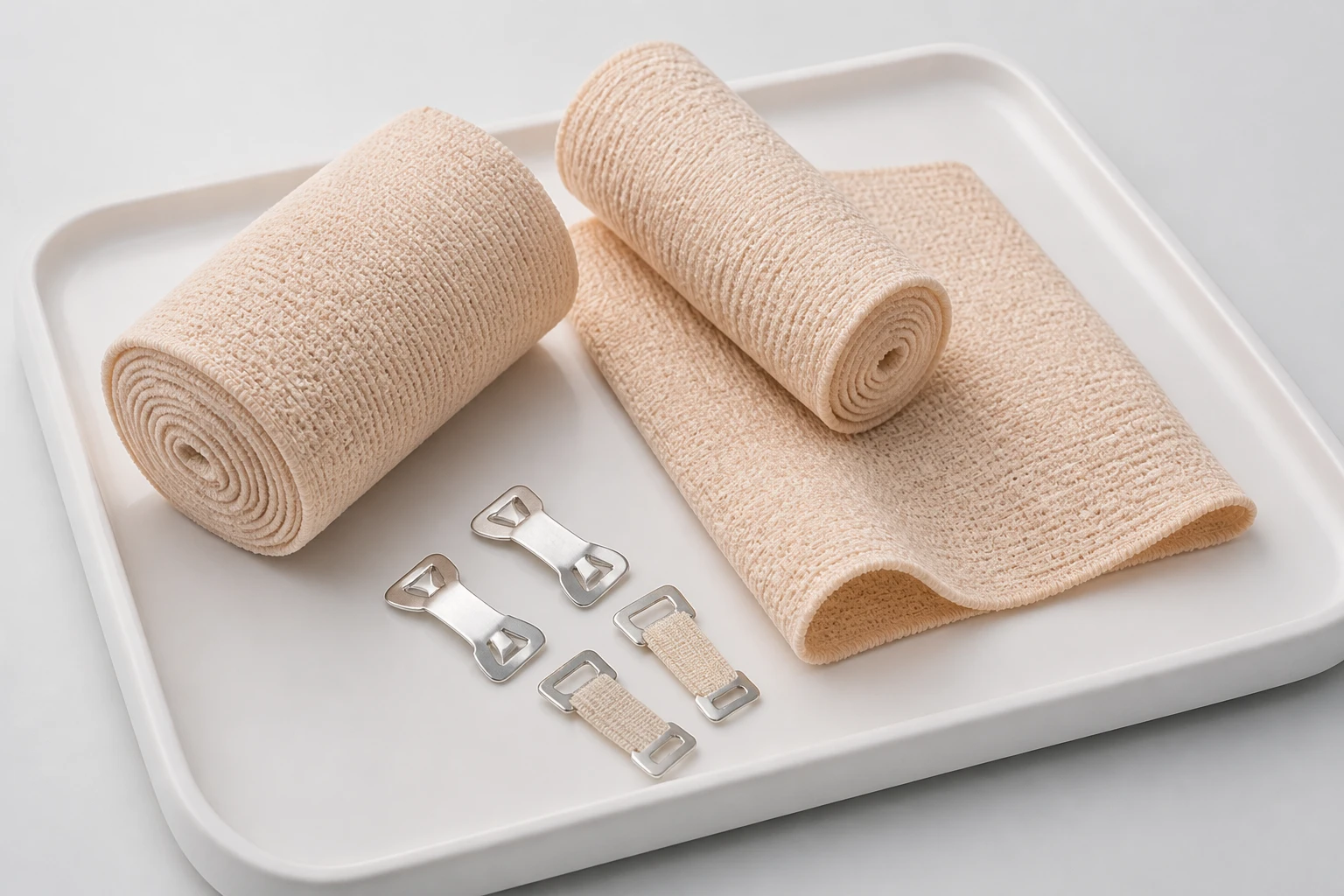
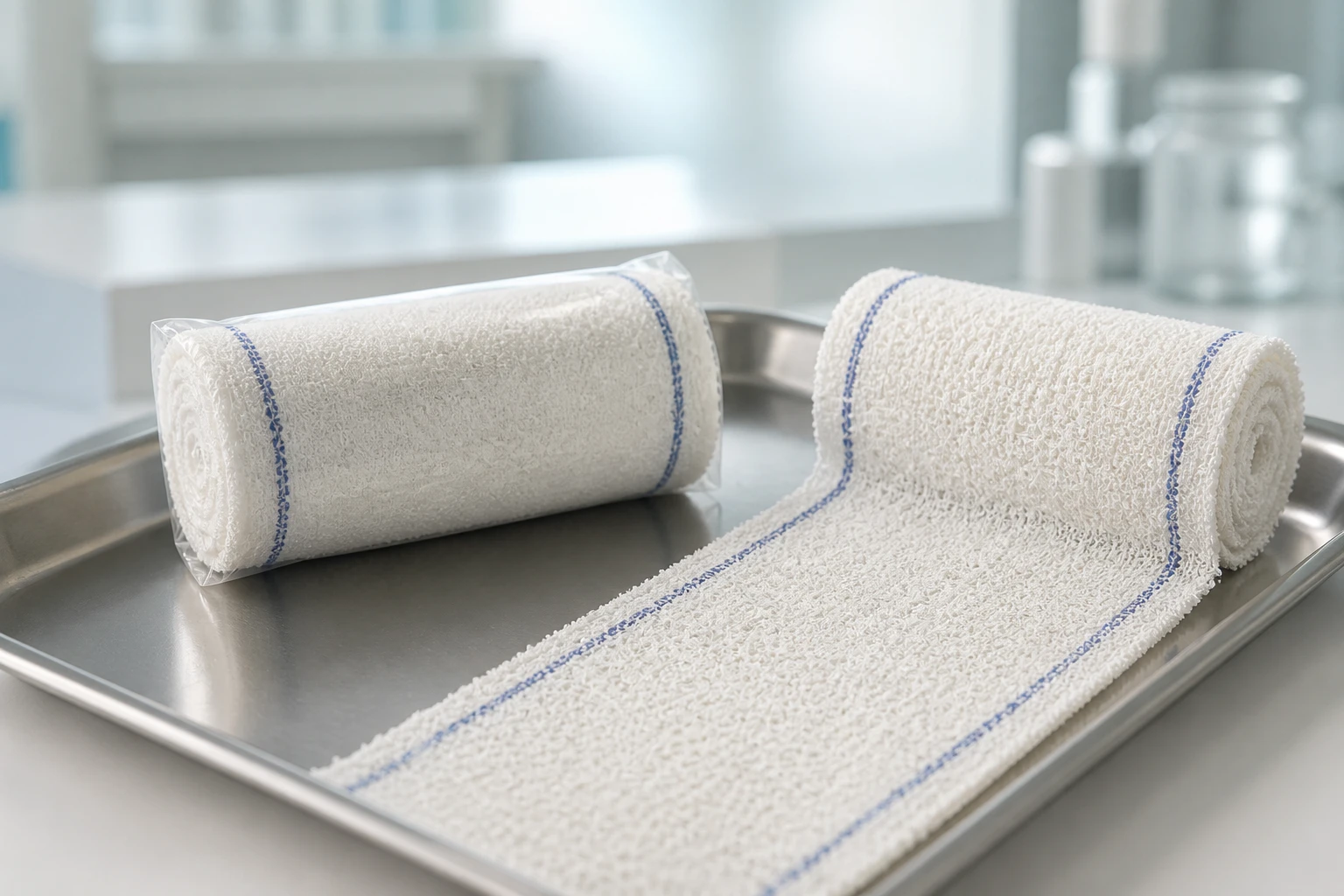
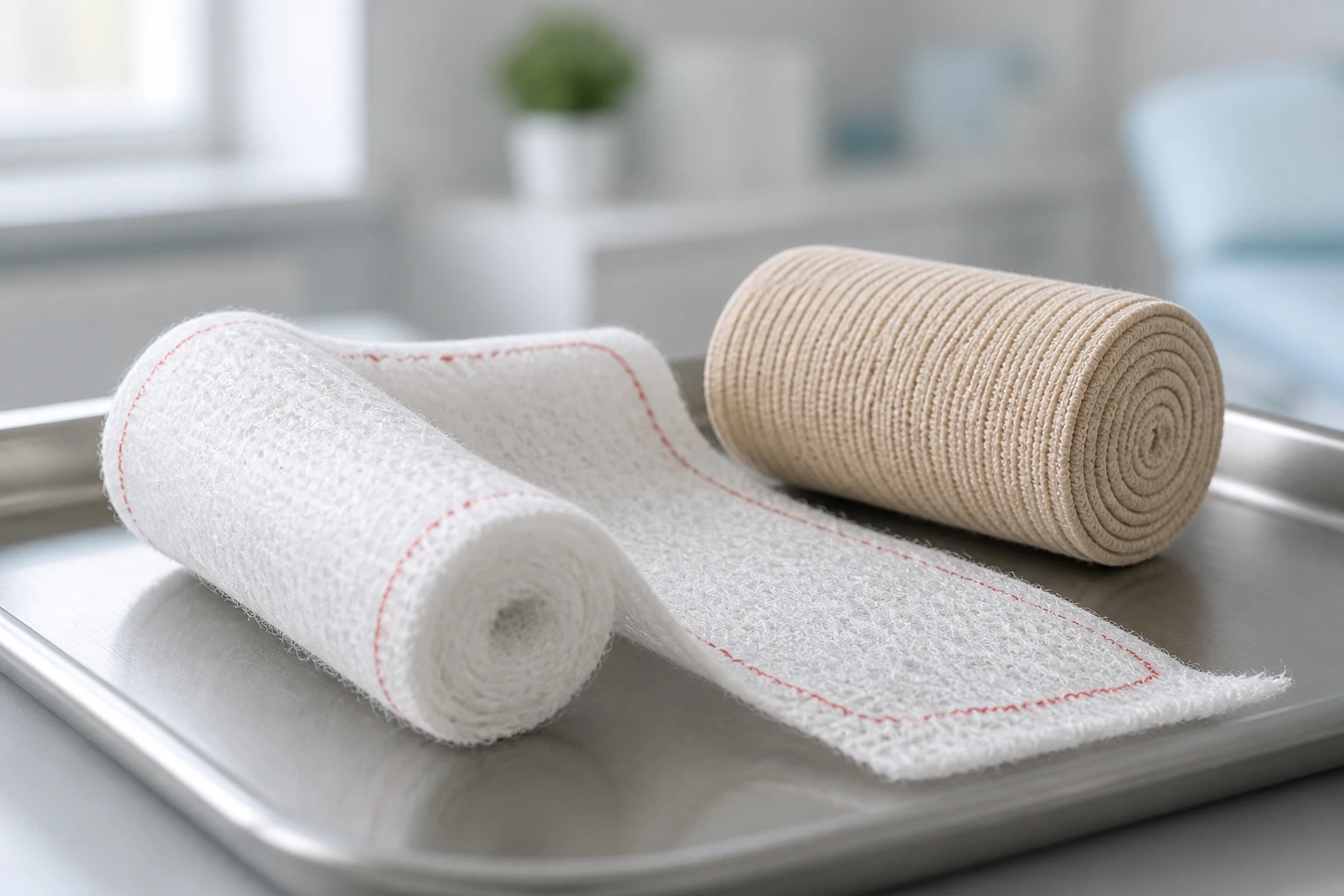
Remember the chaos when COVID first blew up? Hospitals running out of basic stuff like masks, gloves, and even bandages. Nurses reusing gear that was meant for one-time use, prices going through the roof overnight. It was rough, and a lot of folks in healthcare still get nervous thinking about it happening again.
I’ve been around the medical consumables world long enough to see how fragile things can get when a crisis hits. Supply lines stretch across oceans, factories shut down, shipping gets stuck – suddenly you cant get what you need. But it doesnt have to be that way. With some smart planning and the right partners, you can keep things steady. Thats what we’re talking about today – practical ways to maintain medical supply chain stability so you’re not left scrambling next time theres a health emergency.
Why Supply Disruptions Hit So Hard
Health crises dont just bring more patients; they mess with the whole system that gets supplies to you. Take COVID as the big example everyone knows. Early 2020, demand for personal protective equipment skyrocketed while production in major hubs slowed or stopped entirely.
Real numbers paint a grim picture. The U.S. Assistant Secretary for Planning and Evaluation (ASPE) reported that medical device shortages jumped fourfold in the first half of 2020 compared to the yearly average before the pandemic. Normally there were about five ongoing device shortages per year from 2010-2019, but that shot up fast when demand surged.
Prices went wild too. One report from the Global Health Exchange noted isolation gowns spiking over 2,000% and N95 masks up more than 6,000% in just a couple months. Even later into the pandemic, surveys showed 70% of healthcare providers still dealing with shortages.
And it wasnt only PPE. Ventilators, testing supplies, even simple things like adhesive tapes and bandages got hard to find. A lot of that traced back to heavy reliance on single regions for manufacturing – China supplied a huge chunk of global medical goods pre-COVID, and when exports got restricted to prioritize local needs, the ripple effect was massive.
Think about your own setup. If youre running a clinic, hospital, or even a distributor, running low on basics means delayed treatments, stressed staff, and worse patient outcomes. Nobody wants that.
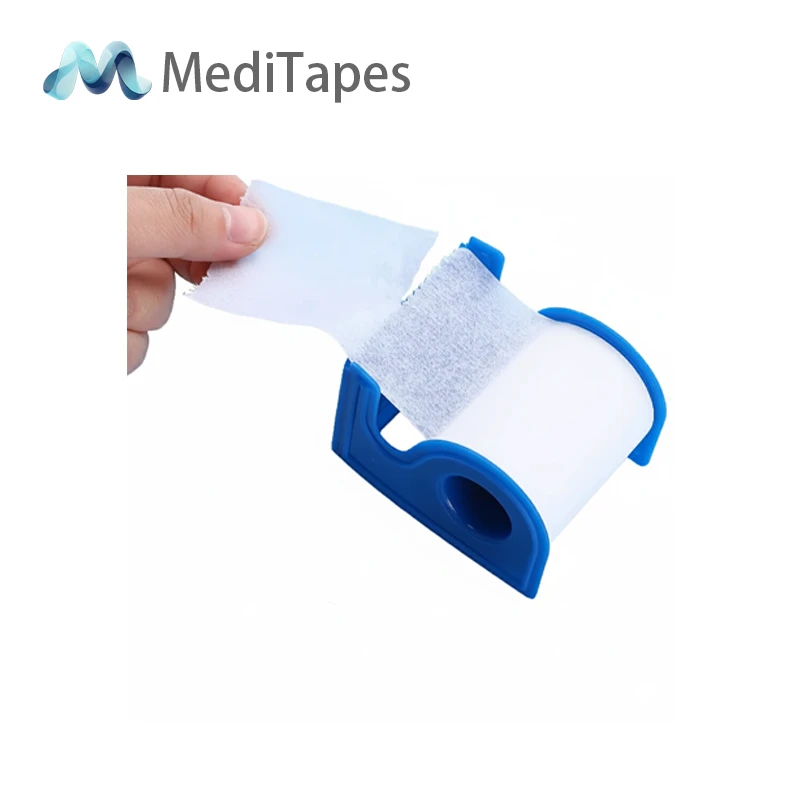
Medical Non-woven Tape Manufacturer | Breathable Surgical Paper Tape
Our Medical Non-woven Tape offers superior breathability and strong adhesion for wound care. This microporous surgical paper tape is hypoallergenic and gentle on sensitive skin. Choose our CE-certified medical non-woven tape for reliable dressing fixation and bulk wholesale supply.
Lessons We Learned the Hard Way
Pandemics and crises arent new, but COVID really drove home how interconnected everything is. Governments and organizations have been studying it ever since, and the takeaways are clear.
The FDA and WHO both highlighted lack of transparency in supply chains as a major weak spot. When you dont know exactly where your stuff is coming from or how much buffer there is, surprises hit harder.
Diversification became the buzzword. Studies showed companies with spread-out suppliers weathered the storm better – they had backups when one source dried up.
Stockpiling got a rethink too. Not just hoarding randomly, but strategic reserves that rotate so nothing expires wasted.
And tech stepped up: better tracking, predictive tools to spot issues early.
But heres the thing – a lot of places still havent fully adapted. Supply chains have improved some, but vulnerabilities linger, especially with ongoing global tensions, natural disasters, and new health threats popping up.
This kind of visual helps see how one break can cascade everywhere.
Practical Strategies to Build Medical Supply Chain Stability
Alright, lets get into what you can actually do. These arent theory; theyre steps we’ve seen work firsthand and backed by post-COVID reports.
Diversify Your Suppliers (Dont Put All Eggs in One Basket)
Relying too much on one country or factory is risky. During COVID, heavy dependence on certain regions led to massive gaps when borders closed or production halted.
The fix? Spread sources around. Mix domestic with international, multiple factories even in the same region.
But diversification isnt just numbers – its quality too. Partner with proven players who have backup plans themselves.
Build Real Relationships with Suppliers
This ones huge. Treat suppliers like partners, not just vendors. Regular communication, fair terms, joint planning – it pays off when things get tight.
Suppliers who know your needs will prioritize you in a crunch. We’ve seen it time and again.

Water Repellent Medical Non-woven Tape | Strong Adhesion Dressing
Experience secure holding power with our water-repellent Medical Non-woven Tape. Perfect for wound dressing in humid conditions, it maintains strong adhesion without compromising breathability. Trust this durable medical non-woven tape to keep IVs and bandages in place securely.
Smart Stockpiling and Inventory Management
Stockpiling got a bad rap sometimes, but done right its a lifesaver. Aim for 3-6 months buffer on critical items, rotating stock to avoid expiry.
Use just-in-time for less urgent stuff, but essentials? Keep extra.
Tech helps here – software that forecasts based on usage patterns and flags low stock early.
Embrace Transparency and Technology
Know your chain inside out. Ask suppliers for visibility into their operations – multiple production sites? Backup power? Contingency plans?
Digital tools like blockchain for tracking or AI for demand prediction are game changers now.
Plan for Bulk Orders Strategically
When you know a crisis might be brewing, placing a bulk bandage order ahead can secure supply and often better pricing. But time it right – too early and storage costs add up, too late and youre competing with everyone else.
| Strategy | Pros | Cons | Best For |
|---|---|---|---|
| Supplier Diversification | Reduces single-point failure risk; access to varied pricing | Higher management effort; varying quality checks | Large hospitals, distributors |
| Strategic Stockpiling | Immediate availability in crisis | Storage costs; expiry risk if not rotated | Clinics with space, essential items |
| Strong Supplier Relationships | Priority allocation; better terms | Takes time to build | Long-term buyers |
| Tech-Driven Transparency | Early warning; efficient ordering | Initial setup cost | Modern facilities |
| Bulk Ordering | Cost savings; secured volume | Needs accurate forecasting | Seasonal or crisis prep |
Finding a Reliable Tape Manufacturer in China
China still dominates medical consumables production – things like adhesive tapes, bandages, wound dressings. But reliability varies hugely.
Post-COVID, smart buyers look for manufacturers with proven resilience: multiple factories, robust quality controls, quick adaptation during disruptions.
As a reliable tape manufacturer in China, MediTapes has been through the wringer and come out stronger. We’ve invested in redundant production lines, local raw material sourcing where possible, and direct shipping options to bypass common bottlenecks.
Our tapes – medical-grade, hypoallergenic, strong adhesion – held up when others faltered. Clients told us they never ran dry even at peak COVID demand because we ramped production and honored commitments.
Real-World Examples (Without Naming Names)
One mid-sized hospital chain we worked with was burning through tapes and bandages faster than usual in 2020. Their usual supplier couldnt deliver – factory issues overseas.
They reached out, we prioritized their bulk bandage order, shipped direct in weeks instead of months. They avoided rationing and kept procedures running smooth.
Another distributor faced price gouging from panicked markets. Switching to steady partners like us locked in fair rates and consistent supply, letting them serve clients without passing massive hikes.
A clinic group built a 4-month buffer on our tapes before a predicted surge – turned out smart when local shortages hit. No disruptions for them.
These arent miracles; just solid planning with dependable backing.
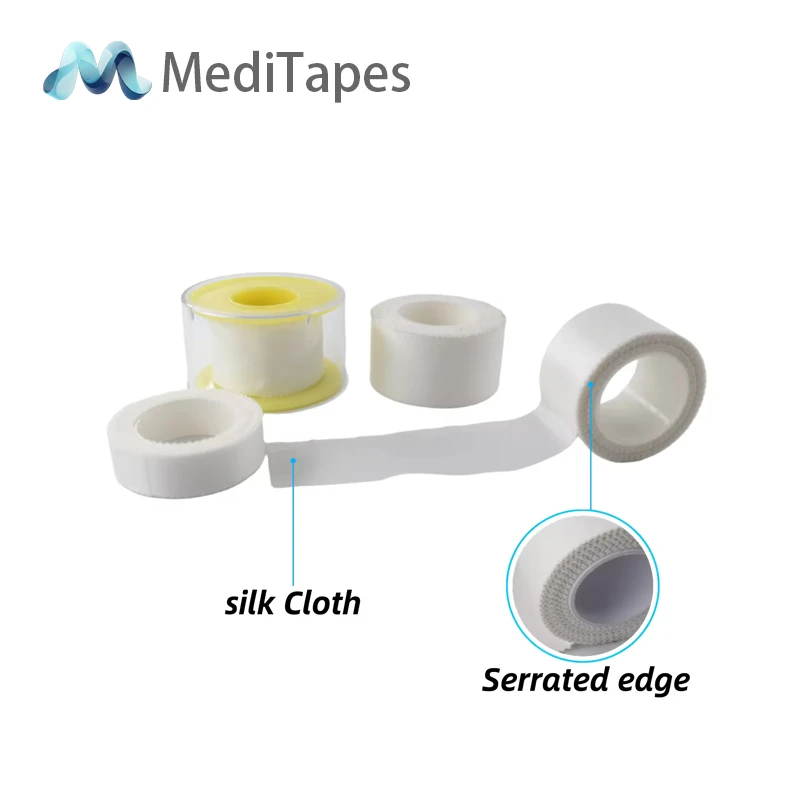
Durable Silk Surgical Tape – Latex-Free, Breathable & Skin-Friendly for Secure Dressing Fixation
Our Durable Silk Surgical Tape is meticulously designed for optimal patient comfort and secure dressing fixation. This premium silk surgical tape is latex-free and highly breathable, minimizing skin irritation and allowing for extended wear. It features strong, reliable adhesion suitable for securing a wide range of medical dressings, catheters, and tubes. Ideal for post-operative care and general wound management, this medical silk tape ensures a firm hold without compromising skin integrity. Enhance patient care with our skin-friendly and effective solution.
Why Medical Supply Chain Stability Matters Long-Term
Beyond crises, stable supply means lower stress, better budgeting, happier staff. You can focus on patients instead of chasing orders.
The medical tapes and bandages market keeps growing – projections show it hitting over $11 billion soon, driven by aging populations and more procedures. But growth brings pressure; only resilient chains thrive.
At MediTapes, we’ve seen demand steady even through ups and downs because we prioritize stability. Multiple sites across regions, quality certs like ISO and CE, direct client support.
Frequently Asked Questions
What causes most medical supply disruptions in crises?
Usually a mix: sudden demand spikes, production halts (lockdowns, disasters), export restrictions, shipping delays. COVID combined all those – demand up huge while key manufacturing regions prioritized local needs.
How do I know if a supplier is truly reliable?
Look for track record during past disruptions, multiple production sites, transparent communication, quality certifications. Ask direct: what’s your contingency plan? Good ones have clear answers.
Is sourcing from China still safe after COVID lessons?
Absolutely, if you pick right. Many Chinese manufacturers learned hard lessons too – invested in resilience. A reliable tape manufacturer in China can offer cost advantages plus stability when they have backups built in.
Should I stockpile everything?
No, focus on critical consumables you use most – tapes, bandages, gloves. Rotate stock, use FIFO (first in, first out) to avoid waste.
How far ahead should I plan bulk orders?
Depends on lead times, but 3-6 months notice for large volumes helps secure production slots, especially if tensions rise.

Flexible PU Film Retention Roll – Waterproof IV & Cannula Fixation
Ensure stability with our Flexible PU Film Retention Roll, specifically engineered for Waterproof IV & Cannula Fixation. The ultra-thin polyurethane film acts as a bacteria barrier, reducing infection risks. Its elasticity allows patients full range of motion, making it a staple for post-operative care and catheter security.
Wrapping It Up – Take Action Now
Waiting for the next crisis to fix your supply chain is like waiting for rain in a drought. Start small: audit your current suppliers, identify weak spots, reach out to proven partners.
If youre worried about tapes, bandages, or other consumables holding up next time, lets talk. Drop us a line at info@meditapes.com or head over to our contact page. We can chat about your needs, quotes for bulk orders, whatever helps you feel secure.
Medical supply chain stability isnt luck – its choices made ahead of time. Make yours today.