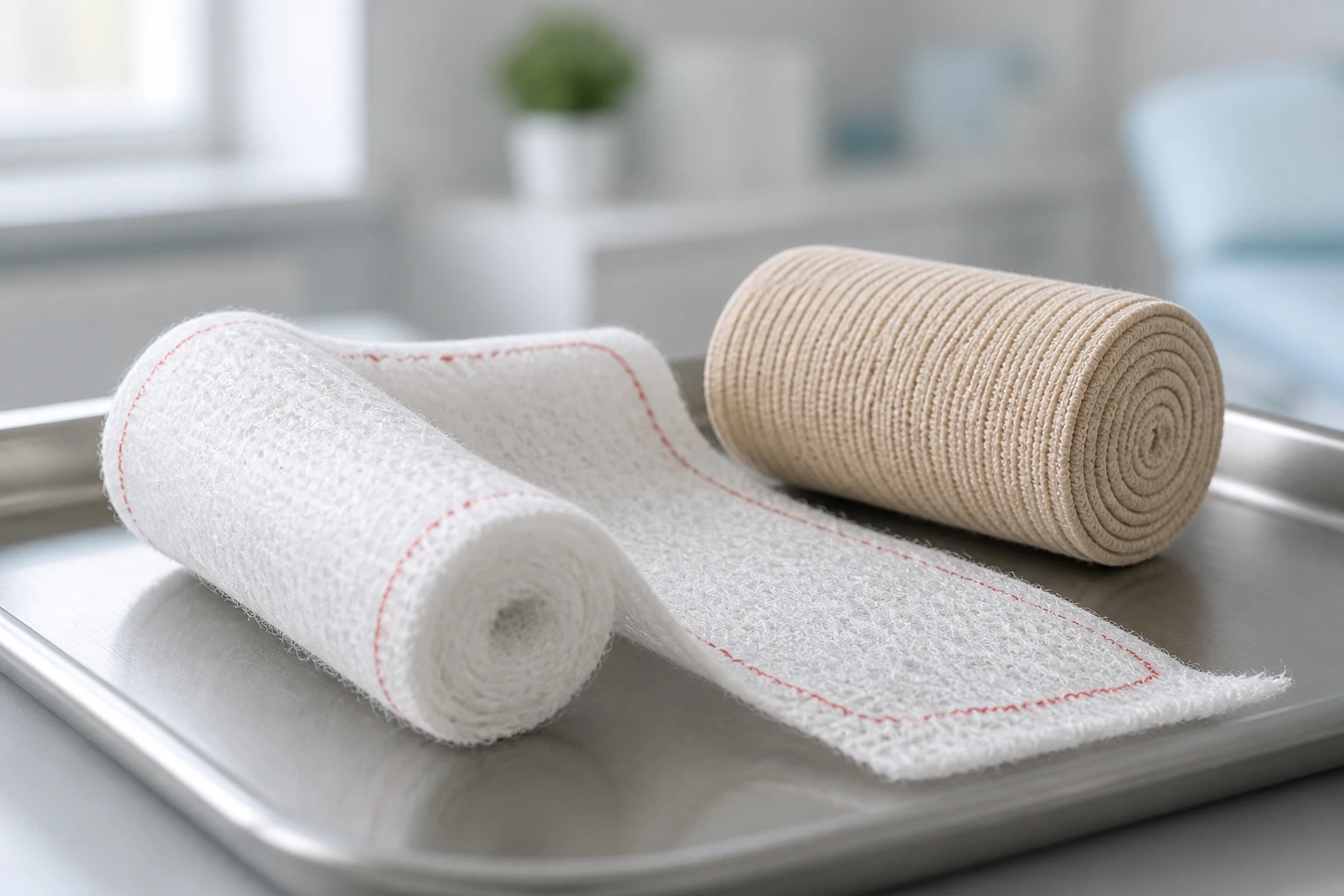
Picture this: you’re in the operating room, everything’s going smooth, and then suddenly a patient starts itching like crazy or worse, has a full-blown reaction. Turns out, it could be something as simple as the tape holding things in place. Yeah, latex allergies are no joke, even today. I’ve dealt with medical supplies for years, and switching to latex-free options has been a game-changer for so many facilities.
These days, more hospitals are going latex-free to keep everyone safe – patients, nurses, doctors, you name it. And that’s where latex-free surgical foam tape comes in. It’s soft, sticks well, but doesn’t cause those nasty reactions. If you’re looking for something reliable that meets all the hypoallergenic tape standards, this is it.
Why Latex Allergies Still Matter in Healthcare
You’d think with all the advances, latex issues would be ancient history. But nope – they’re still around. Back in the 90s, when everyone started wearing gloves like crazy because of bloodborne pathogens, latex allergies spiked hard.
According to data from sources like the CDC and NIOSH, around 8-17% of healthcare workers have some level of latex sensitivity. For the general population, it’s lower – about 1-6%, but in hospitals, exposure adds up quick. One study showed sensitization rates up to 9.7% in healthcare pros compared to 4.3% overall.
Patients can get hit too, especially kids with multiple surgeries or folks with certain conditions. Even a small reaction from tape can turn a routine procedure into a headache. Red skin, hives, swelling – or in rare bad cases, anaphylaxis. That’s why medical safety starts with ditching latex where possible.
What Exactly Is Latex-Free Surgical Foam Tape?
So, let’s break it down simple. Regular surgical tape might have natural rubber latex, which comes from tree sap and has proteins that trigger allergies in some people.
Latex-free foam tape? It’s made without that stuff. Usually from synthetic materials or other safe alternatives, with a cushy foam backing that conforms to skin nicely. It’s stretchy, breathable, and holds dressings secure without pulling hairs or irritating.
Hypoallergenic tape means it’s designed to minimize irritation – gentle adhesive, no harsh chemicals. Perfect for sensitive skin, post-op wounds, or long-term use.
At MediTapes, we’ve focused on making our heavy-duty surgical foam tape roll fully latex-free. It’s tough enough for demanding situations but kind on patients.
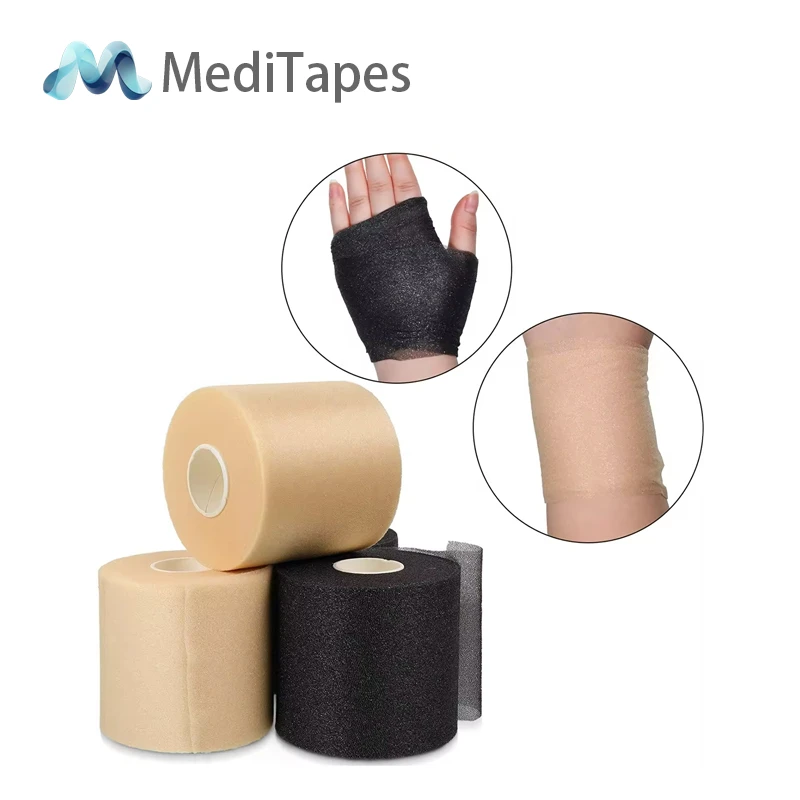
Heavy Duty Surgical Foam Tape Roll – Compression & Secure Fixation
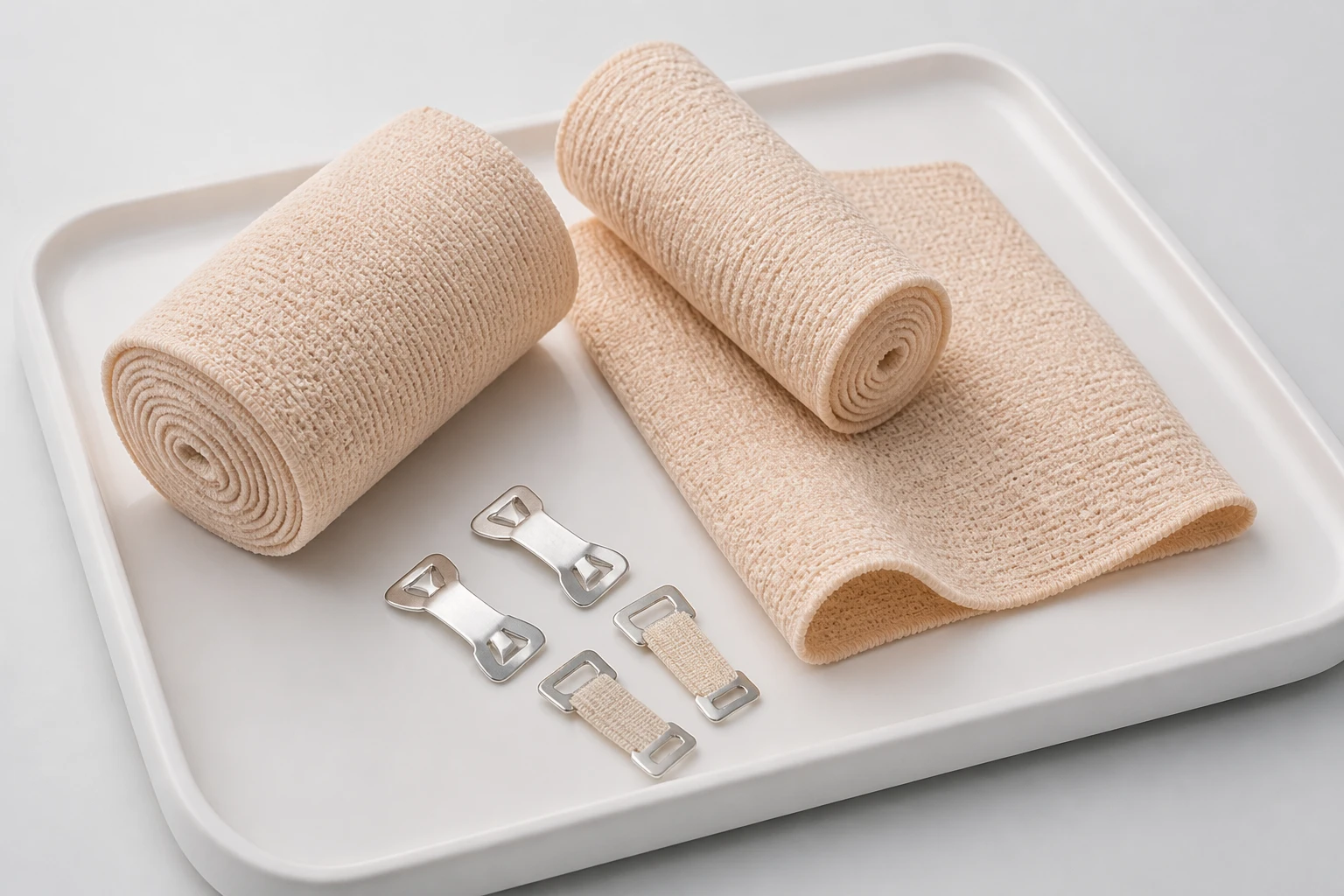
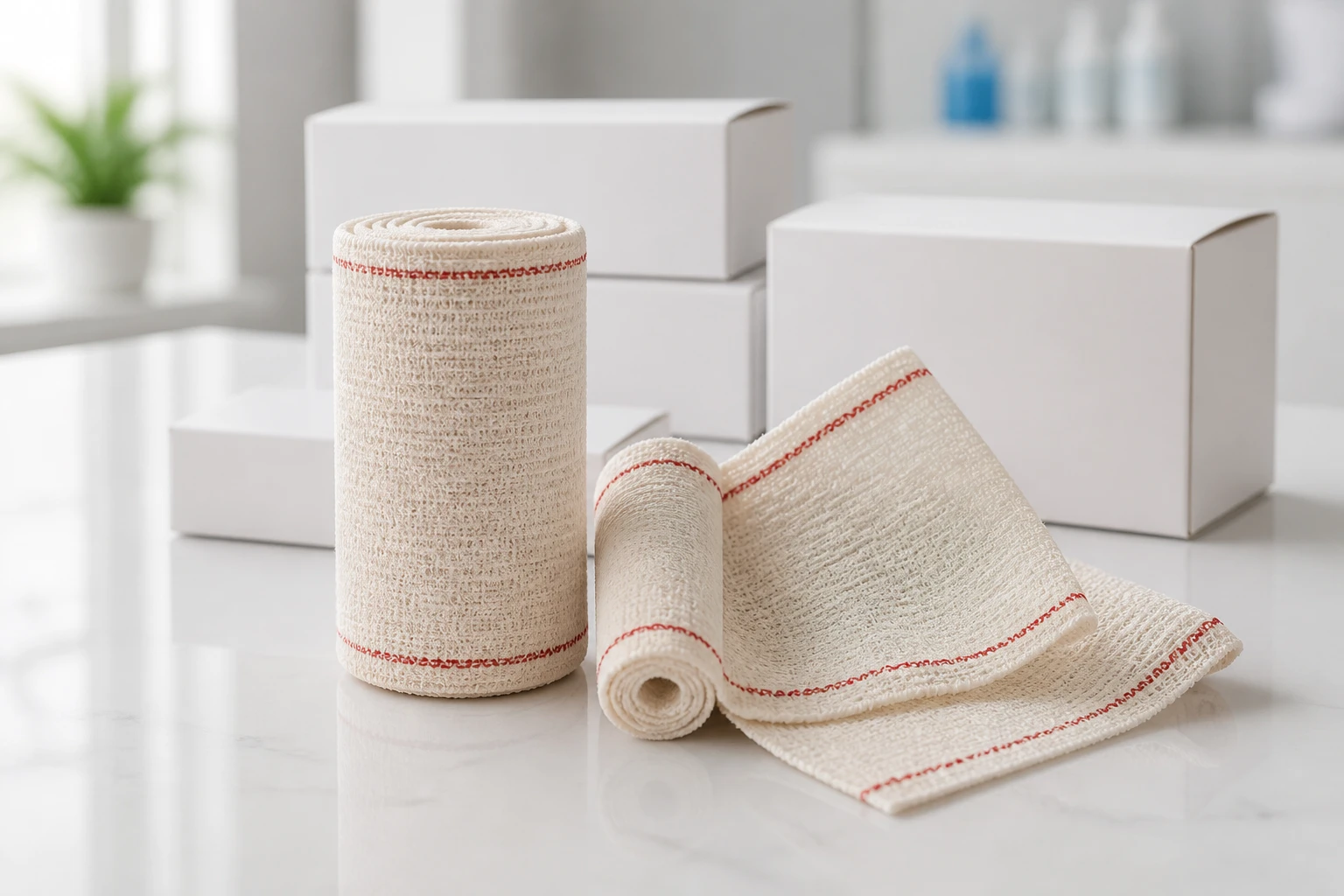
Engineered for high compression, our Heavy Duty Surgical Foam Tape ensures secure fixation for post-surgical dressings. This durable surgical foam tape roll stretches to reduce swelling and edema. A reliable solution for hospitals needing robust dressing retention on mobile areas.
Key Benefits of Switching to Hypoallergenic Tape
Alright, why bother switching? Plenty of reasons.
First off, patient comfort. No one wants red, itchy skin after surgery. Latex-free foam tape removes gently, reduces trauma, and lets skin breathe. That means faster healing, less complaints.
For staff? Less worry about their own reactions. Healthcare workers get exposed all day – gloves, tapes, tubing. Going latex-free cuts down on dermatitis or worse.
Then there’s compliance. Hospitals have to meet standards, and many aim for latex-safe environments. FDA guidance pushes clear labeling like “Not made with natural rubber latex” to avoid confusion.
Benefits include:
- Reduced allergic reactions
- Better adhesion on tricky spots (like joints)
- Waterproof options for showers or sweat
- Cost savings long-term from fewer complications
Here’s a quick comparison table to make it clearer:
| Feature | Traditional Latex Tape | Latex-Free Surgical Foam Tape |
|---|---|---|
| Allergy Risk | High (8-17% in healthcare workers) | Very low – hypoallergenic |
| Skin Irritation | Common, especially prolonged use | Minimal, gentle removal |
| Breathability | Varies | High, foam allows air flow |
| Adhesion Strength | Strong, but can tear skin | Secure yet easy off |
| Compliance Friendly | May need warnings | Meets modern hospital latex-safe policies |
| Cost Over Time | Higher due to reactions/treatments | Lower complications |
From what I’ve seen, facilities that switch notice fewer incidents right away.
How Latex-Free Foam Tape Supports Medical Safety and Hospital Rules
Hospitals aren’t just choosing this for fun – it’s about staying compliant and safe.
OSHA and NIOSH recommend reducing latex exposure where possible. Many places have gone powder-free or fully latex-free gloves, and tapes follow suit.
FDA has guidance on labeling to inform users properly. Claims like “latex-free” are discouraged now because traces can sneak in processing, but “not made with natural rubber latex” is the gold standard.
In practice, using hypoallergenic tape helps meet Joint Commission standards or internal policies for allergen-free zones. Especially in peds, ortho, or allergy-prone departments.
One anonymous story from a mid-sized hospital: they had recurring issues with post-op rashes blamed on dressings. Switched to latex-free options across the board, including our foam tape at MediTapes, and those complaints dropped dramatically. Nurses loved it too – no more worrying about their own hands.
Another scenario I’ve heard: emergency rooms dealing with unknown patient histories. Better safe with latex-free everything.

Real-Life Applications for Latex-Free Surgical Foam Tape
This stuff gets used everywhere.
In surgery: securing dressings over incisions, holding tubes, or padding bony areas.
Wound care clinics: for chronic ulcers, where tape stays on days or weeks.
IV sites: gentle hold without pulling when removed.
Even athletics or home care – but in medical settings, it’s clutch.
Think about a patient with delicate skin after radiation. Regular tape might cause blisters; foam latex-free version cushions and protects.
Or in NICU: tiny babies with super sensitive skin. Hypoallergenic is non-negotiable.
We’ve had feedback from customers using our heavy-duty surgical foam tape roll in ortho surgeries – holds strong on casts or splints but peels off easy later.
Tips for Choosing the Best Latex-Free Foam Tape
Not all tapes are equal. Look for:
- Confirmed latex-free (check labels)
- Good stretch and conformability
- Hypoallergenic adhesive
- Sizes that fit your needs (rolls, patches)
- Reputable supplier
At MediTapes, we prioritize quality materials that meet strict standards. Our tapes are designed with real-world feedback – strong when you need it, gentle always.
If you’re stocking up or testing options, check out our full range at https://meditapes.com/.
Common Scenarios Where Latex-Free Makes a Difference
Busy ER: patient comes in with unknown allergies. Use latex-free tape – no risks.
Long-term care: elderly folks with thin skin. Foam padding prevents tears.
Pediatric wards: kids react stronger sometimes. Safer all around.
One case (kept anonymous): a surgical team noticed a patient swelling during a procedure. Traced to old stock tape with latex. After that, full switch – no repeats.
Stuff like that sticks with you. Better to prevent than deal with aftermath.
Why MediTapes Stands Out for Medical Safety
We’ve been in this space a while, focusing on tapes that actually work without drama. Our latex-free surgical foam tape is built heavy-duty but patient-friendly.
It’s hypoallergenic, conforms great, and holds up in moist conditions. Hospitals trust us because we deliver consistent quality.
Want samples or a quote? Easy – drop us a line at info@meditapes.com or hit the contact page.
We’re here to help make your facility safer.
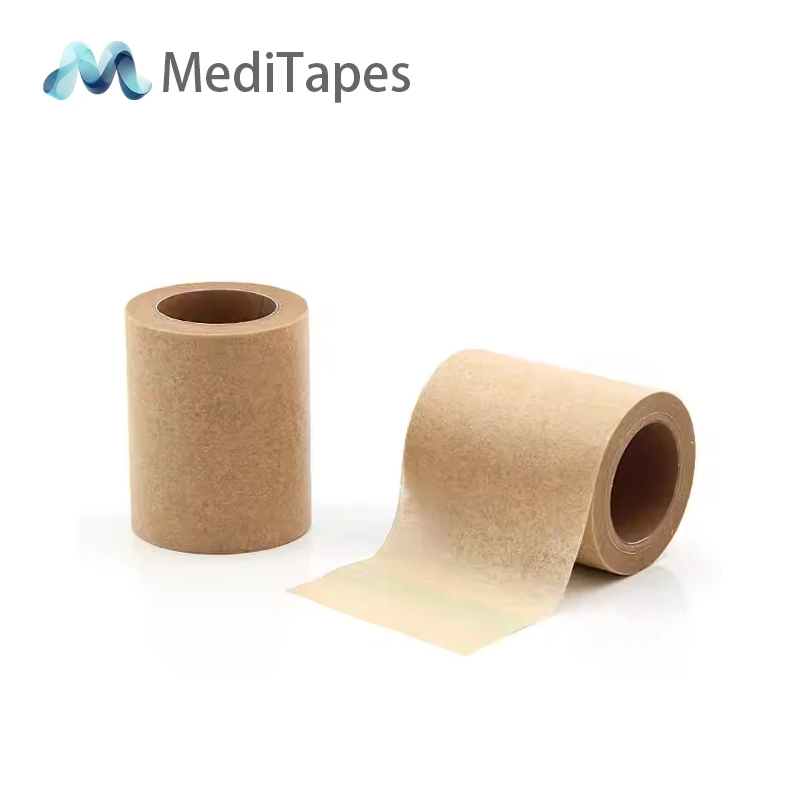
Soft Elastic Surgical Foam Tape – Multi-Direction Stretch Bulk
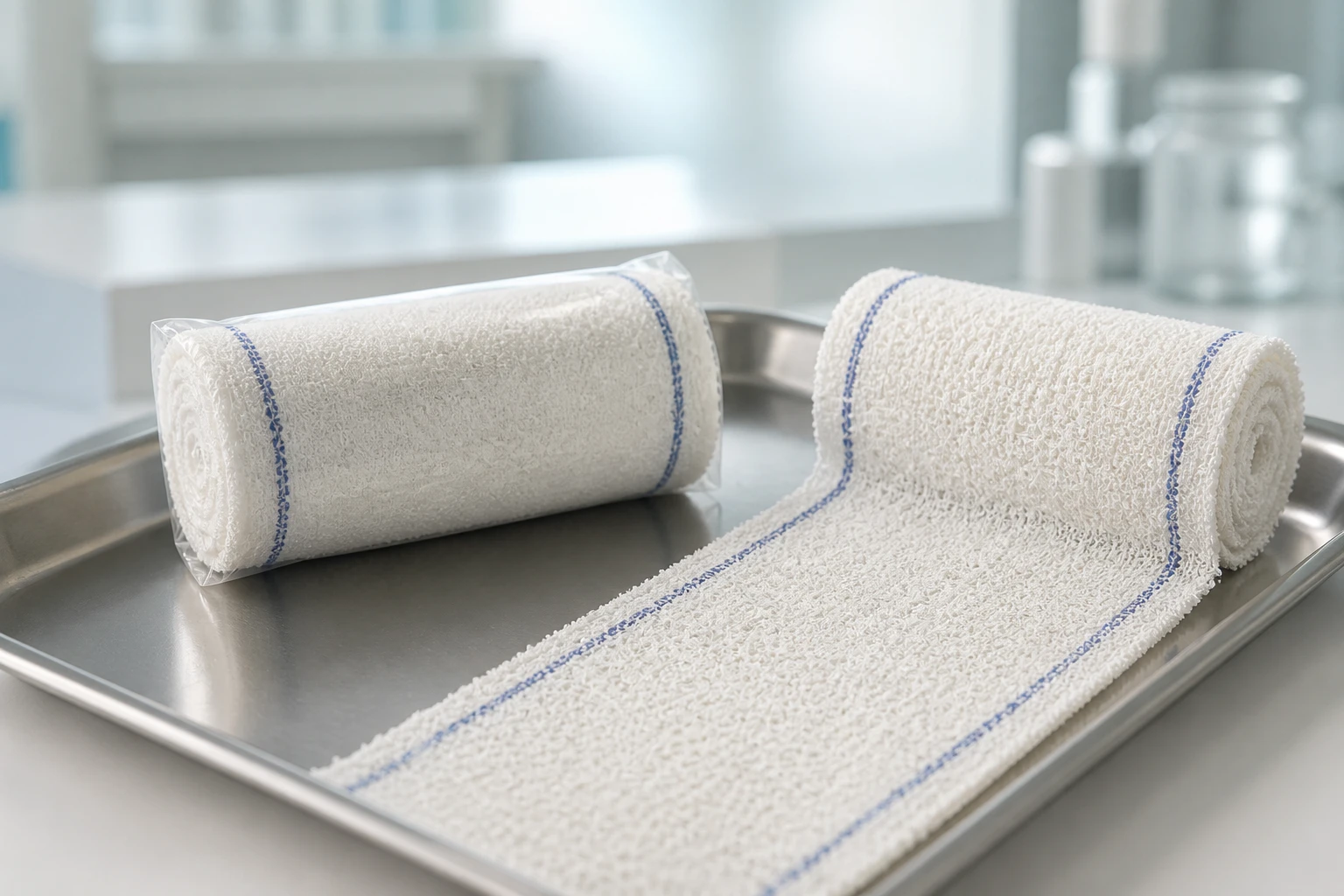
Sourcing Soft Elastic Surgical Foam Tape in bulk? Our tape features multi-direction stretch to accommodate swelling. This soft, conformable surgical foam tape adheres well even on damp skin. Perfect for B2B buyers seeking cost-effective, high-quality medical consumables.
Wrapping It Up: Prioritize Patient Safety with the Right Tape
Bottom line – latex allergies aren’t going away completely, but you can minimize risks big time with latex-free surgical foam tape.
It boosts medical safety, keeps skin happy, and helps compliance without hassle.
If you’re ready to upgrade or just curious, reach out to MediTapes today. We’d love to chat about your needs or send info on our products.
Your patients (and staff) will thank you.
Frequently Asked Questions About Latex-Free Surgical Foam Tape
Is all surgical foam tape automatically latex-free?
No, not always. Some older or cheaper versions might still have natural rubber. Always check the label for “not made with natural rubber latex” or similar. Our stuff at MediTapes is 100% latex-free.
How do I know if a patient has latex allergy before using tape?
Ask about history – reactions to balloons, gloves, etc. If unsure, go latex-free to be safe. Better prevent than treat.
Can hypoallergenic tape still cause irritation?
Rarely, but possible if someone sensitive to adhesives generally. Foam versions are usually the gentlest. Test a small area if worried.
What’s the shelf life like for these tapes?
Usually 3-5 years if stored cool and dry. Check packaging.
Where can I get reliable latex-free options in bulk?
Right here – visit https://meditapes.com/ or contact us at info@meditapes.com for quotes.