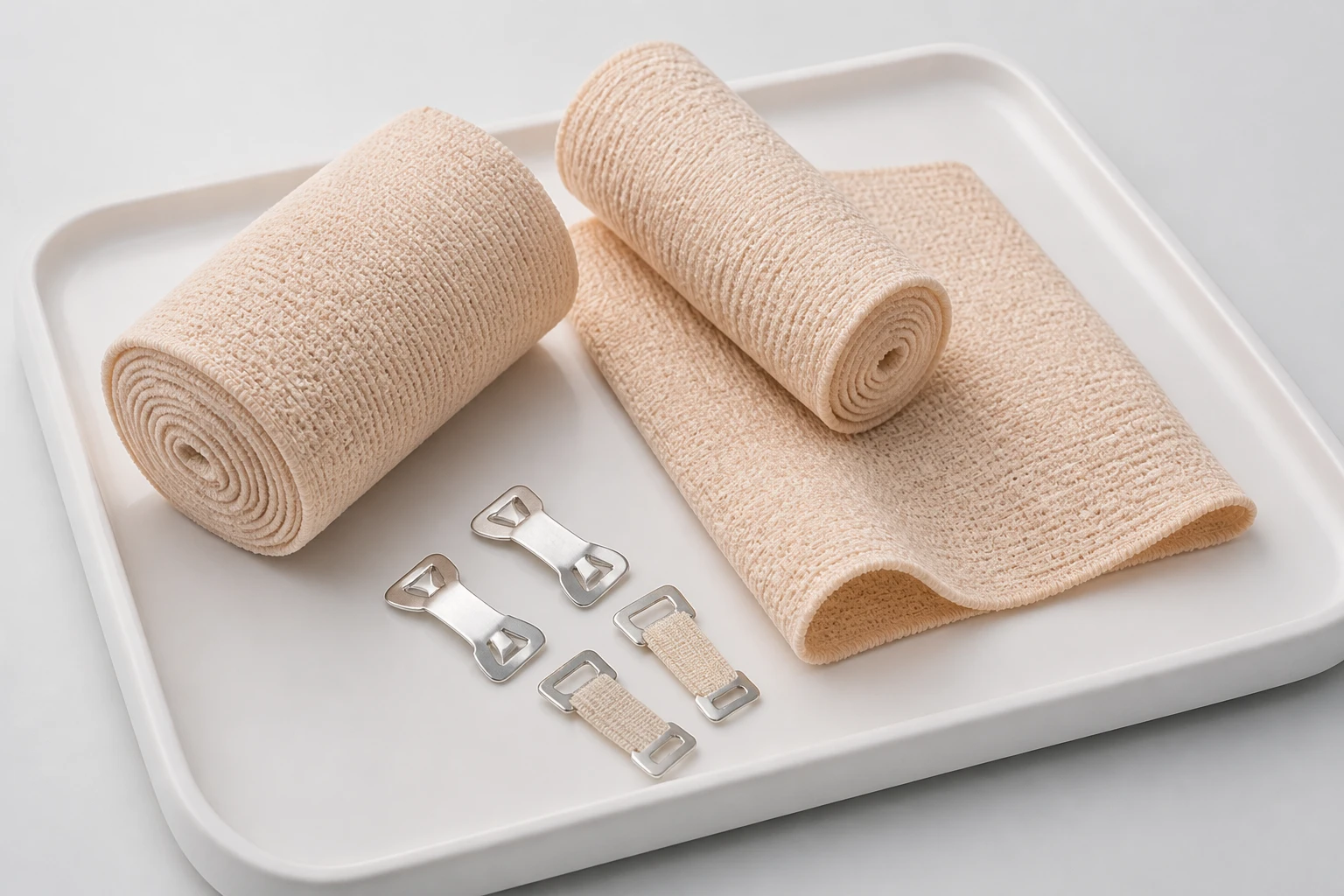
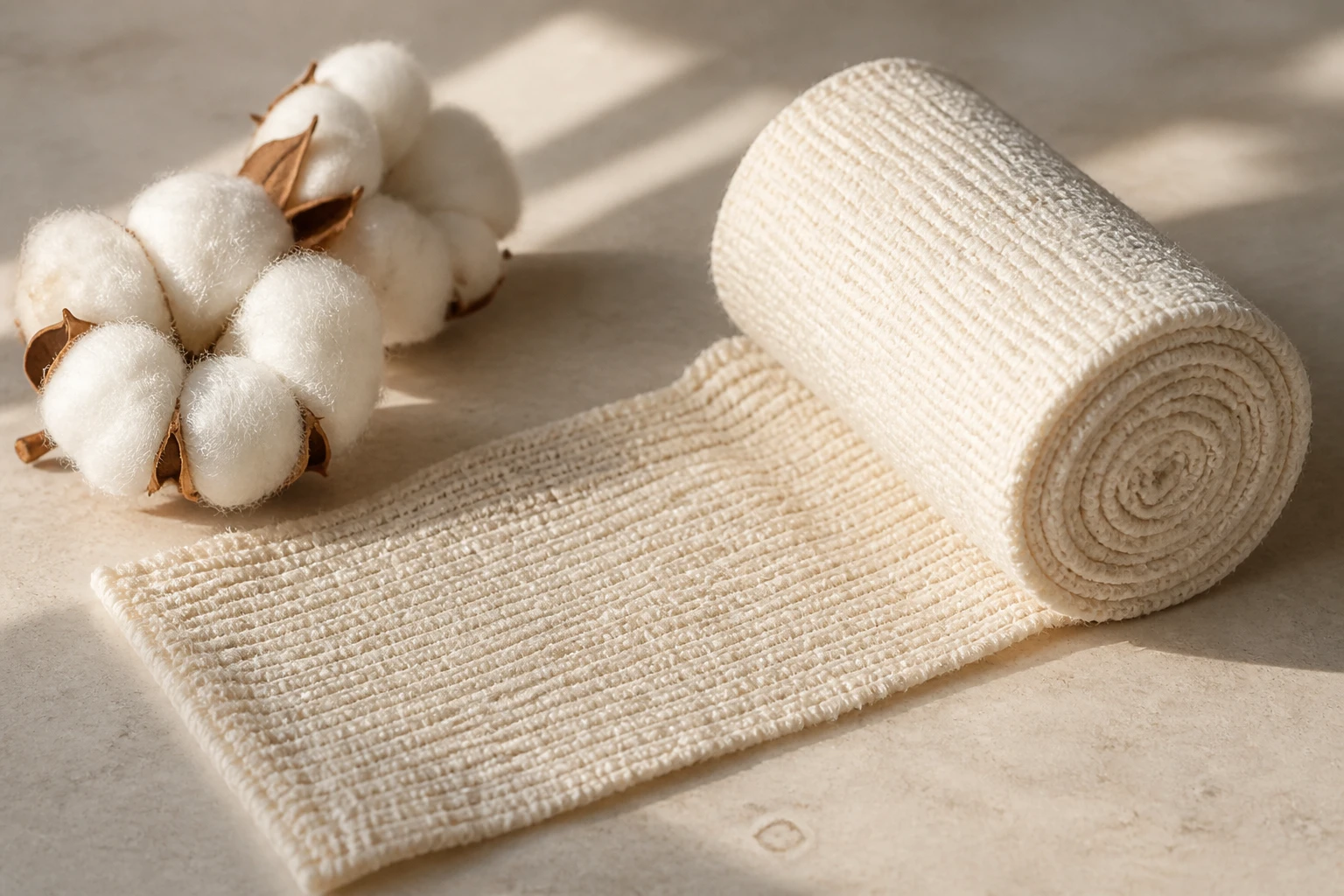
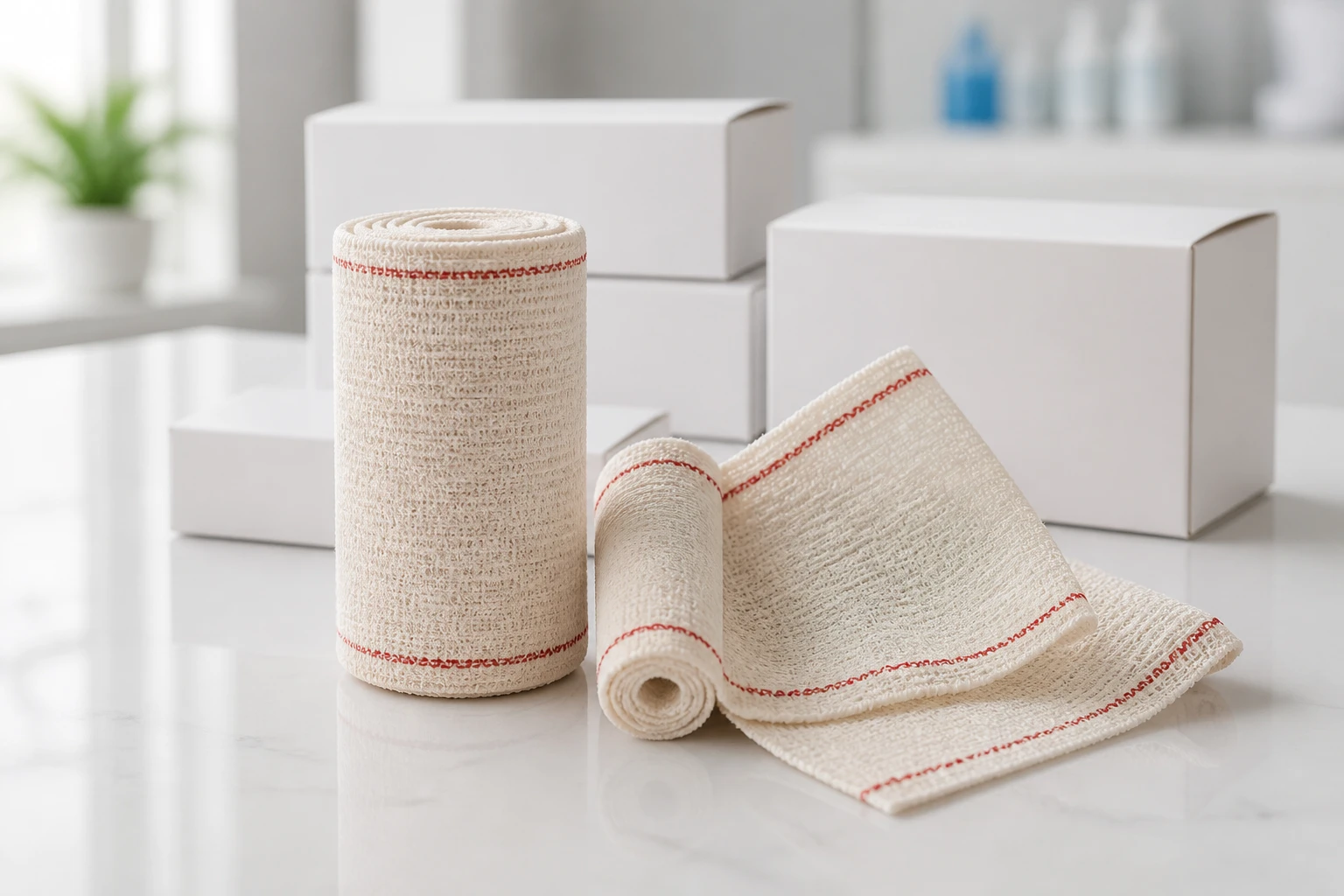
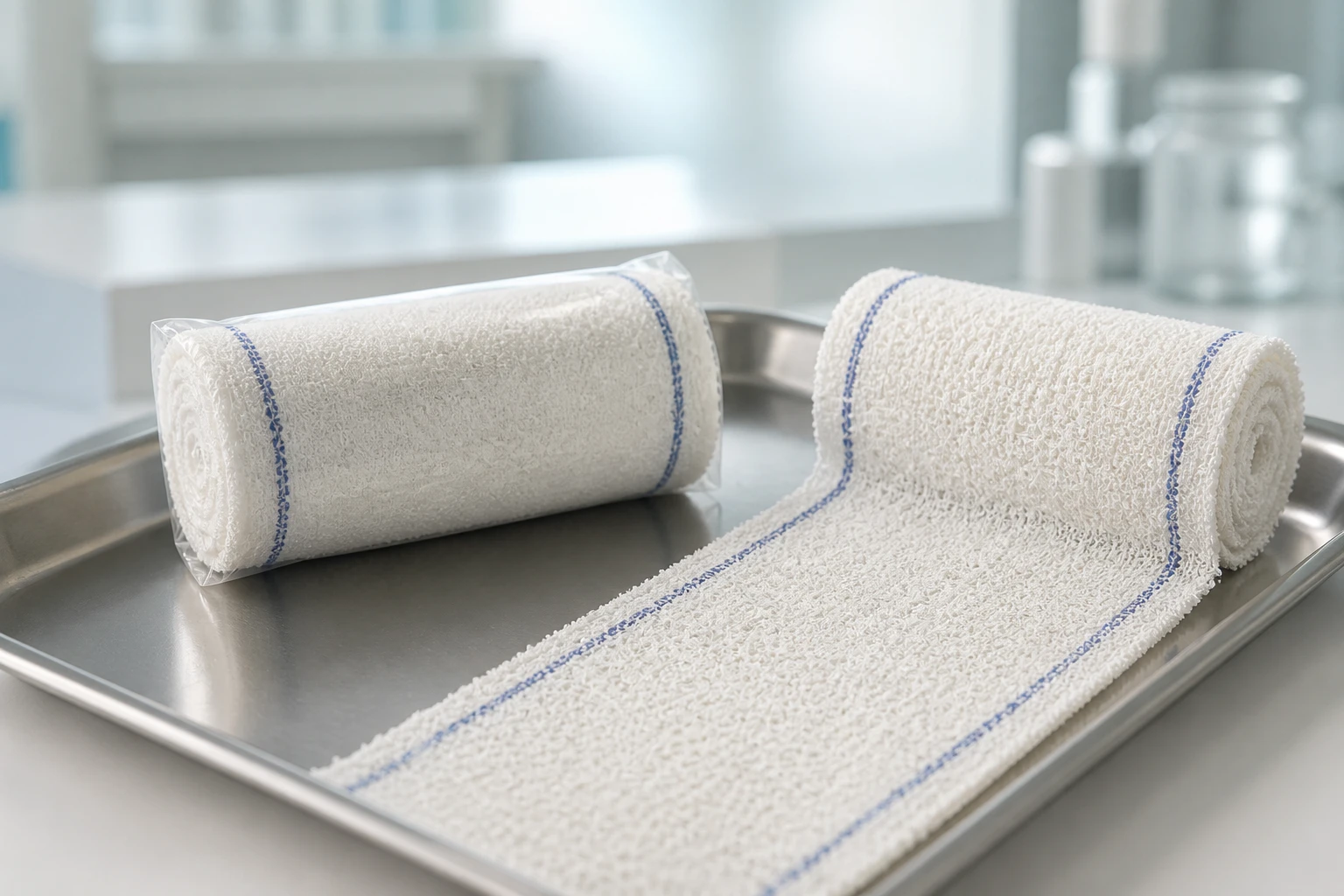
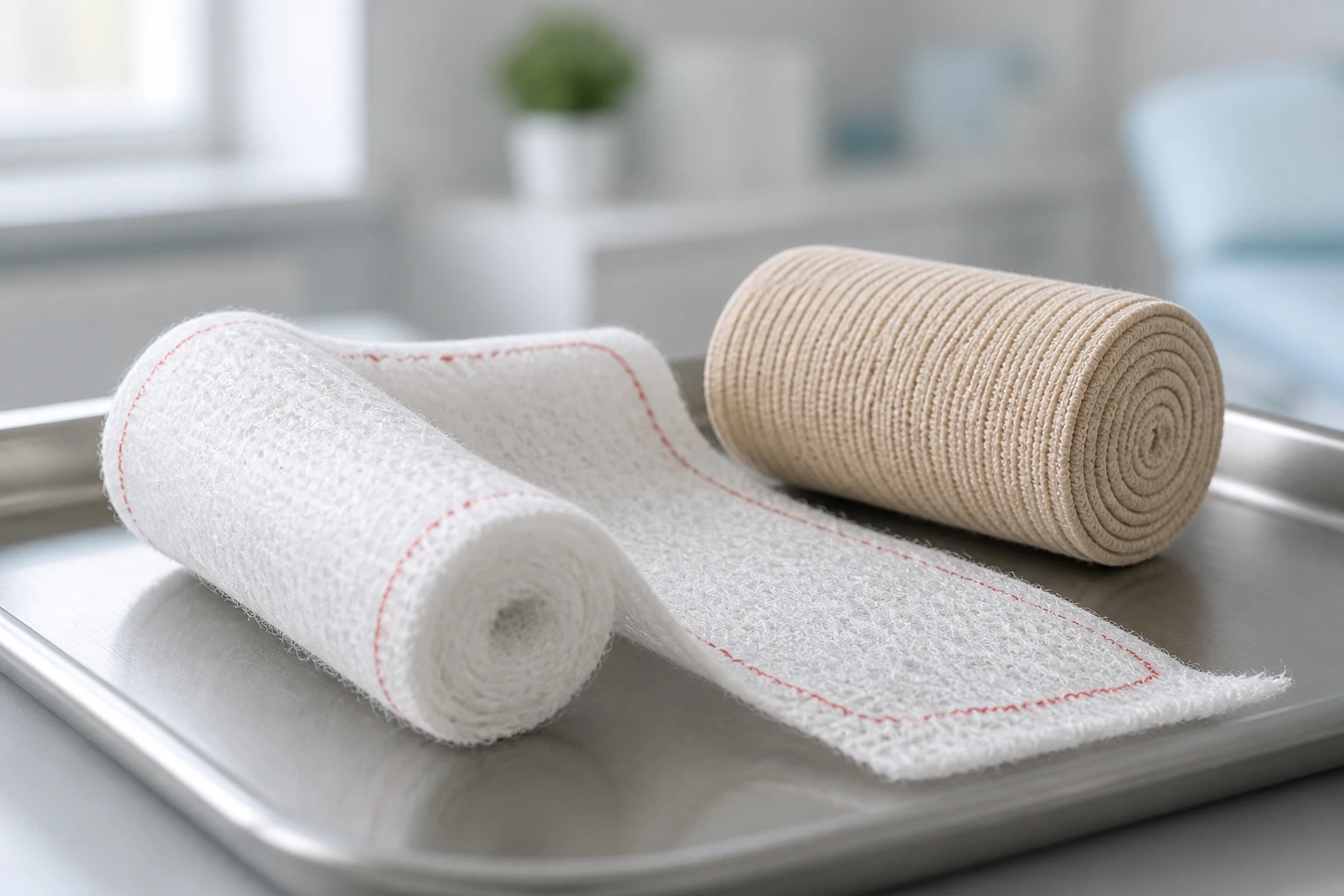
If you’re a distributor looking to build your own brand in the medical supplies world, you’ve probably wondered about launching a private label surgical tape. Something reliable like cotton-based surgical tape that hospitals, clinics, and even home users trust. But how do you get it made with your logo and specs without starting a factory from scratch? That’s where OEM and ODM come in – two ways to partner with manufacturers for custom medical tape.
I’ve worked with tons of dealers over the years helping them navigate this stuff, and honestly, picking between OEM and ODM can make or break your private label game. Let’s break it down in plain english, no fluff, and I’ll throw in some real-world bits from what I’ve seen.
What Exactly Are OEM and ODM?
First off, people mix these up all the time. They’re both ways to outsource production, but the big difference is who handles the design.
OEM (Original Equipment Manufacturer) means you bring the design to the table. You spec out everything – the cotton fabric weight, adhesive type (like zinc oxide for that extra grip and infection prevention), roll sizes, even how breathable it needs to be. The manufacturer builds it exactly to your blueprint. It’s like handing over a recipe and saying “make this for me.”
On the flip side, ODM (Original Design Manufacturer) is when the factory already has a ready-to-go design. They’ve done the heavy lifting on R&D, testing, and compliance. You pick from their catalog, tweak a few things (maybe width, color, or packaging), slap your brand on it, and boom – your private label surgical tape is born. Often called white-label or private labeling too.
From what I’ve noticed, most distributors starting out lean toward ODM because it’s quicker and cheaper upfront. But if you’re aiming for something truly unique, OEM is the way.
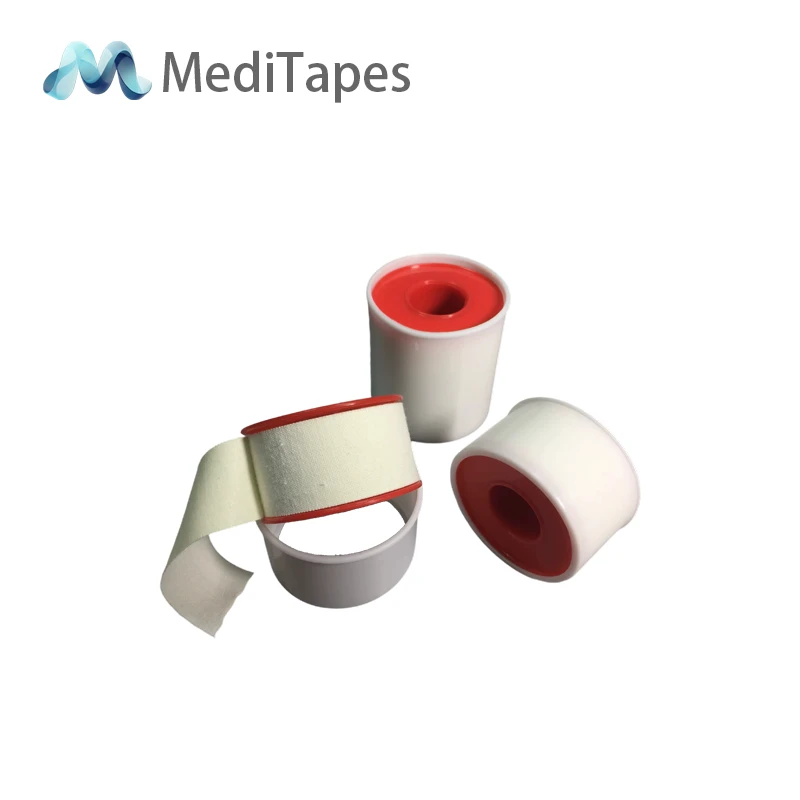
Wholesale Medical Cotton Cloth Tape – CE/ISO Certified Supply
Bulk supply of medical cotton cloth tape for global distributors. Our CE/ISO certified tape ensures medical-grade quality for surgical environments. This medical cotton cloth tape features jagged edges for easy tearing and strong adhesion. Contact us for competitive B2B pricing on bulk orders.
Pros and Cons: A Quick Comparison Table
To make it easier, here’s a side-by-side look at how they stack up for someone like you wanting custom medical tape under your own brand.
| Aspect | OEM | ODM |
|---|---|---|
| Customization Level | High – full control over design, materials, features | Medium – minor tweaks to existing designs |
| Time to Market | Longer (6-12 months or more for development) | Faster (3-6 months typically) |
| Upfront Costs | Higher (R&D, tooling, prototypes) | Lower (use their existing setup) |
| IP Ownership | Yours – full protection for unique ideas | Shared or theirs – less exclusivity |
| Minimum Order Quantity (MOQ) | Often higher | Usually lower |
| Risk | Higher if design flops | Lower, since it’s proven |
| Best For | Established brands wanting differentiation | New entrants testing private label |
This table’s based on typical experiences in the medical tape space. Numbers can vary, but yeah, ODM gets you selling quicker.
Why Cotton Surgical Tape is a Smart Choice for Private Labeling
Cotton cloth tape has been a staple forever because it’s breathable, strong, and gentle enough for sensitive skin. Unlike paper or plastic tapes, cotton lets air through while holding firm – perfect for securing dressings, IV lines, or even splints.
The global medical adhesive tapes market hit around USD 9.9 billion in 2024 and is expected to grow to USD 15.4 billion by 2033, with a CAGR of about 4.8% (from IMARC Group reports). Wound care drives a big chunk of that, and cotton tapes are go-tos there.
Customization options? Plenty. You can adjust:
- Width and length (common rolls: 1″, 2″, 3″ wide x 10 yards)
- Adhesive strength (hypoallergenic zinc oxide is popular)
- Serrated edges for easy tearing
- Packaging (individual boxes, bulk, your branding)
- Even add features like antimicrobial treatment
At MediTapes, we’ve done both OEM and ODM for cotton tapes. Our Wholesale Medical Cotton Cloth Tape is a solid base for private labeling – breathable cotton backing with reliable adhesive.
Diving Deeper into OEM for Custom Medical Tape
If you’re going OEM, you’re in the driver’s seat. Want a tape that’s extra porous for sweaty environments or one with a specific weave for better conformability? You got it.
The process usually goes:
- You sketch out specs (maybe with help from the manufacturer).
- Prototypes get made and tested – adhesion, breathability, skin irritation checks.
- Compliance stuff: ISO 13485, FDA if selling in the US, CE for Europe.
- Production ramps up.
I’ve seen dealers use OEM to create tapes that stand out – like one who added a softer adhesive for pediatric use. It took longer, but now it’s their bestseller, fully exclusive.
Downside? Costs add up quick. Tooling for custom widths or adhesive formulas can run thousands. And if your design needs tweaks, delays happen.
But for long-term, OEM builds real brand loyalty because no one else has your exact product.
How ODM Works for Faster Private Label Surgical Tape
ODM is like shopping from a menu. The factory has proven designs – say, a standard cotton cloth tape with zinc oxide adhesive that’s already certified.
You choose, maybe change the roll color, add your logo to the core or box, and request OEM services for packaging tweaks.
Advantages shine for distributors:
- Low entry barrier: Start with smaller orders.
- Quick launch: Test the market without huge risk.
- Focus on selling: Let the pros handle manufacturing headaches.
One anonymous story – a mid-sized dealer we worked with picked an ODM cotton tape, rebranded it as their private label, and hit shelves in months. Sales took off because it was reliable and priced right. Later, they switched some lines to OEM for premium versions.
The catch? Less uniqueness. Competitors might use similar bases. But smart branding and marketing fix that.
Real-World Market Trends Backing Private Label Growth
Private label medical products are booming. Reports show private labels grabbing more share in health categories, with consumers trusting store brands as much as big names for quality.
In wound care, breathable cotton tapes fit perfectly for private labeling – reliable demand from hospitals to sports meds.
We’ve helped several dealers launch custom medical tape lines through MediTapes. One started with ODM to build volume, then moved to OEM for a hypoallergenic variant that became their flagship.
Factors to Consider When Choosing OEM or ODM
It boils down to where you are in your business.
- Budget tight and want fast results? Go ODM.
- Got R&D ideas and want exclusivity? OEM.
- Volume: High volumes make OEM more economical long-term.
- Regulations: Medical tapes need strict compliance – good partners handle this in both models.
Also think scalability. Start ODM, prove demand, then invest in OEM.
Success Stories (Without Naming Names)
One distributor came to us wanting private label surgical tape for sports clinics. We suggested ODM first – customized a durable cotton tape with strong adhesion. They launched quick, got great feedback, and now order truckloads.
Another wanted something unique for elderly care – softer removal, extra breathable. Went OEM, developed a custom formula. Took longer, but now it’s their top seller with repeat hospital contracts.
These aren’t rare – private label lets you compete without massive overhead.
Manufacturing Process for Cotton Surgical Tape
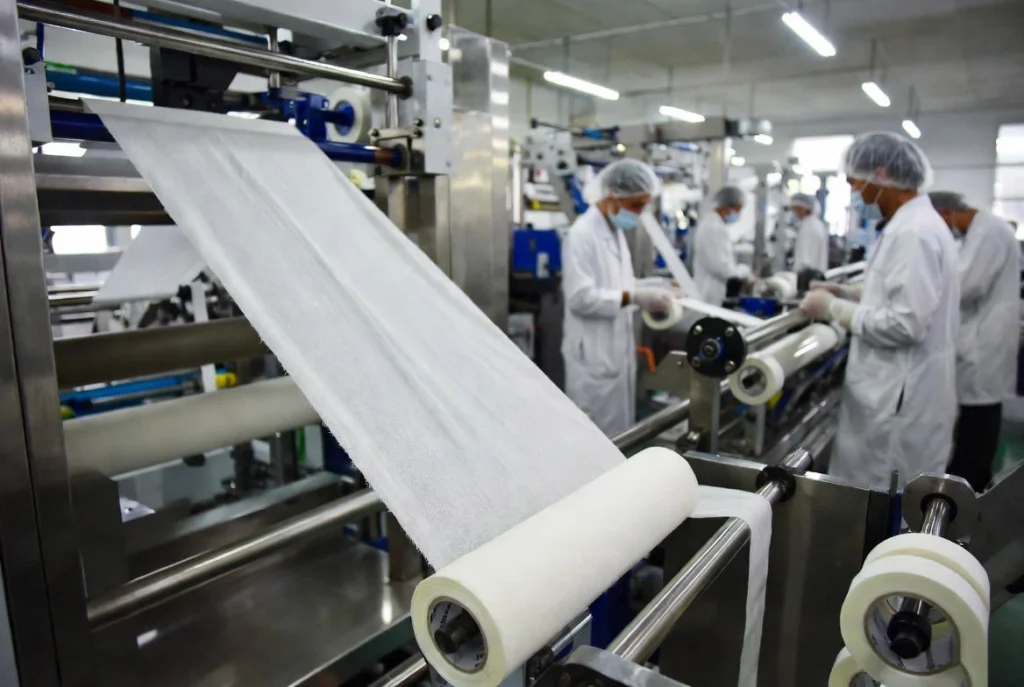
Quick overview: Starts with cotton fabric backing. Adhesive (often zinc oxide-based) gets coated evenly – sometimes striped for better breathability. Dried, slit into rolls, packaged.
In ODM, this is all dialed in. OEM lets you tweak coating thickness or fabric weave.
At MediTapes, our process ensures consistent quality, whether standard or custom.
Tips for Getting Started with Your Private Label
- Research demand – cotton tapes sell steady.
- Find a reliable partner offering both OEM services and ODM.
- Start small – test with ODM.
- Brand strong – good packaging sells.
- Get samples – feel the difference.
Ready to chat about your private label surgical tape? Drop us a line at MediTapes. We do both OEM and ODM, and can guide you based on your goals.
Head over to our contact page or email info@meditapes.com for a quote. Or check our base product here: Wholesale Medical Cotton Cloth Tape.
We’ve got years helping folks like you build brands that stick (pun intended).
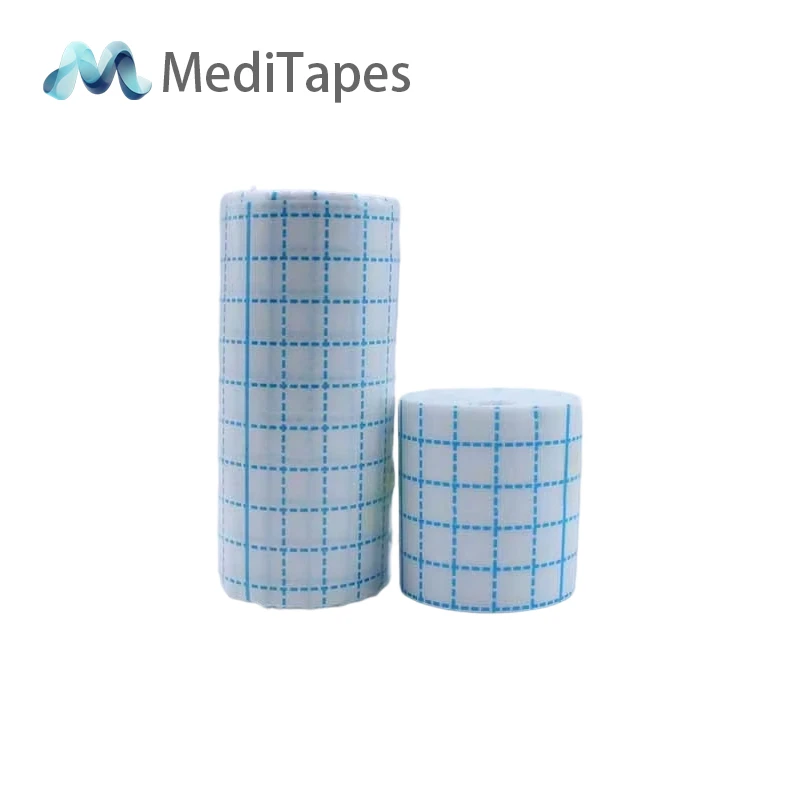
OEM Sterile Non-woven Fabric Dressing Roll – Bulk Medical Supply
Sourcing reliable non-woven fabric dressing rolls? We offer OEM/ODM bulk manufacturing. This sterile medical dressing roll features grid-backing for precise cutting. High-quality acrylic adhesive ensures durability. Perfect for distributors seeking customized branding and cost-effective wound care solutions for hospitals.
FAQ
What’s the main difference between OEM and ODM for surgical tape?
OEM: You design it, they build it – full custom. ODM: They design it, you brand it – quicker and cheaper.
Is private label surgical tape profitable?
Yeah, margins are good especially with growing demand for affordable, reliable medical supplies. Private labels often compete well on price without skimping quality.
Can I switch from ODM to OEM later?
Absolutely. Many do – start ODM to test, then OEM for unique features once sales prove out.
What customizations are possible with cotton surgical tape?
Widths, lengths, adhesive types, packaging, logos, even special finishes like antimicrobial.
How long does it take to launch a custom medical tape?
ODM: A few months. OEM: 6-12 months depending on complexity.