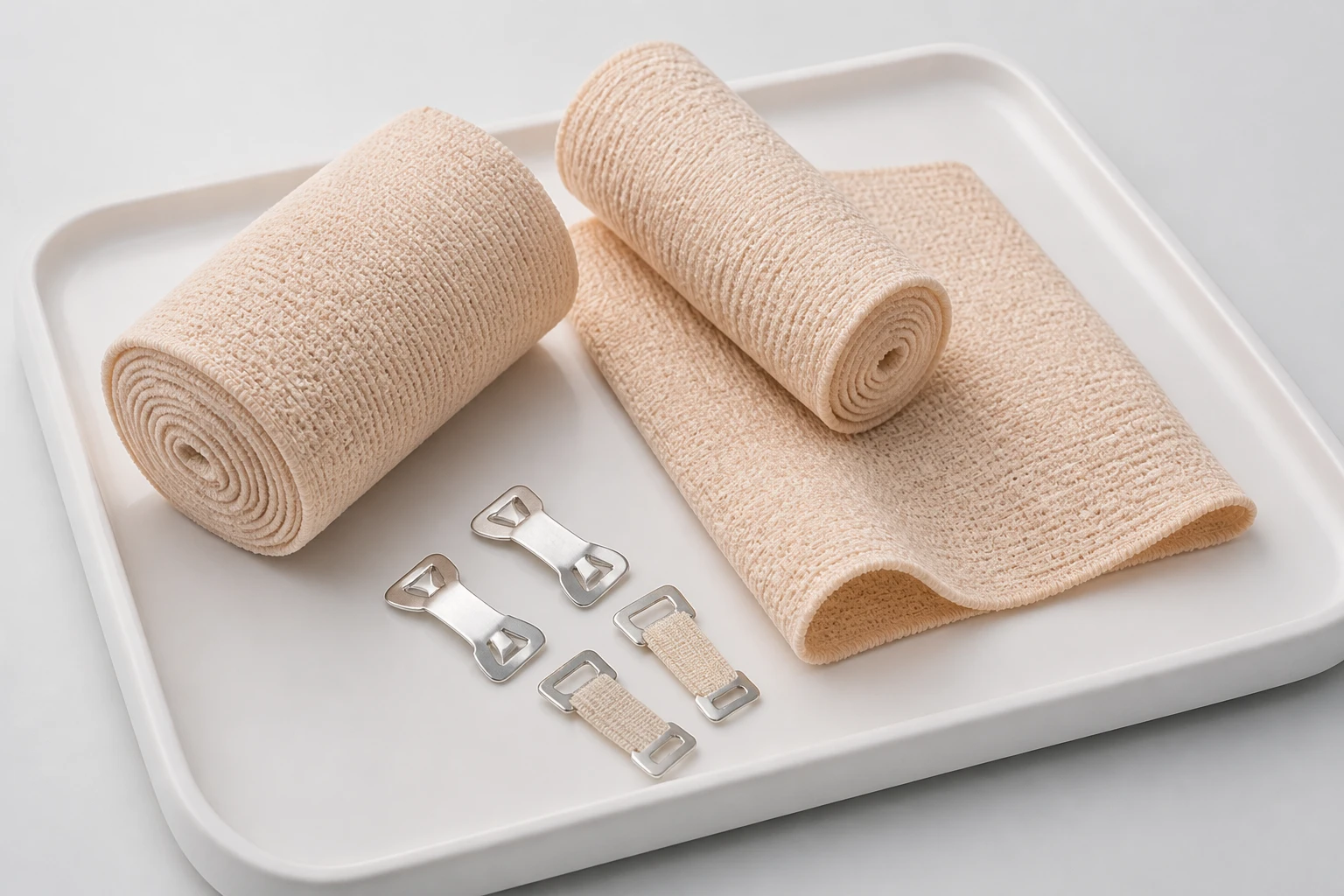
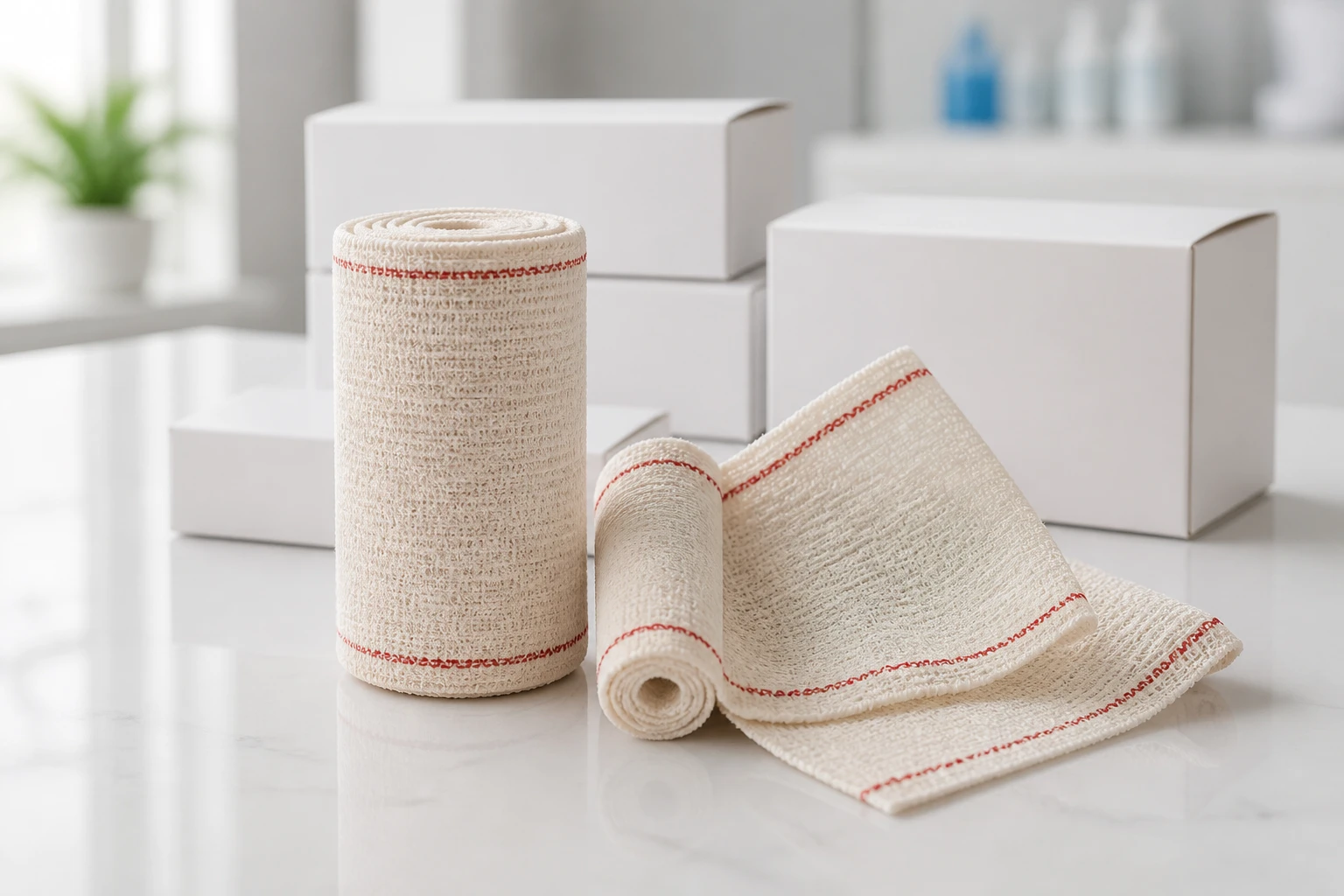
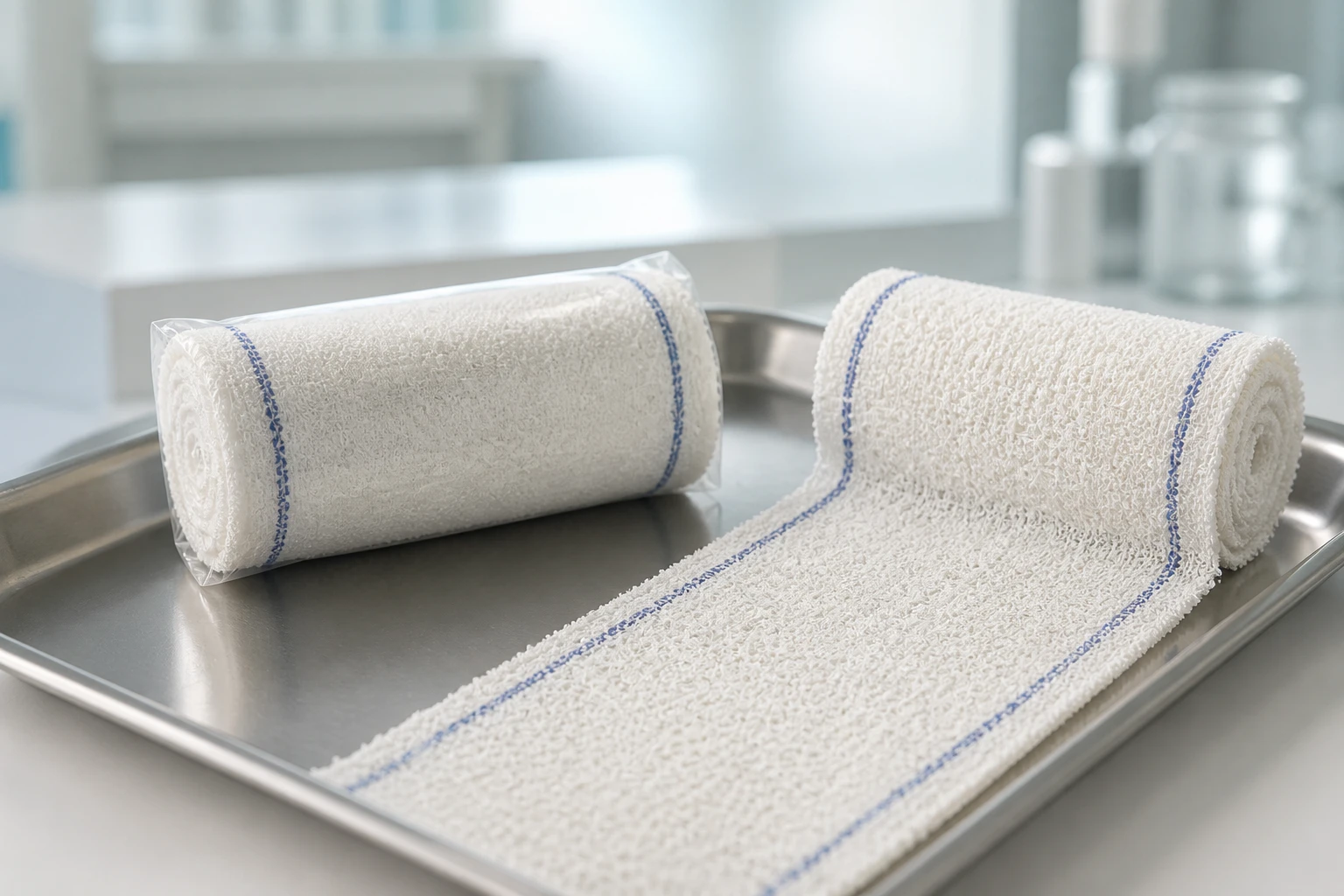
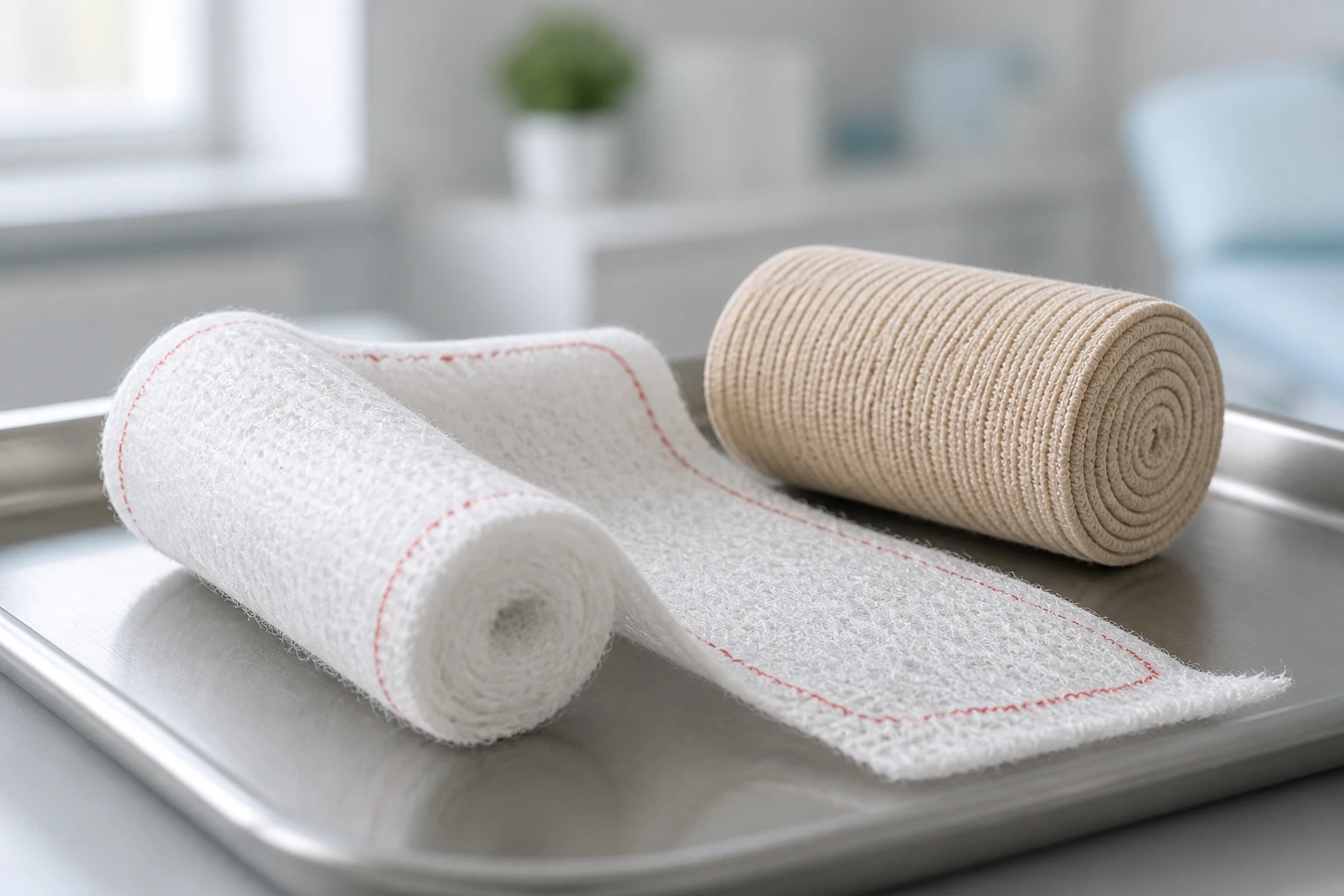
Scars can be a real pain, right? Whether it’s from surgery, an accident, or something else, they often stick around longer than we’d like, sometimes getting raised, red, or itchy. I’ve dealt with plenty of folks asking about ways to manage them better, and two options that come up a lot are silicone-based tapes and non-woven ones. Silicone gel tape is kinda the premium choice, while non-woven tape is more of the everyday, affordable pick. So, which one’s actually better for keeping scars in check?
In this post, we’ll dive into a proper scar tape comparison, looking at how they stack up in terms of effectiveness, ease of use, and that all-important expensive vs affordable tape debate. I’ll share some real insights from studies and what I’ve seen work in practice, to help you figure out the best bang for your buck when it comes to scar management.
What Are These Tapes Anyway?
First off, let’s break down what we’re talking about.
Silicone gel tape – think of products like our Medical Silicone Gel Tape at MediTapes – is made with medical-grade silicone. It creates this gentle, occlusive layer over the scar that mimics your skin’s natural barrier. That helps lock in moisture without overdoing it, which is key for calming down excessive collagen production that leads to raised scars.
On the other side, non-woven tape, like our Medical Non-woven Tape, is a breathable fabric-based adhesive often used for basic wound dressing or securing things. It’s super common in medical settings because it’s cheap, sticks well, and lets air through.
Both can help with scars to some degree, but they work in different ways. Silicone is specifically designed for scar therapy, while non-woven is more general-purpose but has shown some benefits for preventing bad scarring.
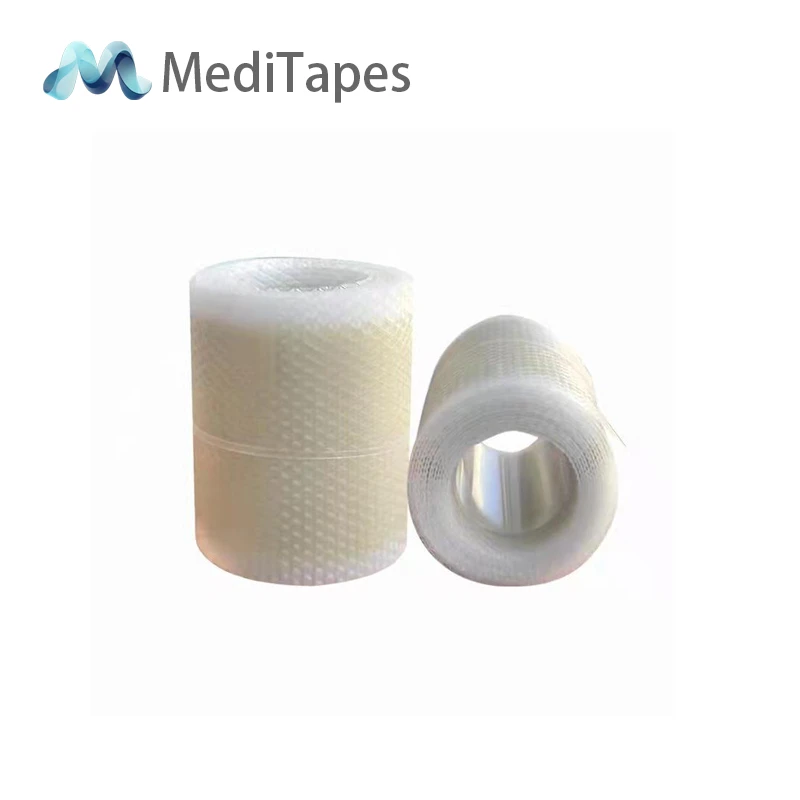
Medical Silicone Gel Tape for Sensitive Skin & Wound Care – OEM
Our Medical Silicone Gel Tape offers gentle adhesion for sensitive skin, making it ideal for fragile skin and elderly patients. This breathable silicone gel tape ensures painless removal without residue. Perfect for fixing dressings and tubes. Available for B2B bulk orders and OEM customization.
How Do They Work for Scar Management?
Scars form when your skin heals by laying down collagen, and sometimes it goes overboard, creating hypertrophic or keloid scars that are thick and raised.
Silicone gel tape shines here. Studies, like those reviewed in the Journal of Plastic, Reconstructive & Aesthetic Surgery, show it reduces scar height, redness, and itchiness by normalizing hydration and cutting down on inflammatory signals. One big review from PMC notes silicone has been the go-to for over 30 years, with solid evidence for flattening hypertrophic scars and keloids.
Non-woven or paper tapes? They provide some occlusion and tension relief, which can prevent scars from pulling and worsening. A study in Advances in Skin & Wound Care compared silicone sheets to paper tape after cesarean sections and found paper tape helped, but silicone edged it out in patient-rated appearance after 6-12 months.
In short, silicone gel tape often delivers better results for tough scars, while non-woven tape is a decent starter option for milder cases.
Quick Comparison Table: Effectiveness Basics
| Aspect | Silicone Gel Tape | Non-woven Tape |
|---|---|---|
| Main Mechanism | Hydration balance + collagen regulation | Tension relief + mild occlusion |
| Best For | Hypertrophic/keloid scars, redness, itch | Preventing widening, basic support |
| Evidence Level | Strong (gold standard per many reviews) | Good but secondary to silicone |
| Typical Improvement | Flatter, softer scars in 4-12 weeks | Reduced height/color in some studies |
Scar Tape Comparison: Day-to-Day Use
Okay, effectiveness is great, but what about real life?
Silicone tapes are reusable – you can wash and re-stick them for weeks, which makes them comfy for long-term wear. They’re flexible, waterproof, and don’t irritate much. I’ve heard from customers using our Medical Silicone Gel Tape that it stays put during showers and daily stuff without fuss.
Non-woven tapes are single-use usually, super easy to apply, and breathable, so less chance of maceration. But they might not conform as well to curved areas and can peel off quicker if you’re active.
One thing folks mention is silicone feeling a bit “premium” – it’s softer on sensitive healing skin. Non-woven is tougher, more like regular medical tape.
Expensive vs Affordable Tape: The Cost Breakdown
This is where it gets interesting for a lot of people. Silicone gel tape costs more upfront – think higher quality materials designed specifically for scars. But since it’s reusable, over months it can even out.
Non-woven tape? Way cheaper, especially in bulk like our wholesale options at MediTapes. It’s the budget-friendly choice if you’re testing the waters or on a tight spend.
In the expensive vs affordable tape showdown, silicone often wins on value if your scar needs serious management, because better results mean less worry long-term. But for minor scars or prevention, non-woven gives solid bang for buck.
Cost and Value Table
| Factor | Silicone Gel Tape | Non-woven Tape |
|---|---|---|
| Upfront Cost | Higher (premium materials) | Lower (basic medical grade) |
| Reusability | Yes, up to weeks/months | Usually single-use |
| Long-Term Value | Better for severe scars | Great for mild/prevention |
| Overall Sex-Ratio | High if results matter most | High if budget is key |

Wholesale Medical Non-woven Tape | Soft & Conformable Surgical Tape
Bulk buy our Wholesale Medical Non-woven Tape, featuring a soft, conformable texture for joint areas. This surgical tape allows moisture evaporation to aid healing. As a trusted supplier, we deliver premium medical non-woven tape tailored for pharmacies and medical distributors globally.
Real-World Insights and Cases
Over the years working with scar products at MediTapes, I’ve seen some cool outcomes.
One customer had a raised scar from knee surgery. They started with non-woven tape for the first few weeks post-healing – it kept things stable and prevented pulling. But when the scar started getting redder, switching to our Medical Silicone Gel Tape made it flatten noticeably after about 8 weeks. They said the difference was night and day.
Another case: someone with an older burn scar tried affordable non-woven first, got okay softening, but adding silicone gel tape on top boosted the smoothness big time.
Of course, results vary – skin type, scar age, and consistency play huge roles. But starting early (once the wound’s closed) gives the best shot with either.
Studies back this up too. A PMC article on silicone adhesives highlights reduced collagen in treated scars, and another comparing paper tape found it cost-effective but silicone superior in appearance.
Pros and Cons Breakdown
Silicone Gel Tape Pros:
- Top-tier for reducing thickness/redness
- Comfortable, low-irritation
- Reusable and durable
Cons:
- Pricier initially
- Might feel sticky in hot weather
Non-woven Tape Pros:
- Affordable and accessible
- Breathable, easy application
- Good for tension control
Cons:
- Less targeted for bad scars
- Often disposable
Which One’s Best for You?
It depends on your scar and budget. If you’re dealing with a prominent or raised scar and want the most proven option, go silicone – like checking out our Medical Silicone Gel Tape.
For lighter scars or just prevention on a budget, non-woven tape is a smart start, and we have great options in our Medical Non-woven Tape.
Sometimes combining them works wonders – non-woven early, silicone later.
Tips for Getting the Best Results
Whichever you pick:
- Start once the wound’s fully closed (usually 2-4 weeks post-injury/surgery)
- Wear 12-24 hours daily for at least 2-3 months
- Clean the area gently, keep it dry
- Massage the scar lightly to boost circulation
- Protect from sun – scars hate UV
Consistency is everything. Skip days, and progress slows.
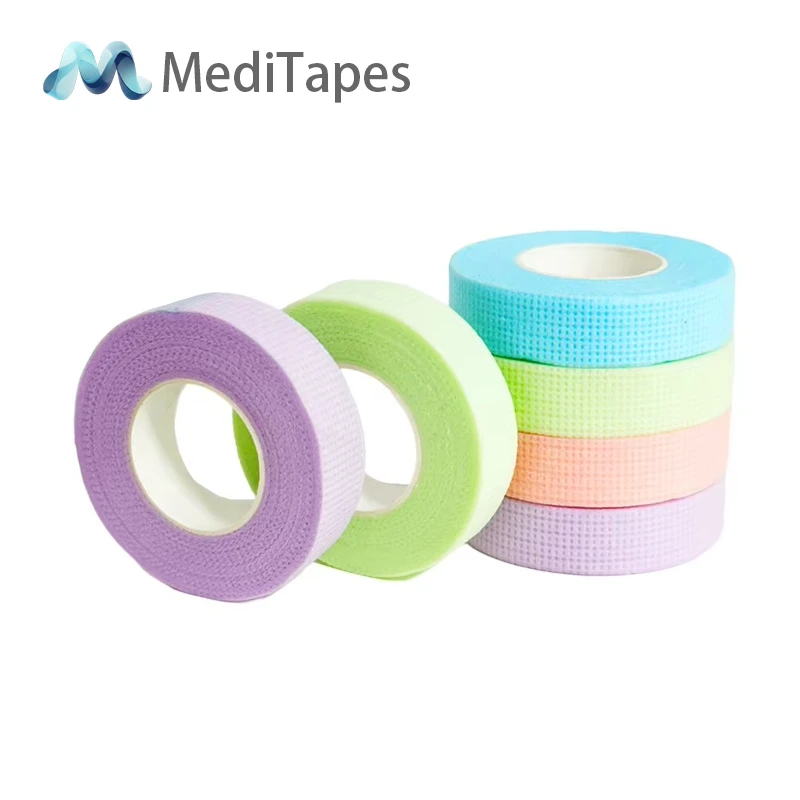
Hypoallergenic Non-woven Silicone Tape – Breathable & Pain-Free Removal
Our Non-woven Silicone Tape is designed for patients with sensitive skin, providing secure fixation for dressings and tubes. This hypoallergenic silicone gel tape is water-resistant yet breathable, preventing skin maceration. It peels off gently, making it an essential choice for elderly and pediatric care.
FAQ
Is silicone tape worth the extra cost over non-woven?
Yeah, for most folks with noticeable scars, it is. Studies show better flattening and color improvement, making it higher value long-term despite the price tag.
Can non-woven tape really help with scars?
Absolutely, especially for preventing hypertrophic ones by reducing tension. It’s not as potent as silicone for treatment, but it’s a solid, cheap option.
How long do I need to use scar tape?
At least 3 months for visible changes, sometimes up to 6-12. New scars respond quicker than old ones.
Any side effects?
Rare, but possible irritation. Stop if rash appears, and chat with a doc.
If you’ve got questions about your specific scar or want quotes on our tapes at MediTapes, drop us a line at info@meditapes.com or head to our contact page. We’d love to help you find what works best – or learn more on our site at https://meditapes.com/.
Scars don’t have to define you. With the right tape and a bit of patience, they can fade into the background. What’s your experience been like? Share in the comments if you feel like it!