You know those moments when you need something to really protect a spot that gets bumped or pressed a lot? Maybe it’s after a procedure, dealing with a sensitive area that needs padding, or just keeping things comfy during long recovery times. That’s exactly where choosing between cotton tape and foam tape makes a big difference.
I’ve worked with these tapes for years (in all kinds of real situations, not just theory), and honestly, people usually come asking because one feels way better than the other for their specific needs. Today we’re gonna break it down nice and easy – no fancy jargon, just straight talk about cushioning, comfort, and when one beats the other hands down, especially in those special scenarios where protection really matters.
Why Cushioning and Comfort Actually Matter in Special Protection Cases
Think about it: your skin or a healing spot doesn’t just need to be held in place. It needs a bit of “give” so every little movement or accidental knock doesn’t hurt like crazy. In situations like post-op recovery, pressure-sensitive areas, spots prone to rubbing (think under braces, casts, or prosthetics), or even sensitive joint areas, the wrong tape can turn a minor annoyance into real discomfort.
Foam tape usually wins here because of its built-in padding – it’s like adding a soft layer between your skin and the world. Cotton tape (especially the breathable kind) is great for everyday holding things down, but it doesn’t give you that same squishy protection.
From what I’ve seen over time, folks who need extra buffer against pressure or impact report way higher satisfaction when they switch to something with real cushioning. And yeah, that’s backed up by how pros in wound care talk about it – foam materials get called out specifically for shock-absorbing and reducing pressure points.
What Is Cotton Tape (And Why Do People Love the Breathable Kind)?
Cotton tape is basically your classic go-to adhesive plaster tape. It’s made from natural cotton fabric backing, with a hypoallergenic adhesive that sticks well without being aggressive.
The big wins with cotton tape:
- Super breathable – lets air get to the skin, which helps avoid that clammy, irritated feeling
- Flexible and easy to tear by hand
- Gentle on skin for most people
- Great for securing dressings where you don’t want moisture trapped
But when it comes to cushioning? It’s pretty thin. It conforms nicely, but it doesn’t add much padding. So if your main goal is protection from bumps or pressure, cotton tape feels more like “holding steady” than “soft pillow.”
A really solid option in this category is our Breathable Cotton Adhesive Plaster Tape at MediTapes. It’s designed exactly for those everyday protection needs where breathability is key, and it holds up well without irritating skin.
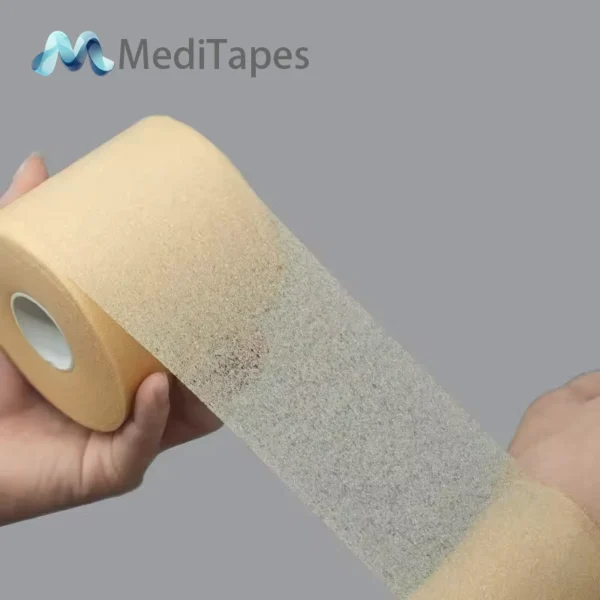
Waterproof Surgical Foam Tape for Wound Care – High Elasticity
Our Waterproof Surgical Foam Tape offers superior multi-direction stretch, perfect for securing dressings on joints. This high elasticity surgical foam tape is water-resistant and hypoallergenic, ensuring patient comfort during recovery. Ideal for challenging orthopedic applications.
Foam Tape – The Cushioning Champion
Now foam tape… that’s where things get interesting for anyone who needs real padding.
Foam tape (sometimes called surgical foam tape) has a soft, closed-cell foam backing. This foam is elastic, stretches in multiple directions, and most importantly – it cushions. Think of it like a thin foam pad with adhesive on one side.
Key things that make foam tape stand out for comfort:
- Excellent shock absorption – helps protect against bumps and pressure
- Conforms to tricky areas like joints or folds
- Often water-resistant (handy if moisture is around)
- Provides gentle compression when you need it
Many people compare good foam tape to the famous 3M Microfoam – it’s that soft-yet-supportive feel. That’s why we talk about foam tape as a Microfoam equivalent in lots of medical settings. It gives similar multi-directional stretch and padding without being exactly the same product.
Our Surgical Foam Tape at MediTapes is built for exactly these moments – extra cushion where you need protection, plus solid hold and water resistance for those tougher scenarios.
Head-to-Head: Cotton Tape vs Foam Tape – Cushioning & Comfort Breakdown
Here’s a quick table so you can see the differences at a glance:
| Feature | Breathable Cotton Tape | Surgical Foam Tape |
|---|---|---|
| Cushioning/Padding | Low – thin fabric, minimal buffer | High – thick foam layer for shock absorption |
| Comfort Level | Good for breathability, light feel | Excellent for pressure-sensitive areas |
| Breathability | Very high – natural cotton lets skin breathe | Moderate – foam is less porous but still ok |
| Conformability | Good on flat areas, less on joints | Outstanding – stretches every way |
| Water Resistance | Usually low | Often high – great for moist environments |
| Best For | Securing dressings, daily use, sensitive skin | Extra protection, compression, bumpy areas |
| Typical Thickness | Thin | Thicker (adds real padding) |
| Removal | Gentle, low residue | Gentle if quality adhesive, minimal trauma |
From hands-on experience, if your scenario involves any kind of repeated pressure or risk of banging the area (like under orthotics, after procedures on bony spots, or even protective taping around sensitive surgical sites), foam tape almost always feels more comfortable after a day or two.
When to Choose Foam Tape for Compression Taping or Extra Protection
One area where foam tape really shines is when you need compression taping with cushioning. Think controlling swelling without cutting off circulation, or adding padding while still applying gentle pressure.
In sports recovery, post-injury support, or even lymphedema management (where gentle pressure plus padding helps), foam tape lets you get that mild compression feel without the harshness of rigid tapes. Cotton tape can do basic wrapping, but it won’t give the same protective layer underneath.
I’ve seen cases where patients switched to foam tape for compression and noticed less soreness after long periods of wear – the padding just makes everything less “pinchy.”
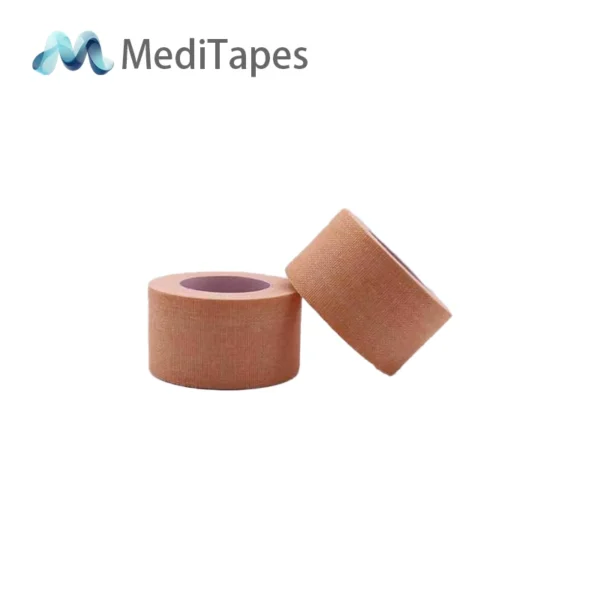
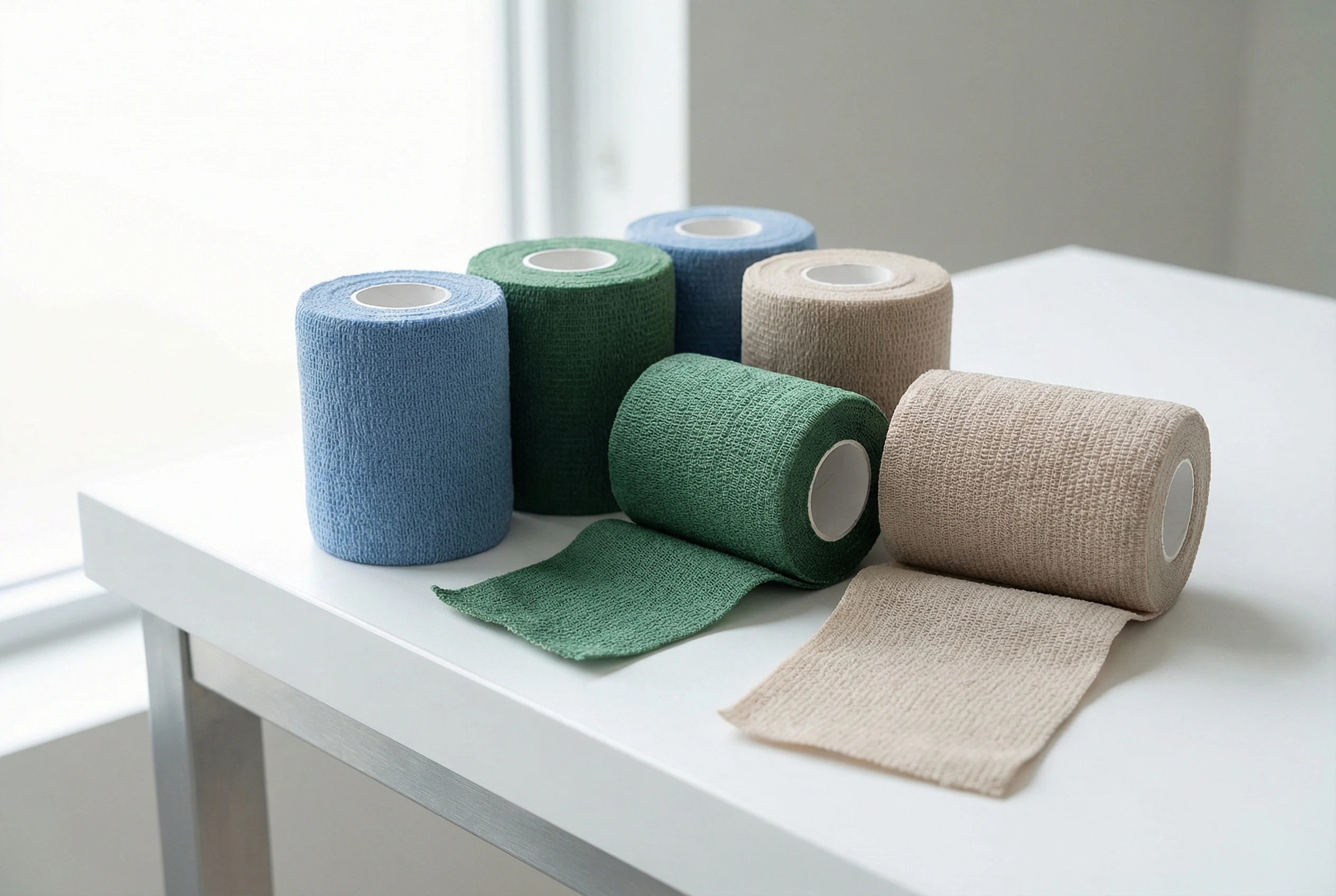
Cotton Surgical Tape with Zinc Oxide Adhesive for Wound Dressing
Secure fixation with premium cotton surgical tape. This breathable tape uses strong zinc oxide adhesive, ideal for securing heavy dressings and catheters. Our cotton surgical tape is tearable by hand and conforms easily to body contours. Trusted by hospitals for reliable wound care management.
Real-Life Scenarios: How People Actually Use These Tapes
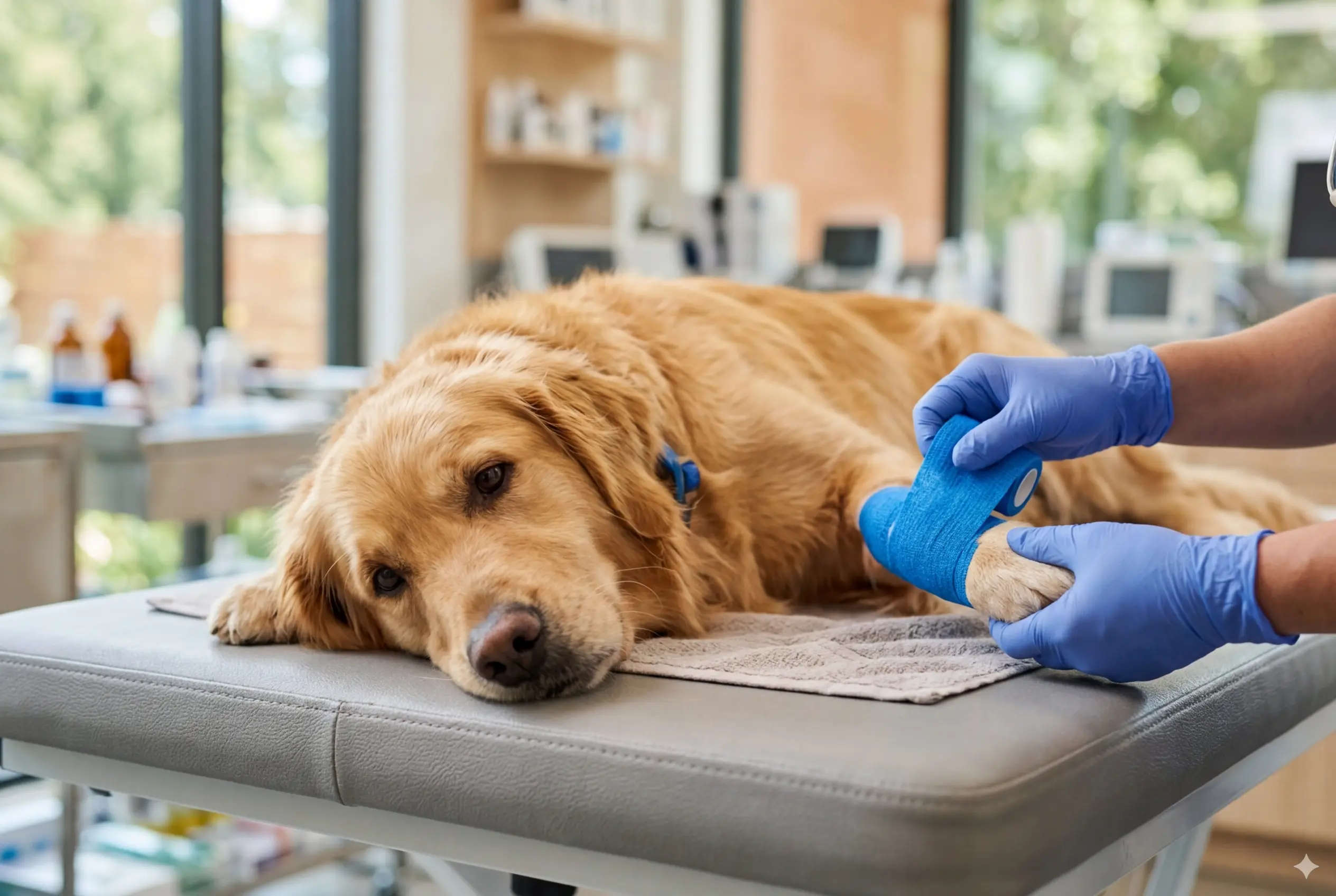
Anonymous example 1: A guy recovering from foot surgery had constant rubbing under his post-op shoe. Cotton tape held the dressing fine, but every step hurt. Switched to foam tape – instant relief because of the extra padding. Area stayed protected without hot spots.
Example 2: Someone using a brace for joint support found the hard edges digging in. Adding a layer of foam tape underneath created that soft buffer – comfort went way up, and they could wear it longer.
These aren’t rare – once people feel the difference in padding, they rarely go back for those protection-focused needs.
Quick Comparison Table: Comfort Factors in Special Scenarios
| Scenario | Better Choice | Why? |
|---|---|---|
| Sensitive skin + breathability | Cotton Tape | Lets skin breathe, less irritation |
| Pressure points / bony areas | Foam Tape | Adds real cushioning against pressure |
| Need gentle compression | Foam Tape | Padding + stretch for even pressure |
| Moist environments | Foam Tape | Often waterproof/resistant |
| Long wear comfort | Foam Tape (usually) | Less fatigue from bumps |
FAQ – Common Questions About Cotton vs Foam Tape
Q: Is foam tape always better for cushioning?
A: For pure padding and protection – yes, most times. But if breathability is your #1 priority and you don’t need much cushion, cotton tape wins.
Q: Can I use foam tape for compression taping?
A: Absolutely – it’s great for compression taping because the foam adds cushion while allowing gentle pressure. Just don’t over-tighten.
Q: Will foam tape irritate sensitive skin?
A: Quality ones (like our Surgical Foam Tape) use gentle adhesives. Still, always patch test if you’re super sensitive.
Ready to Try the Right Tape for Your Needs?
If you’re dealing with a spot that needs real protection, extra cushioning, or just more comfort during recovery, don’t settle for basic. Take a look at what we offer at MediTapes – we’ve got both options tuned for real-world use.
Check out our Breathable Cotton Adhesive Plaster Tape for everyday breathable support, or go straight for Surgical Foam Tape when you want that soft, protective feel.
Got questions or want to chat about your specific situation? Drop us a line at info@meditapes.com or head over to our contact page – we’re happy to help you pick the best one.
Your comfort matters – choose the tape that actually makes a difference.
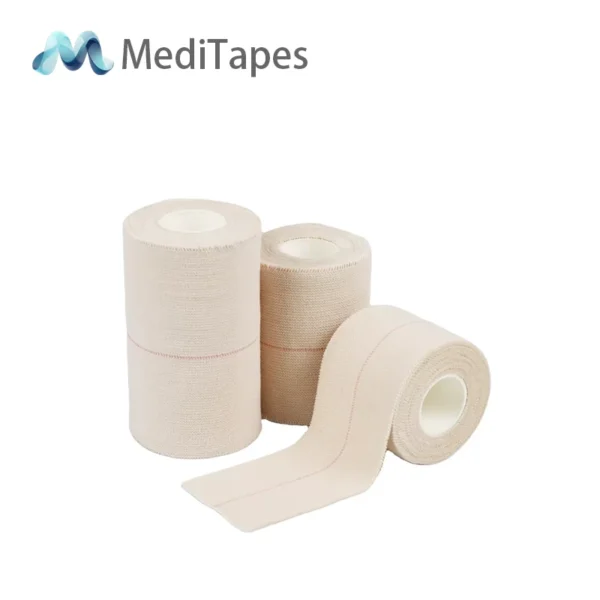
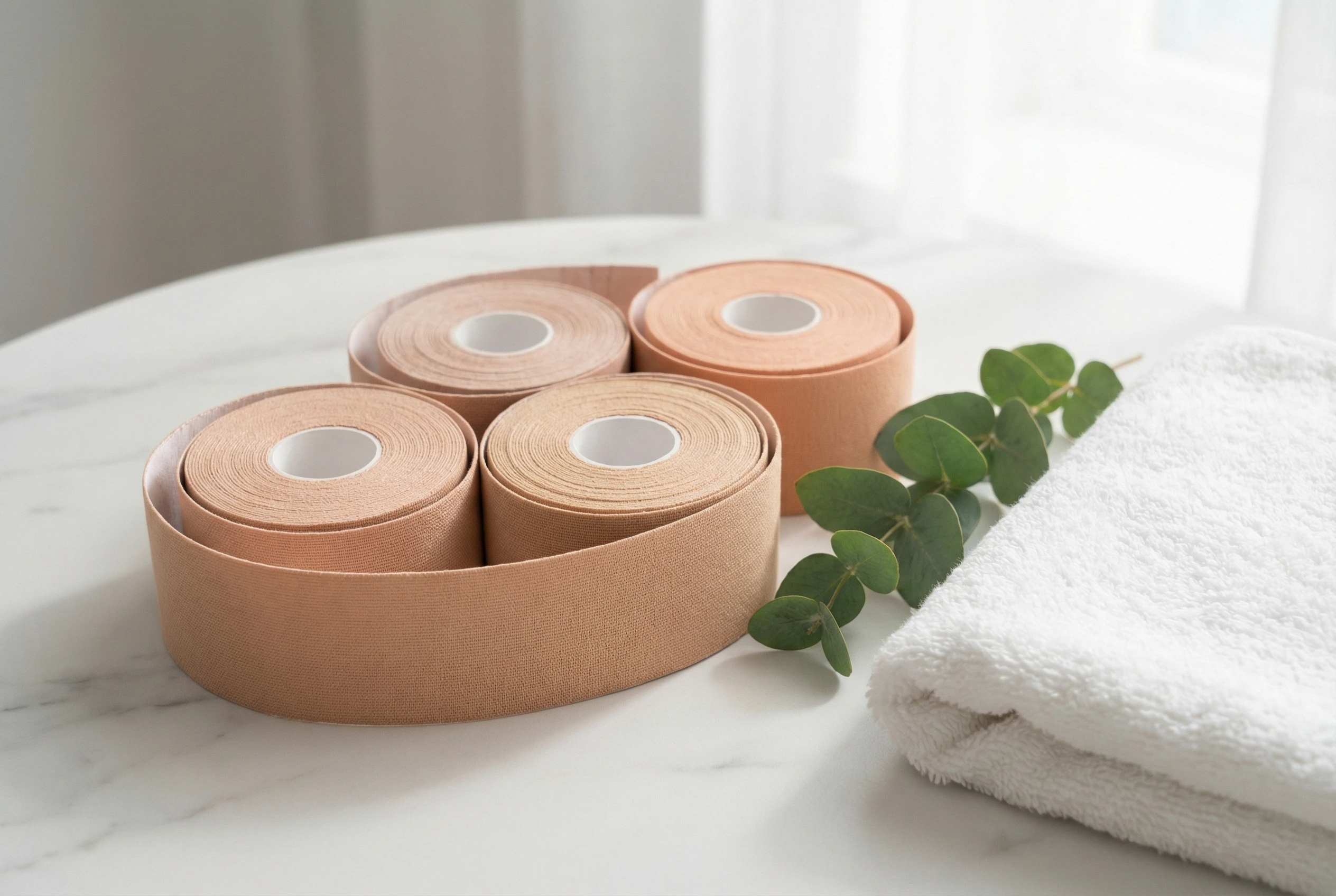
Breathable Cotton Adhesive Plaster Tape for First Aid Kits
Essential cotton adhesive plaster tape for every first aid kit. This versatile tape is gentle on skin yet tough on securing bandages. The microporous cotton adhesive plaster prevents maceration and promotes healing. Available in various widths for custom emergency medical kits (IFAK).