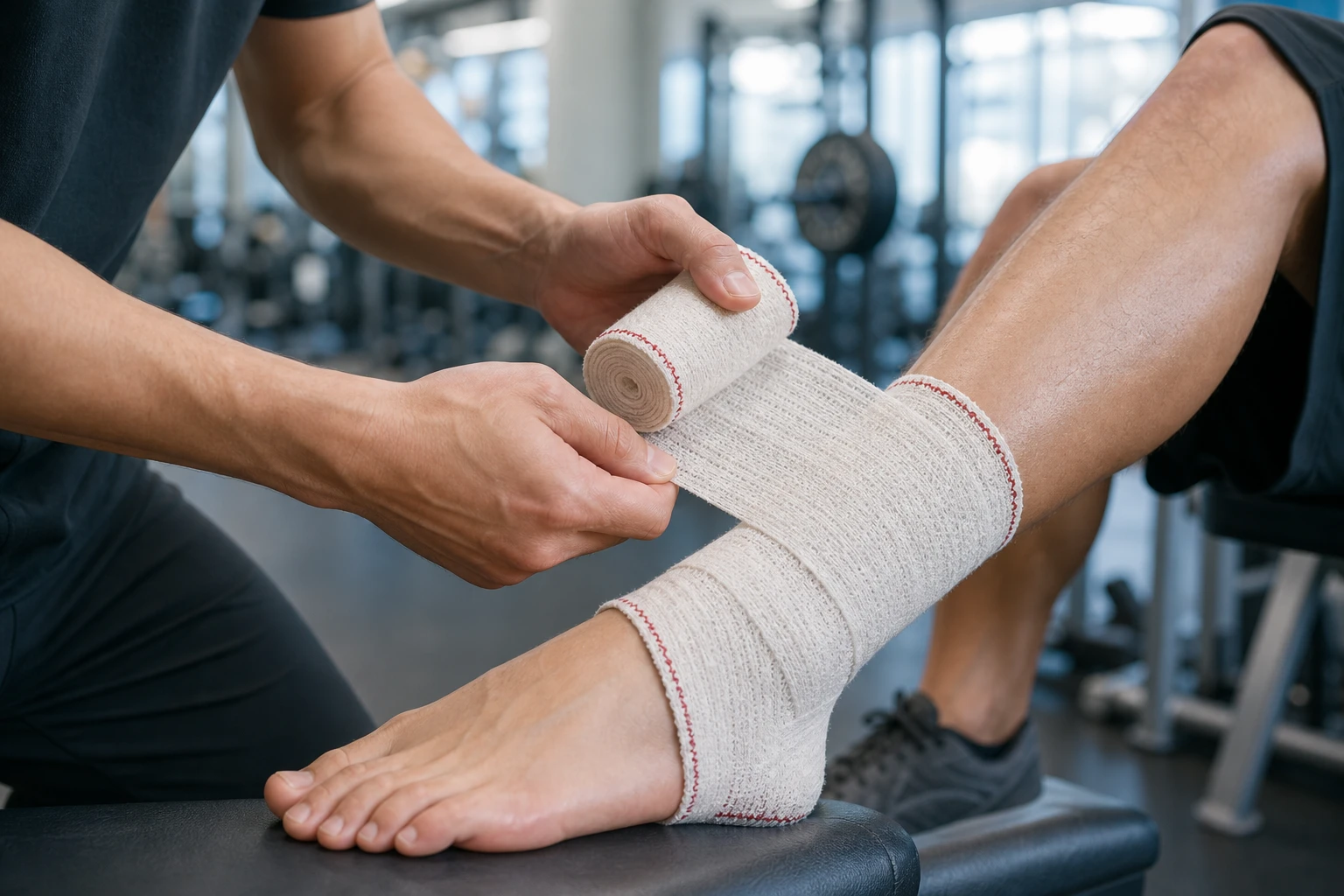
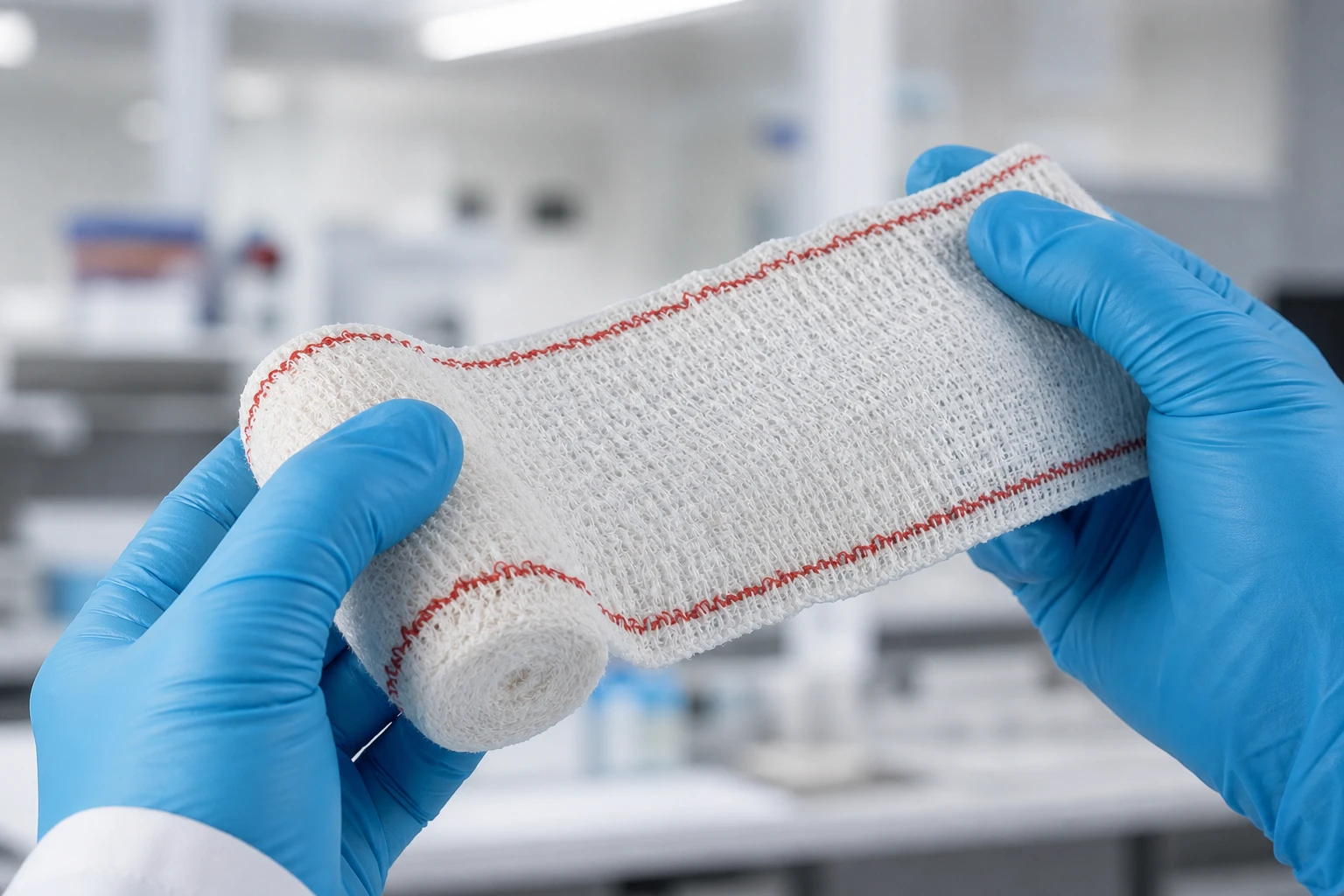
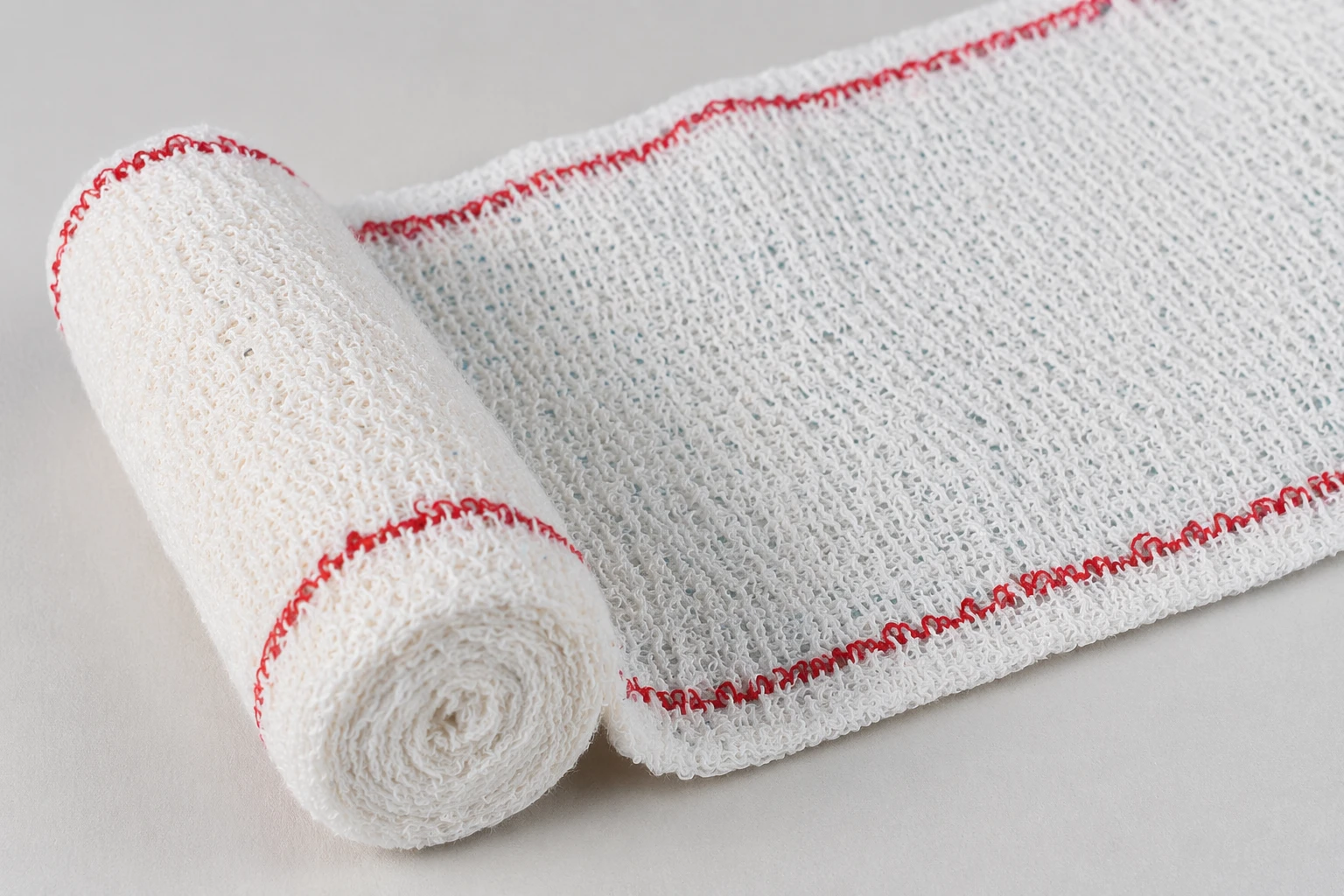
Ever found yourself staring at different wound dressing rolls, wondering which one’s actually gonna work best for what you need? Yeah, I’ve been there too. Whether it’s a cut that won’t stop oozing or a post-surgery spot that needs to stay dry while showering, picking between non-woven and PU film can feel tricky. Let’s break it down together, no fluff – just real talk on non-woven vs PU dressing, including stuff like waterproof wound dressing features and breathable medical tape perks.
I’ve dealt with these materials a lot over the years here at MediTapes, seeing what works in real-life situations from minor scrapes to bigger recovery scenarios. Both types have their strengths, and honestly, it boils down to the wound type, how much fluid it’s producing, and what your day looks like.
What Are Non-Woven Dressing Rolls Anyway?
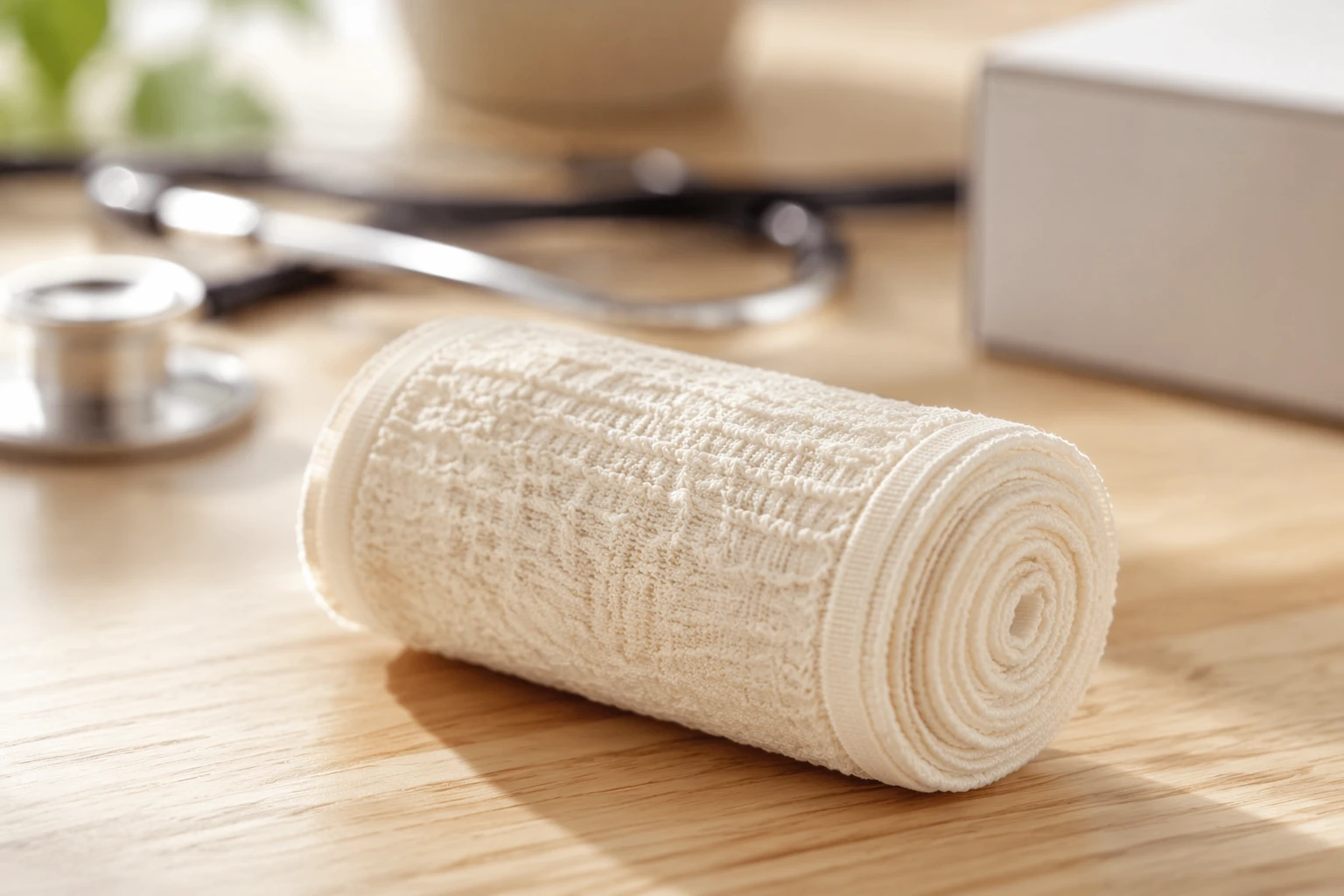
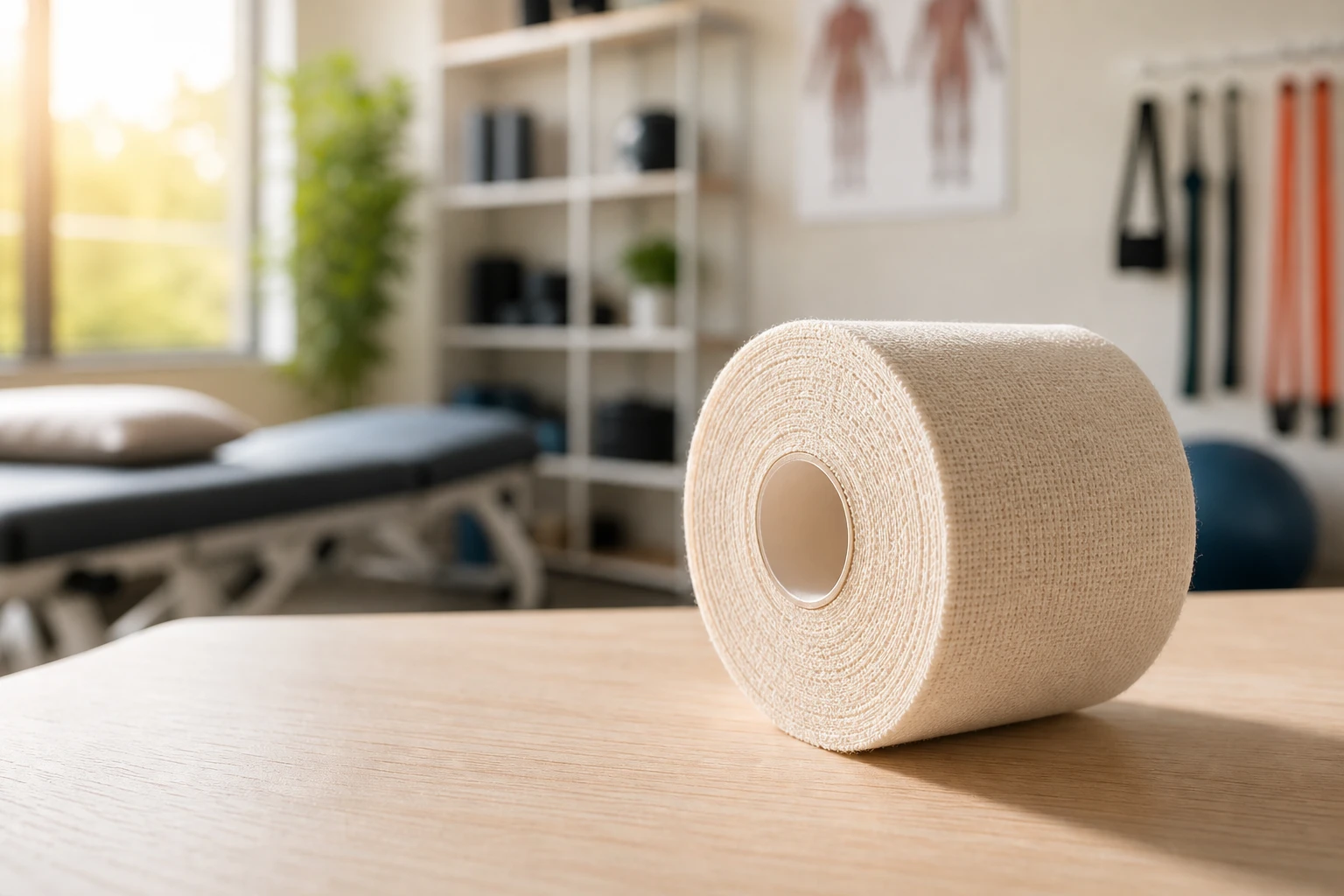
Non-woven dressings are made from fibers kinda pressed together – not woven like old-school gauze. They’re soft, flexible, and super breathable. Think of them as that comfy t-shirt material but for medical use.
They’re often hypoallergenic, which is great if your skin gets irritated easily. Studies show non-woven materials let air flow well, helping wounds heal faster by keeping things oxygenated without drying out too much. One review from the Journal of Wound Care back in 2021 noted that breathable non-woven coverings led to about 23% quicker wound closure compared to less airy options.
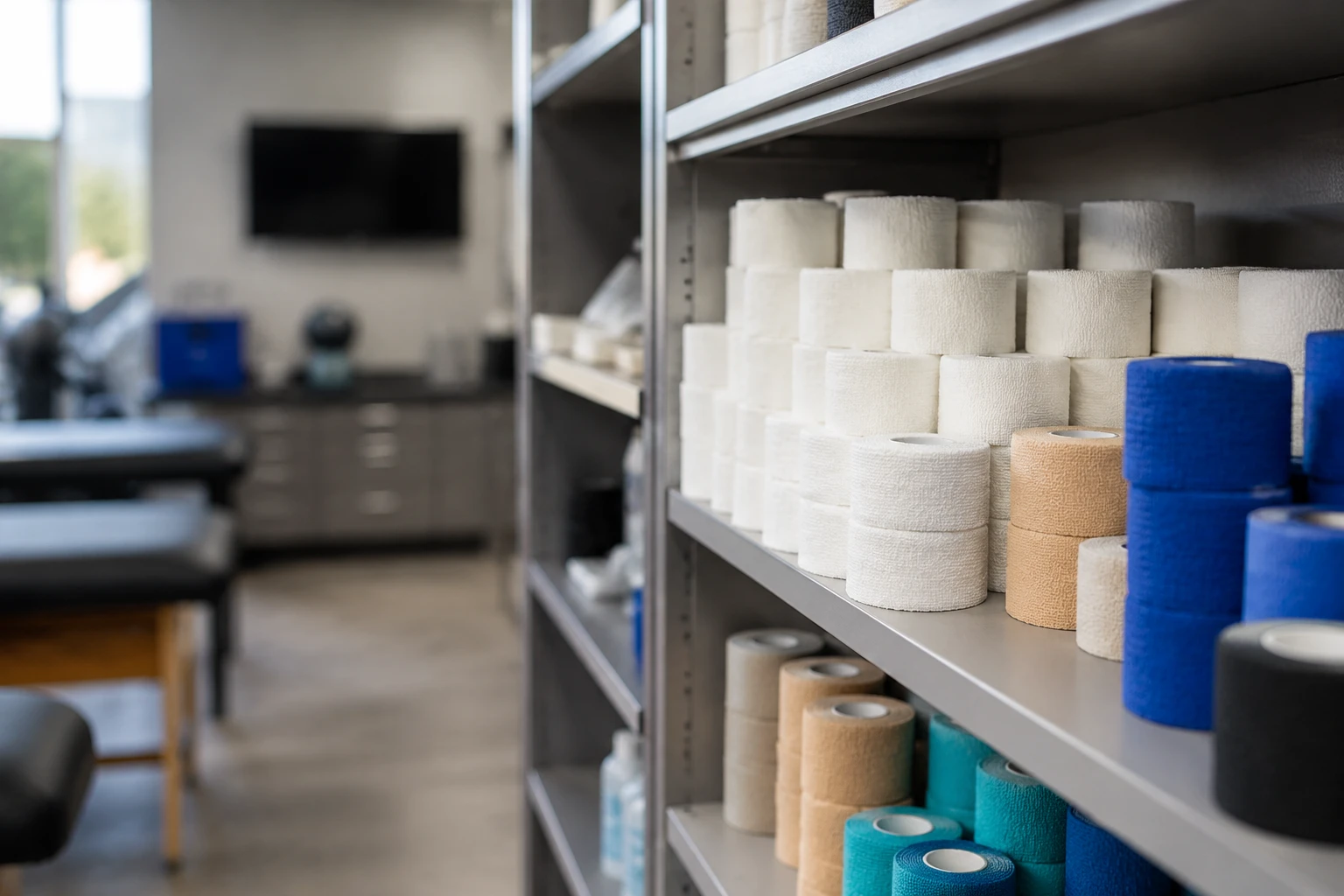
At MediTapes, our Non-woven Fabric Dressing Roll is a go-to for folks needing something gentle and absorbent. It’s perfect for securing over pads or for direct use on low-exudate wounds.
Diving Into PU Film Dressing Rolls
PU film, or polyurethane, is that thin, transparent stuff – like a clear sticker that seals everything in. It’s waterproof, so you can shower or even swim without worrying about getting the wound wet.
These are semi-permeable, meaning they block water and bacteria from outside but let moisture vapor escape from the wound. That keeps the area moist for better healing without maceration (you know, that soggy skin look). Research on transparent film dressings shows they provide a solid bacterial barrier while allowing visibility – no need to peel it off every time to check progress.
Our PU Film Dressing Roll at MediTapes is designed exactly for that: tough waterproof protection with enough breathability to avoid buildup.
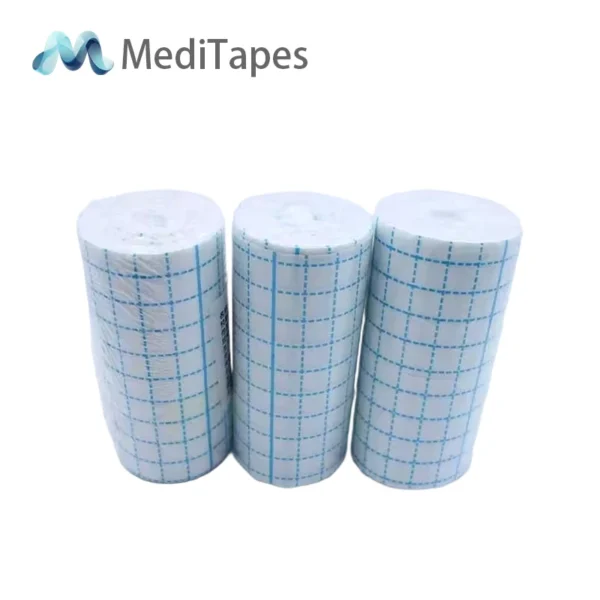
Hypoallergenic Non-woven Fabric Dressing Roll for Wound Fixation
Our Non-woven Fabric Dressing Roll offers superior breathability and gentle adhesion. Ideal for securing dressings and catheters, this hypoallergenic dressing roll minimizes skin irritation. Easy to cut and conformable, it ensures patient comfort during long-term wear. Essential for clinical wound care.
Non-woven vs PU Dressing: Head-to-Head Comparison
Alright, let’s get to the meat of it. Here’s a quick table to make non-woven vs PU dressing easier to see at a glance:
| Feature | Non-Woven Dressing Rolls | PU Film Dressing Rolls |
|---|---|---|
| Breathability | High – lets air in freely, great for oxygen flow | Moderate – permeable to vapor but seals out liquid |
| Waterproof | No – not designed for water exposure | Yes – fully waterproof wound dressing |
| Absorbency | Good for moderate exudate, often with pads | Low – best for dry or low-exudate wounds |
| Transparency | Opaque – can’t see through | Clear – monitor wound without removing |
| Flexibility/Comfort | Super soft and conformable, like breathable medical tape | Stretchy and thin, conforms well |
| Hypoallergenic | Usually yes, gentle on sensitive skin | Often yes, but check adhesive |
| Best For | Exuding wounds, sensitive skin, longer wear | Shallow wounds, post-op, shower protection |
| Infection Risk Barrier | Good permeability reduces maceration | Strong external barrier, but watch for buildup if heavy exudate |
From what we’ve seen in clinical reviews (like those in Biomaterials Research), non-woven options shine when breathability is key to prevent bacterial overgrowth in moist environments. PU films excel at blocking contaminants – one study on transparent films noted effective protection for IV sites and incisions with low complication rates.
The global wound dressings market is growing fast – valued around USD 14 billion in 2023 and heading toward more with rising chronic wounds (Grand View Research data). Advanced options like these make up a big chunk because they actually speed healing.
Pros and Cons of Non-Woven Dressings
I’ve had customers swear by non-woven for everyday stuff. One guy told me (anonymously, of course) how switching to our non-woven roll helped his kid’s scraped knee heal without that sticky irritation from older tapes.
Pros:
- Really lets the skin breathe – reduces risk of maceration.
- Absorbs decently, handles some fluid without leaking.
- Tears easily by hand, no scissors needed half the time.
- Often cheaper and great as breathable medical tape for securing other stuff.
Cons:
- Not waterproof – if it gets soaked, you’re changing it sooner.
- Can look bulky compared to thin films.
- Might need secondary fixation for heavy movement areas.
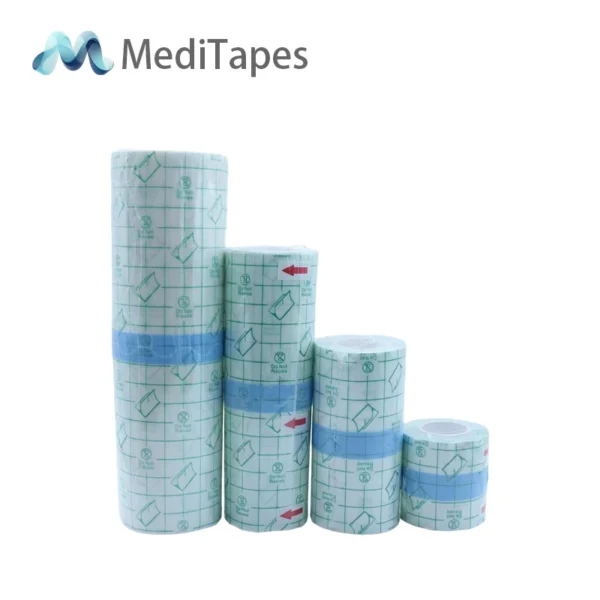
Waterproof PU Film Dressing Roll – Transparent Wound Fixation Tape
Our Waterproof PU Film Dressing Roll offers superior protection against water and bacteria while allowing the skin to breathe. Ideally used as Transparent Wound Fixation Tape for securing catheters and gauze. This hypoallergenic roll is easy to cut and conforms to body contours for maximum patient comfort.
Pros and Cons of PU Film Dressings
PU is my pick for anyone who wants to jump in the pool or just not stress about bath time. We had a case where a patient used our PU roll after minor surgery – stayed on for days, no issues, and they could see the healing happening.
Pros:
- True waterproof wound dressing – shower away.
- Transparent, so easy monitoring.
- Creates that ideal moist environment studies rave about for faster epithelialization.
- Thin and discreet, almost forget it’s there.
Cons:
- Low absorbency – not for heavy oozing wounds (fluid can pool).
- Removal can sometimes tug if not done right.
- A bit pricier upfront.
When to Choose Non-Woven Over PU
Go non-woven if:
- The wound’s producing moderate fluid.
- Skin sensitivity is a concern – hypoallergenic wins here.
- You need something super breathable for longer wear.
- It’s a larger area needing cushioning.
They’re awesome for chronic stuff like pressure sores where air flow matters.
When PU Film is the Better Pick
Pick PU if:
- Waterproofing is non-negotiable.
- It’s a clean, shallow wound or incision.
- You want to keep an eye on it without disturbing.
- Low exudate – perfect post-op.
Clinical trials comparing transparent films to gauze often show similar or lower infection rates when used right.
Real-World Scenarios We’ve Seen
Picture this: A hiker gets a bad abrasion on a trail. Starts with non-woven for the initial absorbent phase, then switches to PU once it’s calmer for waterproof hikes home.
Or a clinic patient post-catheter – PU film keeps it sealed and visible, reducing checks.
We’ve helped facilities stock both, tailoring to patient needs. One nursing home shared how non-woven reduced skin tears in elderly folks compared to stickier options.
Tips for Using Either One
Whichever you go with, clean the area first, dry the skin around, and smooth it on gently. For non-woven, layer if needed. For PU, stretch slightly for better adhesion but don’t overdo.
Change when saturated or edges lift – usually 3-7 days, but check.
If redness or itch pops up, swap types.
Wrapping It Up: Your Best Choice in Non-woven vs PU Dressing
Neither’s “better” overall – it’s about fitting the wound. Non-woven for breathable, comfy absorption; PU for waterproof, see-through protection.
At MediTapes, we make both to high standards because we’ve seen what works. Check out our Non-woven Fabric Dressing Roll or PU Film Dressing Roll on the site.
Got questions or need bulk quotes? Drop us a line at info@meditapes.com or head to our contact page. We’d love to chat about what’ll suit you best – no pressure, just helpful advice.
Explore more at https://meditapes.com/.
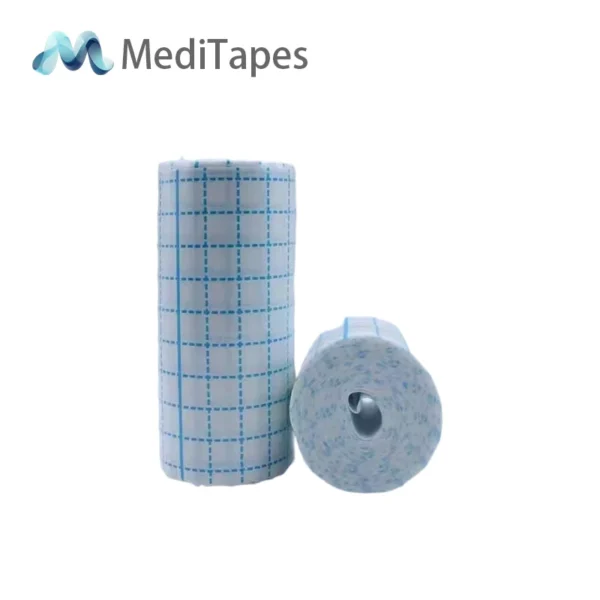
Breathable Non-woven Surgical Tape Roll – Medical Adhesive Dressing
This breathable non-woven surgical tape roll provides secure fixation for gauze and devices. Designed for sensitive skin, the non-woven fabric dressing roll allows air permeability to prevent maceration. Its strong yet gentle adhesive makes it perfect for post-operative care and frequent dressing changes.
FAQ
What’s the main difference in non-woven vs PU dressing?
Non-woven is more absorbent and breathable, like a soft fabric tape, while PU is thin, transparent, and fully waterproof.
Can I shower with non-woven dressings?
Not really – they’re not waterproof. PU film ones are made for that, acting as a true waterproof wound dressing.
Are these breathable medical tapes safe for sensitive skin?
Both can be hypoallergenic, but non-woven often edges out for extra gentleness. Always patch test if unsure.
How long can I leave them on?
Up to 7 days usually, depending on the wound and exudate. Check daily though.
Do PU films cause more infections?
No evidence for that – studies show similar or better barrier protection when used properly.