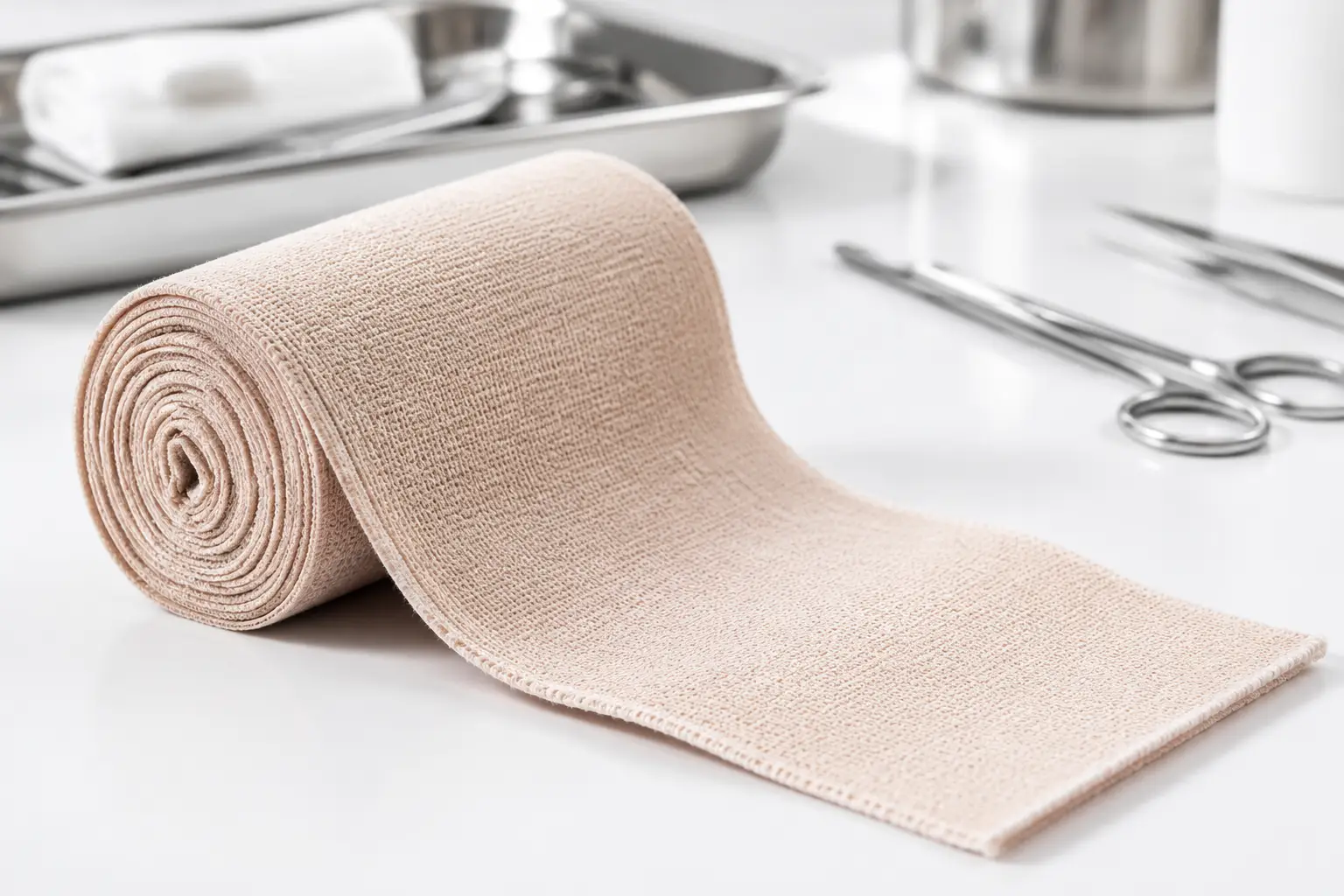
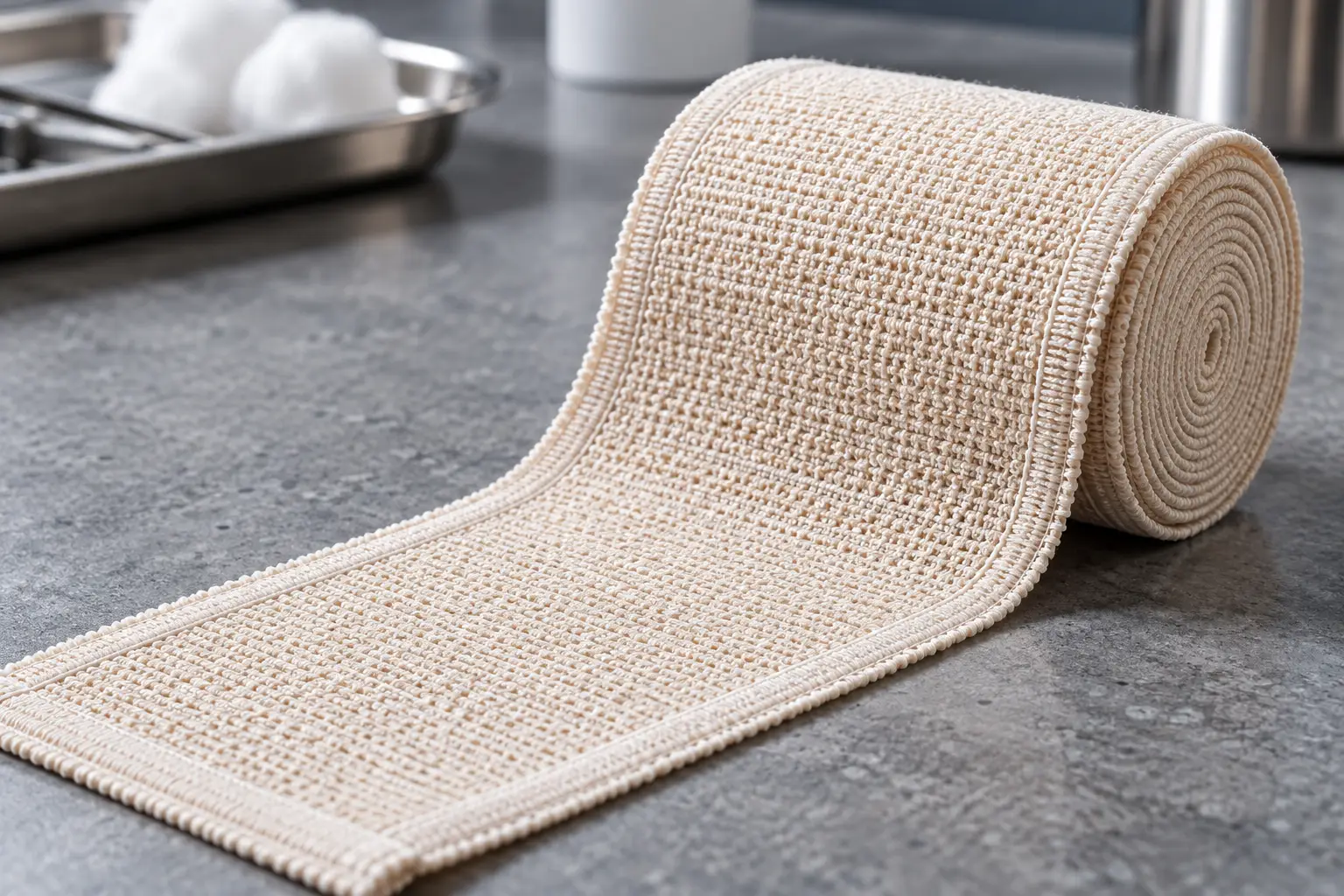
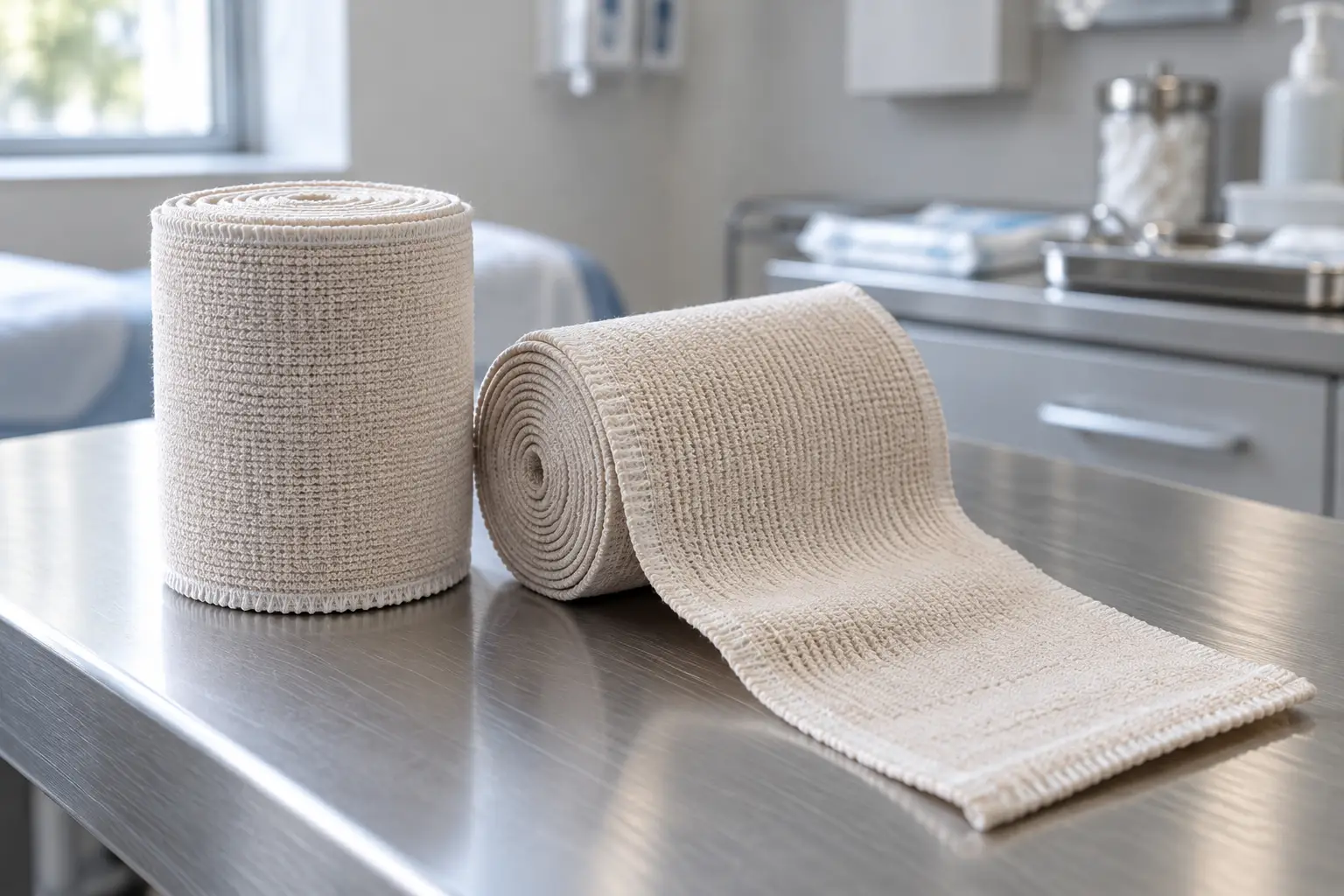
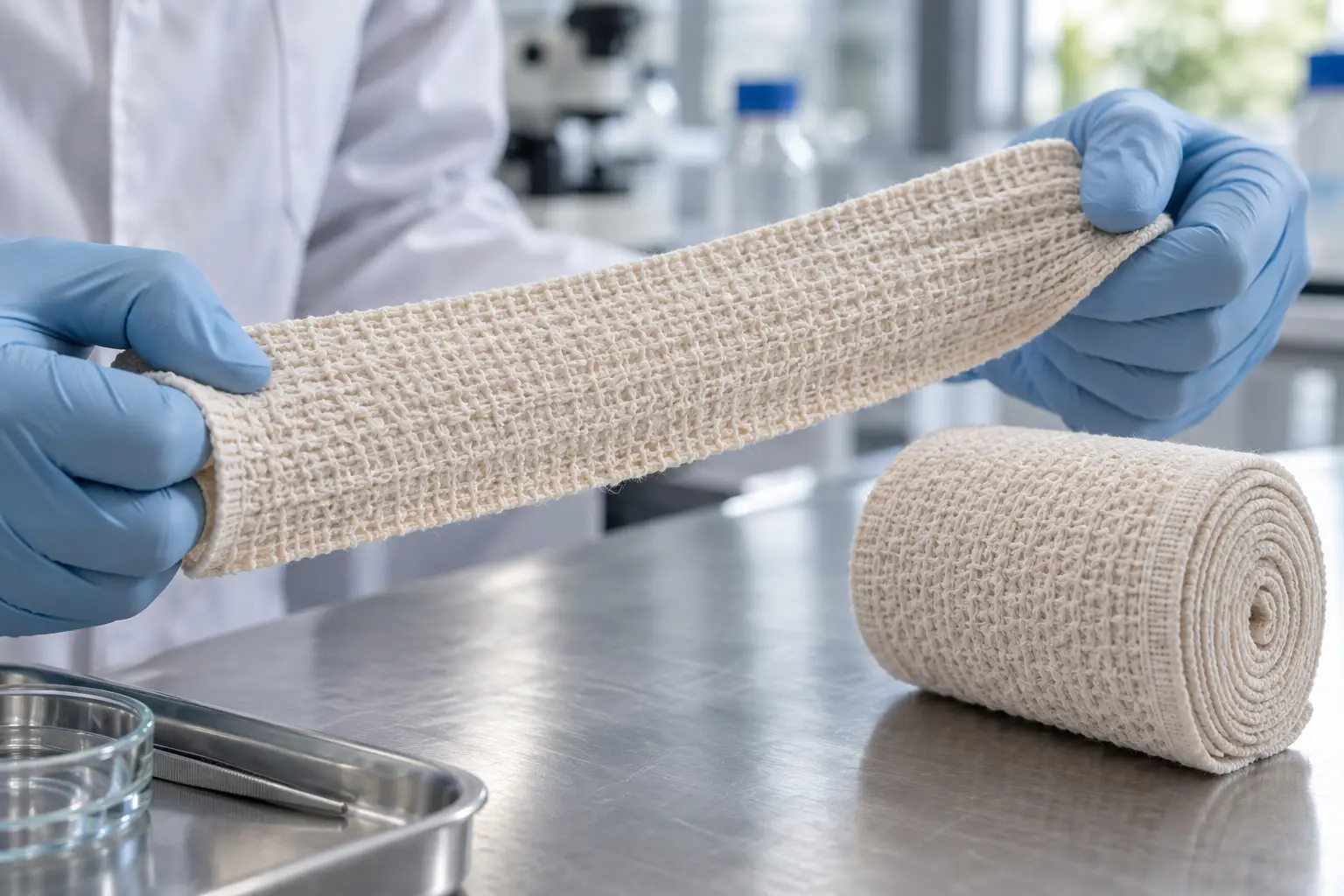
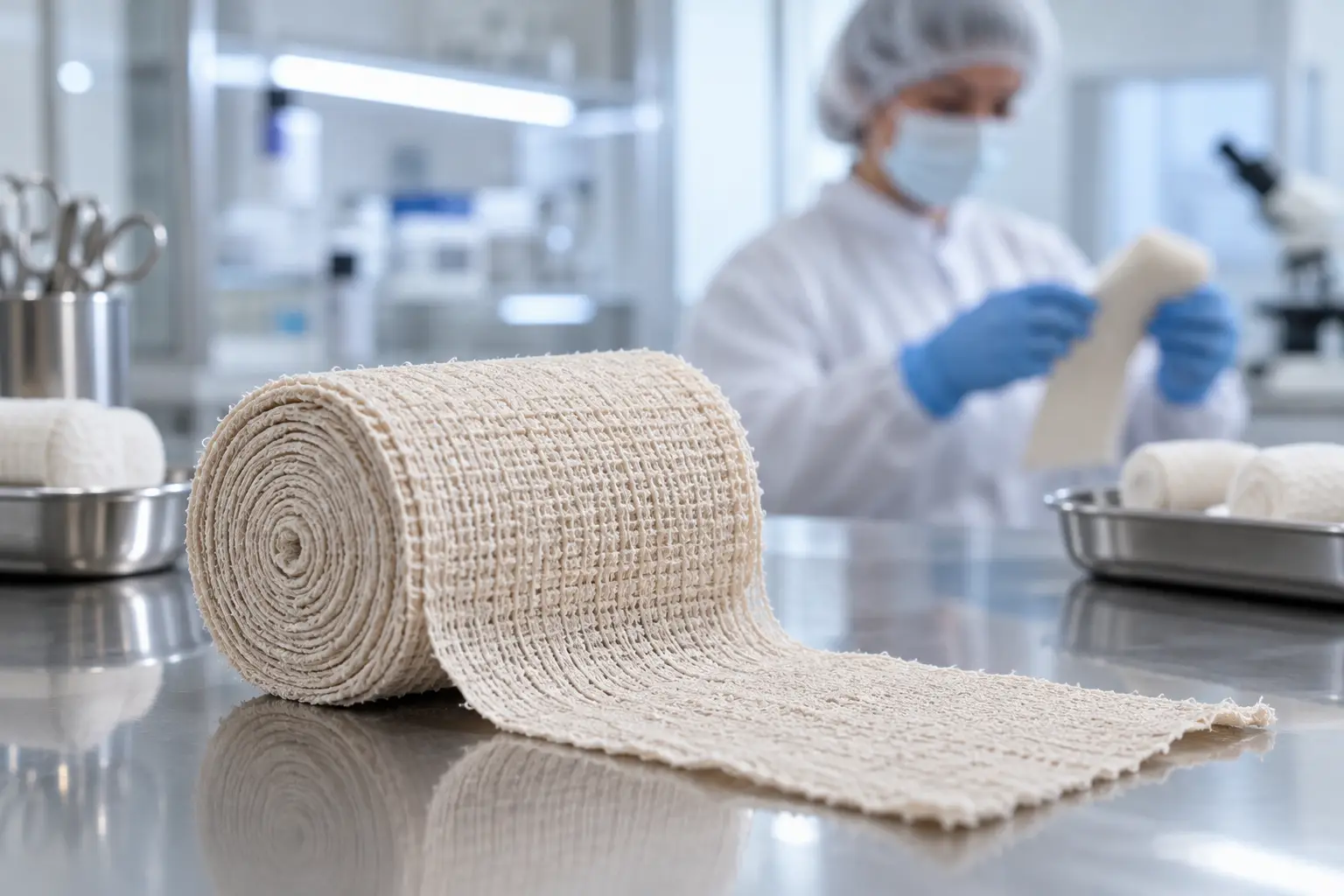
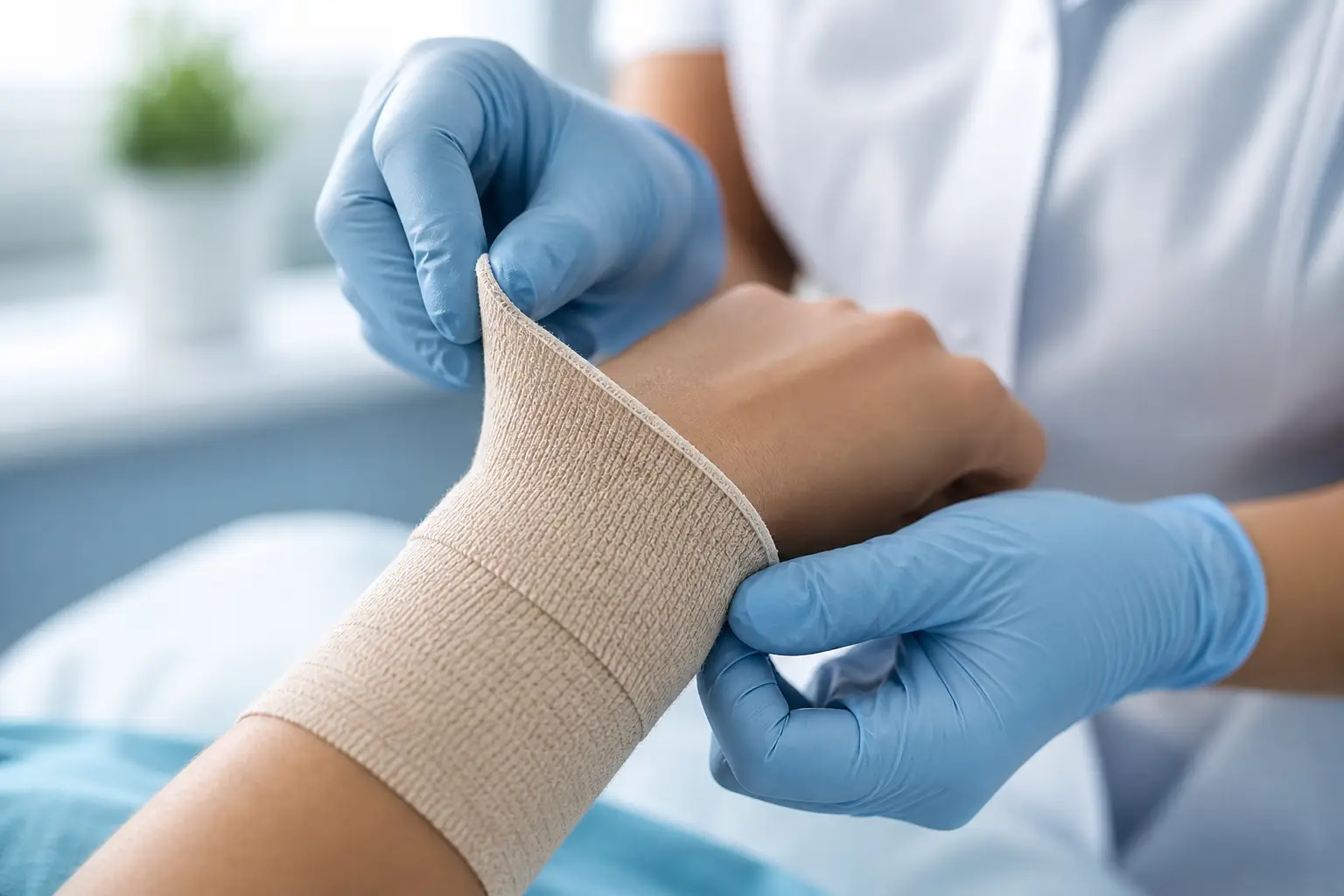
Un hospital puede gastar demasiado en suministros estériles y aún así tener prácticas débiles de control de infecciones. Suena contradictorio, pero ocurre cuando los equipos de compra tratan “estéril” como una calidad general en lugar de una condición específica y validada necesaria para una tarea clínica definida.
Una venda elástica crepe estéril puede ser apropiada cuando el producto debe entrar en un campo estéril o cuando el protocolo clínico aprobado requiere específicamente una venda estéril. Una venda crepe no estéril suele ser la opción más económica para soporte, compresión, retención y muchas aplicaciones de primeros auxilios fuera de ese campo.
La parte difícil es decidir dónde se sitúa el límite.
Para los departamentos de compras hospitalarias, esto es más que comparar precios unitarios. La decisión toca la seguridad de la sala de operaciones, etiquetado del producto, integridad del empaque, espacio de almacenamiento, cumplimiento de botiquines de primeros auxilios, pérdidas por caducidad y comportamiento del personal. Una especificación de compra mal escrita puede crear gasto innecesario o una brecha real en el control de infecciones.
Esta guía explica cómo clasificar la demanda de vendas crepe por uso clínico, construir una política de compra de vendas para salas de operación y comparar proveedores sin pagar una prima estéril en todas partes.
Respuesta breve: ¿Cuándo debe ser estéril una venda crepe?
Elija una venda elástica crepe estéril cuando:
- La venda se introducirá en un campo estéril establecido.
- El procedimiento aprobado del hospital o la política de control de infecciones requiera un producto estéril.
- El fabricante etiqueta el producto como estéril para la aplicación prevista.
- La barrera estéril individual está intacta, dentro de su vida útil y es compatible con el método de presentación aséptico de la instalación.
- La venda se utilizará en un procedimiento donde la contaminación crearía un riesgo clínico inaceptable.
Elija una venda crepe no estéril cuando:
- Se usa para soporte o compresión externa lejos de un campo estéril.
- Se envuelve sobre un vendaje primario adecuado después de que se complete la parte estéril del cuidado.
- Se suministra en pabellones generales, salas de fisioterapia, estaciones de salud ocupacional o botiquines de primeros auxilios donde la evaluación de riesgos lo permita.
- La venda se usa para distensiones, esguinces, soporte, retención o aplicaciones no invasivas similares.
- Las reglas locales no requieren que el producto en sí sea estéril.
Una advertencia importa aquí: una etiqueta estéril no significa automáticamente que una venda crepe esté aprobada para contacto directo con una herida abierta. El uso previsto todavía controla la decisión. En muchas aplicaciones, la venda crepe es una capa de soporte secundaria colocada sobre un vendaje de contacto con heridas estéril adecuado.
Siempre revise la etiqueta del fabricante y las instrucciones de uso. No asuma.
Estéril y No Estéril no son Calidades Generales de Calidad
Los equipos de compras a veces describen una venda elástica de crepe estéril como la “versión de alta calidad” y una venda de crepe no estéril como la versión presupuestaria. Ese encuadre es engañoso.
La esterilidad describe el estado microbiológico en un punto definido y depende de un proceso de esterilización validado, un sistema de barrera estéril adecuado, un control de fabricación y un embalaje intacto. Por sí misma, no te dice cuán bien se estira, recupera, mantiene la compresión, resiste el deshilachamiento o se siente contra la piel la venda de crepe.
Un producto no estéril puede tener una excelente consistencia del material y rendimiento de compresión. Un producto estéril aún puede ser una mala compra si sus dimensiones, elasticidad, embalaje o uso previsto no se ajustan al procedimiento.
La mejor pregunta es:
¿Tiene esta venda de crepe el rendimiento adecuado, el estado regulatorio, el embalaje y la condición de esterilidad para esta tarea exacta?
Este pequeño cambio en el wording previene mucho desperdicio.
Comparación de Compras Lado a Lado
| Factor de compra | Venda elástica de crepe estéril | Venda de crepe no estéril |
|---|---|---|
| Uso típico | Procedimientos estériles o entornos donde la política requiere esterilidad | Soporte, retención, compresión, rehabilitación y primeros auxilios generales |
| Embalaje | Generalmente sellada individualmente en una barrera estéril | Embalaje individual o a granel sin afirmación estéril |
| Entrada en campo estéril | Potencialmente aceptable cuando el etiquetado, el embalaje y la presentación aséptica son adecuados | No debe ingresar a un campo estéril establecido |
| Contacto directo con la herida | Solo si está permitido por el uso previsto y el protocolo clínico | Generalmente se utiliza sobre un vendaje primario adecuado, no directamente sobre una herida abierta |
| Costo por unidad | Generalmente más alto | Generalmente más baja |
| Gestión de vida útil | Más sensible a las fechas de caducidad y al daño del envase | A menudo más simple, aunque la vida útil y el almacenamiento aún importan |
| Inspección al recibir | Etiqueta de esterilidad, integridad del sello, lote, caducidad y condición del embalaje | Material, dimensiones, limpieza, embalaje, lote y vida útil |
| Error común de compra | Comprar stock estéril para cada departamento | Enviar stock no estéril a áreas donde se requiere presentación estéril |
| Mejor estrategia de inventario | Stock controlado para aplicaciones estériles aprobadas | Stock más amplio para zonas no estériles y usos de soporte rutinarios |
Esta tabla es un punto de partida, no un sustituto de una evaluación de riesgos de la instalación. Los procedimientos de quirófano varían, y la misma venda de crepé puede manejarse de manera diferente antes, durante y después de un procedimiento.
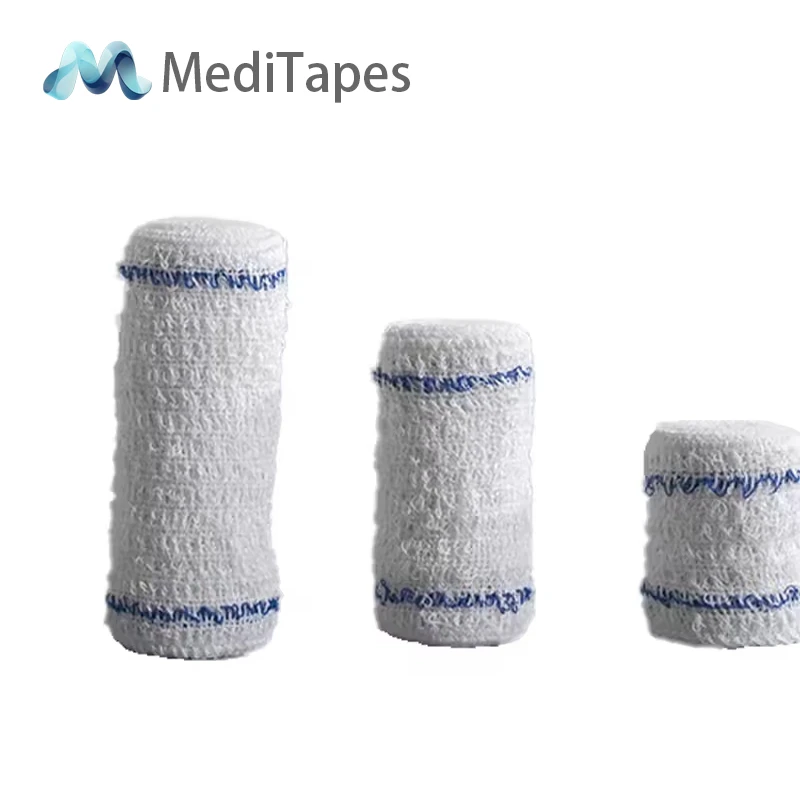
Vendaje de crepé elástico color piel para el tratamiento de venas varicosas
Venda de crepé elástica color piel para venas varicosas | Meta descripción de MediTapes: Vendas de crepé elásticas color piel al por mayor para el tratamiento de venas varicosas y control de edemas. Rollos de compresión discretos y transpirables disponibles en varios anchos. MediTapes ofrece precios directos de fábrica para suministros de soporte vascular. Contáctenos para pedidos al por mayor.
¿Por qué la adquisición de vendas de quirófano necesita su propia política?
Un quirófano no es una única zona de esterilidad. Hay un campo estéril, espacio controlado circundante, áreas de almacenamiento, áreas de preparación y actividad post-procedimiento. Un producto utilizado en algún lugar del departamento de quirófanos no necesita ser automáticamente estéril.
Esa distinción es el corazón de una adquisición sensible de vendas de quirófanos.
Los Centros para el Control y Prevención de Enfermedades de EE.UU. explican que el nivel requerido de desinfección o esterilización depende de cómo se use un artículo y el riesgo de infección asociado con ese uso. El CDC's Directrices para la desinfección y esterilización en instalaciones de atención médica Se centra principalmente en artículos médicos reutilizables, pero su lógica basada en riesgos también es útil para decisiones de compra: la aplicación clínica determina el nivel de control.
Para una venda de crepa, pregúntese tres antes de asignar estado estéril:
- ¿Cruzará al campo estéril?
- ¿Entrará en contacto directo con el paciente, y de ser así, qué tejido o vendaje tocará?
- ¿Requiere el procedimiento aprobado una venda elástica de crepa estéril?
Si la respuesta a las tres es no, comprar stock estéril puede aumentar costos sin mejorar la protección del paciente.
La caja exterior no es una barrera estéril
Un error común al recibir es tratar un cartón de envío sin abrir como evidencia de que los productos dentro están listos para uso estéril. No lo están.
El estado estéril se aplica al producto dentro de su sistema de barrera estéril validado. Los cartones de transporte, cajas de distribuidoras y muchas cajas externas dispensadoras no son estériles. El personal仍需 un método aprobado para inspresentar el envase interior sin contaminar el artículo estéril.
Una venda de crepa estéril con una bolsa perforada, sello abierto, mancha de agua, etiqueta ilegible o caducidad debe cuarentenarse según la política hospitalaria. Un descuento no rescatar un empaque estéril dañado.
¿Hasta cuándo está estéril?
Para dispositivos médicos esterilizados terminalmente, se espera que el embalaje mantenga la esterilidad hasta el punto de uso, siempre que el paquete permanezca intacto y se almacene y maneje bajo condiciones especificadas. ISO 11607-1 cubre materiales y sistemas de barrera estéril para dispositivos médicos esterilizados terminalmente.
Durante la cualificación del proveedor, solicite evidencia relevante para la venda de crepa estérica exacta que se compra. Un certificado genérico para la fábrica no es lo mismo que evidencia específica del producto.
Útiles registros pueden incluir:
- Método de esterilización indicado en la etiqueta.
- Resumen de validación de esterilización o declaración relevante.
- Información de empaque de barrera estéril.
- Soporte de vida útil.
- Formato de trazabilidad del lote.
- Condiciones de almacenamiento.
- Controles de integridad del paquete.
- Certificación actual de gestión de calidad.
- Documentos regulatorios requeridos en el mercado de destino.
La orientación de la FDA de EE.UU. sobre información del proceso de esterilización en presentaciones previas al mercado proporciona información útil sobre métodos de esterilización y información de validación. Los compradores aún deben verificar qué vía regulatoria se aplica al dispositivo y al mercado reales.
¿Se puede usar una venda de crepe no estéril después de la cirugía?
A menudo, sí, pero los detalles importan.
Una venda de crepe no estéril puede usarse como compresión externa, soporte o capa de retención después de que un vendaje estéril adecuado ya haya cubierto el sitio quirúrgico. Esto no significa que cada venda no estérsea sea adecuada para cada paciente postoperatorio.
El protocolo del equipo quirúrgico debe determinar:
- Si la venda de crepe puede contactar con el vendaje primario.
- Cuándo se puede aplicar el producto.
- Si se aplica dentro o fuera del campo estéril.
- Ancho y estiramiento requeridos.
- Límites de compresión.
- Con qué frecuencia debe cambiarse.
- Si se aplica una regla de uso por paciente único.
- ¿Qué controles de piel y circulación son necesarios?.
Un vendaje envuelto demasiado apretado puede crear problemas de presión y circulación, independientemente de si es estéril. Las compras no pueden controlar la técnica de aplicación, pero pueden evitar comprar productos con ancho inconsistente, estiramiento impredecible, bordes duros o comportamiento de desenrollado deficiente.
Por eso las muestras deben llegar a los usuarios clínicos reales antes de otorgar una licitación grande. Una hoja de especificación detecta algunos problemas. La evaluación práctica detecta los molestos.
Suministros de botiquines de primeros auxilios al por mayor: ¿Se requiere esterilidad?
Los compradores que adquieran suministros de botiquines de primeros auxilios al por mayor deben separar los productos en contacto con heridas de los productos de soporte y retención.
Las compresas estériles y los vendajes estériles para heridas se seleccionan comúnmente para cubrir directamente la herida. Un vendaje de crepe a menudo cumple una función diferente: mantener el vendaje en su lugar, apoyar una articulación o aplicar compresión controlada donde el personal calificado lo considere apropiado.
En los Estados Unidos, El estándar OSHA 29 CFR 1910.151 requiere que haya suministros de primeros auxilios adecuados fácilmente disponibles, pero no configura un kit universal para cada lugar de trabajo. Los contenidos necesarios dependen de los peligros, las condiciones del sitio de trabajo, el tiempo de respuesta y las normas industriales aplicables.
Esto significa que “botiquín de primeros auxilios conforme” es demasiado vago para un pedido de compra serio.
Al comprar un vendaje de crepe no estéril para kits, defina:
- Ancho del vendaje y longitud sin estirar.
- Composición del material.
- Requisitos individuales de envoltura.
- Método de sujeción, si se proporciona.
- Vigencia.
- Temperatura y humedad de almacenamiento.
- Estado del látex, si corresponde.
- Idioma de la etiqueta.
- Identificación del lote.
- Instrucciones o advertencias.
- Si el kit es para oficinas, fábricas, sitios de construcción, vehículos, escuelas o áreas de atención médica.
Un kit de mantenimiento de fábrica y un kit de ambulancia no son intercambiables. Ni lo son sus perfiles de riesgo.
Modelo de compra de tres zonas prácticas
Los hospitales pueden simplificar la distribución de vendajes de crepe dividiendo la demanda en tres zonas de adquisición.
Zona 1: Uso estéril procedural
Esta zona cubre el stock que puede entrar en un campo estéril o que específicamente se requiere que sea estéril por un procedimiento aprobado.
Especifique un vendaje de crepe elástico estéril, empaque estéril individual, etiquetado claro, trazabilidad del lote, vida útil y documentos de calidad de apoyo. El acceso debe ser controlado para que el stock estéril de alto costo no se retire casualmente para soporte de tobillo rutinario.
Zona 2: Uso clínico no estéril
Esto incluye salas, consultas externas, rehabilitación, fisioterapia, paquetes de alta y aplicaciones postoperatorias realizadas fuera del campo estéril.
Un vendaje de crepe no estéril puede ser adecuado, sujeto a política clínica. Aquí, el rendimiento y la consistencia suelen ser más importantes que una afirmación estéril. El personal aún necesita almacenamiento limpio y reglas de uso por paciente cuando sea aplicable.
Zona 3: Primeros auxilios generales y salud ocupacional
Esta zona incluye kits de lugar de trabajo, gabinetes de emergencia, áreas deportivas y estaciones de respuesta no clínicas.
La especificación del vendaje de crepe debe reflejar los peligros esperados y la competencia de los usuarios probables. Mantenga vendajes estériles para contacto con heridas en el mismo kit cuando la evaluación de riesgos lo indique. El vendaje de soporte no debe considerarse un sustituto de un vendaje primario.
Bines codificados por código, códigos de stock separados y etiquetas de estante claras pueden reducir la sustitución accidental entre estas zonas. Es simple, y suele funcionar mejor que otro largo memo que nadie lee.
Cómo calcular el costo real del stock estéril y no estéril
El precio unitario es solo la parte visible del costo del vendaje de crepe.
Use este cálculo básico:
Costo total llegado = costo del producto + flete + aduanas + costo de recepción + costo de inspección + costo de almacenamiento + pérdida por caducidad + pérdida por daño
Para stock estéril, agregue el costo operativo de controlar la integridad del paquete y la rotación de caducidad. Luego calcule el costo por rollo utilizable:
Costo por rollo utilizable = costo total de llegada ÷ número de rollos aceptados, no caducados y utilizables
Suponga que un hospital utiliza 12,000 rollos al año. Después de revisar los procedimientos, el equipo estima que 35% requieren una venda elástica estéril de crepe y 65% pueden usar una venda de crepe no estéril.
Solo para fines ilustrativos, asumamos:
- Costo de llegada del rollo estéril: $1.20
- Costo de llegada del rollo no estéril: $0.42
- Requerimiento anual: 12,000 rollos
- Requerimiento estéril: 4,200 rollos
- Requerimiento no estéril: 7,800 rollos
Una política completamente estéril costaría:
12,000 × $1.20 = $14,400
Una política mixta costaría:
(4,200 × $1.20) + (7,800 × $0.42) = $8,316
La diferencia anual modelada es:
$14,400 − $8,316 = $6,084
Estos precios son hipotéticos, no cotizaciones de mercado. Reemplácelas con ofertas de proveedores, fletes, aranceles, pérdidas por inspección y sus datos reales de utilización. El punto útil es el método: clasifique la demanda antes de comparar ofertas.
Una venda de crepe no estéril más barata también puede volverse costosa si se deshilacha, pierde tensión, llega con dimensiones inconsistentes o requiere dos rollos donde un mejor producto solo necesita uno.

Rollo de vendaje de crepé elástico estéril con clips – Disponibilidad OEM
Vendaje de crepé elástico estéril certificado con clips metálicos o elásticos seguros. Ofrecemos personalización OEM para el tamaño y el embalaje. Este vendaje de crepé elástico de alta calidad garantiza una protección estéril para heridas quirúrgicas. Su retención confiable y textura suave lo hacen esencial para botiquines de primeros auxilios.
Construya la Especificación Antes de Solicitar Precios
Enviar a los proveedores un mensaje que diga “cotizar venda de crepe, mejor precio” invita a ofertas que no se pueden comparar adecuadamente.
Una solicitud útil de cotización debe incluir lo siguiente.
| Área de especificación | What the buyer should define |
|---|---|
| Product type | Sterile elastic crepe bandage or non-sterile crepe bandage |
| Intended application | OR, ward, postoperative support, rehabilitation, or first aid |
| Dimensiones | Width, unstretched length, and measurement tolerance |
| Material | Requested fiber composition and any restricted substances |
| Rendimiento | Stretch, recovery, support level, edge finish, and unwind behavior |
| Sterile status | Sterile or non-sterile, including required sterilization evidence |
| Embalaje | Individual pack, units per box, sterile barrier requirements, and carton quantity |
| Labeling | Product name, size, lot, expiry where applicable, storage, and market-specific symbols |
| Quality documents | Certificates and declarations applicable to the product and sales market |
| Commercial terms | Incoterm, lead time, minimum order, payment terms, and quotation validity |
| Sample plan | Number of samples and departments involved in evaluation |
| Acceptance plan | Verificaciones visuales, dimensionales, de empaquetado y de documentos |
Para símbolos de dispositivos médicos e información de etiquetas, los equipos de compras pueden referirse al alcance de ISO 15223-1. El formato de etiqueta requerido depende finalmente del mercado de destino y del estado regulatorio del producto.
Al revisar opciones de la categoría de vendaje elástico de MediTapes, envíe la aplicación prevista, el requisito de esterilidad, las dimensiones, el volumen anual esperado y el país de destino. Esto da al proveedor suficiente información para discutir una configuración relevante en lugar de adivinar.
Preguntas de cualificación de proveedores que revelan ofertas débiles
Las comparaciones de precios se vuelven más claras cuando todos los proveedores responden las mismas preguntas.
Pregunte:
- ¿Este vendaje de crepe exacto se suministra esterilizado o no esterilizado?
- ¿Cuál es el uso previsto declarado?
- Si es esterilizado, ¿qué método de esterilización se utiliza?
- ¿Cada rollo está sellado individualmente?
- ¿Cuál es la vida útil restante en el momento del envío?
- ¿Cómo se muestran los números de lote en el paquete unitario y la caja?
- ¿Qué tolerancias dimensionales aplican?
- ¿Qué especificaciones de material y elasticidad están controladas?
- ¿Está presente el látex de goma natural en el producto o el embalaje?
- ¿Qué documentos de calidad y regulatorios aplican a este modelo exacto?
- ¿Puede el proveedor proporcionar muestras de preproducción y envío?
- ¿Cómo se manejan las quejas de embalaje e investigaciones por lote?
- ¿Qué sucede si fallan los sellos en la inspección de entrada?
- ¿Se pueden distinguir visualmente las cajas estériles y no estériles?
- ¿Notifica el proveedor a los compradores antes de cambios en materiales, embalajes, sitios o procesos?
No acepte “aprobado por la FDA” o “certificado por CE” como respuesta completa sin verificar a qué se refiere realmente la declaración. El lenguaje regulatorio se utiliza con demasiada frecuencia de manera demasiado vaga en el comercio internacional.
El titular del certificado, el sitio de fabricación, la identidad del dispositivo, la clasificación del producto, el alcance, las fechas y los requisitos del mercado de destino deben coincidir. Si no lo hacen, detenga el pedido.
Inspección de entrada: Qué verificar en la entrega
Incluso un proveedor bien calificado necesita controles de recepción.
Para cada envío de vendaje de crepa, inspeccione una muestra definida para:
- Número de producto y pedido correctos.
- Estado estéril o no estéril correcto.
- Ancho y largo.
- Configuración del embalaje.
- Consistencia del número de lote.
- Información de fabricación y caducidad, cuando sea aplicable.
- Cajas limpias y secas.
- Etiquetas legibles.
- Precisión de la cantidad.
- Contaminación visible, deshilachaduras, manchas o daños.
Para un vendaje de crepe elástico estéril, también consulte:
- Sello intacto.
- Sin pinholes, cortes, canales o delaminación.
- Paquetes estériles no húmedos ni aplastados.
- Marcas de esterilidad consistentes con el arte aprobado.
- Identificación del método de esterilización cuando sea necesario.
- Tiempo de vida útil restante suficiente para el consumo esperado.
Registrar la aceptación por lote. Si surgen quejas más tarde, el hospital debería poder identificar qué departamentos recibieron el vendaje de crepe afectado.
Que la trazabilidad es mucho más valiosa que discutir con un proveedor usando una foto de un rollo sin marcar.
Errores comunes en la adquisición
Compra de rollos estériles para cada ubicación
Esto parece cauteloso, pero puede agotar los presupuestos, aumentar las pérdidas por caducidad y difuminar la distinción entre stock estérigo y ordinario. Reserve el vendaje de crepe elástico estérigo para usos definidos.
Asumir que No Estérigo Signa Reutilizable
No estérigo no significa reutilizable. Siga la etiqueta, instrucciones, política de control de infecciones y requisitos de uso por paciente único. Envolvolver un vendaje de crepe usado y devolverlo al stock compartido no es una medida económica.
Usar un vendaje de soporte como vendaje primario de herida
Un vendaje de crepe se usa comúnmente para soporte, compresión o retención. A menos que el producto esté específicamente destinado a contacto directo con la herida, coloque un vendaje adecuado entre la herida y el vendaje.
Ignorar el tamaño del paquete
Un precio bajo por rollo puede ocultar cartones oversized que se mueven lentamente. Los cartones grandes también aumentan la manipulación y exposición a daños después de abrir. Coincidir la cantidad del cartón con el consumo real del departamento.
Tratar la vida útil como una casilla de verificación de licitación
Pida la vida útil restante en la entrega, no solo la vida útil máxima desde la fabricación. Seis meses restantes en un vendaje de crepe estérigo de lento movimiento es una oferta muy diferente a tres años restantes.
Saltar muestras clínicas
Las compras pueden verificar documentos y precios. Las enfermeras y otros usuarios capacitados pueden identificar bordes irregulares, mala conformabilidad, deslizamiento, estiramiento desigual y empaquetado incómodo. Ambas verificaciones son necesarias.
Un mejor flujo de trabajo para la asignación en hospitales
Una revisión hospitalaria viable se puede completar en siete pasos:
- Exportar 12 meses de consumo de vendaje de crepe por código de stock y departamento.
- Listar los procedimientos y tareas asociadas con cada departamento.
- Preguntar a los líderes de prevención de infecciones y clínicos qué tareas requieren presentación estéril.
- Mover el soporte rutinario y la demanda de retención externa al grupo no estéril donde lo permita la política.
- Crear códigos de stock y ubicaciones de almacenamiento separados.
- Probar muestras con usuarios antes de cambiar el contrato.
- Revisar el uso, desperdicios, quejas, sustituciones y pérdidas por caducidad después de tres a seis meses.
Medir el resultado con algunos indicadores directos:
Tasa de utilización estéril = rollos estériles utilizados para tareas estériles aprobadas ÷ total de rollos estériles emitidos × 100
Tasa de pérdida por caducidad = rollos caducados ÷ total de rollos comprados × 100
Tasa de quejas = quejas de productos aceptadas ÷ rollos emitidos × 1,000
Costo por procedimiento = costo total del vendaje de crepe para el grupo de procedimientos ÷ número de procedimientos completados
Estos números revelan si la política funciona en la práctica. Una hoja de cálculo que solo muestre un precio de compra más bajo no lo hará.
Tomar la decisión de compra
La estrategia de compras más segura no es “estéril en todas partes”, y ciertamente no es “comprar el rollo más barato”. Es un emparejamiento controlado.
Use un vendaje de crepe elástico estéril cuando se requiera realmente una presentación estéril. Use un vendaje de crepe no estéril para soporte adecuado, retención, rehabilitación y primeros auxilios fuera del campo estéril. Mantenga los códigos de stock visualmente distintos, capacite al personal sobre el límite y audite el consumo real.
Para los compradores que comparan dimensiones, embalajes, volúmenes anuales o requisitos de marca propia, revisa la disponible gama de vendajes de crepa elástica de MediTapes. La idoneidad del producto y la documentación deben confirmarse para tu mercado de destino y aplicación clínica prevista.
Si tu lista de compras actual utiliza una especificación de vendaje de crepa en quirófanos, salas y botiquines de primeros auxilios, probablemente haya margen para mejorar tanto la seguridad como los gastos. Prepara tus cantidades anuales, anchuras requeridas, división estéril, país de destino y requisitos de embalaje, luego contacta a MediTapes para una discusión o cotización del producto. Las consultas de compra también se pueden enviar a info@meditapes.com.
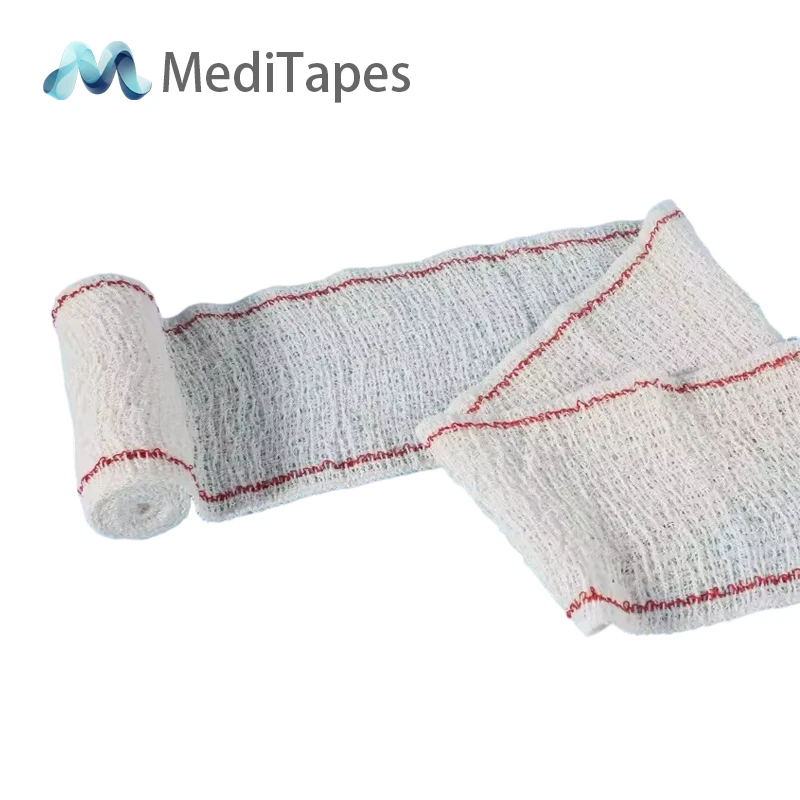
Vendaje de crepé elástico transpirable al por mayor para lesiones deportivas
Compra al por mayor de venda de crepé elástica y transpirable diseñada para la recuperación deportiva. Esta venda de crepé ligera se adapta fácilmente a los contornos del cuerpo como rodillas y tobillos. Reduce la hinchazón a la vez que permite que la piel respire. Una opción ideal para entrenadores deportivos que necesitan un soporte fiable para lesiones deportivas.
Preguntas frecuentes
¿Es siempre necesaria una venda elástica de crepé estéril en un quirófano?
No. Un producto no necesita ser estéril simplemente porque se almacene o utilice en algún lugar del departamento de quirófanos. La esterilidad se requiere generalmente cuando el vendaje de crepé entra en el campo estéril o cuando un procedimiento aprobado requiere específicamente una presentación estéril. Los protocolos quirúrgicos y de control de infecciones del hospital deben tomar esa decisión.
¿Se puede aplicar una venda de crepé no estéril sobre un apósito quirúrgico?
Puede ser adecuado como capa de soporte externo, compresión o retención después de haber aplicado un apósito primario apropiado y una vez finalizada la parte estéril del procedimiento. La política clínica, el uso previsto, la condición del paciente y la técnica de aplicación siguen siendo aplicables.
¿Es segura una venda de crepé estéril para el contacto directo con una herida abierta?
No automáticamente. El término “estéril” describe el estado de esterilidad del producto, no todos sus usos permitidos. Verifique si el fabricante ha previsto el uso del producto para el contacto directo con la herida. En muchos casos, primero se aplica un apósito estéril adecuado y la venda de crepé se utiliza como una capa secundaria.
¿Qué opción es mejor para botiquines de primeros auxilios al por mayor?
A menudo se selecciona un vendaje de crepé no estéril para el soporte y la sujeción de apósitos, mientras que los productos estériles de contacto con la herida se almacenan por separado. El contenido correcto del botiquín depende de la legislación local, los riesgos laborales, el tiempo de respuesta previsto, la capacitación del usuario y la norma de primeros auxilios aplicable.
¿Cómo pueden los hospitales reducir el desperdicio de vendas de crepé estériles?
Separe los códigos de existencias estériles y no estériles, restrinja el inventario estéril a las áreas de uso aprobadas, aplique la rotación de primero en expirar, primero en salir (FEFO), inspeccione los paquetes durante los conteos de existencias y realice un seguimiento de las incidencias por departamento. Los niveles bajos de existencias mínimas (niveles par) y una reposición más frecuente pueden ser de gran ayuda en las ubicaciones de poco uso.
¿Qué documentos deben solicitar los compradores a un proveedor?
Solicite los documentos aplicables al producto exacto y al mercado de destino. Estos pueden incluir especificaciones del producto, certificados del sistema de calidad, declaraciones regulatorias, información de esterilización para productos estériles, datos de empaque, información sobre la vida útil, artes de etiquetado, detalles de trazabilidad de lotes y declaraciones de materiales. Verifique el alcance y la validez en lugar de limitarse a recopilar certificados para el archivo y olvidarlos.