If you are a procurement officer at a busy hospital or a sourcing manager for a regional distributor of medical consumables, you have probably had your fair share of headaches. Your desk is piled high with contract renewals, budgets are tighter than ever, and clinicians are constantly breathing down your neck. They do not care about your budget constraints—they care about patient care. And when a doctor or a physical therapist asks for medical grade rigid tape, they expect something that actually works. Not something that slides off a patient’s skin the second they start sweating, and definitely not something that leaves a nasty red rash.
In the fast-paced world of healthcare, tape is not just tape. A substandard batch can lead to clinical complications, patient discomfort, and a massive waste of hospital resources. That is why understanding what makes a true medical grade rigid tape—and how it differs from standard retail alternatives—is essential for any smart healthcare buyer.
In this comprehensive guide, we will break down the exact standards, clinical requirements, and manufacturing specifications that define high-quality medical grade rigid tape. We will also look at how to navigate the procurement maze to ensure you are getting the best value without compromising on clinical outcomes.
The Regulatory Hurdles: What Makes It Truly “Medical Grade”?
You cannot just buy some athletic tape from a local sporting goods store and slap it on a patient in a clinical setting. Well, you could, but your legal and compliance departments would have a collective panic attack. To be classified as medical grade rigid tape, a product has to jump through some pretty serious regulatory hoops.
In the medical world, tape is categorized as a Class I medical device under regulatory frameworks like the FDA (under 21 CFR Section 880.5240) and the European Union’s Medical Devices Regulation (EU MDR 2017/745). This means the manufacturing process must adhere to strict quality control systems. If you are sourcing clinical strapping tape for a hospital network, you should always ask your supplier for their ISO 13485 certification. This is not just a fancy piece of paper; it proves that the manufacturer has a comprehensive quality management system specifically for medical devices.
But the regulations do not stop at quality management. The medical grade rigid tape itself has to be biocompatible. Since medical grade rigid tape is designed for direct, prolonged skin contact, it must undergo rigorous testing to ensure it does not cause harm. The gold standard for this is the ISO 10993 series, which evaluates biological safety.
The key testing protocols for medical grade rigid tape under ISO 10993 include:
- ISO 10993 Part 5 (In Vitro Cytotoxicity): This test ensures the adhesive on the medical grade rigid tape does not kill skin cells or damage tissue structure.
- ISO 10993 Part 10 (Tests for Irritation and Skin Sensitization): This protocol ensures the medical grade rigid tape won’t cause allergic contact dermatitis or painful rashes on sensitive patient skin.
When you are reviewing a new supplier for your hospital’s medical consumables, do not just look at the price sheet. Ask for their ISO 10993 test reports for their medical grade rigid tape. If they cannot provide them, or if they give you a vague answer, run. It is simply not worth the risk of causing medical adhesive-related skin injuries (MARSI) in your patient population.
Technical Specifications: The Anatomy of High-Performance Clinical Strapping Tape
To understand why some tapes fail in the ward while others perform beautifully, you have to look at the physical construction. High-quality medical grade rigid tape is engineered from the ground up to provide maximum support with minimal risk of skin breakdown.
Let’s look at the key physical components that make up a premium medical grade rigid tape:
1. The Substrate: Heavy-Duty Cotton Fabric
The backing, or substrate, of clinical strapping tape is what provides the actual structural support. It needs to be incredibly strong, with virtually zero stretch, so it can lock joints and muscles in place.
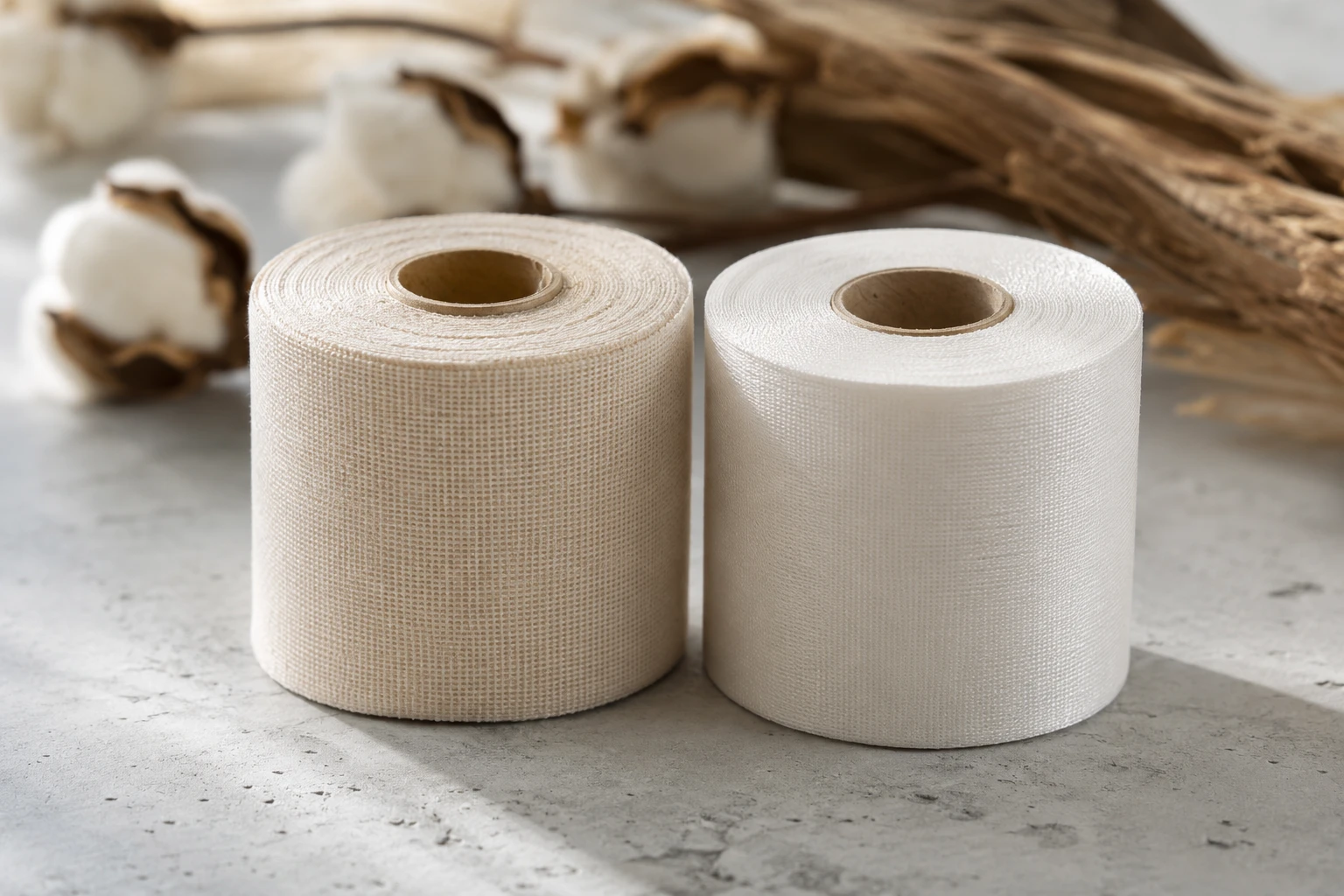
Most high-end manufacturers of medical grade rigid tape use 100% cotton fabric. The thread count and weight of the cotton are critical. If the cotton fabric is too thin, the medical grade rigid tape will tear under tension during clinical use. If it is too thick, the medical grade rigid tape won’t conform to the body’s natural curves, leading to premature lifting and wrinkling.
If you need a medical grade rigid tape that offers a bit more visual versatility while maintaining these rigid standards, you might want to look into specialized options like Cinta deportiva de tela de algodón de colores. This category offers the same high-tensile support but in various colors, which is incredibly useful for pediatric wards or sports medicine clinics where patient engagement and comfort are key.
2. The Adhesive: Medical-Grade Zinc Oxide Hot Melt
This is where the magic (or the disaster) happens. The adhesive on a medical grade rigid tape must be strong enough to hold up under sweat, water, and movement, yet gentle enough to be removed without tearing the stratum corneum (the outer layer of skin).
Historically, many industrial tapes used latex-based adhesives. Today, that is a huge red flag for medical grade rigid tape. Latex allergies are common and can lead to severe reactions. Modern medical grade rigid tape utilizes a latex-free, zinc oxide hot-melt adhesive. Zinc oxide has mild antiseptic and anti-inflammatory properties, making the medical grade rigid tape incredibly skin-friendly.
In laboratories, we calculate the performance of the adhesive using a standard 180-degree peel test. The formula is expressed in plain text as follows:
Peel Adhesion (grams per 25mm) = F / W
In this formula, F represents the peel force required to peel the tape specimen at a 180-degree angle from a standardized stainless steel plate, measured in grams. W represents the physical width of the tape specimen, which is standardized to 25mm.
A high-quality clinical strapping tape or medical grade rigid tape will usually have a peel adhesion value between 500 and 800 grams per 25mm. Any lower, and the medical grade rigid tape will curl up at the edges; any higher, and you risk tearing the patient’s skin during removal.
3. Edge Design: Zig-Zag for Easy Tearing
In a fast-paced clinical setting, nurses and physical therapists do not have time to fumble around looking for scissors. That is why premium medical grade rigid tape features serrated or zig-zag edges. This allows clinicians to tear the medical grade rigid tape easily by hand, both lengthwise and crosswise, saving precious seconds during a procedure.
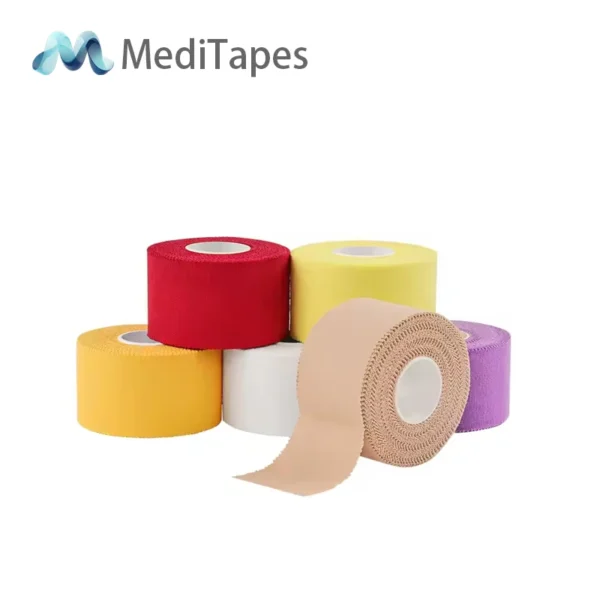
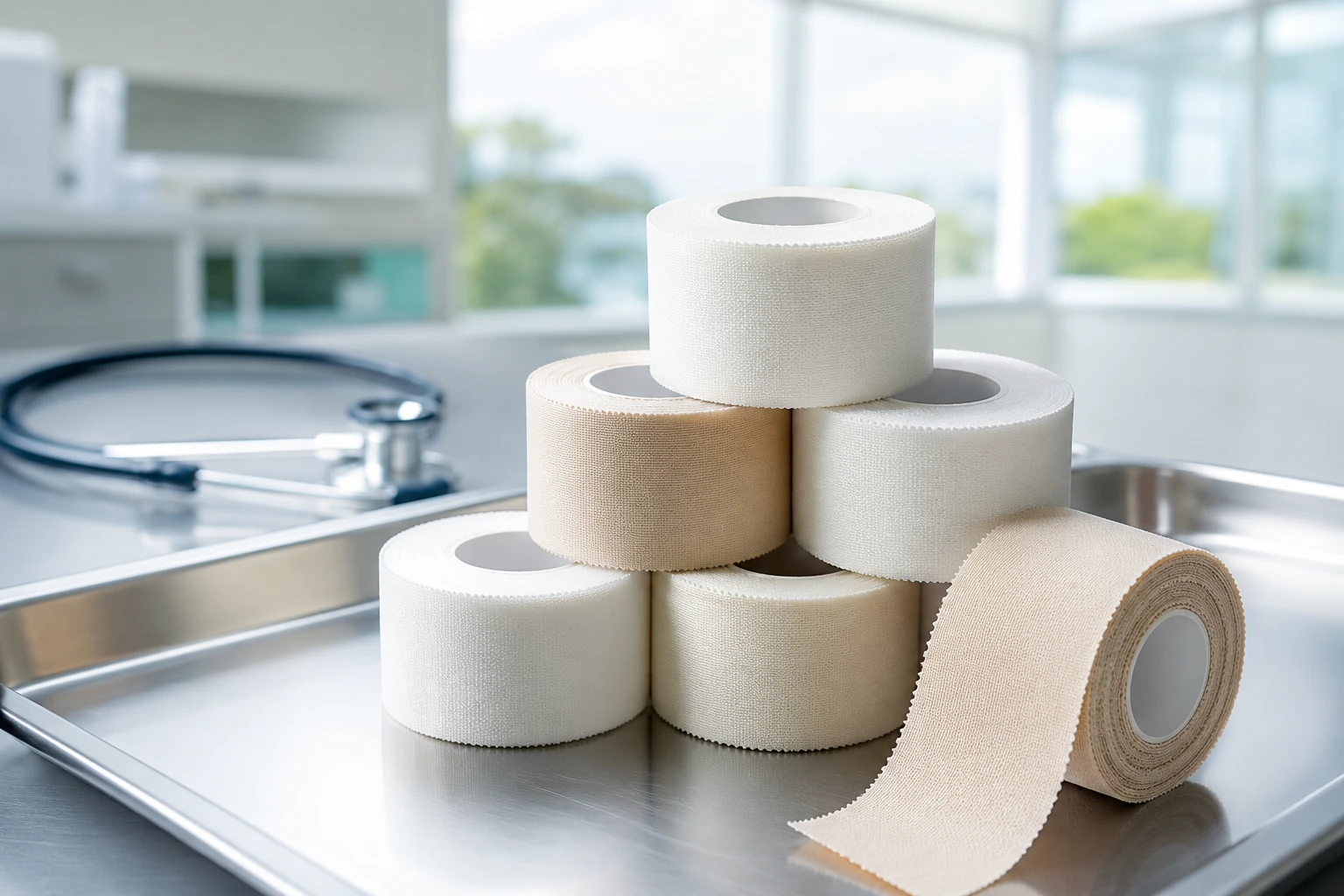
Venta al por mayor de cinta de flejado rígida, suministro a granel de cinta deportiva de algodón de colores
¿Busca cinta deportiva de algodón de color de alta calidad para su inventario? Nuestra cinta rígida de sujeción cuenta con bordes dentados para un rasgado fácil y una fijación fuerte. Ideal para pedidos al por mayor, esta cinta deportiva de algodón transpirable garantiza durabilidad para los atletas. Contáctenos para precios al por mayor.
Comparing the Options: Medical Grade Rigid Tape vs. Alternatives
Not all tapes are created equal, and using the wrong product in a hospital setting can lead to increased clinical complications and higher overall costs. The table below compares true medical grade rigid tape with other common alternatives often mistakenly used in clinical environments.
| Feature / Specification | Medical Grade Rigid Tape | Hospital Grade Sports Tape | Standard Retail Tape |
|---|---|---|---|
| Material principal | 100% heavy-duty cotton fabric | Cotton/synthetic blend | Cheap synthetic or low-thread cotton |
| Adhesive Chemistry | Hypoallergenic zinc oxide hot melt | Zinc oxide or synthetic rubber | Standard industrial acrylic adhesive |
| Biocompatibilidad | Full ISO 10993 certification | Often basic skin-safe claims | None (high risk of contact dermatitis) |
| Resistencia a la tracción | Very high (typically > 120 N/inch) | High (designed for dynamic motion) | Medium to low (stretches easily) |
| Facilidad de corte | Hand-tearable with zig-zag edges | Hand-tearable, variable edges | Usually requires scissors to cut |
| Common Clinical Use | Post-op joint stabilization, heavy orthotics | Athletic joint strapping, outpatient rehab | Basic home first aid, light bundling |
As you can see, while a hospital grade sports tape might share some physical characteristics, true medical grade rigid tape is subject to much stricter biocompatibility and quality control standards. This makes a certified medical grade rigid tape the only safe choice for acute care, surgical wards, and orthopedic departments.
Why Hospital Procurement Teams Must Prioritize Certified Medical Consumables
For clinical strapping tape to perform reliably, manufacturing consistency is everything. When a hospital purchases bulk quantities, every single roll of medical grade rigid tape must perform exactly the same.
If you buy uncertified medical consumables, you risk receiving batches with inconsistent adhesive weight, uneven fabric weaving, or poor roll tension. These issues make the medical grade rigid tape difficult to unwind or, worse, cause it to lose its grip mid-procedure.
Furthermore, certified medical grade rigid tape protects hospitals from regulatory non-compliance. When internal clinical auditors review the medical consumables used in surgical units, they look for products that strictly align with hospital-grade sports tape standards and surgical strapping guidelines. Having a fully certified medical grade rigid tape on hand keeps your audits clean and your clinicians happy.
A Real-World Sourcing Nightmare: The True Cost of Cheap Tape
Let’s talk about a real-world scenario that happens all too often. Names have been omitted to protect the innocent, but the lesson is very real.
A large regional hospital group was looking to cut costs on their annual spend for medical consumables. They decided to switch their clinical strapping tape and medical grade rigid tape supplier to a low-cost importer that promised a 25% savings per roll. On paper, the procurement team looked like heroes. They saved nearly $15,000 on their initial order.
But within three months, the complaints started pouring in from the physical therapy and orthopedic departments regarding this new medical grade rigid tape:
- Clinical Failure: The cheap tape lacked consistent adhesive mass. During heavy joint stabilization, the medical grade rigid tape would stretch and slip, failing to provide the required support.
- Skin Complications: Patients started developing severe skin redness, blisters, and tears upon removal. The hospital saw a 14% spike in documented cases of medical adhesive-related skin injuries (MARSI) because the imported tape was not a true medical grade rigid tape.
- Wasted Time and Material: Because the tape kept peeling off early, nurses had to re-apply the medical grade rigid tape twice as often. The hospital ended up using 40% more tape rolls than they did with the previous supplier.
Ultimately, that $15,000 in “savings” cost the hospital group over $45,000 in wasted product, additional nursing labor, and clinical wound care treatments. It was a classic example of “penny wise, pound foolish” when sourcing medical grade rigid tape.
This is why experienced B2B buyers look beyond the unit price. They partner with trusted, specialized manufacturers like Cintas médicas who prioritize clinical efficacy and rigorous quality control for every roll of medical grade rigid tape.
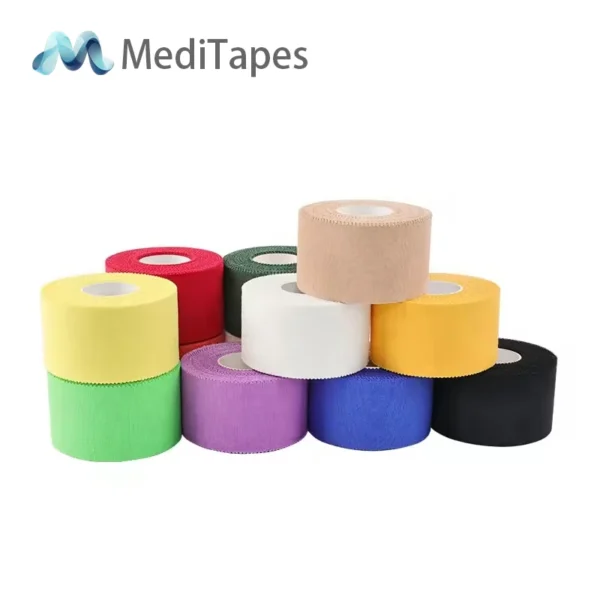
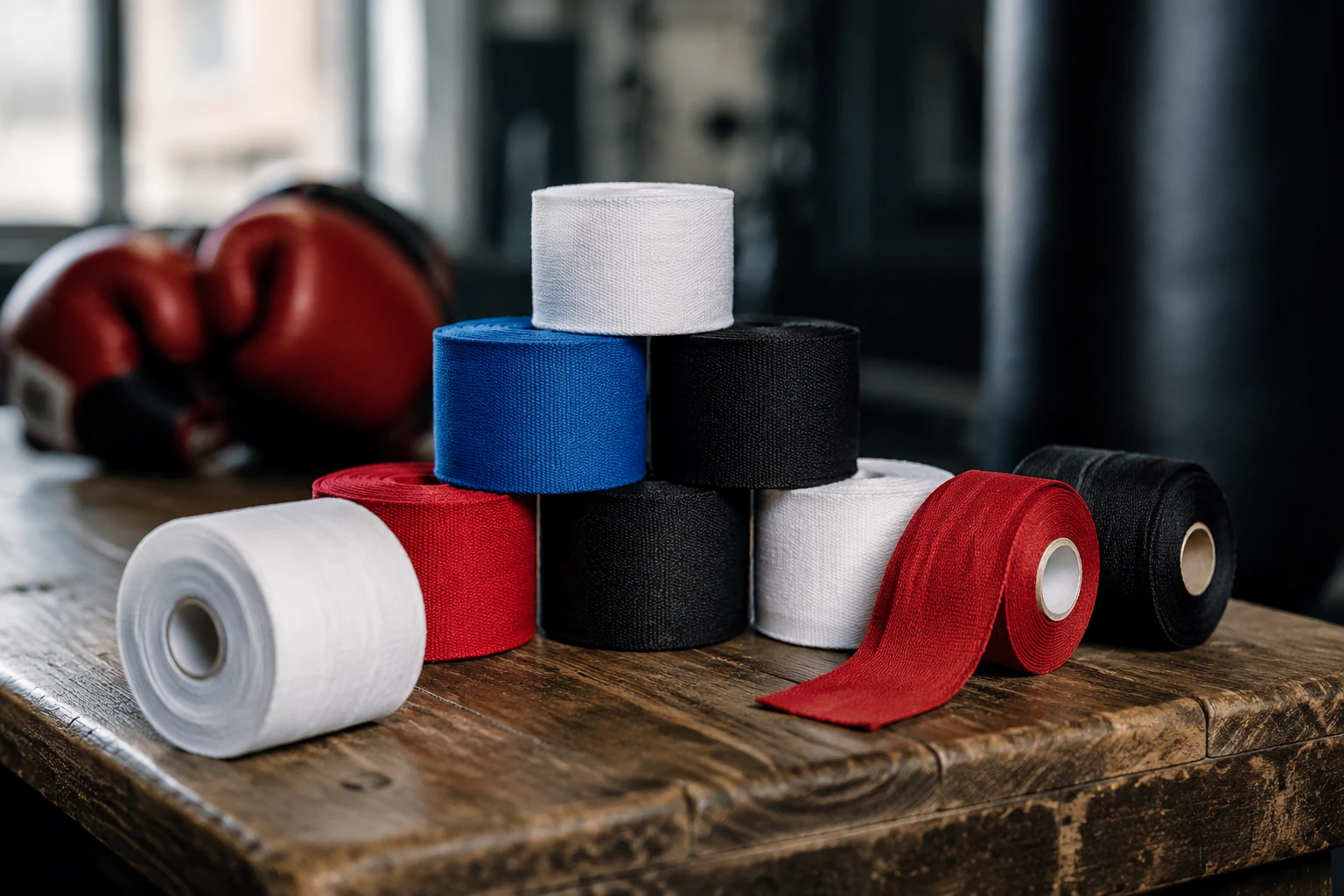
Cinta atlética de algodón con borde dentado para protección en boxeo y escalada
Proteja sus manos y articulaciones con nuestra cinta atlética de algodón de primera calidad. Diseñada con un borde dentado, esta cinta deportiva de algodón se rasga fácilmente sin tijeras. Perfecta para vendajes de boxeo y escalada, ofrece un agarre y soporte superiores. Disponible en rojo, azul, negro y más.
Sourcing Wisely: How to Evaluate Your Medical Tape Supplier
When you are negotiating contracts for your hospital’s medical consumables, you need to ask the right questions. A glossy brochure is nice, but it doesn’t guarantee clinical performance. Here is a quick checklist of things you should demand from any potential supplier of medical grade rigid tape:
1. Request Complete Technical Data Sheets (TDS)
A reputable manufacturer will have no problem providing a detailed TDS for their clinical strapping tape and medical grade rigid tape. This document should clearly state:
- The exact fabric composition of the medical grade rigid tape (e.g., 100% cotton).
- The type of adhesive used (e.g., latex-free, zinc oxide hot melt).
- Physical performance metrics of the medical grade rigid tape, including tensile strength and 180-degree peel adhesion values.
2. Verify Regulatory Certifications
Do not just take their word for it. Ask for copies of their ISO 13485 certificate, CE declaration of conformity, and FDA registration details for their medical grade rigid tape. Ensure these certifications are active and issued by a recognized notified body.
3. Ask for Production Samples
Before signing a long-term supply contract, always request production samples of their medical grade rigid tape and hospital grade sports tape. Hand these samples over to your clinical staff—the physical therapists and orthopedic nurses—and let them test the medical grade rigid tape in real-world conditions. Their feedback on the medical grade rigid tape is the most valuable data you will ever get.
Technical Performance and Quality Testing Protocols
To maintain high standards, premium manufacturers of medical grade rigid tape perform several automated tests during production. These quality control steps ensure that the physical characteristics of the clinical strapping tape remain consistent across millions of rolls.
Aging and Shelf-Life Testing
Medical consumables can sit in hospital warehouses for months. A high-quality medical grade rigid tape must withstand varying storage temperatures without degrading. Manufacturers perform accelerated aging tests by exposing the medical grade rigid tape to high temperatures (typically 50 degrees Celsius) and high humidity for several weeks. If the medical grade rigid tape adhesive turns yellow, becomes brittle, or loses its stickiness, it fails the quality check.
Unwinding Force Test
Have you ever tried to pull tape off a roll and found it so sticky or so stiff that it was impossible to unwind smoothly? This is a major issue for busy clinical strapping tape users. The unwinding force test measures the exact tension required to peel the medical grade rigid tape from its own roll. A balanced medical grade rigid tape has a smooth, consistent release, allowing quick application in emergency clinical environments.
Why Leading Healthcare Providers Trust MediTapes
En Cintas médicas, we understand that consistency is everything in healthcare. We don’t just manufacture tape; we engineer clinical solutions that protect patients and support healing. Our medical grade rigid tape is manufactured under strict ISO 13485 standards, ensuring that every single roll that leaves our facility meets the rigorous demands of modern clinical environments.
We work closely with hospital procurement teams and large-scale medical distributors to provide reliable, high-volume supply chains for medical grade rigid tape and other vital medical consumables. Whether you need standard white clinical strapping tape or specialized color cotton fabric sports tape, we have the manufacturing capacity and technical expertise to deliver exactly what you need, when you need it.
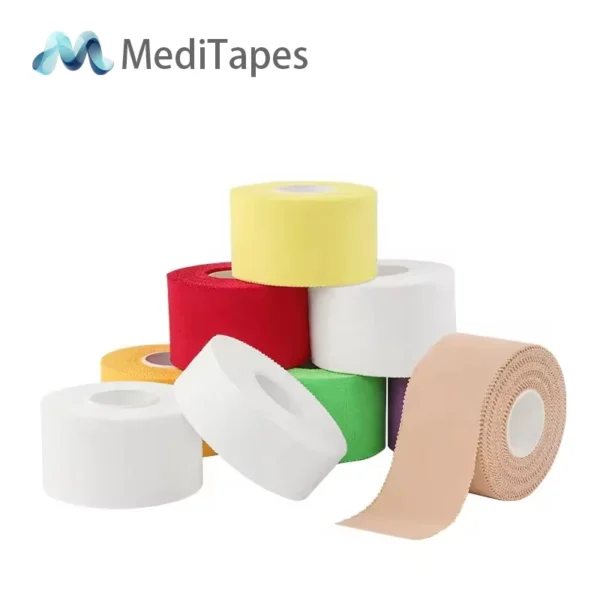
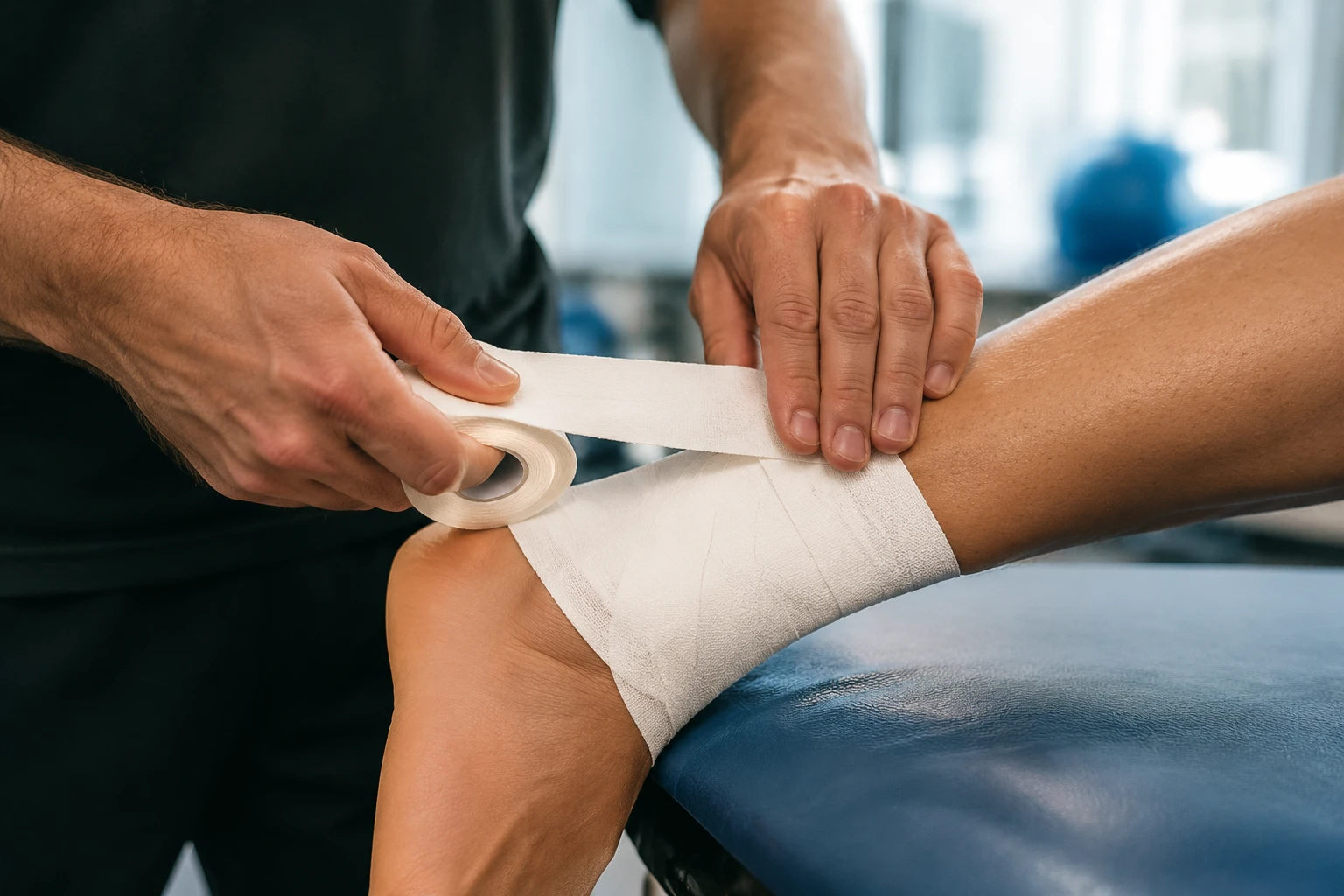
Cinta deportiva de óxido de zinc, cinta de algodón rígida de grado médico para fisioterapia
La cinta deportiva de óxido de zinc de grado médico proporciona la máxima inmovilización articular. Esta cinta de algodón rígida y no elástica no contiene látex y es hipoalergénica, lo que la hace segura para pieles sensibles. Cinta deportiva de algodón esencial para clínicas de fisioterapia y centros de rehabilitación de lesiones.
Preguntas frecuentes (FAQ)
1. What is the difference between standard athletic tape and medical grade rigid tape?
While they might look similar, standard athletic tape is designed for short-term use during sports and is often made with cheaper, industrial-grade adhesives that can cause skin irritation over time. True medical grade rigid tape is manufactured under strict ISO 13485 standards, uses hypoallergenic zinc oxide adhesive, and has been fully tested for biocompatibility under ISO 10993 protocols to prevent skin damage during clinical use.
2. Is medical grade rigid tape safe for patients with sensitive skin?
Yes, high-quality medical grade rigid tape is formulated with a latex-free, zinc oxide hot-melt adhesive. This significantly reduces the risk of allergic reactions and skin irritation compared to older, latex-based or aggressive industrial acrylic adhesives. However, for extremely fragile or geriatric skin, we always recommend clinical monitoring and proper removal techniques to minimize the risk of mechanical skin tears.
3. Can we get this medical grade rigid tape in different colors and customized sizes?
Absolutely! We offer a wide range of options to meet different clinical needs. If you are looking for specific color variations to help with pediatric patient compliance or specialized sports medicine branding, you can explore our Cinta deportiva de tela de algodón de colores selection. We also offer various widths and lengths for our medical grade rigid tape to match your hospital’s specific clinical protocols.
4. How does MediTapes ensure the quality and consistency of its medical consumables?
En Cintas médicas, we maintain a state-of-the-art manufacturing facility that is fully compliant with ISO 13485 quality management standards. Every batch of our medical grade rigid tape undergoes rigorous in-house testing for tensile strength, adhesive peel force, and clean hand-tearability before it is packaged and shipped. This ensures you get the same premium performance with every single order of medical grade rigid tape.
Ready to Upgrade Your Hospital Sourcing?
If you are tired of dealing with clinician complaints, supply chain delays, and subpar tape quality, it is time to make a change. Partnering with a dedicated, ISO-certified manufacturer can help you streamline your procurement, reduce clinical waste, and ultimately improve patient care.
Let’s talk about how we can support your facility’s needs. Whether you want to request a free sample box of our medical grade rigid tape, get a customized bulk quote, or discuss your specific clinical strapping tape requirements, our expert team is here to help.
Don’t wait for another batch of cheap tape to fail in your wards. Head over to our contáctenos page today, or drop us a line directly at info@meditapes.com. We look forward to partnering with you to deliver the high-quality medical grade rigid tape and hospital grade sports tape your clinical team deserves.