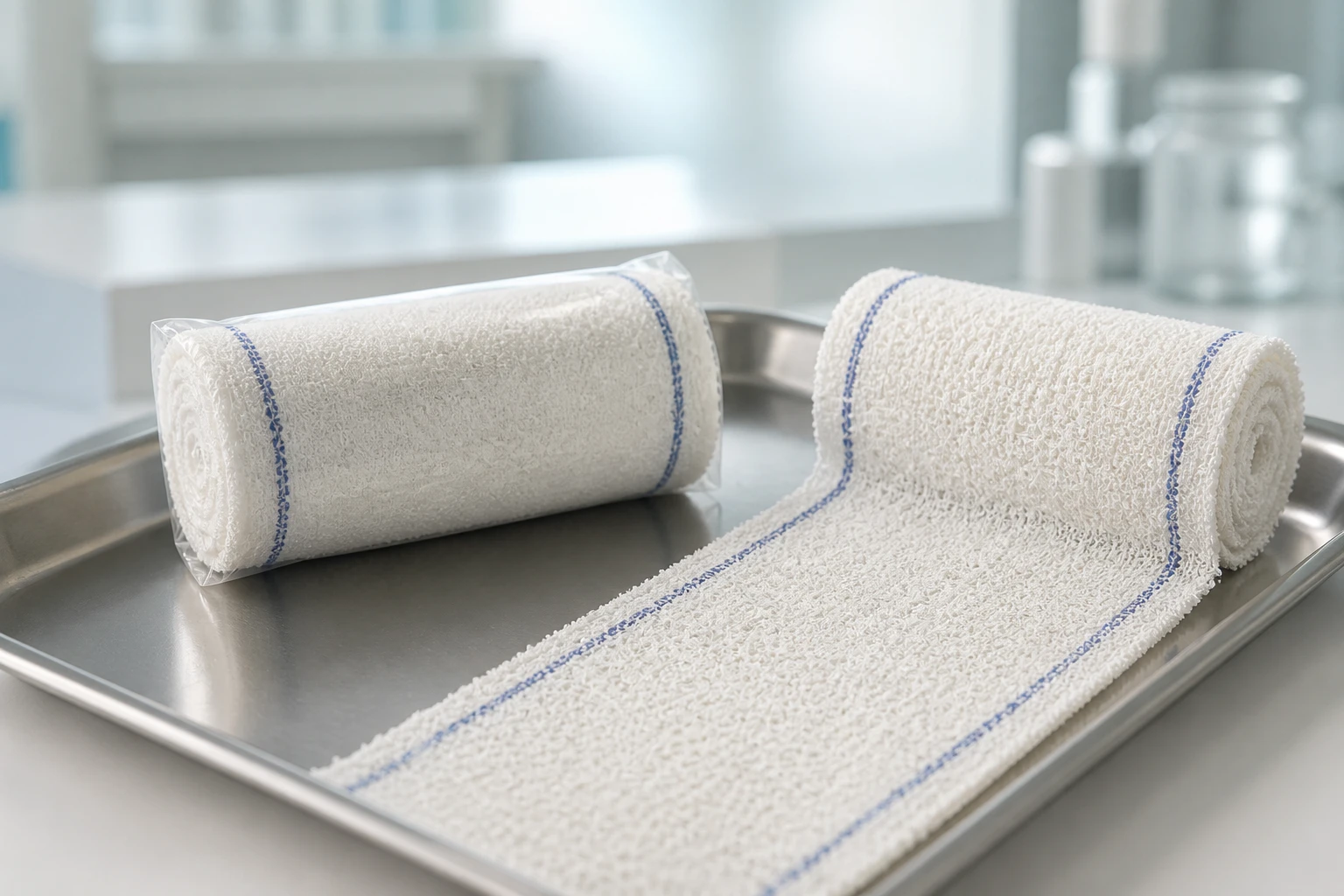
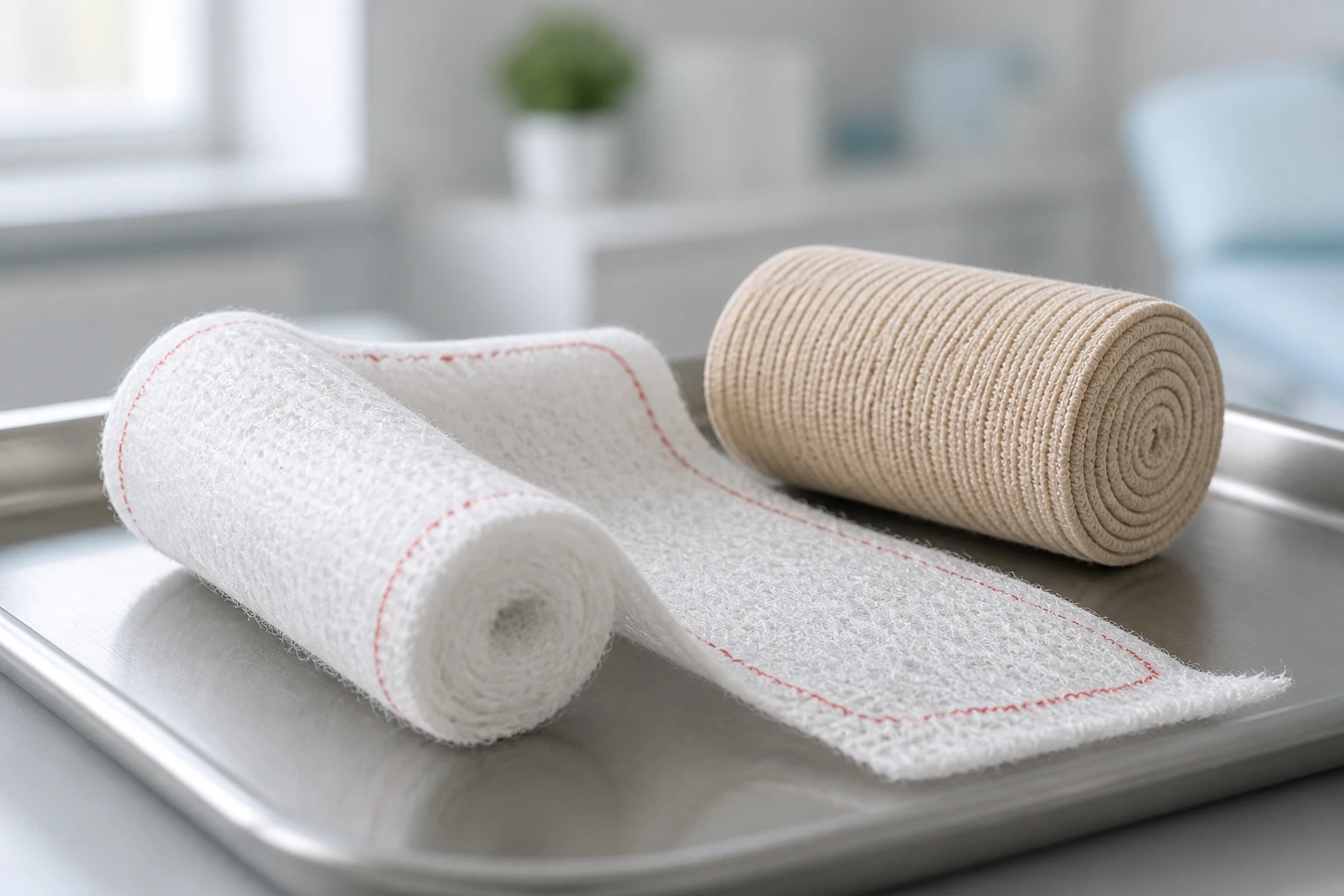
Die Wahl des richtigen Trägergewebes ist eine jener Entscheidungen, die über den Erfolg oder Misserfolg einer Marke für Sport-Tapes entscheiden können. Im Laufe der Jahre haben wir Dutzende von Markeninhabern und Managern im medizinischen Einkauf gesehen, die sich ausschließlich auf die Klebeformel konzentrierten, während sie das Substrat völlig ignorierten. Aber das Gewebe ist eigentlich das, was die Schwerstarbeit leistet. Es hält das Gelenk an Ort und Stelle, bestimmt, wie wohl sich der Athlet fühlt, und diktiert, wie viel Sie letztendlich pro Rolle bei Ihren Containerlieferungen bezahlen.
Wenn man sich die Rohstoffe für Sport-Tapes genau ansieht, wird man feststellen, dass zwei Gewebe den Markt dominieren: Baumwolle und Rayon (Viskose). Die Debatte zwischen Baumwoll- und Rayon-Tape dreht sich nicht nur um Naturfasern im Vergleich zu halbsynthetischen Fasern. Es geht darum, Zugfestigkeit, Hautatmungsaktivität und Produktionsmargen abzuwägen, um Ihren spezifischen Kundenstamm anzusprechen.
Lassen Sie uns diese Rohstoffe für Sport-Tapes aus einer praktischen, fertigungsorientierten Perspektive aufschlüsseln, damit Sie eine fundierte Entscheidung für den Großeinkauf treffen können.
1. Verständnis der Rohstoffe und Substrate für Sport-Tapes
In der Welt der Sportmedizin und des klinischen Bedarfs wird das Trägergewebe eines Tapes als Substrat bezeichnet. Wenn Sie Sport-Tape aus Gewebe beziehen, macht das Substrat etwa 60 % Ihres gesamten Produktgewichts und einen massiven Teil Ihrer Stückliste (BOM) aus.
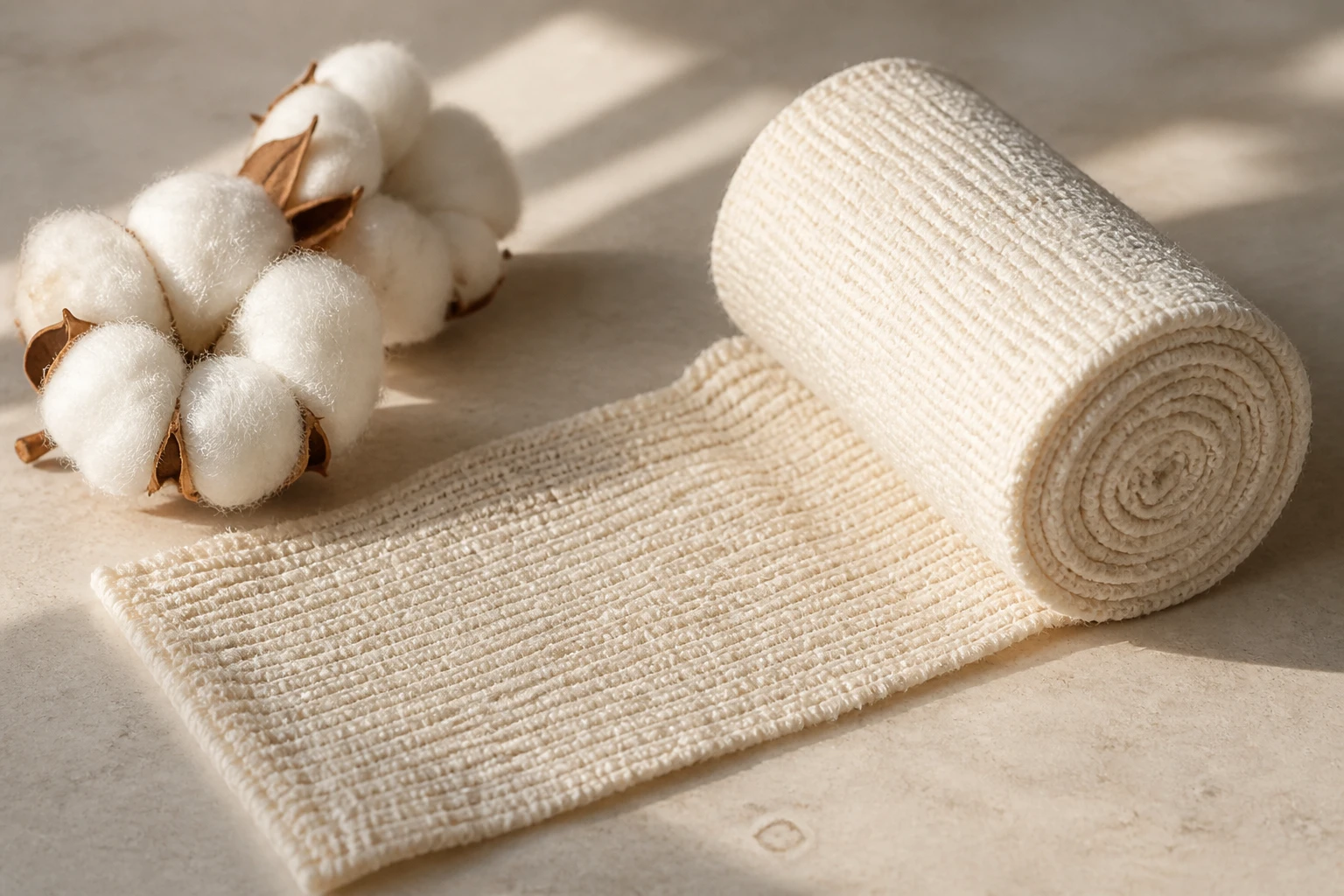
Um das beste Gewebe-Sport-Tape für Ihren Katalog auszuwählen, müssen Sie die Fasern verstehen. Baumwolle ist eine völlig natürliche Samenhaarfaser, die direkt von der Baumwollpflanze geerntet wird. Rayon hingegen ist eine regenerierte Zellulosefaser. Es beginnt als Zellstoff oder Bambus, der dann chemisch verarbeitet und zu feinen Filamenten extrudiert wird.
Aufgrund dieser unterschiedlichen Ursprünge unterscheidet sich die Leistung von Baumwoll- gegenüber Rayon-Tapes unter realen sportlichen Belastungen stark. In jedem Materialleitfaden für Sport-Tapes werden Sie sehen, dass sich diese Rohstoffe bei Kontakt mit Schweiß, Wasser und schnellen Gelenkbewegungen unterschiedlich verhalten.
2. Baumwollsubstrate: Die bewährte, traditionelle Wahl
Es gibt einen Grund, warum Baumwolle der Basisstandard für viele Kliniken bleibt. Sie ist vertraut, weich und hat einen hervorragenden Ruf in Bezug auf die Sicherheit.
Bei der Herstellung unserer klassischen Farbiges Sporttape aus Baumwollgewebe Produktlinien bei MediTapes verwenden wir hochwertiges Baumwollgarn, das zu einem dichten Netz gewebt wird. Baumwollfasern sind von Natur aus verdreht, was dem Gewebe eine sanfte, natürliche Dehnung verleiht, selbst wenn es als unelastisches, starres Tape gewebt ist.
Warum Einkaufsmanager Baumwolle lieben
- Unübertroffene Reißbarkeit von Hand: Sport-Tape aus Baumwollgewebe lässt sich unglaublich leicht von Hand reißen. Trainer auf dem Spielfeld haben keine Zeit, mit Scheren hantieren zu müssen. Sie müssen reißen, wickeln und wiederholen. Baumwolle ermöglicht ein perfektes Abreißen sowohl in Kett- (längs) als auch in Schussrichtung (quer).
- Hervorragende Hautverträglichkeit: Baumwolle ist hypoallergen und hochgradig atmungsaktiv. Sie absorbiert Schweiß auf natürliche Weise von der Hautoberfläche ab, was Mazeration (den faltigen, geschwächten Hautzustand, der durch eingeschlossene Feuchtigkeit verursacht wird) minimiert.
- Kostenvorhersehbarkeit: Als eine der am weitesten verbreiteten Naturfasern sind die Rohstoffpreise für Baumwolle im Allgemeinen stabil, was vorhersehbare Margen im Großhandel ermöglicht.
Die Grenzen von Baumwolle
Obwohl Baumwolle für allgemeine Bandagierungen fantastisch ist, hat sie ihre Grenzen. Unter starker Spannung oder in Umgebungen mit hoher Feuchtigkeit – wie bei einem schlammigen Rugby-Spiel oder einer schweißtreibenden Gewichtheber-Session – können sich Baumwollfasern ausdehnen und ihren stützenden Halt verlieren. Sie speichert zudem Wasser, was bedeutet, dass sich ein Baumwoll-Tape nach einem langen Training schwer und durchnässt anfühlen kann.
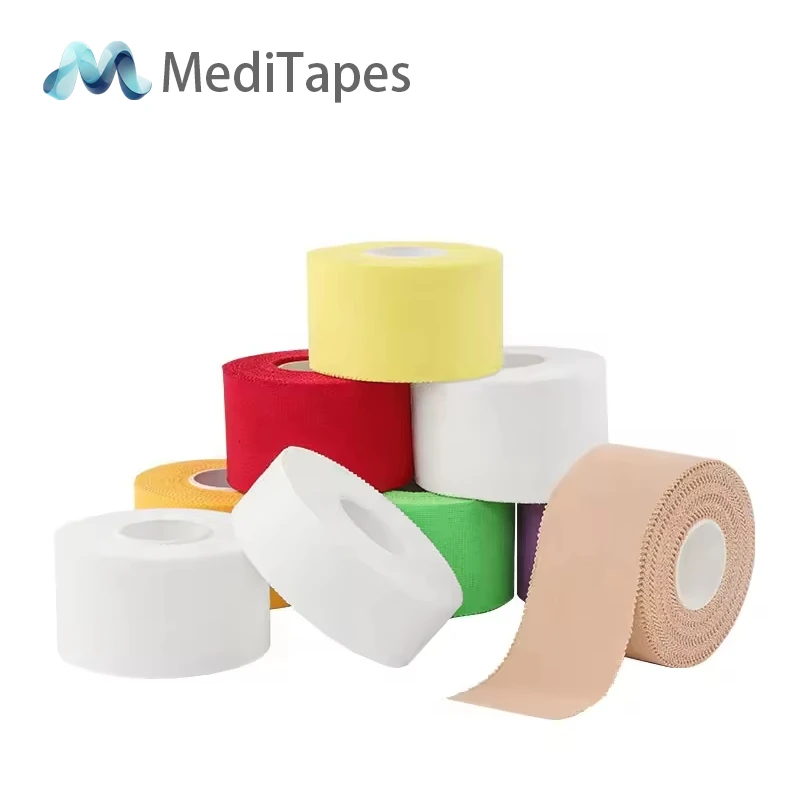
Zinkoxid-Sporttape, medizinisches starres Baumwolltape für die Physiotherapie
Medizinisches Zinkoxid-Sporttape bietet maximale Gelenkimmobilisierung. Dieses unelastische, starre Baumwolltape ist latexfrei und hypoallergen, was es sicher für empfindliche Haut macht. Ein unverzichtbares Baumwoll-Sporttape für Physiotherapiepraxen und Rehabilitationszentren.
3. Rayon-Substrate: Das technische Kraftpaket
Rayon stellt die Hochleistungsklasse der Rohstoffe für Sport-Tapes dar. Oft als “synthetische Baumwolle” oder “Viskose” bezeichnet, wurde Rayon entwickelt, um die Atmungsaktivität von Naturfasern mit der Festigkeit synthetischer Filamente zu verbinden.
Betrachtet man hochwertige starre Taping-Bänder, die in Profiligen verwendet werden, so bestehen diese fast ausschließlich aus Rayon. Warum? Weil Rayon-Filamente als kontinuierliche, glatte Fasern extrudiert werden. Diese durchgehende Struktur eliminiert die natürlichen Schwachstellen, die in kurzen Baumwollstapelfasern zu finden sind.
Warum Sourcing-Manager Rayon lieben
- Hohe Zugfestigkeit: Ein Tape auf Rayon-Basis kann fast die doppelte Zugkraft eines Standard-Baumwolltapes der gleichen Dicke aushalten.
- Flaches Profil und geringes Gewicht: Rayonfasern sind dünner als Baumwolle, was zu einem viel dünneren, leichteren Tape führt, das sich unter Sportschuhen oder Ausrüstung nicht klobig anfühlt.
- Hervorragende Nassfestigkeit: Im Gegensatz zu Baumwolle, die bei Nässe erschlaffen kann, behält Rayon seine strukturelle Form und Steifigkeit bei, selbst wenn es mit Schweiß oder Wasser durchtränkt ist.
Die Grenzen von Rayon
Der wichtigste Kompromiss bei Rayon ist die Reißbarkeit von Hand. Da die Filamente so stark sind, erfordert das Abreißen eines Rayon-Tapes von Hand ein sehr spezielles, gezacktes (“Zickzack-”) Randdesign und etwas mehr Handkraft. Zudem ist die Herstellung aufgrund des mehrstufigen chemischen Regenerationsprozesses des Zellstoffbreis teurer.
4. Technische Aufschlüsselung: Baumwoll- vs. Rayon-Tape
Betrachten wir die tatsächliche Physik. Wenn Sie als B2B-Einkäufer Ihrem Vertriebsteam oder klinischen Kunden den Unterschied zwischen Baumwoll- und Rayon-Tape erklären wollen, benötigen Sie konkrete Daten und Testformeln.
Hier erfahren Sie, wie wir diese Rohstoffe für Sport-Tapes in unseren Qualitätskontrolllabors messen und vergleichen.
Merkmal 1: Zugfestigkeit (Reißkraft)
Die Zugfestigkeit misst, wie viel Zugkraft ein textiles Sport-Tape aushalten kann, bevor es reißt. Wir testen dies mit der Standard-Streifenmethode (ähnlich ASTM D5035).
Die Grundformel zur Berechnung der Zugfestigkeit eines Tape-Streifens lautet:
Zugfestigkeit (N/cm) = Maximale Kraft beim Bruch (N) / Breite des Tape-Streifens (cm)
In praktischen Labortests:
- Ein hochwertiges Sporttape aus Baumwolle weist in der Regel eine durchschnittliche Zugfestigkeit auf von 45 bis 60 N/cm.
- Ein erstklassiges unelastisches Rayon-Sporttape erreicht regelmäßig eine Zugfestigkeit von 85 bis 110 N/cm.
Dies bedeutet, dass Rayon bei stark beanspruchter Gelenkimmobilisierung (wie z. B. Sprunggelenks-Taping in Kontaktsportarten) im Vergleich zu Baumwolle eine weitaus überlegene Gelenkstabilität bietet.
Merkmal 2: Feuchtigkeitsverhalten und Atmungsaktivität
Wie ein Tape mit Feuchtigkeit umgeht, ist entscheidend für die langfristige Tragbarkeit. Wir messen dies anhand der Wasserdampfdurchlässigkeit (MVTR) nach dem ASTM E96-Standard:
MVTR = Gewicht des transpirierten Wassers (g) / (Fläche des exponierten Gewebes (m^2) * Zeit (24 Stunden))
- Feuchtigkeitsaufnahme von Baumwoll- vs. Rayon-Tape: Baumwolle hat eine natürliche Feuchtigkeitsaufnahme von etwa 8.5%, was bedeutet, dass sie Schweiß schnell aufnimmt, ihn aber speichert. Dies kann dazu führen, dass sich die darunter liegende Klebeschicht zersetzt.
- Wasserabgabe von Baumwoll- vs. Rayon-Tape: Rayon hat eine Feuchtigkeitsaufnahme von 11% bis 13%, trocknet aber aufgrund seines dünneren Faserprofils und der überlegenen Kapillarwirkung deutlich schneller. Diese schnelle Trocknungsfähigkeit sorgt dafür, dass die Klebeschicht länger sicher hält, wodurch die Tragezeit oft von 1 Tag auf 3-5 Tage verlängert wird.
Merkmal 3: Wirtschaftliche Kosteneffizienz
Bei der Beschaffung von Rohstoffen für Sporttapes müssen Sie auf die Ergiebigkeit und das Kosten-pro-Anwendung-Verhältnis achten. Die Formel, die wir mit Beschaffungsteams teilen, lautet:
Kosten-pro-Anwendung-Faktor = (Rohstoffbeschaffungskosten pro Rolle) / (Durchschnittliche Tragedauer in Tagen)
Während eine Rolle mit Rayon-Substrat im Vorfeld 30% mehr kosten kann als eine Baumwollrolle, bedeutet ihre Haltbarkeit, dass Athleten sie nicht mehrmals am Tag neu anlegen müssen. Wenn eine Klinik eine Rolle Rayon-Tape verwendet, die 3 Tage intensiven Trainings übersteht, anstatt drei Rollen Baumwoll-Tape im gleichen Zeitraum zu verbrauchen, erweist sich die Rayon-Option auf lange Sicht tatsächlich als kosteneffizienter.
5. Substrat-Vergleichsmatrix
Um Ihnen die Planung Ihrer Produktlinie zu erleichtern, finden Sie hier eine Kurzübersichtstabelle, in der Baumwoll- und Rayon-Tapes anhand aller wichtigen B2B-Entscheidungskriterien verglichen werden:
| Leistungskennzahl | Baumwollgewebe-Substrat | Rayongewebe-Substrat |
|---|---|---|
| Hauptmaterial | 100% Natürliche Baumwolle | Regenerierte Zellulose (Viskose) |
| Zugfestigkeit | Moderat (45 – 60 N/cm) | Sehr hoch (85 – 110 N/cm) |
| Handreißbarkeit | Exzellent (Keine Werkzeuge erforderlich) | Moderat (Erfordert Zickzack-Kanten oder Scheren) |
| Feuchtigkeitsmanagement | Hohe Saugfähigkeit, langsames Trocknen | Hohe Saugfähigkeit, schnelles Trocknen |
| Dicke & Volumen | Dickeres, klassisches Polstergefühl | Ultradünn, flache Passform |
| Durchschnittliche Tragezeit | 1 bis 2 Tage | 3 bis 5 Tage |
| Rohstoffkosten | Kostengünstig & stabil | Premium-Preisgestaltung |
| Optimaler Anwendungsfall | Alltägliche Physiotherapie, leichte Bandagierung | Hochleistungssport, starre Gelenkfixierung |
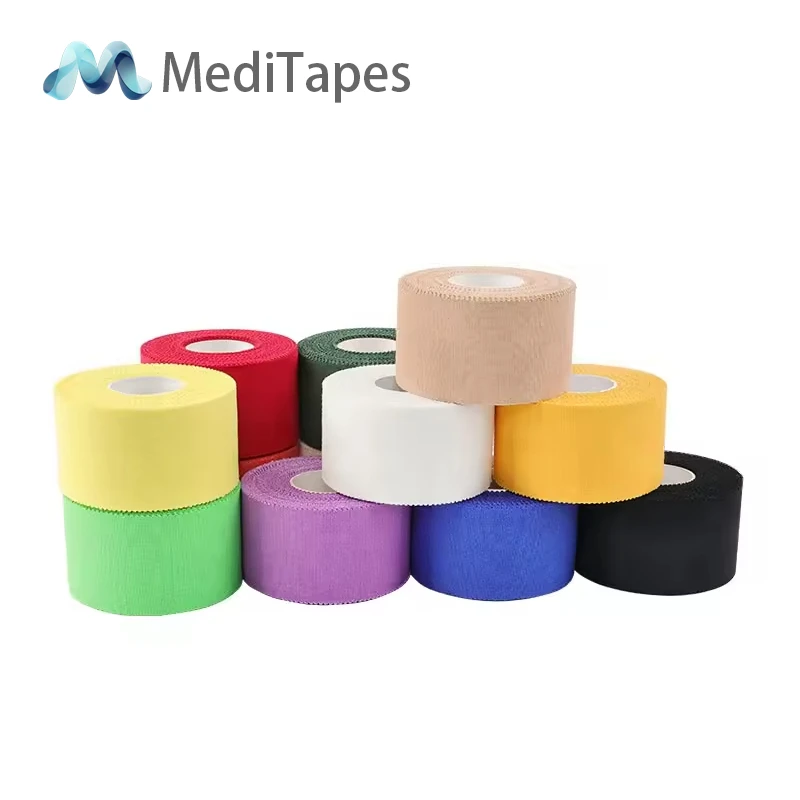
Baumwoll-Sporttape mit Wellenschliffkante für Box- & Kletterschutz
Schützen Sie Hände und Gelenke mit unserem hochwertigen Baumwoll-Sporttape. Dieses Sporttape aus Baumwolle ist mit einer Wellenschliffkante versehen und lässt sich ganz ohne Schere abreißen. Perfekt für Boxbandagen und zum Klettern, bietet es überlegenen Halt und Unterstützung. Erhältlich in Rot, Blau, Schwarz und weiteren Farben.
6. Beratung zur Beschaffung: Welches Tape passt zu Ihrer Marke?
Wir arbeiten mit globalen Marken bei Medi-Tapes, und wir raten unseren Kunden stets, ihren Produktkatalog basierend auf den Problemstellungen ihrer Zielgruppe zu segmentieren. Kaufen Sie nicht einfach eine Art von Tape und erwarten Sie, dass es alle zufriedenstellt.
Szenario A: Beschaffung für Physiotherapiekliniken und Apotheken-Einzelhandelslinien
Wenn Ihre Hauptkunden alltägliche Physiotherapiekliniken, Chiropraktikpraxen oder Apotheken sind, Sport-Tape aus Baumwollgewebe ist Ihre beste Wahl.
- Warum: Patienten und alltägliche Anwender legen mehr Wert auf Komfort, einfaches Entfernen und den Preis als auf eine extreme Gelenkimmobilisierung. Sie möchten ein Tape, das sie zu Hause leicht abreißen können, ohne nach einer Schere suchen zu müssen. Unsere Farbiges Sporttape aus Baumwollgewebe Produktlinie ist hier perfekt, da sie leuchtende Farben, hervorragende Hautatmungsaktivität und großartige Gewinnspannen für die Verkaufsregale bietet.
Szenario B: Beschaffung für professionelle Sportteams und Elite-Fitnessstudios
Wenn Sie an Athletiktrainer in Kontaktsportarten wie Rugby, American Football, Brazilian Jiu-Jitsu oder Klettern verkaufen, sollten Sie sich verstärkt konzentrieren auf Stütztape auf Viskosebasis.
- Warum: Diese Athleten üben enorme Scherkräfte auf ihre Gelenke aus. Ein Baumwolltape würde sich unter diesen Bedingungen dehnen und nachgeben. Sie benötigen die unnachgiebige, hochzugfeste Unterstützung von Viskose. Es macht ihnen nichts aus, einen Aufpreis zu zahlen, da ein mangelhafter Tape-Verband während eines Wettkampfs zu einer schweren Gelenkverletzung führen kann.
7. Realitäten der Herstellung: Klebstoff- und Spannungseinstellungen
Wenn Sie zwischen Baumwoll- und Viskosetape wählen, müssen sich auch Ihre Herstellungseinstellungen ändern. Die Art und Weise, wie sich das Gewebe während des Klebstoffbeschichtungsprozesses verhält, ist völlig unterschiedlich.
Klebstoffpenetration
Da Baumwolle eine hochporöse Naturfaser ist, dringt der Klebstoff (in der Regel ein Zinkoxid-Hotmelt oder medizinisches Acryl) tief in das Gewebe ein. Dies schafft eine sehr starke mechanische Verbindung zwischen dem Klebstoff und dem Trägermaterial, was bedeutet, dass sich der Kleber beim Abwickeln selten vom Gewebe löst.
Viskose (Rayon) erfordert aufgrund seiner glatten Filamente eine spezielle chemische Verankerungsschicht (Primer), bevor der Klebstoff aufgetragen wird. Ohne diesen Primer könnte es zu einem “Klebstofftransfer” kommen, bei dem der Kleber beim Abrollen an der Rückseite des Bandes haften bleibt und klebrige Rückstände auf der Haut des Sportlers hinterlässt. Bei MediTapes setzen wir fortschrittliche mehrstufige Beschichtungsanlagen ein, um sicherzustellen, dass sich unsere Viskosebänder jedes Mal sauber abrollen lassen, ohne Klebstofftransfer.
Spannung und Abrollkraft
Während der Produktion ist das Wickeln der Tape-Rollen unter der richtigen Spannung ein empfindlicher Balanceakt:
Optimale Wickelspannung = Zugfestigkeit des Gewebes * Elastischer Erholungsfaktor
Wenn wir ein Baumwoll- gegen ein Viskoseband mit exakt den gleichen Spannungseinstellungen wickeln, wird das Baumwollband aufgrund seiner natürlichen Elastizität zu fest gewickelt, was dem Trainer das Abrollen auf dem Spielfeld erschwert. Da Viskose fast keine elastische Erholung aufweist, ist beim Schneiden und Umwickeln eine unglaublich präzise Spannungssteuerung erforderlich, um eine gleichmäßige und konsistente Abrollkraft zu gewährleisten.
8. Fallstudie aus der Praxis: Wie die Beschaffung des richtigen Trägermaterials den Ruf einer Marke rettete
Lassen Sie uns eine anonyme, aber sehr verbreitete Geschichte aus unseren Fertigungsunterlagen mit Ihnen teilen.
Eine mittelgroße Sportmarke mit Sitz in Europa importierte günstiges, starres Sporttape von einem medizinischen Universallieferanten. Sie glaubten, hochfestes Tape zu kaufen, aber der Lieferant verwendete ein minderwertiges, kurzfaseriges Baumwollsubstrat, um die Kosten niedrig zu halten.
Innerhalb von drei Monaten nach der Markteinführung erhielt die Marke eine Welle von Beschwerden von Kletterhallen und Rugbyclubs. Das Tape riss mitten im Training, und wenn die Athleten schwitzten, verwandelte sich das Tape in einen durchnässten Verband, der von Handgelenken und Fingern rutschte. Die Amazon-Bewertung der Marke stürzte auf 3,2 Sterne ab.
Sie wandten sich an unser Team bei Medi-Tapes um Hilfe zu bitten. Wir analysierten ihre Rückgabedaten und stellten fest, dass ihr Zielmarkt extreme Zugfestigkeit und Haltbarkeit bei nassem Wetter forderte. Wir schlugen vor, ihre High-End-Sportlinie auf ein hochbelastbares Viskose-Strapping-Tape umzustellen, während eine budgetfreundliche Baumwolllinie für den allgemeinen klinischen Gebrauch beibehalten wurde.
Die Ergebnisse sprachen für sich. Durch die Einführung einer klaren Unterscheidung in ihrem Materialleitfaden für Sporttapes und das Angebot von Viskose für hohe Belastungen sanken ihre Produktrücksendungen um 84%. Ihre Profi-Linie wurde schnell zu einem Bestseller in Kletterhallen, was es ihnen ermöglichte, einen Einzelhandelsaufschlag von 45% gegenüber ihrem alten Baumwolltape zu verlangen.

Großhandel für starres Sporttape aus farbiger Baumwolle – Bulk-Lieferung
Suchen Sie hochwertiges farbiges Baumwoll-Sporttape für Ihren Lagerbestand? Unser unelastisches Strapping-Tape verfügt über gezackte Kanten für einfaches Abreißen und starke Fixierung. Dieses atmungsaktive Baumwoll-Sporttape ist ideal für Großbestellungen und garantiert Langlebigkeit für Athleten. Kontaktieren Sie uns für Großhandelspreise.
FAQ: Häufige B2B-Fragen zu Baumwoll- vs. Viskose-Tape
Ist Viskoseband im Vergleich zu Baumwolle sicher für empfindliche Haut?
Ja, beide sind im Allgemeinen sicher, verhalten sich jedoch unterschiedlich. Baumwolle ist rein natürlich und hochgradig atmungsaktiv, wodurch sie sich hervorragend für das kurzzeitige Tragen auf empfindlicher Haut eignet. Viskose ist ebenfalls hypoallergen und sehr glatt, was die Reibung auf der Haut reduziert. Die Hautverträglichkeit hängt jedoch oft stärker von der Qualität des verwendeten Klebstoffs ab (latexfreies Zinkoxid im Vergleich zu günstigem Schmelzkleber) als vom Trägermaterial selbst.
Kann man starres Viskose-Tape von Hand reißen?
Ja, aber es ist schwieriger als Baumwolle zu reißen. Um Viskose von Hand reißbar zu machen, verwenden Hersteller wie MediTapes beim Schneideprozess ein spezielles Zackenrandschnittmuster (Zickzack). Dies erzeugt winzige Ansatzpunkte für den Riss, sodass Trainer das Tape schnell und ohne Schere abreißen können.
Warum ist Sporttape aus Viskose teurer als Sporttape aus Baumwolle?
Viskose ist eine halbsynthetische Faser, die einen komplexen chemischen Herstellungsprozess erfordert, um Zellstoff in hochfeste Cellulose-Filamente umzuwandeln. Baumwolle, eine aus Ernte gewonnene Naturfaser, benötigt vor dem Spinnen weniger chemische Verarbeitung. Dieser zusätzliche Fertigungsschritt ist der Grund dafür, dass Viskose-Substrate einen höheren Preis haben.
Woran erkenne ich, welcher Klebstoff für den gewählten Untergrund geeignet ist?
Für Baumwollbänder eignet sich ein traditioneller Zinkoxid-Heißschmelzklebstoff hervorragend, da er eine natürliche Verbindung mit den Baumwollfasern eingeht. Für Viskosebänder, die häufig in feuchten, schweißintensiven Umgebungen eingesetzt werden, empfehlen wir dringend, das Trägermaterial mit einem leistungsstarken, wasserfesten Synthesekautschuk- oder Acrylklebstoff zu kombinieren, um der Strapazierfähigkeit des Gewebes gerecht zu werden.
Lassen Sie uns Ihre nächste Bestseller-Tape-Linie entwickeln
Die Navigation durch die technische Welt der Rohstoffe für Sporttapes muss kein Kopfzerbrechen bereiten. Egal, ob Sie ein weiches, atmungsaktives Baumwolltape für den täglichen klinischen Einsatz oder ein leistungsstarkes, extrem stabiles Viskosetape für professionelle Sportvereine benötigen, wir haben die passende Lösung für Sie.
Bei Medi-Tapes, helfen wir B2B-Einkäufern, Eigenmarken und Managern für medizinische Beschaffung dabei, genau die Tape-Formulierungen zu entwickeln und herzustellen, die ihre Märkte verlangen. Wir verkaufen nicht nur Rollen von Tape – wir helfen Ihnen dabei, eine zuverlässige Produktlinie aufzubauen, die Ihre Kunden immer wieder zurückkommen lässt.
Sind Sie bereit, Ihren Produktkatalog aufzuwerten und sich bessere Fertigungsmargen zu sichern?
- Kontaktieren Sie uns: Besuchen Sie unsere Kontaktseite und erzählen Sie uns von Ihrem Zielmarkt.
- Angebot anfordern: Senden Sie uns eine direkte E-Mail an info@meditapes.com unter Angabe Ihrer spezifischen Anforderungen an Trägermaterial, Größe und Verpackung, und unser Engineering-Team wird ein individuelles Fertigungsangebot für Sie erstellen.
- Testen vor dem Kauf: Wir senden Ihnen gerne physische Muster zu, damit Sie den Unterschied zwischen unseren Tape-Optionen aus Baumwolle und Rayon selbst erleben können. Lassen Sie uns wissen, was Sie benötigen, und wir senden Ihnen umgehend ein Musterpaket direkt in Ihr Büro!