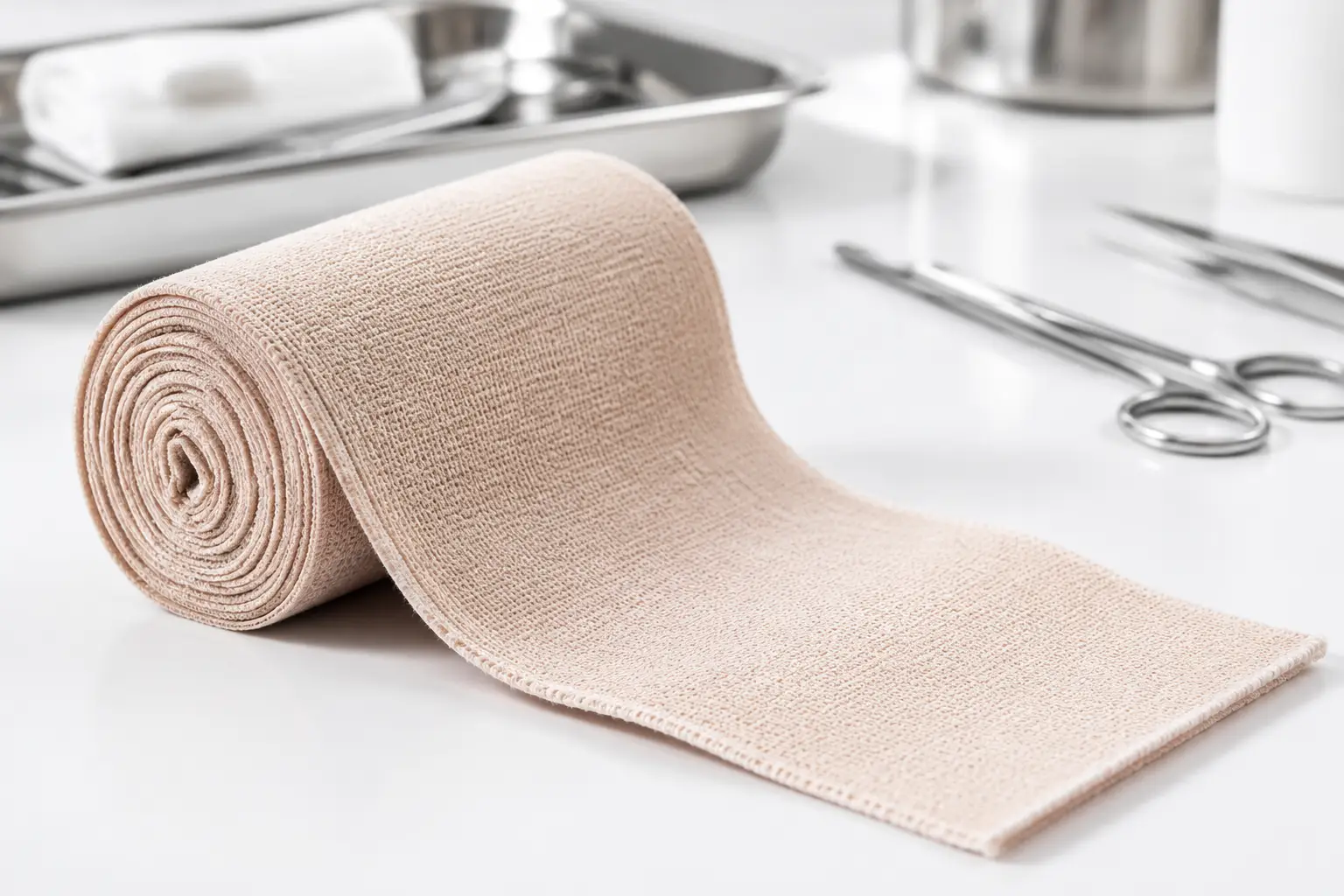
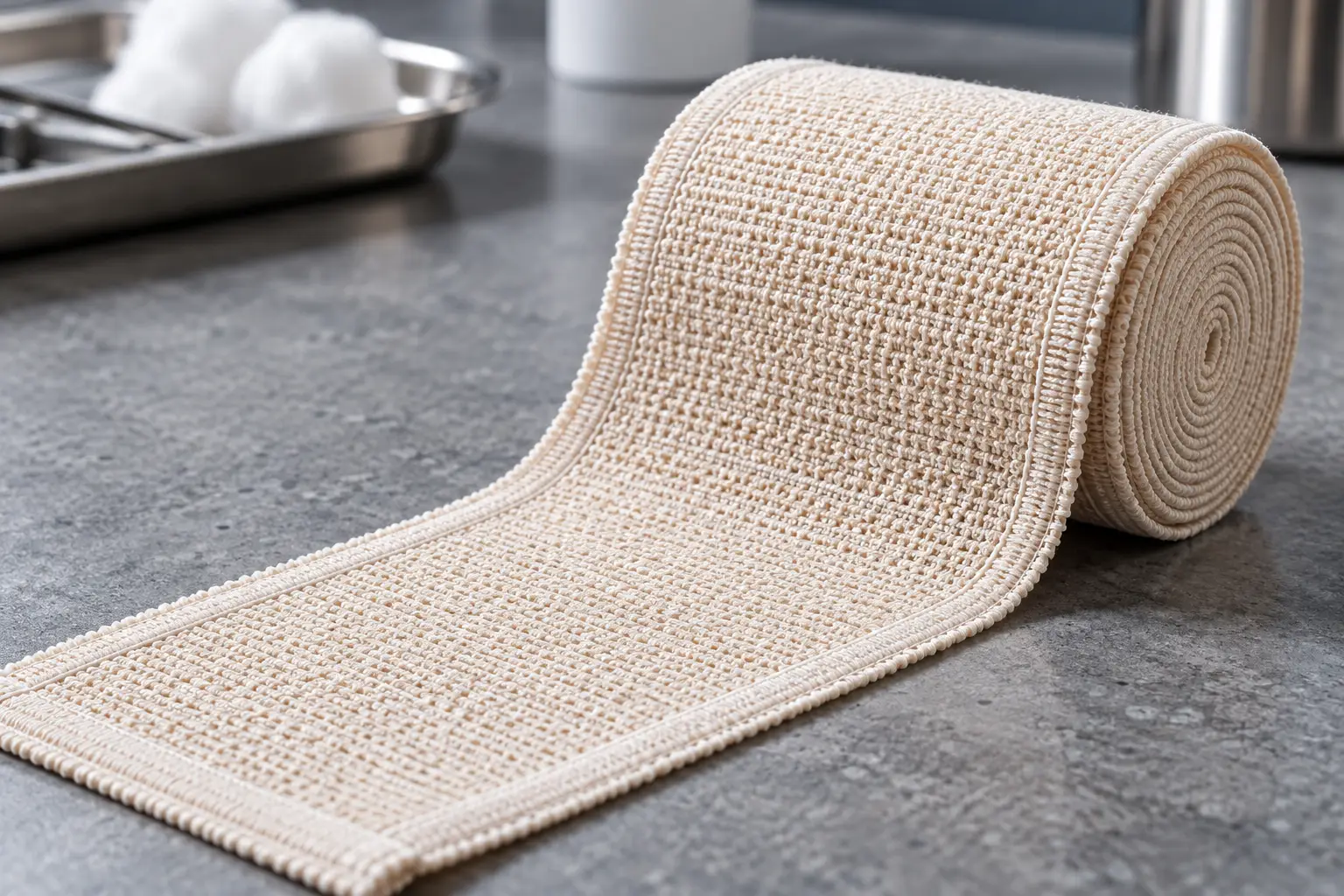
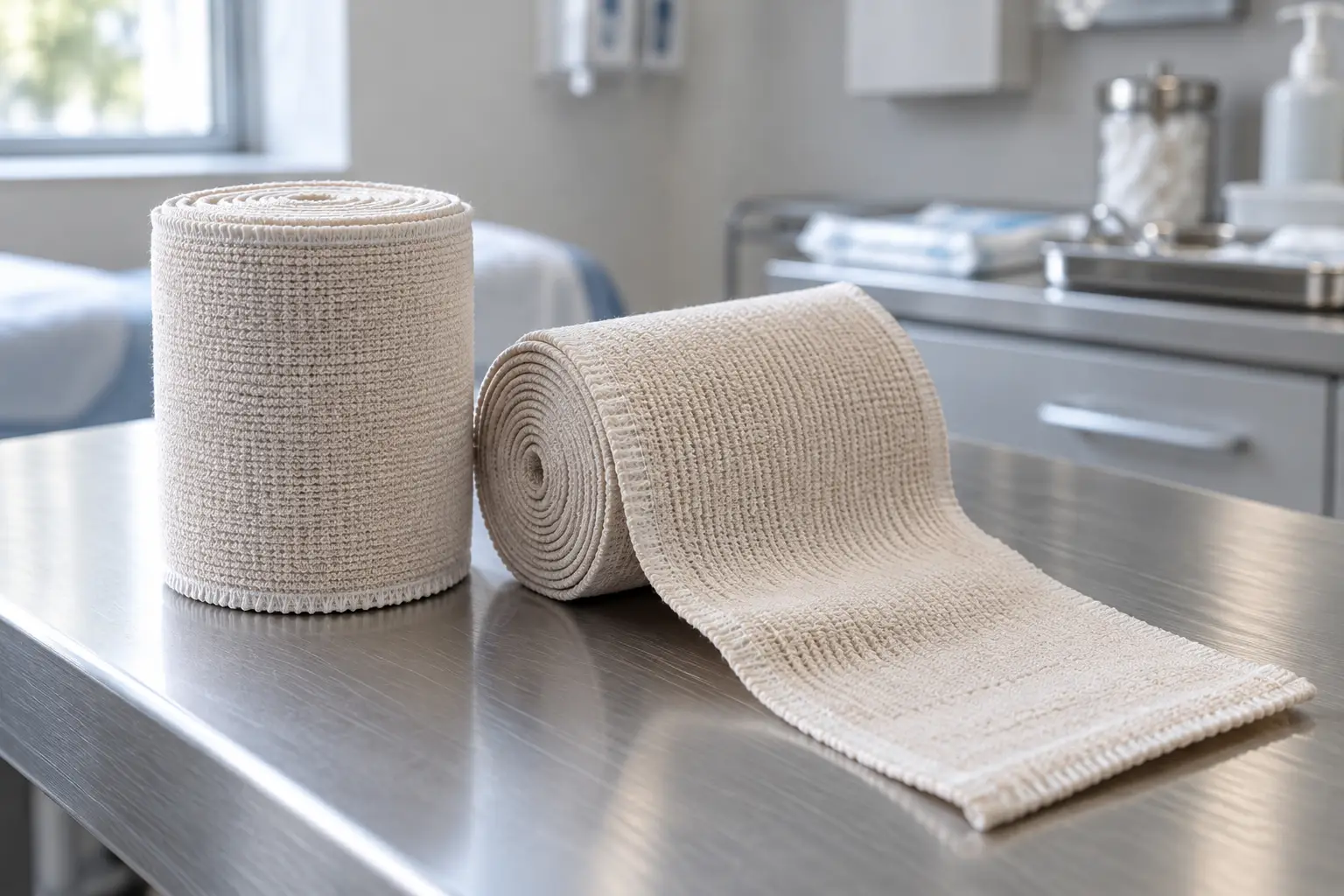
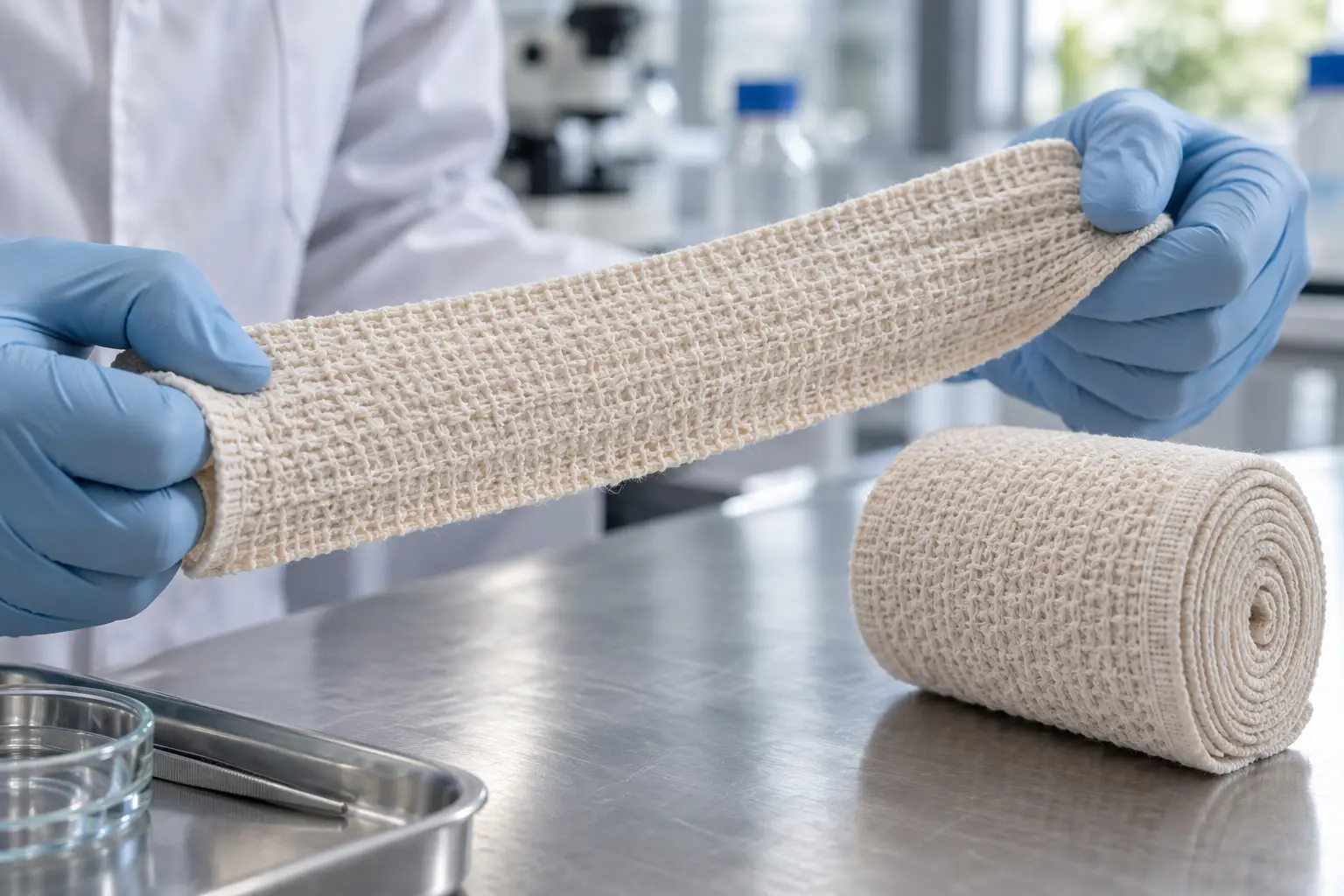
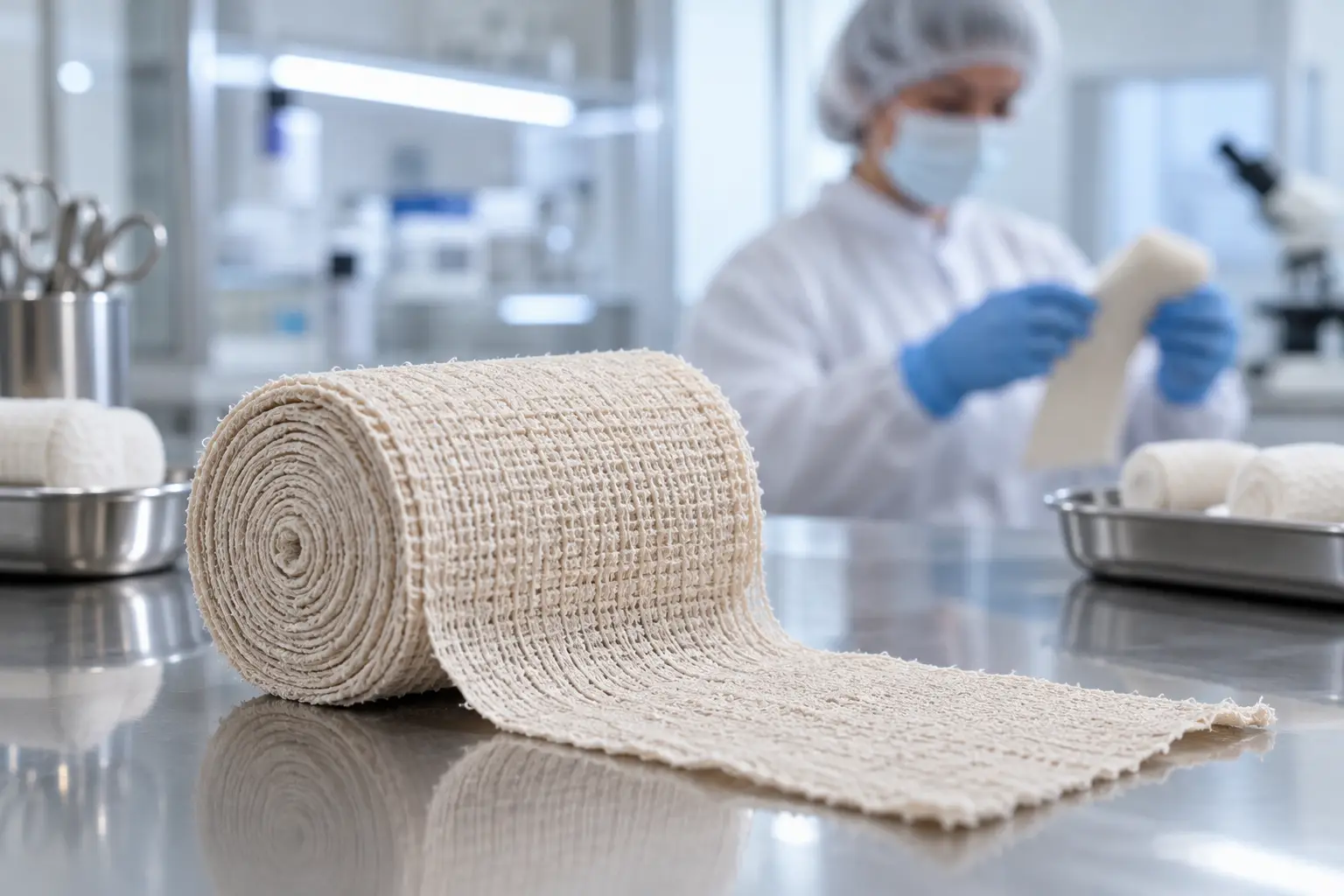
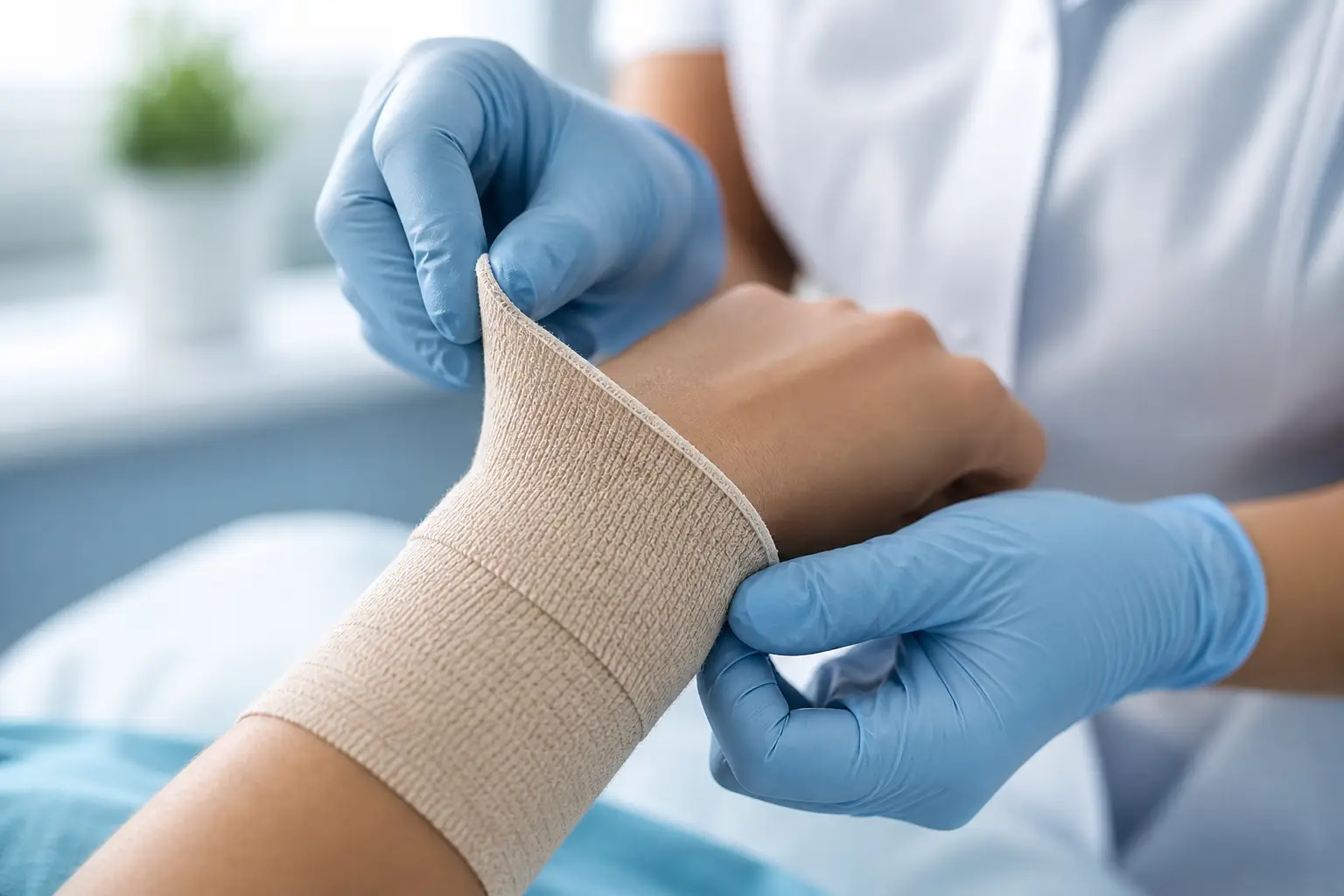
Choosing the right backing fabric is one of those decisions that can make or break an athletic tape brand. Over the years, we have seen dozens of brand owners and medical sourcing managers focus entirely on the adhesive formula while completely ignoring the substrate. But the fabric is actually what does the heavy lifting. It holds the joint in place, determines how comfortable the athlete feels, and dictates how much you end up paying per roll in your container shipments.
When you look closely at athletic tape raw materials, you will realize that two fabrics dominate the market: cotton and rayon. The debate of cotton vs rayon tape is not just about natural fibers versus semi-synthetic ones. It is about balancing tensile strength, skin breathability, and production margins to target your specific customer base.
Let’s break down these athletic tape raw materials from a practical, manufacturing-first perspective so you can make an informed bulk buying decision.
1. Understanding Athletic Tape Raw Materials and Substrates
In the sports medicine and clinical supply world, the fabric backing of a tape is referred to as the substrate. If you are sourcing fabric athletic tape, the substrate represents roughly 60% of your total product weight and a massive chunk of your bill of materials (BOM).
To select the best fabric athletic tape for your catalog, you need to understand the fibers. Cotton is a completely natural seed-hair fiber harvested directly from the cotton plant. Rayon, on the other hand, is a regenerated cellulose fiber. It starts as wood pulp or bamboo, which is then chemically processed and extruded into fine filaments.
Because of these distinct origins, cotton vs rayon tape performance looks very different under real-world athletic stress. When you look at any sports tape material guide, you will see that these raw materials behave differently when exposed to sweat, water, and rapid joint movement.
2. Cotton Substrates: The Time-Tested Traditional Choice
There is a reason why cotton remains the baseline standard for many clinics. It is familiar, soft, and has a great reputation for safety.
When producing our classic Color Cotton Fabric Sports Tape lines at MediTapes, we use high-grade cotton yarn woven into a tight mesh. Cotton fibers are naturally twisted, which gives the fabric a gentle, natural stretch even when it is woven as a non-elastic rigid tape.
Why Sourcing Managers Love Cotton
- Unmatched Hand Tearability: Cotton fabric athletic tape is incredibly easy to tear by hand. Trainers on the field do not have time to fumble around with scissors. They need to rip, wrap, and repeat. Cotton allows perfect tearing along both the warp (lengthwise) and weft (crosswise) directions.
- Excellent Skin Compatibility: Cotton is hypoallergenic and highly breathable. It naturally absorbs sweat away from the skin surface, which minimizes maceration (that wrinkly, weakened skin state caused by trapped moisture).
- Cost Predictability: As one of the most widely cultivated natural fibers, cotton raw material prices are generally stable, allowing for predictable bulk margins.
The Limits of Cotton
While cotton is fantastic for general strapping, it does have a breaking point. Under heavy tension or in high-moisture environments—like a muddy rugby match or a sweaty weightlifting session—cotton fibers can stretch out and lose their supportive hold. It also holds onto water, which means a cotton tape can feel heavy and soggy after a long workout.
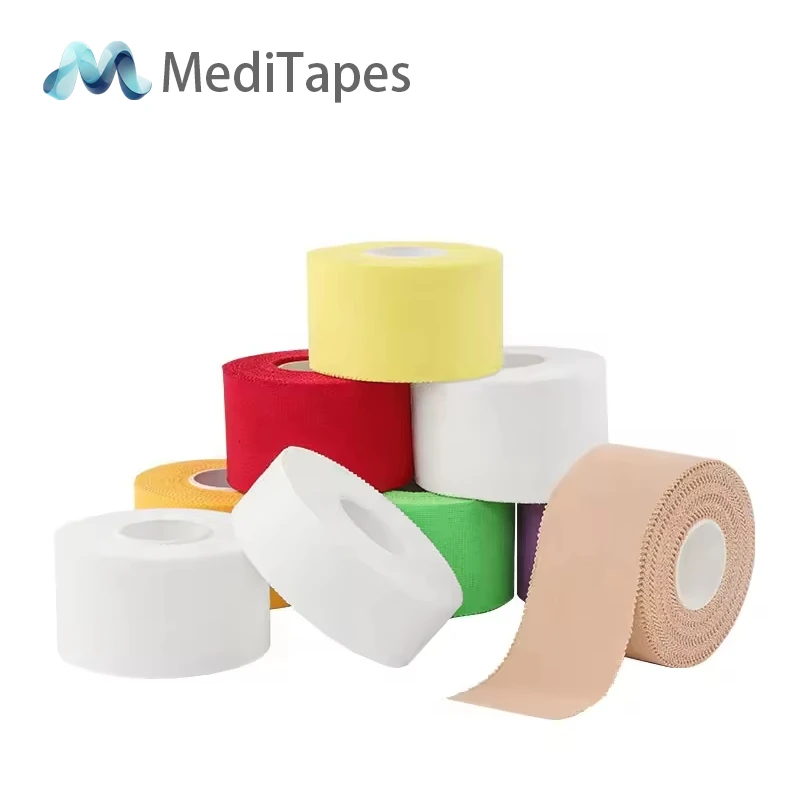
Zinc Oxide Sports Tape Medical Grade Rigid Cotton Tape for Physio
Medical-grade Zinc Oxide Sports Tape provides maximum joint immobilization. This non-elastic, rigid cotton tape is latex-free and hypoallergenic, making it safe for sensitive skin. Essential cotton sports tape for physiotherapy clinics and injury rehabilitation centers.
3. Rayon Substrates: The Engineered Powerhouse
Rayon represents the high-performance tier of athletic tape raw materials. Often referred to as “synthetic cotton” or “viscose,” rayon was created to offer the breathability of natural fibers with the strength of synthetic filaments.
When you look at premium rigid strapping tapes used in professional leagues, they are almost exclusively made of rayon. Why? Because rayon filaments are extruded as continuous, smooth fibers. This continuous structure removes the natural weak points found in short cotton staple fibers.
Why Sourcing Managers Love Rayon
- High Tensile Strength: A rayon-based tape can withstand nearly double the pulling force of a standard cotton tape of the same thickness.
- Low Profile and Lightweight: Rayon fibers are thinner than cotton, resulting in a much thinner, lighter tape that does not feel bulky under athletic footwear or gear.
- Excellent Wet-Strength Retention: Unlike cotton, which can sag when wet, rayon retains its structural shape and stiffness even when drenched in sweat or water.
The Limits of Rayon
The primary trade-off with rayon is hand tearability. Because the filaments are so strong, tearing a rayon tape by hand requires a very specific, serrated “pinked” edge design and a bit more hand strength. It is also more expensive to produce due to the multi-step chemical regeneration process of the cellulose pulp.
4. Technical Breakdown: Cotton vs Rayon Tape
Let’s look at the actual physics. If you are a B2B buyer trying to explain the cotton vs rayon tape difference to your sales team or clinical clients, you need concrete data and test formulas.
Here is how we measure and compare these athletic tape raw materials in our quality control labs.
Feature 1: Tensile Strength (Breaking Force)
Tensile strength measures how much pulling force a fabric athletic tape can handle before it snaps. We test this using the standard strip method (similar to ASTM D5035).
The basic formula to calculate the tensile strength of a tape strip is:
Tensile Strength (N/cm) = Peak Force at Rupture (N) / Width of the Tape Strip (cm)
In practical lab tests:
- A high-quality cotton sports tape typically averages a tensile strength of 45 to 60 N/cm.
- A premium rayon rigid strapping tape regularly achieves a tensile strength of 85 to 110 N/cm.
This means that for heavy-duty joint immobilization (like ankle strapping in contact sports), rayon provides far superior joint lock compared to cotton.
Feature 2: Moisture Behavior and Breathability
How a tape manages moisture is critical for long-term wearability. We measure this using the Moisture Vapor Transmission Rate (MVTR) under the ASTM E96 standard:
MVTR = Weight of Transpired Water (g) / (Area of Exposed Fabric (m^2) * Time (24 hours))
- Cotton vs rayon tape moisture absorption: Cotton has a natural moisture regain of about 8.5%, meaning it absorbs sweat quickly but holds onto it. This can cause the adhesive layer underneath to break down.
- Cotton vs rayon tape water release: Rayon has a moisture regain of 11% to 13% but dries significantly faster because of its thinner fiber profile and superior capillary action. This quick-drying capability keeps the adhesive layer secure for longer periods, often extending wear time from 1 day to 3-5 days.
Feature 3: Economic Cost Efficiency
When sourcing athletic tape raw materials, you have to look at the yield and the cost-per-use ratio. The formula we share with procurement teams is:
Cost-per-Use Factor = (Raw Material Sourcing Cost per Roll) / (Average Wear Duration in Days)
While a rayon-substrate roll might cost 30% more upfront than a cotton roll, its durability means athletes do not have to reapply it multiple times a day. If a clinic uses one roll of rayon tape that lasts for 3 days of heavy training, instead of using three rolls of cotton tape over the same period, the rayon option actually becomes more cost-effective in the long run.
5. Substrate Comparison Matrix
To make your product line planning easier, here is a quick-reference table comparing cotton vs rayon tape across all key B2B decision metrics:
| Performance Metric | Cotton Fabric Substrate | Rayon Fabric Substrate |
|---|---|---|
| Primary Material | 100% Natural Cotton | Regenerated Cellulose (Viscose) |
| Tensile Strength | Moderate (45 – 60 N/cm) | Very High (85 – 110 N/cm) |
| Hand Tearability | Excellent (No tools needed) | Moderate (Requires pinked edges or shears) |
| Moisture Management | High absorption, slow drying | High absorption, rapid drying |
| Thickness & Bulk | Thicker, classic padded feel | Ultra-thin, low-profile fit |
| Average Wear Time | 1 to 2 days | 3 to 5 days |
| Raw Material Cost | Budget-friendly & stable | Premium pricing |
| Best-Use Case | Everyday physiotherapy, light wrapping | High-impact sports, rigid joint locking |
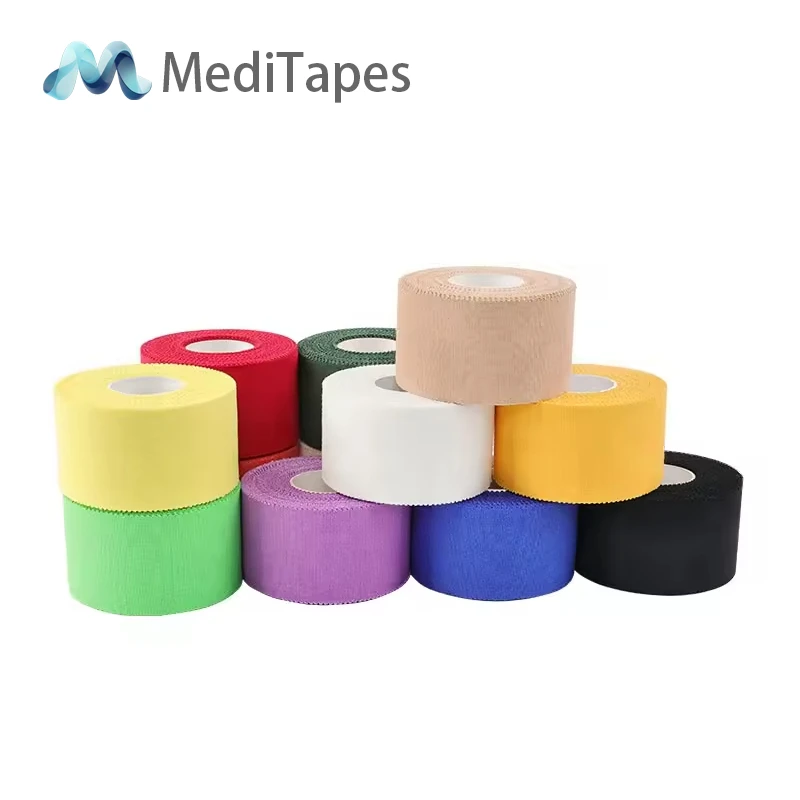
Serrated Edge Cotton Athletic Tape for Boxing & Climbing Protection
Protect hands and joints with our premium Cotton Athletic Tape. Designed with a serrated edge, this cotton sports tape tears easily without scissors. Perfect for boxing wrapping and climbing, offering superior grip and support. Available in red, blue, black, and more.
6. Sourcing Advice: Which Tape Fits Your Brand?
We work with global brands at MediTapes, and we always advise clients to segment their product catalog based on their target user’s pain points. Do not just buy one type of tape and expect it to please everyone.
Scenario A: Sourcing for Physiotherapy Clinics & Retail Pharmacy Lines
If your primary customers are everyday physical therapy clinics, chiropractic offices, or retail pharmacies, cotton fabric athletic tape is your best bet.
- Why: Patients and everyday users value comfort, ease of removal, and price over extreme joint immobilization. They want a tape that they can easily tear at home without hunting for scissors. Our Color Cotton Fabric Sports Tape line is perfect here because it offers vibrant colors, excellent skin breathability, and great profit margins for retail shelves.
Scenario B: Sourcing for Professional Sports Teams & Elite Gyms
If you are selling to athletic trainers in contact sports like rugby, football, Brazilian Jiu-Jitsu, or rock climbing, you should focus heavily on rayon-based strapping tape.
- Why: These athletes put immense shear force on their joints. A cotton tape will stretch and give way under these conditions. They need the unyielding, high-tensile support of rayon. They do not mind paying a premium because a failed tape job during a match can lead to a severe joint injury.
7. Manufacturing Realities: Adhesive and Tension Settings
When you choose between cotton vs rayon tape, your manufacturing settings must change too. The way the fabric behaves during the adhesive coating process is completely different.
Adhesive Penetration
Because cotton is a highly porous natural fiber, the adhesive (usually a zinc oxide hot-melt or medical-grade acrylic) penetrates deep into the fabric weave. This creates a very strong mechanical bond between the adhesive and the substrate, meaning the glue rarely separates from the fabric during unwinding.
Rayon, with its smooth filaments, requires a specialized chemical anchoring layer (primer) before the adhesive is applied. Without this primer, you might experience “adhesive transfer,” where the glue sticks to the back of the tape when you try to unwind it, leaving a sticky mess on the athlete’s skin. At MediTapes, we use advanced multi-stage coating lines to ensure that our rayon tapes unwind cleanly every single time, without any adhesive transfer.
Tension and Unwind Force
During production, winding the tape rolls under the correct tension is a delicate balancing act:
Optimal Winding Tension = Fabric Tensile Strength * Elastic Recovery Factor
If we wind a cotton vs rayon tape using the exact same tension settings, the cotton tape will end up wound too tightly because of its natural elasticity, making it very difficult for a trainer to unwind on the field. Rayon, having almost zero elastic recovery, requires incredibly precise tension control during slitting and rewinding to maintain a smooth, consistent unwind force.
8. Real-World Case Study: How Sourcing the Right Substrate Saved a Brand’s Reputation
Let us share an anonymous but very common story from our manufacturing files.
A medium-sized sports brand based in Europe was importing cheap rigid athletic tape from a generalist medical supplier. They believed they were buying high-strength tape, but the supplier was using a low-grade, short-staple cotton substrate to keep costs down.
Within three months of launching, the brand received wave after wave of complaints from rock climbing gyms and rugby clubs. The tape was tearing mid-workout, and when the athletes sweated, the tape turned into a soggy bandage that slipped off their wrists and fingers. The brand’s Amazon rating plummeted to 3.2 stars.
They reached out to our team at MediTapes for help. We analyzed their return data and realized their target market demanded extreme tensile strength and wet-weather durability. We suggested they transition their high-end athletic line to a heavy-duty rayon strapping tape, while keeping a budget-friendly cotton line for general clinic use.
The results spoke for themselves. By introducing a clear distinction in their sports tape material guide and offering rayon for heavy-duty support, their product returns dropped by 84%. Their professional-grade line quickly became a bestseller among climbing gyms, allowing them to charge a 45% retail premium over their old cotton tape.

Wholesale Rigid Strapping Tape Color Cotton Sports Tape Bulk Supply
Sourcing high-quality Color Cotton Sports Tape for your inventory? Our rigid strapping tape features serrated edges for easy tearing and strong fixation. Ideal for bulk orders, this breathable cotton sports tape ensures durability for athletes. Contact for wholesale rates.
FAQ: Common B2B Questions on Cotton vs Rayon Tape
Is rayon tape safe for sensitive skin compared to cotton?
Yes, both are generally safe, but they behave differently. Cotton is completely natural and highly breathable, which makes it excellent for short-term wear on sensitive skin. Rayon is also hypoallergenic and very smooth, which reduces friction against the skin. However, the skin-safety profile often depends more on the quality of the adhesive used (latex-free zinc oxide vs cheap hot melt) rather than the substrate itself.
Can you hand-tear rayon rigid strapping tape?
Yes, but it is more difficult than tearing cotton. To make rayon hand-tearable, manufacturers like MediTapes use a specialized “pinked” (zigzag) edge cutting pattern during the slitting process. This creates tiny start points for the tear, allowing trainers to rip the tape quickly without needing scissors.
Why is rayon sports tape more expensive than cotton sports tape?
Rayon is a semi-synthetic fiber that requires a complex chemical manufacturing process to turn wood pulp into high-strength cellulose filaments. Cotton, being a crop-harvested natural fiber, requires less chemical processing before spinning. This extra manufacturing step is why rayon substrates carry a higher price point.
How do I know which adhesive to pair with my chosen substrate?
For cotton tapes, a traditional zinc oxide hot-melt adhesive works beautifully because it bonds naturally with the cotton fibers. For rayon tapes, which are often used in wet, high-sweat environments, we highly recommend pairing the substrate with a high-performance, waterproof synthetic rubber or acrylic adhesive to match the durability of the fabric.
Let’s Build Your Next Best-Selling Tape Line
Navigating the technical world of athletic tape raw materials does not have to be a headache. Whether you need a soft, breathable cotton tape for everyday clinic use, or a high-performance, rock-solid rayon tape for professional athletic clubs, we have got you covered.
At MediTapes, we help B2B buyers, private labels, and medical sourcing managers design and manufacture the exact tape formulations their markets demand. We do not just sell rolls of tape—we help you build a reliable product line that keeps your customers coming back.
Are you ready to elevate your product catalog and secure better manufacturing margins?
- Get in touch: Head over to our contact page and tell us about your target market.
- Request a quote: Send us a direct email at info@meditapes.com with your specific substrate, sizing, and packaging requirements, and our engineering team will put together a custom manufacturing quote for you.
- Try before you buy: We would love to send you a set of physical samples so you can feel the difference between our cotton vs rayon tape options yourself. Let us know what you need, and we will get a sample pack shipped to your office right away!