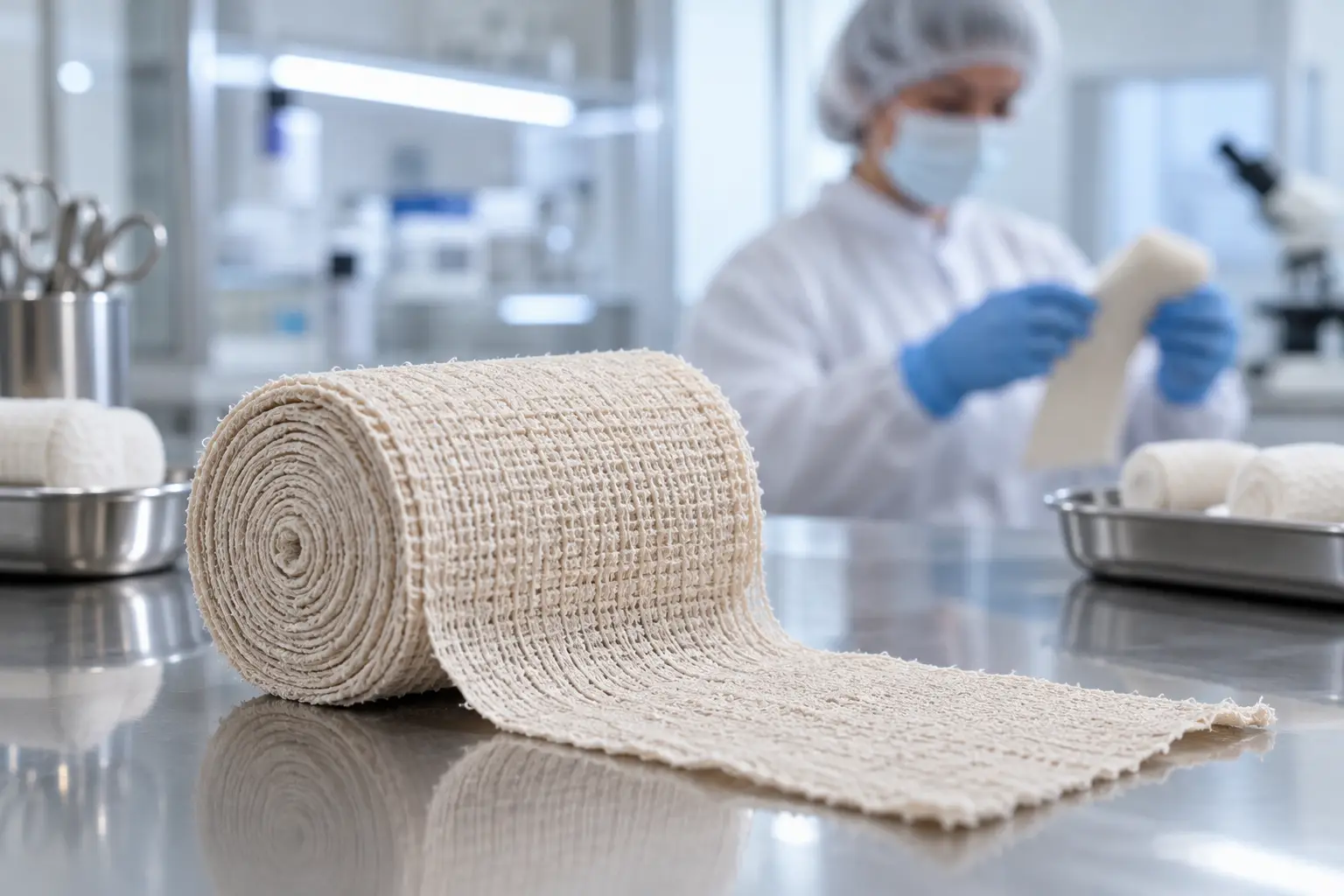
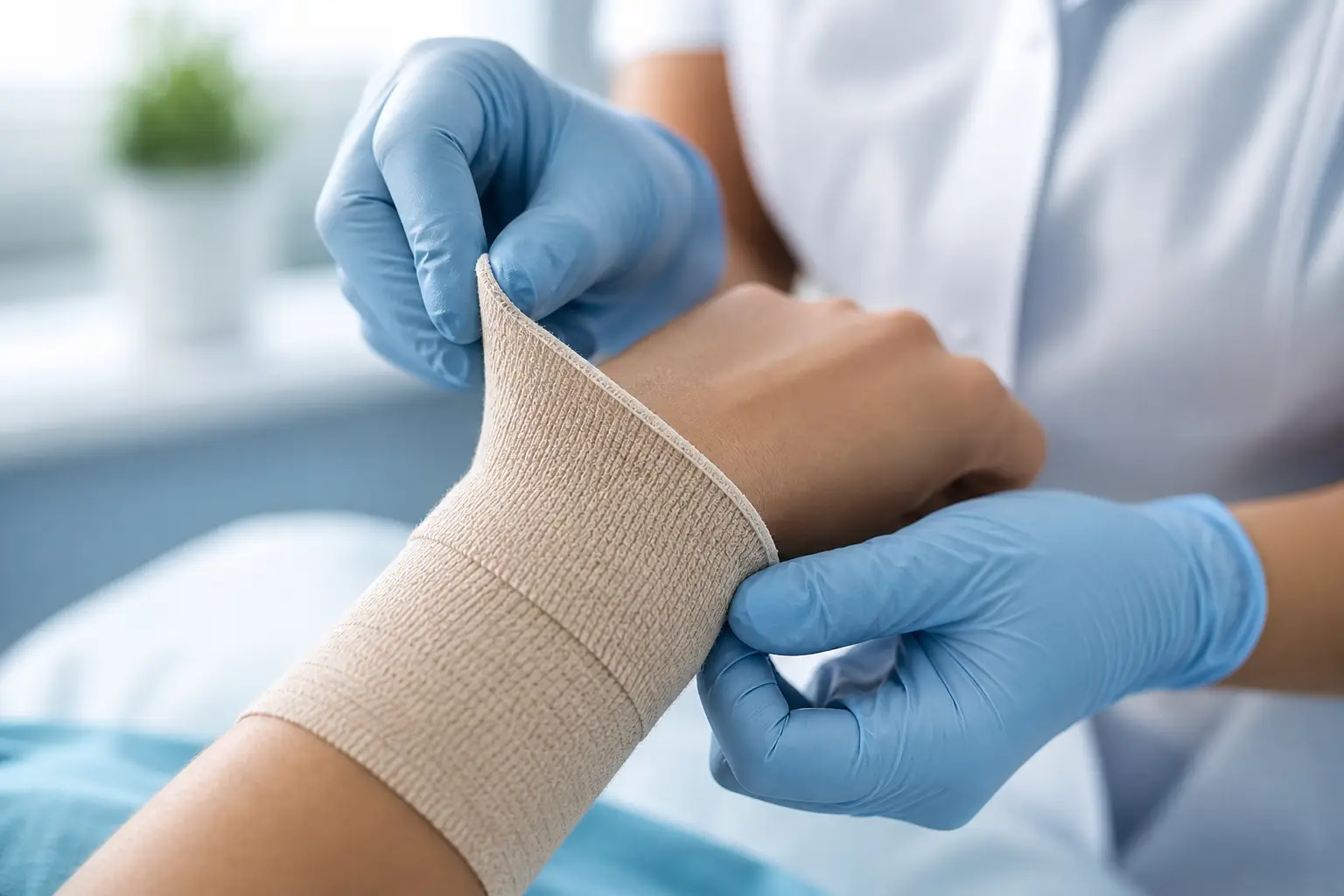
If you’re an engineer or a buyer sourcing materials for medical tapes, you’ve probably wrestled with this question a bunch: which adhesive works better for non-woven tapes – acrylic or hot melt? It’s not always straightforward, cuz both have their strengths depending on the environment, how long the tape stays on skin, and what kinda stress it’ll face.
I’ve worked with these adhesives on real projects over the years, testing them in labs and seeing how they hold up in actual use. At MediTapes, we’ve supplied tons of Medical Non-woven Tape options, and folks often ask us to break down the pros and cons. So let’s chat about it like we’re grabbing coffee – no fancy jargon, just straight talk on what matters for your applications.
What Are These Adhesives Anyway?
First off, quick rundown so we’re on the same page.
Acrylic adhesives are basically polymer-based glues that come in water or solvent forms, but for medical stuff, they’re often crosslinked for better durability. They’re super common in pressure sensitive adhesive for skin because they stick well without needing heat to activate.
Hot melt adhesives, on the other hand, are thermoplastic – you heat ’em up to apply, then they cool and set fast. In medical non-woven tapes, they’re usually rubber-based or specialized formulations that give quick tack.
Both are types of medical grade adhesive types, but they behave differently on skin and under varying conditions.

OEM Medical Non-woven Tape Rolls | Microporous Adhesive Plaster
We provide customizable OEM Medical Non-woven Tape rolls to meet your brand specifications. This microporous adhesive plaster features soft conformity and pain-free removal. Partner with us for high-quality medical non-woven tape manufacturing and competitive factory pricing.
Key Differences: Acrylic Adhesive vs Hot Melt
Okay, let’s get into the meat of it. Here’s a side-by-side look at how they stack up.
| Aspect | Acrylic Adhesive | Hot Melt Adhesive |
|---|---|---|
| Initial Tack | Builds over time, moderate at first | Super quick and strong right away |
| Temperature Resistance | Wider range (often 0°C to 60°C or more) | Better at room temp, narrower (around 8°C to 48°C) |
| Humidity/UV Resistance | Excellent, resists oxidation and yellowing | Can yellow over time, less UV stable |
| Skin Irritation | Generally low, good biocompatibility | Can vary; some formulations gentler |
| Long-term Adhesion | Improves with time, great for extended wear | Strong hold but may degrade faster |
| Breathability/MVTR | High in many formulations | Depends, but often good for short wear |
| Cost | Often more affordable | Can be pricier due to materials |
From what I’ve seen, acrylic shines in situations where the tape might face cold storage or high humidity – think refrigerated medical supplies or tapes used in varying climates. Hot melt grabs fast, which is handy for quick application in surgeries or when you need instant hold on tricky surfaces.
Real data backs this up: Studies show acrylic PSAs maintain adhesion in extreme temps better, while hot melts offer higher shear strength initially (sources like adhesive industry reports and ISO testing guidelines).
How They Perform on Skin: Pressure Sensitive Adhesive for Skin Matters
Skin contact is huge in medical non-woven tapes. Nobody wants irritation or that awful rip-off pain when removing.
Acrylic tends to be gentler for longer wear – it’s often the go-to for sensitive skin cuz it has good moisture vapor transmission (lets skin breathe) and lower chance of maceration. We’ve had clients switch to acrylic-based Medical Non-woven Tape from MediTapes for pediatric or elderly patients, and they report fewer complaints.
Hot melt can provide stronger initial stick, which is useful for securing devices that move a lot, but some older formulations might cause more trauma on removal if not tuned right. Modern medical-grade hot melts have improved a lot, though.
Both need to pass ISO 10993 biocompatibility tests – cytotoxicity, sensitization, irritation. That’s non-negotiable for medical grade adhesive types.
In one project I recall (anonymized, of course), a hospital was dealing with tapes falling off in humid ORs. Switched to acrylic, and problem solved – stayed put without irritating skin.
Temperature and Climate: Picking the Right One for Your Application
This is where it gets practical for engineers deciding based on climate.
If your tapes go into cold chain storage or hot warehouses, acrylic adhesive vs hot melt leans heavily toward acrylic. It handles lows down to freezing and highs better without losing grip.
Hot melt performs awesome at steady room temps – quick bond, high hold for heavy dressings or devices.
We’ve seen this in real scenarios: A client shipping wound care products internationally chose acrylic for reliability across climates. Another, focusing on surgical tapes used indoors, went hot melt for that instant grab.

Breathability and Comfort in Non-woven Tapes
Non-woven backings are popular cuz they’re soft and breathable. Pairing with the right adhesive amps that up.
Acrylic often allows higher MVTR (moisture vapor transmission rate), reducing sweat buildup under the tape.
Hot melt can be formulated breathable too, especially newer ones.
For long-wear apps like ostomy or chronic wound dressings, acrylic edges out.
Real-World Applications and Case Insights
Let’s talk examples without naming names.
In wound dressings: Acrylic common for advanced ones needing extended wear and moisture management. Hot melt in some bandages for quick secure.
Surgical tapes: Hot melt for fast application in ORs.
IV securement: Mix – acrylic for longer stays, hot melt for quick fixes.
One time, a buyer was frustrated with tapes peeling in cold rooms. Recommended our acrylic-based Medical Non-woven Tape, and it stuck through the chill without issues.
Another case: Device fixation in active patients – hot melt held stronger against movement.
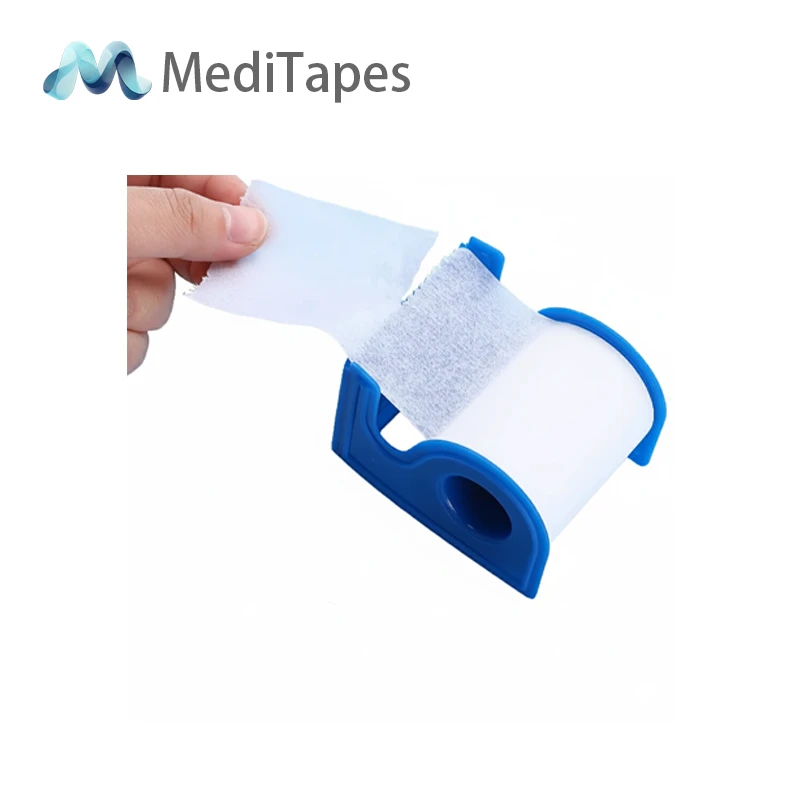
Medical Non-woven Tape Manufacturer | Breathable Surgical Paper Tape
Our Medical Non-woven Tape offers superior breathability and strong adhesion for wound care. This microporous surgical paper tape is hypoallergenic and gentle on sensitive skin. Choose our CE-certified medical non-woven tape for reliable dressing fixation and bulk wholesale supply.
Pros and Cons Breakdown
Acrylic Advantages
- Better for varying temps and humidity
- Ages well, no yellowing
- Often cheaper and widely available
- Good for sensitive skin long-term
Acrylic Drawbacks
- Slower build-up of full adhesion
- Might not grab as aggressively initially
Hot Melt Advantages
- Instant strong tack
- High shear for heavy loads
- Fast production coating
Hot Melt Drawbacks
- Narrower temp range
- Potential yellowing over time
- Some older types higher irritation risk
When to Choose Which?
If your app involves cold/hot extremes or long storage: Go acrylic.
For quick stick, indoor steady conditions, or high initial hold: Hot melt.
Often, it’s a blend or testing both.
At MediTapes, we offer both in our non-woven lines, customized to your needs.
FAQ
What’s the main difference in acrylic adhesive vs hot melt for skin contact?
Acrylic builds adhesion over time and handles moisture/temp changes better, while hot melt sticks fast and strong right away but might not like extremes as much.
Are hot melt adhesives safe for sensitive skin in medical tapes?
Yes, modern medical-grade ones are, passing ISO 10993 tests. But acrylic often preferred for very sensitive or long-wear to minimize irritation.
Which is better for wound dressings: acrylic or hot melt?
Depends – acrylic for moist healing environments and longer wear; hot melt for secure quick application in drier, shorter uses.
This is just scratching the surface – there’s way more nuance based on specific formulations.
If you’re deciding for your next project, drop us a line at MediTapes. We can chat details, send samples, or quote custom options. Reach out via info@meditapes.com or our contact page. Let’s figure out what fits your climate and app best.