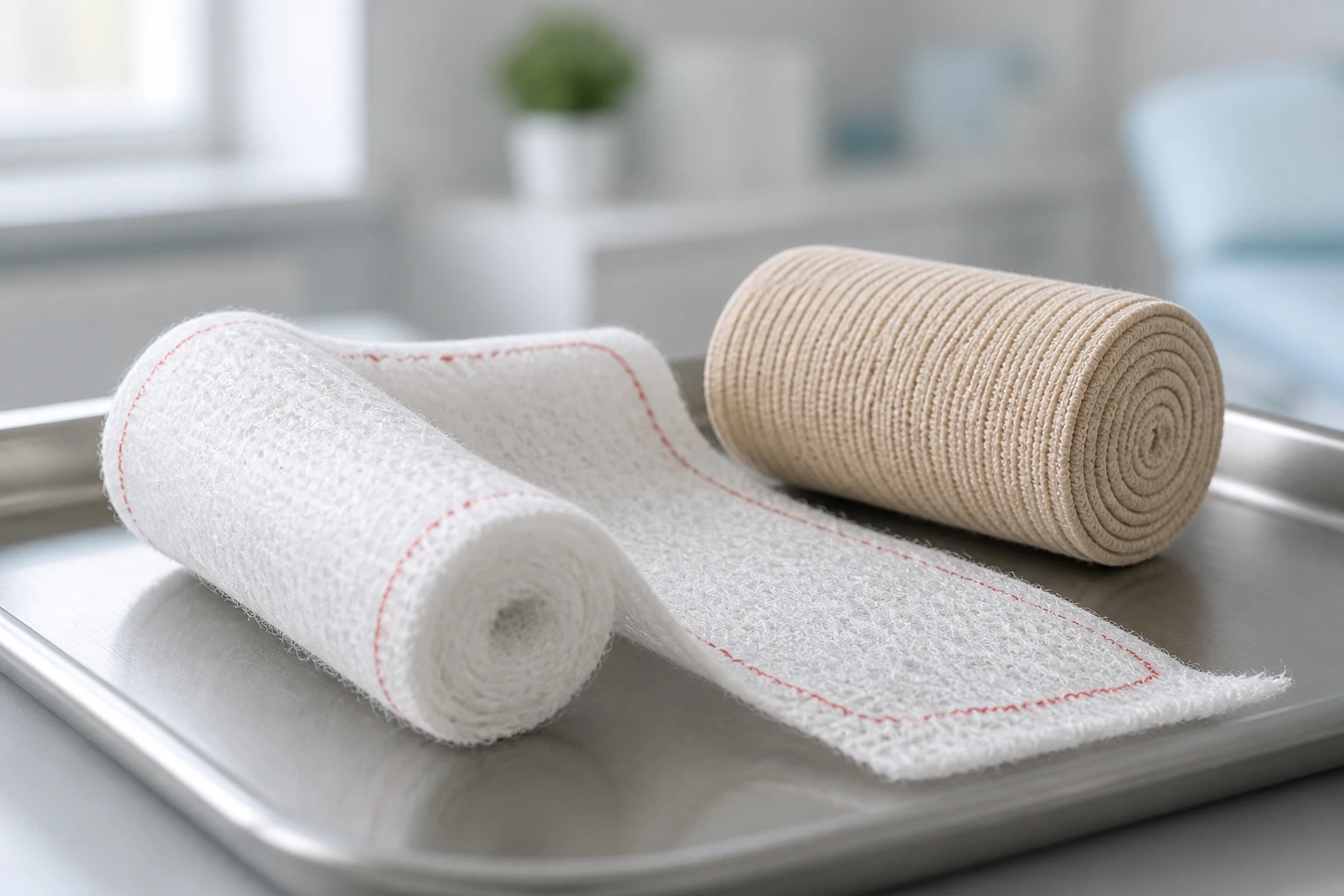
I’ve been dealing with sports medicine buyers, distributors, and clinic managers for over a decade, and the amount of budget wasted on cheap cotton tape every winter season is honestly staggering. If you are supplying clinics, pharmacies, or retail shops in ski towns, you need to hear this: standard cotton tape is basically garbage in the snow. It gets wet, freezes, peels off on the first chairlift ride, and leaves the athlete with zero support.
Look, B2B buyers often default to cotton because it’s cheaper. But when you are dealing with winter extreme sports, you definetly need a high-performance solution. You need synthetic kinesiology tape.
In this breakdown, I’m going to give you the hard truth about why your current tape inventory might be failing your customers. We’ll look at the exact physics of why cold weather destroys standard adhesives, and I’ll walk you through a B2B review of the top 5 synthetic kinesiology tape configurations on the market. If you want to stock a waterproof sports tape that actually survives a full day in the backcountry, keep reading.
Why Snowboarding Destroys Standard Tape
Snowboarding is brutal on the joints. The biomechanics of having both feet strapped to a single board means that when a rider goes down, the torque is violently transferred to the knees, ankles, and wrists.
Let’s look at the actual numbers from the National Center for Biotechnology Information. Novice snowboarders are highly prone to wrist injuries, which make up about 30% of their total injuries, mostly from falling backward. As riders get better and hit intermediate levels, the injuries move down to the legs. We see knee injuries hitting 28% and ankle injuries around 17%. The craziest stat? About 73% of lower-extremity injuries happen on the lead-foot side.
So, physical therapists are constantly taping up lead knees and wrists. But here is the problem: snowboarders sweat, they crash into wet snow, and their body heat melts that snow inside their gear.
If you apply a standard cotton tape to a lead knee, the fabric absorbs the moisture. It gets heavy. Then, the ambient temperature drops. The moisture inside the cotton actually pulls body heat away from the skin, and the adhesive completely fails. By the time the rider reaches the bottom of the mountain, that tape is rolled up inside their snow pants doing absolutely nothing.
This is exactly why a premium synthetic kinesiology tape is non-negotiable for winter sports. You need a durable medical tape that repels water rather than acting like a sponge.
Synthetic vs. Cotton: The Hard Truth
There is a lot of marketing fluff out there, so let’s strip it down to the raw materials. Cotton is a natural fiber that breathes well in a dry, indoor gym. Synthetic kinesiology tape is usually manufactured using rayon or a nylon blend mixed with spandex. Rayon is derived from plant cellulose but heavily processed to acheive a smooth, silk-like texture.
I put together this table to show you exactly why I tell my B2B clients to ditch cotton for winter sports.
| Feature | Standard Cotton Tape | Synthetic Kinesiology Tape | Impact on Snowboarders |
|---|---|---|---|
| Material | 95% Cotton / 5% Spandex | Rayon or Nylon / Spandex Blend | Synthetics dry much faster and don’t freeze up. |
| Moisture Handling | Absorbs water (Hydrophilic) | Repels water (Hydrophobic) | Synthetic tape won’t turn into a cold, wet sponge. |
| Adhesion Life | 1 to 3 days (drops fast when wet) | 4 to 7 days (maintains grip) | Synthetics survive the friction inside a snowboard boot. |
| Elasticity Recoil | Degrades quickly after stretching | Strong snap-back (High resilience) | Synthetics offer better dynamic support for carving. |
| Friction Level | High (catches on thermal layers) | Low (smooth, silk-like finish) | Base layers slide right over synthetic kinesiology tape. |
If you are a distributor, stocking a synthetic kinesiology tape means you are offering a true waterproof sports tape that athletes can trust. It reduces product complaints and massive return rates during the winter months.
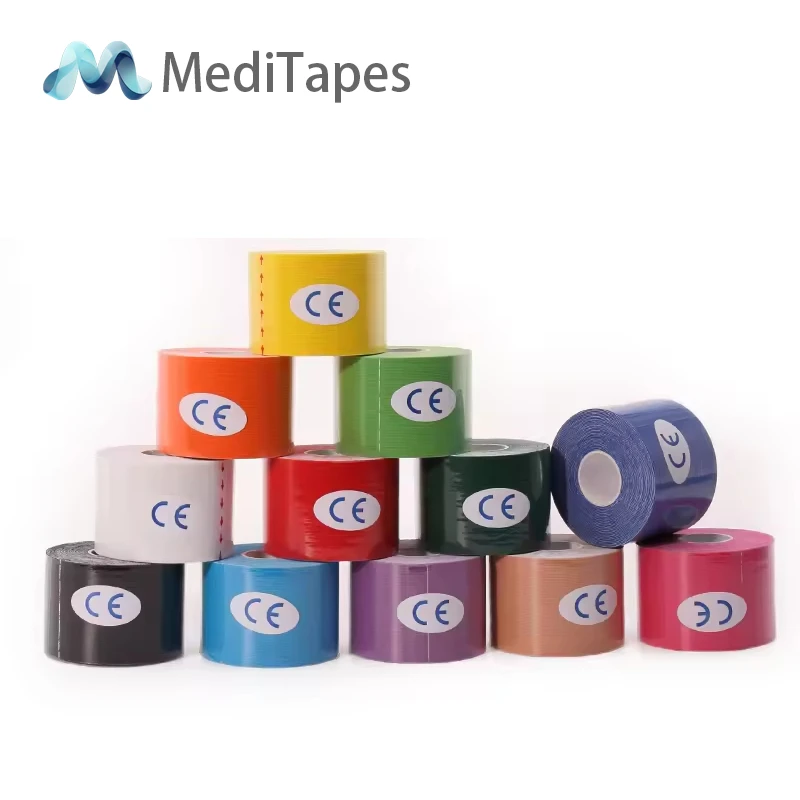
Wholesale Synthetic Kinesiology Tape for Elite Sports Support
Synthetic Kinesiology Tape offers superior support for athletes. Made from premium shiny rayon, this synthetic tape is highly breathable and quick-drying. Ideal for heavy workouts, it ensures long-lasting adhesion. Perfect for sports clinics seeking durable, high-performance strapping solutions.
The Physics of Adhesion in the Cold (No Ph.D. Required)
Let’s get a bit technical, but I’ll keep it simple. Why does tape fall off in the snow? It comes down to the glass transition temperature of the acrylic adhesive and the shear stress applied by the athlete.
When tape is applied to a joint, it faces a mechanical force trying to rip it off. We can look at this using a basic shear stress formula:
Shear Stress (τ) = Force applied by movement / Adhesive Contact Area
In a warm environment, the acrylic adhesive on the tape acts as a viscoelastic fluid. It moves with the skin, spreading the force over a large contact area. But when the temperature drops near freezing, cheap adhesives hit their glass transition phase. They stop being flexible and turn hard. Once the adhesive hardens, the “Adhesive Contact Area” effectively shrinks because it’s microscopically snapping off the skin.
Now, add water. If the backing fabric is cotton, water seeps through to the adhesive layer, causing chemical degradation of the bond.
A high-quality synthetic kinesiology tape solves both problems. The tightly woven synthetic fibers (like rayon) block moisture from ever reaching the adhesive bed. Furthermore, premium manufacturers use a medical-grade acrylic that has a much lower freezing point. This is what makes it a genuinely durable medical tape. The adhesive stays viscoelastic even when the snowboarder is sitting in 15-degree weather waiting for the lift.
Top 5 Synthetic Kinesiology Tapes for Snowboarders (B2B Review)
Alright, let’s dive into the actual sourcing options. If you are a buyer looking to stock your shelves or supply a network of sports physios, you need to know the differences between the major synthetic kinesiology tape configurations on the market. I’ve categorized these based on their material specs and best use cases for winter sports.
1. The High-Spandex Rayon Blend (The Market Standard)
This is the workhorse of the industry. Most premium consumer brands use a variation of this. It’s typically a rayon base with about 5% to 7% spandex.
- Why it works for snowboarders: The rayon gives it that smooth, shiny finish that stops base layers from catching on the edges. The higher spandex content gives it a snappy recoil, which is great for supporting the patellar tendon on that heavy lead knee.
- B2B Sourcing Takeaway: If you want a safe bet that will sell well across the board, this synthetic kinesiology tape is your bread and butter. It’s a reliable waterproof sports tape that handles sweat and snow melt effortlessly.
2. The 100% Nylon Extreme Water-Resistant Tape
Nylon takes durability to another level. While rayon is synthetic silk, nylon is pure armor. This type of synthetic kinesiology tape is slightly thicker and has an incredibly high tensile strength.
- Why it works for snowboarders: When you have a rider who spends half their day in the backcountry hiking through waist-deep powder, friction is off the charts. Nylon won’t fray. It acts as an insanely durable medical tape for extreme environments.
- B2B Sourcing Takeaway: This is a niche product. It costs more to manufacture, so your wholesale margins might be a bit tighter, but physical therapists working directly with pro snowboarders will specifically ask for this synthetic kinesiology tape.
3. The Reflective Synthetic Matrix
This is a newer trend in the synthetic kinesiology tape space. It uses a standard synthetic base but weaves in microscopic reflective glass beads or coats the fabric in a reflective pattern.
- Why it works for snowboarders: Night riding is huge. While tape is usually covered by gear, many riders wear it on their lower face/cheeks to prevent windburn or on exposed wrists during spring sessions.
- B2B Sourcing Takeaway: Honestly, it’s a bit of a gimmick for the snow crowd compared to runners, but retail buyers eat it up. It looks great on the shelf. As a synthetic kinesiology tape, it still performs well as long as the base fabric is a solid rayon blend.
4. The Heavy-Duty Acrylic Medical Grade (Extra Sticky)
This tape doesn’t focus as much on the fabric as it does on the glue. It uses a standard synthetic kinesiology tape top layer but applies a 50gsm (grams per square meter) layer of acrylic adhesive, compared to the standard 35gsm.
- Why it works for snowboarders: Snowboarders dealing with previous shoulder dislocations (which make up a big chunk of upper body injuries) need structural support that absolutely will not budge.
- B2B Sourcing Takeaway: You must warn your clients about this durable medical tape. The adhesive is so strong that if it’s not removed correctly with oil, it will take the skin off. But for extreme joint stabilization in the cold, this synthetic kinesiology tape is unmatched.
5. The MediTapes Custom B2B Synthetic Solution
Instead of just buying another brand’s off-the-shelf product, smart B2B buyers go direct to the manufacturer. MediTapes offers a highly customizable synthetic kinesiology tape designed specifically for wholesale and OEM distribution.
- Why it works for snowboarders: You get the perfect balance. You can request a hydrophobic rayon blend that acts as an elite waterproof sports tape, paired with a wave-patterned, cold-weather acrylic adhesive that survives the slopes.
- B2B Sourcing Takeaway: If you want to maximize your margins and build your own brand reputation, this is the route to go. Sourcing a Synthetic Fabric Kinesiology Tape directly from a trusted factory means you control the specs, the branding, and the price point.
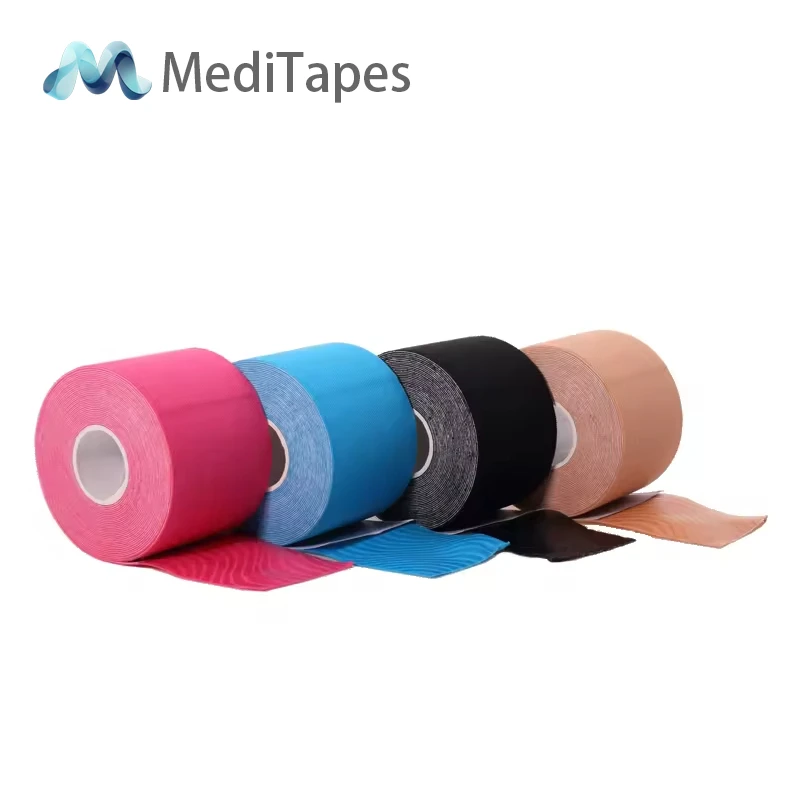
Waterproof Synthetic Kinesiology Tape Pre-cut & Roll Manufacturer
Looking for Waterproof Synthetic Kinesiology Tape? Our rayon-based tape excels in wet conditions, perfect for swimmers and triathletes. The synthetic fabric mimics silk, offering a sleek look and strong elasticity. As a top manufacturer, we provide bulk rolls and custom branding services.
Anonymous Case Study: The Cost of Cheap Tape in the Alps
I want to share a story about a client I worked with two years ago. They are a mid-sized medical supply distributor based near the Swiss Alps. They supplied about 40 local physio clinics that specifically catered to winter sports tourists.
For years, they had been supplying a cheap, private-label cotton tape. During the 2023 season, they experienced a massive spike in complaints. Clinics were furious because snowboarders were returning the next day complaining that the tape rolled up inside their boots within two hours, causing severe blisters from the friction. The clinics threatened to drop the distributor entirely.
We audited their inventory and immediately transitioned them to a synthetic kinesiology tape. We went with a 97% rayon, 3% spandex blend with a high-tack acrylic adhesive.
The results?
- Tape-related product returns dropped by 92% in the first month.
- Clinic re-order rates increased by 35% because the physios were confident in applying the product.
- The distributor was able to increase their wholesale price by 15% because they were now offering a premium durable medical tape rather than a budget commodity.
This is the reality of the B2B market. When you try to save 20 cents a roll on standard cotton, you end up losing the entire account. Upgrading to a proper synthetic kinesiology tape pays for itself almost instantly.
The B2B Buying Guide: Specs to Demand from Your Factory
If you are going to source synthetic kinesiology tape, don’t just blindly trust the supplier’s catalog. You need to ask for the exact specifications. Here is what I always demand when sourcing waterproof sports tape for my clients:
- Fabric Composition: Insist on a minimum of 95% Rayon and 5% Spandex. If the factory tries to push a polyester blend, push back. Polyester doesn’t have the same silky, low-friction finish as rayon, meaning snow pants will rub against it and peel it off.
- Adhesive Weight: For winter sports, standard 35gsm adhesive is too light. Ask for 40gsm to 45gsm. This gives the synthetic kinesiology tape the aggressive initial tack needed to stick to cold, dry skin in a ski lodge.
- Wave Pattern Application: Make sure the adhesive is applied in a wave pattern, not a solid coat. Even though the tape is acting as a waterproof sports tape, the skin underneath still needs to breathe slightly to prevent maceration (skin breakdown).
- Water Resistance Testing: Don’t just accept the word “waterproof.” Ask the factory for their water contact angle test results. A true synthetic kinesiology tape should cause water to bead up and roll off immediately.
Wrapping This Up
The difference between a successful winter sports season and a nightmare of customer complaints comes down to your equipment. Snowboarders put their bodies through hell, twisting their knees, smashing their wrists, and sweating through freezing temperatures. They cannot rely on basic cotton tape.
As a supplier, clinic manager, or buyer, upgrading your inventory to a premium synthetic kinesiology tape is the smartest move you can make. It functions as a true waterproof sports tape that resists moisture, and it serves as a durable medical tape that holds joints together when the mountain tries to tear them apart.
Stop letting your clients waste money on tape that ends up stuck to the inside of a snow boot. It’s time to stock a product that actually performs.
Ready to upgrade your inventory?
Don’t settle for mediocre products. If you are looking to source high-quality, fully customizable synthetic kinesiology tape in bulk, you need a manufacturing partner who understands the science of extreme sports. Head over to our contact us page right now to request a wholesale quote, or shoot us an email directly at info@meditapes.com. Let’s build a tape that your customers will actually trust.
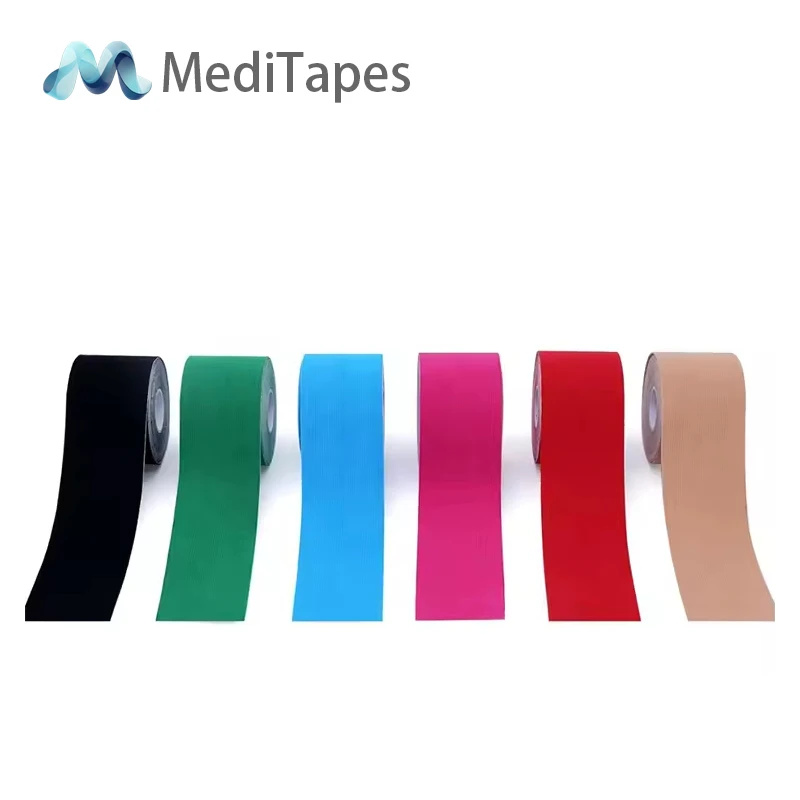
Shiny Rayon Kinesiology Tape – High Elasticity Muscle Therapy Tape
Elevate your therapy with Shiny Rayon Kinesiology Tape. This synthetic muscle tape features a reflective surface and high elasticity for maximum joint mobility. It dries faster than cotton tape, preventing skin irritation. A top choice for modern physical therapy and rehabilitation centers.
FAQ: Sourcing Synthetic Kinesiology Tape for Winter Sports
1. Why does synthetic kinesiology tape cost more wholesale than cotton tape?
It comes down to the raw materials and the manufacturing process. Extracting and processing plant cellulose into high-grade rayon is more expensive than spinning standard cotton. Additionally, synthetic tapes usually require a more advanced acrylic adhesive to bond properly with the synthetic fibers. However, the ROI is much higher because clinics and athletes are willing to pay a premium for a true waterproof sports tape that actually lasts 5 days in the snow.
2. Can synthetic kinesiology tape actually prevent snowboarding wrist injuries?
Let me be very clear: no tape can prevent a broken bone if a 200lb snowboarder slams backward onto an icy landing. However, synthetic kinesiology tape acts as an excellent durable medical tape for proprioception and minor ligament support. It gives the athlete sensory feedback that helps them naturally adjust their joint position before a catastrophic hyperextension occurs. It’s highly effective for post-injury stabilization and preventing minor sprains from getting worse.
3. Is synthetic kinesiology tape harder to remove, and will it damage the skin?
Because synthetic kinesiology tape uses a stronger adhesive to survive wet and cold environments, it can be aggressive on the skin if ripped off like a band-aid. As a B2B supplier, you should always educate your retail or clinical buyers to advise their patients to use baby oil or a dedicated adhesive remover. The oil breaks down the acrylic bonds, allowing the durable medical tape to slide off without causing skin irritation.
4. How does the shelf life of synthetic tape compare to standard cotton tape?
When stored correctly in a climate-controlled warehouse, synthetic kinesiology tape typically has a longer shelf life (around 2 to 3 years). Cotton tends to absorb ambient humidity from the air over time, which can slowly degrade the adhesive backing before the package is even opened. The hydrophobic nature of the rayon or nylon in synthetic tape protects the adhesive layer, ensuring that your wholesale inventory remains fresh and ready to perform.