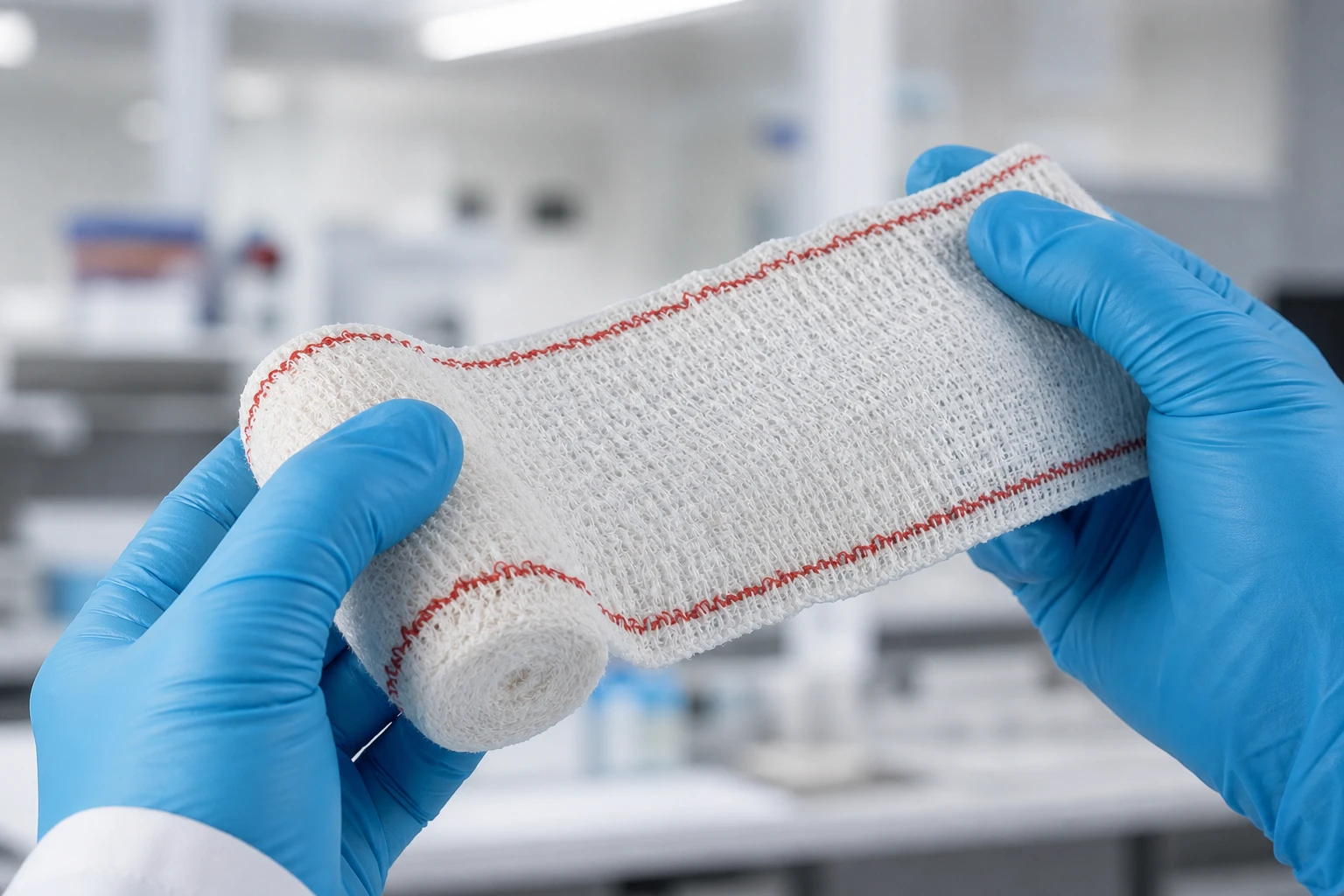
If you’ve ever dealt with hospital procurement, you probably know that getting the right medical tapes can make or break daily operations. We’re talking about those trusty perforated plasters – the ones that hold dressings in place, secure tubes, or just keep everything steady without irritating skin. At MediTapes, we’ve been supplying these to hospitals for years, and we’ve seen firsthand what works best in busy wards.
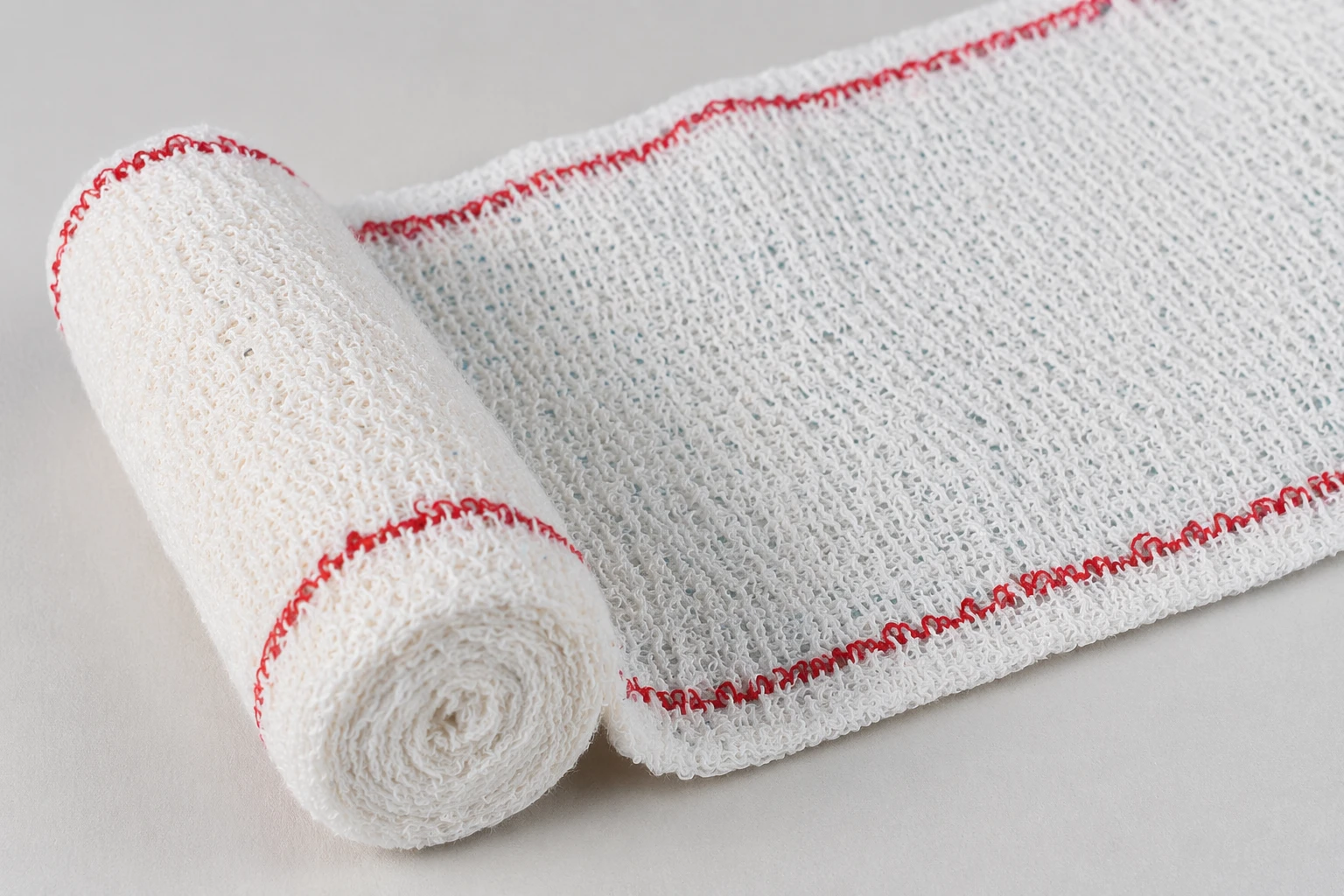
These aren’t your average sticky strips from the pharmacy. Perforated plasters, often made with zinc oxide adhesive on cotton backing, have tiny holes that let skin breathe while sticking strong. That’s huge in hospitals where patients might wear them for days. Poor choice means maceration or allergies flaring up; right one means happier patients and fewer changes for nurses.
Let’s dive into the practical stuff – sizes, specs, why they matter for bulk buying, and some real-world tips from what we’ve learned supplying places big and small.
Why Perforated Plasters Are a Go-To in Hospitals
You see them everywhere: fixing gauze after surgery, taping IV lines, or strapping sprains in emergency rooms. The perforation is the game-changer. It allows air and moisture to pass through, reducing sweat buildup under the tape. No one wants soggy skin leading to infections.
From what we’ve supplied, hospitals lean toward zinc oxide-based ones because the adhesive is robust yet gentle. It’s rigid enough to provide support but tears easily by hand – no scissors needed in a rush. Many are hypoallergenic too, cutting down on reactions.
In real scenarios, like a mid-sized hospital we worked with (keeping it anonymous, of course), switching to perforated versions cut their dressing change frequency by quite a bit. Nurses spent less time re-taping, patients felt more comfortable. Simple switch, noticeable difference.
Common Standard Sizes for Perforated Plasters in Hospital Settings
Sizes aren’t random. They’re based on common needs: narrow for fingers or tubes, wider for larger dressings or joints.
Here’s a quick table of the most common ones we see in hospital orders, pulled from industry standards and what suppliers like us stock regularly:
| Width | Length | Common Use Cases | Typical Pack Size (Bulk) |
|---|---|---|---|
| 1.25 cm (0.5 inch) | 5 m or 5 yards | Securing small tubes, IV lines, fingers | 24 rolls per box |
| 2.5 cm (1 inch) | 5 m or 10 yards | General wound dressings, pediatric use | 12-24 rolls per box |
| 5 cm (2 inches) | 5 m or 10 m | Medium dressings, ankle/wrist support | 12 rolls per box |
| 7.5 cm (3 inches) | 5 m or 10 m | Larger wounds, post-surgery fixation | 6-12 rolls per box |
| 10 cm (4 inches) | 5 m | Broad area coverage, strapping | 6 rolls per box |
These come from real manufacturer specs – like UNICEF’s standard for 10cm x 5m rolls in humanitarian supplies, or common listings from brands offering CE and ISO-certified tapes. Widths stick close to these because they’re easy to tear and apply.
In bulk surgical tape sizes, hospitals often order cases of 360 smaller rolls or 120 wider ones to keep stockrooms full without overbuying.
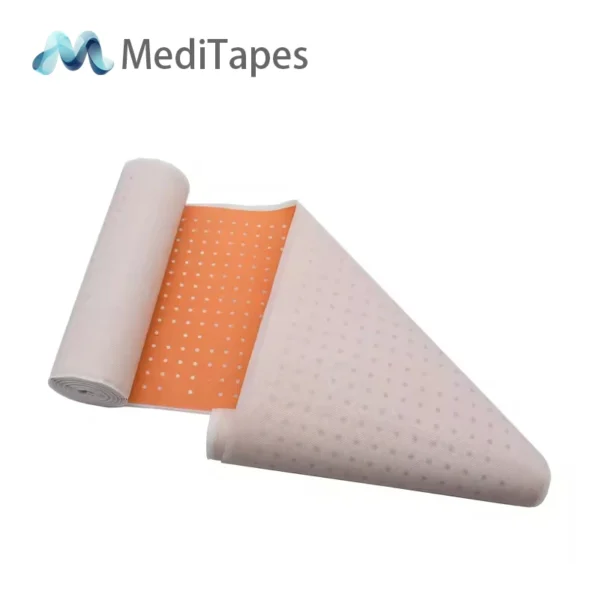
Porous Zinc Oxide Adhesive Plaster Tape – Easy Tear & High Adhesion
Experience the balance of strong hold and easy removal with our porous zinc oxide adhesive plaster. The perforated structure ensures air permeability, promoting wound healing. “Easy tear” edges allow quick application without scissors. A versatile adhesive plaster for general wound care.
Breaking Down the Key Specifications
It’s not just size. Specs ensure the tape performs under pressure – literally.
- Material: Usually 100% cotton cloth backing for comfort and strength. Adhesive is zinc oxide-based, often 80-85g/m² for good stick without residue.
- Perforation/Porosity: Holes or porous weave lets skin breathe. Important for long wear – reduces risk of maceration.
- Adhesion: Strong peel but removable without tearing skin. Many meet tests like ISO 29862 for peel adhesion.
- Tearability: Hand-tearable, zigzag edges on some for straight cuts.
- Sterility/Compliance: Non-sterile usually (applied over dressings), but hypoallergenic. Look for CE, ISO 13485, or FDA clearance.
- Shelf Life: Typically 3-5 years if stored cool and dry.
Water resistance varies – some impermeable, others breathable but not fully waterproof. For damp areas, perforated still wins over solid tapes.
We’ve had procurement folks ask about custom lengths. Most stick to standards because they’re cheaper in bulk and interchangeable.
Bulk Purchasing: Meeting Hospital Medical Supplies Needs
Hospitals buy big. No surprise there. Bulk surgical tape sizes mean consistent supply without running out mid-shift.
When ordering medical consumables specs in volume, focus on:
- Minimum order quantities – often 10,000 rolls for best pricing.
- Packaging – plastic tins or spools to prevent unraveling.
- Customization – some suppliers (like us at MediTapes) offer private labeling or specific widths.
One case we recall: a chain of clinics needed reliable 5cm x 5m perforated plasters for their orthopedic departments. They were burning through cheaper brands that lost stickiness in humid conditions. Switched to our porous zinc oxide version, ordered in pallets, and saw fewer complaints plus lower overall spend because less waste.
If you’re handling hospital medical supplies procurement, getting quotes for bulk is straightforward. Just need your estimated monthly usage.
How to Choose the Right Perforated Plaster Supplier
Experience counts. Look for suppliers who’ve been in medical consumables for a while – ones that understand hospital workflows.
At MediTapes, we specialize in stuff like our porous zinc oxide adhesive plaster tape. It’s perforated for max breathability, comes in all those standard sizes, and holds up in real hospital use.
We keep stock ready for quick shipping, and our team knows the ins and outs of bulk orders. No fluff – just reliable product that meets specs.
Real-World Applications and Tips
Picture this: post-op ward, patient with a large abdominal dressing. You need something wide, breathable, that won’t shift. 10cm perforated plaster does the job.
Or ER: quick strapping for a sprained ankle. 5cm roll, tear off strips, done.
Tip: always layer with underwrap if patient’s skin is sensitive. And store away from heat – adhesive can degrade.
Another anonymous story – large urban hospital dealing with high patient turnover. They standardized on 2.5cm and 5cm sizes for most needs. Cut their inventory varieties in half, simplified training for new staff.
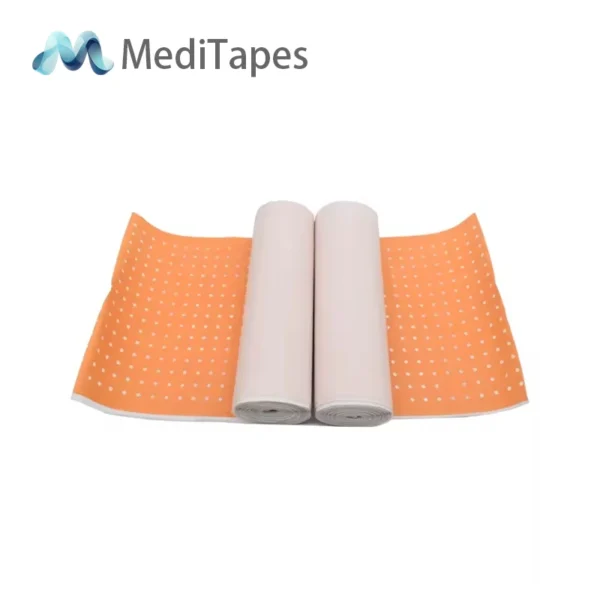
Zinc Oxide Perforated Adhesive Plaster for Medical & Surgical Use
This perforated adhesive plaster features strong zinc oxide adhesive for secure fixation. Ideal for surgical dressings and catheter stabilization. The porous design ensures skin breathability, reducing maceration. Available in various widths for professional medical use. ISO/CE certified.
Wrapping It Up: Get the Right Fit for Your Hospital
Perforated plasters for hospital use come down to reliable standards that fit real needs. Stick to those common sizes, check specs for breathability and adhesion, and think bulk for cost savings.
If you’re ready to stock up or just want samples, drop us a line. Head over to our contact page or email info@meditapes.com for a quote. We can talk through your specific volumes and needs – no pressure, just helpful info.
Visit MediTapes to see more on our hospital medical supplies range.
Frequently Asked Questions About Perforated Plasters for Hospital Use
What makes perforated plasters better than regular tape for hospitals?
The holes let air through, so skin stays drier longer. Less irritation, fewer changes needed. Especially useful for patients wearing them days at a time.
Are there standard bulk surgical tape sizes hospitals should order?
Yeah, most go for cases with 12-24 rolls per box, depending on width. Smaller tapes pack more per case. Keeps costs down and storage simple.
Do these meet medical consumables specs for safety?
Good ones do – look for zinc oxide adhesive that’s hypoallergenic, with certifications like CE or ISO. They should tear easy, stick strong, and be breathable without compromising hold.