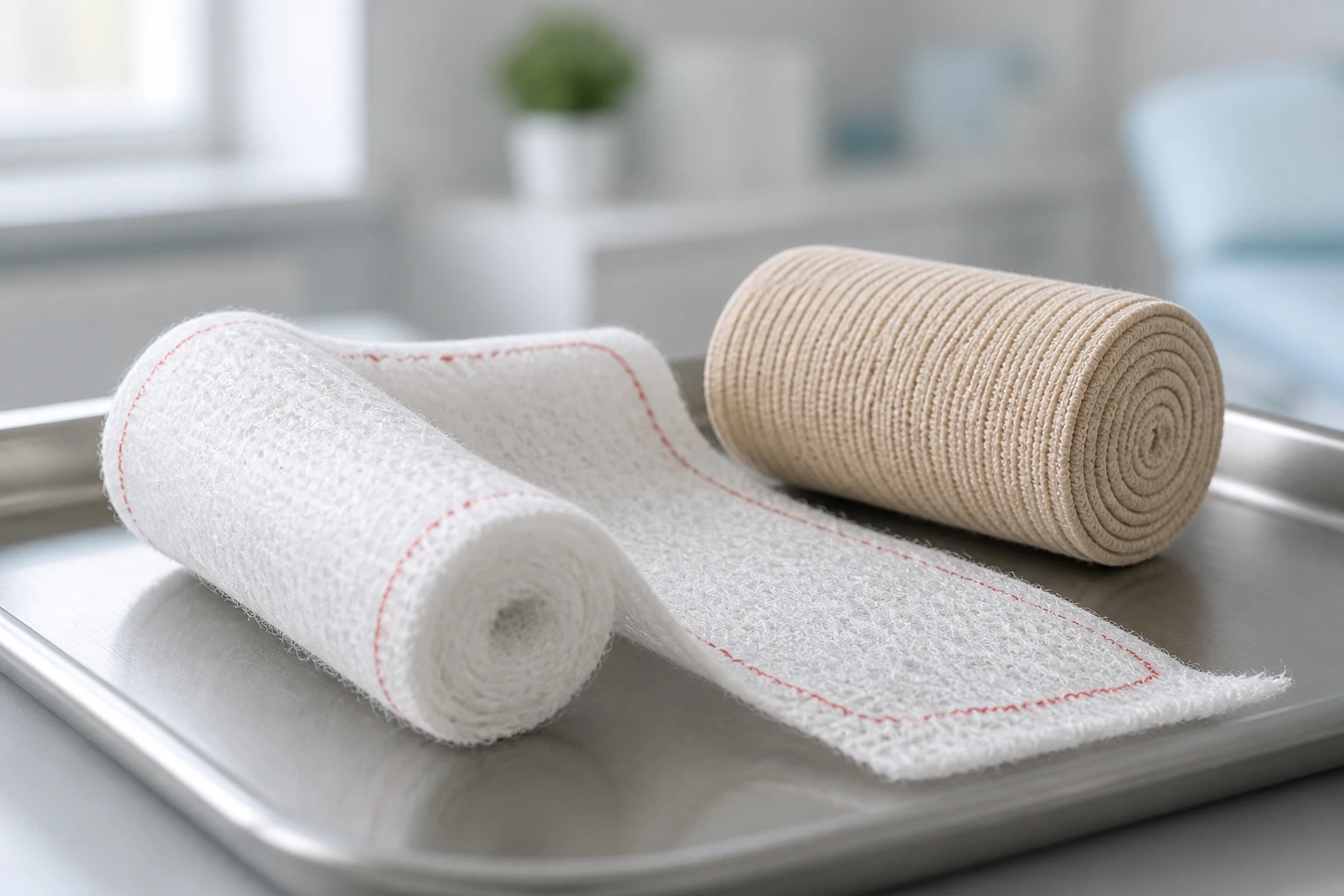
Ever wondered what really goes into those soft, flexible tapes or sheets that help with scars or hold medical stuff in place without irritating your skin? Yeah, it’s all about the medical grade silicone behind it. I’ve been around this stuff for years, working with manufacturers and seeing firsthand how the starting materials make or break the final product. Skimp on quality at the source, and you’re asking for trouble down the line – like reactions, breakdowns, or just plain not working as it should.
Let’s chat about why paying attention to raw material quality isn’t just some fancy buzzword. It’s the foundation for keeping things safe and effective, especially when it’s touching skin or helping heal wounds.
What Exactly Is Medical Grade Silicone?
So, medical grade silicone isn’t your average kitchen spatula material. It’s a specially formulated type of silicone that’s been purified and tested to meet strict standards for use in healthcare. Think catheters, implants, wound dressings, and yes, those gentle tapes for sensitive skin.
The key difference? It has to pass rigorous biocompatibility tests. That means it won’t cause bad reactions in the body. Standards like USP Class VI involve things like systemic toxicity tests, intracutaneous checks, and even implantation trials to make sure no harmful stuff leaches out.
From what I’ve seen, platinum-cured silicones are the go-to for medical stuff because they’re cleaner – fewer byproducts compared to peroxide-cured ones. And real data backs this up: USP Class VI testing ensures low extractables, those chemicals that could migrate out under heat or contact.
But here’s the thing – not all “medical grade” claims are equal. True medical grade often meets FDA guidelines under 21 CFR 177.2600 for indirect food contact (which overlaps with medical safety) and goes beyond with ISO 10993 or USP protocols.
Why Raw Materials Are the Starting Point
You know how baking a cake with stale flour ruins the whole thing? Same idea here. Raw material quality in silicone determines everything from flexibility to how it holds up during sterilization.
Poor-quality raw silicone might have impurities or fillers that sneak in during production. These can lead to issues like brittleness over time or, worse, leaching chemicals that irritate skin. In medical devices, material-related problems accounted for about 36% of failures reported to the FDA in one analysis – that’s huge!
On the flip side, high-purity raw materials mean better biocompatibility. Medical grade silicone is hypoallergenic by nature, with a non-porous surface that doesn’t trap bacteria or allergens easily. That’s why it’s a top choice for hypoallergenic tape materials.
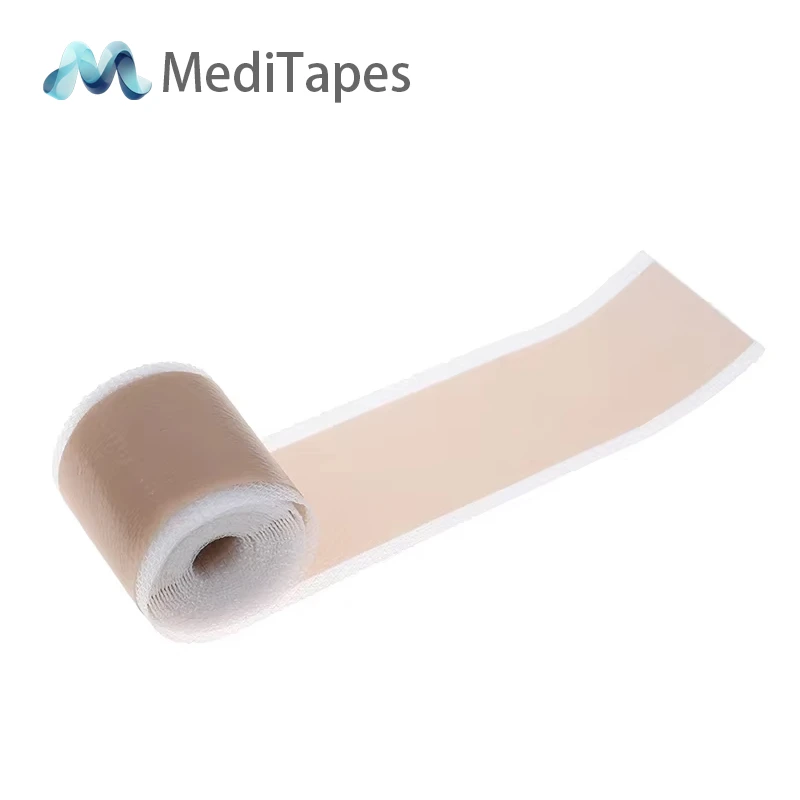
Reusable Silicone Scar Removal Tape Sheets for C-Section & Surgery
This professional Silicone Scar Removal Tape is clinically designed to flatten and fade scars from C-sections and surgeries. These reusable silicone gel tape sheets are washable and durable. A top choice for pharmacies and clinics looking for effective scar management solutions.
Silicone Safety: Breaking Down the Facts
Let’s get real about silicone safety. There’s a lot of noise out there, but the evidence is pretty clear: high-quality medical grade silicone is incredibly safe.
It’s biocompatible, meaning your body doesn’t freak out over it. Studies show it’s non-toxic, resists extreme temps, and doesn’t degrade easily. Allergic reactions? Super rare – way less common than with latex or other materials.
In fact, decades of use in implants and devices prove it’s well-tolerated. One review notes that true silicone allergies are uncommon, often tied to impurities rather than the silicone itself.
Compare that to other tape materials:
| Material Type | Adhesion Strength | Gentleness on Skin | Hypoallergenic? | Common Issues | Best For |
|---|---|---|---|---|---|
| Acrylic | High | Moderate | Sometimes | Residue, irritation on removal | Long-term device attachment |
| Rubber-based | High | Low | No | Allergies, skin trauma | Heavy-duty, non-sensitive |
| Silicone | Gentle/Low | High | Yes | Minimal residue, repositionable | Sensitive skin, frequent changes |
| Paper | Low | High | Yes | Less durable | Short-term, fragile skin |
Silicone wins hands down for hypoallergenic tape materials, especially on delicate or compromised skin. It’s repositionable, removes without pulling, and leaves little mess.
Why Raw Material Quality Directly Impacts Performance
Okay, diving deeper – raw material quality matters because it affects every step.
- Purity Levels: High-grade raw silicone has fewer volatiles or contaminants. This reduces risks like cytotoxicity or sensitization.
- Consistency: Better raw materials mean uniform curing, leading to reliable durometer (hardness) and tear strength.
- Long-Term Stability: Quality sources resist aging better, crucial for devices that get sterilized repeatedly.
I’ve seen cases where cheaper raw batches led to yellowing or cracking way too soon. Not ideal when you’re relying on it for scar management or wound care.
And stats don’t lie: Material nonconformities contribute to around 10% of implant recalls in some FDA data sets.
Real-World Applications and Benefits
Take scar removal tapes, for example. Medical silicone gel tapes work by hydrating the scar, reducing collagen overproduction, and applying gentle pressure.
Clinical studies show silicone sheets can reduce scar height by up to 68%, improve color by 84%, and texture by 86% in some cases. That’s massive for hypertrophic or keloid scars.
At MediTapes, we use only premium medical grade silicone in our Medical Silicone Gel Tape. It’s designed for exactly that – flattening raised scars, easing itch, and blending them better with surrounding skin.
One scenario I’ve heard from users (anonymized, of course): Someone post-surgery applied our tape daily for a few months. The scar went from red and raised to barely noticeable. Consistent use is key, but quality material makes it comfortable enough to stick with.
Another common use: In hypoallergenic tapes for babies or elderly folks with thin skin. Silicone’s soft adhesion means no tears or redness on removal.
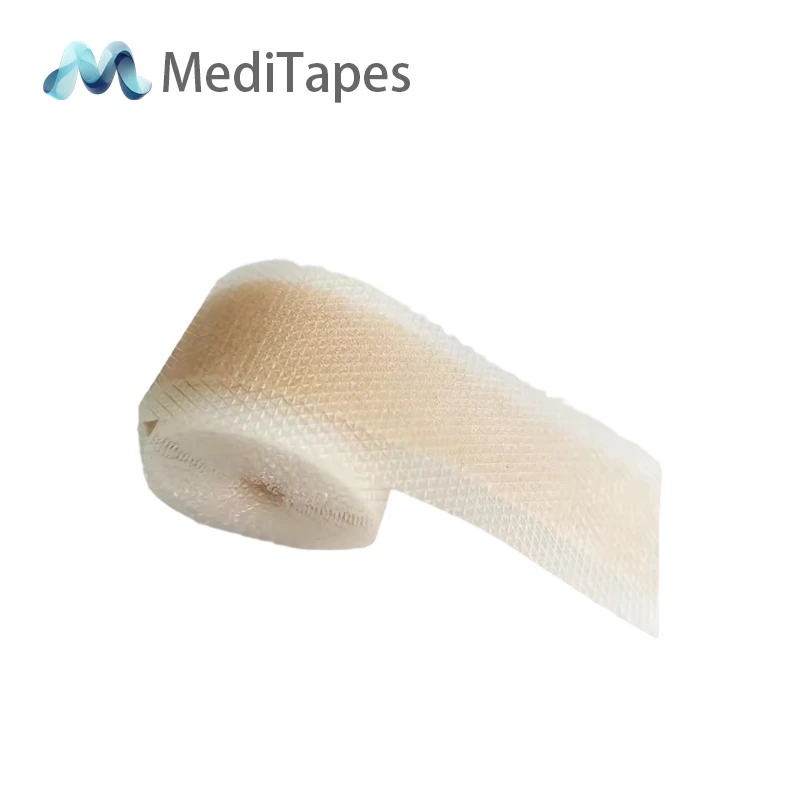
Waterproof Silicone Gel Tape for Lash Extensions & Eyelid Lifting
Designed for beauty professionals, this Silicone Gel Tape is gentle enough for the delicate eye area. Ideal for eyelash extensions and eyelid lifting, this silicone tape holds securely yet peels off painlessly. Breathable and hypoallergenic, ensuring client comfort during long procedures.
Comparing Medical Grade to Regular Silicone
Don’t mix them up – regular silicone might be fine for molds or seals, but it skips the intense testing.
| Aspect | Medical Grade Silicone | Regular/Industrial Silicone |
|---|---|---|
| Biocompatibility Testing | USP Class VI, ISO 10993 | None or minimal |
| Purity | High, low extractables | May have fillers/additives |
| Hypoallergenic | Yes, low allergy risk | Variable, higher irritation potential |
| Sterilization Resistance | Excellent | Good, but may degrade faster |
| Cost | Higher due to testing | Lower |
Going medical grade ensures silicone safety from the ground up.
How to Choose Quality Medical Grade Products
Look for certifications: USP Class VI, FDA compliant, ISO 10993 passed.
Check the supplier’s traceability – do they control raw materials?
At MediTapes, everything starts with vetted, high-purity sources. Visit us at https://meditapes.com/ to see more.
If you’re dealing with scars or need reliable tapes, our Medical Silicone Gel Tape is a solid option.
FAQs About Medical Grade Silicone
Is medical grade silicone completely hypoallergenic?
Pretty much – reactions are rare and usually from impurities, not the silicone itself. It’s far better than latex for most people.
How long should I use silicone tape for scars?
Typically 2-6 months, 12-24 hours a day. Results vary, but consistency pays off.
Can poor raw materials cause device failures?
Yep, materials issues link to over a third of some reported medical device problems. Quality at the source prevents a lot.
Ready to try premium options? Drop us a line at info@meditapes.com or head to our contact page for quotes or questions. We’d love to help you find the right solution.