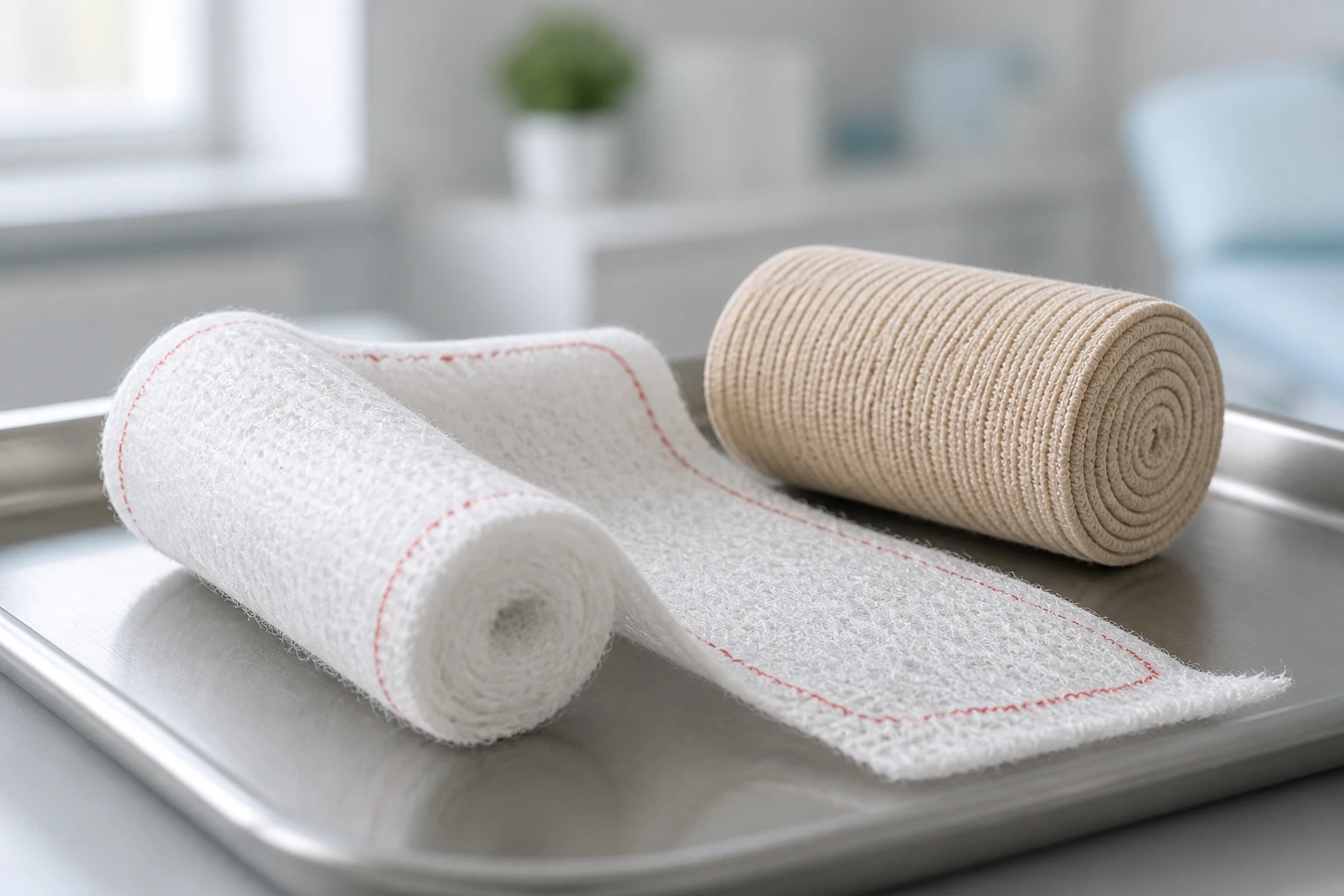
Breaking a bone or dealing with a wound that needs bandaging sucks, doesn’t it? One minute you’re fine, next thing you know, you’re stuck with this bulky thing on your arm or leg, and suddenly even taking a shower feels like a big hassle. You can’t get it wet, or it’ll start smelling bad, irritate your skin, or worse, cause infections. I’ve seen it happen to folks – that damp padding under a traditional cast turns into a nightmare real quick.
But here’s the good part: there’s a simple way to turn that around using a PU Film Dressing Roll. It’s basically this flexible, transparent polyurethane film that acts like a waterproof cast cover, giving you solid shower protection for wounds and helping keep bandage dry no matter what. No more awkward plastic bags that leak or slip off. With something like the PU Film Dressing Roll from MediTapes, you can wrap it right over your cast or bandage and hop in the shower without worrying.
I’ve talked to plenty of people over the years who’ve used this kind of stuff, and they all say the same – it makes recovery so much less stressful. One guy I know broke his wrist skateboarding, had a cast for weeks, and using a PU film roll meant he could still wash properly every day. No funky odors, no skin rashes. Just normal life, sorta.
Why Keeping Your Cast or Bandage Dry Matters So Much
If water gets in there, things go south fast. Traditional casts use cotton padding that soaks up moisture like a sponge. Once wet, it stays damp, leading to itchy skin, bad smells, or even infections. Studies show that wet casts can cause skin problems in a lot of cases, and sometimes you end up needing a whole new cast put on.
According to orthopedic sources, like the American Academy of Orthopaedic Surgeons, keeping casts dry is key to avoiding complications. But real life happens – you gotta shower, maybe it rains, or kids splash around. That’s where waterproof options come in handy.
Millions deal with this every year. Fractures are common, especially in active folks or kids. Waterproof solutions, whether full waterproof casts or covers like PU film, let people bathe normally and stay cleaner.
What Exactly Is a PU Film Roll and How Does It Work?
PU stands for polyurethane – it’s this thin, stretchy film that’s super good at blocking water while letting your skin breathe a bit. Medical-grade ones, like the rolls from MediTapes, are coated with a gentle adhesive that sticks well but doesn’t hurt when you take it off.
You cut a piece to size, wrap it around your cast or bandage, overlapping a little to seal it up. It creates a barrier that’s impermeable to liquid but lets vapor out, so no sweaty buildup.
Here’s a quick look at why PU film rocks for this:
| Feature | Benefit | Why It Helps With Casts/Bandages |
|---|---|---|
| Waterproof | Blocks water completely | Perfect shower protection for wounds |
| Breathable | Lets moisture vapor escape | Reduces sweat and odor |
| Transparent | See through it easily | Monitor your skin without removing |
| Flexible & Conformable | Stretches to fit any shape | Works on arms, legs, awkward spots |
| Adhesive but Gentle | Stays put, easy removal | No irritation on sensitive skin |
Compared to those ready-made waterproof cast covers (the sleeve kind you pull on), a PU film roll is more versatile. You can custom-cut it for exactly what you need, and it’s great for smaller bandages too.

Flexible PU Film Retention Roll – Waterproof IV & Cannula Fixation
Ensure stability with our Flexible PU Film Retention Roll, specifically engineered for Waterproof IV & Cannula Fixation. The ultra-thin polyurethane film acts as a bacteria barrier, reducing infection risks. Its elasticity allows patients full range of motion, making it a staple for post-operative care and catheter security.
Step-by-Step: How to Waterproof Your Cast or Bandage with PU Film Roll
It’s pretty straightforward. I’ve done this myself helping family members, and it works great.
- Clean and dry the area around your cast or bandage first.
- Measure out enough film from the roll – give yourself extra for overlapping.
- Peel off the backing paper as you go.
- Start wrapping from the bottom, smoothing it out to avoid wrinkles.
- Overlap each layer by about half the width for a good seal.
- Press the edges down firmly.
- If it’s a long cast, use multiple pieces and overlap them well.
Pro tip: If you’re worried about the ends, add an extra strip around the top and bottom for reinforcement.
One lady shared with me – she had surgery on her foot, bandage and all, and used PU film to cover it. She could shower every day, no issues, and her wound healed up fine without any extra doctor visits.
Real-Life Scenarios Where This Saves the Day
Think about daily stuff:
- Morning showers before work – no more balancing on one leg or sponge baths.
- Kids with casts – they can play outside, get messy, and still clean up easy.
- Summer time – swimming might be out, but at least bathing isn’t a chore.
- Post-surgery wounds – keep bandage dry while staying hygienic.
I remember a friend who fractured his ankle hiking. Traditional cast, but he used a similar film wrap. Said it was a game-changer – he could even wash dishes without freaking out.
Another case: someone with a big bandage after skin surgery. Regular dressings would’ve been a pain, but wrapping with PU film meant shower protection for wounds that lasted days.
Comparing Options: PU Film Roll vs Other Waterproof Cast Covers
There’s a bunch of ways to keep things dry. Here’s a table to make it clearer:
| Method | Pros | Cons | Best For |
|---|---|---|---|
| Ready-made sleeve covers | Easy to slip on/off, reusable | Fixed sizes, can slip if not fitted right | Full arm/leg casts |
| Plastic bags + tape | Cheap, quick | Often leaks, not breathable | Emergencies only |
| Full waterproof cast | No cover needed, bathe freely | More expensive, not always available | New fractures if doctor offers |
| PU Film Roll | Custom fit, transparent, breathable | Takes a minute to apply | Any cast/bandage, wounds |
From what studies show, like one comparing liners, waterproof options cut down on odor and skin issues big time. And PU films are proven to block bacteria while keeping things moist in a good way for healing.
Tips and Tricks From Experience
- Always have extra roll handy – accidents happen.
- If it gets loose, just add another layer.
- For longer wear, change the wrap every few days to keep things fresh.
- Combine with absorbent padding underneath if your wound has drainage.
- Kids? Make it fun – let them pick colorful tapes over the film if needed.
One anonymous story: a mom told me her son had a leg cast for 6 weeks. Using PU film meant no smells, no itch complaints, and he stayed happy.
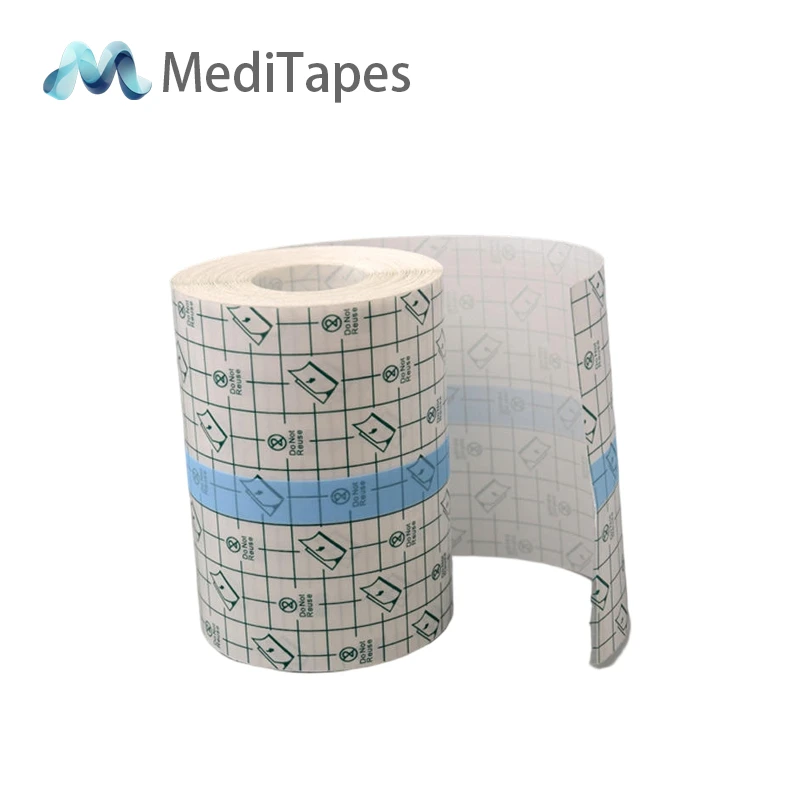
Medical Grade PU Film Roll for Tattoo Aftercare & Wound Healing
Designed for optimal healing, this Medical Grade PU Film Roll is the perfect solution for Tattoo Aftercare and surgical wounds. It acts as a second skin, locking in moisture while keeping out dirt. This transparent film allows for easy monitoring of the healing process without removal.
Why Choose MediTapes for Your PU Film Needs
At MediTapes, we’ve been supplying medical tapes and films for years, focusing on quality stuff that actually helps people. Our PU Film Dressing Roll is flexible, strong adhesive, and designed exactly for retention and protection.
It’s affordable, comes in good sizes, and folks love how it holds up.
If you’re dealing with this right now, check out our site at https://meditapes.com/. Got questions? Drop us an email at info@meditapes.com or head to our contact page.
We can sort out quotes or advice quick.
Frequently Asked Questions
Can I swim with a PU film wrapped cast?
Probably not full swimming – it’s great for showers and splashes, but prolonged submersion might let water in eventually. For swimming, look into specialized waterproof cast covers or ask your doc about a full waterproof cast.
How long does the PU film stay waterproof?
A good application lasts several days, even with daily showers. Just check edges and re-wrap if needed.
Is it safe for sensitive skin?
Yeah, medical-grade PU films like ours are hypoallergenic and gentle. But always patch test if you’re worried.
What’s the difference between PU film and regular plastic wrap?
Plastic wrap isn’t breathable and can trap sweat. PU lets vapor out, blocks liquid in, and sticks better without residue.
Can I use it on open wounds?
For direct on wounds, use sterile dressings first. PU film is awesome as a secondary cover to keep bandage dry.
There ya go – hope this helps if you’re stuck with a cast or bandage right now. It’s annoying, but with the right tricks, like a solid PU film roll, you can keep things dry and get through it easier. If you need more details or wanna grab some, hit up MediTapes. Heal up quick!