Sourcing perforated plasters for your customers isn’t always straightforward. You’ve got markets with hot, sticky weather where everything feels sweaty, or places where folks have super sensitive skin that gets red and itchy from the wrong tape. Then there’s the big question: go with classic zinc oxide adhesive plaster or switch to something with hot melt adhesive?
I’ve been in the medical tape game for years, helping buyers figure this stuff out. At MediTapes, we’ve shipped tons of these products to all kinds of regions, and I’ve seen what works and what doesn’t firsthand. So let’s break it down in plain English – no fancy jargon, just real talk about the upsides, downsides, and how to pick based on your local conditions.
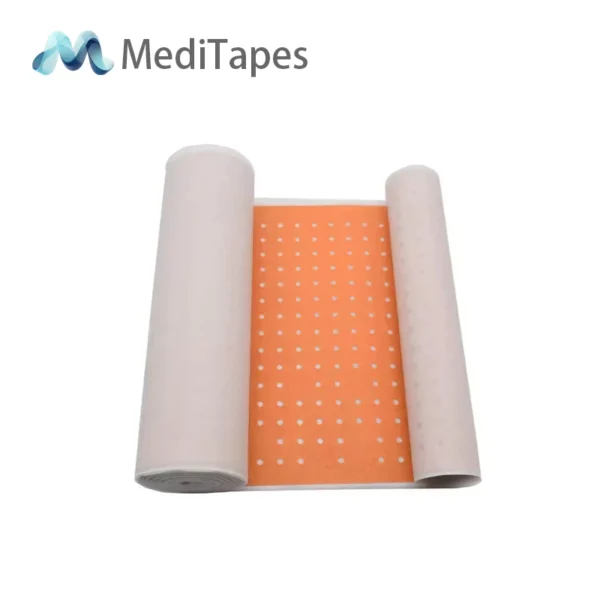
Perforated plasters are those handy tapes with little holes punched in ’em for breathability. They let air through while sticking dressings in place or giving support. The adhesive is what makes or breaks ’em, though. Zinc oxide ones are the old-school tough guys, while hot melt medical tapes are more modern and gentle in a lot of cases.
What Makes Zinc Oxide Adhesive Plaster Tick?
Zinc oxide adhesive plaster has been around forever, especially in sports and basic wound care. It’s usually got a cotton or cloth backing with a rubber-based adhesive loaded with zinc oxide for extra grip and stiffness.
The good stuff:
- Super strong hold. This thing sticks like crazy, even when things get sweaty or moving a lot. Great for strapping joints or keeping bandages secure.
- Pretty breathable, especially perforated versions. Those holes let air circulate, which helps wounds heal without getting too moist underneath.
- Holds up okay to water and oils. Some brands, like certain zinc-based ones, are waterproof and don’t budge.
From what I’ve noticed supplying to clinics and sports teams, it’s reliable for high-activity use. One time, we had a buyer in a dry, active market who swore by our zinc oxide perforated adhesive plaster because it stayed put during long shifts or games.
But it’s not perfect. Removal can be a pain – literally. The strong adhesive sometimes pulls on skin, leading to redness or even small tears, especially on older folks or kids. And yeah, skin reactions happen more with these. Studies show medical adhesive-related skin injuries (MARSI) can hit around 24-36% in certain settings, like with PICC lines or post-surgery, and traditional rubber adhesives contribute to that (check PubMed studies on MARSI incidence).
Also, in super humid spots, it might not breathe as well as you’d hope if sweat builds up.
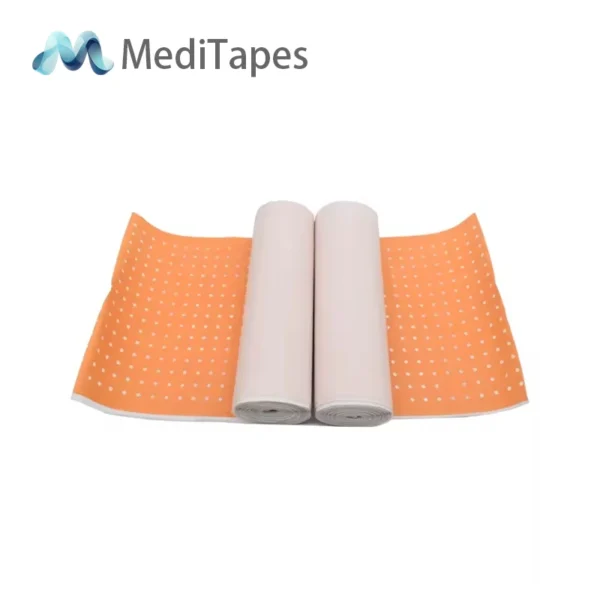
Zinc Oxide Perforated Adhesive Plaster for Medical & Surgical Use
This perforated adhesive plaster features strong zinc oxide adhesive for secure fixation. Ideal for surgical dressings and catheter stabilization. The porous design ensures skin breathability, reducing maceration. Available in various widths for professional medical use. ISO/CE certified.
Diving Into Hot Melt Medical Tape
Hot melt adhesives are different – they’re applied hot during manufacturing and turn into pressure-sensitive stickiness without solvents. Lots of modern medical tapes use hot melt tech, often with synthetic rubber or acrylic bases.
Why buyers are shifting to these:
- Gentler on skin. Many are designed hypoallergenic, with lower irritation rates. No latex or harsh stuff in good ones.
- Easier to remove without hurting. They peel off smoother, less tugging.
- Flexible and comfy. Conforms better to body curves, feels softer day-to-day.
- Eco-friendlier production, no solvents messing things up.
In humid climates, some hot melt formulas hold adhesion better without going gooey too quick. Temperature plays a role though – extreme heat can soften ’em, cold makes ’em brittle. But overall, for everyday medical use, they’re solid.
We’ve had clients in tropical areas switch to hot melt options and report way fewer complaints about itchiness. One anonymous buyer from a steamy region told us their returns dropped after trying hypoallergenic hot melt tapes – skin stayed happier longer.
Downsides? Initial tack might not match zinc oxide’s brute strength in really demanding fixes. And in very cold storage or use, adhesion dips.
Head-to-Head: Zinc Oxide vs Hot Melt in Perforated Plasters
Alright, let’s put ’em side by side. Here’s a quick table to make it clearer – based on real-world performance and data from sources like manufacturer tests and medical studies.
| Feature | Zinc Oxide Adhesive Plaster | Hot Melt Medical Tape |
|---|---|---|
| Adhesion Strength | High – great for secure, long-term hold | Medium to high – good initial tack, but gentler |
| Skin Friendliness | Can cause irritation (higher MARSI risk, up to 28% in some studies) | Often hypoallergenic, lower irritation (silicone or acrylic variants especially) |
| Breathability (Perforated) | Good, but moisture buildup possible in humidity | Excellent, less occlusion |
| Removal | Tough, may tear skin | Easier, less pain |
| Climate Suitability | Better in dry/cool; holds in sweat but risks blisters | Strong in humid/hot; resists softening in moderate heat |
| Water Resistance | Decent to good | Varies, but many are reliable |
| Cost | Usually cheaper | Slightly higher, but worth it for sensitive markets |
| Best For | Active support, sports, robust fixing | Sensitive skin, daily wear, humid areas |
Data pulled from things like PubMed reviews on adhesive injuries and tape performance guides. For example, one study noted MARSI rates around 36% in surgical settings with stronger adhesives.

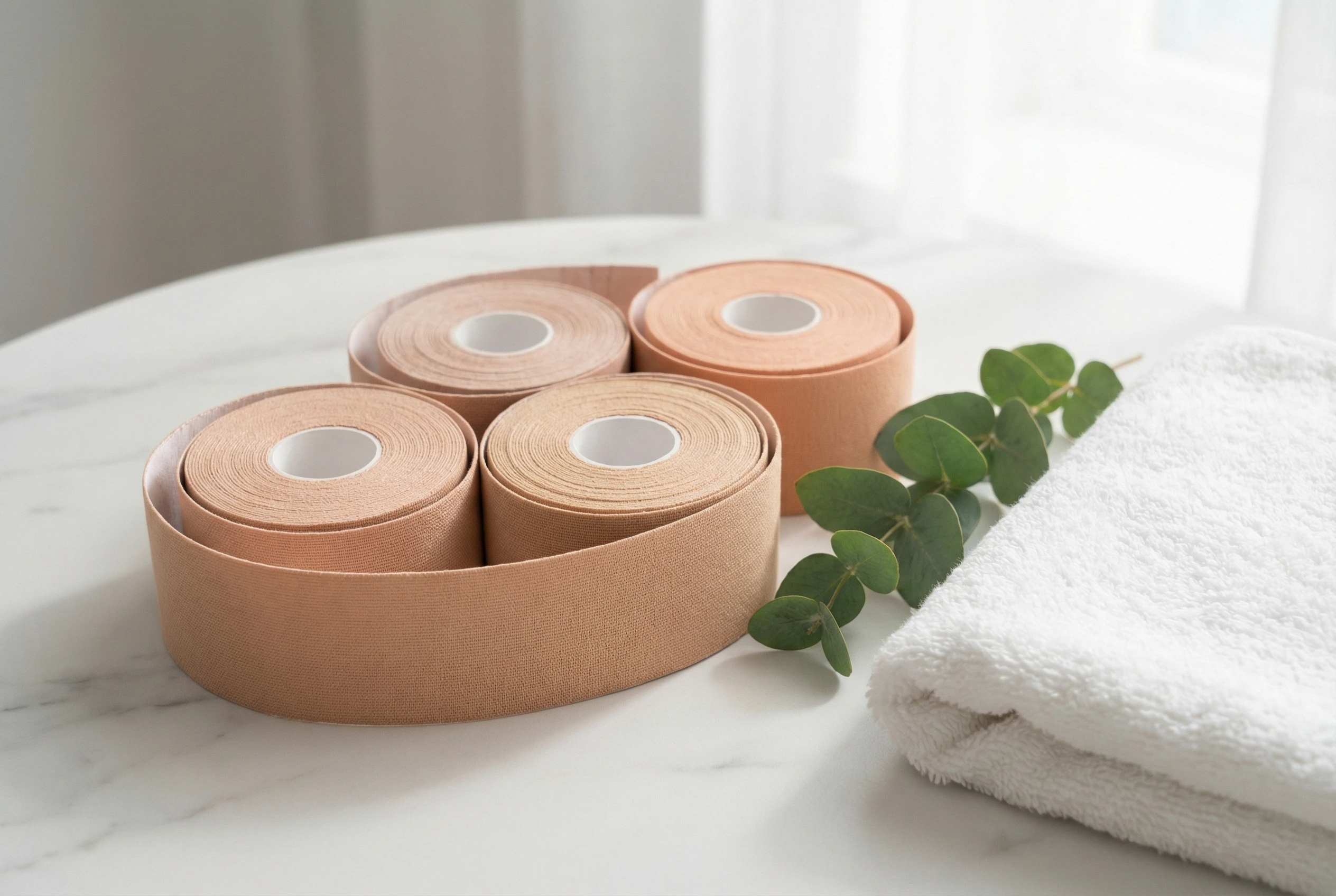
Breathable Perforated Adhesive Tape – Skin Color & Latex Free
Our skin-colored perforated adhesive plaster offers superior breathability and comfort. Latex-free formula minimizes allergic reactions, making it perfect for sensitive skin. This porous medical tape tears easily by hand. A trusted choice for clinics and first aid kits worldwide.
How Climate Changes the Game
Your local weather matters a ton. In hot, humid places like Southeast Asia or parts of Africa, sweat is the enemy. Zinc oxide can trap moisture if not perfectly perforated, leading to maceration or slips. Hot melt tapes, especially hypoallergenic ones, often perform better here – they let skin breathe more and stick without overwhelming.
Flip side, in drier, cooler climates like parts of Europe or northern areas, zinc oxide shines because it doesn’t lose grip as easy in cold. Temperature swings affect both, though: adhesives generally get brittle below freezing and soft above 50-60°C.
I’ve shipped to buyers in both extremes. One in a humid coastal market switched partially to hot melt and saw better feedback – less redness reports. Another in arid zones stuck with zinc oxide perforated plasters for the unbreakable hold.
Skin Sensitivity: The Big Decider
If your customers deal with sensitive skin – think elderly, kids, or allergy-prone folks – hypoallergenic adhesive is key. Traditional zinc oxide often uses rubber bases that trigger reactions. Allergic contact dermatitis from adhesives isn’t rare, especially with repeated use.
Hot melt tech has come far here. Many are latex-free, rosin-free, and tested for low irritation. Silicone-based hot melts are tops for fragile skin, removing with almost no pain.
At MediTapes, we focus on quality zinc oxide adhesive plaster that’s perforated for max breathability, but we always advise testing samples for sensitive groups.
Real talk from experience: A distributor we work with in a mixed market stocks both. They push hot melt for hospitals with lots of long-term patients, zinc oxide for sports shops.
Real-Life Wins (Without Naming Names)
Had a buyer sourcing for a chain in a tropical country. Started with zinc oxide, got complaints about rashes in the heat. Switched some volume to hypoallergenic hot melt perforated tapes – problem solved, sales up.
Another case: Sports supplier in cooler weather loved zinc oxide for ankle supports. No slips, athletes happy.
These aren’t made up – patterns we’ve seen over years supplying globally.
Picking the Winner for Your Market
Think about your buyers:
- High activity, need tough hold? Zinc oxide adhesive plaster.
- Lots of sensitive skin or humidity? Lean hot melt medical tape with hypoallergenic adhesive.
- Mix? Stock both, let customers choose.
Test small batches. Skin types vary, climates too.
Heavy Duty Perforated Adhesive Plaster for Sports & Injury Support
Designed for durability, this heavy-duty perforated adhesive plaster provides rigid support for sports injuries and joint stabilization. High tensile strength keeps dressings in place during activity. The perforated design allows sweat evaporation. Essential for sports medicine suppliers.
FAQ
What’s the main difference between zinc oxide adhesive plaster and hot melt medical tape?
Zinc oxide is stronger and more rigid, great for secure fixing but can irritate skin. Hot melt is softer, often hypoallergenic, and easier to remove – better for comfort in humid or sensitive scenarios.
Are hot melt tapes truly hypoallergenic?
Many are, especially acrylic or silicone-based ones without latex or rosin. Always check labels, but they generally cause fewer reactions than traditional rubber adhesives. Studies show lower irritation rates with modern formulas.
How does humidity affect perforated plasters?
High humidity can make stronger adhesives like zinc oxide trap sweat, risking skin issues. Hot melt versions often handle it better with superior breathability, keeping adhesion without as much buildup.
Can I use zinc oxide tape on sensitive skin?
Possible, but risky. It’s stronger, so removal might hurt, and irritation chances higher (up to 28% MARSI in some medical uses). Opt for hypoallergenic alternatives if sensitivity is common.
Where can I get samples or quotes for these?
We’re at MediTapes and happy to help. Check our site at https://meditapes.com/ or hit up info@meditapes.com. For direct chat, go to our contact page.
Wrapping this up – choosing between zinc oxide adhesive plaster and hot melt comes down to your market’s needs. Balance strength with comfort, factor in weather and skin types. If you’re stocking up or need custom advice, reach out. We’d love to sort quotes or samples for ya. Makes sourcing way easier.