If you’ve ever dealt with a tape that just won’t stay put during a long shift or a tough workout, you know how frustrating that can be. That’s where zinc oxide adhesive really shines, especially when it’s built into cotton tapes like the ones we make at MediTapes. I’ve been around medical supplies for years, working with nurses, surgeons, physios and athletes, and I can tell you — the difference this ingredient makes in adhesion is huge.
In this post, we’ll dig into why zinc oxide adhesive matters so much for strong adhesion, how it actually works on skin (even when things get sweaty or oily), and why it’s a go-to choice for reliable strong adhesion surgical tape. We’ll keep it real and practical, because at the end of the day, you want tape that works without causing extra headaches.
What Exactly Is Zinc Oxide Adhesive?
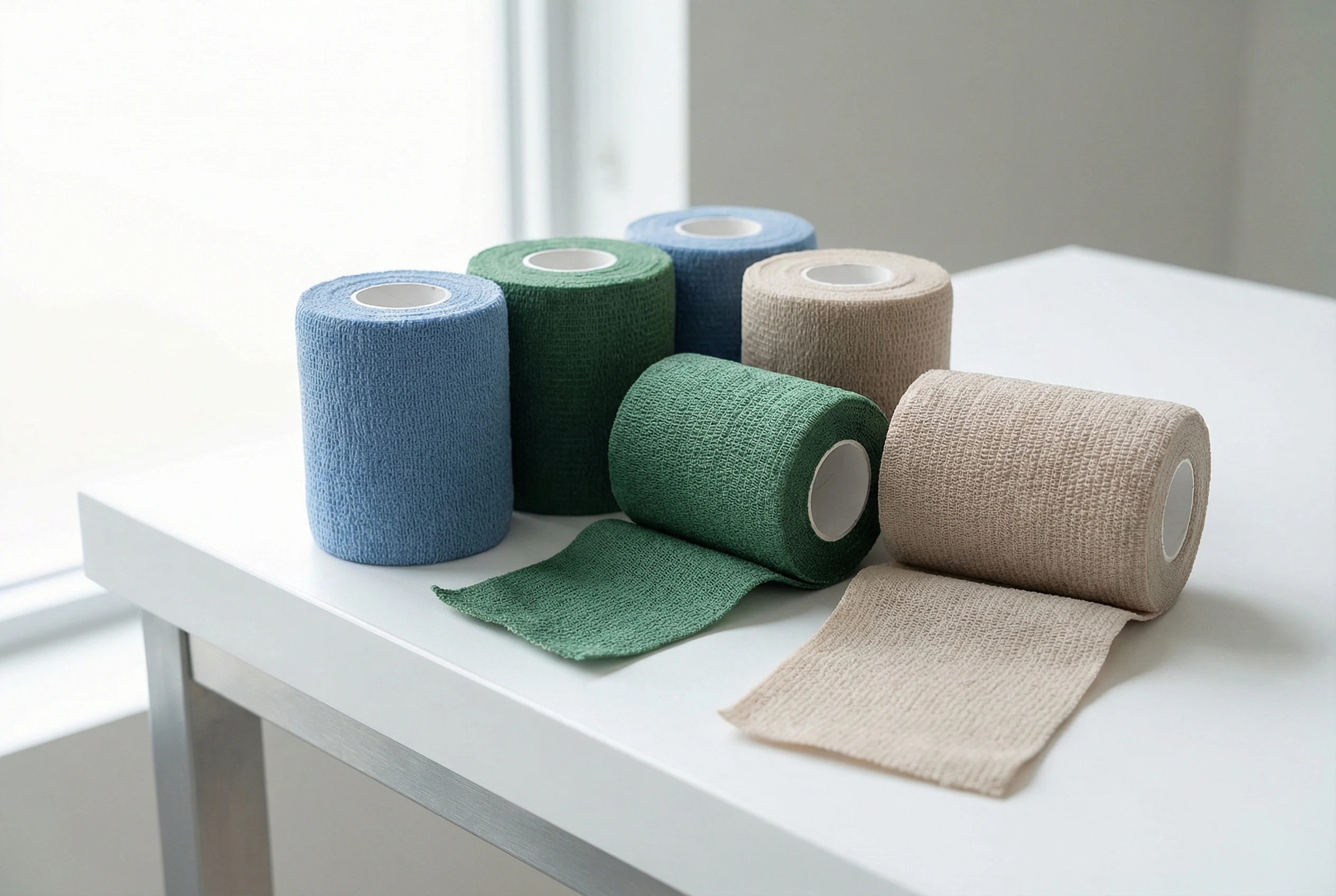
Let’s start simple. Zinc oxide adhesive is basically a pressure-sensitive glue that has zinc oxide mixed right into it. The tape itself is usually made from a sturdy cotton fabric backing — breathable, strong, and non-stretchy — coated with this special adhesive.
Unlike plain acrylic or rubber-based glues that can slip on oily skin or lose grip when wet, zinc oxide gives the adhesive some unique tricks. It helps the tape resist natural skin oils, sweat, and even some moisture while still holding tight. Many manufacturers (including us) use it because it creates that “just right” balance — super strong hold but not aggressive enough to rip skin when you peel it off.
From what I’ve seen in hospitals and clinics, tapes with zinc oxide adhesive often outperform others in long-term applications, like securing dressings after surgery or supporting joints during recovery.
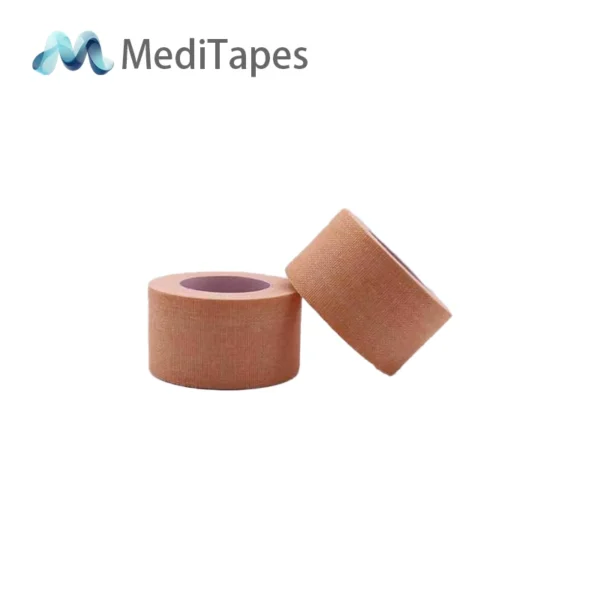
Cotton Surgical Tape with Zinc Oxide Adhesive for Wound Dressing
Secure fixation with premium cotton surgical tape. This breathable tape uses strong zinc oxide adhesive, ideal for securing heavy dressings and catheters. Our cotton surgical tape is tearable by hand and conforms easily to body contours. Trusted by hospitals for reliable wound care management.
Why Zinc Oxide Makes Adhesion So Much Stronger
Here’s the part most people want to know: why does adding zinc oxide actually improve stickiness?
Zinc oxide acts kind of like a natural “oil absorber” and mild astringent. Skin produces oils constantly, and those oils are the #1 reason tapes lose grip over time. Zinc oxide helps soak up some of that excess oil, letting the adhesive stay in better contact with the skin surface. It’s also got mild antiseptic qualities that keep things cleaner around the taped area — not a full-on antibiotic, but enough to reduce irritation and help the bond last.
In real-world use, this translates to:
- Better initial grab — the tape sticks fast and firm right away.
- Longer hold — even during movement, sweating, or light washing.
- Resistance to slippage — crucial for zinc oxide tape used in sports or post-op care.
I’ve talked to operating room nurses who say they’ve switched to zinc oxide adhesive tapes because regular ones would peel off after a couple hours under surgical drapes. With zinc oxide versions, they stay secure all procedure long.
Comparing Zinc Oxide Adhesive to Other Types
To make it clearer, let’s look at how zinc oxide adhesive stacks up against common alternatives in a quick table:
| Adhesive Type | Strength of Hold | Skin Friendliness | Moisture/Sweat Resistance | Best For | Drawbacks |
|---|---|---|---|---|---|
| Zinc Oxide | Very Strong | High (mild, soothing) | Excellent | Surgical, sports, long-term | Slightly harder to remove if over-applied |
| Acrylic | Strong | Medium | Good | General dressings | Can irritate sensitive skin over time |
| Rubber-based | Good | Low-Medium | Fair | Short-term use | More residue, higher allergy risk |
| Silicone | Gentle | Very High | Good | Fragile skin | Weaker hold for heavy duty needs |
You can see why zinc oxide adhesive wins for applications needing strong adhesion surgical tape — it’s tough where it counts but still kind to skin.
Real Benefits for Skin and Patient Comfort
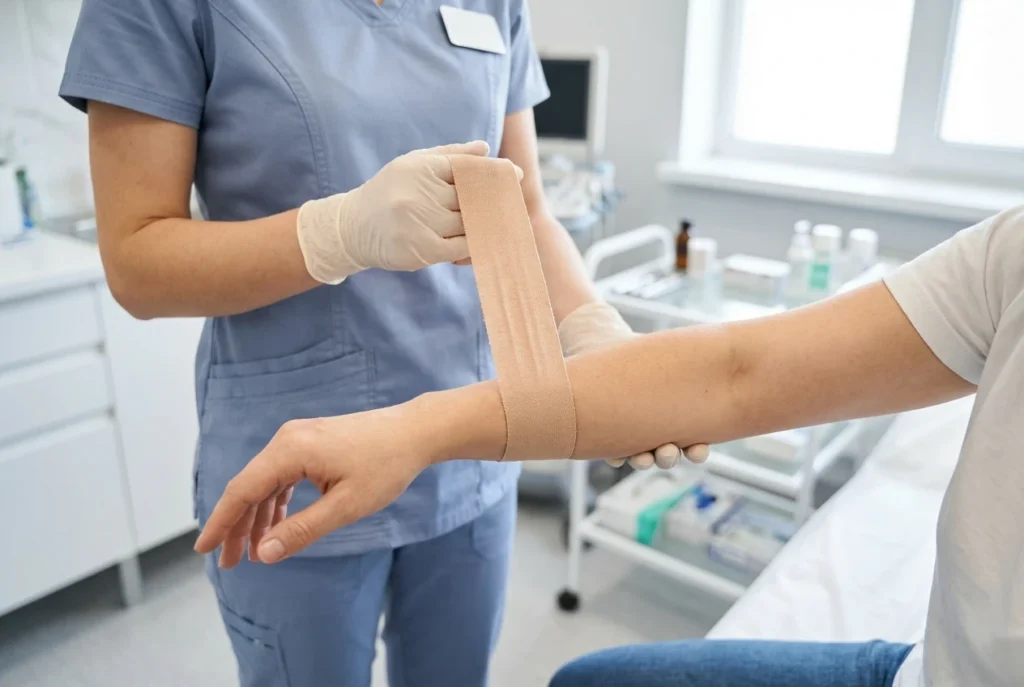
One thing I love about zinc oxide adhesive is how it treats the skin. Many studies and real feedback show it causes less irritation than harsher glues. It’s often called hypoallergenic (though always patch-test if someone has known sensitivities), and the zinc oxide can even help soothe minor redness.
In one older study from the 1980s (looking at zinc oxide in wound dressings), it was noted that zinc ions released slowly could positively affect inflammation in healing tissue. While not every tape releases tons of zinc, the overall effect is gentler removal — less tugging, less “tape burn.”
I’ve seen cases where patients with repeated dressing changes (think chronic wounds or post-surgery) did way better with zinc oxide tape because the skin stayed calmer. One hospital ward switched their standard tape and reported fewer complaints about painful removals — small change, big difference.
How We Do It at MediTapes
At MediTapes, we put a lot of care into our Cotton Surgical Tape with Zinc Oxide. We use high-quality cotton backing that’s breathable yet durable, paired with a specially formulated zinc oxide adhesive that gives reliable strong hold without going overboard.
Whether you’re securing IV lines, anchoring dressings, or providing joint support, this tape is designed for everyday medical use where you need it to stay put. Many of our customers are clinics and hospitals that have tried cheaper options and come back because the adhesion just lasts longer.
Real-Life Examples Where It Makes a Difference
Think about a busy ER where a patient comes in with a bad sprain. The physio needs tape that won’t budge during initial assessment and early movement. Zinc oxide tape handles that easily.
Or in surgery — securing drains or dressings where any shift could cause issues. Again, that strong adhesion from the zinc oxide component keeps everything secure.
I’ve heard from sports therapists taping athletes before games — the tape survives running, jumping, sweating, and still peels off cleanly afterward without wrecking skin.
Quick Tips for Best Results with Zinc Oxide Tape
- Clean and dry the skin first — removes oils that fight adhesion.
- Warm the tape slightly with your hands — many zinc oxide adhesives grab better at body temperature.
- Apply with even pressure — don’t stretch it too much since it’s non-elastic.
- Remove slowly in the direction of hair growth — use a bit of oil if needed for super-sensitive skin.
These little things can make the strong adhesion even better.

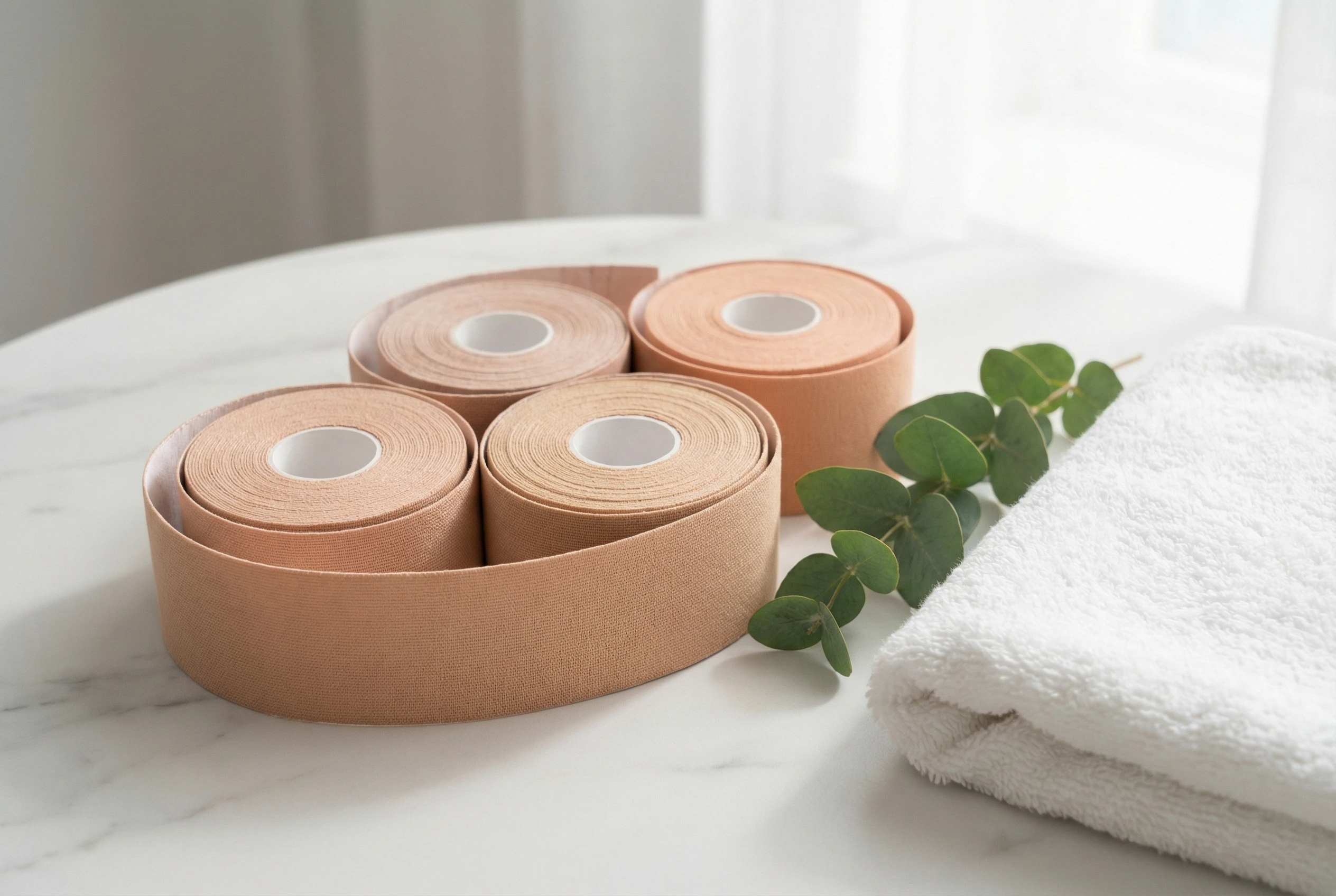
High Strength Cotton Medical Tape – Latex Free & Hypoallergenic
Ensure patient safety with our latex-free cotton medical tape. Designed for sensitive skin, this hypoallergenic tape offers high tensile strength for stable immobilization. The cotton medical tape allows skin to breathe while providing durable adhesion. Perfect for surgical fixation and sports injury support.
FAQ
Q: Is zinc oxide adhesive safe for sensitive skin?
A: Yes, in most cases it’s considered one of the gentler options thanks to its soothing properties and lower irritation rate compared to some acrylics. Still, always do a small test patch if there’s any history of allergies.
Q: How long can Cotton Surgical Tape with Zinc Oxide stay on?
A: Depending on the area and activity, it can hold reliably for several days — often 3-7 days in clinical settings — while staying breathable and secure.
Q: Does it leave residue when removed?
A: Good quality zinc oxide adhesive like ours usually doesn’t — it peels clean when removed properly. No sticky mess to clean up afterward.
Ready to Try the Difference?
If you’re tired of tapes that slip or irritate, give zinc oxide adhesive a go. Our Cotton Surgical Tape with Zinc Oxide is built exactly for the strong, reliable hold you need in medical and surgical settings.
Want to learn more or get a quote? Head over to our contact page or just shoot us an email at info@meditapes.com. We’re happy to chat about how this tape can fit your needs — whether you’re a clinic, hospital or just stocking up for your team.
Thanks for reading — hope this helps you pick better tape next time! 😊