If you’ve ever dealt with wound care or post-surgery dressings, you know how annoying it can be when tape irritates your skin or traps moisture underneath. I’ve seen it firsthand in clinical settings – patients scratching at red, itchy spots where regular tape just didn’t play nice with their skin. That’s where polyethylene, or PE, comes in as a game-changer for surgical tapes. It’s not some fancy new invention; PE has been around in medical stuff for years, but when it’s done right, like with perforations for air flow, it makes all the difference.
PE material basically shines because it’s flexible, tough enough to hold things in place, and super gentle on skin. Think about it – surgery already stresses the body out, so the last thing anyone needs is tape causing extra problems like rashes or maceration from sweat buildup. PE tapes, especially the perforated kinds, let skin breathe while keeping dressings secure. And yeah, they’re often hypoallergenic, meaning fewer allergic reactions compared to some older cloth or silk tapes.
What Makes Polyethylene Stand Out in Medical Tapes?
Polyethylene is a type of plastic that’s lightweight and waterproof, but in surgical tapes, manufacturers punch tiny holes – micropores – into it to make it breathable. This isn’t just marketing fluff; it allows moisture vapor to escape, which helps prevent that soggy feeling under the dressing that can lead to skin breakdown.
One big plus is how PE conforms to body contours without stretching too much or losing stickiness. It’s great for areas that move a lot, like joints, or damp spots where other tapes might slip off. Plus, it’s transparent in many cases, so nurses or doctors can peek at the wound without ripping everything off.
Key Benefits of PE Tape
Let’s break down the main benefits of PE tape in a simple way:
| Benefit | Description | Why It Matters for Patients |
|---|---|---|
| Breathability | Micropores allow air and moisture vapor to pass through (often MVTR >800 g/m²/day in perforated versions) | Reduces risk of maceration and promotes faster healing |
| Hypoallergenic Properties | Latex-free and low-irritant adhesive formulas | Fewer skin reactions, ideal for sensitive or fragile skin |
| Water Resistance | Repels fluids while still letting vapor out | Stays secure even if it gets wet, like during showers |
| Gentle Removal | Adheres well but peels off without tugging hard | Less pain and no residue left behind |
| Visibility | Often transparent for easy wound monitoring | No need to remove tape frequently |
These aren’t pulled out of thin air – studies show that breathable tapes like perforated PE ones help maintain skin integrity better than non-breathable options.
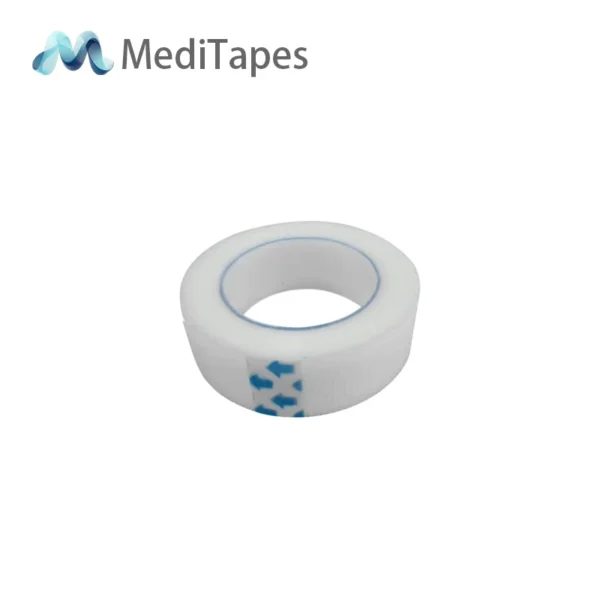
Hypoallergenic Surgical PE Tape – Latex Free Clear Medical Tape
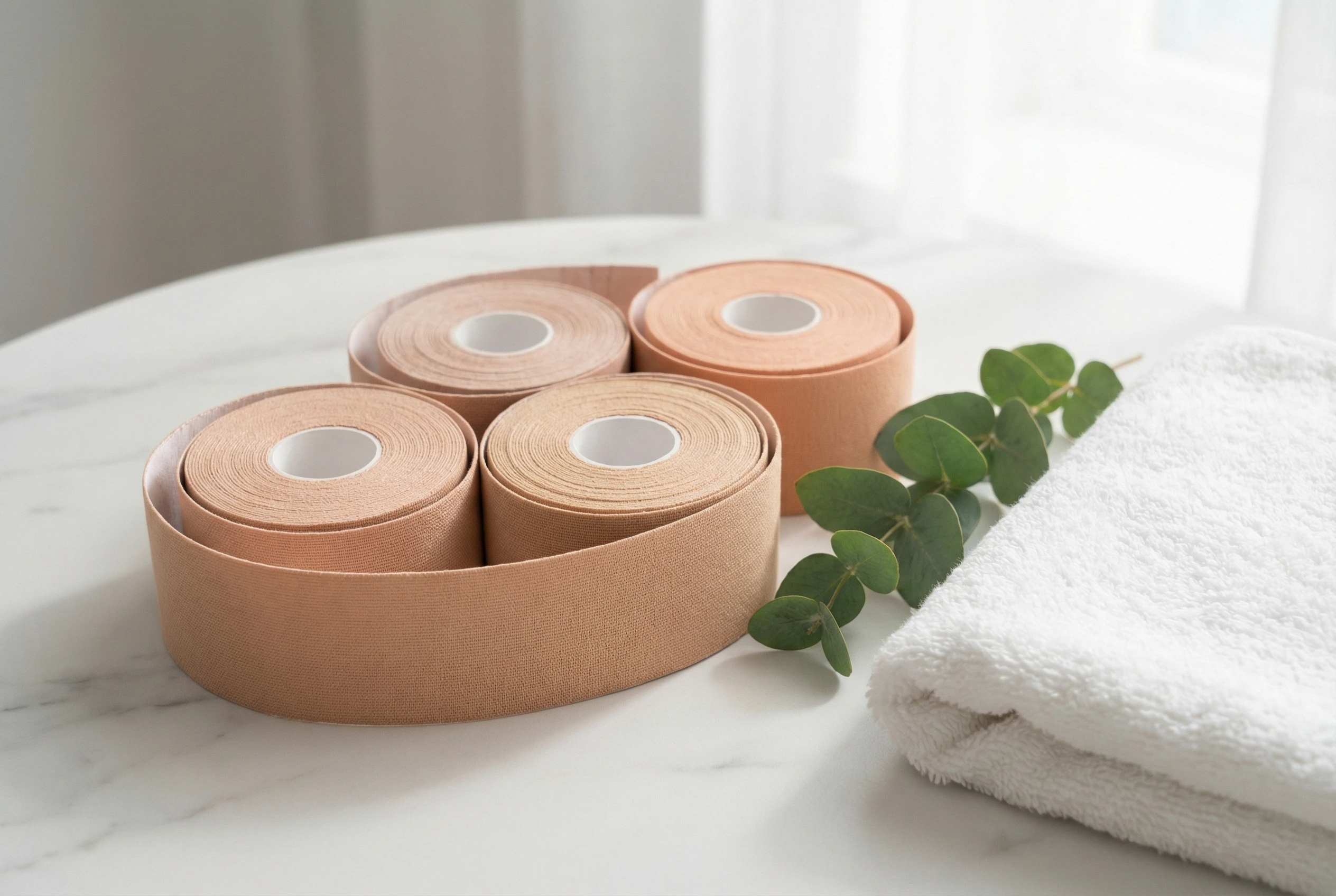
Designed for sensitive patients, this Hypoallergenic Surgical PE Tape is 100% latex-free and gentle on the skin. The clear Surgical PE Tape ensures secure adhesion with minimal trauma upon removal. Perfect for pediatrics and geriatrics, ensuring safety in every application.
Key Features:
– Latex-free & Hypoallergenic.
– Gentle removal, low skin irritation.
Why Hypoallergenic Surgical Tape Matters So Much
Skin reactions to tapes aren’t super common, but when they happen, they’re a pain. True allergies to tape adhesives are rare – less than 0.3% in some reports – but irritation from trapped moisture or harsh glues is more frequent. That’s why hypoallergenic surgical tape, often PE-based, is a go-to for folks with sensitive skin, kids, or elderly patients.
PE tapes use gentle pressure-sensitive adhesives that stick reliably without the latex or aggressive chemicals in some older tapes. In my experience working with wound care products, switching to a Hypoallergenic Surgical PE Tape has made a noticeable difference for patients who kept complaining about itchiness from standard options.
Breathable Medical Tape: Keeping Skin Happy Under Dressings
Breathability isn’t just a nice-to-have; it’s crucial for healing. Trapped sweat can soften skin and invite bacteria, leading to issues like infections. Breathable medical tape with PE backing and micropores lets vapor transmit at rates that keep things dry-ish underneath.
For example, some PE tapes have moisture vapor transmission rates (MVTR) high enough to handle normal perspiration, way better than solid plastic tapes. This is especially handy in longer wears, like post-op dressings that stay on for days.
Comparing PE Tape to Other Common Surgical Tapes
Not all tapes are created equal. Here’s a quick comparison to show why PE often comes out on top for many uses:
| Tape Type | Material | Breathability | Hypoallergenic | Water Resistance | Best For |
|---|---|---|---|---|---|
| PE (Polyethylene) | Perforated plastic | High (micropores) | Usually yes | Good | Sensitive skin, monitoring wounds |
| Paper | Microporous paper | High | Often yes | Low | Fragile skin, short-term |
| Silk/Cloth | Fabric | Medium | Varies | Low | Strong hold, movement areas |
| Silicone | Silicone adhesive | High | Yes | Varies | Very gentle removal |
PE strikes a solid balance – it’s tougher than paper but gentler than cloth in many cases, and the transparency is a bonus for checking incisions without disturbance.
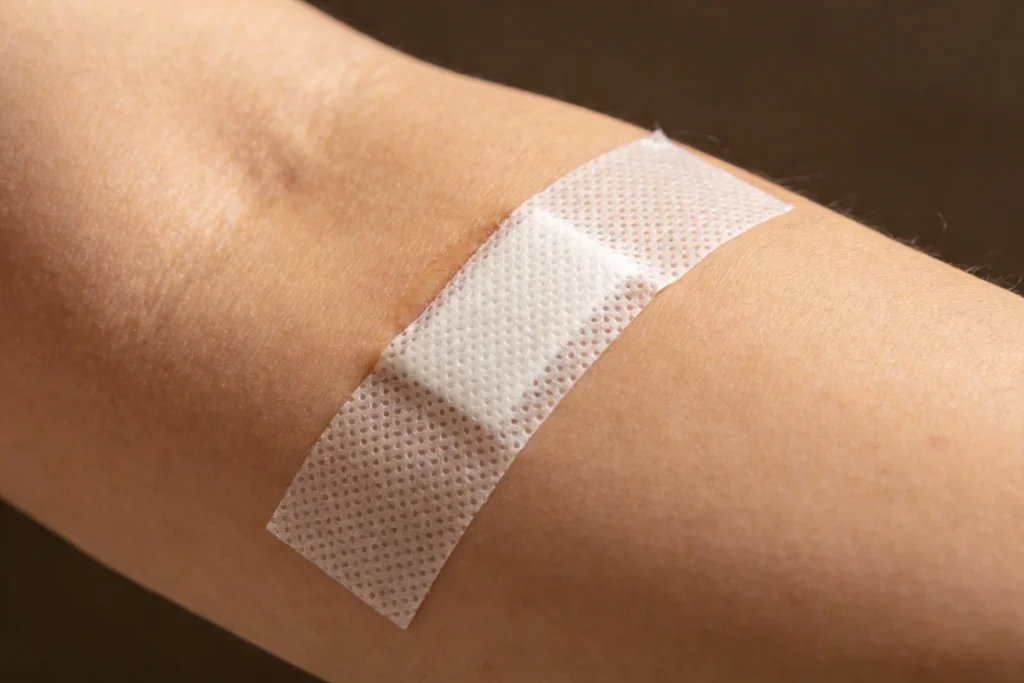
Real-World Applications and Scenarios
Over the years, I’ve heard from clinicians about how PE tapes performed in tricky situations. One case that sticks out – though details anonymized – involved a patient after abdominal surgery with pretty sensitive skin from meds. Regular tape caused redness quick, but switching to a breathable PE version kept things calm, no extra irritation, and the dressing stayed put through movement.
Another common scenario: securing IV lines or tubes in humid environments, like during recovery. PE’s water resistance means it doesn’t lose grip if things get a bit sweaty, and the breathability prevents buildup around the site.
In pediatric care, hypoallergenic PE tapes are favorites because kids’ skin is delicate, and parents hate seeing rashes from bandages.
How PE Material Supports Better Healing
Healing isn’t just about covering a wound; it’s about creating the right environment. PE tapes help by:
- Allowing oxygen in while blocking bacteria (when properly designed).
- Managing moisture to avoid both dryness and sogginess.
- Reducing shear forces that can disrupt new tissue.
Data from wound care studies backs this – breathable dressings lower complication rates compared to occlusive ones in many cases.
Tips for Choosing and Using PE Surgical Tapes
If you’re picking tape for home or professional use:
- Look for perforated or microporous labels for max breathability.
- Check for latex-free and hypoallergenic claims.
- Test a small strip if skin is super sensitive.
At MediTapes, we’ve focused on these features in our products to make sure they tick the boxes for real-world needs.
FAQ
Is PE surgical tape truly hypoallergenic?
Yeah, most modern PE tapes are formulated to be low-irritant and latex-free, cutting down reactions a lot compared to older types. But everyone’s skin is different, so patch test if unsure.
How breathable is PE tape compared to paper tape?
PE with perforations can match or exceed paper in breathability, plus it adds water resistance that paper lacks. Great combo for longer wears.
Can I shower with PE surgical tape on?
Many PE tapes are water-resistant enough to handle showers without falling off, as long as you pat dry gently afterward.
Why choose PE over silicone tape?
Silicone is ultra-gentle for removal, but PE often costs less and provides similar breathability with good hold for everyday surgical needs.
If you’re dealing with wound care challenges or looking for reliable options, check out MediTapes’ lineup. Our Hypoallergenic Surgical PE Tape combines all these perks into one practical product. Feel free to visit https://meditapes.com/ for more details, or drop us a line at info@meditapes.com. For quotes or questions, head over to our contact page. We’d love to help you find the right fit.

Waterproof Surgical PE Tape – Strong Adhesion for Tubing & IVs
Ensure critical device security with our Waterproof Surgical PE Tape. Engineered for moisture resistance, this heavy-duty Surgical PE Tape holds catheters and tubing firmly even in damp conditions. A reliable choice for surgery and ICU, offering durable fixation you can trust.
Key Features:
– Water-resistant barrier.
– High tensile strength for device fixation.