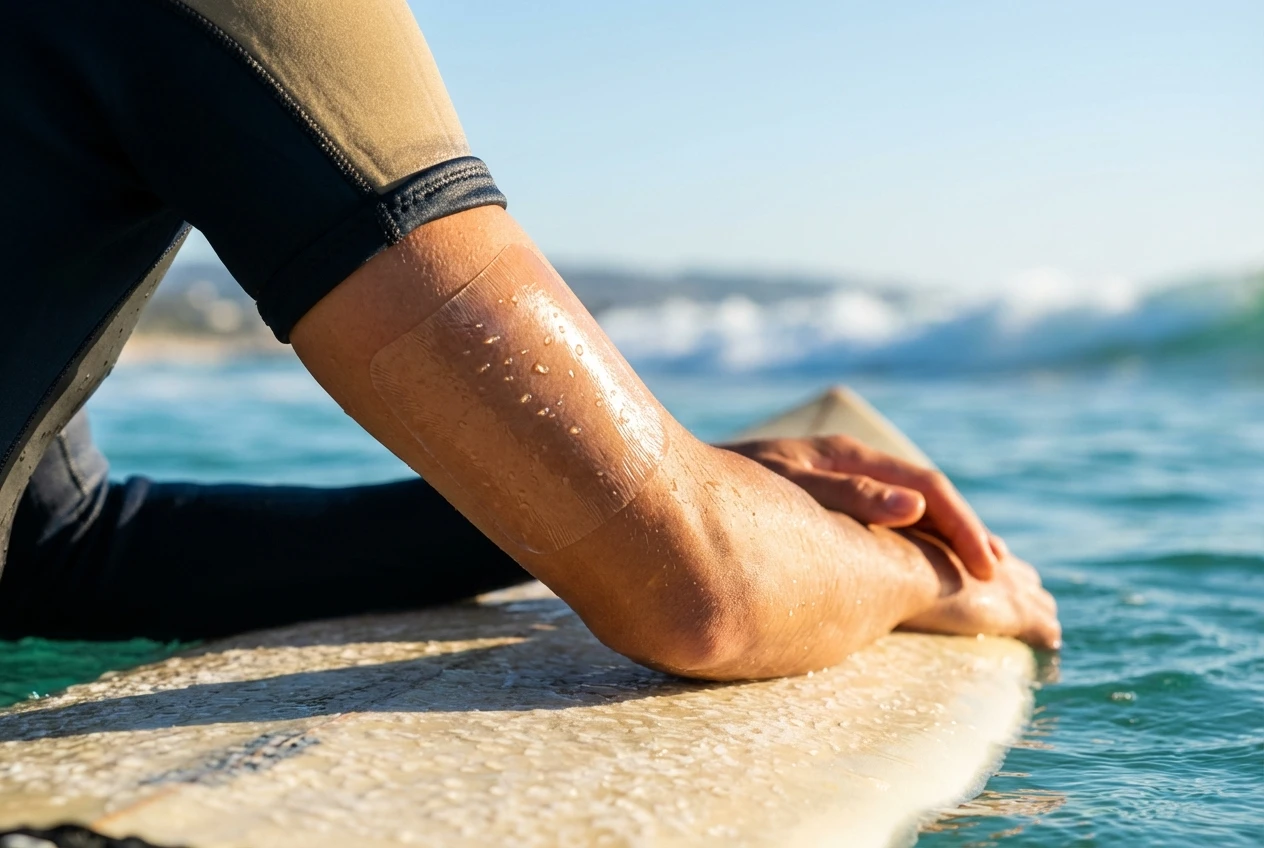
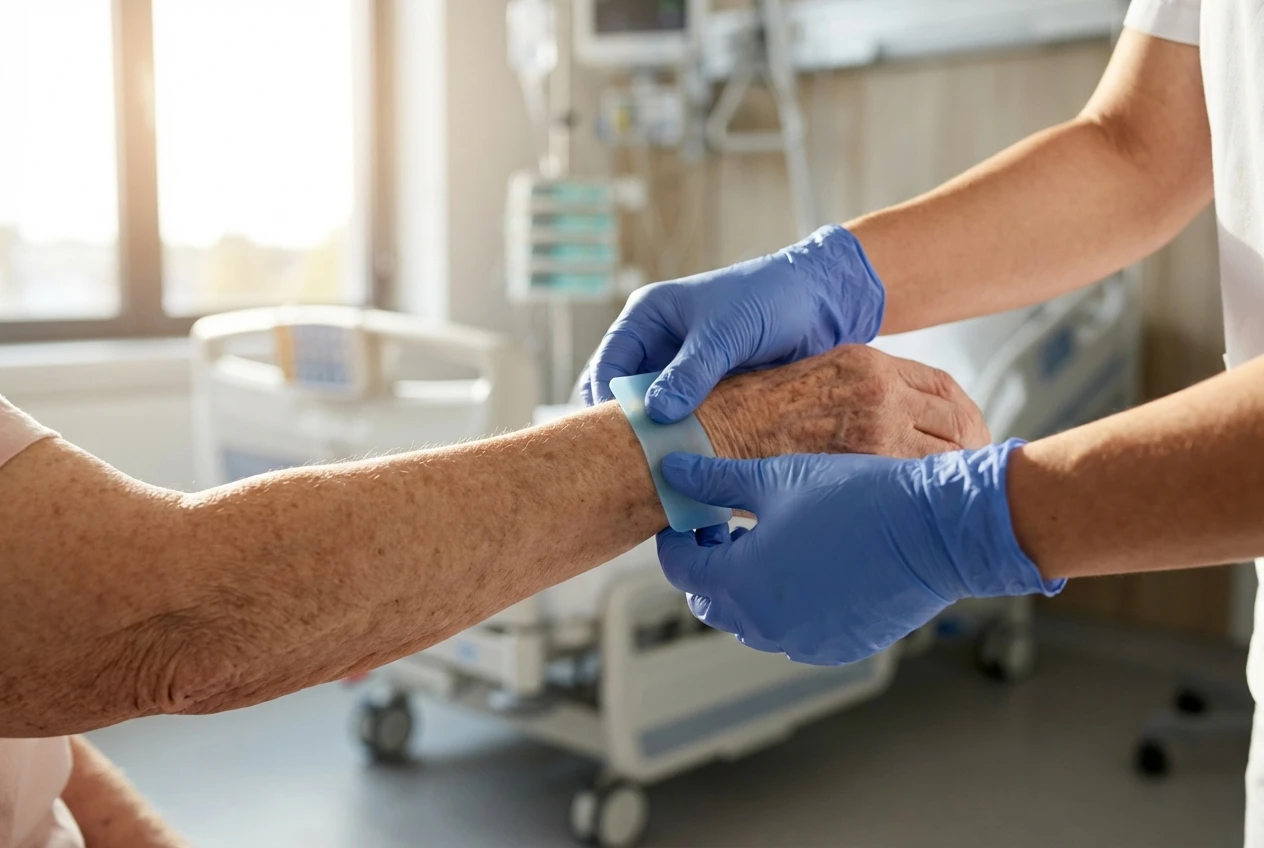
If you’ve ever grabbed a roll of tape for a sports injury or medical dressing, only to have it peel off after a sweaty workout or quick shower, you know how frustrating that can be. I’ve been there myself – dealing with tapes that just don’t hold up when things get a bit moist. Over the years working with all sorts of adhesive products at MediTapes, I’ve seen the mix-up between “waterproof” and “water-resistant” cause a lot of headaches for folks. It’s not just marketing jargon; there’s real differences that affect how well the tape performs in wet conditions.
Let’s break it down in a straightforward way, no fluff. We’ll look at what these terms actually mean for cotton-based tapes, like the ones used in medical and sports settings. By the end, you’ll have a clearer idea of which type suits your situation – whether it’s holding a bandage steady during a shower or supporting a joint through intense activity.
What Do Waterproof and Water-Resistant Really Mean?
People throw around “waterproof” and “water-resistant” like they’re the same, but they’re not. Water-resistant means the tape can handle some moisture – think splashes, light rain, or sweat – without falling apart right away. It repels water to a point, but if it’s submerged or exposed for too long, the adhesive might weaken, and water could seep in.
Waterproof, on the other hand, steps it up. These tapes are designed to block water completely, even under prolonged exposure or immersion. The backing and adhesive work together to create a solid barrier.
In the world of tapes, especially cotton ones, this distinction comes from how they’re built. Cotton is naturally breathable and strong, which makes it great for skin contact, but pure cotton absorbs water easily. That’s why manufacturers add coatings or special adhesives to boost moisture protection.
For example, many standard cotton surgical tapes are water-resistant – good for everyday dressings where occasional dampness is expected. But true waterproof versions often have polyethylene coatings or rubber-based adhesives that seal out water better.
Quick Comparison Table: Waterproof vs. Water-Resistant
| Feature | Water-Resistant Cotton Tapes | Waterproof Cotton Tapes |
|---|---|---|
| Moisture Handling | Handles splashes, sweat, light exposure | Resists immersion, heavy rain, prolonged wet |
| Typical Use Cases | Dry or lightly damp environments, short wear | Showers, swimming, high-humidity settings |
| Adhesive Durability | May soften with extended moisture | Stays strong even when fully wet |
| Breathability | High (lets skin breathe) | Good, but sometimes slightly less due to coatings |
| Examples | Standard water-resistant surgical tape | Waterproof cloth tape, shower proof tape |
This table sums it up nicely – pick based on how wet things might get.
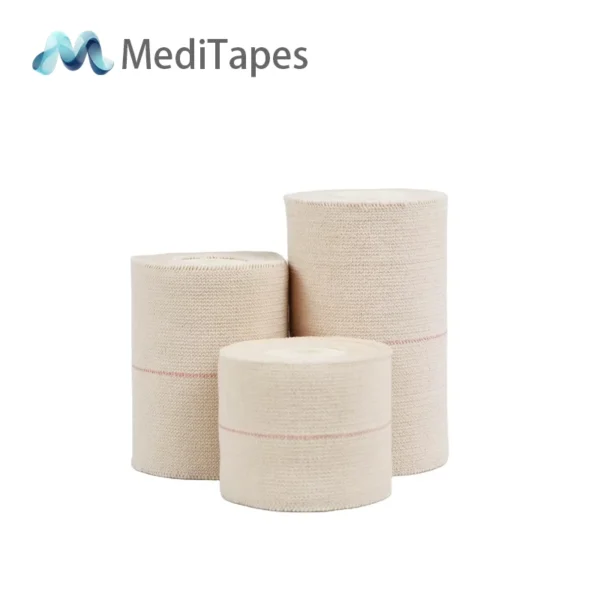
Rigid Cotton Sports Tape & Surgical Adhesive for Joint Support
Professional rigid cotton sports tape for maximum stability. This surgical-grade adhesive tape is excellent for joint support and limiting movement during rehabilitation. Featuring non-elastic cotton fabric, it provides rigid fixation. A top choice for physiotherapy and athletic strapping needs.
Diving Into Water-Resistant Cotton Tapes
Water-resistant options are the go-to for many medical and sports applications. Think of your basic Cotton Surgical Tape – it’s rigid, supportive, and holds firm on skin without too much irritation.
These tapes often use hypoallergenic adhesives and porous cotton backings. They allow air flow, which is crucial for healing wounds or preventing skin maceration (that soggy, wrinkled look from trapped moisture).
In practice, I’ve seen water-resistant surgical tape perform great for post-op dressings or strapping ankles during runs. It sticks through sweat and light showers, but if someone jumps in a pool with it on, edges might lift after a while.
Limitations? Yeah, they’re not meant for full submersion. Prolonged water exposure can cause the adhesive to break down, leading to peeling. That’s where folks get confused – expecting it to act like fully waterproof cloth tape.
Real-world tip: If you’re taping a wound that might get damp from washing, a water-resistant version works fine. Just pat dry gently afterward.
Exploring Waterproof Cotton Tapes
Now, waterproof cotton tapes take things further. These often feature coated cloth backings – like polyethylene over cotton – combined with aggressive rubber-resin adhesives.
A solid example is waterproof cloth tape, built for tougher conditions. It’s common in industrial settings but adapts well to medical/sports uses too.
Shower proof tape falls into this category – designed to stay put during baths or workouts involving water. Many athletes use these for joint support when training in humid gyms or even swimming.
From hands-on experience at MediTapes, our rigid cotton tapes with enhanced coatings hold up impressively in wet scenarios. One case (keeping it anonymous): A runner we supplied taped a strained knee and ran through pouring rain – the tape didn’t budge, no blisters or slippage.
Standards back this up. While not all tapes follow electronics-style IP ratings (like IPX7 for submersion), adhesive standards like ASTM D5570 test water resistance by measuring how much adhesive dissolves in water. Higher-performing tapes show minimal dispersion.
Key Keywords in Action: Waterproof Cloth Tape, Water-Resistant Surgical Tape, and Shower Proof Tape
Let’s tie in those specific types you might be searching for.
- Waterproof cloth tape: Thick, durable, often with butyl or rubber adhesives. Great for sealing or heavy-duty support in wet areas.
- Water-resistant surgical tape: The everyday hero in hospitals – breathable cotton with gentle hold, perfect for sensitive skin and moderate moisture.
- Shower proof tape: A subset that’s water-resistant enough for daily showers. Many cotton-based options qualify, staying adhesive without irritating skin.
Choosing between them? Match to your environment. Light sweat? Go water-resistant. Full showers or pools? Lean waterproof.
Real-Life Applications and Scenarios
Over the years, we’ve heard tons of stories from customers.
One athlete used our Cotton Surgical Tape for wrist support during rowing – sweaty hands and splashes didn’t faze it, but he switched to a coated version for open-water sessions.
In medical settings, water-resistant tapes shine for IV secures or bandages on active patients. Waterproof ones? Ideal for post-surgery where showering is needed soon after.
A clinic shared (anonymously) how switching to shower proof options reduced re-dressings for patients with chronic wounds in humid climates.
These aren’t made-up tales – real feedback shows picking the right level prevents issues like infections from loose dressings or re-injuries from slipping tape.
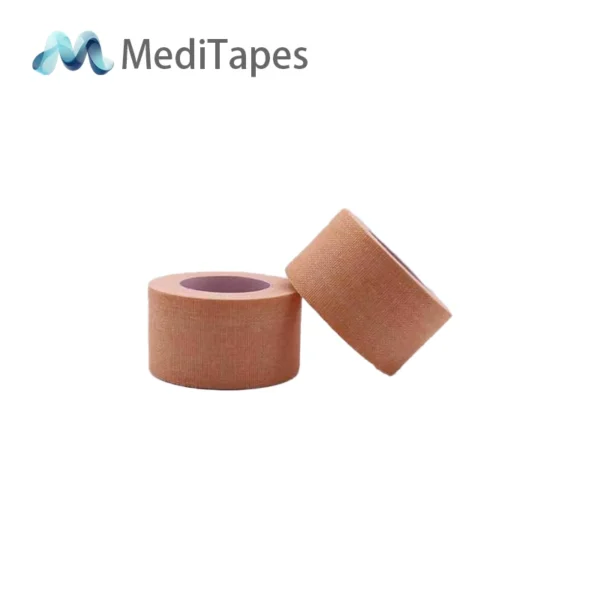
Cotton Surgical Tape with Zinc Oxide Adhesive for Wound Dressing
Secure fixation with premium cotton surgical tape. This breathable tape uses strong zinc oxide adhesive, ideal for securing heavy dressings and catheters. Our cotton surgical tape is tearable by hand and conforms easily to body contours. Trusted by hospitals for reliable wound care management.
Factors to Consider When Choosing Cotton Tapes for Damp Environments
Not all tapes are equal, even within categories.
- Adhesive Type: Acrylic for breathability, rubber for stronger wet hold.
- Backing Material: Pure cotton = more absorbent; coated = better protection.
- Breathability vs. Protection: Waterproof might sacrifice a tiny bit of air flow, but modern ones balance well.
- Skin Sensitivity: Always hypoallergenic for medical use.
- Duration of Wear: Water-resistant for short-term; waterproof for multi-day.
Test small patches if unsure – skin reacts differently.
How Testing and Standards Play Into This
No faking data here – standards like those from ASTM (e.g., D5486 for pressure-sensitive tapes) classify types, including water-resistant and weather-resistant variants.
IEC guidelines on ingress protection help analogize: Lower ratings (like splashes) = water-resistant; higher (immersion) = waterproof.
In adhesives, Type I (boil tests) approximates waterproof; Type II (soak) is resistant.
These ensure what you buy performs as claimed.
Tips for Applying and Removing in Wet Conditions
Application matters a ton.
Clean and dry skin first – adhesives stick best that way.
For removal: Gentle, slow peel in hair growth direction. Oil-based removers help without tugging.
If it’s been wet, pat dry before reapplying.
Why MediTapes Focuses on Quality Cotton Options
At MediTapes, we specialize in reliable cotton tapes that address these exact confusions. Our products, like the rigid Cotton Surgical Tape, blend support with moisture handling for real needs.
We’ve tested extensively to offer options across the spectrum – from solid water-resistant surgical tape to enhanced waterproof cloth tape variants.
Visit us at https://meditapes.com/ for more details.
FAQ
What’s the main difference between waterproof and water-resistant cotton tapes?
Water-resistant handles light moisture like sweat or splashes but may fail with prolonged exposure. Waterproof blocks water fully, even immersion, thanks to better seals and adhesives.
Can I use water-resistant surgical tape in the shower?
It might hold for quick rinses, but for reliable showering, opt for shower proof tape or waterproof versions to avoid peeling.
Is waterproof cloth tape safe for skin?
Yes, many are hypoallergenic and breathable, designed for medical/sports use. Always check for sensitivity.
How long do these tapes last in damp conditions?
Water-resistant: Hours to a day with light wet. Waterproof: Days, even through multiple showers or activities.
Where can I get quotes for bulk cotton tapes?
Head over to our contact page at https://meditapes.com/contact-us/ or email info@meditapes.com for personalized advice and pricing.
Ready to find the right tape for your needs? Drop us a line today – we’d love to help sort out your moisture challenges.