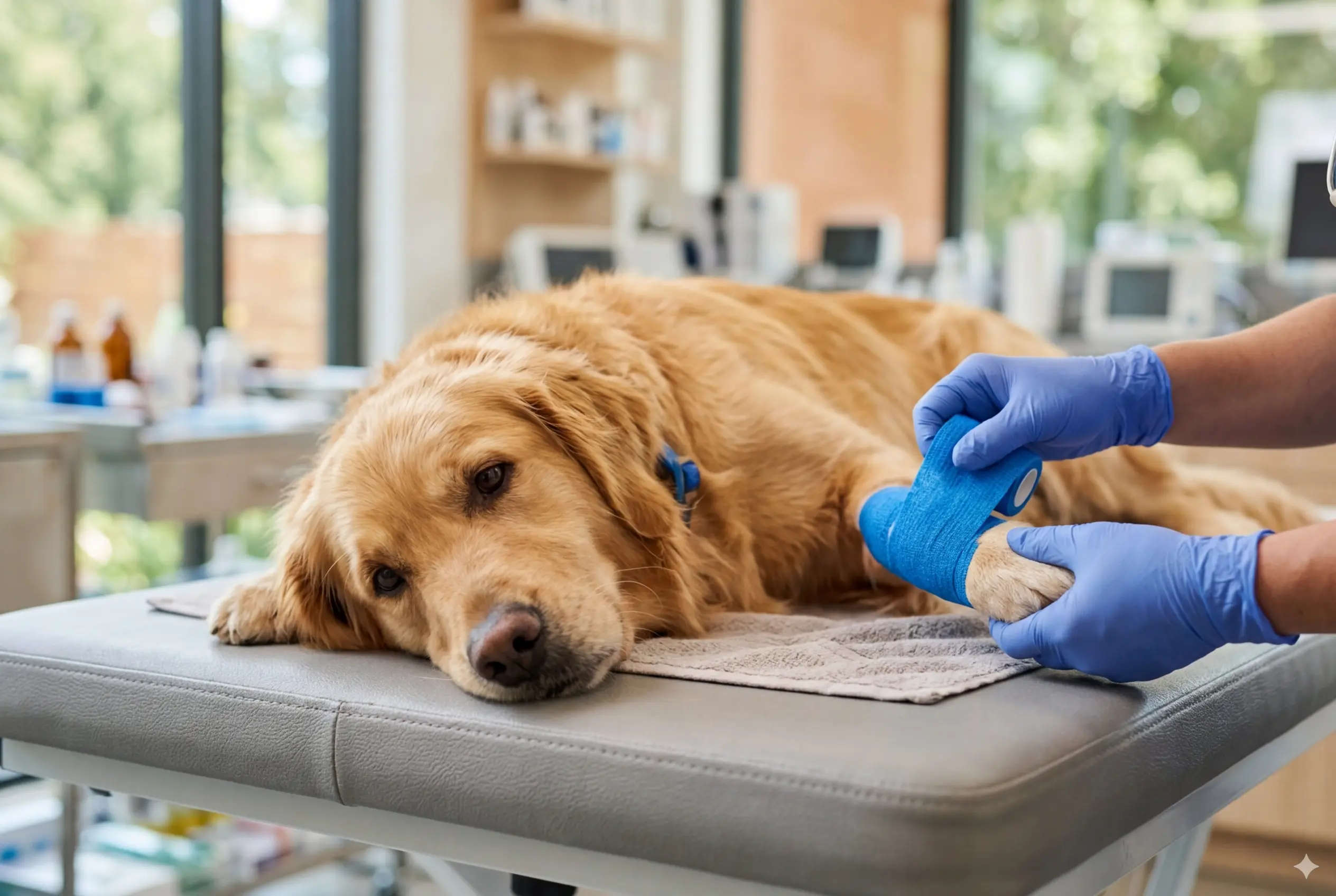
You know how it goes in a busy vet clinic—animals come in with all sorts of scrapes, cuts, post-surgery sites, or even those tricky leg injuries on bigger critters like horses. Keeping a bandage in place without it slipping off, irritating the skin, or falling apart after a few hours of the animal moving around… that’s a real challenge. That’s where heavy-duty perforated tapes step in as a game-changer for animal wound care.
These tapes aren’t your average sticky stuff. They’re built tough, with perforations that let skin breathe while delivering that strong adhesion tape hold you need when dealing with wiggly dogs, cats who groom nonstop, or livestock that don’t sit still. At MediTapes, we’ve seen firsthand how switching to a reliable veterinary bandage tape can cut down on re-bandaging time and make life easier for vets and their teams.
In this piece, I’ll walk you through why these heavy-duty perforated options work so well in real vet settings, share some practical tips from years of supplying clinics, and show how they fit into everyday animal care routines. If you’re running a vet practice or distributing pet supplies, this might just be the upgrade your lineup needs.
Why Perforated Tapes Stand Out in Veterinary Bandage Tape Use
Most folks think of tape as just… tape. But in animal wound care, the details matter a ton. Regular tapes can trap moisture, leading to skin issues, or they lose grip fast on fur-covered areas. Perforated designs fix that by punching small holes across the surface.
Those holes allow air to flow through, which helps keep the area drier and lowers chances of maceration—that soggy skin problem that slows healing. From what we’ve heard from clinic partners, breathability makes a noticeable difference, especially on longer-term bandages for chronic wounds or post-op recovery.
Plus, heavy-duty versions use stronger adhesives that bond well without being impossible to remove. No more yanking off tape and pulling fur or causing extra pain. The perforations also make tearing easier by hand—no scissors needed when you’re in the middle of a chaotic exam room.
One vet clinic we work with (a mid-sized one in the Midwest handling mostly small animals and some farm calls) told us they reduced bandage changes by about 30% after switching to perforated strong adhesion tape options. Less hassle for staff, less stress for the pets. Stuff like that adds up quick.
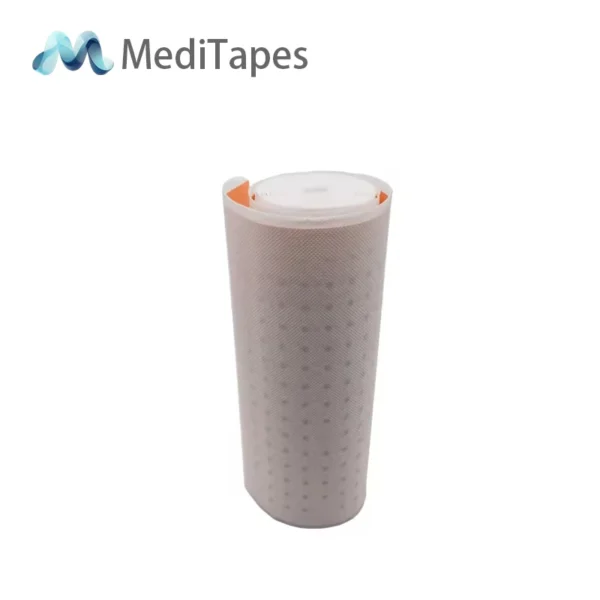
Wholesale Perforated Adhesive Plaster Rolls – Bulk Medical Supply
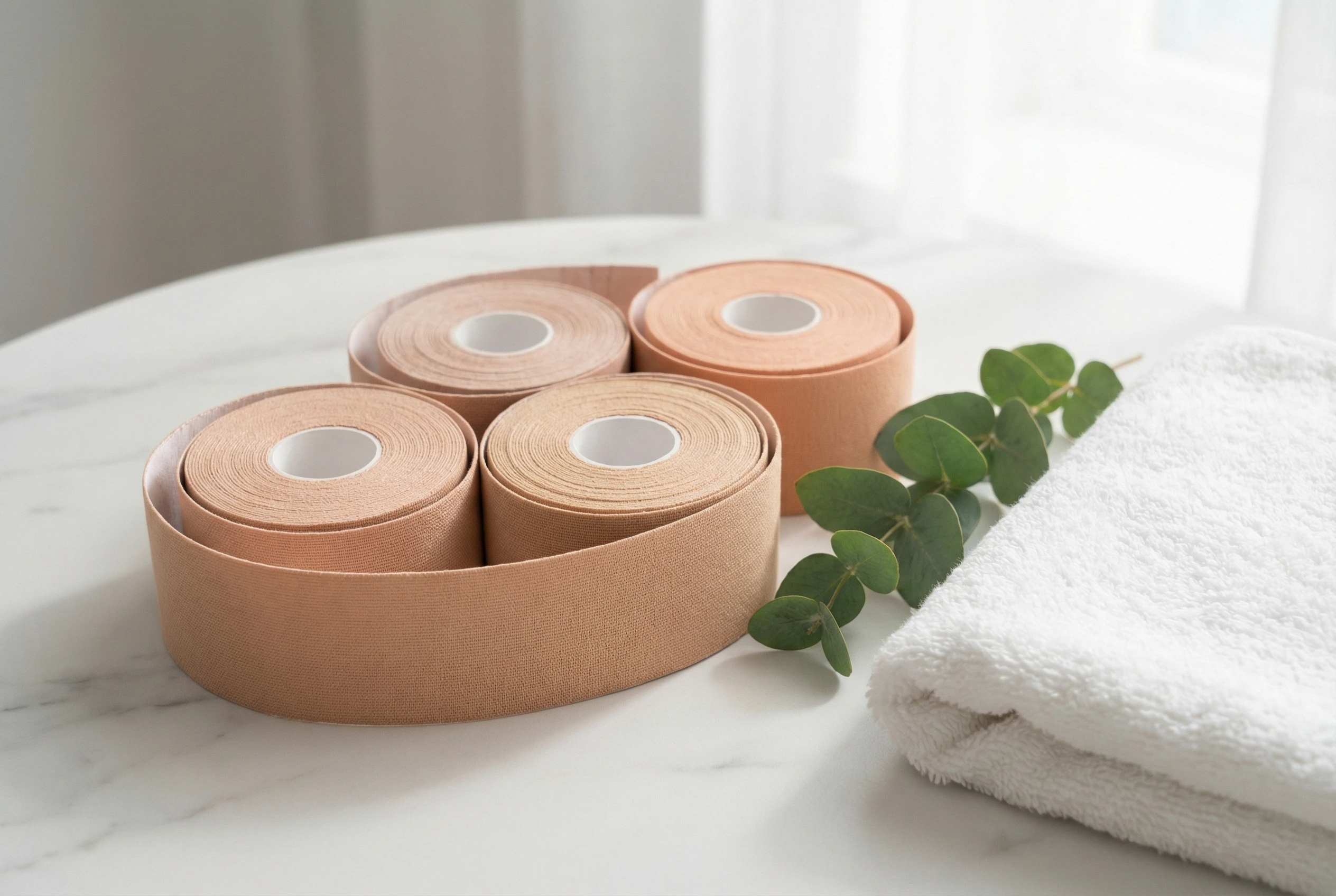
Looking for bulk perforated adhesive plaster? We supply high-quality, cost-effective plaster rolls for global distributors. Features consistent unwind tension and reliable adhesion. Our perforated medical plaster meets international standards. Contact us for OEM packaging and competitive pricing.
Key Features to Look for in Heavy-Duty Perforated Veterinary Bandage Tape
Not all perforated tapes are created equal. Here’s what really matters when picking one for your clinic or distribution stock:
- Strong Adhesion That Lasts: The glue has to stick through movement, licking attempts, and a bit of moisture without failing. Look for ones rated for extended wear.
- Breathable Perforations: Holes should be uniform so air circulates but the tape doesn’t weaken structurally.
- Hand-Tearable: Saves time—no fumbling for tools during emergencies.
- Hypoallergenic Options: Important for sensitive patients; avoids extra irritation.
- Width and Length Variety: 1-inch for small paws, 2-4 inches for legs or larger animals.
At MediTapes, our heavy-duty perforated tapes check these boxes. They’re designed specifically with vet needs in mind—strong enough for horses or big dogs, gentle enough for cats and exotics.
How to Use Heavy-Duty Perforated Tapes in Animal Wound Care
Applying tape right makes all the difference. Here’s a straightforward approach based on common scenarios we’ve seen work well:
- Clean the wound first—always. Use saline or vet-approved cleanser, pat dry gently.
- Apply primary dressing (non-stick pad or whatever the wound needs).
- If padding is required, add that next for cushioning.
- Then lay down the perforated veterinary bandage tape. Start from the distal end (farthest from body) and work up, overlapping by about half the width each time. Not too tight—check for circulation by pressing a toe or ear; it should pink up quick.
- Secure ends with extra wraps or a bit more tape.
For active animals, add a layer of cohesive wrap over top if extra security is needed, but often the strong adhesion tape alone does the trick.
We’ve had reports from equine practices where these tapes hold up during turnout time without slipping, unlike some non-perforated alternatives.
Comparing Tape Types for Vet Use
Here’s a quick table to show how heavy-duty perforated tapes stack up against common alternatives:
| Tape Type | Breathability | Adhesion Strength | Best For | Drawbacks | Typical Use in Vet Clinics |
|---|---|---|---|---|---|
| Heavy-Duty Perforated | High (holes allow airflow) | Very Strong | Long-term wounds, active animals | Slightly higher cost | Post-op, chronic care, livestock |
| Standard Porous Cloth | Medium | Strong | Securing dressings | Can irritate if not hypoallergenic | General securing, short-term |
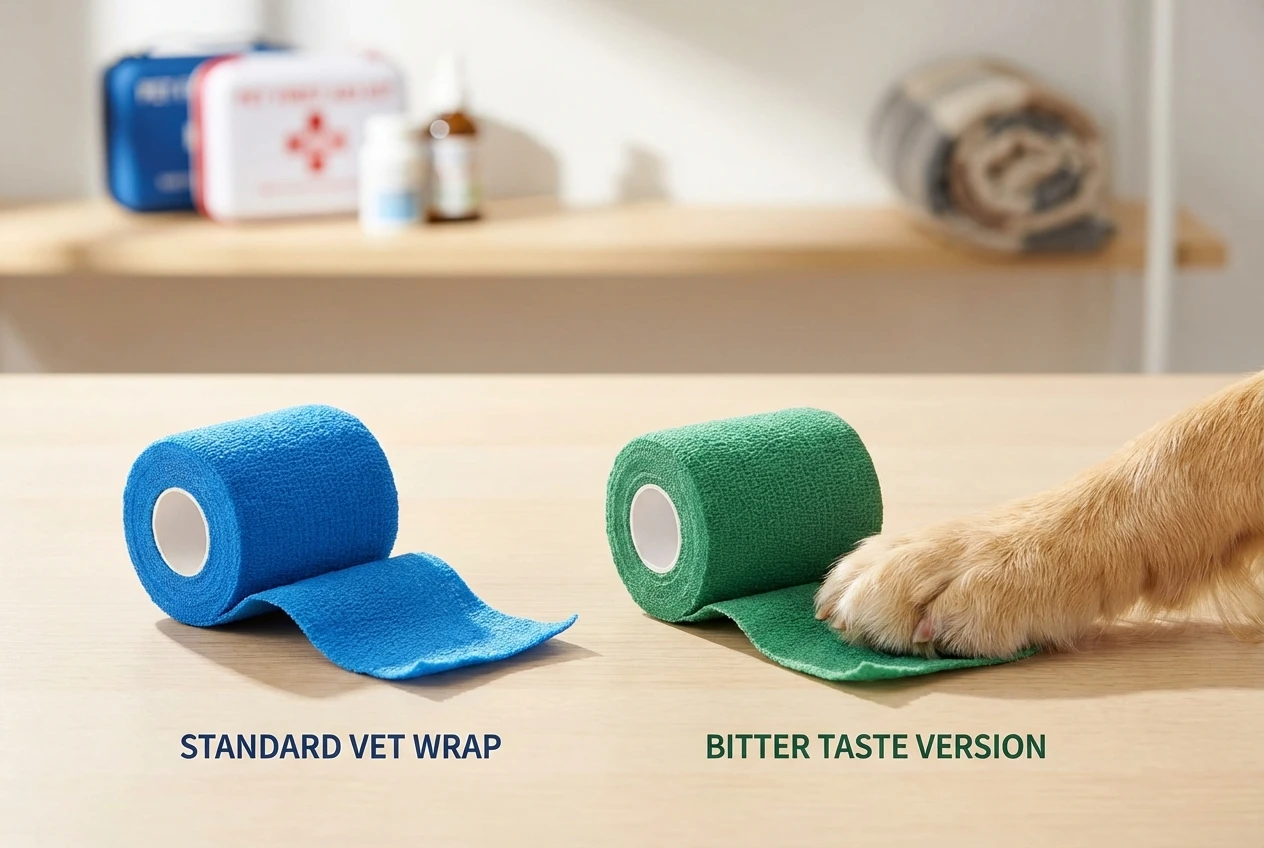
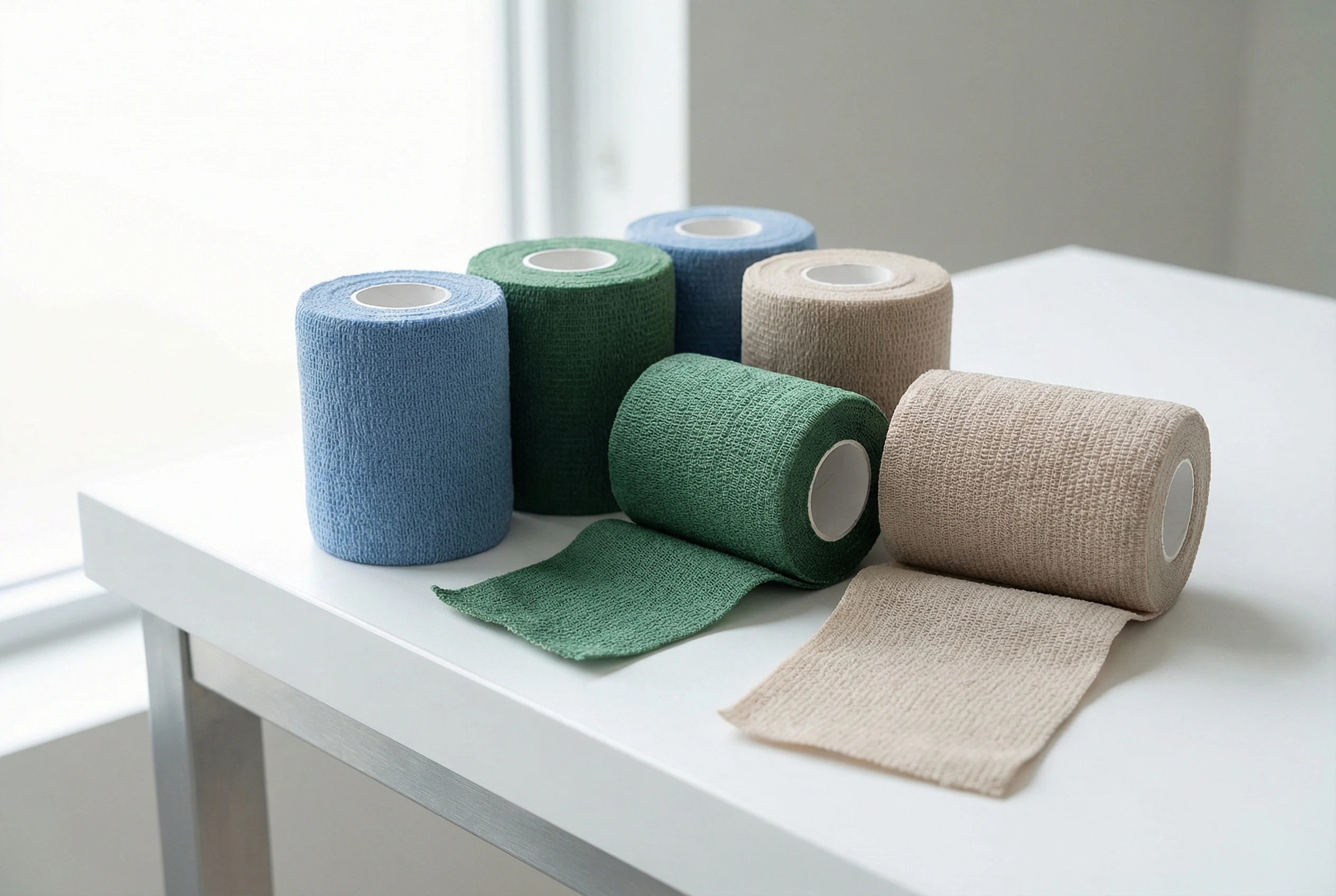
| Self-Adherent Cohesive (VetWrap style) | Low-Medium | Moderate (sticks to itself) | Quick wraps, support | Less precise adhesion, can loosen | Field use, sprains |
| Elastic Adhesive (non-perforated) | Low | Very Strong | Compression needs | Traps moisture, skin issues | Rigid support, fractures |
From real-world feedback, the perforated heavy-duty ones often win for animal wound care because they balance hold and comfort.
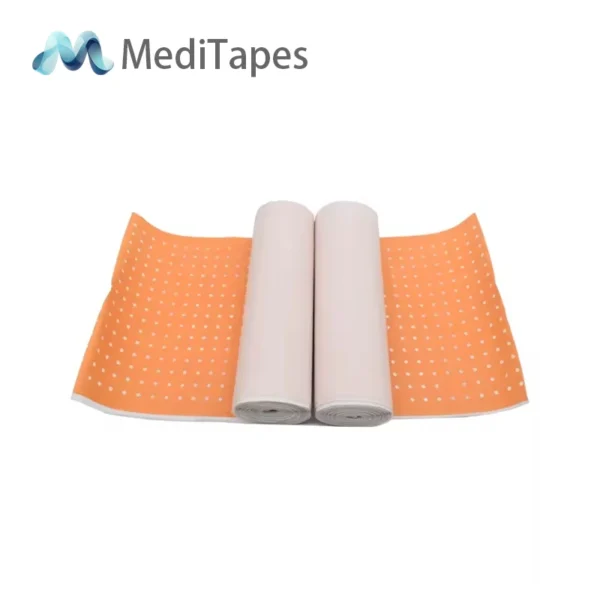
Zinc Oxide Perforated Adhesive Plaster for Medical & Surgical Use
This perforated adhesive plaster features strong zinc oxide adhesive for secure fixation. Ideal for surgical dressings and catheter stabilization. The porous design ensures skin breathability, reducing maceration. Available in various widths for professional medical use. ISO/CE certified.
Real-World Applications and Success Stories
Take a small animal clinic we supply—they deal with lots of post-spay/neuter cases and bite wounds. Before, they’d fight with tapes that peeled off overnight. Switching to a heavy-duty perforated veterinary bandage tape meant fewer call-backs from worried owners about loose bandages. One tech mentioned it cut their redressing time in half on busy days.
Or an equine distributor who added our strong adhesion tape to their catalog. Vets using it for leg wraps on performance horses reported better staying power during light exercise, helping reduce downtime from re-wrapping.
These aren’t made-up wins; they’re the kind of quiet improvements that make a practice run smoother and keep clients happy.
Benefits for Vet Clinics and Pet Supply Distributors
If you’re a vet clinic owner, stocking reliable veterinary bandage tape means better patient outcomes and less wasted time. For distributors, offering MediTapes heavy-duty perforated options opens doors to more vet clients looking for quality over cheap generics.
These tapes help solve real problems—like bandages failing on fur, moisture buildup, or removal trauma—and that builds trust.
Ready to see if these fit your needs? Head over to https://meditapes.com/ to check out our range, or drop us a line at https://meditapes.com/contact-us/ for samples or bulk pricing. You can also email info@meditapes.com—we’re happy to chat about what works best for your setup.
FAQ
What makes perforated tape better for animal wound care than regular tape?
The holes let skin breathe, cutting down on sweat and irritation while still giving strong adhesion tape hold. It’s especially handy for animals that move a lot or have fur.
Is heavy-duty perforated veterinary bandage tape safe for sensitive skin?
Most good ones use hypoallergenic adhesives. Always test a small spot if the animal has known sensitivities, but we’ve seen very few issues compared to older sticky tapes.
How long can I leave veterinary bandage tape on?
Depends on the wound, but typically 1-3 days for these heavy-duty ones—check daily for slippage or swelling. Breathability helps extend safe wear time versus non-perforated types.
Can these tapes be used on horses or just small pets?
Absolutely—they’re tough enough for equine legs or livestock, yet gentle for cats and small dogs. The strong adhesion handles bigger animals without constant re-taping.
Look, if you’re tired of bandages that don’t stay put or cause more problems than they solve, give heavy-duty perforated tapes a try. They’ve made a real difference in a bunch of clinics we’ve worked with. Swing by https://meditapes.com/ or reach out via https://meditapes.com/contact-us/—we’d love to help you find the right fit.