You know how it goes when you’re stocking up your shelves as a vet supply distributor—customers ask about vet wrap all the time, and then they throw in questions like “can I just use that human cohesive bandage stuff instead?” or “what’s the real deal with human vs vet bandage options?” It’s a fair question. I’ve spent years working with these products, sourcing them, testing rolls in real scenarios from horse barns to small animal clinics, and chatting with vets who swear by one over the other. So let’s break it down plainly—no fluff, just the stuff that actually matters for your product lines.
The short version? Vet wrap (also called veterinary cohesive bandage) and human medical cohesive bandages are super similar on the surface—they’re both self-adherent, stretchy wraps that stick to themselves but not to skin or fur/hair. But dig a little deeper, and there are differences in design focus, sizing, durability for animal use, and sometimes even subtle material tweaks that make one better suited for pets or livestock than the other. Mixing them up can lead to unhappy customers or returns, so getting this straight helps you guide dealers right.
Why the Confusion Exists in the First Place
These bandages both fall under the “cohesive” or “self-adherent” category. Think of brands like 3M’s Coban for humans and Vetrap for animals—they’re basically cousins. Wikipedia notes that cohesive bandages cohere to themselves but don’t adhere well to other surfaces, and they’re used on both people and animals. In fact, many sources point out they’re often interchangeable in a pinch, with vet versions marketed specifically because they don’t pull fur.
But here’s where it gets practical for distributors like you. Human versions (often Coban or generics) get designed with people in mind—think sports injuries, sprains, or post-surgery wrapping on arms and legs. Vet versions prioritize things like not sticking to thick animal hair, handling rougher conditions (mud, sweat from horses), and coming in brighter colors or wider rolls for big animals.
From my experience sourcing thousands of rolls, the core tech is the same: non-woven porous fabric with a light tacky coating (usually latex-based or latex-free rubber compounds) that lets it stick layer-to-layer. But vet-specific ones often amp up the elasticity and tear strength to deal with kicking horses or wiggly dogs.
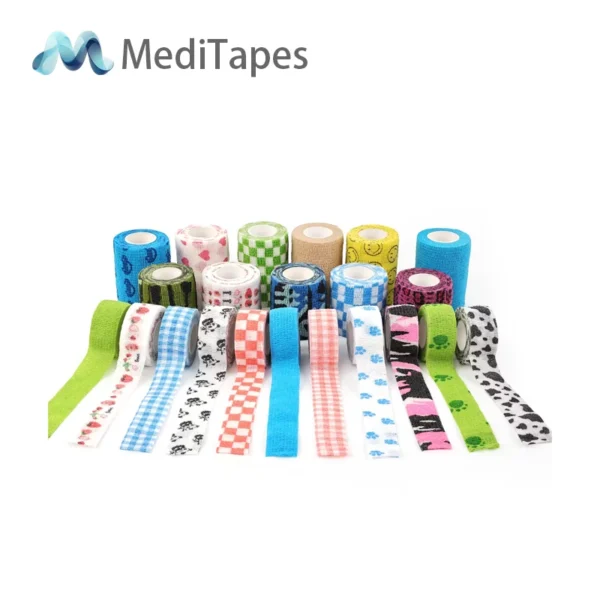
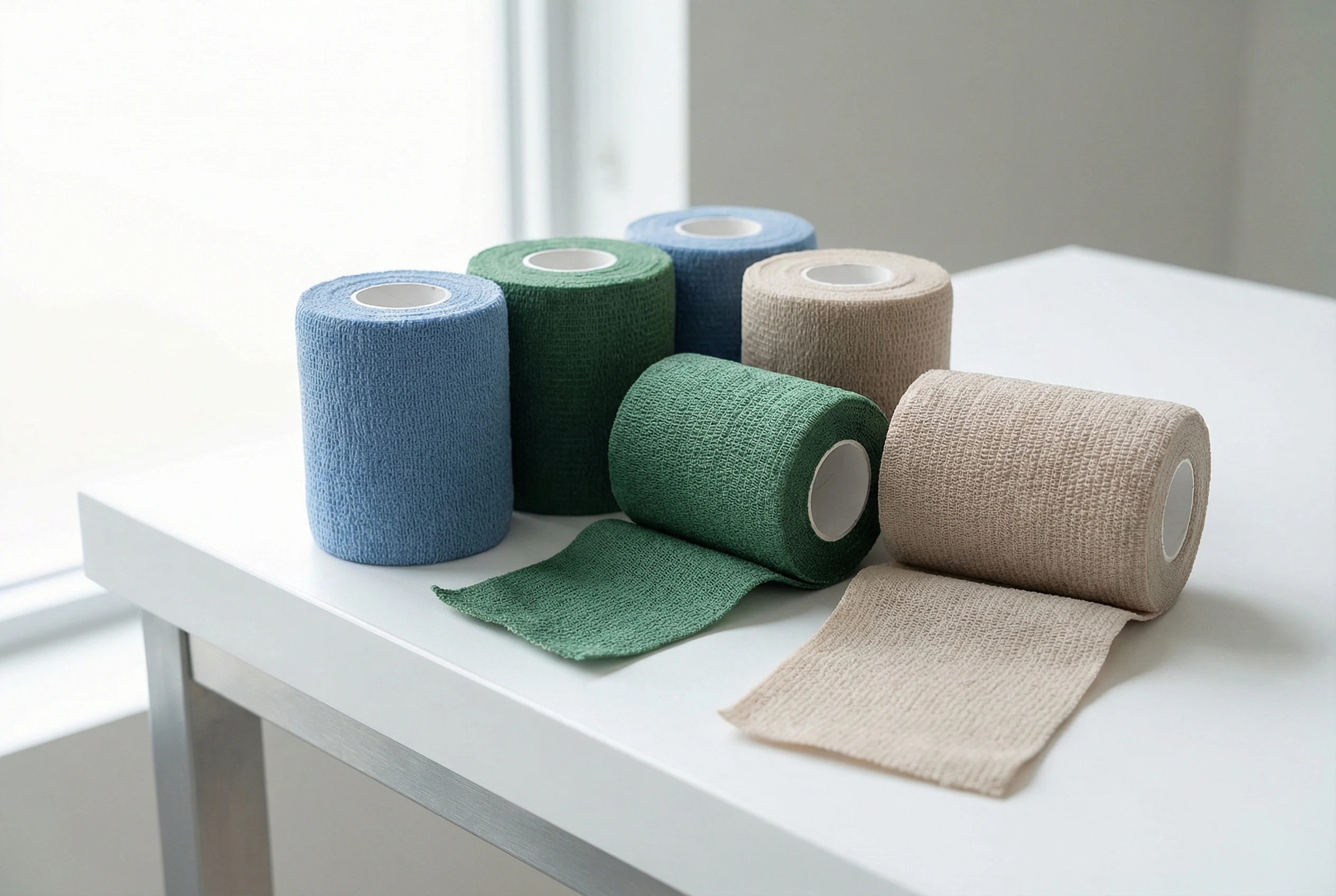
Cute Pattern Cohesive Bandage – Paw Print Self Adhesive Vet Tape
Stock the popular Cute Pattern Cohesive Bandage featuring adorable designs like paw prints. This self-adhesive vet tape is a favorite for small animal care, calming pets during treatment. Breathable and easy to tear, our patterned cohesive bandage combines style with reliable wound support.
Key Differences Side by Side
Let’s make this easy with a quick comparison table. This pulls from common manufacturer specs and what I’ve seen in bulk orders over the years.
| Feature | Vet Wrap (Veterinary Cohesive Bandage) | Human Medical Cohesive Bandage (e.g., Coban-style) |
|---|---|---|
| Primary Use Focus | Animals (horses, dogs, cats, livestock) | Humans (sports, medical wrapping, compression) |
| Adhesion to Hair/Fur | Minimal to none—designed not to pull fur | Low, but can snag more on dense fur |
| Typical Widths | 2″, 3″, 4″, 6″ (wider for legs/hooves) | 1″, 2″, 3″, 4″ (narrower options common) |
| Length per Roll | Often 5 yards stretched | Similar, 5 yards stretched |
| Durability/Tear Strength | Higher for rough use (kicks, runs) | Good, but sometimes less aggressive stretch |
| Colors | Bright/vibrant (neon, patterns for easy spotting) | More subdued (tan, blue, black) |
| Latex Content | Often contains latex (some latex-free) | Many latex-free options |
| Water Resistance | Strong—holds up to sweat/mud | Decent, but may loosen faster in wet conditions |
| Price per Roll (Wholesale Bulk) | Usually cheaper in farm/vet channels | Slightly higher in medical supply |
This table isn’t set in stone—brands vary—but it matches what shows up consistently from suppliers and user feedback.
Materials and How They Actually Work
Both are usually non-woven fabric (porous so skin breathes), with elastic threads woven in for stretch. The “adhesive” isn’t glue like tape; it’s a cohesive coating that bonds when pressed together. Vet versions sometimes use a bit more aggressive coating for better hold on moving animals, and they’re built to be hand-tearable without scissors—super handy when you’re dealing with a scared horse.
One thing I’ve noticed in practice: vet wrap often feels a tad thicker or more robust. Human ones can be softer, which is great for delicate skin but might not hold as well under heavy strain from a large dog running around.
Latex-free options exist in both, but vet suppliers push them more because some animals (and handlers) have sensitivities.
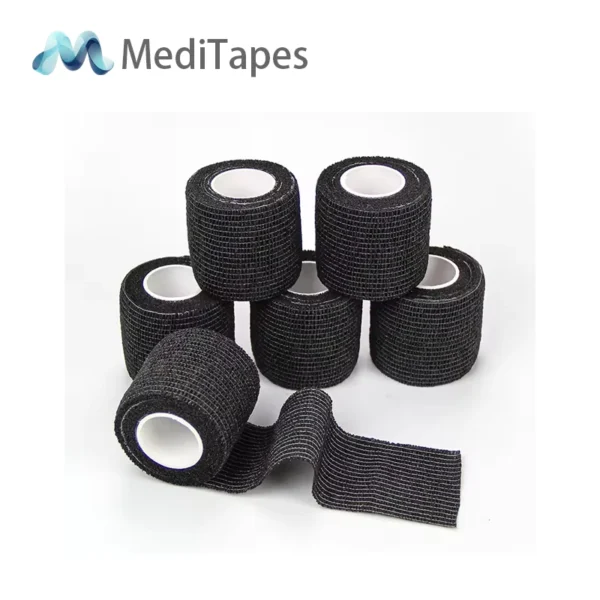
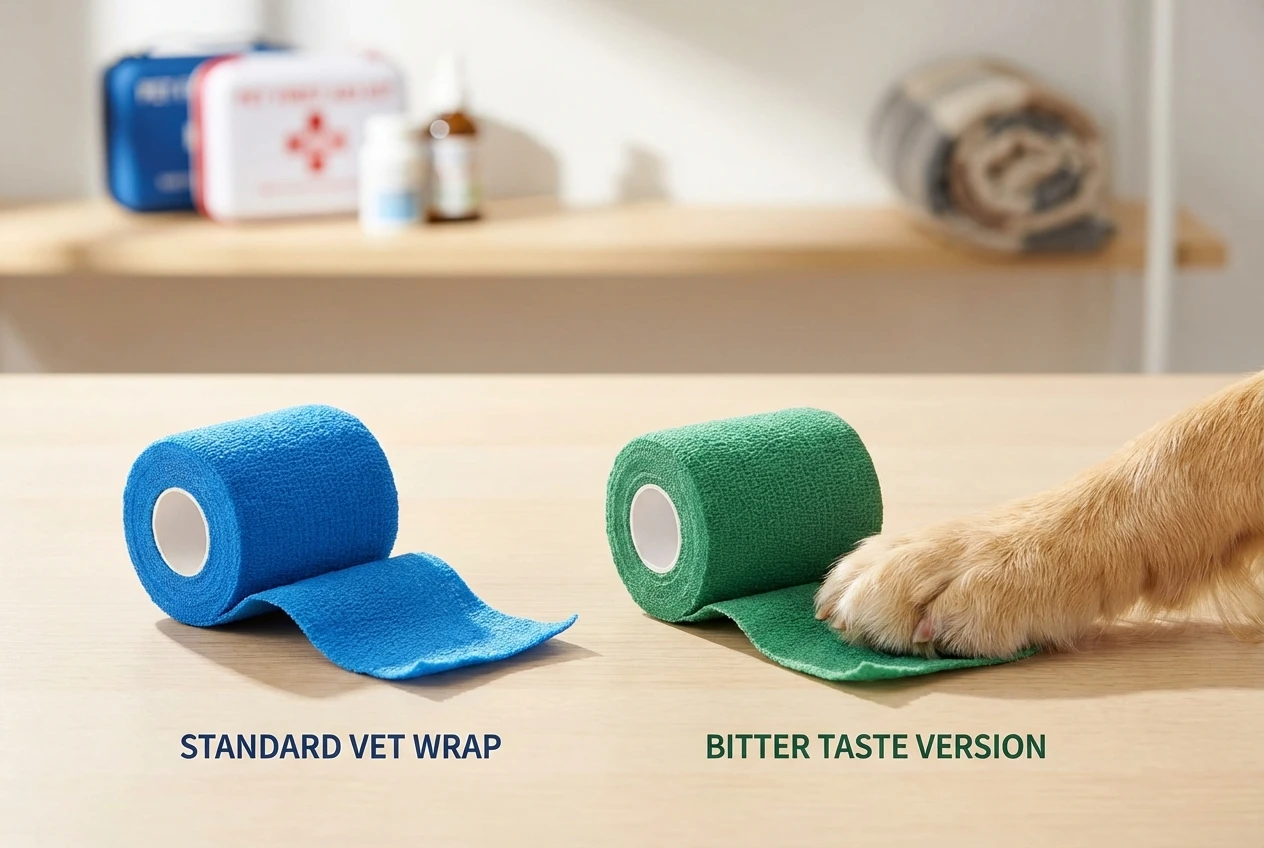
Bitter Taste Cohesive Bandage – No Chew Vet Wrap for Pets & Dogs
Stop pets from gnawing wounds with Bitter Taste Cohesive Bandage. This no chew vet wrap contains a safe bitter agent to deter licking and biting. Protects dressings effectively while remaining breathable. The smart choice for veterinary post-surgery care using non-woven bandage.
Can You Use Them Interchangeably? Real Talk for Your Customers
Yeah, in many cases you can. Plenty of folks use human cohesive on pets and vice versa. Reddit threads and farm forums are full of people saying vet wrap is basically Coban but cheaper and in cooler colors—often half the price from farm stores.
But here’s why it’s not always a perfect swap, especially for pros:
- On horses or long-haired dogs, human versions might cling a bit more to fur, making removal annoying or painful. Vet wrap avoids that drama.
- Wider vet rolls (like 6″) are better for equine legs or big livestock wounds—human ones rarely go that big.
- In wet/muddy environments (think pasture injuries), vet wrap tends to stay put longer without loosening.
- Compression levels: Some vet brands offer more controlled pressure without over-constricting, important for swelling limbs.
I remember one distributor client who stocked mostly human medical rolls to save cash. Vets complained about fur pull on cats and slippage on wet horse legs. Switched to dedicated vet wrap, complaints dropped, and repeat orders went up. Small tweak, big difference in customer loyalty.
Application Scenarios: Where One Wins Over the Other
Vet Wrap Shines:
- Wrapping horse legs for support after strains (common in equine vets)
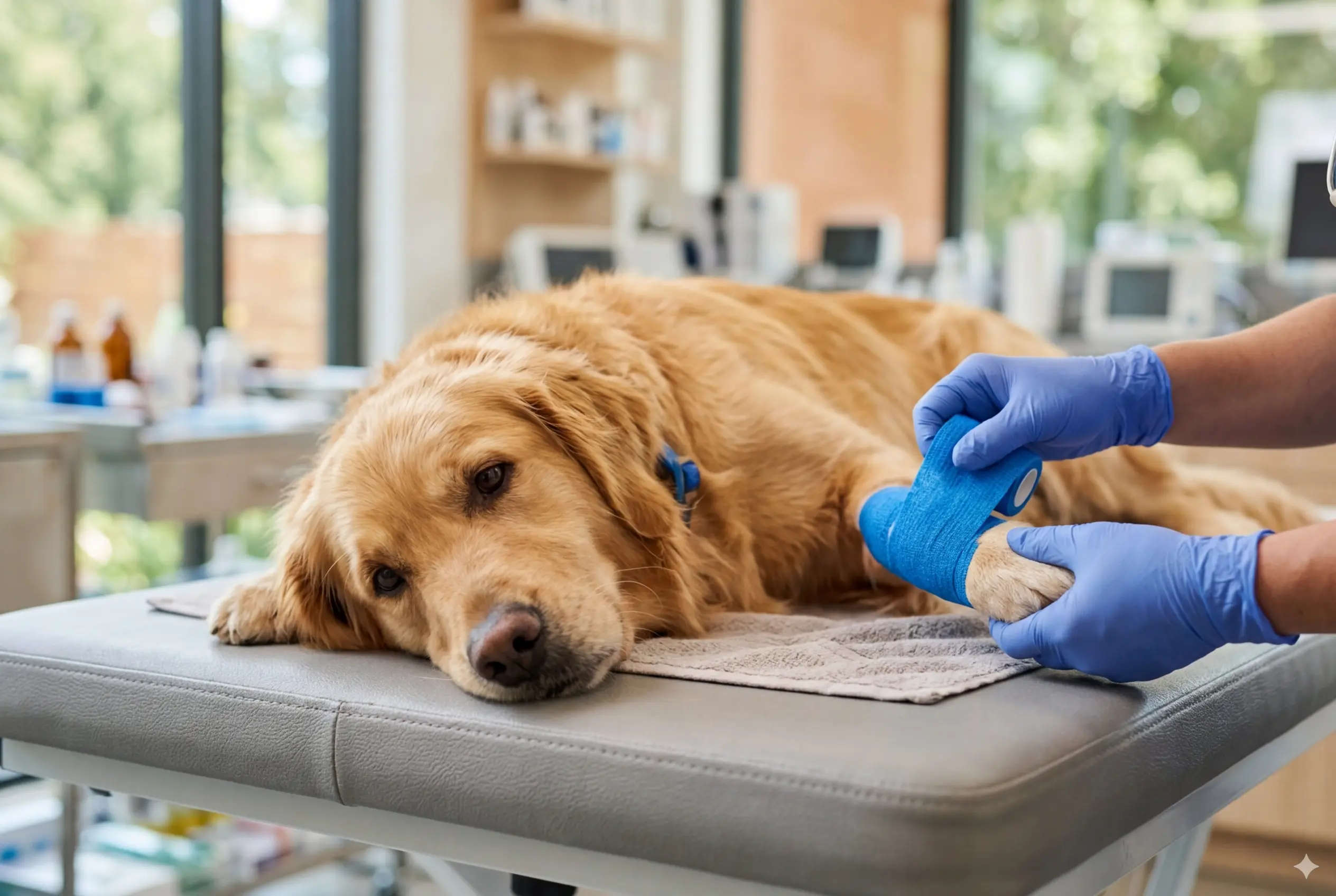
- Securing dressings on furry pets without ripping hair out
- Bulk use in clinics for daily wound care—colors help track different patients
- Outdoor/farm first aid—water-resistant and tough
Human Cohesive Bandage Wins:
- Human sports taping (ankles, wrists) where softer feel matters
- Smaller pets or delicate areas if the vet version feels too stiff
- Situations needing precise, lighter compression
For mixed clinics (small animal + equine), I always recommend carrying both lines but prioritizing veterinary cohesive bandage for animal stock.
Specs That Matter When Ordering Wholesale
As a distributor, look at:
- Tensile strength (how much stretch/pull it handles)
- Breathability (porous non-woven)
- Hand-tear vs scissor needed
- Latex-free certification (big for allergies)
- Pack sizes (18-36 rolls common for bulk savings)
At MediTapes, our self-adhesive bandage line covers both human-grade and vet-optimized options. Check out the full category here: https://meditapes.com/product-category/self-adhesive-bandages/. We focus on reliable adhesion, breathability, and options that don’t stick to fur—perfect for your vet dealer needs. Bulk pet bandage wholesale pricing available too.
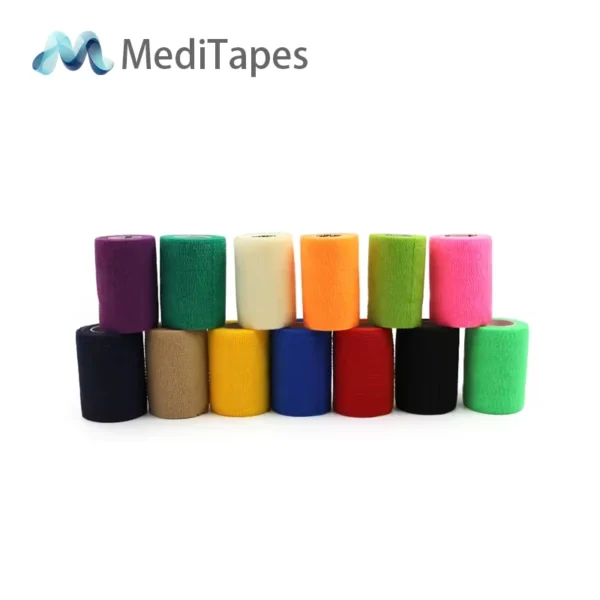
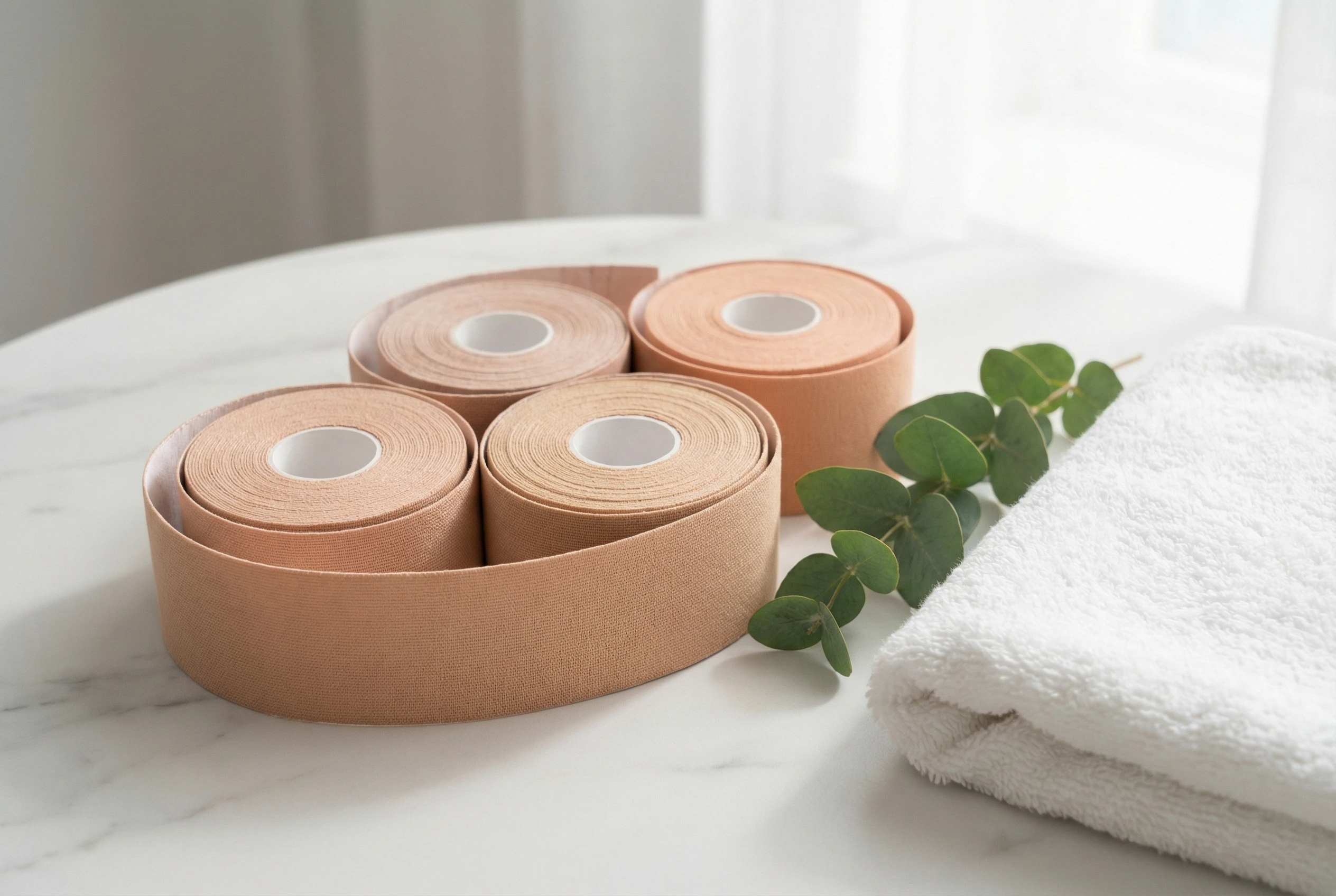
Waterproof Non-Woven Cohesive Tape – Durable Self Sticking Bandage
Keep wounds dry with our Waterproof Non-Woven Cohesive Tape. This self-sticking bandage maintains adhesion even when wet or sweaty. Highly breathable material prevents skin maceration. A versatile solution for both medical and sports first aid kits requiring a reliable cohesive wrap.
FAQ
Can human cohesive bandages be safely used on pets?
Sure, in most cases—they’re the same basic tech. But for best results, go with vet wrap to avoid any fur snag or slippage issues, especially on hairy animals.
What’s the biggest mistake vets make with these bandages?
Wrapping too tight. Always leave room for two fingers underneath—good circulation prevents more problems than it solves.
Are there any real risks in swapping vet and human versions?
Low risk overall, but on sensitive-skinned or long-furred pets, human ones might irritate more during removal. Stick to vet-specific for peace of mind.
How long can you leave a cohesive bandage on?
Depends on the injury, but check every 24-48 hours. Change if wet, dirty, or if toes/limbs swell.
If you’re a distributor sorting your product lines and want to chat about what works best for your customers—or need quotes on vet wrap, veterinary cohesive bandage, or bulk pet bandage wholesale—drop us a line. Head over to our contact page: https://meditapes.com/contact-us/ or email info@meditapes.com. Happy to help you stock smarter.