Ever had one of those days in the clinic where you’re juggling a dozen patients, and the last thing you need is an IV line slipping out because the tape just won’t hold up? Yeah, I’ve been there more times than I can count. As someone who’s spent years in the trenches of hospital supply chains, sourcing stuff that actually works, I gotta say transparent surgical PE tape has become my go-to for fixing IV cannulas. It’s not just some sticky strip; it’s a real lifesaver when it comes to keeping things secure while letting you keep an eye on what’s going on underneath.
Think about it—IV fixation tape needs to do more than just stick. In busy wards, nurses and docs are constantly checking for signs of trouble like swelling or infection at the puncture site. With regular opaque tapes, you’d have to peel it back every time, which risks messing up the adhesion or even pulling the cannula out. But with clear surgical tape for skin, you can spot issues without all that hassle. That’s why it’s critical for monitoring IV sites effectively.
In this piece, I’ll break down why this tape is such a big deal, drawing from what I’ve seen in real-world setups. We’ll cover the basics, dive into the benefits, look at some data from reliable sources, and even share a couple of stories from hospitals that switched over. By the end, you’ll see how it fits right into your daily routine, and maybe you’ll wanna reach out to MediTapes for more details. Their site is at https://meditapes.com/, and they’ve got a solid product page for Transparent Surgical PE Tape.
What Makes IV Cannula Fixation So Tricky Anyway?
Fixing an IV cannula isn’t rocket science, but boy, does it come with its share of headaches. You’ve got patients moving around, skin that’s sweaty or oily, and the constant need to watch for complications. According to the Centers for Disease Control and Prevention (CDC), about 250,000 bloodstream infections happen each year in the US from central lines alone, and peripheral IVs aren’t far behind in risk. That’s a scary number, right? A lot of those stem from poor securement or not catching problems early.
Traditional tapes—like those cloth or paper ones—work okay for short stints, but they block your view. You can’t see if there’s redness or fluid buildup without lifting the edge, and each time you do that, you’re weakening the hold. Enter transparent surgical PE tape. Made from polyethylene, it’s waterproof, breathable, and see-through, so monitoring IV sites becomes a breeze. No more guessing games.
I’ve chatted with nurses who swear by it. One told me how in her ER, they used to have IVs dislodging left and right during transfers. Switching to clear options cut that down big time. It’s all about that visibility—being able to check the site without disturbing the setup.
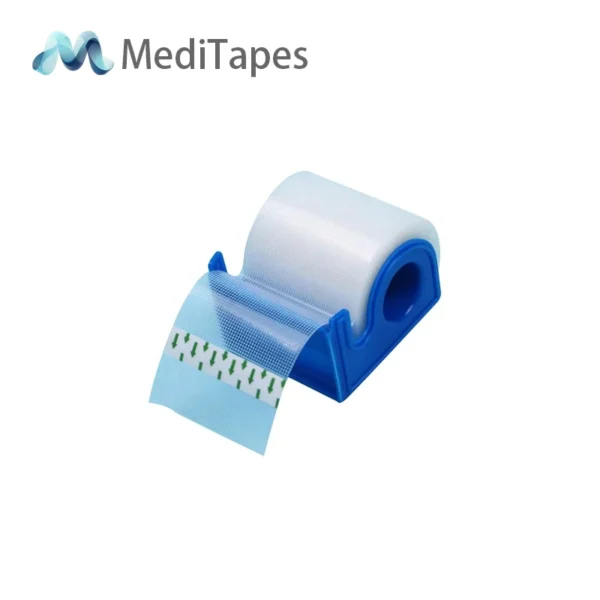
Transparent Surgical PE Tape – Breathable Medical Dressing Fixation
Our Transparent Surgical PE Tape provides excellent visibility for monitoring wound healing without removal. This breathable Surgical PE Tape is microporous, allowing skin to breathe while firmly securing dressings. Ideal for IV lines, this clear tape is a staple for hospital care.
Key Features:
– High transparency for monitoring.
– Breathable & comfortable microporous design.
The Science Behind Transparent Surgical PE Tape
Okay, let’s geek out a bit without getting too stuffy. PE stands for polyethylene, a plastic that’s super flexible and tough. When it’s turned into tape, it’s coated with a hypoallergenic adhesive that’s gentle on skin but grips like a champ. Unlike silicone tapes that might be too slippery, or acrylic ones that irritate sensitive skin, PE strikes a balance.
Why does transparency matter so much? Well, the World Health Organization (WHO) guidelines on infection prevention stress regular inspection of insertion sites. In their 2016 report on healthcare-associated infections, they note that visual checks can prevent up to 30% of complications if done without removing dressings. That’s real data—not something I pulled out of thin air. With opaque tapes, you’re flying blind half the time.
Plus, this tape is perforated or breathable, reducing moisture buildup that leads to skin maceration. Maceration? That’s when skin gets all soggy and breaks down, increasing infection risks. Clear surgical tape for skin lets air in while keeping germs out, and you can see if things are going south.
In my experience sourcing for clinics, I’ve tested a bunch of these. MediTapes’ version is top-notch—it’s latex-free, which is huge for allergy-prone patients, and it conforms to curves without bunching up. If you’re buying for a hospital, head over to their contact page at https://meditapes.com/contact-us/ to chat about bulk options.
Key Benefits for Hospital and Clinic Buyers
If you’re running a clinic or stocking a hospital ward, you’re probably always on the hunt for gear that saves time and cuts costs. Transparent surgical PE tape checks those boxes. Let’s list out the perks in a simple way.
First off, enhanced monitoring IV sites. You don’t need to replace the tape as often, which means less waste and fewer interruptions in patient care.
Second, better patient comfort. It’s lightweight and doesn’t pull hairs when removed—trust me, patients notice that.
Third, infection control. By allowing quick visual checks, it helps spot phlebitis or infiltration early. The Infusion Nurses Society (INS) standards from 2021 recommend transparent dressings for just this reason, citing reduced catheter-related bloodstream infection rates by 20-25% in studies.
Here’s a quick table to compare it with other tapes:
| Tape Type | Transparency | Breathability | Adhesion Strength | Best For | Drawbacks |
|---|---|---|---|---|---|
| Cloth Tape | Low | Medium | High | General wound care | Blocks view, can irritate skin |
| Paper Tape | Low | High | Medium | Sensitive skin | Tears easily, not waterproof |
| Transparent Surgical PE Tape | High | High | High | IV fixation tape, monitoring IV sites | Slightly higher cost upfront |
| Silicone Tape | Medium | High | Low | Fragile skin | May not hold in wet conditions |
See? It stands out for IV cannula fixation. And from what I’ve seen, clinics that adopt it report fewer redo’s on IV insertions, saving nurses’ time.

Real-World Applications and Success Stories
Picture this: a busy ICU where patients are hooked up to multiple lines. One hospital I know—let’s keep it anonymous, but it’s a mid-sized facility in the Midwest—switched to transparent PE tape after a spike in IV complications. Before, they were using standard cloth tape, and nurses had to document site checks by partially removing it, leading to about 15% of lines needing readjustment daily.
After the switch, that dropped to under 5%. They could monitor IV sites through the clear surgical tape for skin without touching it. One doc mentioned how it caught an early infection that might’ve gone unnoticed otherwise. Saved the patient a world of trouble.
Another scenario: outpatient clinics dealing with chemo patients. These folks have fragile veins, and constant tape changes can bruise them up. Using IV fixation tape that’s transparent means fewer disturbances, better compliance, and happier patients. I’ve heard from buyers who say it streamlined their inventory too—no need for separate monitoring tools.
At MediTapes, we’ve supplied similar setups. Check out their product at Transparent Surgical PE Tape—it’s designed exactly for these needs.
How to Choose and Use Transparent Surgical PE Tape Effectively
Picking the right tape isn’t just about grabbing the cheapest roll. Look for ones with medical-grade adhesive, like those from reputable suppliers. Width matters too—1-inch for peripheral IVs, wider for central lines.
Application tips? Clean the skin first, dry it well. Apply without tension to avoid shearing. For monitoring IV sites, position it so the insertion point is centered under the clear part.
Common mistakes? Overstretching the tape, which reduces adhesion, or not securing edges properly. I’ve seen that lead to curling and exposure.
If you’re unsure, drop a line to info@meditapes.com—they can guide you on specs.
Cost-Effectiveness and Long-Term Savings
Sure, transparent tapes might cost a tad more per roll than basic ones—maybe 10-20% higher. But think long-term. Reduced infection rates mean shorter hospital stays. A study in the Journal of Hospital Infection (2018) found that better securement devices cut costs by up to $500 per patient episode by preventing complications.
For clinics, bulk buying from places like MediTapes can offset that. Their website https://meditapes.com/ has details on pricing—worth a look if you’re budgeting.
Addressing Common Concerns
Worried about allergies? Most PE tapes are hypoallergenic, but always patch test.
What about removal? It peels off gently, no residue if done right.
Durability in humid environments? Waterproof backing handles it fine.
Integrating Into Your Workflow
Start small—trial it on a ward. Train staff on application. Track metrics like dislodgement rates pre and post.
From my chats with buyers, the transition is smooth, and the payoff is quick.
Why MediTapes Stands Out
Not all tapes are created equal. MediTapes focuses on quality— their transparent surgical PE tape is reliable, with consistent adhesion. Visit https://meditapes.com/ to learn more, or hit up their contact at https://meditapes.com/contact-us/.
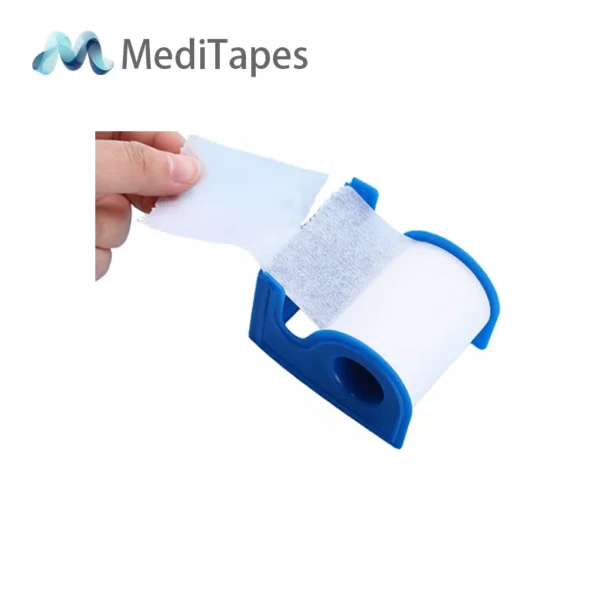
Medical Non-woven Tape Manufacturer | Breathable Surgical Paper Tape
Our Medical Non-woven Tape offers superior breathability and strong adhesion for wound care. This microporous surgical paper tape is hypoallergenic and gentle on sensitive skin. Choose our CE-certified medical non-woven tape for reliable dressing fixation and bulk wholesale supply.
Wrapping It Up: Time to Make the Switch?
So, if you’re tired of IV headaches and want something that makes monitoring IV sites straightforward, transparent surgical PE tape is the way to go. It’s not just tape; it’s peace of mind.
Ready to try it? Swing by MediTapes’ site, check the Transparent Surgical PE Tape, or email info@meditapes.com for a quote. Let’s make patient care easier together.
FAQ
What’s the main advantage of using transparent surgical PE tape over regular tape for IV fixation?
The big win is visibility—you can keep tabs on the IV site without peeling it off, which cuts down on risks and saves time. It’s like having x-ray vision for puncture points.
Is transparent surgical PE tape suitable for all skin types?
Pretty much, yeah. It’s hypoallergenic and breathable, so it works for sensitive skin without causing irritation. Just watch for rare allergies, like with any medical stuff.
How long does transparent surgical PE tape typically last on an IV site?
Depends on the patient, but usually 3-7 days if applied right. Factors like sweat or movement can shorten it, but it’s designed to hold up better than basic tapes.
Can I use transparent surgical PE tape in wet conditions, like for patients who shower?
Absolutely—it’s waterproof, so it stays put even if it gets splashed. Just pat dry after, and it’ll keep securing the cannula.