Scars can be a real pain, right? Not just the itch or the way they look, but figuring out how to make them fade better. I’ve dealt with plenty of folks over the years who’ve gone through surgeries, burns, or just bad cuts, and they’re always asking about silicone stuff – like, should they go with something thin and flexible or thicker for more oomph?
Truth is, there’s no one-size-fits-all. It really boils down to what kind of wound or scar you’re dealing with. Thin silicone tape is great for certain spots, while a thick scar sheet might be better for others. Let’s break it down so you can figure out what’s gonna work best for you.
What Are Silicone Sheets and Tapes Anyway?
Silicone products for scars have been around for decades now, and they’re pretty much the go-to recommendation from docs and dermatologists. They work by creating this protective barrier that keeps the right amount of moisture in – not too dry, not too wet – which helps calm down excess collagen production. That’s the stuff that makes scars get all raised and thick.
Studies back this up big time. For example, research shows silicone can significantly reduce scar height and improve color, with some trials noting improvements in thickness and pliability. One review of randomized trials found silicone gel sheeting led to better outcomes in scar thickness compared to no treatment.
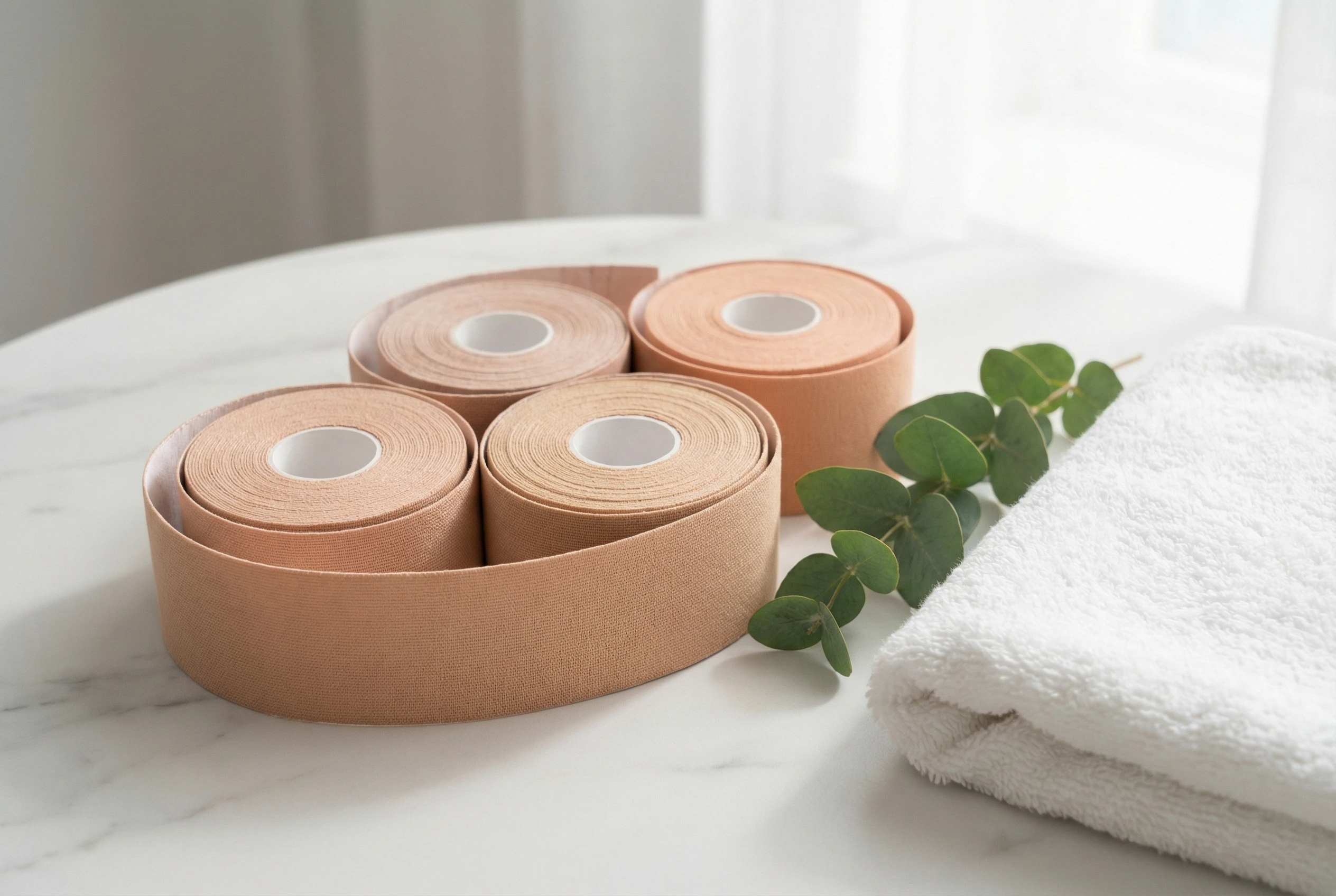
The main difference between thin and thick ones comes down to silicone dressing thickness. Thin silicone tape is usually super flexible, almost like a second skin, while thick scar sheets have more bulk, providing a bit of gentle pressure along with the hydration.
Pros and Cons of Thin Silicone Tape
Thin silicone tape is my favorite for everyday wear, especially on tricky areas. It’s lightweight, bends with your movements, and you barely notice it’s there.
Advantages:
- Super comfy for joints like knees, elbows, or even the face – no bunching up.
- Discreet under clothes; some are clear or really thin so they don’t show.
- Easier to cut and fit irregular shapes, like around a small cut or acne marks.
- Great for newer scars or prevention right after the wound closes.
Downsides:
- Might not give as much pressure on really raised scars.
- You may need to replace it more often if it loses stickiness.
From what I’ve seen with customers, thin silicone tape shines on linear scars from surgery or cuts that aren’t too bulky. One person I remember had a long incision on their arm – they used thin tape and said it stayed put even during workouts, and the scar flattened out nicely over a few months.
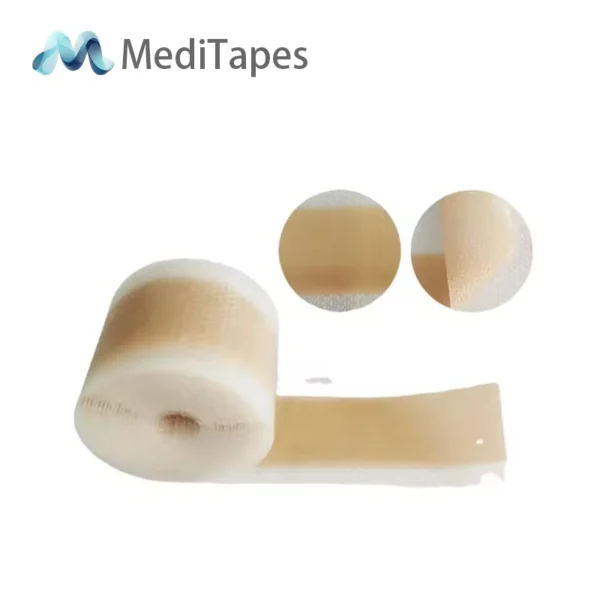
Blue Silicone Gel Tape with Perforation for Secure Medical Fixation
Our Blue Silicone Gel Tape features easy-tear perforation for quick medical application. This soft silicone gel tape provides secure fixation for IV lines and dressings while protecting the stratum corneum. Waterproof and flexible, it conforms to body contours perfectly for maximum patient comfort.
Pros and Cons of Thick Scar Sheets
Thick scar sheets are bulkier, often with more silicone layers for that extra occlusion and light compression.
Advantages:
- Better at applying gentle pressure, which helps flatten thick, raised hypertrophic or keloid scars.
- Provides fuller coverage for larger areas, like burn scars.
- Often reusable longer and holds up well.
Downsides:
- Can feel a bit stiff on moving parts.
- More noticeable, especially in hot weather when they might make you sweat more.
- Harder to fit on curved or small spots.
Clinical stuff points to thick ones being stronger for established raised scars. A study on burn patients showed silicone sheets helping reduce thickness more effectively on hypertrophic scars thanks to that pressure element.
Key Differences: Thin vs. Thick at a Glance
Here’s a quick table to compare them side by side – makes it easier to see the differences in silicone dressing thickness.
| Aspect | Thin Silicone Tape | Thick Scar Sheet |
|---|---|---|
| Thickness | Usually 0.3mm or less, very flexible | 1mm or more, more structured |
| Best For | Mobile areas, new/linear scars, prevention | Raised/hypertrophic/keloid scars, large areas |
| Comfort on Joints | Excellent – moves with you | Okay, but can restrict a bit |
| Pressure Provided | Light hydration focus | More compression for flattening |
| Visibility | Low – discreet | Higher – might show under tight clothes |
| Ease of Use | Quick to apply, cuttable | Needs trimming, sometimes tape to secure |
| Typical Wear Time | 12-24 hours/day | 12-24 hours/day, reusable |
This isn’t set in stone – some brands vary – but it gives you a general idea.
How to Choose Based on Your Wound Type
The big question: which one for your specific situation? It all ties back to the wound type and scar stage.
For Fresh, Closed Wounds or Linear Scars (e.g., Surgical Incisions)
Go thin. Thin silicone tape is ideal here because it conforms easily and starts prevention early. Guidelines suggest starting silicone as soon as the wound is closed – no open spots – to keep things flat from the get-go.
For Raised Hypertrophic Scars
Thicker is often better. That extra silicone dressing thickness gives mild pressure, which studies show helps reduce height and redness more on these bumpy ones.
For Keloids or Thick, Established Scars
Again, lean toward thick scar sheets. Research indicates they respond well to the consistent coverage and compression.
For Burns or Large Areas
Thick sheets for broader coverage, but if it’s on a joint, mix in some thin tape.
For Facial or Sensitive Spots
Definitely thin silicone tape – less irritation and more natural look.
One anonymous story: a customer had a bad burn on their hand that turned hypertrophic. They started with thick sheets but switched to thinner tape when it got itchy on the knuckles. Combo worked wonders – scar softened a lot after 4-5 months.
Always chat with your doc first, especially if the scar’s fresh or you’re prone to keloids.

Medical Non-woven Silicone Gel Tape for Sensitive Skin & Wound Care
This Non-woven Silicone Gel Tape offers gentle adhesion for fragile skin, ideal for frequent dressing changes. The breathable non-woven backing ensures comfort, while the soft silicone layer minimizes pain upon removal. Perfect for securing medical devices without causing trauma or residue.
Real Tips from Experience on Using Them
I’ve heard from tons of people using these at MediTapes, and consistency is key. Wear ’em 12-24 hours a day for at least 2-3 months, longer for stubborn scars.
- Clean the area gently before applying.
- If it irritates, take a break and moisturize.
- Combine with massage for extra softening.
- Sun protection is huge – scars hate UV.
Our medical non-woven silicone gel tape is a great thin option – flexible, breathable, and sticks well without hurting when you remove it.
For thicker needs, check out similar products on the site.
When to Expect Results
Most folks see fading redness in a month or two, flattening over 3-6 months. One meta-analysis showed significant improvements in height and pliability with consistent use.
Patience pays off – early start is best.
FAQ
What’s the main difference between thin silicone tape and thick scar sheets?
Thin ones are more flexible and discreet, great for movement and prevention. Thick scar sheets provide more pressure, better for flattening raised scars. It depends on silicone dressing thickness and your scar type.
Can I use thin silicone tape on keloid scars?
Yeah, but thick scar sheets might work better for heavy keloids due to extra compression. Many combine both.
How long should I wear silicone sheets or tape each day?
Aim for 12-24 hours. Start gradual if skin’s sensitive.
Is there any proof silicone really helps scars?
Yep – tons of studies, like Cochrane reviews, show reductions in thickness, color, and itch for hypertrophic and keloid scars.
If you’ve got questions about your specific scar or want options tailored to you, drop us a line at MediTapes. Head over to our contact page or email info@meditapes.com for a chat or quote. We’ve helped loads of people get smoother results – maybe we can do the same for you.