You know, things feel a bit more unpredictable these days. With global tensions running high, more folks – from security pros to everyday prepared types – are building out solid emergency kits. Tactical medicine isn’t just some military buzzword anymore; it’s spilling over into civilian life because people want gear that actually holds up when stuff hits the fan.
I’ve been around medical supplies for years, working hands-on with tapes, bandages, and trauma gear for field use. Seen what works in real scenarios and what just falls apart under pressure (literally). So let’s talk straight about why tactical trauma tape is getting so much attention, and how to pick durable stuff that won’t let you down.
What’s Driving the Boom in Tactical Medicine Anyway?
Look, it’s no secret – when the world news gets heavy, demand for ready-to-go medical kits jumps. Training programs like Stop the Bleed have taught millions how quick action saves lives, and folks aren’t stopping at basic first aid anymore. They’re going for military grade medical supplies that handle rough conditions: rain, dirt, sweat, movement.
The broader medical tapes and bandages market has been growing steady – reports show the global side hitting around $7-8 billion recently and climbing at 3-4% yearly. But the tactical/trauma niche? That’s heating up faster because of real-world needs in high-risk spots. Military modernization, law enforcement upgrades, and even private security teams are stocking more advanced gear.
In places where quick hemorrhage control matters most, durable tapes play a quiet but huge role. They secure dressings, make improvised fixes, hold splints steady – all while resisting tearing or losing stick in messy situations.

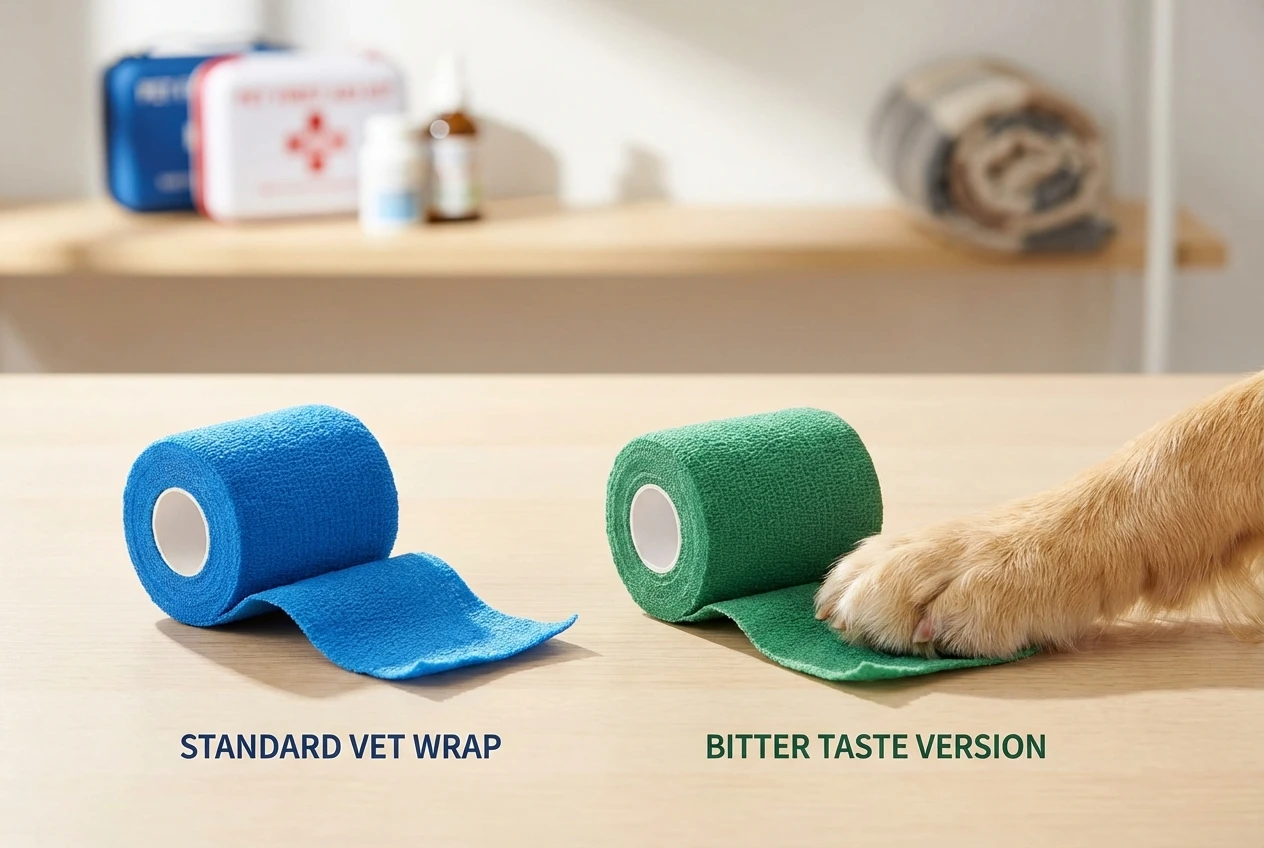
Waterproof Surgical PE Tape – Strong Adhesion for Tubing & IVs
Ensure critical device security with our Waterproof Surgical PE Tape. Engineered for moisture resistance, this heavy-duty Surgical PE Tape holds catheters and tubing firmly even in damp conditions. A reliable choice for surgery and ICU, offering durable fixation you can trust.
Key Features:
– Water-resistant barrier.
– High tensile strength for device fixation.
Why Tape Matters More Than You Think in a Real Emergency
Most people grab whatever tape’s handy – duct tape, regular medical tape – but in tactical setups, that’s risky. Ordinary stuff can fail when wet, or irritate skin bad enough to distract from the injury. Tactical trauma tape changes the game.
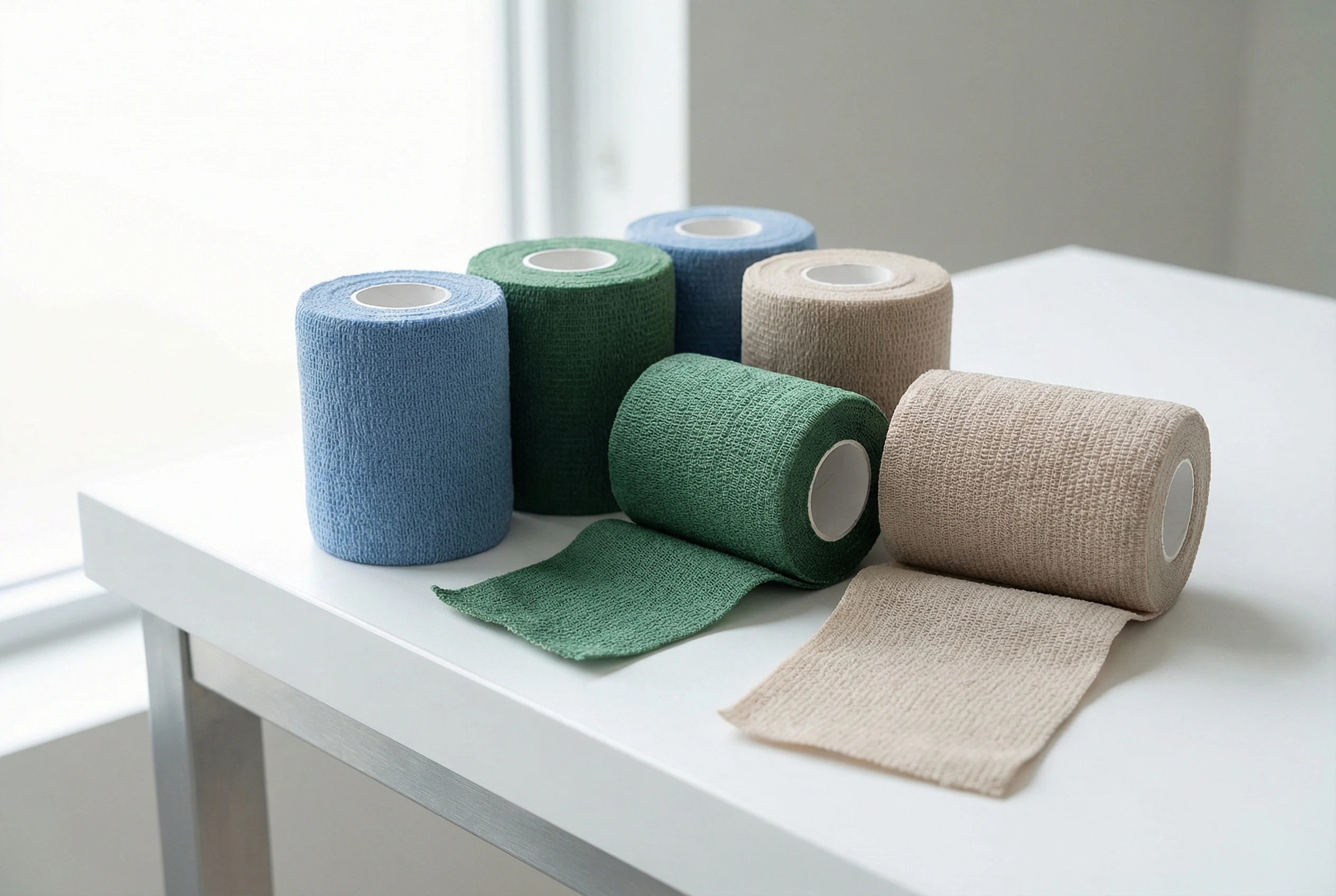
It’s built tougher: stronger adhesive that sticks through sweat and movement, yet tears by hand easy when you need it. Often wider for better coverage, and some versions have that rugged feel without being too aggressive on skin.
Think about it – you’re in the field, hands shaky from adrenaline, trying to wrap a wound under stress. The last thing you want is tape that slips or rips wrong. Good emergency bandage support starts with reliable tape to lock everything down.
Key Features to Look For in Durable Tactical Tape
Over the years I’ve tested a bunch (and patched up a few folks with them). Here’s what actually makes a difference:
- Adhesive strength – Needs to hold in wet, dirty, or bloody conditions without peeling off fast.
- Hand-tearable – No scissors? No problem. You gotta rip it quick.
- Width & length – 2-inch or wider rolls give better leverage for pressure wraps.
- Durability – Resists abrasion, won’t shred on gear edges.
- Skin-friendly – Hypoallergenic if possible, ’cause nobody wants extra irritation in a crisis.
- Compact packaging – Fits in IFAKs or pockets without bulk.
Some folks swear by cloth-based versions for long holds, others like reinforced ones that feel almost like mini duct tape but medical-grade.
Here’s a quick comparison table of typical tape types you might see in kits:
| Tape Type | Strength Level | Weather Resistance | Skin Irritation Risk | Best For | Typical Price Range |
|---|---|---|---|---|---|
| Standard Medical Tape | Medium | Low | Low | Everyday minor fixes | $2-5/roll |
| Cloth/Zinc Oxide Tape | High | Medium | Medium | Securing heavy dressings | $5-10/roll |
| Tactical Trauma Tape | Very High | High | Low-Medium | Field trauma, pressure wraps | $8-15/roll |
| Duct-Style Medical | Extreme | Very High | Medium-High | Improvised seals/splints | $10-20/roll |
The tactical trauma tape options usually win out for emergency kits because they balance toughness with usability.
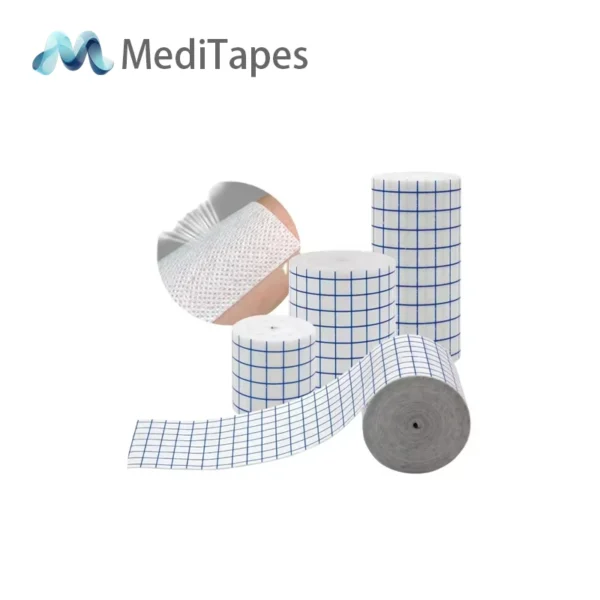
Soft Non-woven Fixation Roll for Catheters & Tubing – Latex Free
Ensure patient safety with our latex-free non-woven fixation roll. Specifically engineered for securing catheters, tubing, and instruments, this non-woven fabric dressing roll prevents accidental displacement. The soft, porous material reduces skin trauma upon removal, making it ideal for pediatric and geriatric care settings.
Real-World Spots Where This Stuff Shines
Can’t name names for privacy, but I’ve seen scenarios that drive the point home.
One time a security detail had a guy take a bad fall during training – deep laceration on the leg. They slapped on gauze, used tactical trauma tape to crank down pressure, and kept it secure through a bumpy evac. The tape didn’t budge even after 45 minutes of movement. Regular tape would’ve lifted and they’d have been re-wrapping mid-transport.
Another case: outdoor group in rough weather. Someone sliced their hand bad on gear. The military grade medical supplies in their kit – including wide trauma tape – let them make a solid wrap that held through rain and hiking out. No slipping, no re-dos.
These aren’t dramatic war stories, just everyday “oh crap” moments where durable gear made things smoother.
Common Mistakes People Make When Picking Tape
Don’t just go cheapest. I’ve watched kits fail because someone grabbed bargain-bin tape that lost stick after 10 minutes. Or they overload on fancy colors but skip actual durability testing.
Also, store it right – heat and humidity kill adhesive over time. Keep kits cool and dry.
And practice! Grab your tape, wrap a fake arm or leg a few times. You’ll spot weak spots quick.
How to Build a Better Emergency Kit Around Good Tape
Start with basics: tourniquet, emergency bandage (like pressure types), gauze packs.
Then layer in tactical trauma tape – get at least two rolls. One for primary use, one backup.
Pair it with military grade medical supplies like compressed gauze for packing, and hemostatic if you’re in high-risk zones.
Your kit should feel balanced – not too heavy, but ready for bad bleeds or breaks.
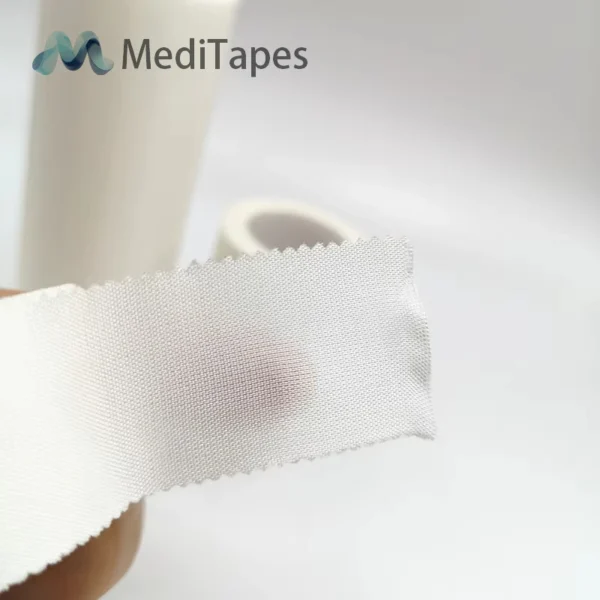
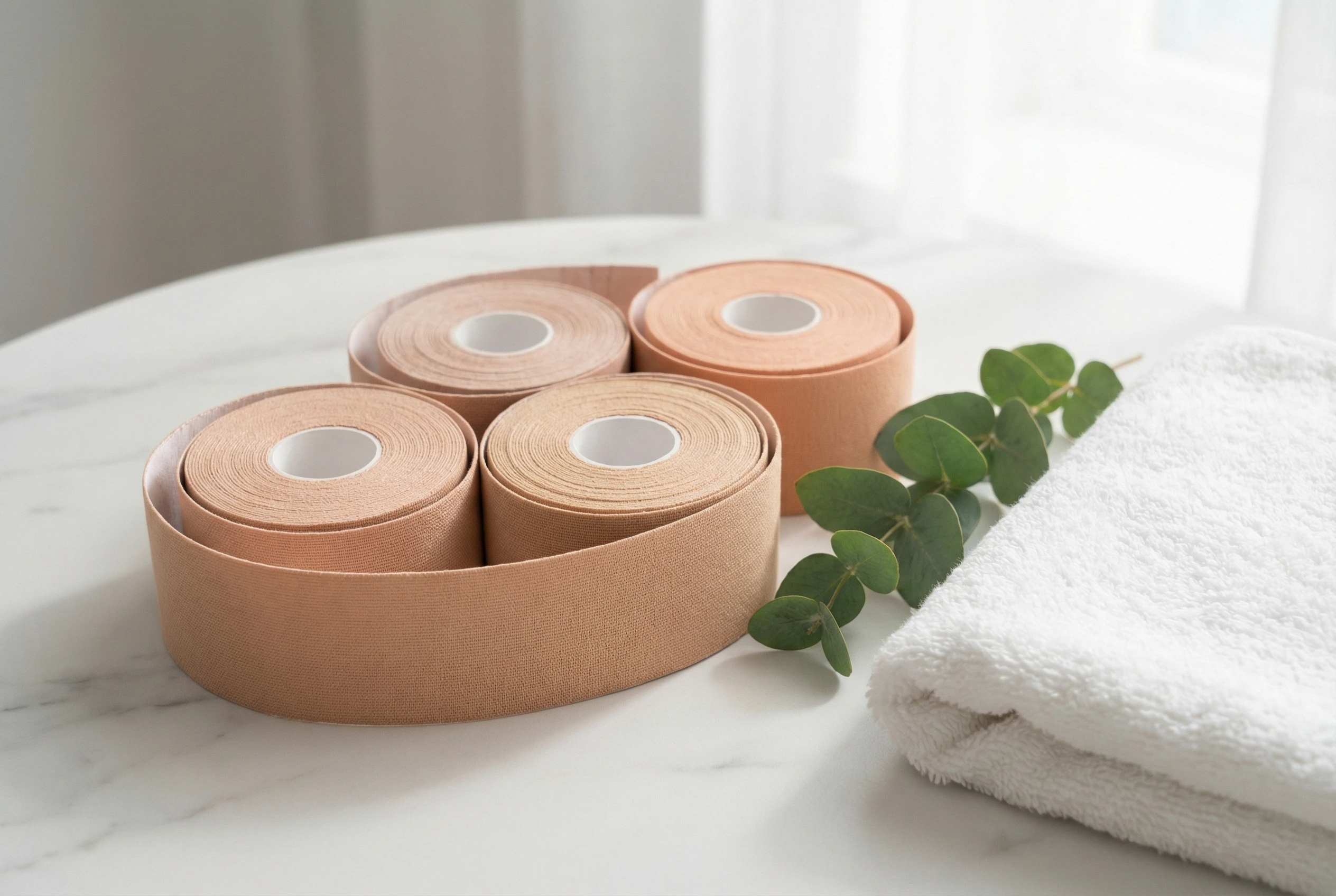
High-Strength Silk Medical Tape: Gentle Adhesion for Sensitive Skin & Clinical Use
Introducing our High-Strength Silk Medical Tape, specifically formulated for sensitive skin and demanding clinical environments. This non-woven silk medical tape offers gentle yet firm adhesion, ensuring dressings and devices stay securely in place without causing discomfort upon removal. Its robust construction provides excellent tensile strength for reliable long-term fixation. Perfect for patients with delicate skin or those requiring frequent dressing changes, our surgical silk tape is a versatile and indispensable tool in modern healthcare.
Wrapping This Up – Ready to Gear Up?
Tactical medicine is rising for good reason. People want reliable tools when seconds count, especially with the world feeling less stable. Good tactical trauma tape, solid emergency bandage options, and military grade medical supplies give you that edge.
At MediTapes, we’ve focused on exactly this – durable, field-tested tapes that hold up without the fluff. Check out our range at https://meditapes.com/ if you’re building or upgrading kits.
Got questions or need help picking the right stuff? Hit up our contact page https://meditapes.com/contact-us/ or drop a line to info@meditapes.com. Happy to chat specs or send quotes.
Stay prepared out there. It really does make a difference.
FAQ
Q: What’s the main difference between regular medical tape and tactical trauma tape?
A: Tactical versions are built tougher for rough conditions – better stick in wet/dirty situations, hand-tearable, and often wider for trauma wraps. Regular tape’s fine for small cuts but can fail fast in real emergencies.
Q: How many rolls of tactical trauma tape should go in a basic emergency kit?
A: At least two. One main roll for the job, and a spare because you never know when you’ll need extra length or have to improvise more than planned.
Q: Is tactical trauma tape safe for skin over long periods?
A: Most good ones use hypoallergenic adhesives to cut irritation. Still, check for sensitivity, and don’t leave it on forever without checking the wound. It’s meant for secure, temporary holds in tough spots.