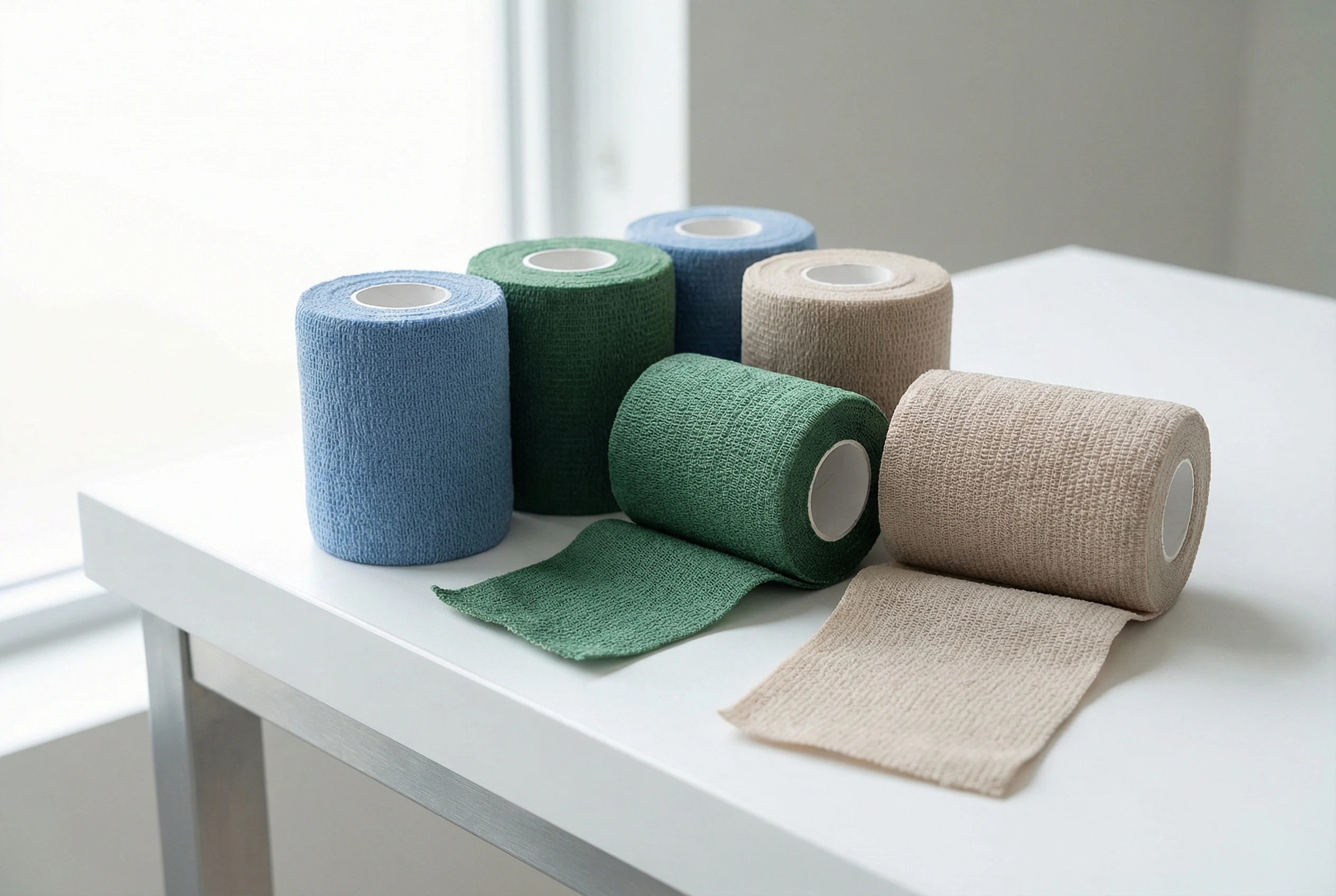
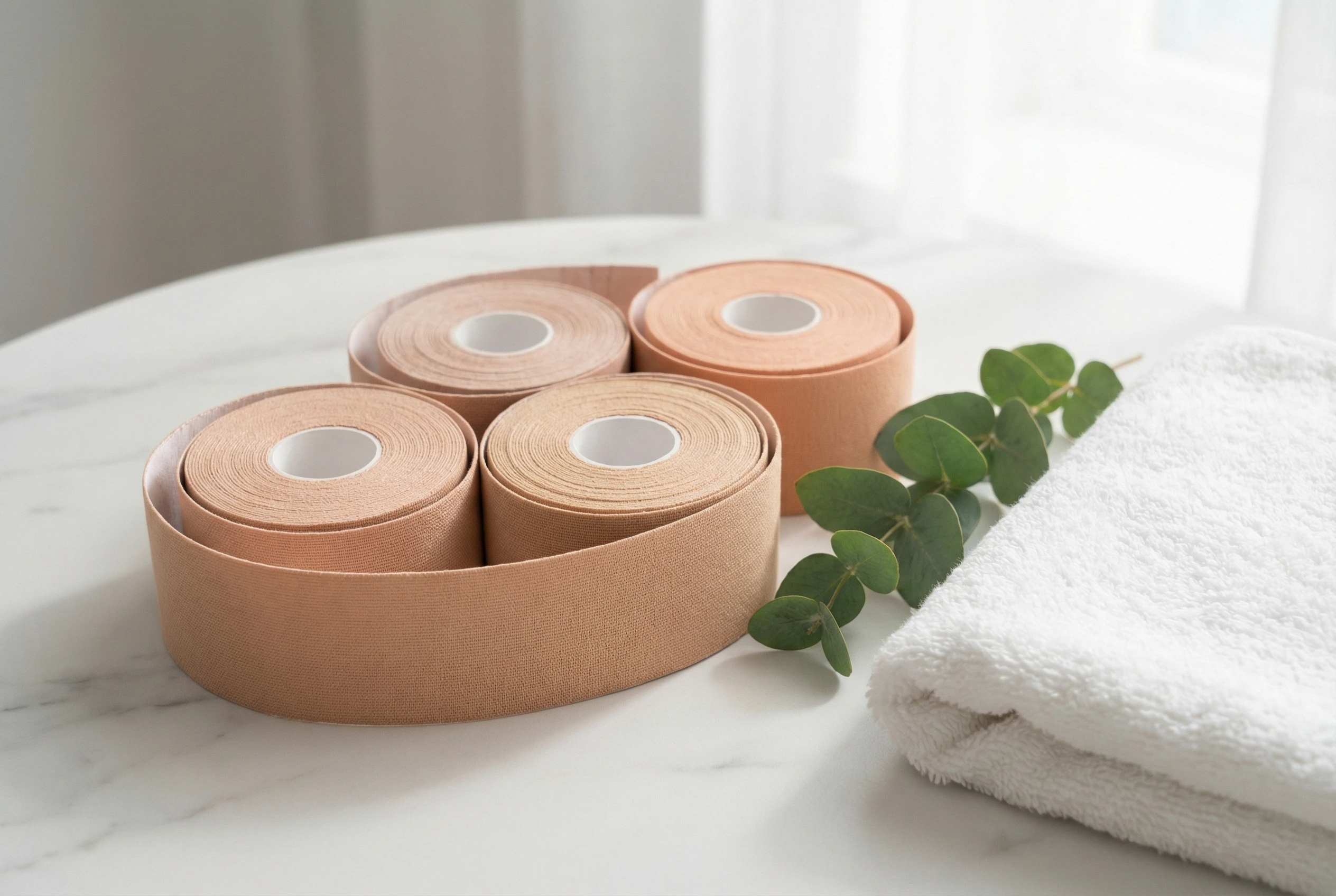
If you’ve ever been in a hospital or dealt with a wound at home, chances are you’ve seen that white, cloth-like tape holding everything in place. Yeah, that’s surgical silk tape – sometimes just called silk tape or hospital tape. It’s one of those everyday heroes in medical settings that doesn’t get much spotlight, but man, it does a lot. I’ve worked with tons of these tapes over the years, supplying them to clinics and hospitals through MediTapes, and I’ve heard all sorts of stories from nurses and docs about how reliable it is.
Let’s break it down simple-like. No fancy jargon, just straight talk.
Surgical Silk Tape Definition: What Exactly Is This Stuff?
Okay, first things first – what is surgical silk tape? It’s not actually made from real silk, funnily enough. The name comes from how it feels: smooth and kinda silky to the touch. Really, it’s a cloth-based adhesive tape, usually made from a woven material like acetate or polyester fabric (viscose rayon is common too). It’s coated with a hypoallergenic adhesive, often acrylic-based, that’s designed to stick strong but come off without ripping your skin apart.
From what I’ve seen – and trust me, we’ve handled thousands of rolls at MediTapes – the backing is porous, so air can get through, and it’s tough enough to hold heavy stuff but tears easily by hand. No scissors needed half the time, which is a big win in busy hospitals.
A quick look at it:
Brands like 3M’s Durapore are classics in this category – strong, breathable, and latex-free. Our own Surgical Silk Tape at MediTapes follows the same high standards: hypoallergenic, water-repellent, and super durable.
Why Hospitals Love Surgical Silk Tape: Medical Silk Tape Uses
Hospitals use tons of tape – it’s everywhere. From securing IV lines to holding dressings on post-op wounds. Surgical silk tape shines because it’s versatile. Here’s the main ways it’s used:
- Securing dressings and bandages: This is the big one. After surgery or for any wound, you slap a gauze or pad on, then tape it down with silk tape. It holds firm even if the patient moves around a lot.
- Fixing tubes and devices: Think catheters, IV tubing, nasogastric tubes – anything that needs to stay put. The strong adhesion keeps them secure without slipping.
- Bulky or heavy dressings: For bigger wounds or compression wraps (like in lymphedema care), silk tape’s strength is key. It doesn’t stretch out like some others.
- Sensitive skin situations: Since it’s hypoallergenic, it’s gentler on folks with allergies or fragile skin, like elderly patients or kids.
In my experience supplying to hospitals, nurses often grab silk tape for post-surgical incisions because it breathes well, reducing the chance of maceration (that soggy skin thing from trapped moisture).
And here’s how it looks in action on a dressing:
Real-world example: One clinic we work with told us (anonymously, of course) how they switched to our premium silk tape for orthopedic cases. Patients were moving more post-op, and the tape held dressings tight without irritating skin – fewer changes needed, happier patients.
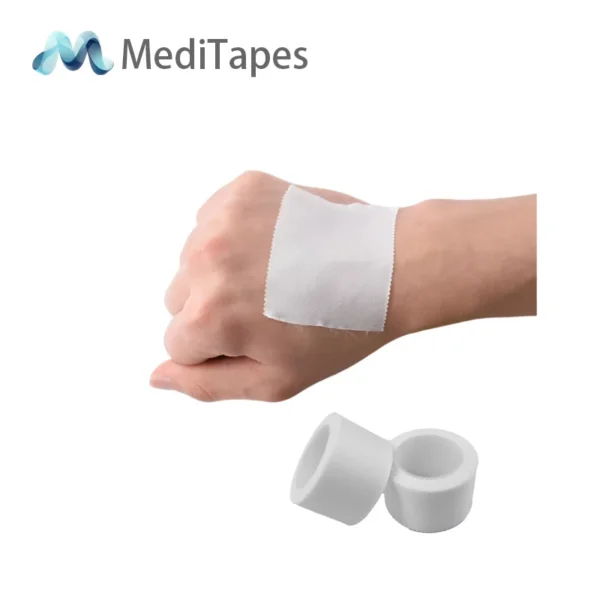
Premium Surgical Silk Tape: Hypoallergenic & Strong Adhesion for Medical & Wound Care
Discover our Premium Surgical Silk Tape, an essential choice for secure and gentle wound care. This high-quality silk medical tape offers exceptional adhesion while remaining hypoallergenic and breathable, making it ideal for delicate skin. Engineered for medical professionals, it provides reliable fixation of dressings, tubing, and devices. Its strong yet conformable nature ensures patient comfort and secure application in various clinical settings. Trust our surgical silk tape for superior performance and patient well-being.
How Surgical Silk Tape Stacks Up Against Other Hospital Tapes
Not all tapes are the same, right? Hospitals stock a few types depending on the job. Here’s a quick comparison to make it clear:
| Tape Type | Material/Backing | Strength/Adhesion | Breathability | Best For | Drawbacks |
|---|---|---|---|---|---|
| Surgical Silk Tape | Silk-like cloth (acetate/polyester) | High | Good | Heavy dressings, tubes, dry skin | Can be too strong for very fragile skin |
| Paper Tape (Micropore) | Porous paper | Low to medium | Excellent | Sensitive skin, frequent changes | Not great for wet or heavy areas |
| Transparent/Plastic Tape | Polyethylene film | Medium | Moderate | Monitoring wounds (see-through) | Less breathable, can trap moisture |
| Silicone Tape | Silicone adhesive | Gentle | Good | Fragile skin, long wear | Lower adhesion, more expensive |
Silk tape wins for that balance of strong hold and comfort. Paper’s super gentle but might not stick on sweaty skin. Transparent’s handy when you wanna peek at the wound without removing everything.
According to studies on medical tapes, cloth-based ones like silk are preferred for securing devices because they conform well and allow skin to breathe. One review showed they reduce skin irritation compared to less porous options.
Benefits of Using Surgical Silk Tape in Hospitals
So why pick silk over others? Here’s what stands out:
- Strong yet gentle adhesion: Sticks great to dry skin, holds heavy stuff, but removes with minimal residue or pain.
- Breathable and porous: Lets air in, helps prevent infections by keeping things dry-ish.
- Hypoallergenic: Most are latex-free, great for allergy-prone patients.
- Easy to use: Tears straight in both directions – no fumbling with scissors in a rush.
- Water-repellent: Handles a bit of moisture without losing grip.
Downsides? It can be a tad aggressive for super sensitive or damp skin – that’s when you’d switch to paper or silicone.
In hospitals, reducing medical adhesive-related skin injuries (MARSI) is huge. Silk tape helps there, especially when applied right.
How to Apply and Remove Surgical Silk Tape Properly
Application tips from years of feedback:
- Clean and dry the skin first – adhesion is better on dry areas.
- Don’t stretch it too tight – can cause blisters.
- Tear or cut to size, press down firmly.
- For removal: Peel slowly in the direction of hair growth, support the skin.
Pro tip: If it’s stubborn, a bit of adhesive remover helps.
We’ve seen cases where proper use cut down on skin tears big time in elder care units.
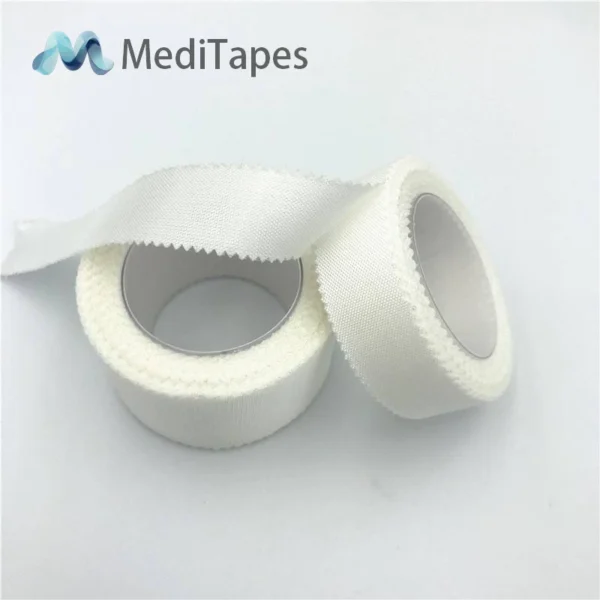
Professional Surgical Silk Tape Rolls – Bulk Supply for Hospitals & Clinics, Easy Tear & Residue-Free
Optimize your medical inventory with our Professional Surgical Silk Tape Rolls, available for bulk supply to hospitals and clinics worldwide. This high-quality surgical silk tape is engineered for efficiency, featuring easy-tear perforations for quick application and a residue-free removal that protects patient skin. Its consistent strong adhesion ensures reliable performance across diverse medical applications, from securing bandages to tubing. A cost-effective and essential choice, our medical silk tape enhances operational flow and patient safety in busy medical settings.
Real-Life Applications and Cases
Anonymously sharing: A hospital we supply switched to our Surgical Silk Tape for their ER. They were dealing with lots of trauma dressings that needed to stay put during transport. The tape held up better than their old brand, fewer re-applications, and patients complained less about itchiness.
Another: In a pediatric ward, they use it for securing IVs on wiggly kids – strong enough not to budge, but gentle on removal.
These aren’t rare; silk tape’s a staple because it just works.
Some Stats on Medical Tape in Hospitals
Medical tapes are used massively – one study across units found securing IVs and wound dressings as top uses. Contamination risks exist if rolls are shared sloppily, so individual packaging is becoming more common.
Hypoallergenic options like silk reduce reactions significantly.
Wrapping It Up: Is Surgical Silk Tape Right for Your Needs?
If you’re new to this, surgical silk tape is a reliable, all-around hospital tape for most securing jobs. It’s defined by its cloth-like strength and silky feel, perfect for medical silk tape uses like dressings and devices.
At MediTapes, we’ve focused on making premium versions that tick all the boxes – check out our product here.
Got questions or need a quote? Drop us a line at info@meditapes.com or visit our contact page. We’d love to help you find the right tape.
Or browse more at https://meditapes.com/.
Frequently Asked Questions About Surgical Silk Tape
1. Is surgical silk tape hypoallergenic?
Yeah, most modern ones are – latex-free and designed to minimize reactions. Great for sensitive skin, though always patch test if unsure.
2. Can surgical silk tape get wet?
It’s water-repellent, so it handles splashes or sweat okay, but not fully waterproof like plastic tapes. For showers, maybe cover it or switch types.
3. How does surgical silk tape differ from regular cloth tape?
Silk tape’s often thinner and smoother, with better durability on dry skin. Stronger hold for heavy duties, while regular cloth might be bulkier.
4. Is it safe for long-term use in hospitals?
Absolutely, as long as you change dressings regularly and watch for irritation. It’s breathable, which helps with extended wear.
5. What’s the best way to remove surgical silk tape without hurting skin?
Go slow, peel back at a low angle, and hold the skin taut. Oil-based removers can help if it’s really stuck.