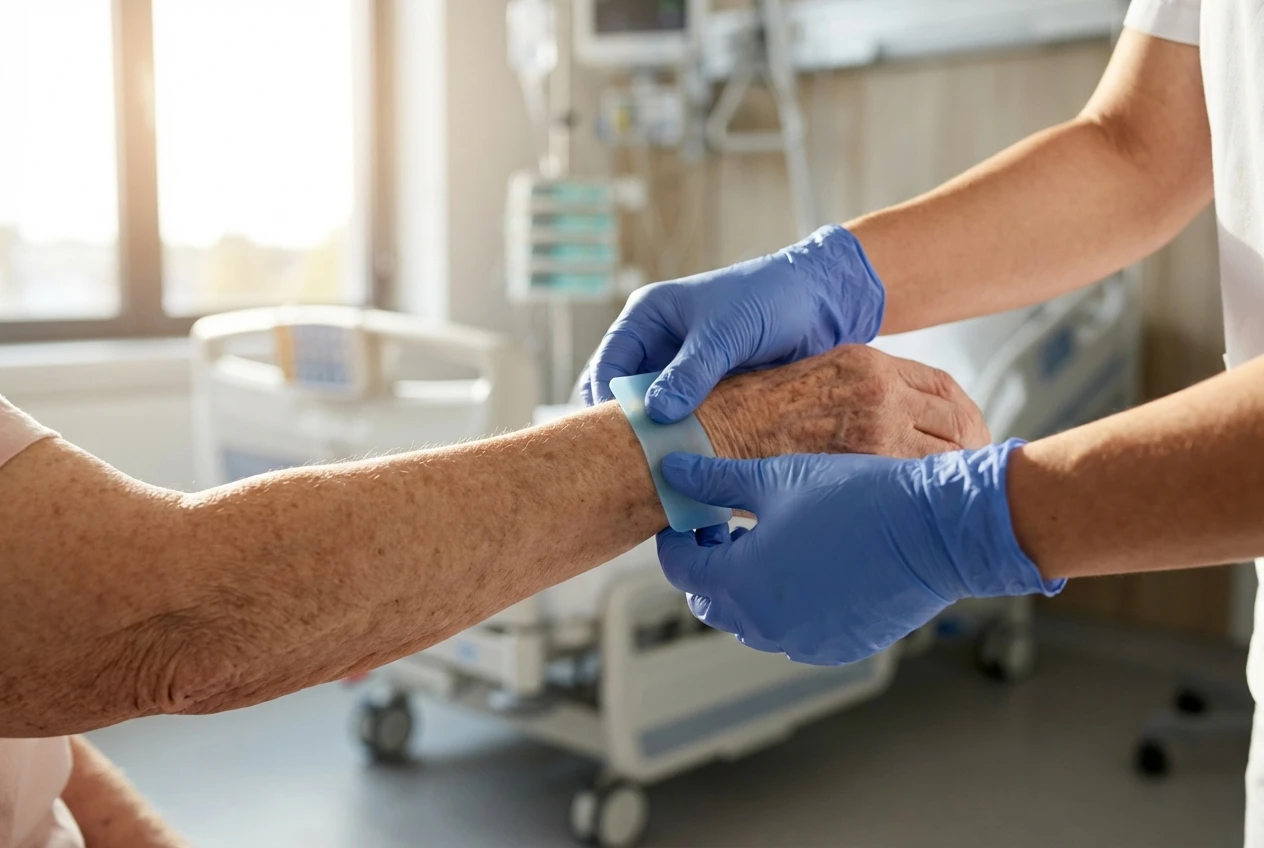
I’ve gotten this question a bunch over the years from folks dealing with cuts, scrapes, or post-surgery stuff. You know, that moment when you’re staring at a roll of tape and thinking, “Can I just slap this right on the wound to hold things together?” It’s tempting, right? Especially if it’s something like our Medical Non-woven Tape at MediTapes, which is super soft and breathable. But let’s chat about it honestly – no, you really shouldn’t put surgical non-woven tape directly on an open wound most of the time. There’s good reasons for that, mostly around keeping things clean and avoiding trouble like infections.
What Even Is Surgical Non-woven Tape?
Okay, quick rundown. Surgical non-woven tape – sometimes called paper tape or micropore-style tape – is that soft, kinda fuzzy stuff made from non-woven fibers. It’s not like regular duct tape or even cloth tape; it’s designed for medical use. Breathable, gentle on skin, tears easy by hand. Brands like 3M Micropore are classics, and yeah, our version at MediTapes is similar but with that water-repellent edge for extra protection.
People love it because it sticks well without yanking hairs or leaving gooey residue. But it’s mainly for securing dressings, not as the main cover for raw, open wounds.
So, Can You Put It Straight on an Open Wound?
Short answer: Not recommended for most open wounds. Here’s why.
Open wounds – think fresh cuts, abrasions, surgical incisions that aren’t fully closed, or anything oozing – need protection from bacteria. Tape alone doesn’t do that job well. Even if it’s labeled “sterile surgical tape,” putting it directly on can trap moisture, block air flow a bit, or introduce tiny risks if it’s not perfectly clean.
From what I’ve seen in clinics and read in guidelines (like from Cleveland Clinic and wound care pros), tape is best for holding a sterile gauze or pad in place. Direct contact? That can up the wound infection risk. Studies show surgical site infections happen in about 2-5% of cases overall, and improper dressing bumps that up – things like not using a barrier dressing contribute.
One thing that sticks with me: Medical adhesive can sometimes cause skin irritation or even small tears when removed, especially on fragile skin. That’s called MARSI (medical adhesive-related skin injury), and it can open the door to infections if the wound’s exposed.
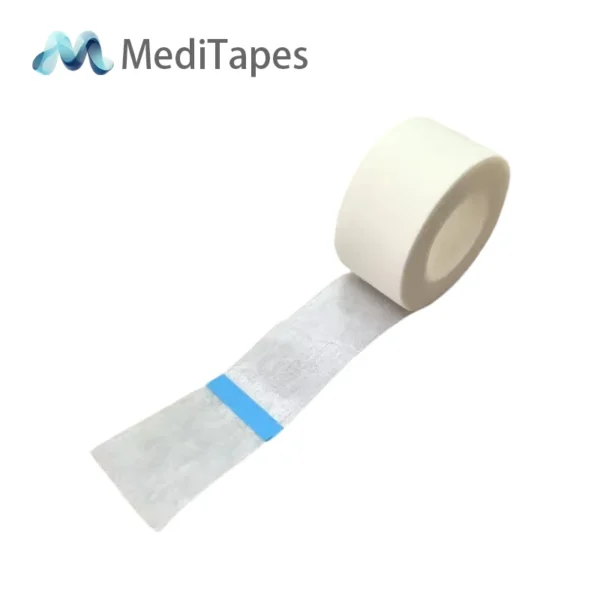
Water Repellent Medical Non-woven Tape | Strong Adhesion Dressing
Experience secure holding power with our water-repellent Medical Non-woven Tape. Perfect for wound dressing in humid conditions, it maintains strong adhesion without compromising breathability. Trust this durable medical non-woven tape to keep IVs and bandages in place securely.
Wound Infection Risk: Let’s Get Real About the Numbers
Nobody wants an infection – it slows healing, hurts more, and sometimes needs antibiotics or worse. According to reliable sources like the CDC and wound journals:
- Surgical site infections affect up to 3-5% of surgeries, but improper wound care (like no sterile barrier) can push risks higher.
- In one study on postoperative wounds, rates were around 4.7% when dressings weren’t handled perfectly.
- Chronic wounds? Overuse of antibiotics happens in 60%+ cases partly because infections sneak in from poor coverage.
Direct tape on open spots? It might not let the wound breathe right or keep bacteria out. Always pair with a sterile dressing.
| Factor | Direct Tape on Open Wound | Tape Over Sterile Dressing |
|---|---|---|
| Infection Risk | Higher (potential contamination, trapped moisture) | Lower (barrier protects) |
| Breathability | Limited if sealed tight | Good, with proper pad |
| Healing Time | Can delay if irritated | Supports faster recovery |
| Skin Irritation | More likely on raw areas | Gentler on surrounding skin |
| Best For | Closed incisions only (with doc approval) | Most open wounds |
When Might It Be Okay? (Spoiler: Rarely Direct)
There are exceptions. For super shallow, clean cuts or closed surgical incisions, some docs use sterile tape strips (like Steri-Strips) right on the skin to pull edges together. That’s different – those are reinforced and meant for low-tension wounds.
But for oozing or deeper open wounds? Nope. Always cover with a sterile pad first.
I’ve heard from nurses: One patient tried taping a bad scrape directly – ended up with redness and extra swelling. Switched to gauze plus tape, and it cleared up quick.
Safe Applying Tape on Wounds: Step-by-Step Tips
If you’re using tape (and you should, to secure things), here’s how to do it right. I’ve done this myself on minor stuff and seen it work wonders.
- Clean hands first – wash up good.
- Gently clean the wound with saline or mild soap/water. Pat dry.
- Apply a sterile dressing – gauze, non-stick pad, whatever your doc says.
- Cut tape pieces – don’t stretch it too tight.
- Stick it over the dressing, overlapping onto skin by about an inch.
- Press gently to secure, but not so hard it cuts circulation.
Pro tip: If skin’s sensitive, use a skin barrier wipe first.
Our Medical Non-woven Tape is great here – it’s soft, repels water a bit (handy for showers), and holds without irritating.
Common Mistakes That Up Wound Infection Risk
- Taping too tight – restricts blood flow.
- Leaving wet – change if soaked.
- Reusing tape – always fresh.
- Ignoring signs like redness, pus, or smell.
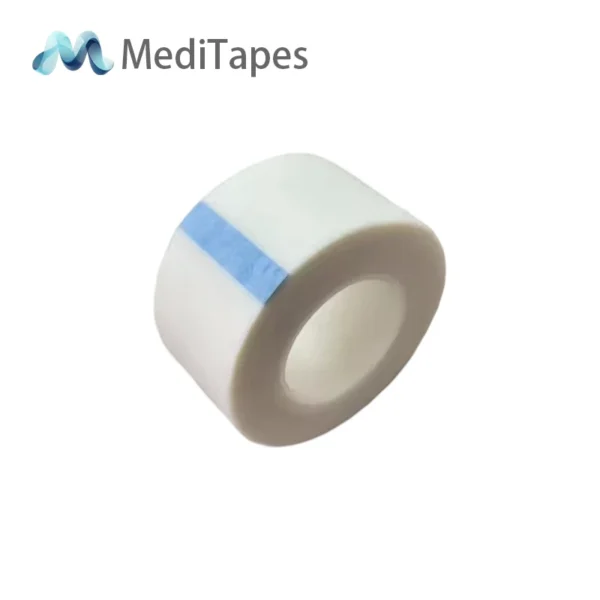
OEM Medical Non-woven Tape Rolls | Microporous Adhesive Plaster
We provide customizable OEM Medical Non-woven Tape rolls to meet your brand specifications. This microporous adhesive plaster features soft conformity and pain-free removal. Partner with us for high-quality medical non-woven tape manufacturing and competitive factory pricing.
Why Sterile Surgical Tape + Dressing Is the Gold Standard
Sterile means it’s packaged clean, reducing bacteria from the start. But even sterile tape isn’t a full shield. Pair it with absorbent, sterile dressings for best results.
From experience: Post-surgery patients who stuck to dressing + tape healed smoother, less scarring.
One anonymous story – a guy after minor surgery used just tape. Got minor irritation. Switched to proper setup, and it was fine. Lesson learned.
Different Tapes: Non-woven vs Others
Non-woven (like ours) is breathable, gentle – perfect for sensitive skin.
Vs micropore: Pretty similar, both paper-like, hypoallergenic.
Vs cloth: Stronger but less breathable.
Vs silicone: Even gentler removal, but pricier.
For wounds, non-woven wins for everyday securement.
| Tape Type | Breathable? | Gentle on Skin? | Best Use |
|---|---|---|---|
| Non-woven | Yes | Very | Securing dressings |
| Micropore | Yes | Very | Similar, light fixation |
| Cloth | Somewhat | Moderate | Heavy dressings |
| Silicone | Yes | Super | Fragile skin |
Real-Life Scenarios
Picture this: Kid falls, knee scrape. Clean it, pad on, tape to hold. Heals in days.
Or post-op: Doc says use sterile gauze, secure with non-woven tape. No issues.
We’ve had customers at MediTapes say our tape made changing dressings less of a hassle – stayed put but came off easy.
When to See a Pro
If wound’s deep, bleeding won’t stop, signs of infection (fever, swelling), or you’re unsure – head to doc or ER.
Better safe.
Wrapping It Up (Pun Intended)
Bottom line: Don’t use surgical non-woven tape directly on open wounds. Always team it with a sterile dressing to cut down wound infection risk and help healing.
If you’re looking for quality stuff, check our Medical Non-woven Tape – it’s designed for this exact job.
Got questions? Drop us a line at info@meditapes.com or visit https://meditapes.com/contact-us/ for quotes or more info. We’re here to help you heal right.
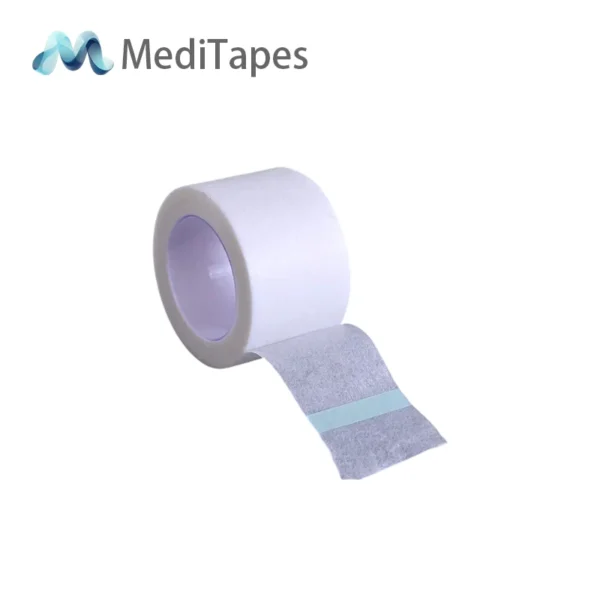
Wholesale Medical Non-woven Tape | Soft & Conformable Surgical Tape
Bulk buy our Wholesale Medical Non-woven Tape, featuring a soft, conformable texture for joint areas. This surgical tape allows moisture evaporation to aid healing. As a trusted supplier, we deliver premium medical non-woven tape tailored for pharmacies and medical distributors globally.
FAQ
Can surgical non-woven tape cause infections if used directly on wounds?
Yeah, it can raise the risk if no barrier – bacteria might get trapped or introduced. Studies show improper dressings contribute to 2-5% infection rates in surgical cases.
Is sterile surgical tape safe for open wounds?
Sterile helps, but still best over a dressing, not direct. Guidelines from places like Cleveland Clinic say use tape to secure pads.
What’s the best way for applying tape on wounds?
Clean area, sterile pad first, then tape loosely over it. Change if wet or dirty.
Any alternatives to tape for open wounds?
Hydrocolloid dressings or transparent films sometimes, but consult a pro.
How long can I leave tape on a wound dressing?
Usually 1-2 days, or until soiled. Check daily.