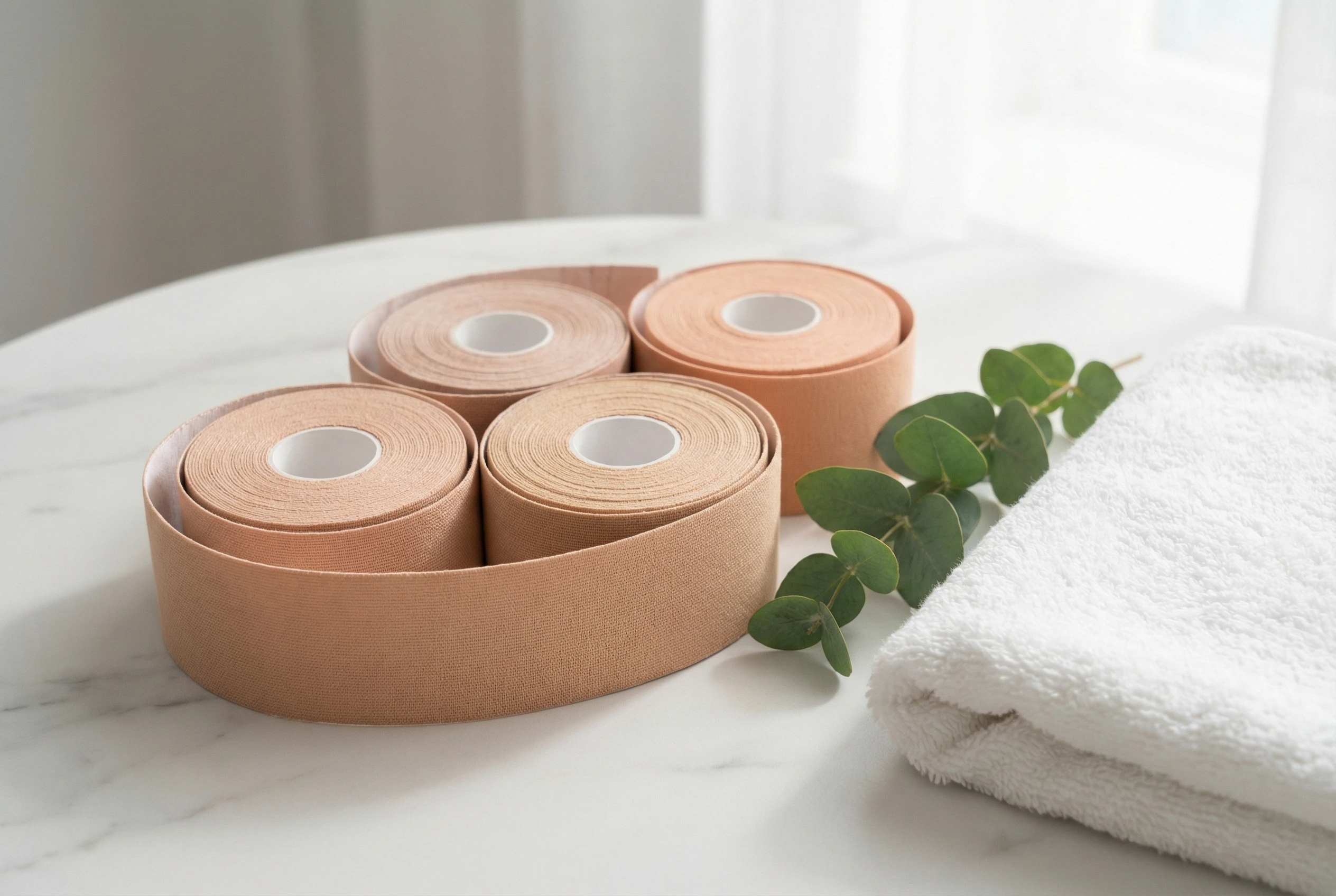
If you’re a nurse, doctor, or anyone working in wound care or surgery, you’ve probably grabbed a roll of surgical non-woven tape more times than you can count. It’s that soft, breathable stuff that sticks well without tearing up skin when you pull it off. But let’s be real—most folks just call it “medical tape” and move on. In this guide, we’ll dig into what Surgical Non-woven Tape really is, its makeup, and why it’s a go-to for so many situations.
I’ve been around medical supplies for years, and I can tell you this tape has saved a lot of headaches in the OR and on the ward. We’ll cover the basics, compare it to other types, and throw in some practical tips from real use. Stick around (pun intended), and by the end, you’ll know exactly when to reach for this one.
Understanding the Basics: What is Surgical Non-woven Tape?
Surgical Non-woven Tape is basically a pressure-sensitive adhesive tape designed for medical use. Its main job? Holding dressings, bandages, or devices in place without causing drama on the skin. Unlike regular sticky tape, it’s made to be gentle, breathable, and reliable in wet or sweaty conditions.
The medical tape definition is straightforward: it’s an adhesive tape that secures medical items to skin or other surfaces. But non-woven fabric tape stands out because it’s not woven like cloth—it’s made by bonding fibers together randomly. This gives it a soft, cloth-like feel without the rigid structure of traditional woven tapes.
In simple terms, it’s the tape you use when you need something that conforms to body curves, lets skin breathe, and comes off without ripping hair or causing pain. Perfect for sensitive patients or long-term applications.
Key Components of Non-Woven Tape
Most Surgical Non-woven Tape uses:
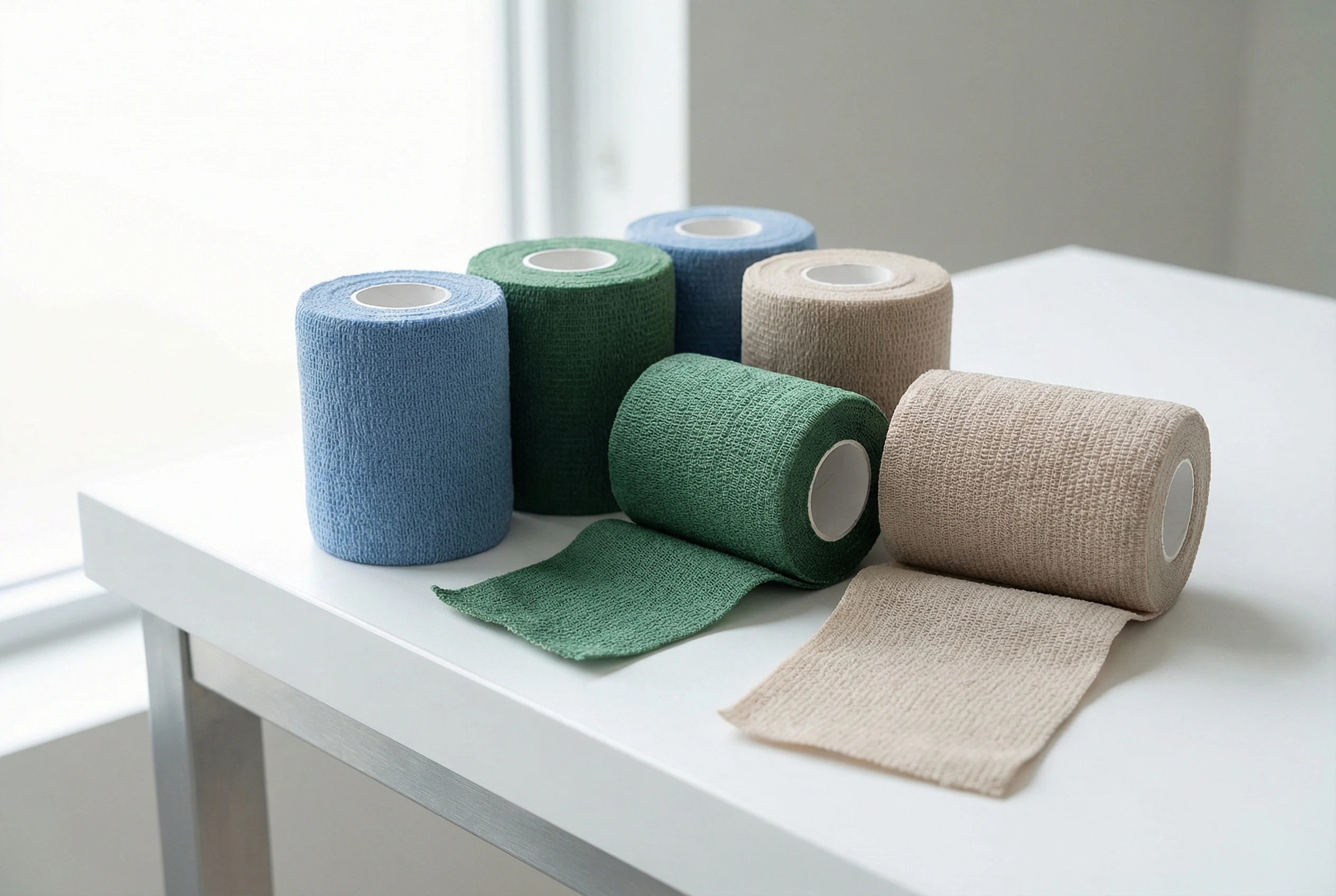
- Backing → Spunlace or spunbond non-woven fabric (usually polyester or rayon fibers bonded without weaving).
- Adhesive → Hypoallergenic acrylic or silicone-based pressure-sensitive adhesive.
- Release liner → Paper or film that’s easy to peel off.
These materials make it lightweight and flexible. Some versions add micropores for extra breathability.
| Component | Material Options | Main Benefit |
|---|---|---|
| Backing | Non-woven polyester/rayon | Soft, conformable, breathable |
| Adhesive | Acrylic or silicone | Gentle hold, minimal skin trauma |
| Release Liner | Siliconized paper | Easy application, no sticking issues |
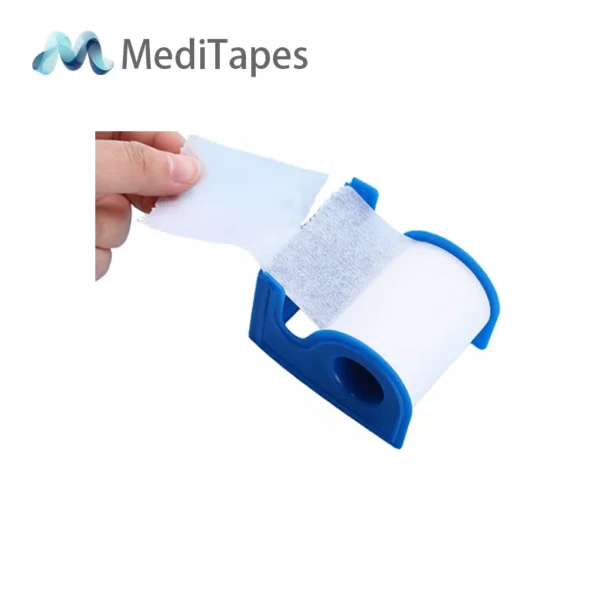
Medical Non-woven Tape Manufacturer | Breathable Surgical Paper Tape
Our Medical Non-woven Tape offers superior breathability and strong adhesion for wound care. This microporous surgical paper tape is hypoallergenic and gentle on sensitive skin. Choose our CE-certified medical non-woven tape for reliable dressing fixation and bulk wholesale supply.
Material Composition: Why Non-Woven Fabric Makes a Difference
Non-woven fabric isn’t spun and woven like traditional cloth. Instead, fibers are laid out and bonded using heat, chemicals, or mechanical methods. This process creates a porous structure that’s naturally breathable.
Compared to woven cloth tape (stronger but less flexible) or paper tape (super gentle but fragile), non-woven strikes a nice balance. It’s durable enough for daily use but soft on skin.
Breathability and Moisture Management
One big plus? It lets air and moisture vapor pass through. Studies show good breathability reduces maceration (skin softening from trapped moisture) and lowers infection risk. In wound care, this means drier, healthier skin around the dressing.
Adhesion Properties
The adhesive grabs well initially and holds during movement or sweating. But it’s designed to release gently—no yanking needed. This is huge for fragile skin patients, like the elderly or kids.
Common Uses of Surgical Non-woven Tape in Medical Settings
This tape shines in everyday clinical work. Here’s where it gets used most:
- Securing wound dressings and bandages
- Fixing IV lines, catheters, or tubing
- Holding surgical drapes during procedures
- Supporting ostomy bags or monitoring devices
In hospitals, it’s often the first choice for post-op care. One case I recall: a patient with diabetes had sensitive skin after foot surgery. Regular cloth tape caused irritation, but switching to non-woven tape kept things secure without redness or pain. Simple fix, big comfort gain.
It’s also great for long-term wear—think chronic wounds or rehab patients.
Advantages and Disadvantages: A Quick Comparison
| Feature | Non-Woven Tape | Woven Cloth Tape | Paper Tape |
|---|---|---|---|
| Breathability | Excellent | Good | Very good (microporous) |
| Conformability | High (stretches with body) | Moderate | Low (less flexible) |
| Strength/Durability | Good | Excellent | Fair (tears easily) |
| Skin Friendliness | High (hypoallergenic) | Moderate | Very high |
| Cost | Moderate | Higher | Lower |
| Best For | Sensitive skin, long wear | Heavy dressings, joints | Fragile skin, short-term |
Non-woven wins for comfort and versatility, but if you need super-strong hold, go woven.
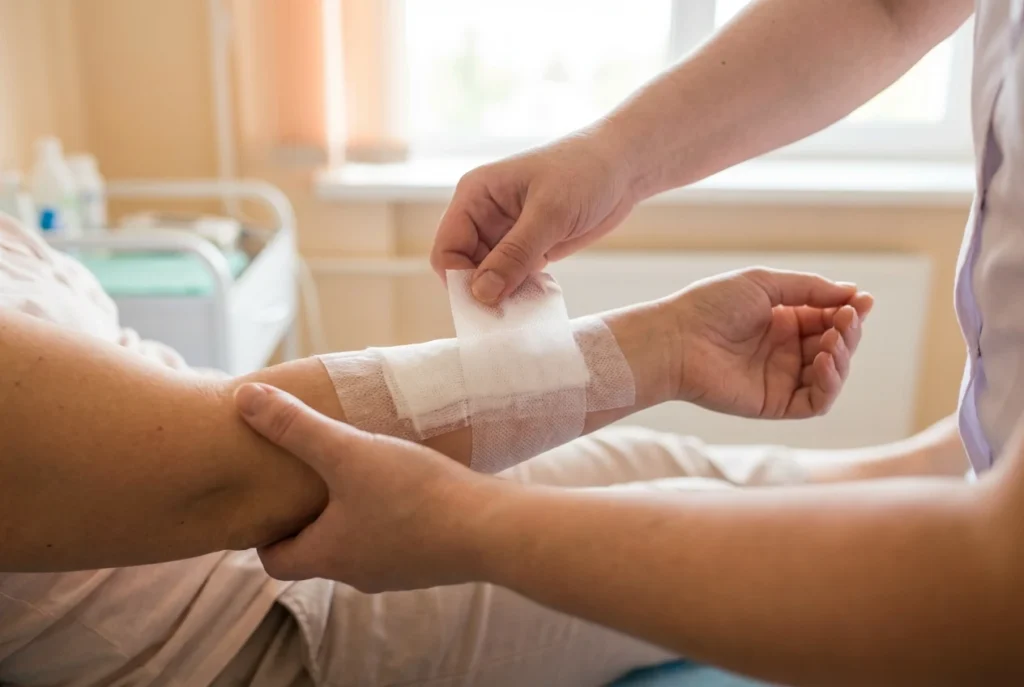
How to Choose the Right Surgical Non-woven Tape
Pick based on patient needs:
- Sensitive skin? Go hypoallergenic versions.
- Wet areas? Look for water-resistant options.
- Long wear? Check for extended-adhesion formulas.
Always test a small area if allergies are a concern.
At MediTapes, we focus on high-quality Medical Non-woven Tape that’s breathable, gentle, and reliable. Check out our product here: Medical Non-woven Tape.
Real-World Tips for Using Non-Woven Tape Effectively
Apply to clean, dry skin for best hold. Tear by hand—most rolls are perforated. Overlap slightly when securing dressings. Remove slowly at a low angle to avoid pain.
Pro tip: Warm the tape between your hands before applying—it flows better on contours.
Frequently Asked Questions (FAQ)
Q: Is Surgical Non-woven Tape the same as paper tape?
A: Not quite. Paper tape is often microporous and super gentle, but non-woven is fabric-like, more durable, and better for movement.
Q: Can it be used on babies or elderly patients?
A: Yes! Its hypoallergenic adhesive and breathability make it ideal for fragile skin.
Q: How long can it stay on?
A: Depends on the product and conditions—usually 24-48 hours for dressings, longer for device fixation.

Hypoallergenic Medical Non-woven Tape for Sensitive Skin Fixation
Designed for patient comfort, this Hypoallergenic Medical Non-woven Tape prevents skin irritation during long-term use. Ideal for securing catheters and dressings, our medical non-woven tape ensures air permeability. Safe, latex-free, and easy to tear for efficient clinical application.
Ready to Try High-Quality Surgical Non-woven Tape?
If you’re looking for reliable Medical Non-woven Tape that balances comfort and performance, MediTapes has you covered. Our products are designed with real clinical needs in mind.
Head over to https://meditapes.com/product/medical-non-woven-tape/ to learn more or grab some samples. Got questions? Drop us a line at info@meditapes.com or visit our contact page.
Your patients will thank you for choosing the right tape. What’s your go-to for wound care? Let us know—we’re always swapping tips!