If you’ve ever grabbed a bandage from the cabinet and wondered why some say “sterile” and others don’t, you’re not alone. I’ve been around wound care supplies for years now, stocking first aid kits, helping folks in clinics, and even patching up my own scrapes on the trail. The truth is, picking between a sterile wound dressing and a non-sterile elastic bandage isn’t just about what’s handy—it’s about keeping things safe and helping healing happen without extra hassle.
Let’s break it down real simple, like we’re chatting over coffee. Sterile stuff means it’s been treated to kill off pretty much all germs—no bacteria, no nothing that could cause trouble. Non-sterile? It’s clean from the factory, but not guaranteed germ-free the same way. One’s for when infection risk is real, the other’s for support or covering stuff that’s already okay.
Why Does Sterility Even Matter?
Look, germs are everywhere. Your skin usually does a great job keeping them out, but once there’s a break—like a cut, scrape, burn or after surgery—that protection’s gone. A dirty dressing can introduce bacteria right into the wound, turning a small problem into something swollen, red, and nasty.
From what I’ve seen (and what studies back up), using sterile gear on open or fresh wounds cuts infection chances big time. One review looked at different techniques and found no big jump in infections when switching to clean methods for some cases, but for open or surgical stuff, sterile is still the go-to early on. The CDC mentions sterile dressings for the first 24-48 hours after surgery to keep things protected while the site closes up.
But here’s the thing—not every bandage needs to be sterile. Overusing sterile ones jacks up costs and isn’t always needed. Non-sterile elastic bandages shine when you’re wrapping a sprain or holding a pad in place.
Key Differences at a Glance
Let me put this in a table so it’s easy to compare. I’ve pulled this together from hands-on use and reliable sources like wound care guidelines.
| Aspect | Sterile Wound Dressing | Non-Sterile Elastic Bandage |
|---|---|---|
| Sterility Level | Completely free of microorganisms (processed in sterile environments) | Clean but not guaranteed germ-free |
| Best For | Open wounds, cuts, burns, surgical incisions, high infection risk | Sprains, strains, securing pads, closed wounds, support |
| Direct Wound Contact | Yes—primary dressing on broken skin | Usually no—secondary or wrap only |
| Cost | Higher (individual packaging adds expense) | Lower, often in bulk rolls |
| Common Examples | Sterile gauze pads, adhesive sterile bandages | ACE-style wraps, cohesive bandages |
| When Opened | Single-use only—sterility lost once exposed | Can be reused if clean (but wash hands first!) |
| Infection Risk Reduction | High for vulnerable wounds | Fine for low-risk situations |
See? It’s not one better than the other—it’s about matching the tool to the job.
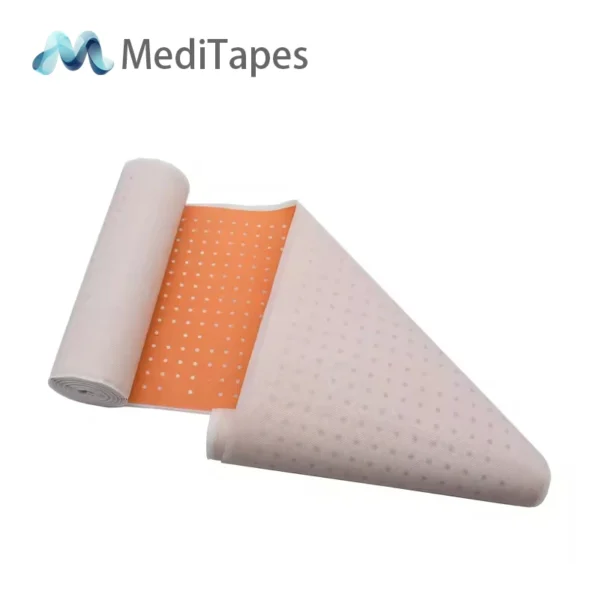
Porous Zinc Oxide Adhesive Plaster Tape – Easy Tear & High Adhesion
Experience the balance of strong hold and easy removal with our porous zinc oxide adhesive plaster. The perforated structure ensures air permeability, promoting wound healing. “Easy tear” edges allow quick application without scissors. A versatile adhesive plaster for general wound care.
When You Should Grab a Sterile Wound Dressing
Okay, let’s get into the when. If the skin’s broken and there’s any chance of dirt or deeper damage, go sterile every time.
- Fresh cuts or lacerations that bleed a lot or look deep
- Burns (even minor ones—blisters count)
- Post-op incisions in the first couple days
- Any wound that’s oozing, or on someone with diabetes/poor circulation (infection hits harder there)
- Animal bites or punctures—those carry extra bacteria risk
In my experience, skipping sterile on these can lead to bigger problems. I remember one guy who sliced his hand on a job site—used a regular wrap thinking it’d be fine. Ended up with redness spreading fast. Switched to proper sterile wound dressing from our MediTapes line and it calmed down quick. Lesson learned.
For surgical supplies, sterile is standard in operating rooms for a reason. It keeps everything as clean as possible when the body’s defenses are down.
When Non-Sterile Elastic Bandage Makes More Sense
Now flip it. Non-sterile is perfect when the wound’s closed or you’re not touching the open part directly.
- Sprained ankle or wrist—wrap for compression and support
- Holding a sterile pad over a cut after initial cleaning
- Minor bruises or strains where skin’s intact
- Securing IV lines or covering healed areas
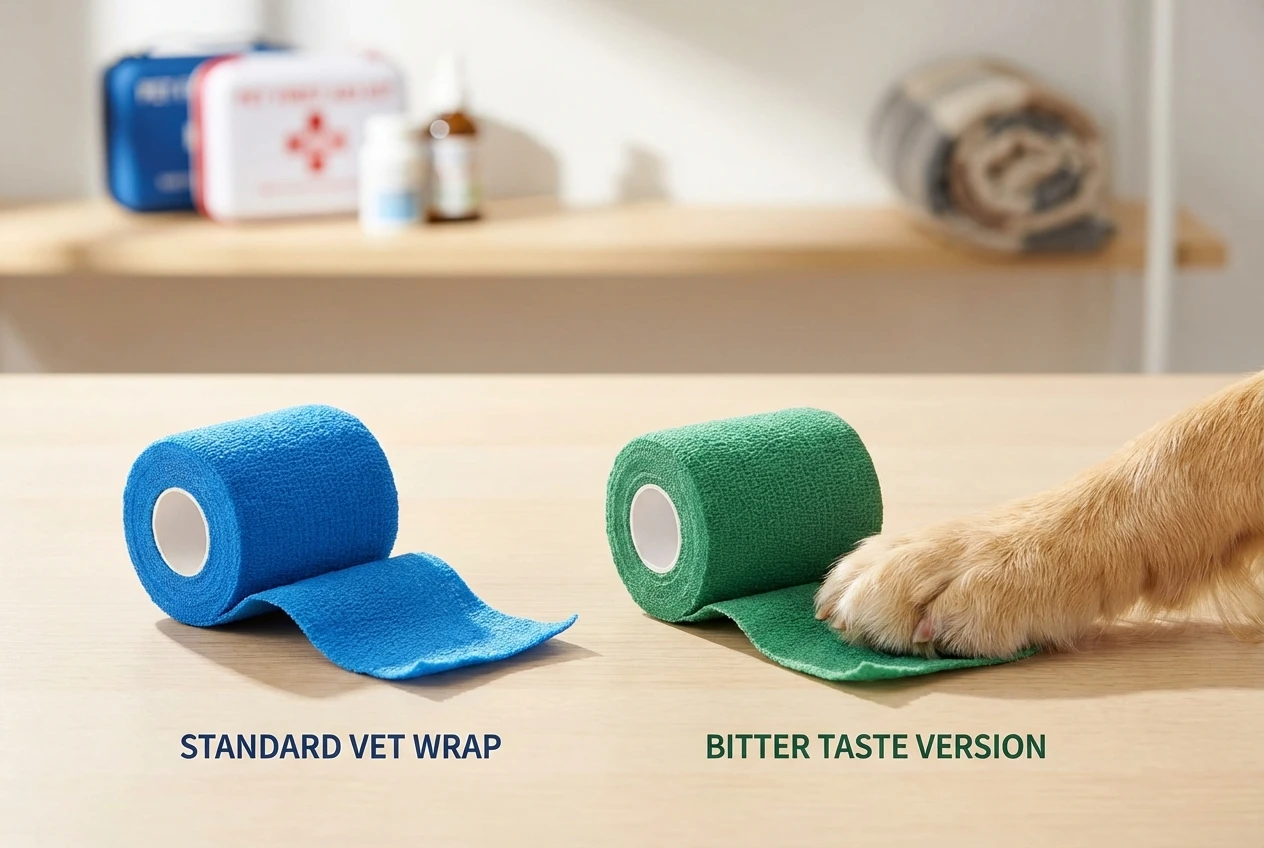
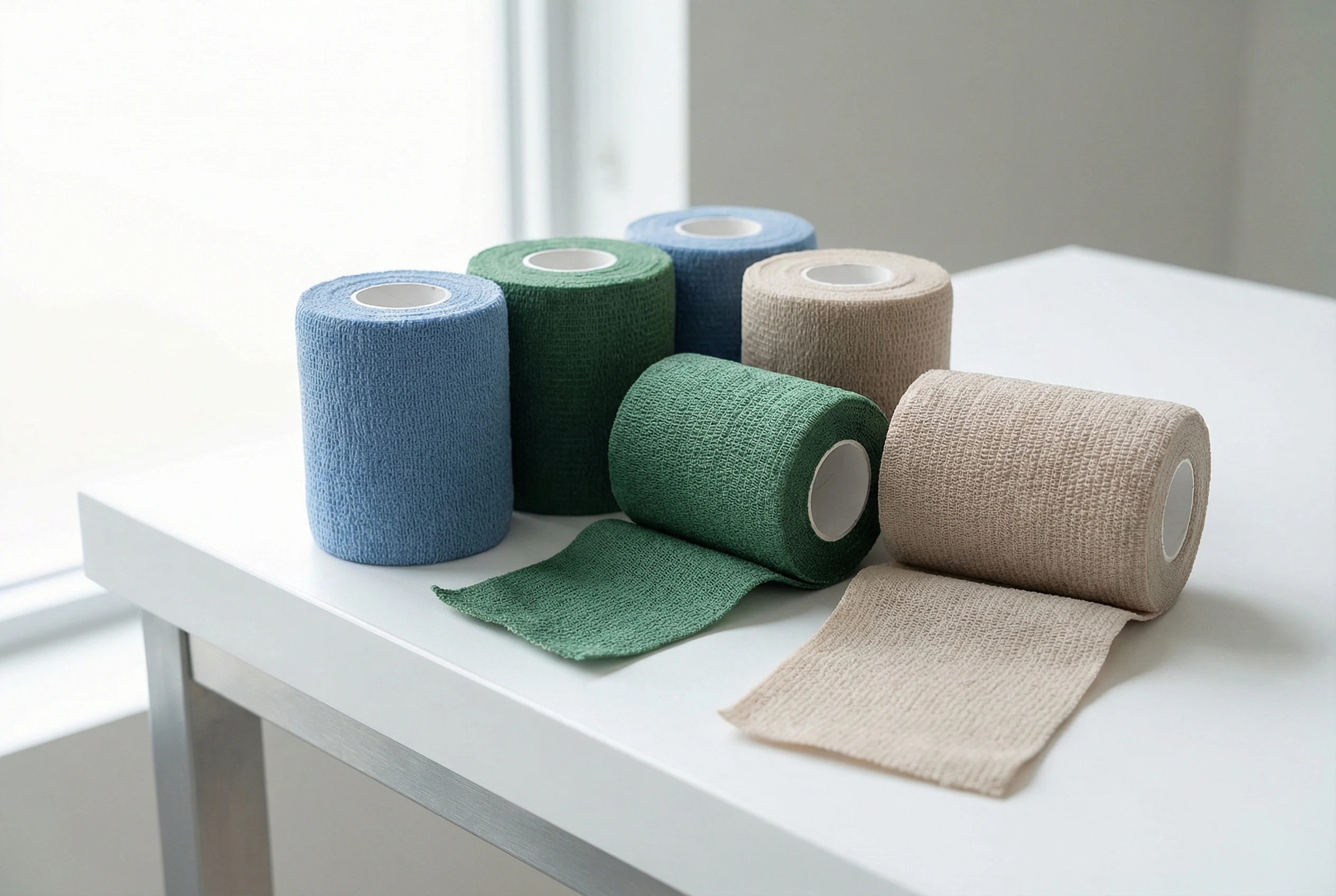
Non-sterile elastic bandage like our stretchy ones at MediTapes are super handy because they’re flexible, stay put without tape sometimes, and give that gentle squeeze to reduce swelling. I’ve wrapped countless knees and elbows with these—no issues since the actual wound contact layer was sterile if needed.
One tip: Layer them. Clean the wound, put on a sterile wound dressing, then wrap with non-sterile elastic bandage for hold. Best of both worlds.
Quick Comparison Table for Common Scenarios
Here’s another table to make decisions faster.
| Scenario | Recommended Choice | Why? |
|---|---|---|
| Small paper cut | Sterile adhesive bandage | Open but tiny—better safe |
| Twisted ankle, no break in skin | Non-sterile elastic bandage | Support and compression needed |
| Surgical wound day 1-2 | Sterile wound dressing | High risk period per guidelines |
| Blister from hiking | Sterile if popped, non-sterile wrap | Protect raw area, then secure |
| Chronic ulcer dressing change | Often clean/non-sterile technique (consult pro) | Studies show similar outcomes for chronic |
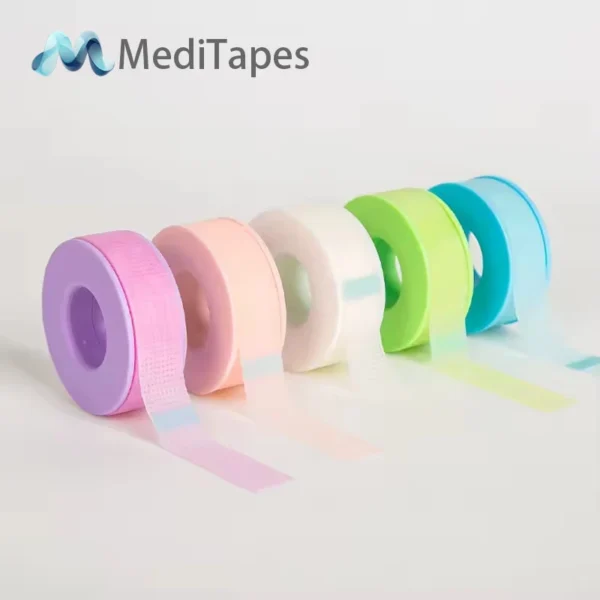
Perforated Non-woven Silicone Tape – Easy Tear & High Breathability
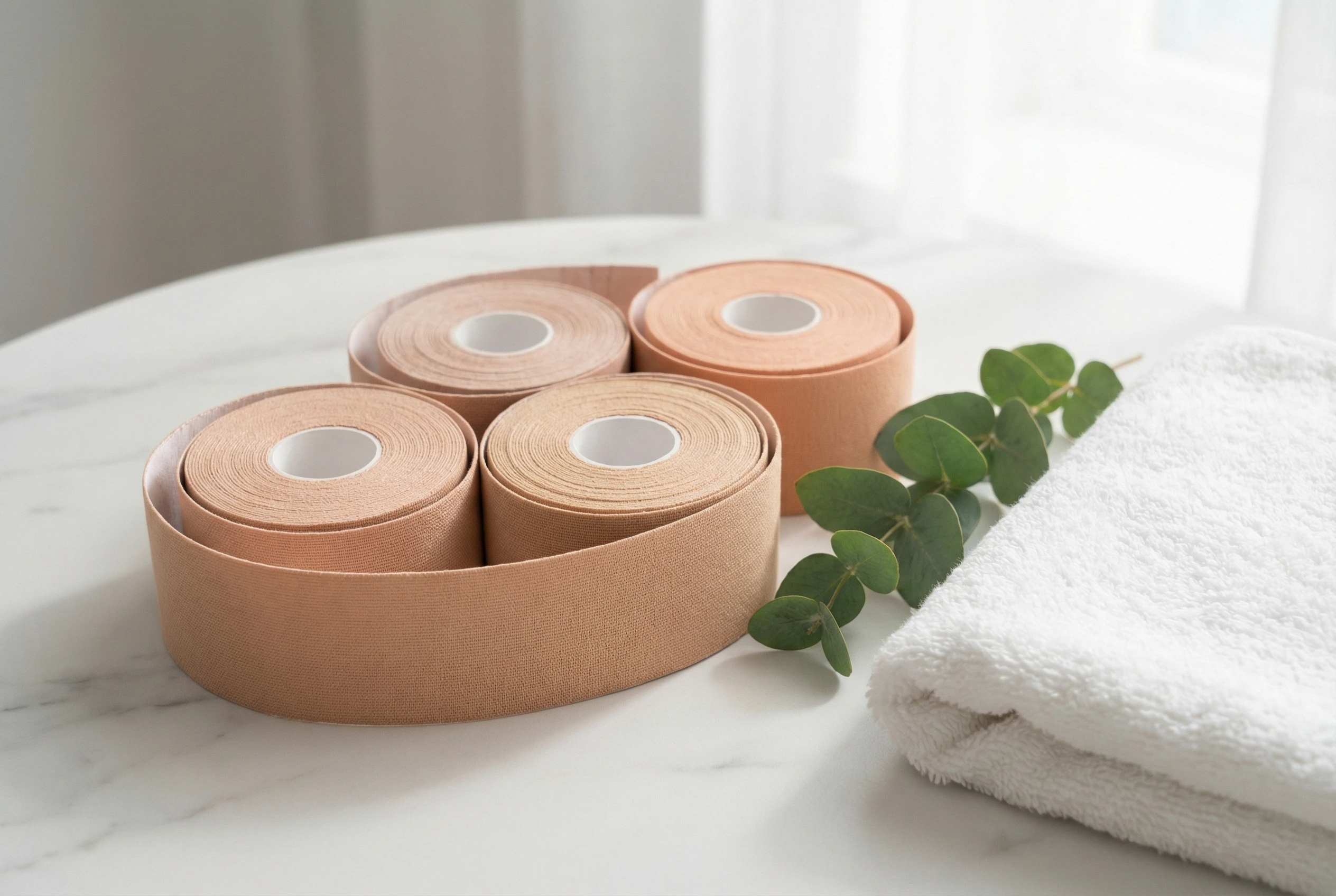
This perforated Non-woven Silicone Tape allows for easy tearing without scissors, streamlining clinical workflows. The porous structure ensures high breathability, keeping the wound site dry. Using premium silicone gel technology, it offers reliable fixation for IV lines and gauze with zero skin irritation.
Real-Life Examples (No Names, Just Stories)
I’ve seen it play out. A mom with a kid who fell off a bike—road rash on the knee. She panicked, grabbed whatever was around (non-sterile wrap). It stuck, got messy, and the kid ended up with extra soreness. We talked her through cleaning it properly, using a sterile wound dressing, then a light non-sterile elastic bandage to keep it in place. Healed nice and quick.
Another time, a construction crew guy had a minor surgical thing. Doc said use sterile for the first week. He switched too early to regular stuff—slight infection crept in. Back to sterile, and it cleared fast. These little choices add up.
How to Choose and Use Them Right
- Assess the wound first. Is it open? Bleeding? Deep?
- Clean it—soap and water or saline, gently.
- Pick the dressing based on above.
- Apply without touching the part that hits the wound.
- Change when wet, dirty, or as needed (usually daily for open ones).
- Watch for red flags: more pain, pus, fever—see a doc.
At MediTapes, we carry both types because real life needs options. Our sterile wound dressing packs are sealed tight for reliability, and the non-sterile elastic bandage rolls are stretchy without losing shape. Check ’em out at https://meditapes.com/ if you’re stocking up.
FAQ
Q: Can I use a non-sterile elastic bandage directly on an open wound?
A: Nah, better not. It could introduce germs. Use it to hold a sterile pad instead. Always better safe.
Q: How long should I use sterile dressings after surgery?
A: Usually the first 24-48 hours, or as your doc says. After that, many switch to clean technique if healing well.
Q: Are sterile bandages more expensive? Why bother?
A: Yeah, they cost more because of the process. But for high-risk wounds, the peace of mind and lower infection chance make it worth it.

Permeable PU Adhesive Film Dressing Roll – Surgical Fixation Tape
Secure dressings effectively with our Permeable PU Adhesive Film Dressing Roll. This high-quality Surgical Fixation Tape provides strong adhesion yet is gentle on sensitive skin. Its semi-permeable structure prevents maceration by allowing moisture vapor transmission, making it ideal for long-term wear in clinical settings.
Got questions or need help picking the right supplies? Swing by https://meditapes.com/contact-us/ or drop us a line at info@meditapes.com. We’re here to help you get the right stuff for the job—whether it’s a quick fix or something more serious. Take care out there!