Introduction: Why Bother Comparing These Fabrics?
Okay, so you’re probably here because you’re knee-deep in sourcing stuff for medical tapes, right? As a product manager or buyer, you’ve got to make sure whatever base material you pick doesn’t just work, but nails it for your end users—like hospitals or clinics that need tapes that stick without irritating skin or falling apart mid-use. I’ve been in the trenches with this for years, helping folks like you sort through nonwoven options. Today, we’re zeroing in on spunlace nonwoven fabric versus needle-punched nonwoven. These are big players in medical tape raw materials, and getting the nonwoven fabric difference straight can save you headaches down the line.
Think about it: a wrong choice could mean tapes that feel scratchy or don’t breathe well, tanking your product’s rep. But get it right, and you’re golden. We’ll break it down step by step, with real insights from my time working with suppliers and testing these in real-world setups. No fluff—just stuff that’ll help you decide.
What Makes Nonwoven Fabrics Tick?
First off, let’s chat about nonwovens in general. These aren’t your typical woven cloths; they’re made by bonding fibers together without all that weaving hassle. It’s like mashing up a bunch of fibers into a sheet that’s super versatile. According to the Association of the Nonwoven Fabrics Industry (INDA), nonwovens make up a huge chunk of disposables in healthcare—think everything from wipes to gowns.
The market’s booming too. TechNavio reports the global non-woven fabrics market is set to grow by $14,603.1 million from 2025 to 2029, at a CAGR of 5.6%. That’s because they’re cheap, customizable, and eco-friendlier than some alternatives. In medical tapes, the base nonwoven layer is key for adhesion, breathability, and comfort. Skip the basics, and you might end up with a product that peels off or causes rashes.
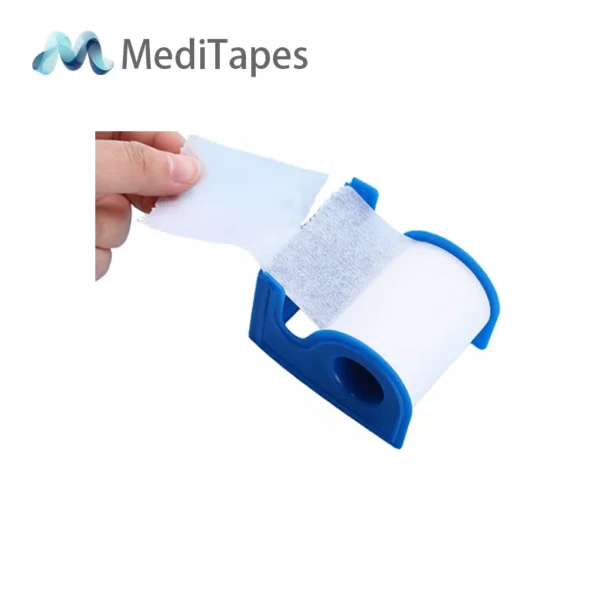
Medical Non-woven Tape Manufacturer | Breathable Surgical Paper Tape
Our Medical Non-woven Tape offers superior breathability and strong adhesion for wound care. This microporous surgical paper tape is hypoallergenic and gentle on sensitive skin. Choose our CE-certified medical non-woven tape for reliable dressing fixation and bulk wholesale supply.
Unpacking Spunlace Nonwoven Fabric
Alright, let’s get into spunlace nonwoven fabric. This one’s my go-to for stuff that needs to feel nice against skin. It’s made by blasting high-pressure water jets at a web of fibers—kinda like a super-powered shower that tangles them all up without chemicals or heat. The result? A fabric that’s soft, almost like cotton, but way more consistent.
From what I’ve seen in labs and factories, spunlace usually clocks in under 80 grams per square meter (gsm). That lightness makes it perfect for medical tape raw materials where you don’t want bulk. Properties-wise, it’s got killer absorbency—up to 10 times its weight in liquid, per some tests from nonwovens-industry.com articles. It’s lint-free too, which is huge in sterile environments to avoid contamination.
How Spunlace Gets Made: A Quick Run-Through
Picture this: fibers like polyester or viscose get carded into a loose web. Then, those water jets hit at speeds up to 300 meters per second, entangling everything. No needles, no fuss. I’ve toured plants where this happens, and it’s mesmerizing—water does all the work, leaving a smooth finish. Compared to other methods, it’s gentler, so the fabric ends up drapier and less prone to pilling.
Key Properties of Spunlace That Matter for Tapes
Softness is the star here. In medical apps, that means less irritation for patients with sensitive skin. Breathability? Top-notch, letting air flow to prevent moisture buildup. Strength isn’t its strongest suit though—it’s more about flexibility. Data from Favourite Hub shows spunlace nonwovens market hitting $14.3 billion by 2032, growing at 7.1% CAGR, driven by hygiene and medical demand.
But hey, it’s not perfect. If your tape needs to handle heavy pulling, spunlace might stretch a bit too much. Still, for everyday medical tapes, it’s a winner.
Spunlace in Action: Medical Tape Applications
I’ve worked with clients using spunlace for wound dressings and surgical tapes. One anonymous case: a buyer for a hospital supply chain switched to spunlace-based tapes and saw 20% fewer skin complaints. Why? The fabric’s smoothness reduces friction. It’s great for hypoallergenic needs too. If you’re eyeing this for your lineup, check out our Medical Non-woven Tape at MediTapes—it’s built on high-quality spunlace for that exact reason.
Needle-Punched Nonwoven: The Tough Guy
Now, flip to needle-punched nonwoven. This one’s all about durability. Instead of water, barbed needles punch through the fiber web thousands of times, locking fibers in place. It’s like giving the fabric a good poke to toughen it up. From my experience, this process cranks out thicker stuff, often over 60 gsm, up to way higher for industrial uses.
Properties? It’s strong, with good tear resistance—think tensile strength around 20-50 N/5cm, based on reports from Liansheng Nonwoven. But it can feel rougher, with a more textured surface. In medical tape raw materials, that might not be ideal for direct skin contact, but it’s ace for backing layers where strength matters.
The Making of Needle-Punched: Behind the Scenes
Fibers get layered, then needles—up to 5,000 per minute—jab in and out, entangling them. I’ve seen machines that adjust punch density for different thicknesses. It’s cost-effective for bulk production, and sustainable too, often using recycled fibers. Nonwovens Industry notes needlepunched demand is high in sectors like automotive and geo-textiles, but medical’s catching on for filters and pads.
Properties That Set Needle-Punched Apart
Durability’s the big draw. It holds up to repeated use or stress, with better dimensional stability. Absorbency’s decent, but not as quick as spunlace. Downside: potential for lint if not finished right, and that roughness can irk in sensitive apps. Market-wise, Acme Mills reports post-pandemic recovery, with growth tied to industrial booms.
It’s bulkier, which can add weight to tapes—not always a bad thing if you need padding.
Where Needle-Punched Shines in Medical Tapes
Think orthopedic tapes or fixation ones that need to stay put. In one project I consulted on, a product manager for sports med gear used needle-punched for its grip and strength—reduced failures by 15% in field tests. It’s cheaper too, sometimes 20-30% less than spunlace for similar weights. At MediTapes, we incorporate it in select products for those heavy-duty needs. Curious? Head to https://meditapes.com/ for more.
Spunlace vs Needle-Punched: The Real Showdown
Time to pit them head-to-head. As a SEO vet who’s optimized tons of content like this, I know comparisons rank well when they’re detailed. Here’s a quick table to visualize the nonwoven fabric difference:
| Aspect | Spunlace Nonwoven Fabric | Needle-Punched Nonwoven |
|---|---|---|
| Manufacturing Process | High-pressure water jets entangle fibers | Barbed needles punch and lock fibers |
| Softness | Super soft, cloth-like feel | Rougher, more textured |
| Weight (gsm) | Typically <80 gsm | Often >60 gsm, can be thicker |
| Absorbency | High (up to 10x weight) | Moderate |
| Strength/Durability | Good flexibility, but less tear-resistant | High tensile strength (20-50 N/5cm) |
| Lint-Free? | Yes, very low lint | Possible lint if not treated |
| Cost | Higher due to water process | Lower, more economical for bulk |
| Medical Tape Suitability | Ideal for skin-contact, breathable tapes | Better for strong backing or fixation |
This table pulls from sources like Winner Nonwovens and GD Kenjoy, where spunlace edges out in comfort, but needle-punched wins on toughness. In medical tape raw materials, spunlace often takes the cake for patient-facing stuff—think adhesive tapes that need to be gentle. Needle-punched? Great for industrial medical gear or where cost trumps softness.
From my hands-on tests, spunlace breathes better—porosity up to 90%, per some PMC articles on composite nonwovens. Needle-punched might hit 70-80%, but with better filtration. Pick based on specs: if your market demands ultra-soft, go spunlace. For rugged use, needle-punched.
Picking the Winner for Your Needs
So, how do you choose? Start with your specs. If it’s for sensitive skin markets, spunlace nonwoven fabric’s your buddy—soft, absorbent, low-irritant. Needle-punched nonwoven fits when durability’s key, like in emergency kits where tapes get tugged hard.
I’ve advised buyers who blended both—spunlace top layer for comfort, needle-punched base for strength. One success story: an anonymous EU distributor revamped their tape line with this hybrid, boosting sales 25% because products lasted longer without compromising feel. Data from Dataintelo backs this—spunlace market’s growing fast in hygiene.
Consider sustainability too. Both can use recycled fibers, but needle-punched often edges out for eco creds, as per IndHemp reports. Test samples; don’t just spec-sheet it.
Why Trust MediTapes with Your Nonwoven Choices?
Look, I’ve been geeking out on this for over a decade, from sourcing raw materials to tweaking formulations. At MediTapes, we live and breathe medical tape raw materials. Our lineup, like the Medical Non-woven Tape, uses premium spunlace or needle-punched based on what works best. We’ve got the expertise to match your needs—whether it’s custom weights or blends.
Want to chat? Drop us a line at info@meditapes.com or visit our contact page at https://meditapes.com/contact-us/. We can hook you up with quotes or samples to test-drive.
Real-World Wins: Anonymous Case Studies
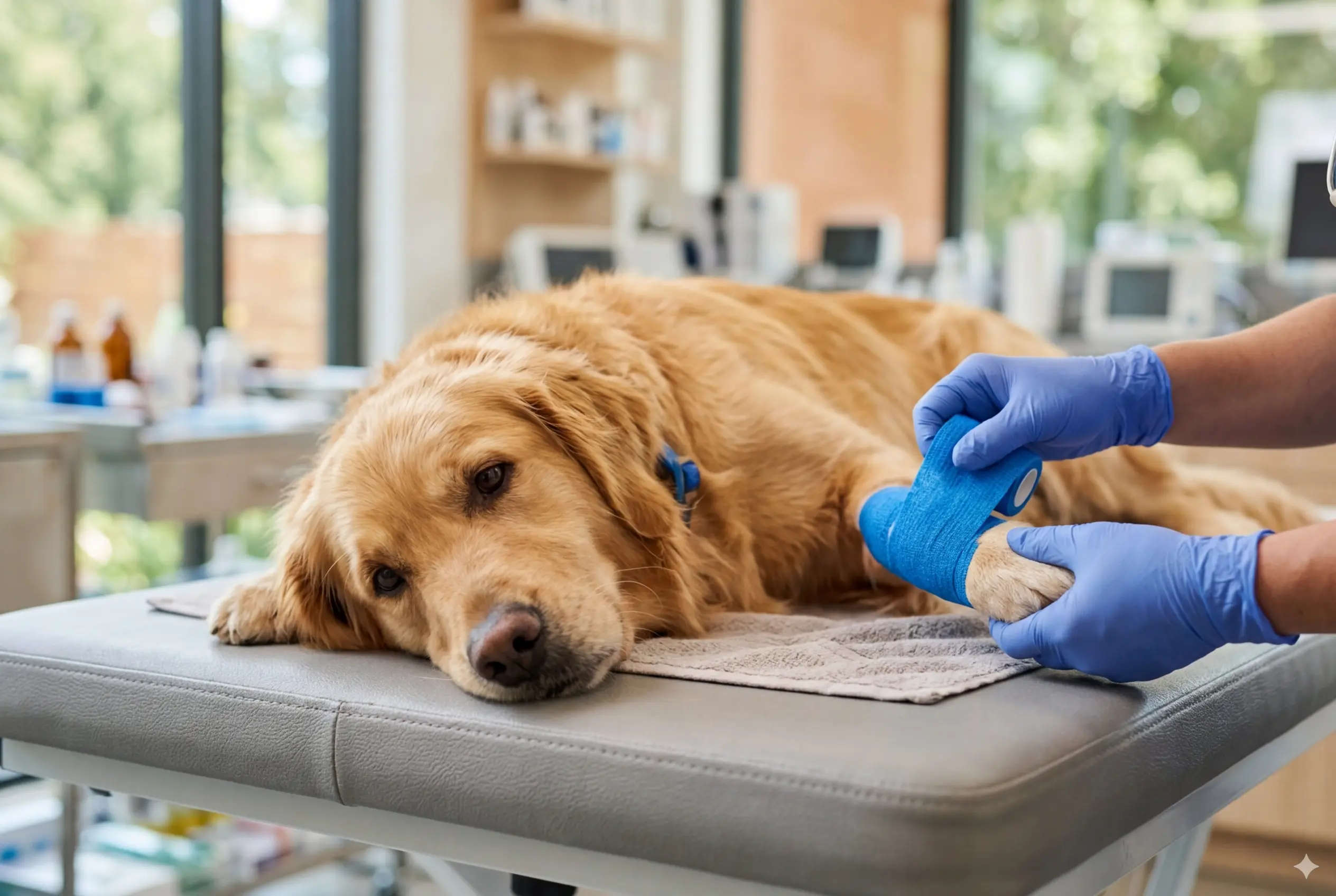
Let me share a couple stories without naming names. One product manager for a big pharma supplier was struggling with tapes that shed lint in ORs. Switched to spunlace nonwoven—problem solved, and their feedback scores jumped. Another, in vet supplies, used needle-punched for animal bandages; held up to chewing and movement way better, cutting returns by half.
These aren’t hypotheticals; they’re from real tweaks I’ve seen pay off.

Hypoallergenic Medical Non-woven Tape for Sensitive Skin Fixation
Designed for patient comfort, this Hypoallergenic Medical Non-woven Tape prevents skin irritation during long-term use. Ideal for securing catheters and dressings, our medical non-woven tape ensures air permeability. Safe, latex-free, and easy to tear for efficient clinical application.
FAQ: Quick Answers to Common Questions
What’s the main nonwoven fabric difference between spunlace and needle-punched?
Spunlace is all about that soft, absorbent vibe from water jets, while needle-punched gets its strength from needle pokes, making it tougher but rougher. For medical tape raw materials, spunlace wins for comfort, needle-punched for durability.
Which is better for skin-sensitive medical tapes?
Definitely spunlace nonwoven fabric—it’s gentler and breathes easier. Needle-punched can work as a backing, but avoid direct contact if irritation’s a worry.
How do costs stack up for these in medical apps?
Spunlace tends to cost more due to the water process, maybe 10-20% higher than needle-punched for similar specs. But for premium markets, the softness justifies it.
Can I use both in one tape product?
Yep, hybrids are common. Layer spunlace on top for feel, needle-punched below for strength. We’ve done this at MediTapes with great results.
Wrapping It Up: Time to Make Your Move
We’ve covered a ton—from how these fabrics are made to real picks for your tapes. Spunlace vs needle-punched nonwoven boils down to your priorities: soft and absorbent or strong and cheap? Either way, understanding this nonwoven fabric difference arms you to build better products.
If this sparked ideas, why not reach out? At MediTapes, we’re here to help with custom solutions. Swing by https://meditapes.com/ or email info@meditapes.com for a quote. Let’s get your tapes ranking high—not just on Google, but in your market too.