If you’re in the business of choosing medical tapes for situations where things just can’t come loose—like securing heavy tubing, bulky dressings, or devices during long procedures—you know how frustrating it gets when the tape lets go at the worst moment. I’ve spent years working with different tapes in real hospital settings and supply chains, and today I wanna walk you through a straight-up comparison between silk surgical tape (think classic silk medical tape or durapore tape) and non-woven tape. We’re focusing on durability, especially for those high-strength fixation needs where you need something reliable.
No fluff, just the stuff that actually matters when you’re picking tape for tough jobs.
What Makes Silk Surgical Tape Special?
Silk surgical tape—often called silk medical tape or “silk-like” cloth tape—isn’t actually made from real silk these days (it’s usually a woven polyester or rayon blend that mimics the feel). Brands like 3M’s Durapore are famous for this category. It’s got a smooth, almost taffeta-like texture, tears easily in both directions, and sticks really well to dry skin.
From what I’ve seen in practice, this type shines in high-strength situations. It’s designed as a no-stretch tape, meaning it won’t give when pulled or stressed. 3M themselves describe Durapore as a “high-strength, no-stretch silk medical tape” built for securing urinary catheters, nasogastric tubes, bulky dressings, and even patient positioning. It holds up for days (up to 72 hours on dry skin in some cases) without shifting much.
In my experience, when you need something that feels premium and won’t budge under tension, high strength surgical tape like this is often the go-to. It’s water-resistant too, so a bit of sweat or accidental splash doesn’t ruin the hold.
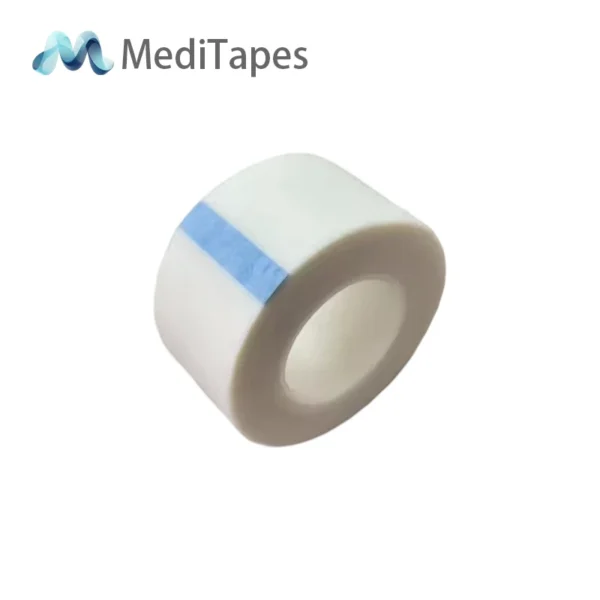
OEM Medical Non-woven Tape Rolls | Microporous Adhesive Plaster
We provide customizable OEM Medical Non-woven Tape rolls to meet your brand specifications. This microporous adhesive plaster features soft conformity and pain-free removal. Partner with us for high-quality medical non-woven tape manufacturing and competitive factory pricing.
How Non-woven Tape Stacks Up
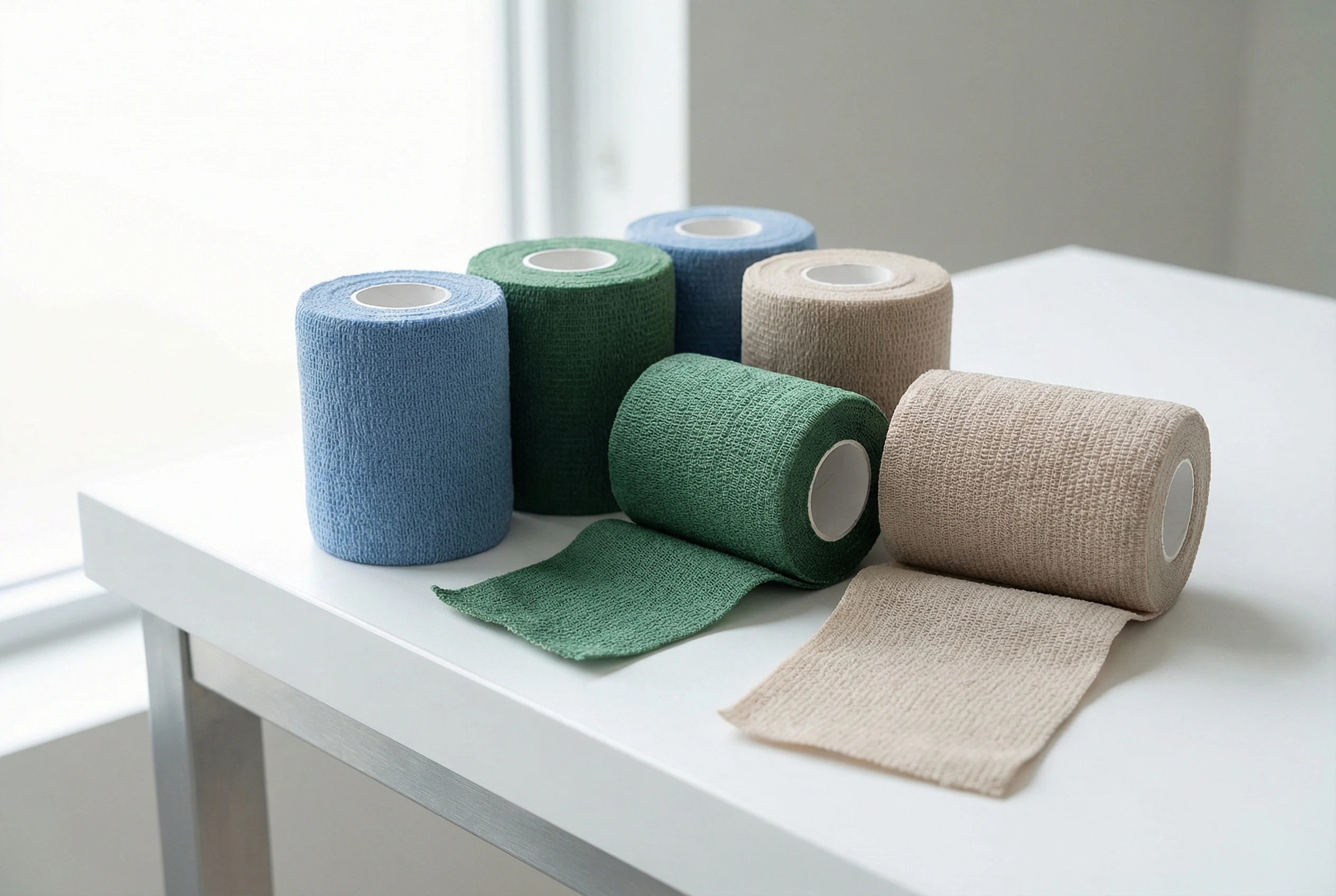
Non-woven tape is usually made from spunlace polyester or rayon fibers pressed together (no weaving). It’s super soft, breathable, and gentle—great for sensitive skin or long-term wear. Think of it as the comfy, flexible option.
But here’s the catch: while non-woven tapes are excellent for everyday dressings and light securement, they often don’t match the raw holding power of silk-style tapes in high-stress scenarios. The non-woven backing is more stretchy and conformable, which is awesome for curved areas or moving joints, but that same flexibility means it can deform or lift under heavy pull forces.
I’ve dealt with cases where non-woven tape worked fine for standard IVs but started peeling after 24-48 hours when used on heavier devices or in sweaty conditions. It’s breathable (which is a big plus for skin health), but when durability under tension is priority #1, it sometimes falls short compared to woven silk-like options.
Head-to-Head Durability Comparison
Let’s get into the real differences. Durability isn’t just about “how strong it feels”—it’s tensile strength (how much force before it breaks), adhesion over time, resistance to shear/pull, and how it handles moisture or movement.
From industry sources and real-world use (like 3M specs and clinical feedback), silk surgical tape tends to win in high-strength tests:
- Tensile Strength & Tear Resistance — Silk-like tapes (woven) have higher tensile strength because of the structured fabric. Non-woven can be strong but often tears more easily under extreme load.
- Adhesion on Dry Skin — Silk tapes like Durapore stick aggressively and last longer (high initial tack + build-up over time).
- Performance Under Stress — In high-fixation scenarios (e.g., securing endotracheal tubes or heavy orthopedic dressings), silk tape resists peeling better due to its no-stretch nature.
- Moisture & Sweat — Non-woven is more breathable, but silk tape holds better on dry-to-moderately moist skin without immediate failure.
Here’s a quick comparison table based on typical properties from major manufacturers (like 3M Durapore for silk-like and common non-woven options):
| Feature | Silk Surgical Tape (e.g., Durapore) | Non-woven Tape |
|---|---|---|
| Backing Type | Woven “silk-like” cloth | Spunlace non-woven fabric |
| Tensile Strength | High (strong woven structure) | Good, but generally lower than woven |
| Stretch/Flexibility | Low (no-stretch for secure hold) | High (conforms well to movement) |
| Adhesion to Dry Skin | Very high, long-lasting (up to 72 hours) | Moderate to high, but may lift sooner |
| Best For High-Strength Fixation | Excellent (tubing, bulky dressings, devices) | Good for light to medium, less ideal for heavy |
| Breathability | Good | Excellent |
| Water Resistance | Water-resistant | Varies, often less resistant |
(Note: These are generalized from manufacturer data and common clinical use; individual products vary.)
In short—if your scenario involves constant pull, heavy loads, or critical devices, silk surgical tape usually comes out on top for pure durability.
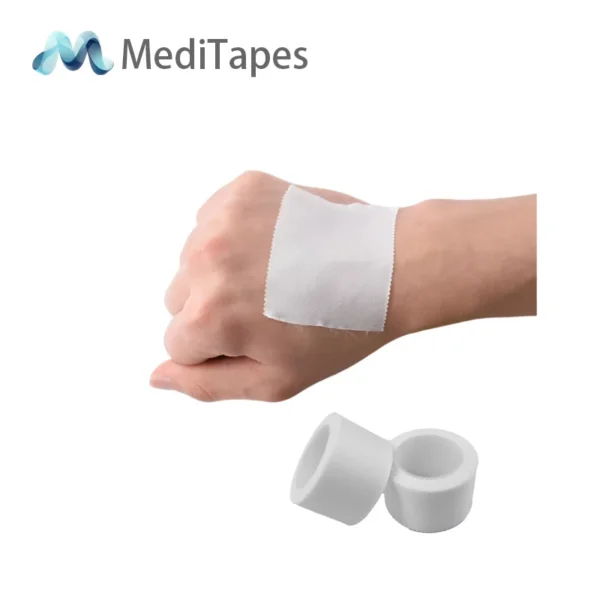
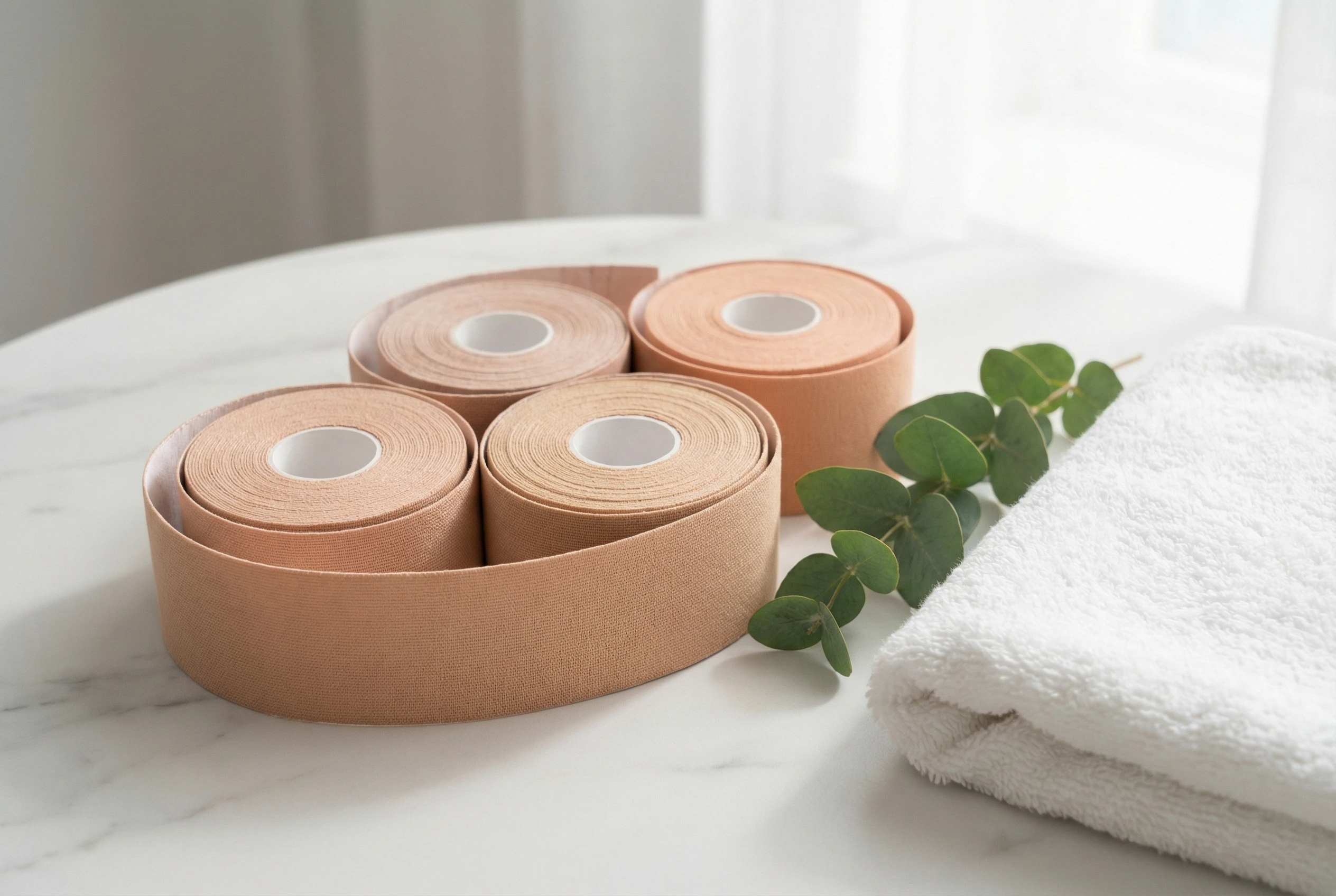
Premium Surgical Silk Tape: Hypoallergenic & Strong Adhesion for Medical & Wound Care
Discover our Premium Surgical Silk Tape, an essential choice for secure and gentle wound care. This high-quality silk medical tape offers exceptional adhesion while remaining hypoallergenic and breathable, making it ideal for delicate skin. Engineered for medical professionals, it provides reliable fixation of dressings, tubing, and devices. Its strong yet conformable nature ensures patient comfort and secure application in various clinical settings. Trust our surgical silk tape for superior performance and patient well-being.
Real-World Scenarios Where Durability Matters Most
Think about an ICU patient with multiple lines and tubes that absolutely cannot move. I’ve seen durapore tape (classic high strength surgical tape) hold everything steady for days, even when the patient gets restless. In one case, a hospital used it for securing a heavy chest drain—non-woven kept slipping after shifts, but switching to silk-style tape solved it instantly.
Another example: post-op orthopedic where dressings need to stay put despite movement. Silk tape’s strength prevented accidental dislodgement, saving nurses time and patients discomfort.
For lighter wounds or sensitive skin (like pediatrics), non-woven wins hands down for comfort. But when you need that “set it and forget it” reliability? Go silk.
Our Recommendations at MediTapes
At MediTapes, we supply both types because different jobs need different tools. If you’re looking for top-tier durability in high-strength applications, check out our Surgical Silk Tape. It’s built like the classic silk medical tape—strong, reliable, hypoallergenic, and perfect for those demanding scenarios.
Need something gentler with great breathability? Our Medical Non-woven Tape is soft, flexible, and still holds well for most everyday uses.
Not sure which fits your needs? Drop us a line—we’re happy to chat specifics.
Visit our contact page or shoot an email to info@meditapes.com for quotes, samples, or more details. We’d love to help you pick the right tape that won’t let you down.
FAQ
Q: Is silk surgical tape actually made of silk?
A: Nope—not real silk anymore. It’s a woven fabric designed to feel and perform like silk, super strong and smooth. That’s why people call it silk medical tape or durapore tape.
Q: When should I choose non-woven over silk tape for durability?
A: If breathability and skin comfort are more important than max holding power (like on fragile skin or long-term light dressings), non-woven is often better. But for high-pull, heavy-duty fixation, silk surgical tape usually lasts longer.
Q: Can both tapes be used on moist skin?
A: Silk tape sticks best on dry skin and holds well even with some moisture. Non-woven is more forgiving on damp areas due to better breathability, but neither is fully waterproof—use a barrier if needed.