You’ve probably stared at those procurement spreadsheets, right? The unit price on silicone tape jumps out – yeah, it’s often a bit more than the standard acrylic stuff everyone’s been using forever. As a procurement manager, your job is to justify that extra spend to the finance team, who are all about keeping costs down. But here’s the thing I’ve seen time and again in healthcare settings: focusing just on the upfront price misses the bigger picture. Switching to silicone tape can actually save money in the long run, while making life easier for patients and nurses.
I’ve worked with tons of facilities over the years, helping them crunch the numbers on medical tapes. And let me tell you, the switch to silicone often pays off big time when you look at the total cost of ownership. That’s not just the sticker price – it’s everything from labor to complications. We’ll dive into that, plus how value-based procurement shifts the focus to real value, and why reducing dressing changes is a game-changer.
What Makes Silicone Tape Different from Traditional Tapes?
Traditional medical tapes, usually acrylic-based, do the job of holding dressings in place. But they can be rough on skin, especially with repeated use. Pull one off wrong, and you get stripping, redness, or even tears – that’s medical adhesive-related skin injury, or MARSI for short.
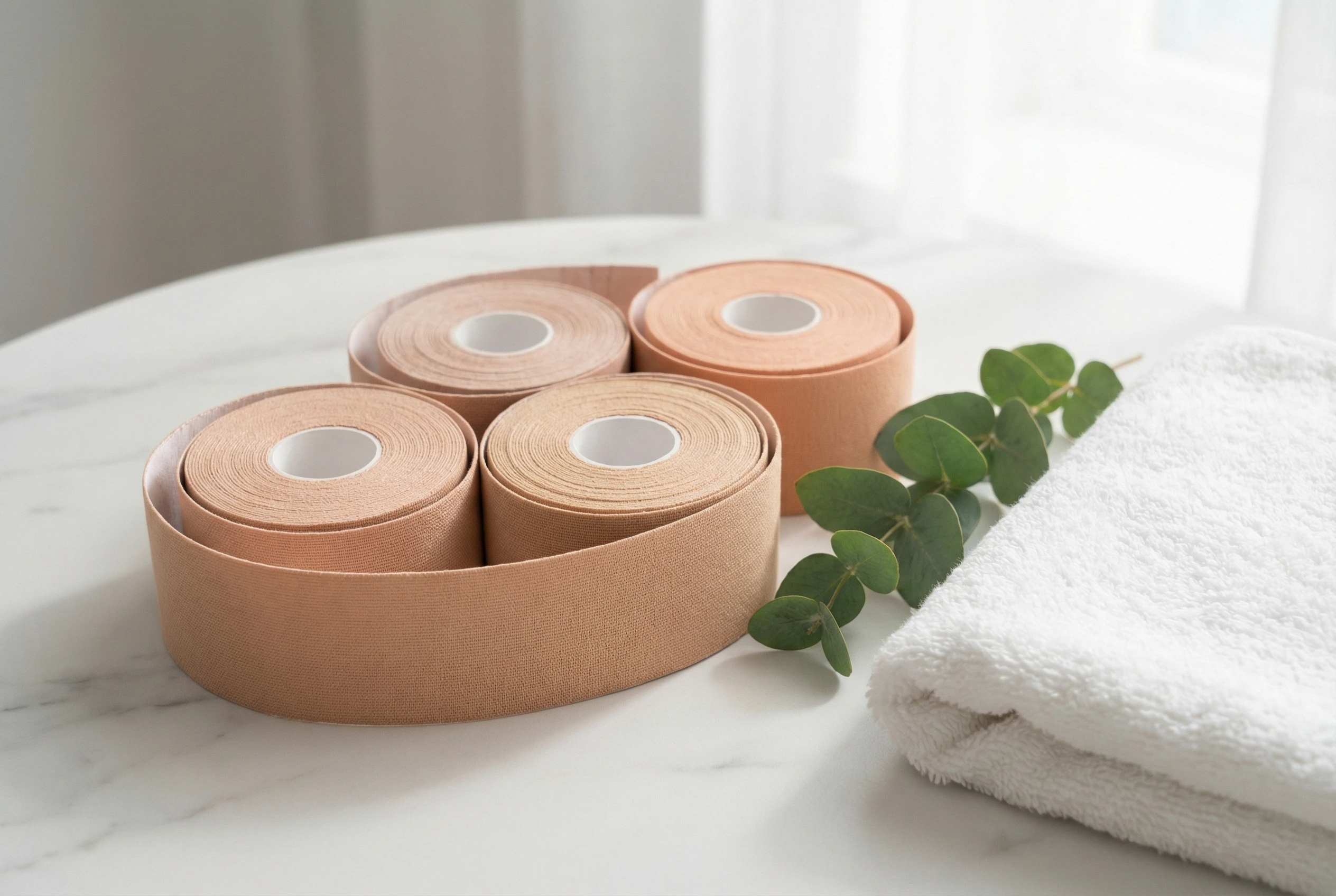
Silicone tape? It’s a whole different ballgame. The adhesive is soft and tacky, sticking gently but securely. It removes without yanking off skin layers, and you can even reposition it if needed. No residue left behind, either.
Clinical studies back this up. One comparison on healthy volunteers showed silicone adhesives removed way less stratum corneum (the outer skin layer) than acrylic ones – statistically significant, with p-values under 0.0001 after multiple strippings. Another study on patients at risk during anesthesia found skin denudation in 13.3% with standard tapes versus 0% with silicone (p=0.026), and overall injury in 37% versus 3% (p=0.002).
In real-world use, like post-surgery or chronic wounds, this gentleness means less pain for patients and fewer issues for staff.
The Hidden Costs of Cheap Tapes: Why Unit Price Isn’t the Whole Story
Sure, traditional tape might cost less per roll. But add up the extras, and it flips.
Frequent dressing changes because the tape irritates skin or doesn’t hold well? That racks up labor costs – nurses’ time isn’t cheap. Plus more materials used.
Skin trauma leads to infections or delayed healing, meaning longer hospital stays or extra treatments.
That’s where total cost of ownership comes in. It’s the full lifecycle cost: purchase + application + changes + complications.
Silicone tape often lasts longer and causes fewer problems, dropping that total.
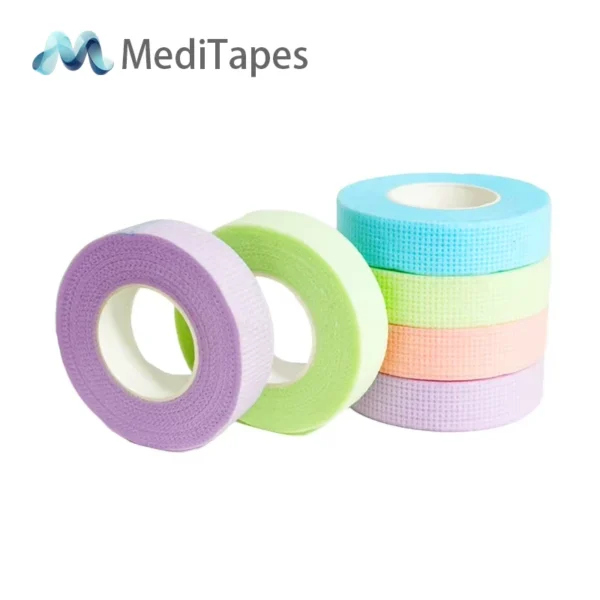
Hypoallergenic Non-woven Silicone Tape – Breathable & Pain-Free Removal
Our Non-woven Silicone Tape is designed for patients with sensitive skin, providing secure fixation for dressings and tubes. This hypoallergenic silicone gel tape is water-resistant yet breathable, preventing skin maceration. It peels off gently, making it an essential choice for elderly and pediatric care.
Breaking Down Total Cost of Ownership for Medical Tapes
Let’s get practical. Here’s a simple comparison table based on typical scenarios I’ve seen (costs are approximate averages from various facilities; your mileage may vary).
| Aspect | Traditional Acrylic Tape | Silicone Tape (e.g., MediTapes Hypoallergenic) | Potential Savings with Silicone |
|---|---|---|---|
| Unit Price per Roll | $2-4 | $5-8 | Higher upfront |
| Average Wear Time | 1-2 days | 3-7 days | Fewer rolls needed |
| Dressing Changes/Week | 5-7 | 2-4 | 40-60% reduction |
| Labor Cost per Change | $15-25 (nurse time) | Same, but fewer | $50-100/week saved |
| MARSI Incidence | Up to 37% in at-risk patients | As low as 3% | Reduced complications |
| Secondary Treatments | Higher (e.g., barrier creams, extra dressings) | Lower | 20-30% overall cost drop |
From what studies show, silicone options align with value-based procurement – buying based on outcomes, not just price. Hospitals shifting to this see better patient satisfaction and lower readmissions.
One related study on silicone foam dressings (similar principles) found 33% lower treatment costs over four weeks compared to standard care, thanks to fewer products and changes.
Reducing Dressing Changes: A Major Win for Efficiency and Comfort
One of the biggest perks? Reducing dressing changes.
With traditional tapes, irritation means swapping dressings more often. That disrupts healing, hurts patients, and eats time.
Silicone tape stays put longer without causing trouble. It’s repositionable, waterproof in many cases, and gentle.
In practice, facilities report cutting changes by half. Less disturbance means faster healing – studies link undisturbed wounds to quicker closure.
Patients love it too. Less pain on removal, especially for fragile skin like elderly or neonates.
Real-Life Scenarios: How Facilities Benefited from the Switch
I’ve chatted with procurement folks who’ve made the jump. One mid-sized hospital (anonymized, of course) dealt with high MARSI rates in their geriatric ward. Switching to silicone tape dropped incidents noticeably, saving on extra wound care supplies and staff overtime.
Another clinic handling post-op cases saw fewer returns for skin issues. Nurses had more time for actual care, not constant re-dressings.
In a community setting with chronic wound patients, longer wear times meant home visits dropped, big savings there.
These aren’t outliers – patterns I’ve noticed across different places.
Value-Based Procurement: Convincing Finance with Facts
Finance loves numbers. Frame it as value-based procurement: invest a bit more upfront for better outcomes and lower totals.
Highlight:
- Reduced labor (fewer changes)
- Lower complication risks (backed by studies)
- Improved patient experience (higher satisfaction scores)
- Alignment with modern healthcare goals – sustainable, patient-centered.
Many systems now emphasize this over pure lowest-bid.
When Does Switching Make the Most Sense?
Not every situation needs silicone. For short-term, low-risk securement, traditional might suffice.
But for:
- Sensitive or fragile skin
- Frequent changes needed
- Long-term wear (e.g., IVs, chronic dressings)
- High-risk patients (elderly, peds, diabetics)
It’s a no-brainer.
Check out MediTapes’ hypoallergenic non-woven silicone tape – designed exactly for these scenarios.
Potential Drawbacks and How to Mitigate Them
Nothing’s perfect. Silicone can cost more initially, and in very wet environments, adhesion might vary (though modern ones handle moisture well).
Mitigate by piloting in one department, tracking costs and outcomes. Most find it pays off quick.
FAQ
Is silicone tape really worth the higher unit price?
Yeah, in most cases where skin sensitivity or frequent changes are factors. The savings from reduced labor, materials, and complications often outweigh the extra upfront cost.
How much can reducing dressing changes save?
Depends on volume, but facilities report 40-60% fewer changes, translating to hundreds or thousands in labor and supplies annually.
What’s the evidence for less skin trauma with silicone tape?
Multiple studies, like one showing 0% denudation vs 13% with standard, and significantly less protein/skin removed in lab tests.

Medical Non-woven Silicone Gel Tape for Sensitive Skin & Wound Care
This Non-woven Silicone Gel Tape offers gentle adhesion for fragile skin, ideal for frequent dressing changes. The breathable non-woven backing ensures comfort, while the soft silicone layer minimizes pain upon removal. Perfect for securing medical devices without causing trauma or residue.
Ready to crunch your own numbers? Drop us a line at MediTapes. We can chat about your needs, share more data, or get you samples and a quote. Head over to our contact page or email info@meditapes.com. Or browse more on the site at https://meditapes.com/.
Making the switch could be easier than you think – and better for everyone involved.