I’ve dealt with scars myself over the years, from a nasty cut on my knee as a kid to some surgery marks later on. You know how it goes – they start off red and raised, then kinda fade but never quite disappear the way you’d hope. That’s when I first heard about silicone tape for scars, and honestly, I was skeptical at first. Does this stuff actually do anything, or is it just another gimmick? Turns out, there’s a bunch of solid science saying yeah, it often does help. Let’s break it down together, no fluff, just the facts mixed with what I’ve seen work in real life.
What Even Are Scars, and Why Do Some Get So Bad?
Scars happen when your skin heals from an injury, surgery, or burn. Your body rushes in with collagen to patch things up, but sometimes it overdoes it, leading to hypertrophic scars (those thick, raised ones) or keloids (which spread beyond the original wound). They’re not dangerous, but man, they can itch, hurt, or just make you self-conscious.
Not all scars go wild like that. It depends on your genetics, where the wound is, and how deep it was. But for many folks, especially after operations or accidents, something like scar removal tape can make a real difference in keeping things flatter and less noticeable.
How Silicone Tape Works: The Real Mechanism
So, how silicone tape works isn’t some magic trick. It’s mostly about creating the perfect environment for your skin to heal better.
The main thing is occlusion and hydration. The tape forms a barrier that locks in moisture without letting too much water evaporate – kinda like how normal healthy skin works. Studies show this normalizes the stratum corneum (the outer layer), which calms down overactive fibroblasts (the cells pumping out extra collagen).
There’s also a bit of gentle pressure that helps reduce tension on the wound edges, and it might even raise the scar’s temperature slightly to dial back blood flow and inflammation.
No silicone seeping into your skin or anything weird like that – research has ruled out chemical absorption. It’s all physical: hydration, protection from friction, and that semi-occlusive seal.
From what I’ve noticed with people using products like our Silicone Gel Tape at MediTapes, sticking with it consistently is key. Wear it 12-24 hours a day, clean gently, and give it months – that’s when you start seeing the scar soften and fade.
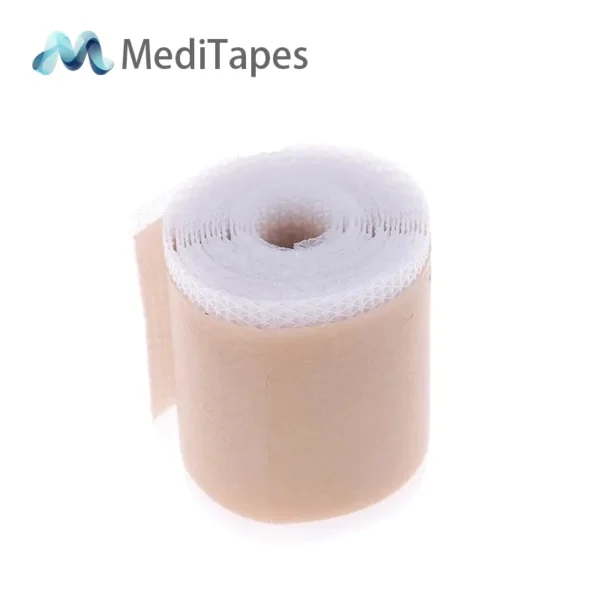
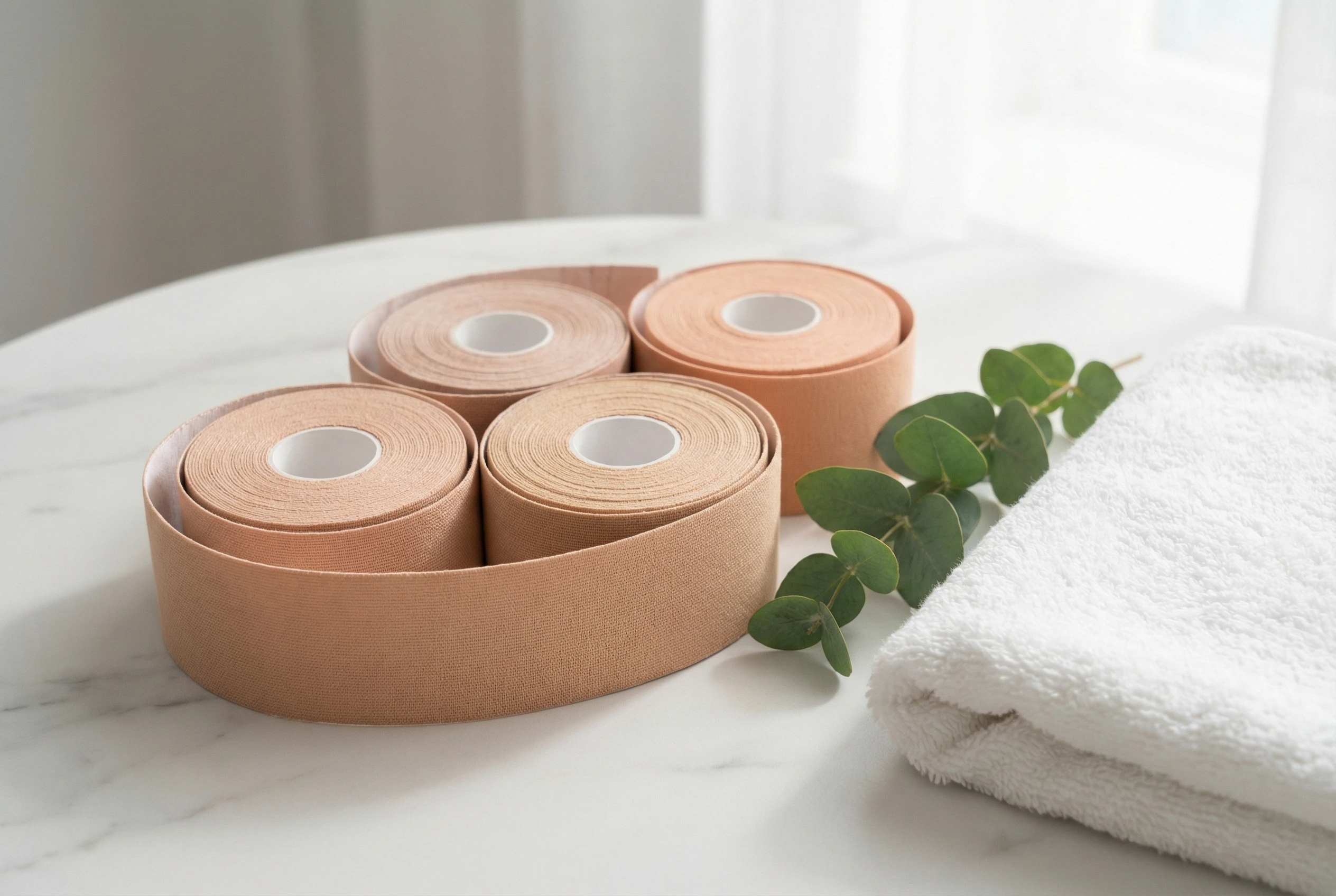
Soft Silicone Gel Tape Roll for Scar Management – Wholesale Bulk
Source high-quality Soft Silicone Gel Tape rolls for effective scar treatment. This medical-grade silicone gel tape mimics the skin’s natural barrier to hydrate and heal scars. Cut-to-size design offers versatility for various scar sizes. Contact us for competitive wholesale pricing and private labeling.
What Does the Science Actually Say?
There’s been tons of research on silicone gel products since the 1980s, and while not every study is perfect (some are small or older), the overall picture is pretty positive.
A Cochrane review from 2021 looked at silicone gel sheeting for hypertrophic scars and found it might slightly improve appearance and reduce pain compared to no treatment or things like pressure garments. Evidence was low-certainty, but trends pointed to benefits in thickness, color, and pliability.
Another meta-analysis in 2020 on topical silicone gel showed it was effective for preventing postoperative scars, especially after 6 months, with good results on height, pigmentation, and flexibility.
For prevention in high-risk folks (like burn patients), some reviews note weak but promising evidence that silicone reduces abnormal scarring.
One study compared silicone sheets to paper tape after C-sections – silicone edged out slightly in patient-rated appearance, though objectively similar.
Side effects? Rare and mild – maybe some itchiness or rash if you’re sensitive, but way safer than steroids or lasers.
Here’s a quick table summarizing some key findings from major reviews:
| Study/Review | Key Finding | Certainty Level | Source |
|---|---|---|---|
| Cochrane 2021 (hypertrophic scars) | May reduce pain and slightly improve appearance vs no treatment | Low | Cochrane Database |
| 2020 Meta-analysis (topical silicone) | Effective for scar prevention after surgery, comparable to sheets | Moderate | PMC7949016 |
| 2013 Cochrane (prevention/treatment) | Weak evidence for prevention in high-risk; improvements in thickness/color for treatment | Low | PMC7156908 |
| Rabbit ear model studies | Reduced hypertrophic scarring by up to 80% with occlusion | High (animal) | Various PMC articles |
Bottom line: It works for many, especially hypertrophic scars, but results vary. Newer scars respond best.
Real-Life Stories (Without Names, Of Course)
I’ve heard from quite a few customers at MediTapes who were blown away. One person had a long scar from abdominal surgery – red and bumpy at first. After 4 months with our soft silicone gel tape roll, it flattened out a lot, less itchy too. Another used it on an old burn scar that’d been bothering them for years; not gone, but softer and paler.
Someone post-C-section said combining it with massage made the scar way less noticeable in a bikini. These aren’t miracles, but consistent use pays off. (Always patch test first if your skin’s picky.)
How to Use Silicone Tape Properly for Best Results
Getting it right matters a ton.
- Wait till the wound’s fully closed – no open spots or stitches.
- Clean and dry the area good.
- Cut your Silicone Gel Tape a bit bigger than the scar.
- Stick it on, wear 12 hours minimum, build to 24.
- Wash the tape (and skin) daily with mild soap – it’s reusable for weeks.
- Be patient: 2-6 months for noticeable changes.
Pro tip: For tricky spots like joints, our roll version conforms better.
Silicone Tape vs Other Options: Quick Comparison
| Treatment | Pros | Cons | Best For |
|---|---|---|---|
| Silicone tape/sheets | Non-invasive, evidence-backed, easy at home | Takes months, possible mild irritation | Hypertrophic scars, prevention |
| Onion extract creams | Cheap, over-the-counter | Mixed evidence, less effective than silicone | Mild scars |
| Steroid injections | Fast for keloids | Painful, side effects like atrophy | Severe keloids |
| Laser therapy | Good for color/redness | Expensive, multiple sessions | Established scars |
| Pressure garments | Helps burns | Bulky, hot | Large burn areas |
Silicone often comes out as first-line because it’s safe and works without hassle.
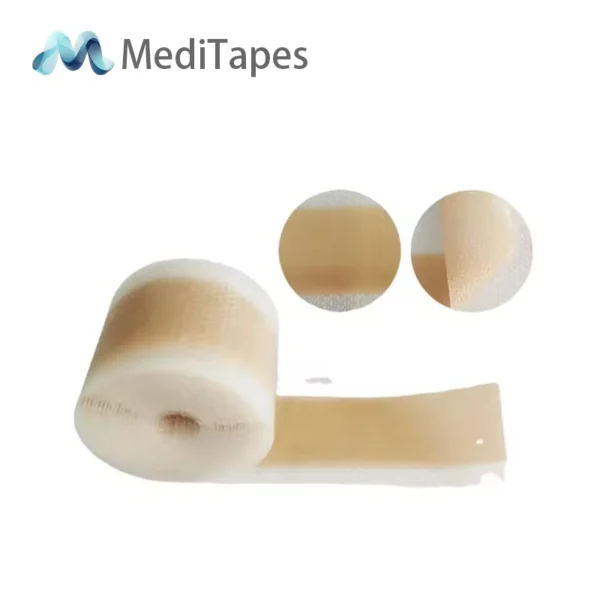
Blue Silicone Gel Tape with Perforation for Secure Medical Fixation
Our Blue Silicone Gel Tape features easy-tear perforation for quick medical application. This soft silicone gel tape provides secure fixation for IV lines and dressings while protecting the stratum corneum. Waterproof and flexible, it conforms to body contours perfectly for maximum patient comfort.
Potential Downsides and When to Skip It
Most people tolerate it fine, but yeah, some get itchy or a rash – stop and chat with a doc if that happens. Hot climates can make it sweatier, leading to maceration if not cleaned well. Not for open wounds, obviously.
If your scar’s infected or you’re allergic to silicone (rare), steer clear.
Wrapping It Up: Is It Worth Trying?
From the studies and what I’ve seen firsthand, silicone gel tape does really work for a lot of scars – flattening them, fading color, easing discomfort. It’s not erasing them completely (nothing does that reliably without risks), but it gives your skin a better shot at healing nicely.
If you’re dealing with a fresh or stubborn scar, give something like MediTapes’ soft silicone gel tape a go. Head over to https://meditapes.com/ for more info, or check our product page here: Silicone Gel Tape.
Got questions? Drop us a line at info@meditapes.com or through our contact page. We’d love to help you figure out if it’s right for you.
FAQ
Does silicone gel tape work on old scars?
Yeah, it can help soften and improve older ones, but fresher scars (under a year) usually see bigger changes faster.
How long do I need to wear silicone tape for scars?
Start with 12 hours a day, work up to 23-24 if you can. Stick with it for at least 3 months – many go 6+ for best results.
Is silicone tape better than creams or gels?
Tape (or sheets) often edges out because of constant coverage and gentle pressure. But some prefer liquid gels for face or uneven areas. Both backed by science.
Can kids use silicone scar tape?
Sure, it’s gentle, but check with a pediatrician first, especially for little ones.
What if it irritates my skin?
Stop using, clean the area, and try a different brand or shorter wear time. Rare, but happens.