Ever ripped off a bandage and winced at that sharp sting? Yeah, we’ve all been there. Traditional tapes can be rough on your skin, especially if it’s already sensitive or healing from something. But silicone gel adhesives? They’re kinda game-changers. They stick well but come off easy, without yanking your skin along for the ride. Let’s dive into the science behind this stuff and see why it helps cut down on skin trauma so much.
What Are Silicone Gel Adhesives Anyway?
So, silicone gel adhesives are these soft, tacky gels made from polydimethylsiloxanes – basically long-chain silicone polymers crosslinked together. They’re not like the hard acrylic adhesives in regular tapes that grab on tight and don’t let go. Instead, these gels have low surface tension, meaning they spread out quick and conform to your skin’s bumps and curves without flowing too deep or aggressively.
The key thing? They bond gently. The adhesion comes from quick wetting of the skin surface, but there’s minimal viscous flow. That means when you peel it off, it debonds at low force. No big pull needed. Studies show this leads to way less stripping of the stratum corneum – that’s the top layer of your skin.
Compared to acrylic tapes, which build up adhesion over time and can strip cells when removed, silicone stays consistent and gentle. One study on healthy volunteers found silicone tapes removed far fewer corneocytes (skin cells) than acrylic ones.
Diving Deeper into the Silicone Adhesive Mechanism
Let’s break down the silicone adhesive mechanism a bit more. Silicone gels work through what’s called “soft adhesion.” They have this viscoelastic property – kinda bouncy and flexible. When pressure’s applied, they conform fast, creating good initial tack. But unlike acrylics, they don’t creep or flow much under stress.
This low peel force is huge for minimizing trauma. Research from places like 3M and others shows silicone adhesives require much lower energy to remove, reducing shear stress on the skin. In one model for quantifying skin damage, silicone-coated dressings stripped significantly less epithelium than polyurethane or hydrocolloid ones.
Plus, they’re breathable in a smart way. Silicone allows moisture vapor to pass but keeps liquids out, helping maintain skin hydration without maceration.
Here’s a quick comparison table to make it clearer:
| Aspect | Silicone Gel Adhesives | Traditional Acrylic Adhesives |
|---|---|---|
| Adhesion Build-Up | Constant over time | Increases with wear time |
| Removal Force | Low peel, gentle debonding | High peel, can strip skin layers |
| Skin Cell Removal | Minimal corneocytes stripped | Higher stripping, more trauma |
| Repositionability | Easy to reposition without losing tack | Often loses tack or damages skin |
| Pain on Removal | Minimal to none | Often painful, especially on fragile skin |
| Residue Left Behind | Clean removal, no residue | Can leave sticky residue |
Data drawn from studies like those in Advances in Wound Care and clinical comparisons.

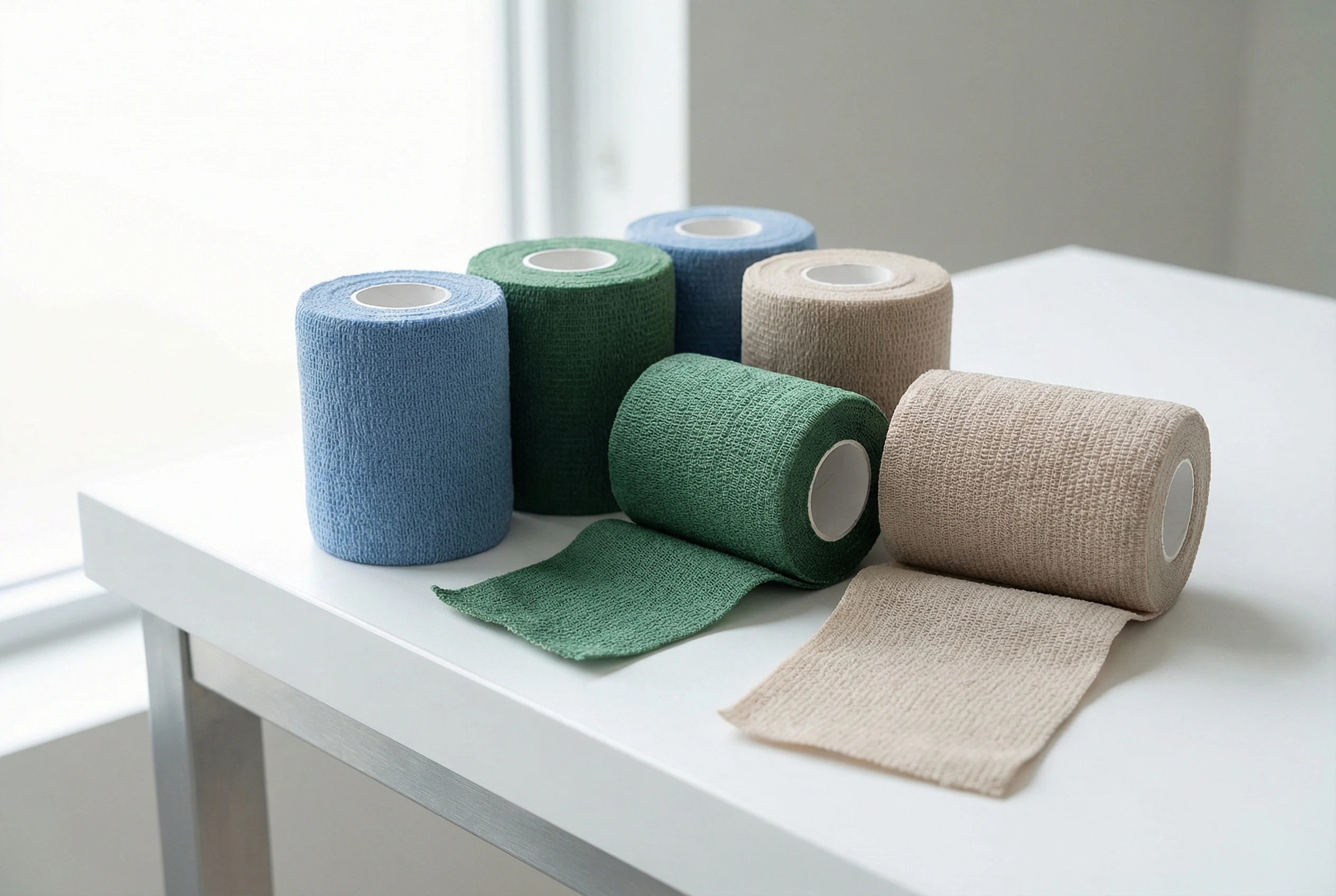
Medical Non-woven Silicone Gel Tape for Sensitive Skin & Wound Care
This Non-woven Silicone Gel Tape offers gentle adhesion for fragile skin, ideal for frequent dressing changes. The breathable non-woven backing ensures comfort, while the soft silicone layer minimizes pain upon removal. Perfect for securing medical devices without causing trauma or residue.
Why Skin Trauma Happens with Regular Tapes – And How Silicone Fixes It
Skin trauma from tapes isn’t rare. It’s called Medical Adhesive-Related Skin Injury, or MARSI. Things like skin stripping, tears, tension blisters – they happen when tapes pull too hard. Stats show MARSI prevalence in adult inpatients around 16%, and incidence up to 25% in some cohorts. In critcally ill patients, it’s even higher, with mechanical injuries like stripping making up over 70%.
Risk factors? Dry skin bumps the odds by 5 times, edema or wet skin too. Elderly folks, neonates, anyone with fragile skin – they’re hit hardest.
But silicone gel adhesives tackle this head-on. Clinical evidence piles up showing they reduce MARSI big time. For example, in pediatric wounds, dressings with soft silicone caused way less pain and trauma during changes. Another real-world study on fragile skin found minimal pain at removal and high comfort.
The painless removal tape aspect? That’s where silicone shines. Brands like 3M’s Kind Removal use silicone for exactly this – secure hold but easy off. Patients report almost no pain, and pros find it easy to handle even with gloves.
Real-World Evidence and Studies Backing This Up
Don’t just take my word. There’s solid science here. A consensus from experts notes silicone tapes are preferred for at-risk skin because they minimize epidermal stripping.
In anesthesia settings, comparing silicone to acrylic for facial taping? Silicone had zero skin denudation cases versus several with acrylic. Patient satisfaction was higher too.
For wound care, soft silicone dressings in kids showed “good to very good” ratings for comfort and low trauma.
Even in scar management, silicone gel sheeting normalizes hydration and reduces collagen overproduction, partly because gentle removal avoids further stripping new skin.
Skin-Friendly Adhesive in Action: Benefits Beyond Just Less Pain
Silicone isn’t just about easy removal. It’s skin-friendly adhesive through and through. Hypoallergenic, biocompatible – no latex, low irritation risk. Great for repeated use, like in chronic wounds or device fixation.
Breathable, repositionable, showerproof often. And for vulnerable groups? Neonates, elderly, oncology patients – silicone preserves skin integrity longer.
At MediTapes, we’ve seen this firsthand with our medical non-woven silicone gel tape. It’s designed for secure fixation but super gentle removal. Nurses tell us it makes dressing changes less stressful for patients.
Comparing Silicone to Other Adhesives: A Quick Table
To keep things straightforward, here’s how silicone stacks up:
| Feature | Silicone Gel | Acrylic | Hydrocolloid |
|---|---|---|---|
| Trauma on Removal | Low | High | Medium |
| Wear Time Comfort | High | Medium | High (but can macerate) |
| Repositionable | Yes | No | Limited |
| Best For | Fragile/sensitive skin | Strong hold needed | Moist wounds |
| MARSI Risk Reduction | Significant | Baseline | Some |
Based on reviews from sources like Avery Dennison and clinical trials.

Anonymous Stories from the Field
I’ve heard from folks using silicone tapes – without naming names, of course. One nurse shared how switching to silicone for an elderly patient’s repeated IV fixes cut down redness and tears completely. The patient was way more comfortable, no more flinching at changes.
Another case: post-surgery wound care on a kid. Traditional tape caused crying every time. Switched to silicone, and it was smooth sailing – less trauma, faster healing vibe.
Or a chronic wound patient who could finally shower without worrying about the dressing falling off or hurting when changed.
These aren’t rare. Silicone’s gentle nature makes a real difference in everyday care.
How to Choose and Use Silicone Gel Tapes Right
Picking the right one? Look for medical-grade, like non-woven backings for breathability. MediTapes offers options that balance hold and gentleness.
Tips for use:
- Clean and dry skin first.
- Apply without stretching.
- Remove slowly, low angle, supporting the skin.
- Reposition if needed – silicone allows it.
If you’re dealing with wounds or devices, chat with a pro. But for many, silicone’s the go-to for less hassle.
Wrapping It Up: Why Silicone Gel Adhesives Are Worth It
Bottom line, the science behind silicone gel adhesives shows they minimize skin trauma through smart mechanics – low peel, gentle bonding, consistent adhesion. Painless removal tape isn’t hype; it’s backed by studies reducing MARSI and pain.
Skin-friendly adhesive like this improves comfort, healing, and overall experience. Especially if you’ve got sensitive skin or need long-term taping.
Curious about trying it? Check out MediTapes’ lineup at https://meditapes.com/. We’ve got products focused on that gentle, effective hold.
Need specifics or a quote? Drop us a line at info@meditapes.com or head to our contact page. We’d love to help you find the right fit.
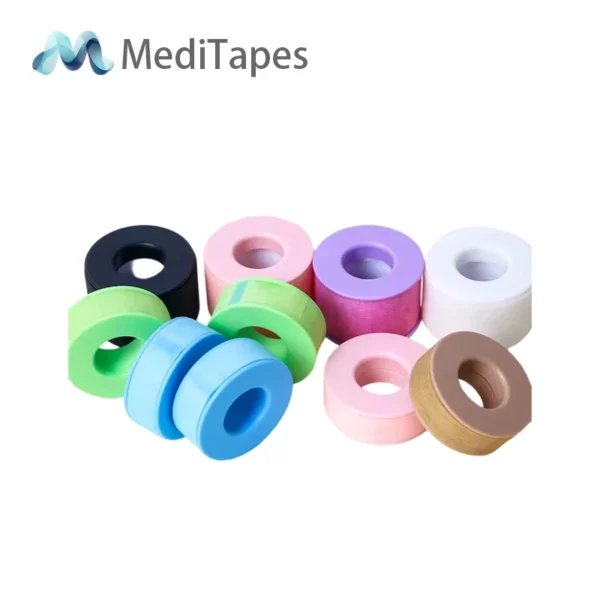
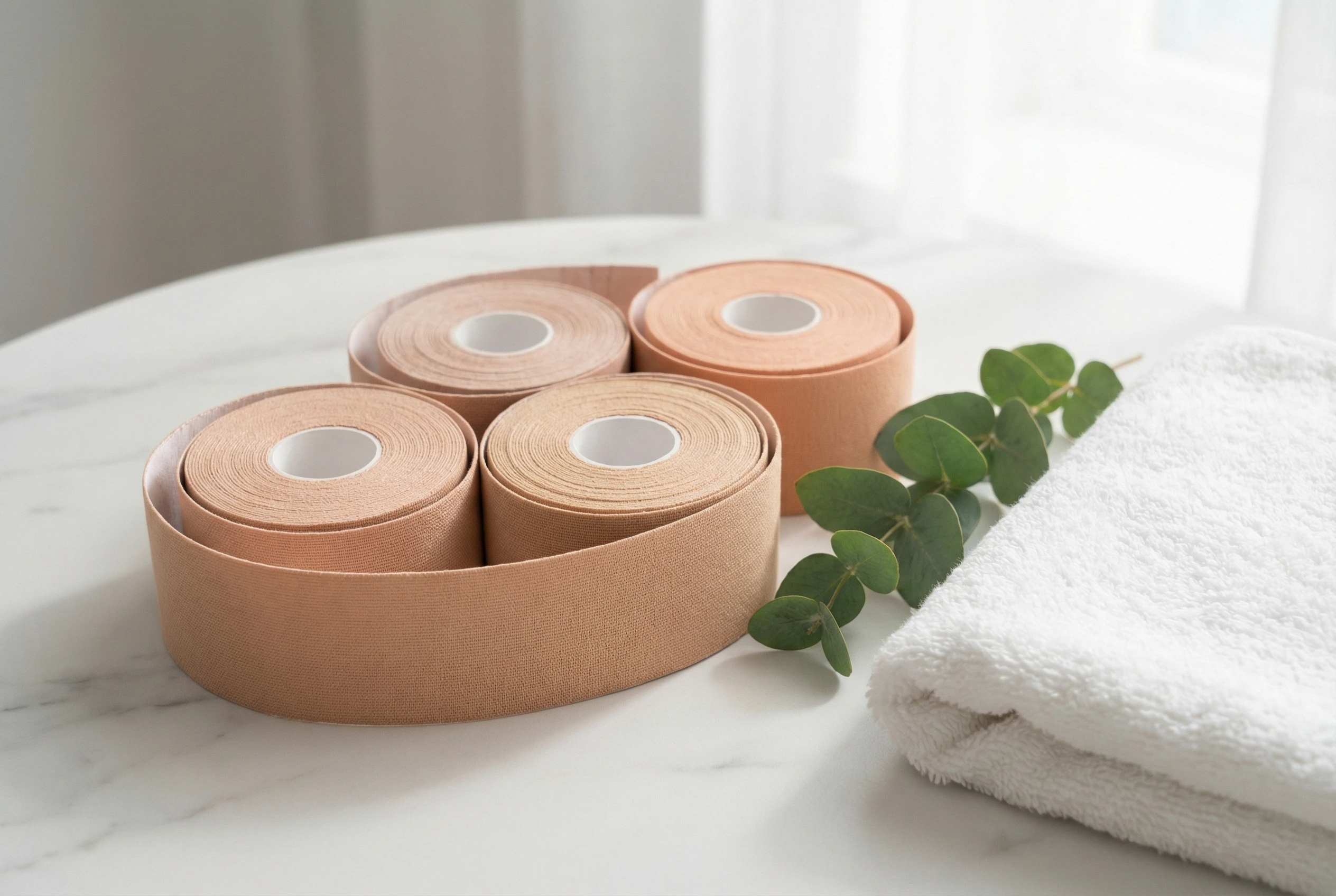
Soft Silicone Gel Tape Non-woven Fabric – Gentle Adhesion for Dressings
Experience superior comfort with our Soft Silicone Gel Tape. Featuring a flexible non-woven fabric, this tape conforms easily to body contours. The advanced silicone gel adhesive ensures strong holding power while being gentle enough for neonatal skin. Ideal for long-term wear and fragile skin applications.
FAQ
How does the silicone adhesive mechanism differ from regular tapes?
Silicone gels wet the skin quick for good tack but have low flow, so removal needs little force. Acrylics build stronger bonds over time, leading to more pull and trauma.
Is silicone tape really painless to remove?
Yeah, most folks say minimal to no pain. Studies on fragile skin show vast majority report little discomfort, way better than traditional options.
Who’s best suited for skin-friendly adhesive like silicone?
Anyone with sensitive, fragile, or at-risk skin – elderly, kids, post-op patients, chronic conditions. Also great for repeated applications.
Can silicone tapes cause any skin issues?
Rarely, but like anything, possible mild irritation if not cleaned properly. Always wash the area daily and watch for redness.
How long can you wear silicone gel tape?
Depends on the product, but many up to 7 days with good hold. Check specifics, like our MediTapes options.