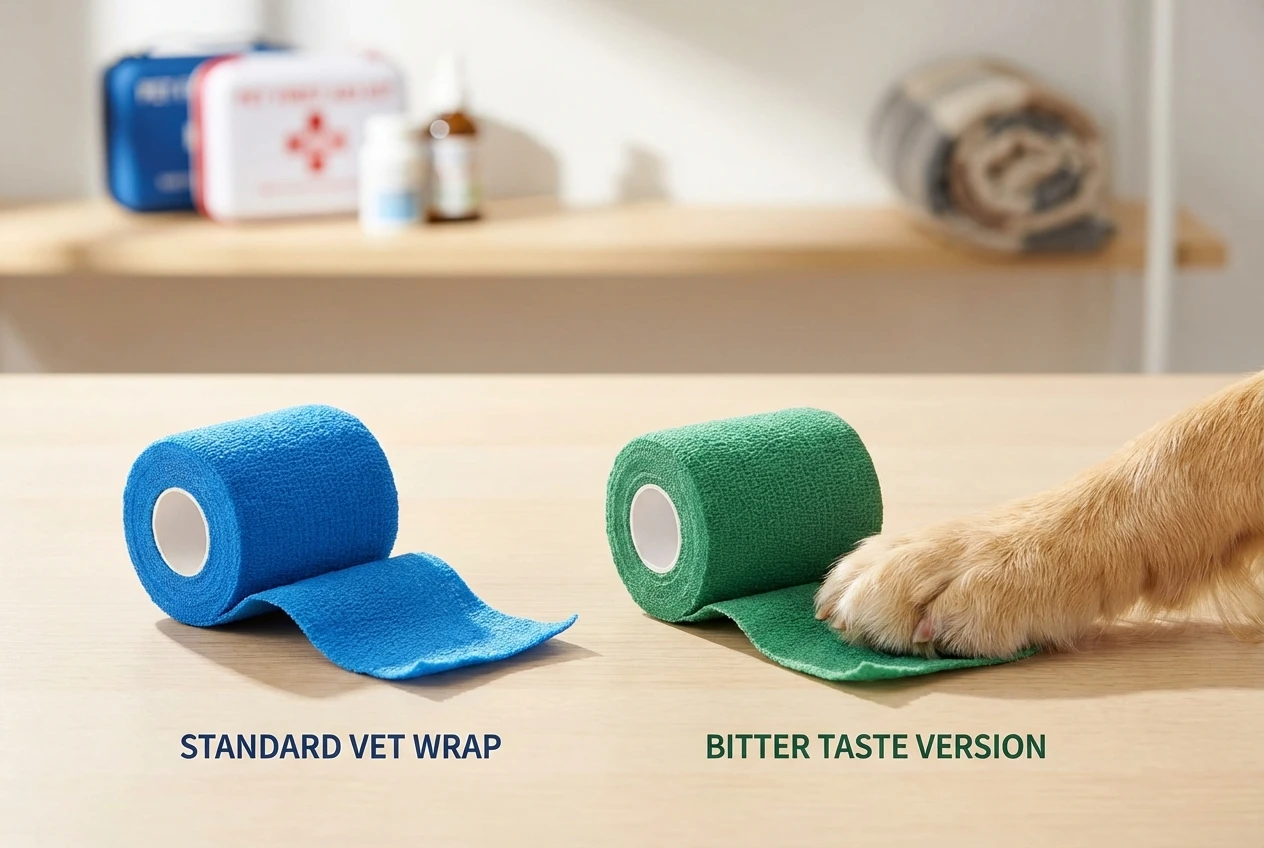
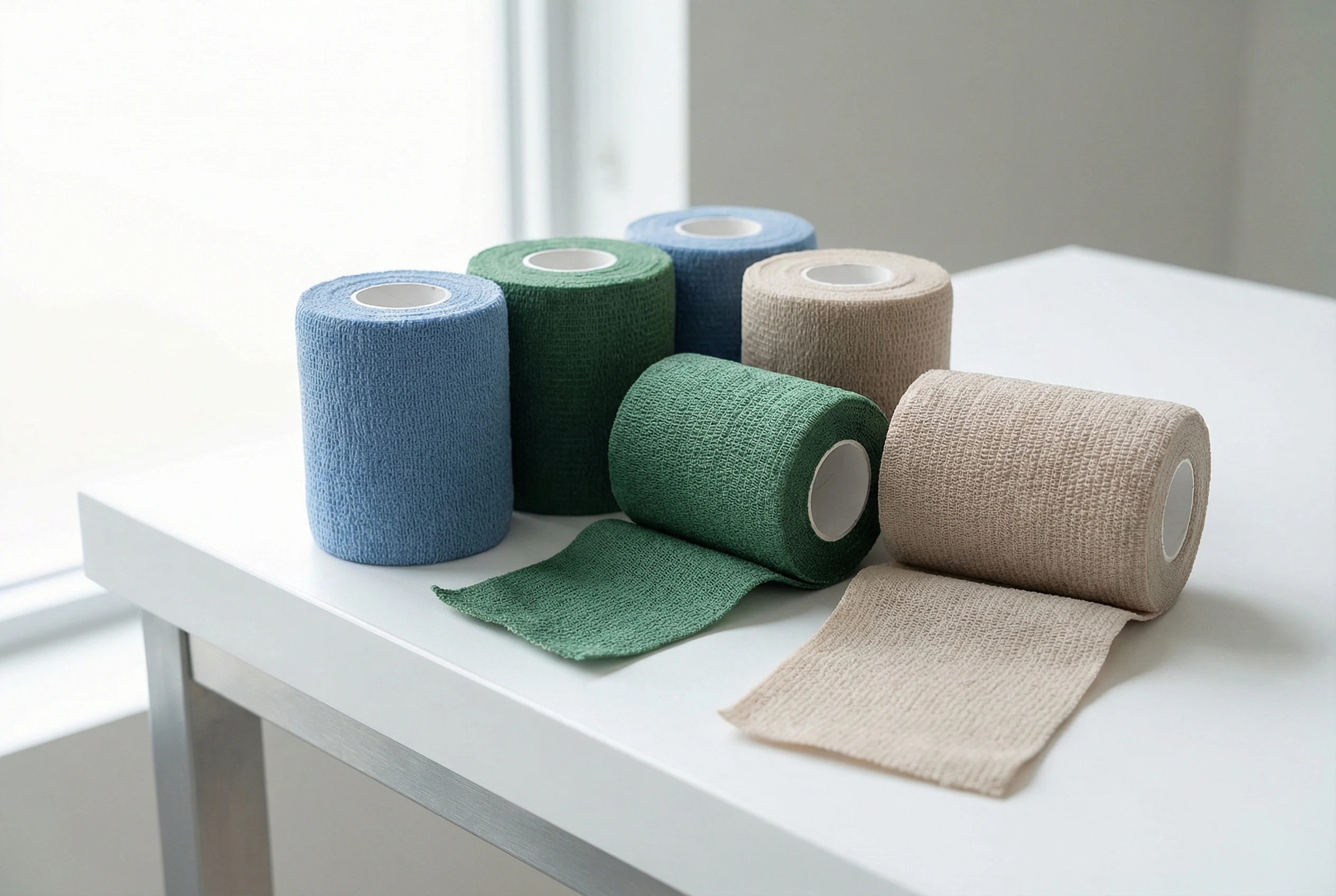
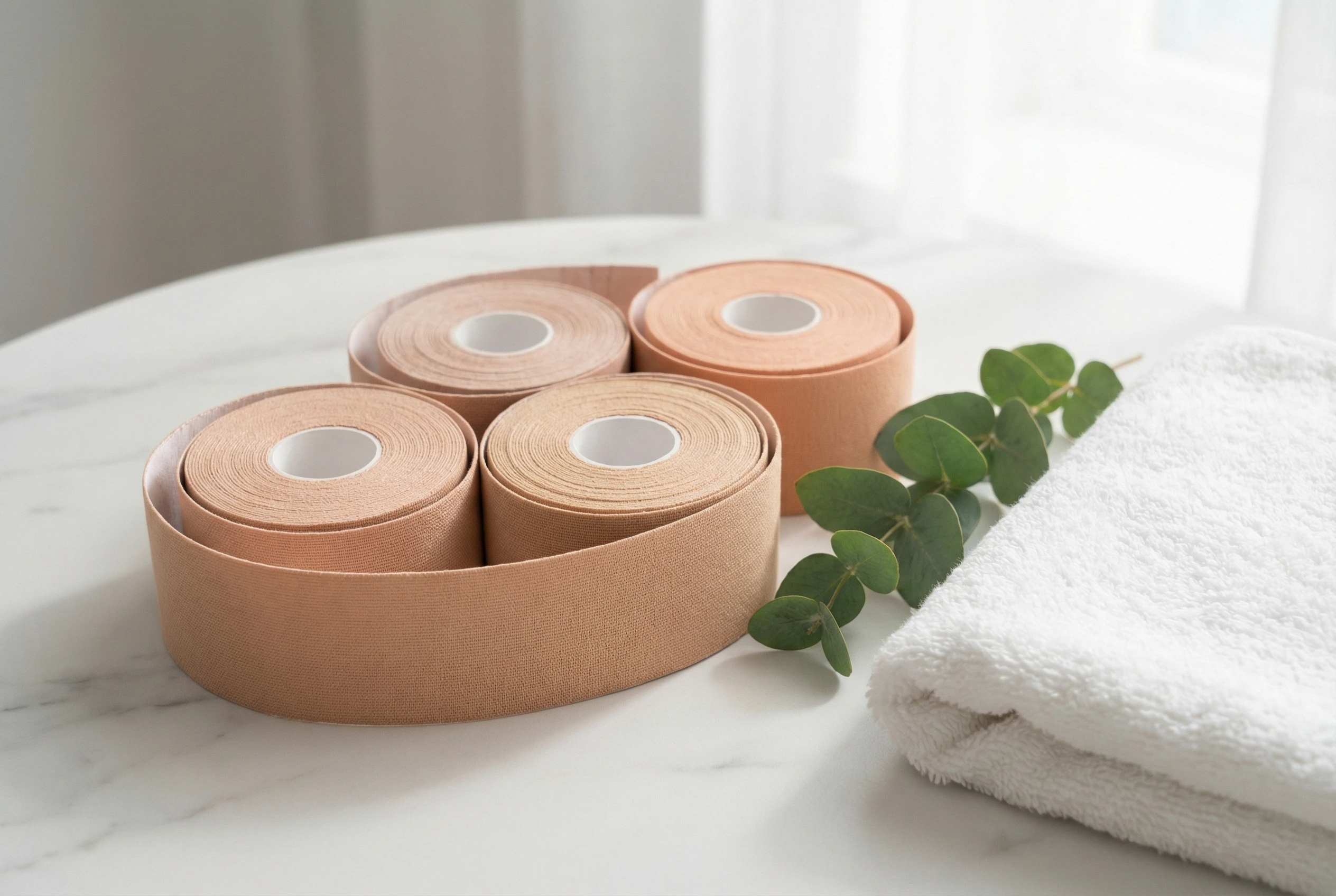
If you’ve ever wrapped a sprained ankle or secured a dressing and wondered “how on earth does this thing stick without any sticky mess or glue?”, you’re not alone. A lot of procurement managers ask me the same thing when they’re sourcing reliable bandages for their teams or facilities. They want something that holds strong during use but won’t cause allergic reactions or leave gunky residue behind.
Today we’re diving into exactly how self-adhesive wrap works, especially the latex-free cohesive bandage types that are becoming the go-to choice for sensitive applications. I’ll keep it straightforward, like we’re chatting over coffee, and share what I’ve seen work (and not work) over the years sourcing and testing these for different clients.
What Exactly Is a Self-Adherent Bandage?
These bandages go by a few names: self-adherent wrap, cohesive bandage, or even just “cohesive wrap.” Unlike regular adhesive tape that grabs onto your skin with glue, these only stick to themselves. You wrap it around a limb or over a dressing, and layer presses against layer to hold everything in place. No clips, no pins, no tape needed.
The big win here? It doesn’t cling to skin, hair, or clothing. That means painless removal, no pulling out hairs (ouch), and zero sticky residue left behind. For procurement folks, this is huge when you’re buying for hospitals, clinics, sports teams, or even vet practices where patients (or animals) have sensitive skin.
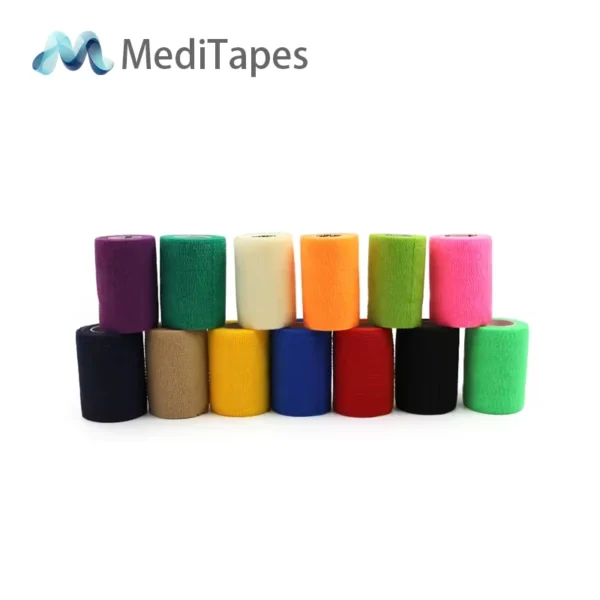
Waterproof Non-Woven Cohesive Tape – Durable Self Sticking Bandage
Keep wounds dry with our Waterproof Non-Woven Cohesive Tape. This self-sticking bandage maintains adhesion even when wet or sweaty. Highly breathable material prevents skin maceration. A versatile solution for both medical and sports first aid kits requiring a reliable cohesive wrap.
The Real Magic: The Self-Adherent Bandage Mechanism
So… how does it actually stick without glue? The secret lies in the special coating and material design.
Most quality latex-free cohesive bandages are made from a blend of non-woven fibers (like polyester or cotton blends) combined with elastic yarns. Then comes the key part: a very thin, uniform layer of cohesive material—usually synthetic rubber-like compounds (polyisoprene or similar) that are completely latex-free.
This cohesive layer creates a slightly tacky surface, but not in the sticky-glue way. When two layers touch, the molecules from each side interact and “grab” each other through weak intermolecular forces (think mild van der Waals attractions and some surface texture interlocking). It’s more like the bandage material is designed to be friendly only with more of itself.
Some descriptions mention a lightly ridged texture plus the rubbery coating that boosts this self-gripping effect. The result? Strong hold when wrapped properly, but it peels away cleanly from skin because the cohesive force is way stronger between bandage layers than to other surfaces.
I’ve tested dozens of brands side-by-side, and the ones with the best self-adherent bandage mechanism maintain grip even after movement or light moisture exposure, without slipping down like cheaper versions do.
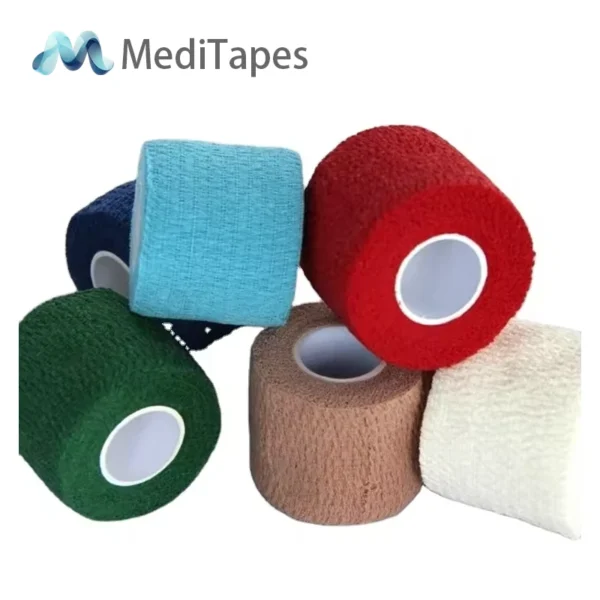
Vet Wrap Cotton Cohesive Bandage – Non-Slip Pet Bandage for Dogs & Cats
Designed for veterinary use, this Cotton Cohesive Bandage is perfect as a Vet Wrap for dogs, cats, and horses. The durable, non-slip material protects wounds and supports joints. It won’t stick to fur, making this cohesive bandage essential for animal care. Tearable by hand and highly elastic.
Why Latex-Free Cohesive Bandage Is a Smart Choice
Traditional bandages sometimes used natural rubber latex for that elastic snap and self-stick property. But latex allergy is no joke. Studies show that among healthcare workers, sensitization rates have historically been 10-17%, and in high-risk groups like those with repeated surgeries, it can be much higher.
Switching to latex-free cohesive bandage options eliminates that risk entirely. These synthetic versions perform just as well (or better) in terms of stretch, compression, and self-adhesion. Many even tear by hand easily—no scissors needed.
For procurement managers, this means safer bulk purchases, fewer returns due to skin complaints, and compliance with modern health standards. No residue also means less cleaning time for staff.
Here’s a quick comparison table of key features:
| Feature | Traditional Adhesive Bandage | Latex-Free Cohesive Bandage |
|---|---|---|
| Sticks to | Skin, hair, clothing | Only itself |
| Residue after removal | Often yes | No |
| Allergy risk (latex) | Possible | None |
| Pain on removal | Can be high | Minimal |
| Reusable (if clean) | Rarely | Yes, multiple uses |
| Breathability | Variable | Excellent |
Real-World Applications We’ve Seen Work Great
In one hospital supply chain I worked with, they switched entirely to latex-free cohesive bandages for post-op wrapping. Nurses reported way fewer skin irritations, and patients were happier because removal didn’t hurt. Another client in sports medicine used them for ankle supports during games—stayed put through heavy activity, no tape residue on socks or skin.
We’ve also supplied to vet clinics where fur makes regular tape a nightmare. The cohesive wrap holds dressings securely without pulling hair out when removed. One vet mentioned it cut their wrapping time in half because no clips were needed.
How to Apply for Best Results
Want the wrap to last? Start at the narrowest part of the limb, overlap about 50%, and stretch gently (not too tight—check circulation!). Press the end down onto the previous layer, and it locks in place. Easy to adjust or re-wrap if needed.
Pro tip: Always put a primary dressing or gauze first if covering a wound—these wraps aren’t sterile on their own.
Pros and Cons You Should Know
Pros:
- Super easy to use and adjust
- No allergy worries with latex-free versions
- Good compression without cutting off blood flow
- Breathable, lightweight, conforms to curves
- Cost-effective over time (reusable if not soiled)
Cons:
- Not for direct wound contact (needs secondary dressing)
- Can lose some grip if stretched too much repeatedly
- Cheaper generics sometimes slip more
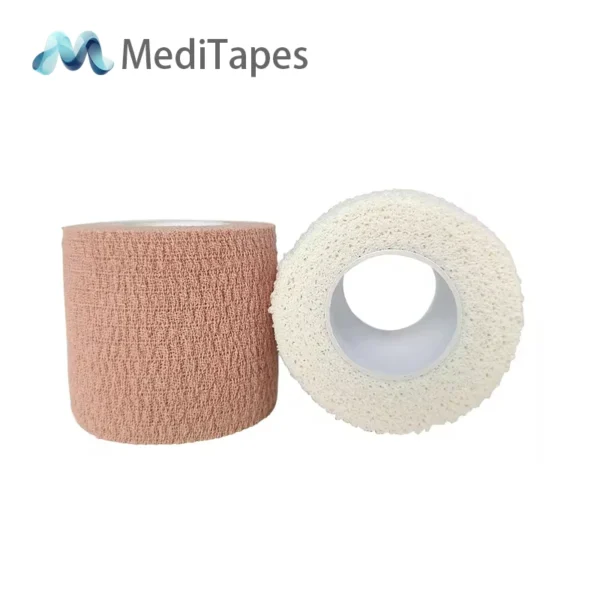
Bulk Cotton Cohesive Bandage – Latex Free Self Adhesive Tape Factory
Source high-quality Cotton Cohesive Bandage directly from the factory. We offer bulk cohesive bandages with custom branding options. This latex-free self-adhesive tape ensures safety for all patients. Cost-effective solutions for hospitals seeking reliable medical consumables. Fast shipping for large volume orders.
FAQ
Q: Will a latex-free cohesive bandage cause any allergic reaction?
A: The good ones are hypoallergenic and synthetic-based, so reactions are extremely rare. Always check product specs if your team has very sensitive skin.
Q: How many times can I reuse the same self-adherent wrap?
A: If it’s clean and not contaminated, many folks get 3-5 uses out of one roll. Just unwind carefully and re-roll loosely for storage.
Q: Does the self-adherent bandage mechanism weaken over time?
A: Heat and repeated heavy stretching can reduce grip a bit, but quality brands hold up well for weeks of normal use.
If you’re sourcing reliable latex-free cohesive bandages that deliver consistent performance and patient comfort, take a look at what we offer at MediTapes. Our wraps use a proven self-adherent bandage mechanism with excellent self-hold and zero residue. Drop by https://meditapes.com/ to check out specs, or hit up our contact page https://meditapes.com/contact-us/ for bulk pricing. You can also email info@meditapes.com—we’re happy to send samples or answer any tech questions.
Hope this clears up the mystery! Let me know if you want more details on sizes, colors, or compression levels. 😊