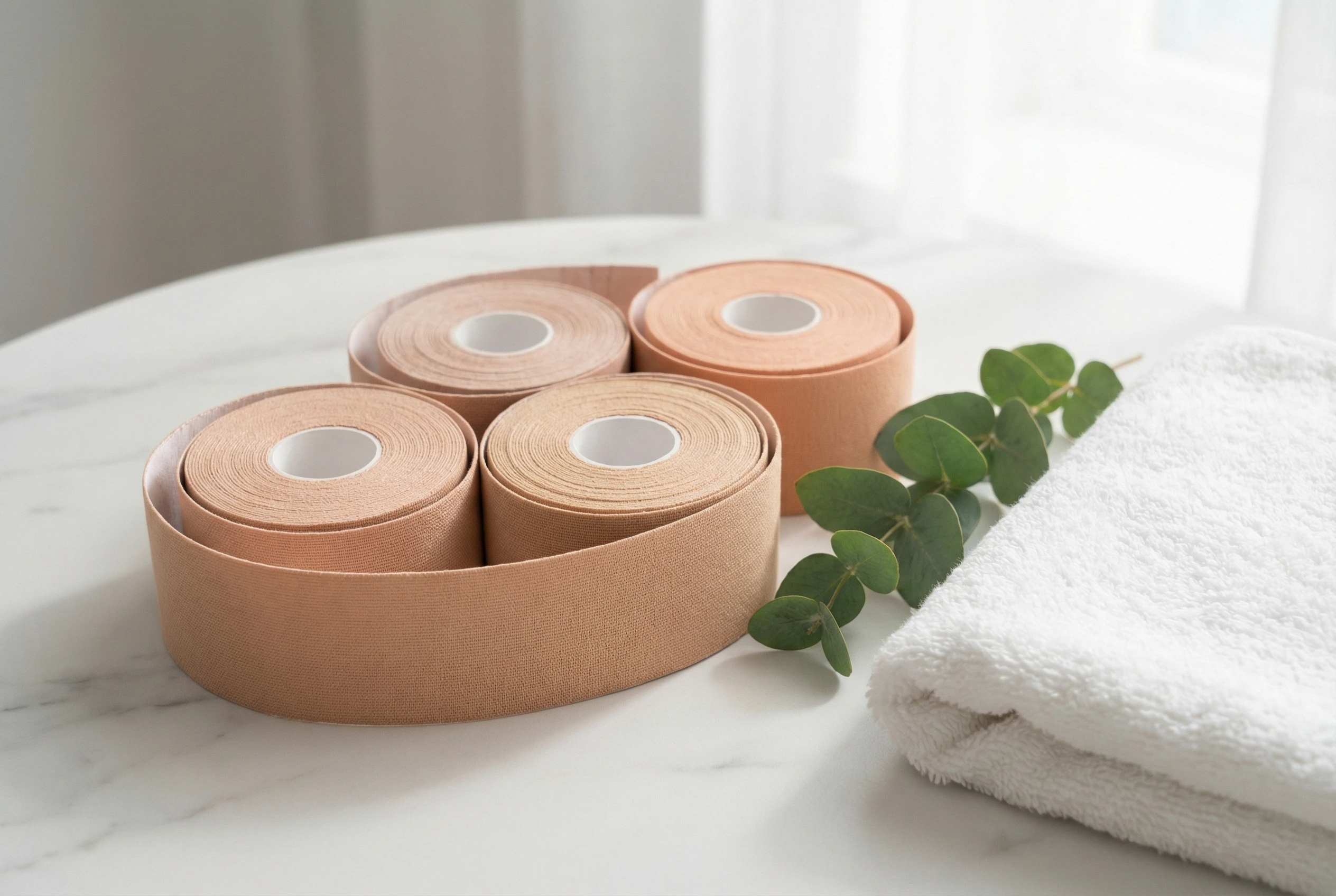
Wound care can feel overwhelming sometimes, especially when you’re trying to keep everything in place without it shifting around or getting messy. I’ve dealt with this a lot over the years, both in professional settings and helping out family members at home. One thing that’s made a huge difference is switching to PU film retention tape for holding down gauze and pads. It’s basically this thin, transparent polyurethane film that acts like a super reliable secondary dressing, locking in your primary stuff like gauze without all the hassle of traditional tapes.
If you’ve ever had gauze slip off or get soaked through too quick, you know what I mean. PU film rolls are waterproof, breathable, and stick gently but firmly. They’re great for securing gauze on tricky spots like joints or curves. At MediTapes, we’ve seen folks really appreciate our PU Film Dressing Roll for exactly these reasons – it just works better day to day.
Let’s dive into why this stuff is worth trying and how to use it right.
What Exactly Is PU Film Retention Tape and How Does It Work as a Secondary Dressing?
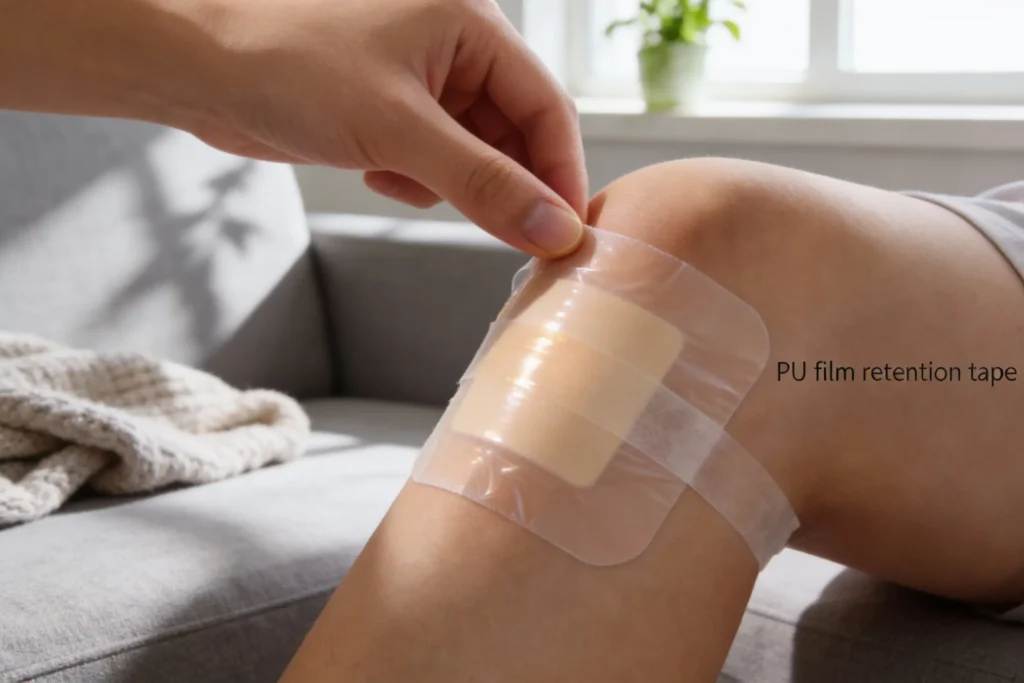
Okay, so PU stands for polyurethane – it’s this flexible, clear film that’s coated with a gentle adhesive. Comes in rolls usually, so you can cut whatever size you need. Unlike old-school paper tapes or cloth ones that might irritate skin or fall off when wet, this is designed to be a retention tape specifically.
As a secondary dressing, it goes over your main absorbent layer, like gauze pads or foam. The primary dressing soaks up the fluid, and the PU film holds it all secure while letting the wound breathe a bit. It’s permeable to moisture vapor but blocks water and bacteria from getting in. That means patients can even shower without worrying too much.
From what I’ve noticed hands-on, the transparency is a game changer. You can peek at the wound without peeling everything off, which reduces disturbance and helps spot issues early.
Quick Comparison: PU Film vs Traditional Tapes for Securing Gauze
Here’s a simple table to show the differences – based on real-world use and studies on polyurethane films:
| Feature | PU Film Retention Tape | Traditional Paper/Cloth Tape | Gauze-Only Wrapping |
|---|---|---|---|
| Waterproof | Yes – full barrier | No – gets soggy | No |
| Breathability (MVTR) | High – lets moisture vapor escape | Low | Medium |
| Visibility | Clear – easy monitoring | Opaque | Opaque |
| Conformability | Stretches and molds to body curves | Limited | Okay but bulky |
| Wear Time | Up to 7 days often | 1-2 days max | Changes frequently |
| Skin Irritation Risk | Low – hypoallergenic | Higher, especially on removal | Medium |
| Bacterial Barrier | Strong | Weak | Weak |
Data drawn from clinical comparisons where polyurethane films showed better patient comfort and lower irritation rates.
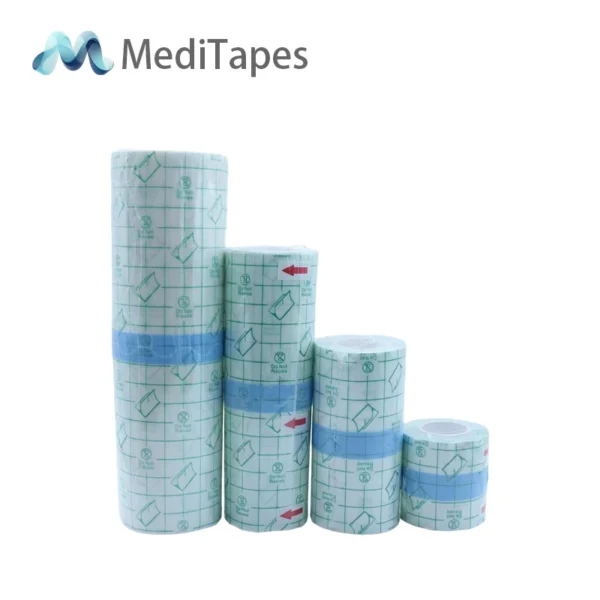
Waterproof PU Film Dressing Roll – Transparent Wound Fixation Tape
Our Waterproof PU Film Dressing Roll offers superior protection against water and bacteria while allowing the skin to breathe. Ideally used as Transparent Wound Fixation Tape for securing catheters and gauze. This hypoallergenic roll is easy to cut and conforms to body contours for maximum patient comfort.
Why Choose PU Film for Securing Gauze and Pads?
There’s solid reasons this has become a go-to in wound care. Studies, like ones on PubMed, have shown transparent polyurethane films help prevent pressure ulcers better than some hydrocolloids – one trial had an 8.7% incidence vs 15% for alternatives.
Key perks:
- Waterproof protection: Keeps the gauze dry even if you get caught in rain or take a quick shower. No more soggy messes.
- Better moisture balance: It maintains that moist environment wounds love for healing, without macerating the skin around it. High MVTR (moisture vapor transmission rate) is key here.
- Gentle on skin: The adhesive is acrylic-based, usually hypoallergenic. Less pulling or redness when changing.
- Flexibility for movement: Conforms to knees, elbows, whatever. I’ve used it on active kids and elderly folks – stays put without restricting.
- Reduced infection risk: Acts as a barrier to outside contaminants. Some research points to lower surgical site infections with film dressings.
In practice, I’ve seen wounds heal faster because the gauze stays secure longer, meaning fewer changes and less disruption.
Real-Life Scenarios Where It Shines
Think about post-surgery incisions – you slap on some gauze for absorption, then roll out the PU film to seal it. Or for minor burns, abrasions where you need to pad it but keep it visible.
One anonymous case I recall: a patient with a leg ulcer that kept shifting with regular tape. Switched to PU film retention, and it held for days, even with walking. Wound closed up nicer, less scarring noted.
Another common use: securing pads over IV sites or tubes. The film adapts without kinking anything.
How to Properly Use PU Film Retention Tape for Gauze and Pads
It’s pretty straightforward, but a few tips make it better.
Step-by-Step Application
- Clean and dry the area thoroughly. Pat, don’t rub.
- Apply your primary dressing – gauze or pad centered over the wound.
- Cut the PU film a bit larger than needed (about 1-2 inches border).
- Peel off the backing slowly, place over the gauze, smooth from center out to avoid bubbles.
- Press edges firmly for good seal.
- If on a joint, use slight overlap strips for extra hold.
Removal: Stretch the film parallel to skin to release adhesive gently – hurts way less.
Common Mistakes to Avoid
- Don’t apply on infected or heavily exuding wounds without doc advice – might trap too much.
- Avoid wrinkling; air pockets can leak.
- Change if edges lift or fluid builds up visibly.
Pro tip: For extra absorbency, layer with alginate under gauze, then secure with the film.
Benefits Backed by Evidence
Authentic data matters. A meta-analysis from years back noted transparent films provide a viral/bacterial barrier while allowing oxygen. Another study in surgical patients showed reduced blistering and erythema compared to gauze methods.
In rat models (preclinical), polyurethane foams/films accelerated re-epithelialization. Clinical trials echoed lower pressure ulcer rates.
Overall, moist healing promoted by these films speeds things up – wounds can re-epithelialize quicker than dry gauze alone.
When PU Film Works Best as Secondary Dressing
Ideal for:
- Superficial wounds, partial-thickness burns.
- Post-op sites needing monitoring.
- Securing gauze on mobile areas.
- Low to moderate exudate (pair with absorbent primary).
Not great for heavy drainage alone – needs super absorbent underneath.
Table of Suitable Wound Types
| Wound Type | Recommended Use with PU Film | Why It Helps |
|---|---|---|
| Abrasions/Scrapes | Over gauze pad | Visibility + waterproof |
| Surgical Incisions | Secondary over absorbent layer | Reduced infection risk |
| Pressure Ulcers (Stage I-II) | Retention for primary dressing | Prevents shear, moisture balance |
| Minor Burns | Securing non-adherent gauze | Comfortable, no sticking |
| IV/Catheter Sites | Fixation tape alternative | Secure without irritation |
Tips from Experience for Better Results
Over time, I’ve learned:
- Always have scissors handy for custom cuts.
- For sensitive skin, test a small piece first.
- Combine with our MediTapes PU Film Dressing Roll – it’s roll format makes it economical.
- Monitor daily, even if transparent.
- Kids love it because it’s “invisible” – less fuss.
One time, helping a relative with diabetes foot care, the film kept the gauze in place during daily activities. No shifts, better compliance.
Potential Drawbacks and How to Handle Them
Nothing’s perfect. Older studies sometimes showed higher catheter infection risks with films vs gauze, but modern ones are improved. Mainly, if exudate pools, change sooner.
Cost might be higher upfront, but longer wear saves in the end.
Allergic reactions rare, but possible – discontinue if rash.
Why MediTapes PU Film Dressing Roll Stands Out
We’ve focused on making a reliable, user-friendly option at MediTapes. Waterproof, high conformability, and easy to apply. Check it out here: PU Film Dressing Roll.
If you’re dealing with ongoing wounds or just want better supplies, head over to our site https://meditapes.com/ or drop us a line at info@meditapes.com.
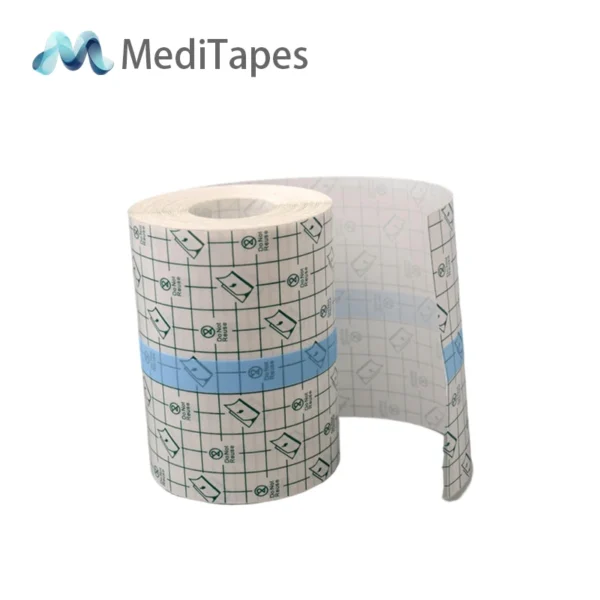
Medical Grade PU Film Roll for Tattoo Aftercare & Wound Healing
Designed for optimal healing, this Medical Grade PU Film Roll is the perfect solution for Tattoo Aftercare and surgical wounds. It acts as a second skin, locking in moisture while keeping out dirt. This transparent film allows for easy monitoring of the healing process without removal.
Frequently Asked Questions (FAQ)
1. Can I shower with PU film retention tape on my gauze?
Yeah, absolutely – that’s one of the best parts. It’s waterproof, so quick showers are fine. Just pat dry after and check edges.
2. How long can I leave PU film securing gauze in place?
Usually 5-7 days, depending on the wound and exudate. If it stays clean and sealed, longer is okay, but check daily.
3. Is PU film retention tape better than regular medical tape for securing gauze?
In most cases, yes – better hold, waterproof, less irritation, and you can see through it. Traditional tape often fails when wet or on curves.
4. Does it hurt to remove PU film from skin?
Not much if done right. Stretch it flat along the skin to release, instead of pulling up. Way gentler than cloth tapes.
5. Can PU film be used directly on open wounds?
Better as secondary over gauze. For very shallow ones, yes, but consult a pro.
If you’ve got questions or need a quote for bulk, feel free to reach out through our contact page. We’d love to help you find the right solution for your wound care needs.