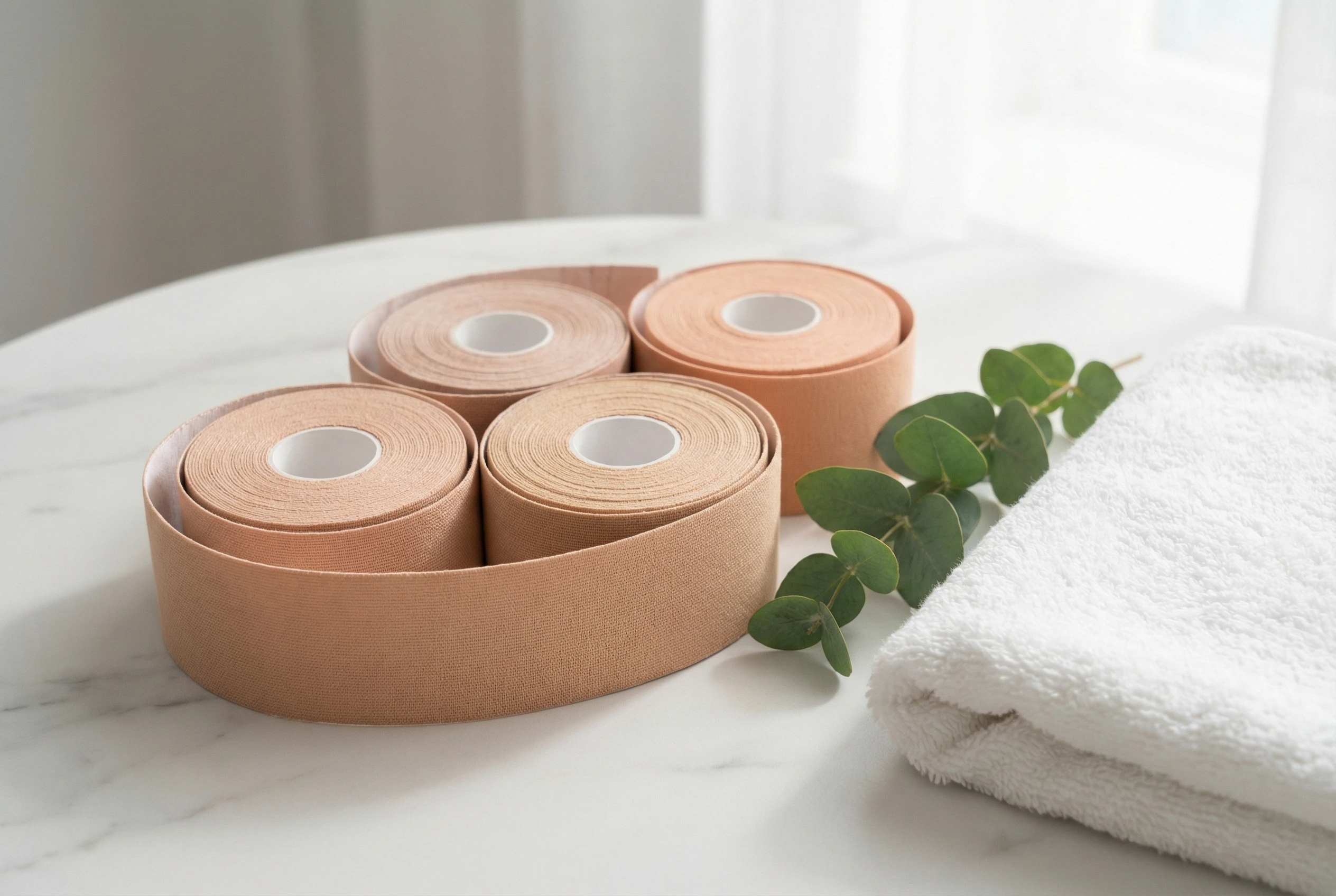
Ever wondered what makes those clear, sticky rolls used in wound care so effective? You know, the ones that stick around without causing a fuss when you peel them off. PU film dressing rolls – or polyurethane film rolls if you’re feeling formal – are pretty clever bits of kit. They’ve got a few key layers working together to protect wounds, keep things breathable, and make life easier for anyone dealing with cuts, burns, or post-op sites.
I’ve spent years messing around with medical tapes and films (yeah, including these PU rolls), and let me tell ya, once you get how the layers fit together, you really start trusting the product more. It’s not just some thin plastic; there’s real thought behind it. At MediTapes, we’ve been supplying high-quality stuff like our Medical Grade PU Film Roll, and seeing how it performs in real scenarios builds that confidence big time.
So, let’s break it down layer by layer. We’ll chat about the PU film structure first, then the acrylic adhesive, the release liner, and that handy PET backing. I’ll throw in some tables for clarity, real data from studies, and even a couple anonymized stories from applications we’ve seen.
What Are PU Film Dressing Rolls Anyway?
Before diving into the guts, quick recap: These rolls are basically long strips of transparent polyurethane film, often coated with adhesive, and protected until use. They’re medical-grade, meaning they’re super clean, biocompatible, and designed for skin contact. Common in hospitals for covering IV sites, securing tubes, or as secondary dressings over absorbent pads.
The global market for advanced wound dressings (which includes PU films) hit around USD 10.2 billion in 2023, according to Market.us reports, and it’s growing steady because folks want better healing outcomes. PU films play a big part ’cause they’re waterproof yet let moisture vapor escape – keeping the wound moist but not soggy.
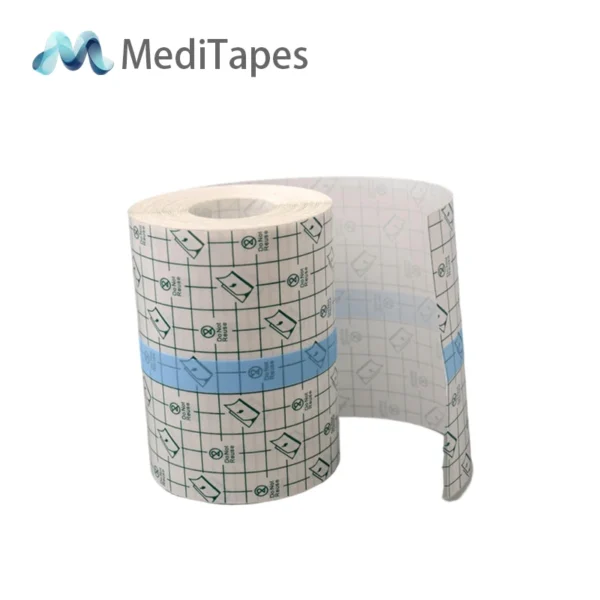
Medical Grade PU Film Roll for Tattoo Aftercare & Wound Healing
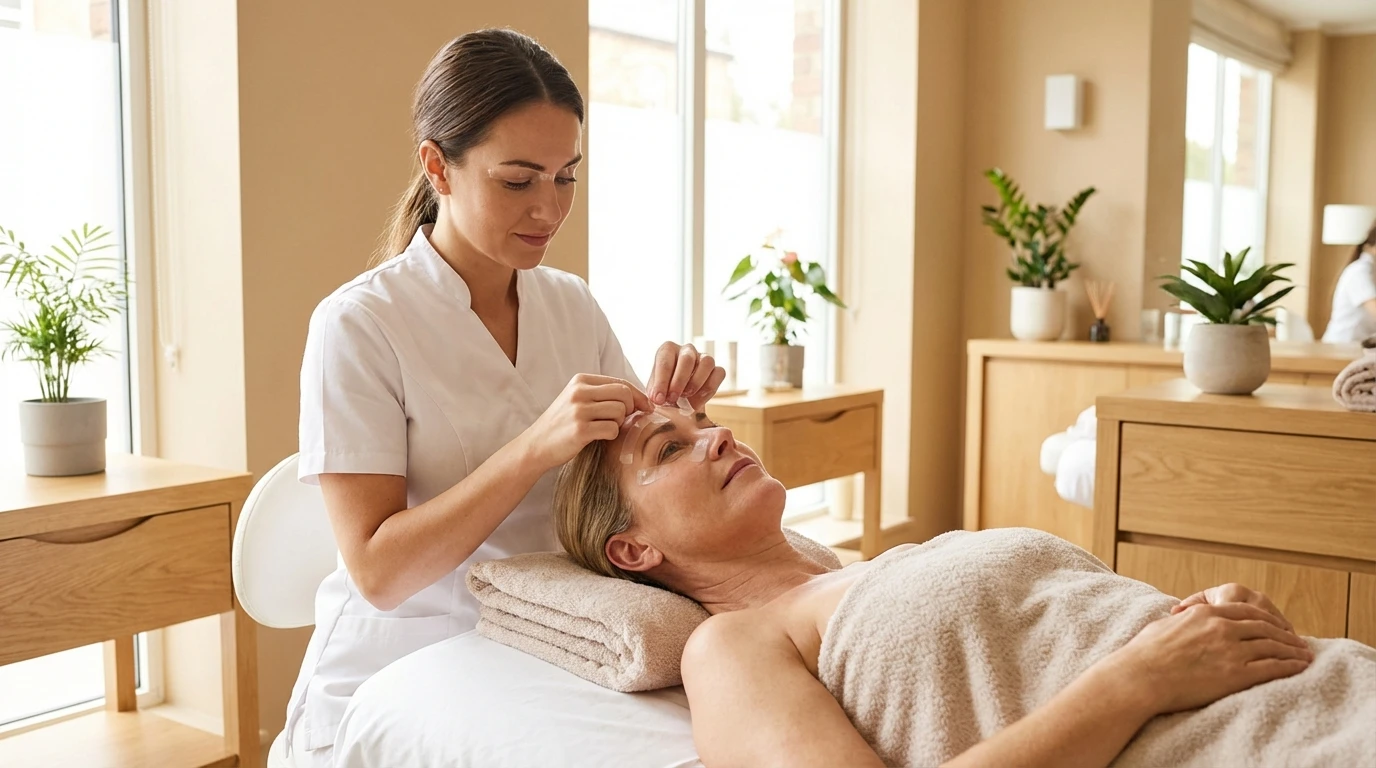
Designed for optimal healing, this Medical Grade PU Film Roll is the perfect solution for Tattoo Aftercare and surgical wounds. It acts as a second skin, locking in moisture while keeping out dirt. This transparent film allows for easy monitoring of the healing process without removal.
The Core: Breaking Down the PU Film Structure
At the heart is the polyurethane film itself. This isn’t your average plastic; it’s a thin, flexible sheet (usually 20-40 grams per square meter) that’s semi-permeable. Oxygen gets in, excess moisture gets out, but bacteria and water stay blocked.
Why polyurethane? It’s tough, stretchy, and conforms to body curves without tearing easy. Studies show PU dressings help create that ideal moist environment for healing – think faster re-epithelialization (new skin growth) compared to dry gauze.
Here’s a simple table showing typical layers in a standard PU film dressing roll:
| Layer | Material | Main Function | Thickness (approx.) | Key Benefit |
|---|---|---|---|---|
| PU Film | Polyurethane (PU) | Barrier and breathability | 25-50 microns | Waterproof, transparent, flexible |
| Adhesive Coating | Acrylic adhesive | Sticks to skin securely but gently | 20-30 g/m² | Hypoallergenic, easy removal |
| Release Liner | Silicone-coated paper | Protects adhesive until use | Varies | Easy peel-off without residue |
| PET Backing (optional/protective) | Polyethylene Terephthalate (PET) | Extra protection during manufacturing/handling | 50-100 microns | Prevents stretching or damage |
That PU film structure is key – it’s what makes the whole thing breathable. Moisture vapor transmission rates (MVTR) for good PU films are high, often over 400 g/m² per 24 hours, matching healthy skin.
Why the PU Film Feels So Reliable
In practice, this layer protects against external contaminants while letting the wound “breathe.” One clinical trial comparing PU film dressings to gauze found surgical site infections dropped significantly – from about 6.6% with gauze to 1.4% with PU film (data from a 2013 study published in the International Wound Journal). That’s real trust-building stuff.
We’ve had feedback from clinics using our rolls where nurses noted fewer complications like blistering around edges. It’s that balance: strong enough to stay put, gentle enough not to irritate.
The Sticky Bit: Acrylic Adhesive Explained
No dressing works without good stickiness, right? Most PU rolls use acrylic adhesive – a medical-grade glue that’s pressure-sensitive and skin-friendly.
Acrylics are popular ’cause they’re hypoallergenic, don’t cause much irritation, and hold well even on sweaty skin. They let moisture pass a bit too, reducing maceration (that soggy skin look).
Compared to silicone adhesives (gentler but pricier), acrylic offers stronger initial tack – great for rolls that get cut and applied quick in busy settings.
Tip from experience: Always clean and dry the skin first. If it’s oily, a quick alcohol wipe helps the adhesive grab better without residue later.

Permeable PU Adhesive Film Dressing Roll – Surgical Fixation Tape
Secure dressings effectively with our Permeable PU Adhesive Film Dressing Roll. This high-quality Surgical Fixation Tape provides strong adhesion yet is gentle on sensitive skin. Its semi-permeable structure prevents maceration by allowing moisture vapor transmission, making it ideal for long-term wear in clinical settings.
Protecting the Good Stuff: Release Liner and PET Backing
Until you’re ready to use it, the adhesive needs guarding. That’s where the release liner comes in – usually a silicone-coated paper or film you peel off easy. No tugging, no sticky mess left behind.
Some rolls have a PET backing too – that’s polyethylene terephthalate, a clear, tough plastic layer on the non-adhesive side. It protects during rolling and storage, prevents premature stretching, and sometimes adds a bit of rigidity for easier handling.
In manufacturing, the PET backing helps keep everything flat and clean. Once applied, it’s the PU side facing out, transparent for monitoring.
Table of common issues and how layers solve ’em:
| Common Wound Issue | How PU Layers Help | Real-World Impact |
|---|---|---|
| Infection risk | PU barrier blocks bacteria | Lower SSI rates (per studies) |
| Excessive moisture | High MVTR evaporates excess | Prevents maceration |
| Pain on removal | Gentle acrylic + easy release liner | Less trauma to healing tissue |
| Poor conformity | Flexible PU + PET support | Fits curves, stays secure |
Benefits That Build Trust in Quality
Knowing the structure helps you see why these rolls earn trust. They’re not just cheap plastic; layers are engineered for safety and performance.
- Transparency: Watch the wound without removing – cuts disturbance, speeds healing.
- Waterproof: Patients can shower (huge quality-of-life win).
- Breathable: Reduces infection risk vs. occlusive options.
From what we’ve seen at MediTapes, one hospital switched to our Medical Grade PU Film Roll for IV fixations and reported fewer site infections over a year. Another clinic used them post-minor surgery; patients loved not having bulky bandages.
Anonymized case: A rehab center dealing with pressure sores in elderly folks layered our PU rolls over absorbent pads. Healing times improved, and skin tears on change dropped ’cause of the gentle adhesive.
Market-wise, medical-grade TPU films (close cousin to PU) were valued at about USD 246 million in 2024 (Grand View Research), growing ’cause of demand for reliable wound care.
How to Choose and Use PU Film Dressing Rolls
Look for medical-grade certification, good MVTR, and hypoallergenic adhesive. Rolls from MediTapes come in various widths – perfect for custom cutting.
Application tips:
- Clean area.
- Peel release liner slowly.
- Apply without tension to avoid blisters.
- Smooth edges.
- Change every 3-7 days or if soaked.
If you’re sourcing for a facility or personal use, check out our range at https://meditapes.com/.
Real Applications and Scenarios
These rolls shine in:
- Post-surgical incisions (clear view for monitoring).
- IV catheter securement (holds tubes firm).
- Superficial burns or abrasions.
- As secondary over foams or hydrogels.
In one scenario (no names, promise), a sports clinic used PU rolls for athlete blisters – quick apply, stayed on during games, healed faster without infection.
Another: Home care for diabetic ulcers – combined with primary dressing, the PU layer kept everything protected while allowing showers.
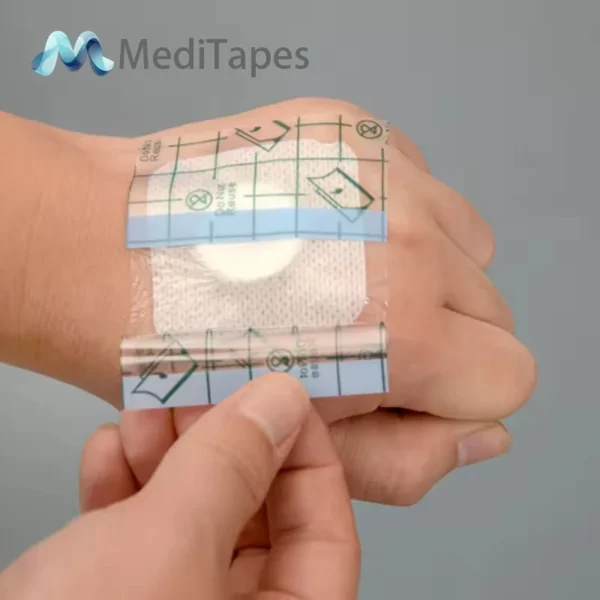
Hypoallergenic PU Film Dressing Roll Wholesale – Bulk Wound Care
Sourcing reliable supplies? Our Hypoallergenic PU Film Dressing Roll is available for Bulk Wound Care orders. Featuring a grid backing for precise cutting, this transparent roll minimizes allergic reactions. It is a cost-effective, premium choice for securing medical devices and primary dressings in high-volume environments.
Why This Matters for Trust
Peeling back the layers (pun intended) shows quality isn’t accidental. Each part – from PU film structure to acrylic adhesive – is chosen for performance and safety. That’s why pros trust them, and patients feel more secure.
If you’re curious about specifics for your needs, drop us a line.
Frequently Asked Questions About PU Film Dressing Rolls
How long can I leave a PU film dressing on?
Usually 3 to 7 days, depending on the wound and exudate. Change sooner if it leaks or gets dirty. Studies suggest longer wear reduces disturbance and aids healing.
Is the acrylic adhesive safe for sensitive skin?
Yeah, most are hypoallergenic and low-irritant. But patch test if you’re prone to reactions. Gentler than some older glues.
What’s the difference between release liner and PET backing?
Release liner protects the sticky side and gets thrown away. PET backing (if present) is on the outer side for handling protection – stays part of the roll until applied.
Can patients shower with these on?
Absolutely – they’re waterproof. Just pat dry after. Big plus for comfort.
Are PU film rolls better than traditional gauze?
For many shallow wounds, yes – lower infection risk, better moisture balance. One study showed SSI rates cut by over 75% vs. gauze.
If you’ve got more questions or want a quote on our Medical Grade PU Film Roll, head over to https://meditapes.com/contact-us/ or email info@meditapes.com. We’re here to chat details and help you find what works best.