Look, if you’ve been in the medical supplies distribution business as long as I have, you’ve probably had that frustrating phone call. A clinic manager rings you up, annoyed because the tape they bought from you is either falling off their patients in the shower, or worse, trapping sweat and causing nasty skin maceration.
Nine times out of ten, this headache boils down to one simple sourcing mistake: a fundamental misunderstanding between a PU film dressing and a standard non-woven dressing.
If you supply hospitals, nursing homes, or private clinics, recommending the wrong product doesn’t just hurt patient skin—it ruins your credibility as a vendor. I’ll just come out and say it: a lot of distributors have absolutely no idea what they are actually selling when they pitch a PU film dressing to a buyer. They just see “clear tape” and think it works for everything. It doesn’t.
So let’s clear the air. We are going to break down exactly when you should suggest a PU film dressing to your B2B clients, when a non-woven option is actually the better call, and how to position yourself as an expert rather than just another order-taker.
What Actually is a PU Film Dressing?
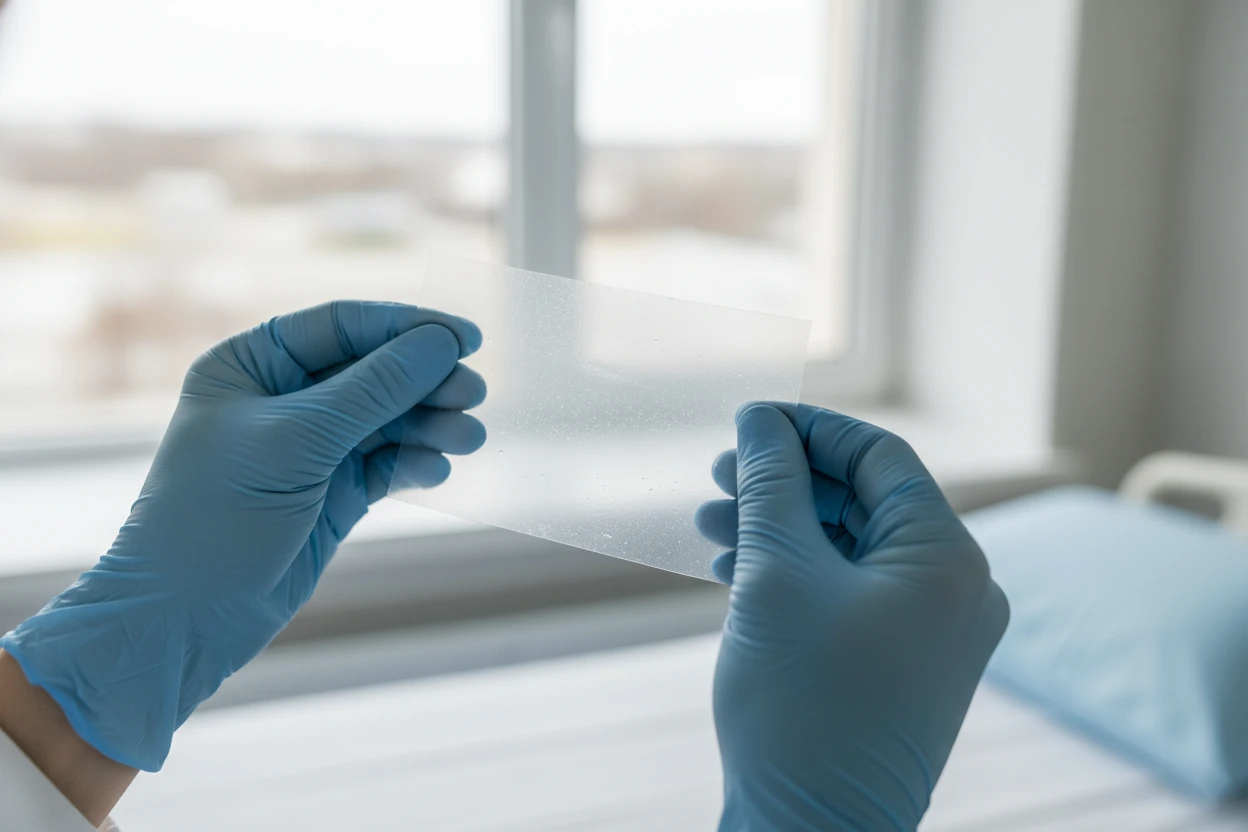
Let’s start with the absolute basics. A PU film dressing is basically an ultra-thin, transparent polyurethane membrane coated with a medical-grade hypoallergenic adhesive. The entire beauty of a PU film dressing is that it acts exactly like a second layer of skin.
It is designed to be highly breathable while remaining completely waterproof. This means a patient wearing a PU film dressing can take a full shower without the wound getting wet, but the natural sweat from their skin can still evaporate through the dressing into the air.
I remember a client of ours—a mid-sized distributor out in Texas—who kept losing out on lucrative hospital contracts for IV site dressing supplies. They kept pitching old-school cloth tapes because they were cheap. Once we got them to switch their pitch to a high-quality PU film dressing, their contract retention rate went through the roof. Why? Because floor nurses need to visually monitor an IV insertion site without ripping the tape off every single day. A transparent PU film dressing lets them do exactly that.
The Polyurethane Magic Behind the Scenes
You might wonder why a PU film dressing is more expensive than standard paper tape. It comes down to the extrusion process. Manufacturing a PU film dressing requires laying down a microscopic polyurethane film that is incredibly consistent in thickness. If the film is too thick, the PU film dressing won’t breathe. If it’s too thin, the PU film dressing tears the second a nurse tries to pull it off the release paper.
Also, the adhesive on a premium PU film dressing is applied in a special pattern—usually a grid. This grid allows the moisture to escape through the unglued microscopic pores of the PU film dressing. Cheap knockoffs just smear glue all over the back, which completely kills the breathability of the PU film dressing.
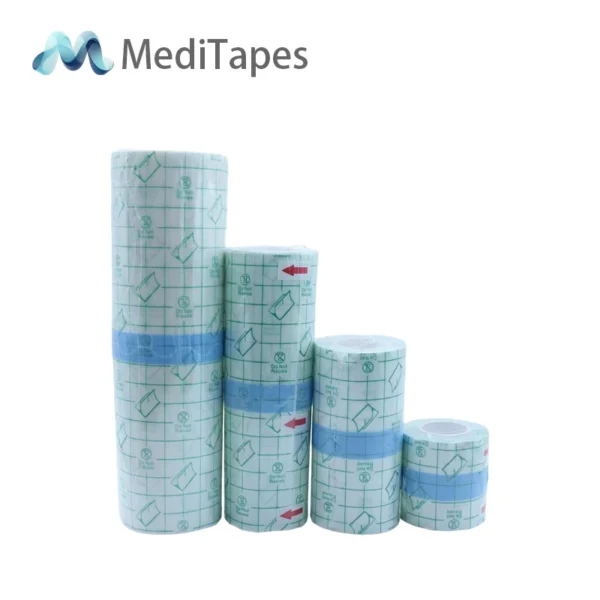
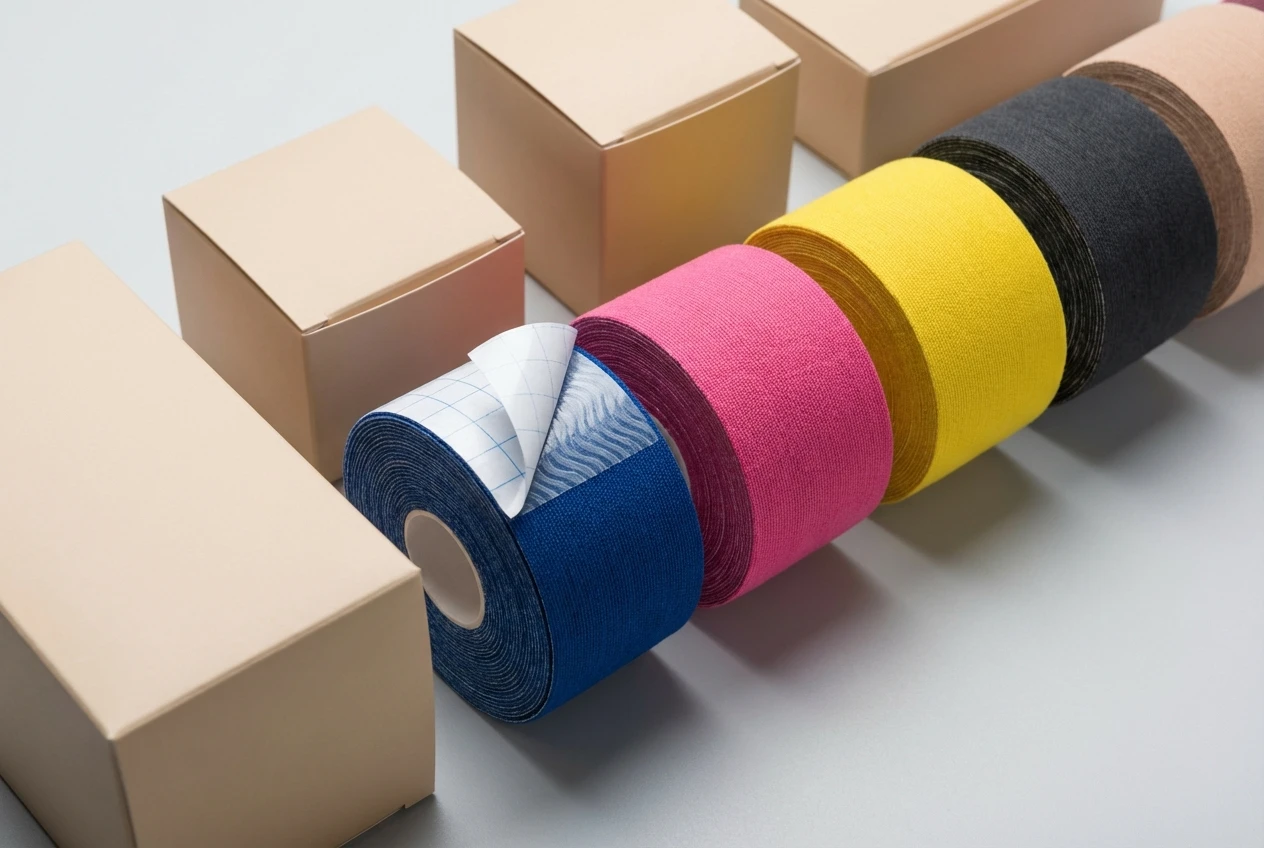
Waterproof PU Film Dressing Roll – Transparent Wound Fixation Tape
Our Waterproof PU Film Dressing Roll offers superior protection against water and bacteria while allowing the skin to breathe. Ideally used as Transparent Wound Fixation Tape for securing catheters and gauze. This hypoallergenic roll is easy to cut and conforms to body contours for maximum patient comfort.
Why MVTR Matters (And How to Actually Calculate It)
You hear manufacturers throw around the acronym MVTR all the time, especially when trying to sell you a PU film dressing roll. But what does it actually mean for your buyers in the real world?
MVTR stands for Moisture Vapor Transmission Rate. Simply put, it’s the measurement of how much sweat can evaporate through the dressing over a 24-hour period. If the MVTR of your PU film dressing is too low, the patient’s skin turns into a swamp. Maceration (that gross, white, wrinkled skin) happens, the adhesive fails, and the PU film dressing just peels off like cheap wallpaper.
If you really want to impress a procurement director at a hospital, explain the MVTR formula to them. You don’t need fancy lab software, the basic math is just:
MVTR = W / (A x T)
Where:
- W = Weight of the water lost (in grams)
- A = Area of the test material (in square meters)
- T = Time (in days)
For a solid, reliable PU film dressing, you want an MVTR of at least 1000 to 3000 g/m2/24h. Anything less than that, and you are basically selling your clients a glorified plastic bag. Good wholesale suppliers will give you these numbers straight up. If a factory won’t tell you the MVTR of their PU film dressing, walk away.
The Adhesives: Acrylic vs Silicone in a PU Film Dressing
Here is a pro-tip that will save you a lot of returns. Not every PU film dressing uses the same glue.
The standard PU film dressing uses an acrylic adhesive. Acrylic is great because it sticks fast and holds strong. It’s relatively cheap, which is why most waterproof dressing wholesale orders are acrylic-based.
However, if your client is a geriatric clinic or a neonatal ward, you need to pitch a silicone-based PU film dressing. Silicone adhesives are much gentler. They don’t pull hair or tear papery, fragile skin upon removal. Yes, a silicone PU film dressing costs more, but when you explain to a clinic director that it reduces secondary skin tear injuries, they will happily pay the premium.
When to Recommend a PU Film Dressing
So, when do you specifically push a PU film dressing to your buyers? Here are the scenarios where a PU film dressing is the undisputed king:
1. IV Site Dressing and Catheter Fixation
This is the big money maker. If a hospital ward is asking for an IV site dressing, a PU film dressing is your golden ticket. The visual transparency is totally non-negotiable here. Nurses have to monitor the site for phlebitis or early signs of infection without disturbing the needle. A custom-cut PU film dressing with a reinforced border is the global industry standard.
2. Waterproof Dressing Wholesale Demands
If patients need to bathe or shower, a traditional cloth or non-woven pad is going to get absolutely soaked and fall off. A quality PU film dressing forms a watertight seal around the skin. This is why buyers looking for waterproof dressing wholesale options almost always end up buying a massive PU film dressing roll for their custom cutting machines.
3. Tattoo Aftercare and Minor Abrasions
Believe it or not, the tattoo industry buys a massive amount of PU film dressing rolls. It creates a perfect moist wound environment that heals shallow abrasions and fresh ink perfectly without scabbing.
4. Preventing Friction and Bedsores
If a bedridden patient has an area rubbing against the sheets (like heels or elbows), applying a thin PU film dressing acts as an incredible friction barrier. It takes the brunt of the rubbing so the skin doesn’t tear.
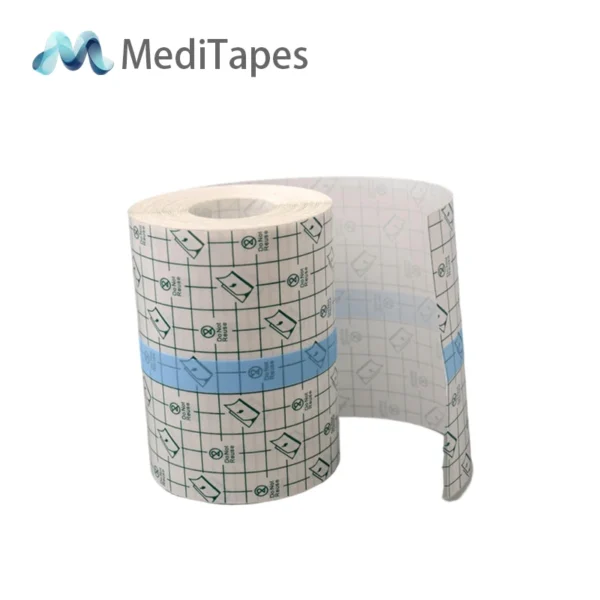
Medical Grade PU Film Roll for Tattoo Aftercare & Wound Healing
Designed for optimal healing, this Medical Grade PU Film Roll is the perfect solution for Tattoo Aftercare and surgical wounds. It acts as a second skin, locking in moisture while keeping out dirt. This transparent film allows for easy monitoring of the healing process without removal.
The Flip Side: When Non-Woven Dressings Win
Now, I love a good PU film dressing, but I’ll be the first to admit it isn’t the magic cure for everything. Sometime you just need a heavy-duty workhorse, and that’s exactly where non-woven dressings step into the spotlight.
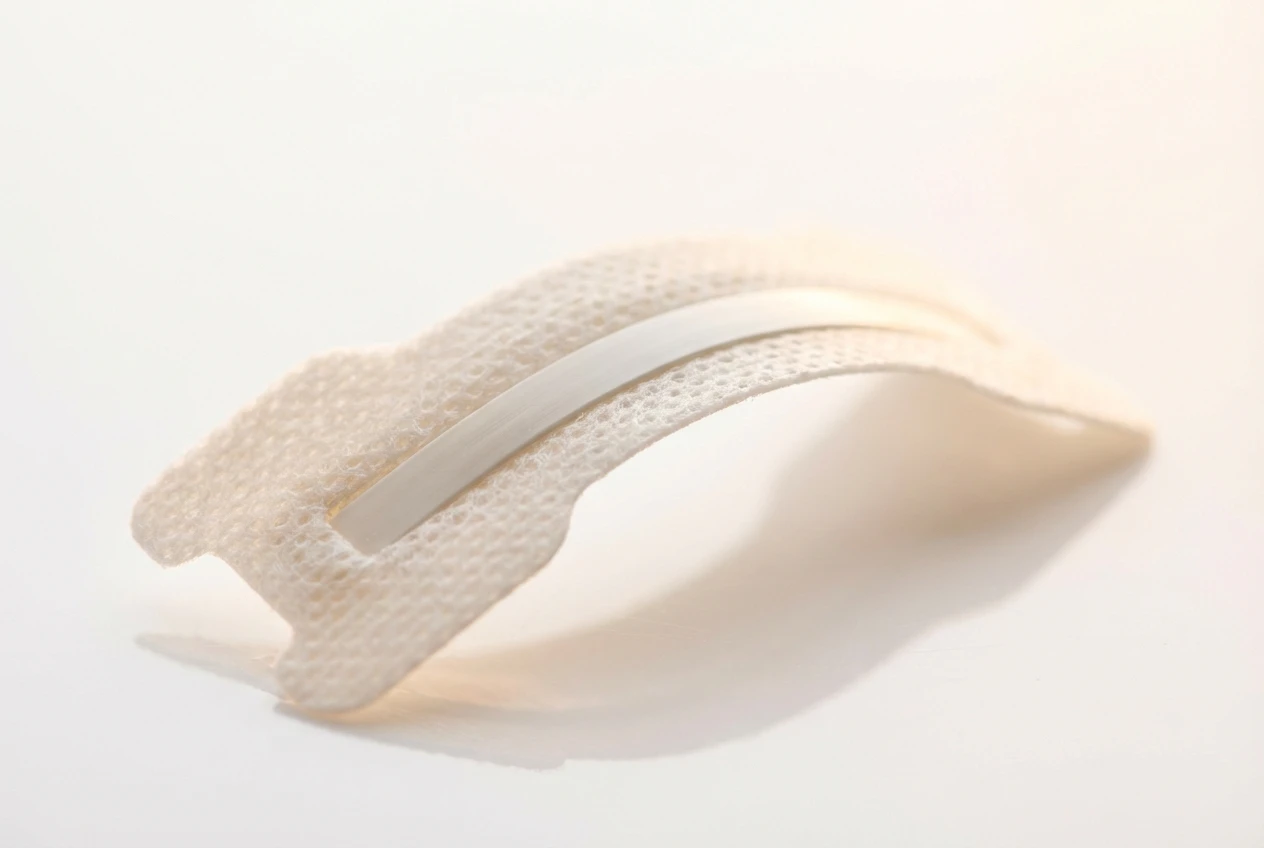
Non-woven fabric is made of spun or pressed synthetic fibers. It is highly breathable, very soft to the touch, and usually significantly cheaper than a premium PU film dressing.
Honestly, I strongly believe that non-woven dressings are overprescribed by clinics just because they are cheaper. But they do have very specific use cases where they will actually outperform a PU film dressing.
- High Exudate Wounds: If a wound is weeping heavily or bleeding, a standard PU film dressing will just pool that fluid underneath the film until it bursts open. You need something absorbent. A non-woven dressing paired with an absorbent pad is way better here to accomodate the heavy drainage.
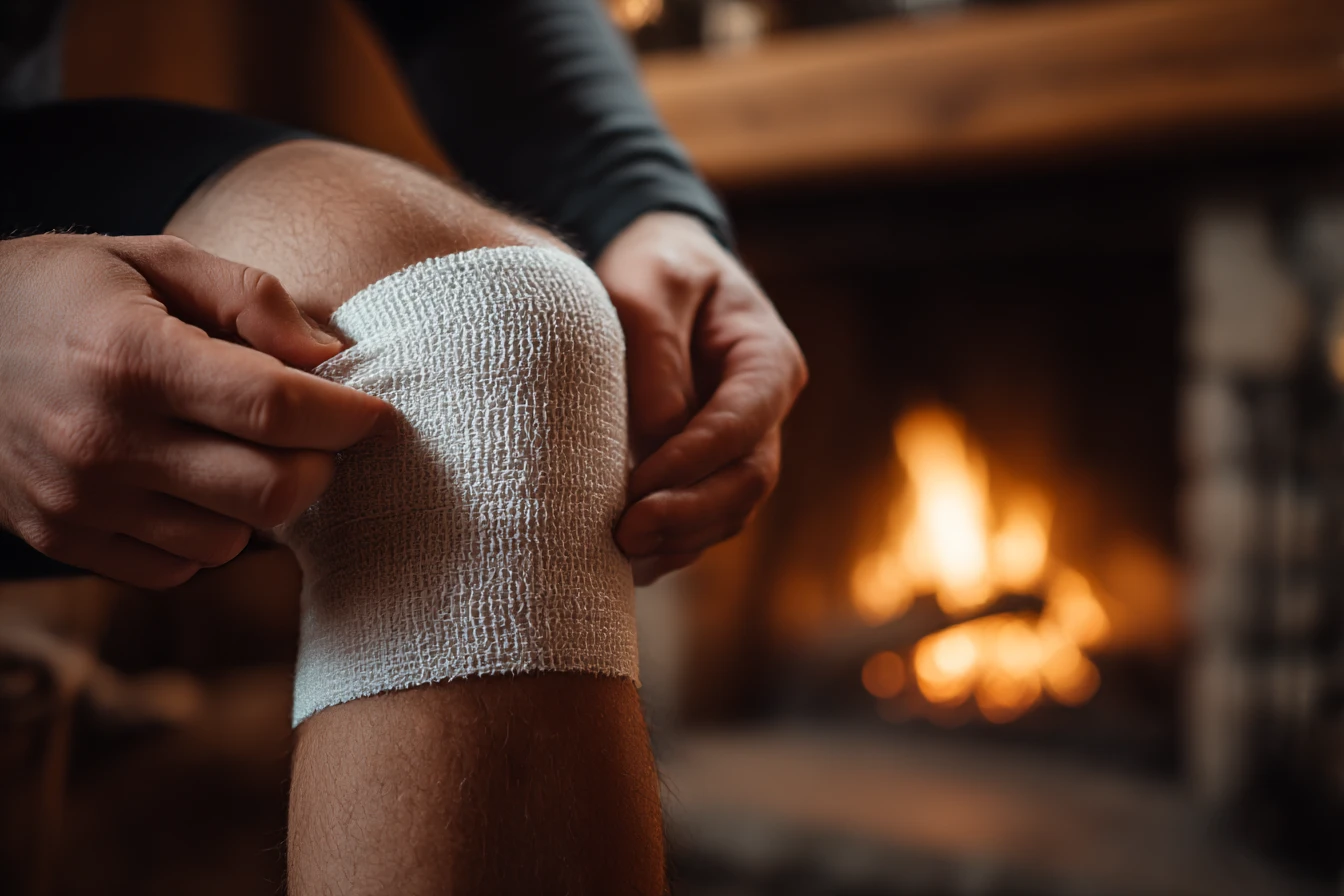
- Post-Op Surgical Incisions: For large, fresh surgical cuts that need to breathe heavily and absorb minor blood, non-woven rolls are the go-to. A PU film dressing might trap too much fluid on a fresh, deep surgical site.
- High Swelling Areas: A PU film dressing stretches beautifully, but a non-woven dressing has a bit more structural give in high-swelling orthopedic situations.
If you are building out your B2B inventory, it’s really smart to carry both. You can check out our PU Film Dressing Roll specs to see what a high-MVTR transparent film looks like, and compare it side-by-side with our Non-woven Fabric Dressing Roll for those higher absorption needs.
PU Film Dressing vs Non-Woven: The Quick Comparison
Let’s put this into a simple table. I highly recommend you screenshot this or share it directly with your sales team so they stop mixing these two up on sales calls.
| Feature | PU Film Dressing | Non-Woven Dressing |
|---|---|---|
| Visibility | 100% Transparent (Perfect for IVs) | Opaque (Blocks the view entirely) |
| Waterproof | Yes (Shower-safe and splash-proof) | No (Absorbs water quickly) |
| Breathability | Moderate to High (Depends purely on MVTR) | Extremely High |
| Fluid Absorption | Zero (Unless you add an island pad) | Low to Moderate |
| Primary Use | IV site dressing, waterproof needs, tattoos | Post-op incisions, heavy draining wounds |
| Price Point | Slightly higher | Usually more economical |
Real-World Distributor Case Studies
Let me share a quick story about a distributor client of ours in the Midwest. They were supplying a regional hospital network and kept pushing cheap non-woven tape for literally everything because the margins looked great on paper.
The hospital eventually complained. Their IV lines kept getting dislodged because the non-woven tape would get wet during patient sponge baths, lose its grip, and slide off.
We stepped in, hopped on a call, and recommended they switch their pitch to a dedicated PU film dressing for the IV wards. They bought a bulk batch of PU film dressing rolls from us, cut them down to size, and gave the hospital a free trial sample. The floor nurses absolutely loved it. The PU film dressing stayed firmly on during baths and let them see the insertion point without guessing.
Because of that one product switch, the distributor secured a massive waterproof dressing wholesale contract. That is why knowing your products inside and out matters. Selling a PU film dressing isn’t just about moving boxes of tape; it’s about selling fewer dressing changes, saving nurse time, and increasing patient comfort.

Permeable PU Adhesive Film Dressing Roll – Surgical Fixation Tape
Secure dressings effectively with our Permeable PU Adhesive Film Dressing Roll. This high-quality Surgical Fixation Tape provides strong adhesion yet is gentle on sensitive skin. Its semi-permeable structure prevents maceration by allowing moisture vapor transmission, making it ideal for long-term wear in clinical settings.
Sourcing Smart: Profit Margins and Wholesale Tips
If you are a purchasing manager for a distribution business, the profit margins on a PU film dressing can be fantastic if you source it right. The global wound care market is exploding—projected to hit around $44.2 billion by 2034. A huge chunk of that massive growth is in advanced dressings, specifically the PU film dressing category.
But here is the catch. When you are looking for waterproof dressing wholesale partners, do not just ask for the cheapest price per square meter. That is a rookie mistake.
Ask for their MVTR testing reports. Ask about the release paper—is it easy for a nurse to peel off while wearing nitrile gloves? A cheap PU film dressing that tangles into a sticky, useless mess the second you take the backing off is going straight into the hospital trash can.
At MediTapes, we’ve spent years dialing in the adhesive formula so our PU film dressing stays put exactly when it needs to, but doesn’t take the top layer of skin off during removal. We know what clinics actually want, which makes your job of selling the PU film dressing a hundred times easier.
Let’s Talk About Application Mistakes
One thing I see constantly is end-users totally messing up the application of a PU film dressing, and then they blame the distributor for selling them a “bad product.”
Because the material of a PU film dressing is so incredibly thin and stretchy, if a nurse pulls and stretches it tightly while applying it, it creates harsh tension on the skin. A few hours later, the patient gets a painful blister right at the edge of the PU film dressing.
Always educate your clients: lay the PU film dressing down completely flat. Zero tension. Just drape it and press.
Another huge issue is skin prep. A PU film dressing absolutely hates moisture during the application phase. If the nurse uses an alcohol wipe to clean the skin and doesn’t let it dry 100%, the PU film dressing will refuse to stick. It’s a super simple fix, but if you don’t educate your buyers on this, they’ll just demand a refund on the PU film dressing.
Why You Should Definitly Stock Both
Honestly, trying to choose between stocking a PU film dressing and a non-woven dressing is like trying to choose between a hammer and a screwdriver. You just need both in your B2B toolbox.
For your clinics that deal with daily dialysis, heavy infusions, or minor shallow abrasions, the PU film dressing is the undisputed king. For your urgent care or surgical centers dealing with messy, heavy draining wounds, the non-woven roll is always going to be your best seller.
As a medical supplier, your true value is in knowing these slight nuances. When a buyer just says “I need tape,” you shouldn’t just send them a catalog. You should be asking, “Are you covering an IV? Do your patients need to shower? How much is the wound draining?”
If they need to shower, you point them straight to a high-MVTR PU film dressing. Boom. You just became a consultant, not just a vendor.
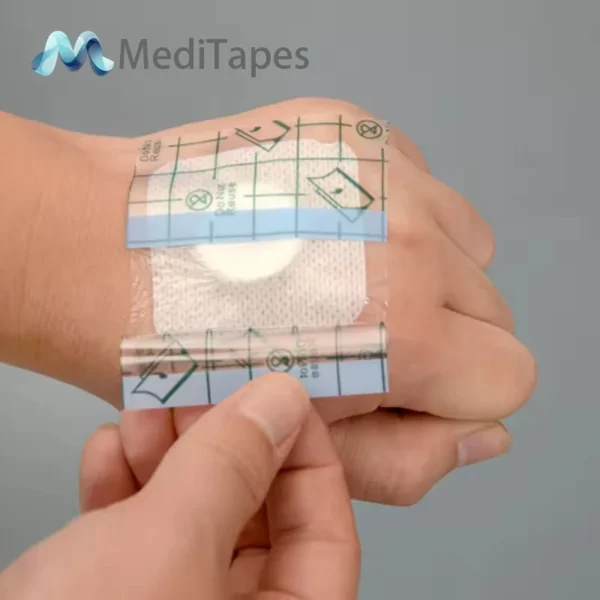
Hypoallergenic PU Film Dressing Roll Wholesale – Bulk Wound Care
Sourcing reliable supplies? Our Hypoallergenic PU Film Dressing Roll is available for Bulk Wound Care orders. Featuring a grid backing for precise cutting, this transparent roll minimizes allergic reactions. It is a cost-effective, premium choice for securing medical devices and primary dressings in high-volume environments.
Frequently Asked Questions (FAQ)
Q: Can a PU film dressing be used directly on an infected wound?
A: Generally speaking, no. Because a PU film dressing is occlusive (meaning it seals the wound off from the outside), it can actually trap bad bacteria inside if the wound is already actively infected. For infected wounds, doctors usually prefer something highly absorbent with antimicrobial properties, not a standard PU film dressing.
Q: How long can a PU film dressing stay safely on the skin?
A: A high-quality PU film dressing can typically stay on the skin for 3 to 7 days, depending on the strict clinical guidelines of the hospital and the amount of natural exudate. If the PU film dressing starts to leak fluid at the edges or heavily peel, it needs to be changed immediately.
Q: What makes a PU film dressing waterproof but still breathable?
A: It’s the physical structure of the polyurethane membrane itself. The microscopic pores built into a PU film dressing are physically small enough to block liquid water molecules from entering from the outside, but they are just large enough to let moisture vapor (sweat) escape from the inside. That’s exactly why the MVTR rating is such a critical spec for any PU film dressing.
Ready to Upgrade Your Inventory?
Navigating the global medical supplies market can be a massive headache, but you don’t have to do it alone. Whether you are actively looking to stock up on premium PU film dressing rolls to win a strict hospital contract, or you need highly reliable non-woven fabrics for a clinic chain, we have the manufacturing muscle to support your business growth.
Stop losing out on bids because of sub-par acrylic adhesives or confusing product specs. Your clients deserve better, and you deserve higher margins.
If you want to offer your clients a PU film dressing that actually performs in the real world, or if you need aggressive bulk pricing on waterproof dressing wholesale orders, you need to reach out to us today.
Shoot me a direct message at info@meditapes.com with what you’re currently paying, and let’s see if we can beat it. Or, head over to our Contact Us page to request some samples. Let’s talk about how MediTapes can upgrade your product lineup and keep your B2B clients coming back to you year after year.