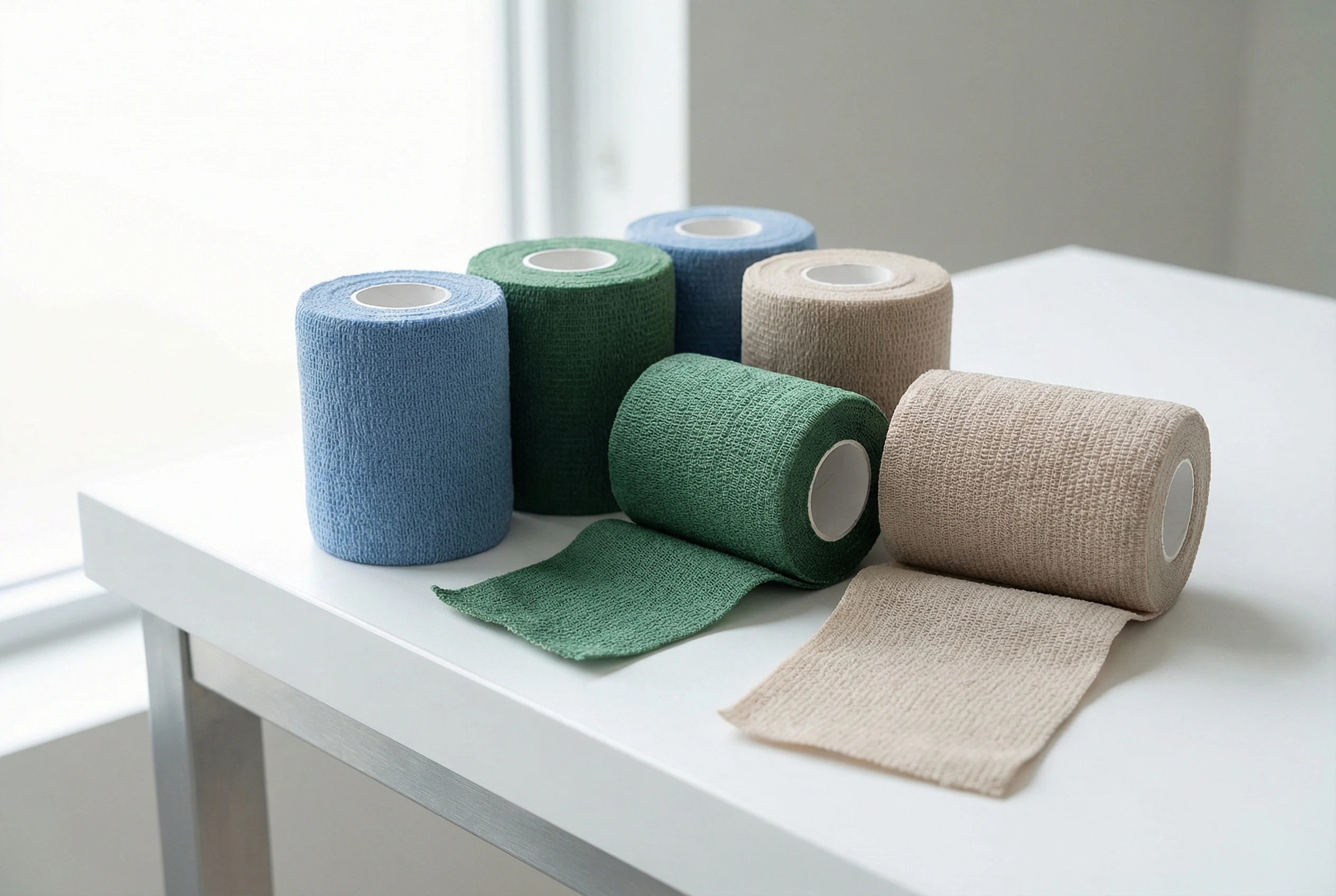
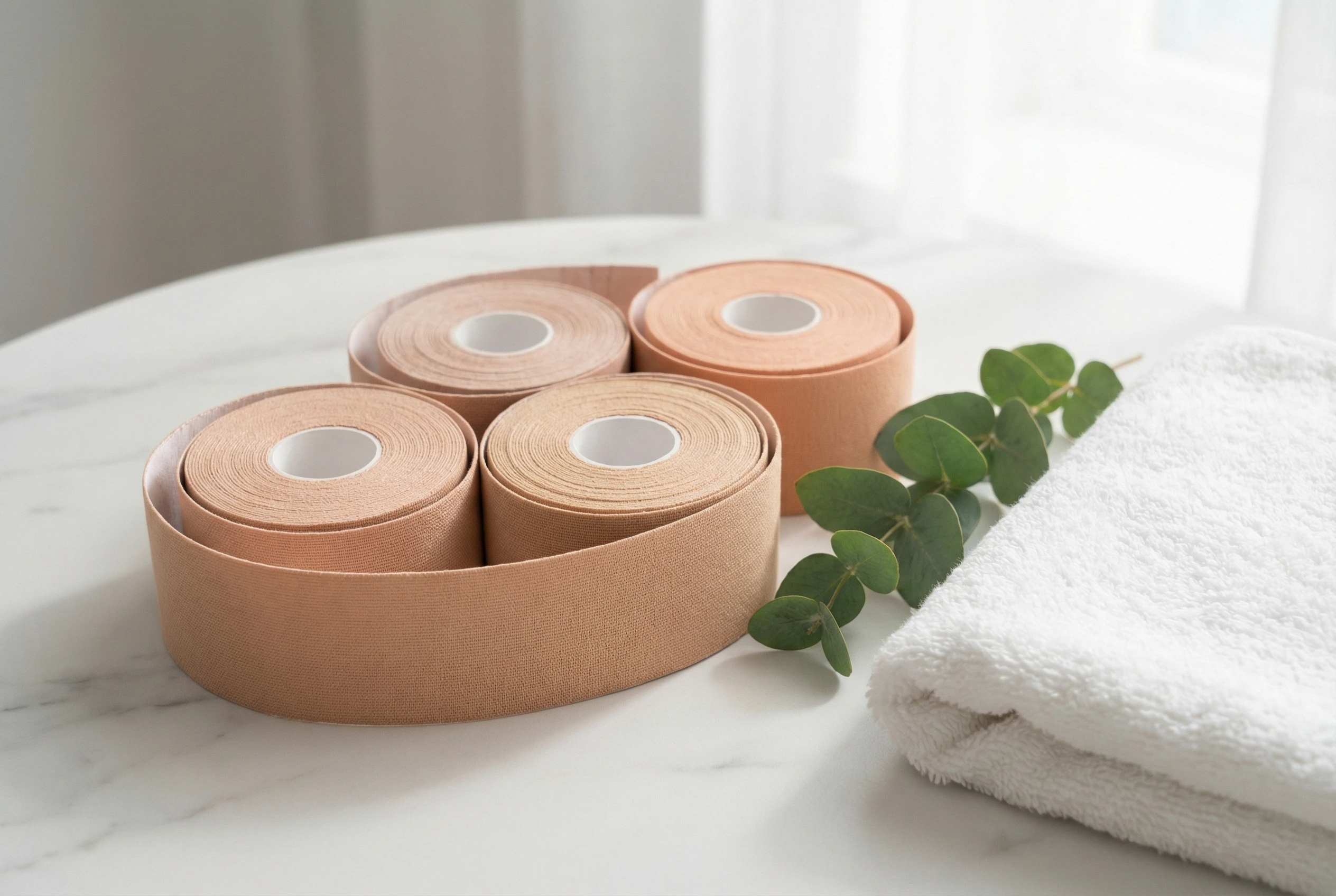
If you’ve ever managed a hospital stockroom or warehouse full of medical supplies, you know how frustrating it can be when something like surgical tape doesn’t perform right because it wasn’t stored properly. I’ve been in those situations myself – pulling out a roll that just won’t stick like it should, or worse, realizing a batch is past its prime. Surgical non-woven tapes are workhorses in any medical setting, used for securing dressings, tubes, and all sorts of things on patients’ skin. But they’re sensitive little things; get the storage wrong, and their adhesive can dry out or get too gooey.
In this guide, we’re chatting about the proper storage and shelf life of surgical non-woven tapes, with practical tips tailored for folks like hospital managers or warehouse staff who handle inventory and worry about product expiration. We’ll cover ideal medical tape storage conditions, how to track the expiry date of surgical tape, and smart ways to incorporate this into your overall medical supply management. Let’s make sure your tapes are always ready when you need them.
Why Storage Matters for Surgical Non-woven Tapes
You might think a roll of tape is tough – it just sits there, right? But no, the adhesive in non-woven surgical tapes is pretty picky about its environment. Heat can make it ooze, cold can make it brittle, humidity can mess with the stickiness, and direct sunlight? Forget it, that speeds up degradation big time.
From what I’ve seen over years dealing with these products, poor storage leads to wasted stock and potential issues during procedures. For example, in one busy clinic I worked with (keeping it anonymous here), they stored tapes near a window in a warm room. Come summer, half the rolls lost adhesion, and they had to toss a bunch. Proper handling saves money and hassle.
Industry folks like 3M, a big name in medical tapes, recommend storing at around 59-86°F (15-30°C) with moderate humidity. Many adhesive experts agree on 70°F (21°C) and 50% relative humidity as ideal to maximize shelf life.
Key Factors That Affect Shelf Life
Here’s a quick breakdown in a table – makes it easier to glance at when you’re checking your storage area:
| Factor | Ideal Condition | What Happens If Wrong |
|---|---|---|
| Temperature | 59-86°F (15-30°C), ideally 70°F (21°C) | Too hot: adhesive softens or oozes Too cold: becomes brittle and cracks |
| Humidity | 40-60% relative humidity | Too high: adhesive weakens or mold risk Too low: dries out and loses tack |
| Light Exposure | Away from direct sunlight or UV | Fades backing, degrades adhesive over time |
| Packaging | Original sealed boxes until use | Opened early: exposes to dust, air, shortens life |
| Stacking/Pressure | No heavy stacking on rolls | Crushes rolls, causes telescoping or uneven adhesive |
These come from common manufacturer guidelines, like those from 3M for their non-woven lines such as Medipore, which suggest 3-5 years shelf life under normal conditions.
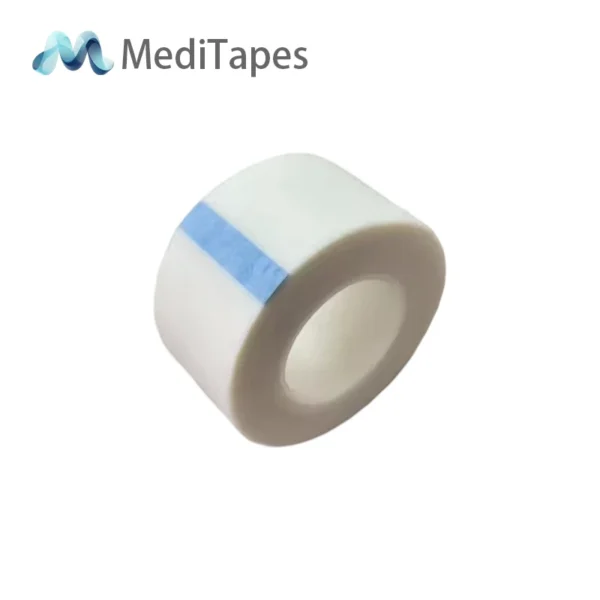
OEM Medical Non-woven Tape Rolls | Microporous Adhesive Plaster
We provide customizable OEM Medical Non-woven Tape rolls to meet your brand specifications. This microporous adhesive plaster features soft conformity and pain-free removal. Partner with us for high-quality medical non-woven tape manufacturing and competitive factory pricing.
Recommended Medical Tape Storage Conditions
So, what’s the sweet spot for medical tape storage conditions? Keep it cool, dry, dark, and clean. Think of it like storing good wine – not freezing, not boiling, just steady.
- Temperature control: Aim for room temp, nothing extreme. Avoid garages or attics where it swings hot and cold.
- Humidity: Not too damp (no basements prone to moisture) and not desert-dry.
- Location: Closed cabinets or shelves away from windows, heaters, or AC vents. Original packaging is your friend until you’re ready to use.
- Rotation: FIFO – first in, first out. Always grab the oldest stock first to avoid anything sneaking past its expiry date of surgical tape.
In warehouses I’ve helped set up, simple things like thermometers and hygrometers make a huge difference. You can spot issues early.
Real-World Storage Tips from Experience
Over time, I’ve picked up a few tricks:
- Label shelves with “Medical Tapes – Cool & Dry Storage Only”.
- Use plastic bins for extra protection against dust.
- If your area gets humid, toss in some silica packets (but not touching the tapes directly).
- For bulk, store vertically if possible to avoid pressure on rolls.
One hospital team I advised switched to a climate-controlled room for sensitive supplies, and their waste from expired or degraded tapes dropped noticeably.
Understanding the Expiry Date of Surgical Tape
Does surgical tape even expire? Yeah, kinda. In the US, FDA doesn’t always require an expiration date on tapes since they’re “articles” not drugs, but many manufacturers put one anyway – think of it as a “best by” date.
For non-woven types:
- 3M Micropore (paper-like non-woven): Often 5 years.
- 3M Medipore (soft cloth non-woven): Around 3 years.
- General adhesive tapes: 1-5 years depending on formula.
Performance might not drop off a cliff right after, but manufacturers guarantee full stickiness and safety within that window under good storage.
Always check the box – the date is usually embossed with an hourglass symbol. If no date, go by manufacture date plus recommended shelf life from the maker.
What Happens After Expiry?
The adhesive might lose tack, become too aggressive (irritating skin), or the backing weaken. In a pinch, test a small piece, but for patient care, better safe than sorry – replace it.
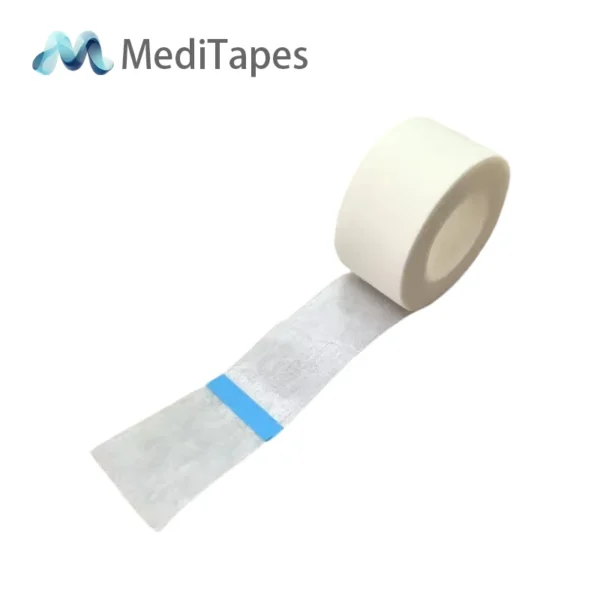
Water Repellent Medical Non-woven Tape | Strong Adhesion Dressing
Experience secure holding power with our water-repellent Medical Non-woven Tape. Perfect for wound dressing in humid conditions, it maintains strong adhesion without compromising breathability. Trust this durable medical non-woven tape to keep IVs and bandages in place securely.
Best Practices for Medical Supply Management Involving Tapes
Managing tapes fits right into broader medical supply management. Hospitals and warehouses deal with tons of items, so systems help.
- Inventory tracking: Use software or simple spreadsheets to log batch numbers, receipt dates, and expiries.
- Regular audits: Monthly checks for nearing expiry – move them to front-line use.
- Supplier partnerships: Work with reliable ones like us at MediTapes for fresh stock.
We’ve supplied Medical Non-woven Tape to several facilities, and they love the consistent quality and clear labeling on expiry.
A Quick Comparison Table of Common Non-woven Tapes
To help you choose and manage:
| Tape Type | Typical Shelf Life | Best Storage Temp | Common Uses |
|---|---|---|---|
| Paper-based (e.g., Micropore style) | 5 years | 15-30°C | Sensitive skin, repeated applications |
| Soft cloth (e.g., Medipore style) | 3 years | 15-30°C | Dressings, tubing securement |
| General non-woven | 3-5 years | Room temp, dry | General fixation, hypoallergenic |
(Data based on major manufacturers like 3M.)
Common Mistakes and How to Avoid Them
I’ve seen these a lot:
- Storing near cleaning chemicals – fumes can degrade adhesive.
- Freezing shipments accidentally – thaws unevenly.
- Forgetting to rotate stock in big warehouses.
Fix: Train staff, label clearly, and audit.
In one case, a warehouse piled boxes too high – bottom rolls got squished. Simple fix: limit stack height.
Signs Your Surgical Non-woven Tape Has Gone Bad
Even before expiry, check for:
- Adhesive oozing out edges.
- Roll telescoping (sliding apart).
- Brittle or cracking when unrolled.
- Reduced stickiness on test.
If in doubt, toss it.
Integrating into Your Medical Supply Management System
For hospital or warehouse managers, tie this into your processes:
- Set alerts for low stock or nearing expiry.
- Train on handling – no dropping rolls.
- Partner with suppliers who provide clear guidelines.
At MediTapes, we focus on quality non-woven tapes that hold up well when stored right. Check our Medical Non-woven Tape for options tailored to medical needs.
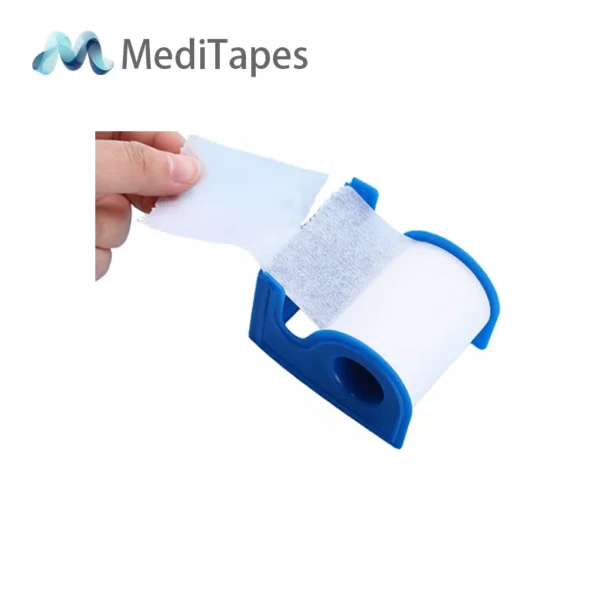
Medical Non-woven Tape Manufacturer | Breathable Surgical Paper Tape
Our Medical Non-woven Tape offers superior breathability and strong adhesion for wound care. This microporous surgical paper tape is hypoallergenic and gentle on sensitive skin. Choose our CE-certified medical non-woven tape for reliable dressing fixation and bulk wholesale supply.
FAQ
What are the best medical tape storage conditions?
Keep them in a cool, dry place around 59-86°F (15-30°C), 40-60% humidity, away from sunlight and in original packaging. That way, they last longest.
How long is the typical expiry date of surgical tape?
It varies, but non-woven surgical tapes often have 3-5 years from manufacture if stored properly. Check the box for specifics.
How can I improve medical supply management for tapes?
Use FIFO rotation, track expiries digitally, and audit regularly. It cuts waste and ensures reliable stock.
Does temperature really affect surgical non-woven tapes that much?
Absolutely – extremes can ruin the adhesive fast. I’ve seen hot storage turn good rolls useless in months.
What if my tape is past expiry but looks okay?
It might work, but for medical use, replace it to avoid risks. Better safe.
If you’re dealing with storage challenges or need reliable supplies, drop us a line. Visit https://meditapes.com/ for more, or head to our contact page to chat about quotes or custom needs. Email info@meditapes.com anytime.
We’ve helped plenty of facilities streamline their tape management – happy to do the same for you.