Starting a brand in medical tapes sounds kinda daunting, right? But if you’re a startup itching to get into healthcare supplies or a distributor wanting to offer something that’s truly yours, private label medical tape could be your ticket. I’ve worked with dozens of companies just like yours over the years, helping them go from vague ideas to shelves stocked with their own products. No fluff here – just the stuff that actually works.
The medical adhesive tapes market is growing steady. Grand View Research says it hit USD 9.30 billion in 2023 and should keep climbing at about 6.14% a year through 2030. That’s real demand from hospitals, clinics, pharmacies, and even home care. Private labeling lets you grab a piece of that without building factories or dealing with raw materials from scratch.
At MediTapes, we’ve seen this firsthand. Companies come to us wanting to create custom lines, and we handle the medical tape OEM side so they can focus on building their brand. If you’re curious about branding medical supplies the smart way, stick around – I’ll walk you through it step by step.
Why Private Label Medical Tape Makes Sense for Startups and Distributors
Private labeling isn’t some new trick. It’s how tons of brands get started fast and cheap. You partner with a manufacturer (that’s the medical tape OEM part), slap your logo on quality products, and sell them as your own.
Here’s why it fits startups and distributors so well:
- Lower upfront costs – No need to spend millions on equipment or R&D. You can start with smaller runs.
- Quicker launch – Months instead of years to get products out.
- Focus on what you’re good at – Sales, marketing, distribution. Let the pros handle production.
- Flexibility – Test different tapes, sizes, or features without huge risks.
One distributor I worked with started with basic paper tapes under their private label medical tape line. Within a year, they’d added silicone options for sensitive skin and were supplying regional hospitals. Private label growth in healthcare supplies is picking up too, with store brands and custom lines gaining ground as buyers look for value.
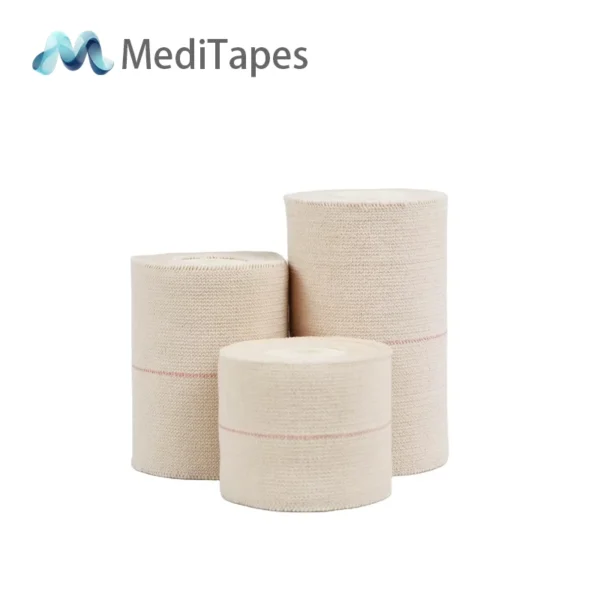
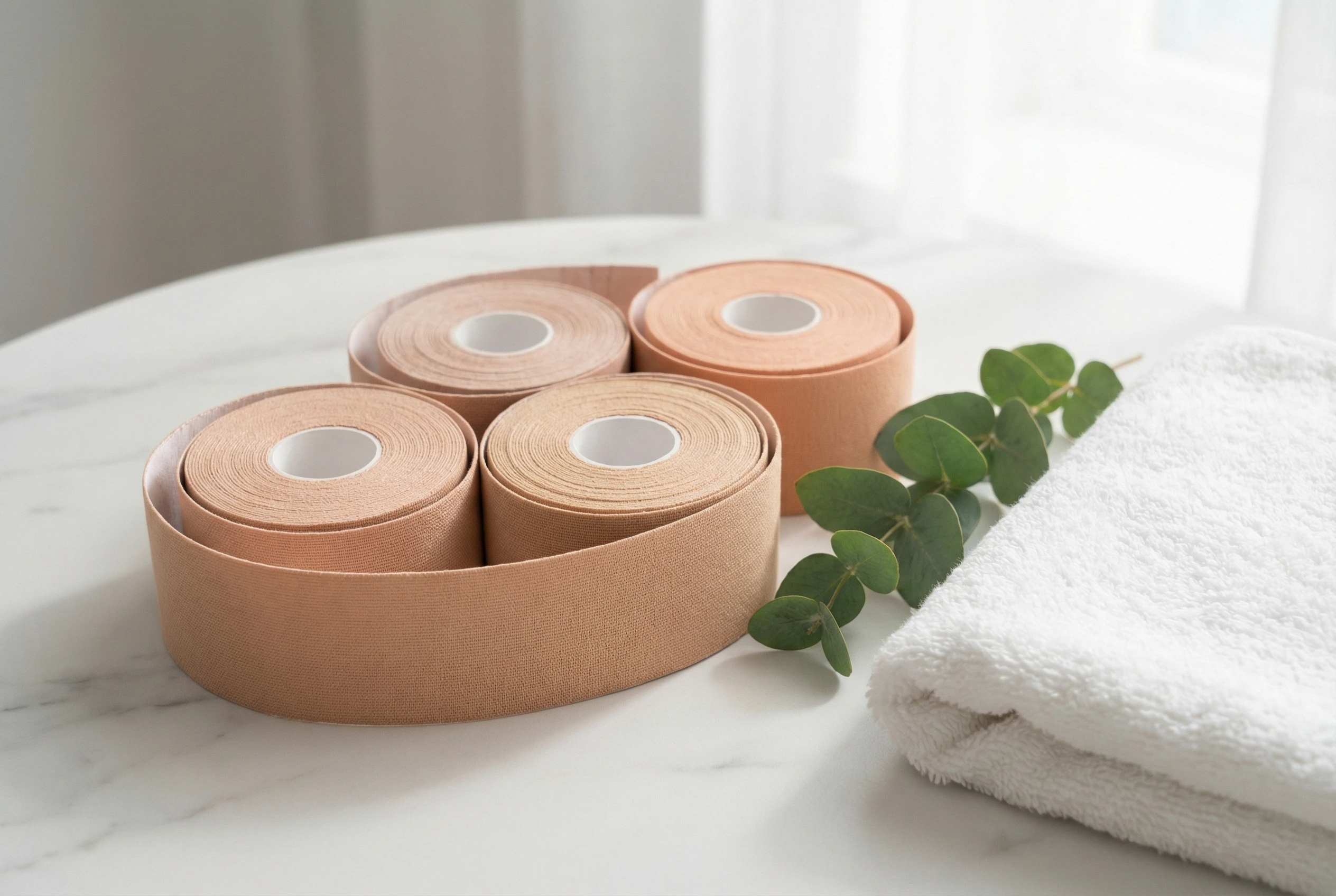
Rigid Cotton Sports Tape & Surgical Adhesive for Joint Support
Professional rigid cotton sports tape for maximum stability. This surgical-grade adhesive tape is excellent for joint support and limiting movement during rehabilitation. Featuring non-elastic cotton fabric, it provides rigid fixation. A top choice for physiotherapy and athletic strapping needs.
Step 1: Do Your Homework – Market Research for Medical Tapes
Don’t just guess what sells. Dig in.
Figure out:
- Who needs medical tapes? Hospitals, sports clinics, first aid kits, veterinary?
- What problems do they have? Skin irritation from cheap tapes? Need something waterproof?
- Who’s already out there? Big names like 3M or Nexcare dominate, but there’s room for niche brands – think eco-friendly or extra-gentle options.
Look at trends. Hypoallergenic and breathable tapes are hot because more people deal with sensitive skin. Athletic tapes for sports injuries are another growing spot.
Pro tip: Use free tools like Google Trends or check Amazon bestsellers in medical supplies. Talk to potential customers if you can – nurses, physios, or pharmacy buyers often give the best feedback.
Step 2: Pick the Right Types of Medical Tapes for Your Private Label Brand
Not all tapes are the same. Here’s a quick breakdown of common ones you can private label:
| Type | Material Base | Common Uses | Pros | Cons |
|---|---|---|---|---|
| Paper Tape | Microporous paper | Securing light dressings, sensitive skin | Gentle removal, breathable, hypoallergenic | Less strong for heavy use |
| Cloth/Silk Tape | Woven fabric | General fixation, tubing, bandages | Strong adhesion, tears easily by hand | Can leave residue |
| Transparent Tape | Plastic film | IV sites, clear view of wounds | Waterproof, see-through | Sometimes too sticky for fragile skin |
| Silicone Tape | Soft silicone | Scar management, sensitive/delicate skin | Painless removal, reusable sometimes | Higher cost |
| Foam Tape | Foam with adhesive | Cushioning around devices, irregular areas | Conforms well, comfortable | Bulkier |
| Athletic/Sports Tape | Rigid cotton | Joint support, injury prevention | High tensile strength, no stretch | Not for open wounds |
These come from everyday use in clinics and hospitals. Start simple – maybe paper and cloth for your first private label medical tape run. Add specialties later once you see what sells.
We’ve done custom blends at MediTapes, like adding zinc oxide for extra skin soothing in sports tapes. Clients love that kinda tweak.
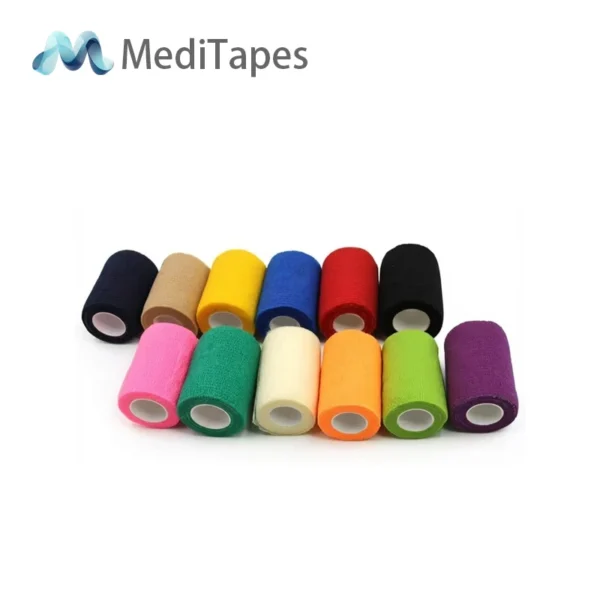
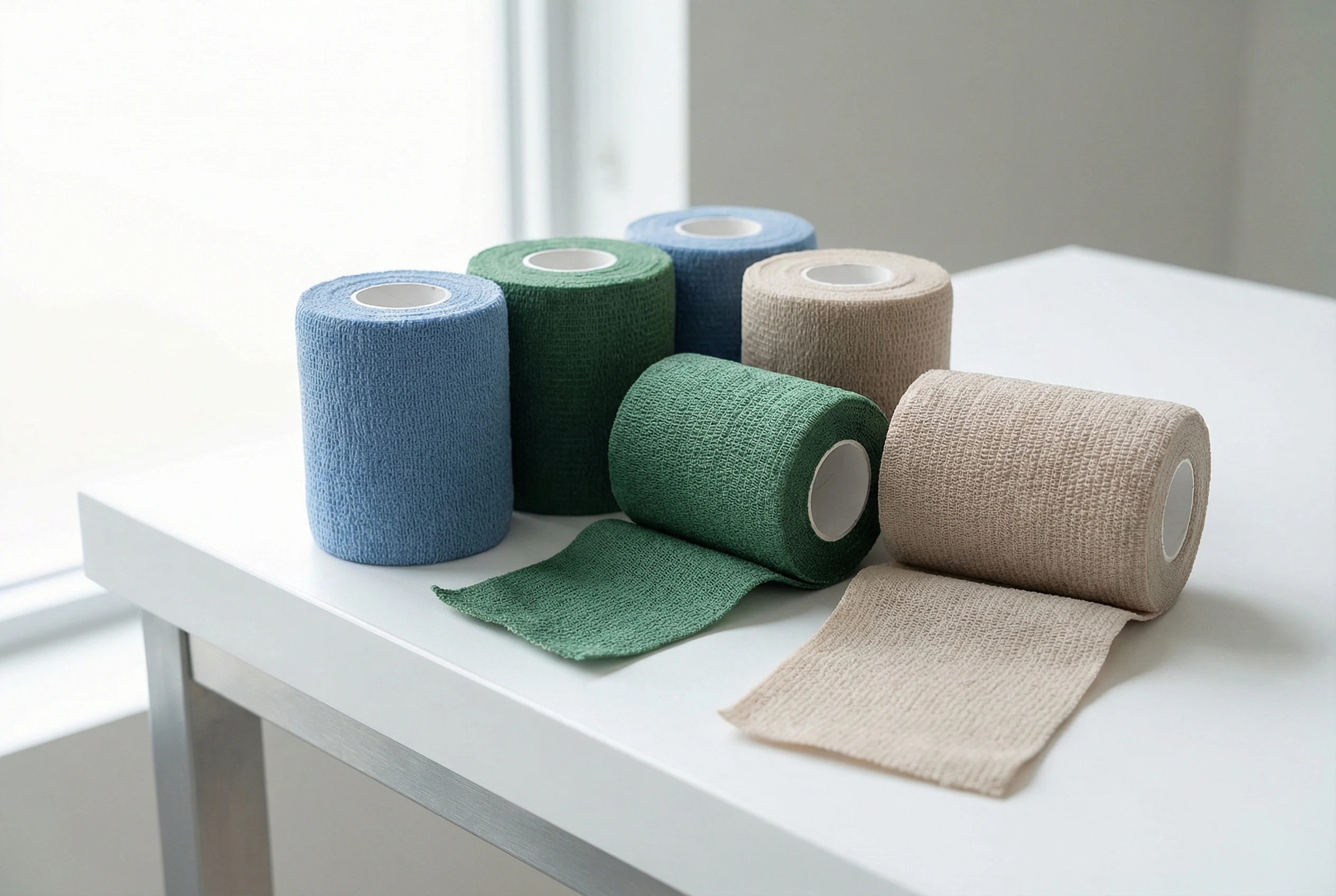
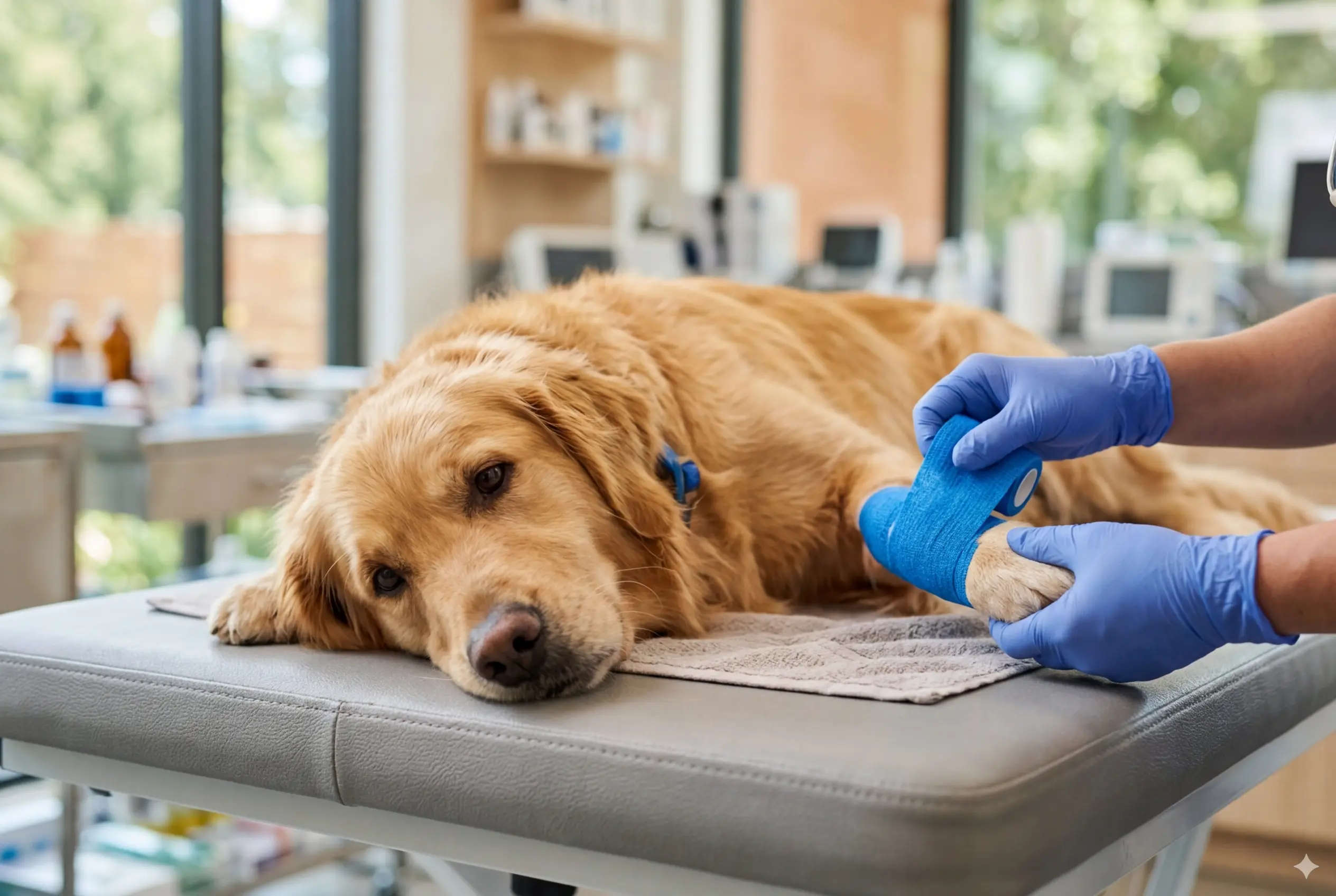
Disposable Cohesive Bandage – Sanitary Self Adherent Tattoo Grip
Disposable Cohesive Bandage specifically for tattoo artists. Use as a sanitary self-adherent tattoo grip cover to reduce vibration and improve hygiene. Non-slip texture ensures precision. Affordable bulk packs of non-woven cohesive tape for daily studio usage.
Step 3: Find a Reliable Medical Tape OEM Partner
This is the big one. Your manufacturer makes or breaks everything.
Look for:
- Experience in medical-grade stuff (ISO 13485 certification is key – that’s the quality standard for medical devices).
- Ability to customize – widths, lengths, adhesives, even colors.
- Low minimum orders (MOQs) – some startups need only 500-1000 rolls to start.
- Testing and compliance help – FDA registration if selling in the US, CE for Europe.
Medical tape OEM means they produce to your specs. Good partners guide you on materials that meet regs without overcomplicating things.
We’ve helped plenty at MediTapes. One startup wanted waterproof transparent tapes for outdoor first aid kits. We sourced the right film, ran samples, and got them certified quick. Now their private label medical tape is in adventure stores.
Ask for samples early. Test adhesion on different skin types. Check how it holds up in humidity or after sterilization.
Step 4: Branding Medical Supplies – Make It Yours
Branding isn’t just a pretty logo. It’s building trust.
Think about:
- Name that says what it is – something clear like “GentleFix Medical Tape” or niche like “SkinSafe Athletic Tape”.
- Packaging that stands out – easy-open boxes, clear instructions, maybe eco materials.
- Story behind it – “Developed for sensitive skin based on real nurse feedback” or whatever fits your angle.
For medical supplies, keep claims honest. No “miracle healing” nonsense – stick to facts like “latex-free” or “breathable”.
We’ve seen brands add QR codes on packaging linking to usage videos. Small touch, but builds loyalty.
Step 5: Quality Control, Certifications, and Compliance
Medical stuff has rules for a reason. Skip this and you’re asking for trouble.
Key things:
- Materials must be skin-safe (biocompatible testing).
- Sterilization if needed (many tapes are non-sterile, but some lines are).
- Proper labeling – lot numbers, expiration dates, manufacturer info (even if private label).
Your OEM partner should handle most testing. At MediTapes, we run adhesion tests, peel strength, and skin irritation checks on every batch.
Budget for third-party testing if selling internationally. It’s worth it for peace of mind.
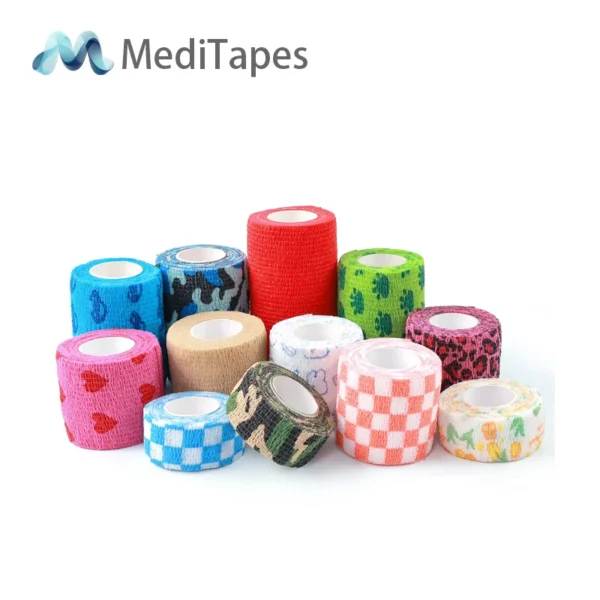
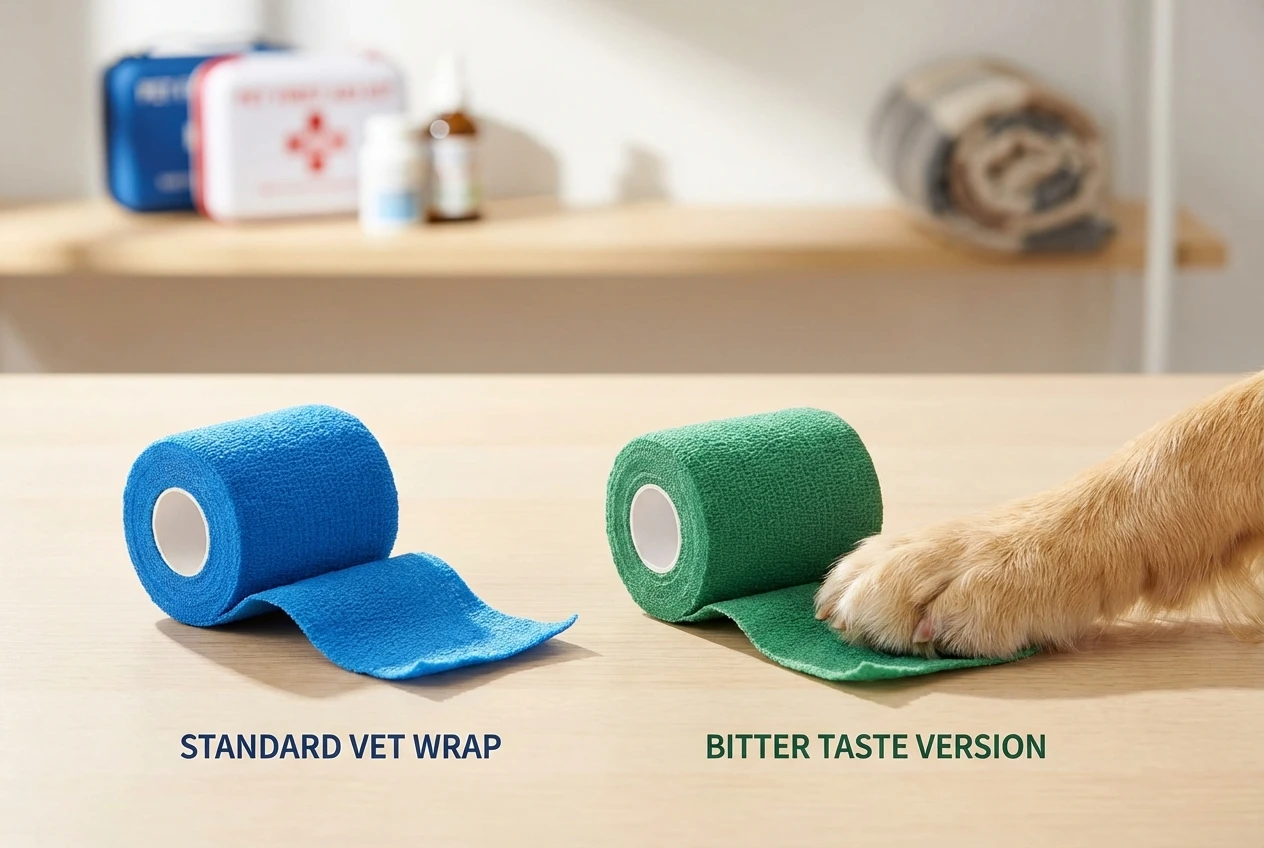
Bulk Printed Cohesive Bandage Rolls – Assorted Designs Vet Wrap
Save on costs with Bulk Printed Cohesive Bandage Rolls. Our mixed carton offers assorted designs vet wrap to keep your inventory diverse. From neon colors to geometric shapes, this printed self-adhesive bandage ensures you always have the right style. High elasticity and strong cohesion guaranteed.
Step 6: Packaging, Labeling, and Logistics
Good packaging protects the product and sells it.
Options:
- Individual rolls in boxes
- Bulk dispenser packs
- Custom printed wrappers
Include clear usage instructions, warnings (like “for external use only”), and your contact info.
For shipping, tapes are easy – lightweight, don’t expire quick. But plan for climate-controlled storage if using certain adhesives.
Step 7: Pricing, Costs, and Profit Margins
Costs vary, but rough ballpark for private label medical tape:
- Basic paper tape: $0.50-1.50 per roll (depending on volume)
- Silicone or specialty: $2-5 per roll
- Add packaging, shipping, certifications
Markups in medical supplies can be healthy – 100-300% if you position as premium.
One client started with 2000 rolls of cloth tape. Total investment around $5000 including custom labels. They sold out in months at triple the cost.
Step 8: Marketing and Selling Your Private Label Medical Tape
Get it in front of buyers:
- Online: Amazon, your own site, medical supply marketplaces.
- Offline: Trade shows, direct to clinics/pharmacies.
- Content: Blog posts on wound care tips, social proof from users.
Partner with influencers in nursing or sports therapy. Real reviews matter big time.
We’ve had brands use our samples for demos at conferences – works great.
Real-World Examples (No Names, Just Stories)
A small distributor wanted to compete with big brands on price. We did medical tape OEM for cloth and paper tapes with their logo. Started small, now they supply chain pharmacies across a region.
Another was a startup focused on eco-friendly branding medical supplies. We sourced recyclable backing and plant-based adhesives where possible. Their “green” private label medical tape line took off with clinics pushing sustainability.
One more: Sports clinic owner wanted rigid athletic tape under his brand for patients. Custom colors matching team uniforms – fun twist that made it unique.
These aren’t rare. Happens when you pick the right products and partner.
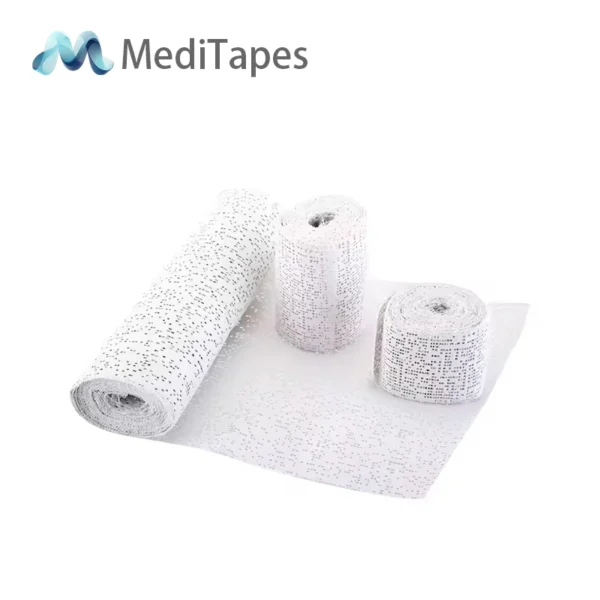
Radiolucent Gypsum POP Bandage Roll for Surgical Fracture Fixation
This radiolucent gypsum POP bandage offers precise limb contouring and fast hardening for orthopedic surgery. The POP bandage structure promotes skin ventilation while maintaining rigid stabilization. Trusted by surgeons for durable immobilization and high-quality clinical outcomes.
Common Pitfalls to Avoid When Launching
- Too many SKUs at start – stick to 3-5 tapes.
- Skimping on quality for cheap production.
- Ignoring regulations in target markets.
- Overpromising on branding (keep it realistic).
Learn from others’ mistakes – saves headaches.
Wrapping It Up: Your Next Move
Launching a private label medical tape brand is doable if you take it step by step. Market’s growing, demand’s there, and with the right medical tape OEM partner, you can have products ready faster than you think.
If this sounds like what you’ve been planning, let’s chat. At MediTapes, we specialize in helping startups and distributors create custom lines. Drop us an email at info@meditapes.com or head to our contact page for a no-pressure quote. We’ve got the experience to make your brand happen.
What’s stopping you? Get that first sample rolling today.
FAQ
What’s the difference between private label medical tape and regular OEM?
Private label means the product is made for you and sold under your brand name. Medical tape OEM is the manufacturing side – the partner producing it to your specs. They’re basically the same process, just different angles.
How long does it take to launch a private label medical tape line?
From first contact to shipping, usually 3-6 months. Samples in weeks, full production after approvals. Depends on customizations and certifications needed.
What’s a typical minimum order for private label medical tape?
Varies, but good partners start around 1000-5000 rolls per type. We’ve done smaller for testing at MediTapes – talk to us if you’re just starting.
Do I need my own certifications or does the manufacturer handle it?
The OEM handles production certs (like ISO). You might need to register the product in your country (FDA in US, etc.), but we guide through that.
Can I make custom features, like scented or colored tapes?
Yeah, within medical safety limits. Colors yes, scents trickier due to allergies. We’ve done tinted transparent tapes for fun pediatric lines.