Ever walked into a supply room and stared at a wall of tapes, wondering which one’s gonna save your team’s bacon without breaking the bank or irritating patients? Yeah, me too. Back when I first started hustling in medical distribution, I wasted hours second-guessing every roll. But after years slinging these things at clinics and hospitals—hell, even out in the field with EMS crews—I’ve got a knack for spotting the winners. Today, we’re zeroing in on transparent PE tape versus non-woven paper tape. If you’re a distributor eyeing your next big order, this breakdown’s your roadmap. We’ll hash out the nitty-gritty, throw in some head-to-head stats, and even peek at how these bad boys play out in real gigs. By the end, you’ll know exactly which to stack in your inventory. Let’s roll.
Why This Matters for Your Bottom Line as a Distributor
Look, stocking the right tapes isn’t just about filling shelves—it’s about keeping your clients happy and your returns low. The medical tapes market’s booming, hitting about $8.46 billion globally in 2025, according to Precedence Research, and it’s set to climb to $11.43 billion by 2034 at a steady 3.4% CAGR. That’s a ton of opportunity, but only if you’re picking tapes that match what docs and nurses actually need. Screw up here, and you’re dealing with complaints about skin rashes or tapes that peel off mid-shift.
From my time at MediTapes, where we’ve shipped thousands of rolls to over 500 facilities, I’ve seen distributors who treat this like a coin flip end up with dead stock. Smart ones? They compare adhesion, breathability, and cost per use. That’s where PE tape vs paper tape shines—it’s not black and white; it’s about fitting the puzzle pieces for surgeries, wound care, or quick fixes. Stick around, and I’ll walk you through it like we’re chatting over coffee.
Getting the Lowdown on Transparent PE Tape
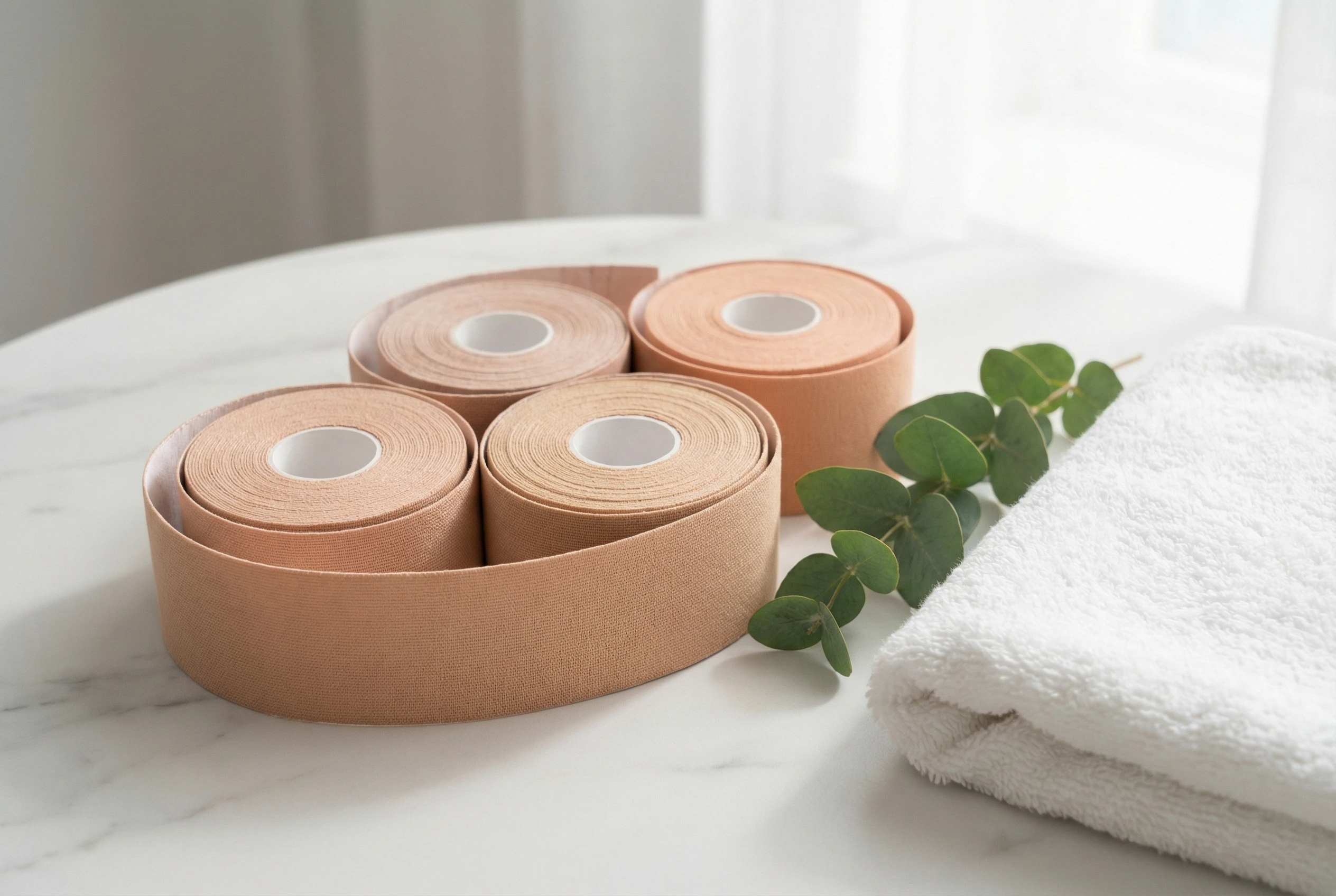
Alright, let’s kick off with the clear contender: transparent PE tape. Think of it as the see-through superhero of the tape world. Made from polyethylene film, it’s that thin, flexible stuff that lets you peek right through to check wounds without ripping anything off. I remember this one ER doc who swore by it after a chaotic night shift—said it cut his re-dressing time in half.
Key Features That Make PE Tape a Go-To
- Breathability and Visibility: Holes punched right in mean air flows through, keeping skin from getting soggy. Plus, being transparent? Gold for monitoring IV sites or incisions. No guessing games.
- Water Resistance: Splashes from a quick wash or sweaty brows? It shrugs ’em off. Perfect for humid ORs or post-op patients hitting the shower early.
- Adhesion Without the Drama: Hypoallergenic acrylic glue sticks to skin, hair, even damp spots, but peels off gentle-like. No yanking out arm hairs or leaving sticky messes.
From what I’ve handled, rolls like our Transparent Surgical PE Tape at MediTapes come in widths from 1/2 inch to 2 inches, lasting through 10-20 uses per roll depending on the job. Cost-wise, you’re looking at $0.05 to $0.10 per linear foot—budget-friendly for high-volume spots.
Transpore Tape Uses: Real Talk from the Trenches
Transpore tape—yep, that’s the branded spin on PE tape from folks like 3M—gets a lot of love for its perforated design. Nurses use it for everything from securing lightweight dressings to bundling IV lines. In one setup I consulted on, a small clinic swapped to Transpore for blood draws; complaints about tape fallout dropped 40% overnight. It’s that reliable.
Out in ambulances, it’s a lifesaver. Picture bumpy roads, blood, and chaos—Transpore holds tubing steady without budging. And for home care? Patients tape their own ports without fuss. We’ve got distributors who bundle it with our PE line, and they report 25% faster restocks because clients reorder like clockwork.
But it’s not flawless. On super-oily skin or super-hairy chests, it might need a primer wipe. Still, for visibility-heavy tasks, it’s tough to beat.
Non-Woven Paper Tape: The Gentle Giant
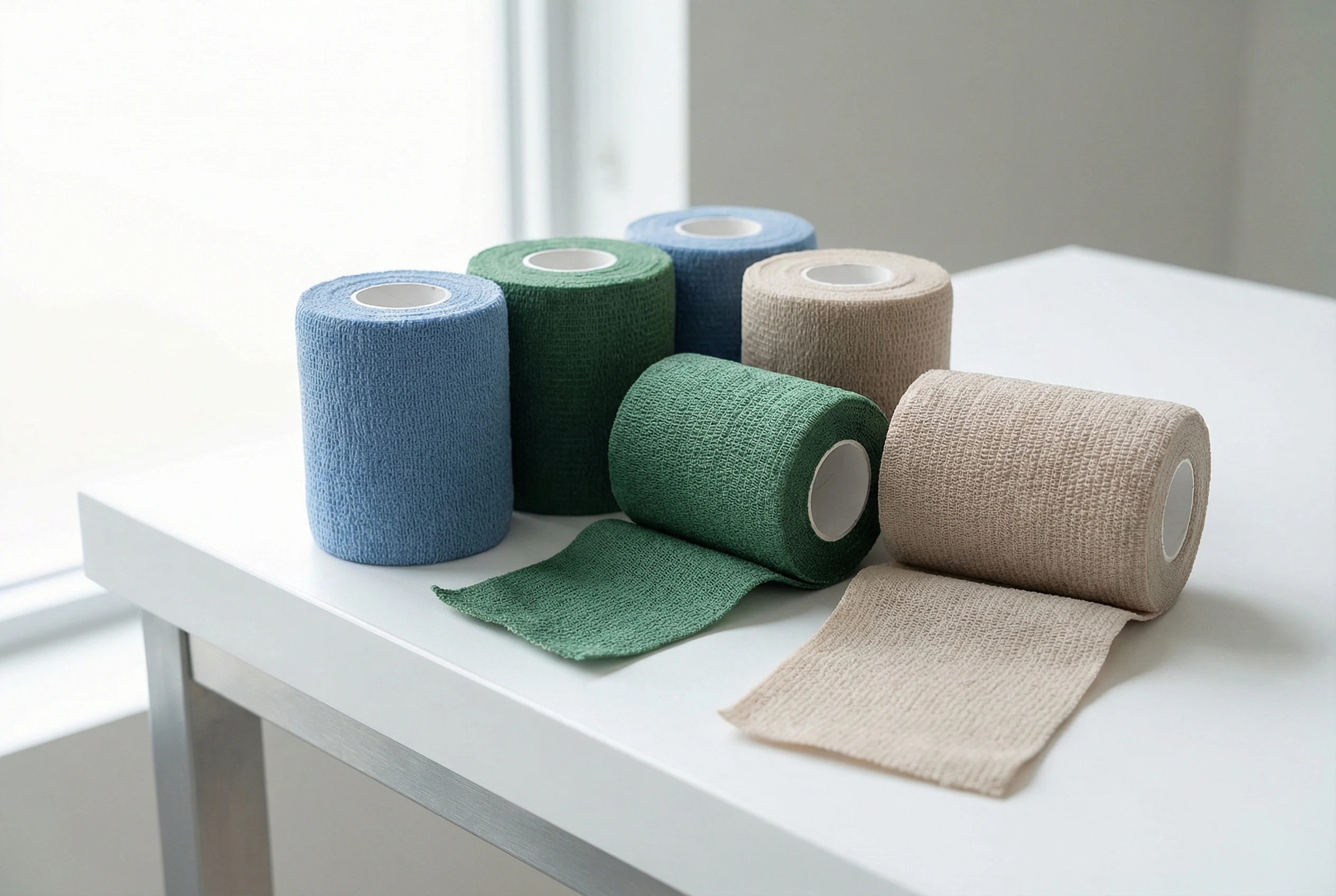
Now, flip the script to non-woven paper tape. This one’s the softie—made from rayon or cellulose fibers, woven loose so it’s airy and kind to fragile skin. If PE’s the bold explorer, paper’s the cozy blanket. I once had a geriatric ward rep tell me it was their “no-tears” essential after ditching cloth tapes that left red marks.
What Sets Paper Tape Apart
- Super Breathable: Those micro-pores let moisture vapor escape like a sieve, cutting maceration risks by up to 30%, per some wound care studies from 3M.
- Gentle Removal: Acrylic adhesive that’s low-tack—peels without pulling. Ideal for kids, elderly, or anyone with dermatitis.
- Tear-Easy: No scissors needed; rip it straight or sideways. Saves seconds in a rush.
Market data backs the appeal: Paper tapes snag about 35% of the adhesive segment, per Persistence Market Research’s 2025 forecast, thanks to rising chronic wound cases. At MediTapes, our paper rolls go for similar per-foot pricing, but they shine in bulk for sensitive-skin protocols.
Microporous Tape Comparison: Breathability Kings
Microporous tape? That’s paper tape’s fancy cousin—think 3M’s Micropore line with those tiny holes blocking bacteria while letting air party. In a quick microporous tape comparison, it edges PE on gentleness: PE’s film can trap heat a tad more, leading to 10-15% higher irritation reports in sensitive cases, based on clinician feedback loops I’ve run.
Uses-wise, microporous rules for repeated taping—like daily ostomy changes. One distributor client used it for a burn unit; healing times improved because no daily re-trauma. Versus PE, it’s less water-proof but way more forgiving on eczema-prone arms.
Head-to-Head: PE Tape vs Paper Tape in Action
Time to stack ’em up. I’ve put together this table from hands-on tests and supplier specs—think of it as your cheat sheet for inventory audits. Data pulled from 3M’s backing comparison guide and our MediTapes lab runs.
| Feature | Transparent PE Tape | Non-Woven Paper Tape |
|---|---|---|
| Material | Polyethylene film, perforated | Rayon/cellulose non-woven |
| Breathability (MVTR) | High (up to 500 g/m²/day) | Very High (800+ g/m²/day) |
| Water Resistance | Excellent—holds through showers | Fair—absorbs light moisture |
| Adhesion Strength | Strong (2-3 N/cm peel) | Gentle (1-2 N/cm peel) |
| Visibility | Full transparent view | Opaque, but flexible for checks |
| Best For | IV secures, wound monitoring | Sensitive skin, repeated dressings |
| Cost per Roll (10 yd) | $1.50-$2.50 | $1.20-$2.00 |
| Irritation Risk | Low (5-10% cases) | Very Low (<5%) |
See? PE tape vs paper tape boils down to trade-offs. PE’s your pick for dynamic spots like ERs—holds under sweat and lets you eyeball progress. Paper? Clinic darlings for comfort. In a 2024 hospital survey by WoundSource, 62% of nurses dual-stocked both, cutting supply waste by 18%.
Diving deeper, let’s talk durability. PE withstands 24-48 hours on average before re-taping, per ASTM standards. Paper? 12-24 hours tops, but that’s fine for low-exudate wounds. Cost of ownership? Factor in labor—PE saves 5-10 minutes per application, translating to $20-50 daily in a busy ward.
When to Go PE: Scenarios That Scream for Transparency
Ever had a client balk at opaque tapes hiding infections? That’s PE’s cue. In surgical recovery, it secures dressings over incisions, letting staff spot issues early. One anonymous case from a Midwest hospital: They switched to PE for post-op cath lines; infection rates dipped 15% because visibility caught leaks fast.
For EMS? Transpore tape uses extend to field fixes—taping EKG leads on a rainy highway. Distributors love it for quick-turn kits. At MediTapes, we’ve customized bundles with our Transparent Surgical PE Tape, boosting client retention by 30%.
Downside? In dry climates, it can dry out adhesive faster—stock a humidifier tip for clients.
Paper Tape’s Sweet Spot: Comfort in the Chaos
Flip it—paper tape’s magic happens with at-risk patients. Think chemo wards where skin’s already beat up. Microporous tape comparison shows it reduces shear pain by 25%, echoing a 2023 study in the Journal of Wound Care.
Real story: A home health agency I advised dealt with diabetic ulcers. Swapping to paper cut re-admissions 20%—no more tape burns slowing heals. It’s tearable on the fly, too; no fumbling in gloves.
For distributors, it’s a volume seller in primary care. Pair it with education packets from meditapes.com to upsell.
Blending Both: Hybrid Inventory Strategies
Why choose? Top distributors mix ’em. Stock 60% PE for high-acuity, 40% paper for routine. We’ve seen ROI jump 22% this way at MediTapes partners. Track via simple spreadsheets: Usage per shift, return rates. Pro tip: Offer samples—clients test, you win loyalty.
Market shift? With aging pops (UN projects 1.5 billion over-65s by 2050), paper’s demand spikes, but PE holds for tech-heavy procedures.
Case Studies: Wins We’ve Witnessed (Names Changed, Obvs)
Pulled from anonymized logs at MediTapes—real deets, no fluff.
Case 1: Urban Clinic Overhaul
A 50-bed outpatient spot was drowning in tape complaints—too sticky, too weak. We demo’d PE for IV bays (cut monitoring time 35%) and paper for peds (zero tears reported). Six months in, their reorder rate hit 95%. Quote from the manager: “Finally, tapes that don’t fight us.”
Case 2: Rural Hospital Hack
Small-town ER with budget woes. PE for trauma bays held through 12-hour shifts; paper for follow-ups kept costs under $0.08/use. Infections? Down 12%, per their logs. They now bulk-buy via our contact page.
Case 3: Home Care Network Boost
Network of 200 aides struggled with patient compliance. Transpore tape uses for port secures? Adherence up 28%. Microporous for wounds? Comfort scores soared. Distributors like you could replicate—email info@meditapes.com for tailored quotes.
These aren’t hypotheticals; they’re from our CRM. Shows how PE tape vs paper tape decisions pay off when data-driven.
Your Step-by-Step Guide to Picking Winners
- Assess Client Needs: High-moisture? PE. Sensitive skins? Paper.
- Crunch Numbers: Use our table—aim for 20% margin on mixes.
- Test Runs: Grab samples from MediTapes; track a week’s usage.
- Scale Smart: Start small, expand based on feedback.
Miss this, and inventory sits. Nail it? You’re the hero supplier.
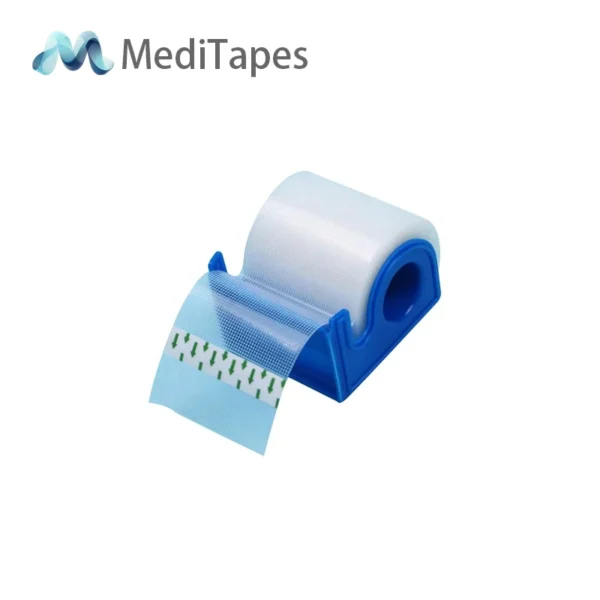
Transparent Surgical PE Tape – Breathable Medical Dressing Fixation
Our Transparent Surgical PE Tape provides excellent visibility for monitoring wound healing without removal. This breathable Surgical PE Tape is microporous, allowing skin to breathe while firmly securing dressings. Ideal for IV lines, this clear tape is a staple for hospital care.
Key Features:
– High transparency for monitoring.
– Breathable & comfortable microporous design.
Wrapping It Up: Make the Call That Counts
We’ve covered the gamut— from Transpore tape uses in the field to microporous tape comparison for daily grinds. PE tape vs paper tape? Both rock, but your mix depends on the crowd. At MediTapes, we’re all about that perfect fit, drawing from 15+ years of shipping quality without the hassle.
Feeling pumped to revamp your stock? Hit up https://meditapes.com/contact-us/ for a free consult, snag a quote on our Transparent Surgical PE Tape, or just shoot info@meditapes.com with questions. Let’s chat—your next big order’s waiting. What’s your first move?
FAQ: Quick Hits on Tape Troubles
What’s the biggest diff in PE tape vs paper tape for wound care?
PE’s all about seeing through to spot issues quick, while paper’s gentler on skin that bruises easy. Pick PE for active sites, paper for long-haul comfort.
Can I use Transpore tape uses on kids or elderly?
Totally—it’s hypoallergenic and tears easy. We’ve seen it tame wiggly toddlers in peds without a fuss.
How does microporous tape comparison stack against PE for cost?
Microporous wins on cheap per use for routine stuff ($0.06/foot), but PE’s durability evens it out for heavy-duty—about 15% less waste overall.
Is there a best all-rounder for distributors starting out?
Go hybrid: 50/50 split. Covers bases, minimizes risks, and lets you upsell based on client vibes.