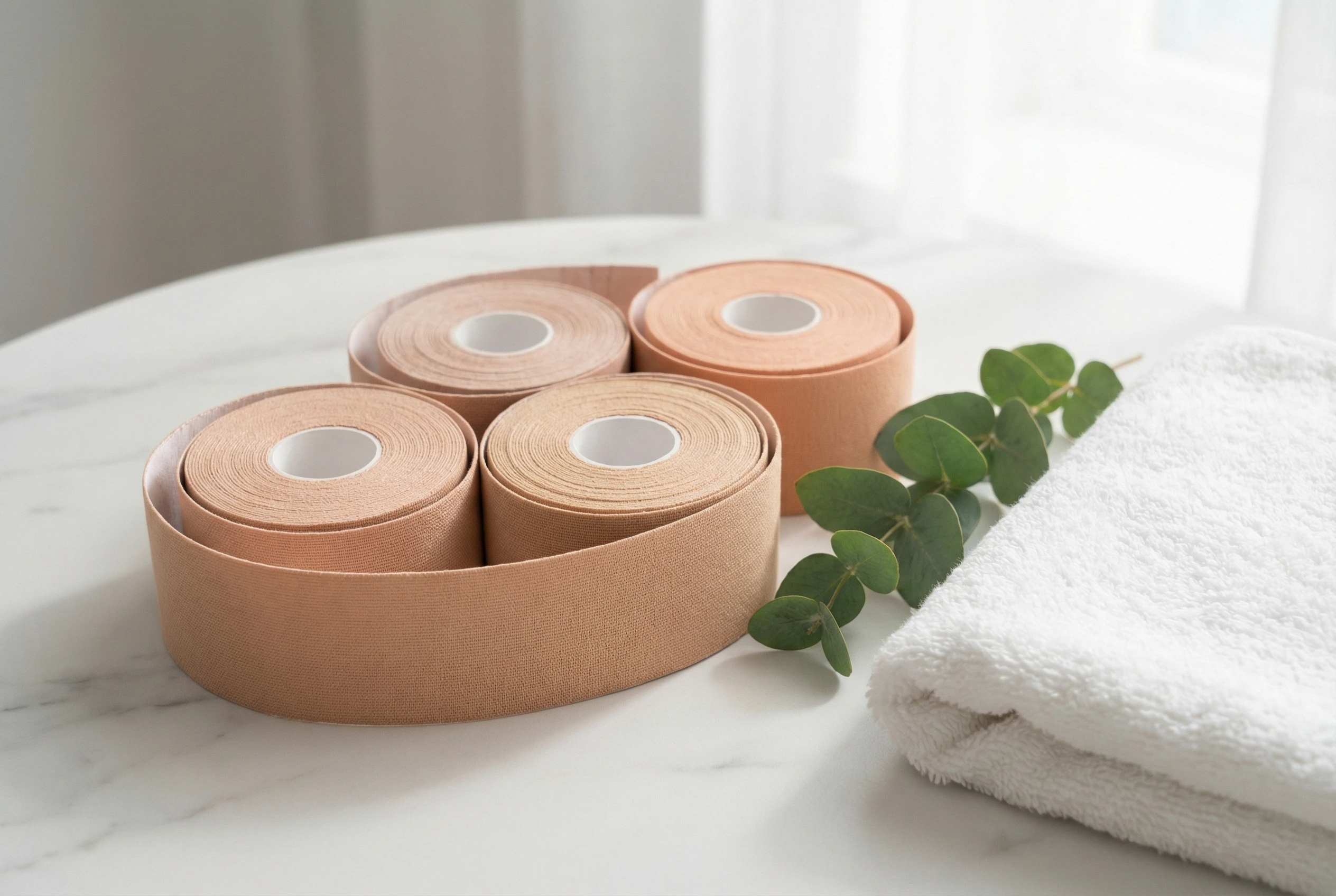
If you’re sourcing medical tapes in bulk, you’ve probably found yourself staring at specs sheets wondering about PE tape vs non-woven tape. Both get the job done – holding dressings, securing tubes, or fixing bandages – but they shine in different situations. I’ve dealt with tons of these tapes over the years through suppliers and feedback from clinics, and honestly, there’s no one-size-fits-all. It really depends on what your end users need, like patient comfort, how long the tape stays on, or if water might be involved.
Let’s break it down in a straightforward way, no fluff. We’ll look at the materials, how they perform day-to-day, and some real-world scenarios where one beats the other. By the end, you’ll have a clearer idea for your next order.
What Exactly Are These Tapes Made Of?
First off, a quick rundown on the basics.
Surgical PE tape (polyethylene) is that clear, plastic-like stuff you often see in hospitals. It’s usually perforated with tiny holes for breathability, and coated with a gentle adhesive. Think of it as a thin film that’s flexible but tough. Our PE Tape at MediTapes is a good example – transparent, waterproof-ish, and easy to spot what’s underneath.
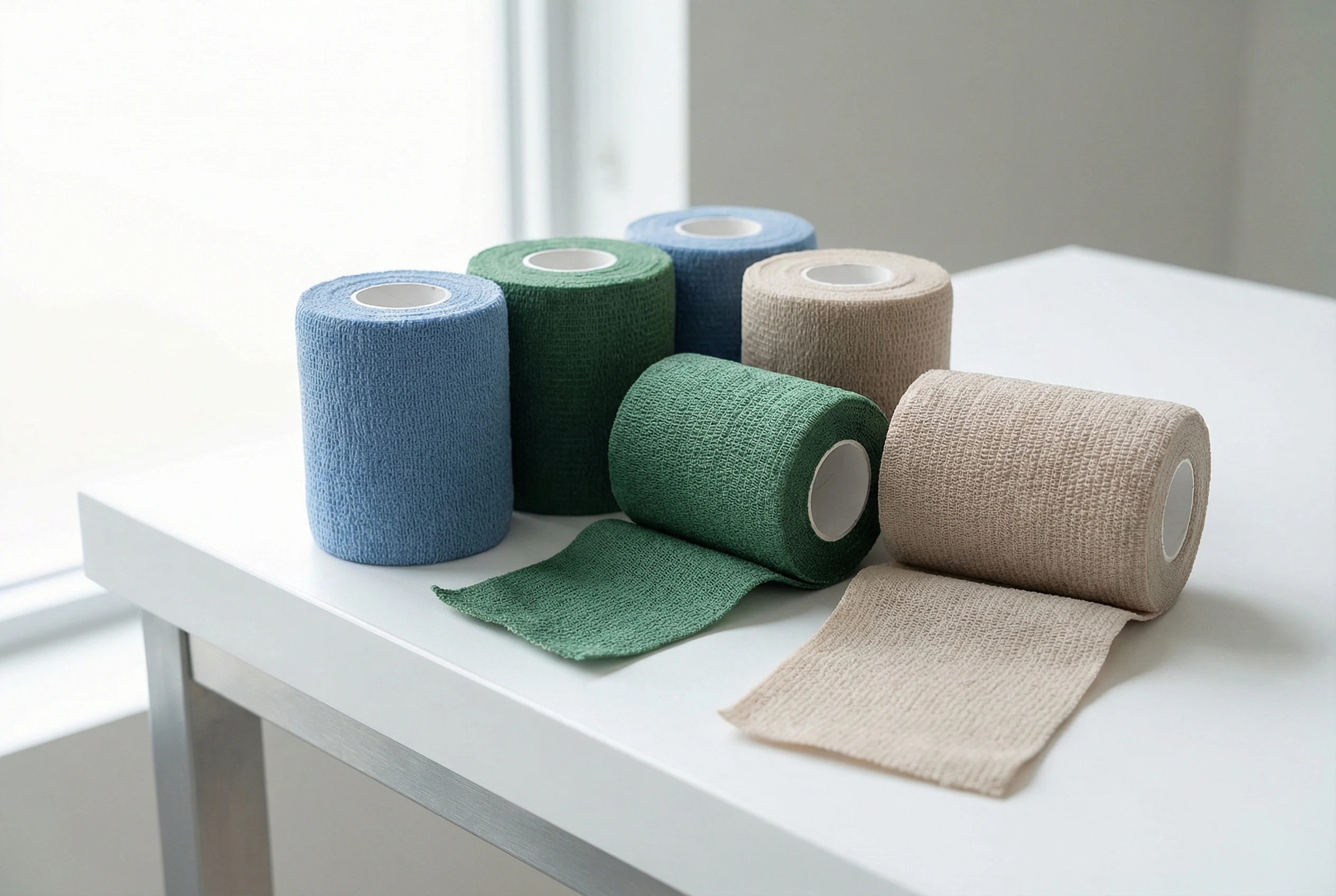
Non-woven tape, on the other hand, feels more like soft paper or fabric. It’s made from fibers pressed together (not woven), which gives it that fuzzy texture. It’s super breathable because of the open structure, and the adhesive is designed to be kind to skin. Check out our Non-woven Tape – it’s the go-to for longer wear without irritation.
Both are hypoallergenic these days, meaning low risk of reactions. Studies show true allergies to medical tapes are rare – less than 0.3% of cases – most issues come from irritation, not actual allergy.

Hypoallergenic Medical Non-woven Tape for Sensitive Skin Fixation
Designed for patient comfort, this Hypoallergenic Medical Non-woven Tape prevents skin irritation during long-term use. Ideal for securing catheters and dressings, our medical non-woven tape ensures air permeability. Safe, latex-free, and easy to tear for efficient clinical application.
Key Differences: A Side-by-Side Medical Tape Comparison
To make this easier, here’s a table comparing the main features. This is based on common specs from manufacturers and what we’ve seen in practice.
| Feature | Surgical PE Tape | Non-Woven Tape |
|---|---|---|
| Material | Polyethylene film (often perforated) | Non-woven fibers (paper-like or fabric) |
| Breathability | Good (thanks to microholes) | Excellent (natural fiber structure) |
| Water Resistance | Better – holds up in showers or sweat | Okay, but can loosen if soaked |
| Adhesion Strength | Stronger initial stick, reliable long-term | Gentle but secure, easier removal |
| Conformability | Flexible, good on curves | Super soft, molds perfectly to skin |
| Visibility | Transparent – easy to monitor wound | Opaque – hides what’s underneath |
| Ease of Tearing | Often bidirectional, no scissors needed | Hand-tearable, straight lines |
| Best For Sensitive Skin | Decent, low residue | Top choice, minimal irritation |
| Typical Wear Time | Up to a week or more | Extended wear, less maceration risk |
This medical tape comparison highlights why buyers often stock both. PE for secure, visible fixes; non-woven for comfort-focused applications.
Pros and Cons of Surgical PE Tape
PE tape has been around forever in operating rooms for good reason.
Pros:
- Waterproof qualities make it ideal for areas that get wet – think post-op sites or IV lines.
- Transparent so nurses can check healing without ripping everything off.
- Strong hold, even on tricky spots like joints.
- Breathable versions (with perforations) prevent too much moisture buildup.
We’ve had buyers tell us our hypoallergenic PE tape stayed put during patient transfers without shifting, which is huge in busy wards.
Cons:
- Can feel a bit stiff compared to softer options.
- Removal might tug more if not done carefully.
- Less “forgiving” on very fragile skin.
In one case I recall (anonymously, of course), a clinic switched to PE for dialysis patients because it handled moisture better than their old paper tapes, cutting down on changes.
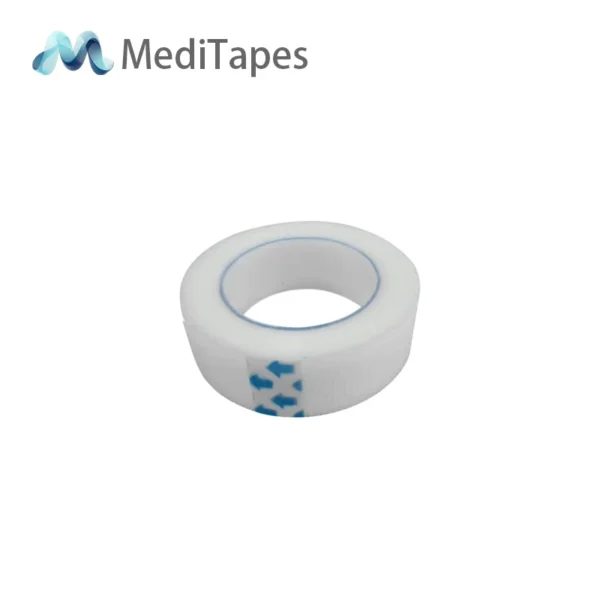
Hypoallergenic Surgical PE Tape – Latex Free Clear Medical Tape
Designed for sensitive patients, this Hypoallergenic Surgical PE Tape is 100% latex-free and gentle on the skin. The clear Surgical PE Tape ensures secure adhesion with minimal trauma upon removal. Perfect for pediatrics and geriatrics, ensuring safety in every application.
Key Features:
– Latex-free & Hypoallergenic.
– Gentle removal, low skin irritation.
Pros and Cons of Non-Woven Tape
Non-woven is the comfort king.
Pros:
- Amazing breathability – air flows through easily, reducing sweat and infection risks.
- Super gentle removal, great for elderly or pediatric use.
- Conforms like a dream to body contours.
- No residue left behind usually.
Many hospitals prefer non-woven for long-term dressings because it lets skin “breathe” naturally. The global medical adhesive tapes market is growing steadily (valued around USD 9-10 billion recently, with steady demand in wound care), and non-woven types are popular for extended wear.
Cons:
- Not as water-resistant – might need extra protection in damp environments.
- Opaque, so you can’t peek underneath.
- Adhesion can vary if skin is oily.
A procurement team once shared how switching to non-woven reduced complaints about itchy skin in their long-stay patients – simple change, big difference.
When to Choose PE Tape vs Non-Woven Tape
Here’s where it gets practical for buyers like you.
Go for PE tape if:
- You need to monitor the site visually (e.g., surgical incisions).
- Water exposure is likely (showers, sweaty patients).
- Secure fixation is priority, like tubing or devices.
Opt for non-woven tape when:
- Patient comfort over days is key (chronic wounds, sensitive skin).
- Breathability to prevent maceration.
- Frequent changes aren’t an issue but gentle removal is.
In surgical tape materials, both have places. Hospitals often use PE in ORs and non-woven on floors for daily care.
Real-World Application Scenarios
Over time, we’ve seen patterns.
One hospital group bought pallets of our PE tape for their emergency dept – quick fixes, visible checks, holds through chaos.
Another chain focused on geriatric care went heavy on non-woven – fewer skin tears, happier patients.
In home health kits, a mix works best: PE for short-term, non-woven for ongoing.
And yeah, both are latex-free and hypoallergenic in quality lines, keeping reactions low.

Waterproof Surgical PE Tape – Strong Adhesion for Tubing & IVs
Ensure critical device security with our Waterproof Surgical PE Tape. Engineered for moisture resistance, this heavy-duty Surgical PE Tape holds catheters and tubing firmly even in damp conditions. A reliable choice for surgery and ICU, offering durable fixation you can trust.
Key Features:
– Water-resistant barrier.
– High tensile strength for device fixation.
Factors Buyers Should Consider
When comparing PE tape vs non-woven tape for procurement:
- Volume and cost – both affordable in bulk.
- Patient demographics (age, skin type).
- Usage environment (wet vs dry).
- Regulatory needs – look for ISO-certified like ours at MediTapes.
Also, shelf life is similar, around 3-5 years if stored cool and dry.
FAQ: Common Questions on PE Tape vs Non-Woven Tape
What’s the main difference in breathability between PE and non-woven tapes?
Non-woven wins hands down with its fiber structure letting air circulate freely. PE relies on perforations, which is good but not quite as natural.
Is PE tape really waterproof?
It’s water-resistant – holds up to splashes and sweat better than non-woven, but not fully submersible like some specialized films.
Which is better for sensitive skin?
Non-woven usually, as it’s softer and less likely to irritate over time. But modern PE tapes are pretty gentle too.
Can I use these for securing IV lines?
Yes both, but PE’s transparency and stronger hold make it popular for that.
How do I remove them without hurting skin?
Warm water or adhesive remover helps. Peel slowly at a low angle.
Wrapping It Up: Making Your Choice
At the end of the day, stocking both PE tape and non-woven tape covers most bases. They’re both reliable surgical tape materials, just tailored differently.
If you’re ready to chat specifics, get samples, or talk quotes for your volumes, drop us a line at MediTapes. Shoot an email to info@meditapes.com or head to our contact page. We can help sort what fits your needs best – no pressure, just straight talk.
Visit https://meditapes.com/ for more on our hypoallergenic lines.